


LEARN
Pliability Team
Waking up with tight shoulders or feeling your legs protest after a workout signals that your body needs attention. Muscle stiffness affects millions of people daily, whether from exercise, poor posture, stress, or aging. Finding the right treatment approach can mean the difference between days of discomfort and getting back to normal activities. Proven methods for treating muscle stiffness focus on pain relief, improved flexibility, and the safe restoration of a full range of motion.
Effective relief combines targeted stretching, foam rolling, and movement exercises to address specific areas of tightness. These approaches help reduce tension while building lasting mobility improvements. Working through stiffness at your own pace allows for sustainable recovery without risking further injury. Pliability's mobility app offers guided routines designed specifically for recovery and pain reduction.
Table of Contents
What Are the Signs and Symptoms of Muscle Stiffness?
Why Muscle Stiffness Happens (And Why It Keeps Coming Back)
Muscle Stiffness Treatment (And An Accurate Test To Assess Effectiveness)
Fix Muscle Stiffness at the Source — Not Just the Symptoms
Summary
Muscle stiffness returns because physical demand consistently outpaces your body's recovery capacity. When training volume, poor posture, or repetitive movement exceeds what your sleep, hydration, and movement quality can support, your nervous system keeps muscles in a protective, semi-contracted state. This isn't dysfunction; it's your body preventing further tissue damage that hasn't fully recovered from previous stress.
Poor movement patterns spread tension to areas not designed to handle that load, creating a cascade of restriction. When hip flexors stay chronically tight from sitting, your lower back compensates by overworking during walking or lifting. That overwork creates new stiffness zones, forcing other muscles to compensate. The body adapts to whatever you do most frequently, so eight hours of rounded shoulders trains your nervous system to treat that position as normal.
Stretching provides temporary relief by briefly overriding protective tension, but doesn't address why that tension keeps returning. Research in Rheumatology International found that stabilization exercises targeting core muscle stiffness produced measurable reductions in chronic low back pain when properly calibrated, demonstrating that targeted intervention outperforms generic stretching routines. Without changing the load-recovery imbalance or correcting dysfunctional movement patterns, your body restores tension within hours.
Most people treat stiffness reactively, stretching only when discomfort becomes unbearable, then wondering why relief disappears. Success requires three measurable outcomes: reduced stiffness (quantified on a 1-10 scale), improved movement (increased range of motion in restricted patterns), and faster recovery (noticeable improvement within 24 hours, sustained progress over days). Without testing all three, you're guessing whether your approach works or just borrowing time before tension returns.
Physical therapy addresses root causes by identifying where restrictions originate, and retraining movement patterns your nervous system has learned to protect. Treatment includes therapeutic exercise to rebuild strength and flexibility, cross-friction massage to restore mobility in tendons and ligaments, and dry needling to release trigger points and increase blood flow. The protocol teaches your body new movement patterns while addressing tissue restrictions that prevent those patterns from feeling natural.
Pliability's mobility app provides structured, progressive routines that target specific restriction patterns with clear progression paths, helping you measure whether stiffness improves rather than just chasing temporary relief.
What Are the Signs and Symptoms of Muscle Stiffness?
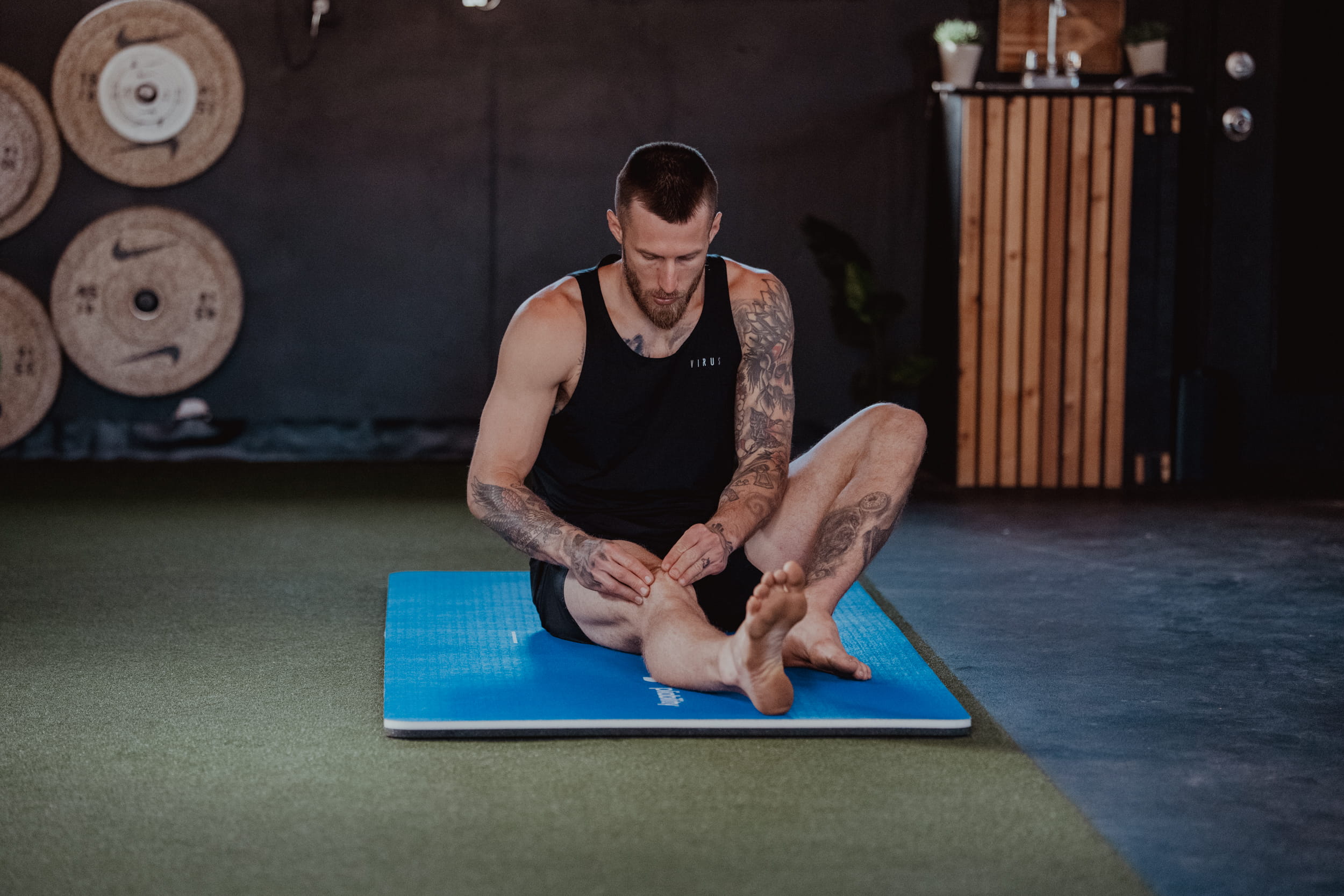
Muscle stiffness manifests as tightness during or after movement, reduced range of motion, soreness or resistance when stretching, and stiffness after rest periods, like waking up or sitting for extended periods. These signs indicate your body isn't recovering properly from physical load.
🎯 Key Point: Muscle stiffness is your body's way of signaling that recovery isn't happening effectively - it's not just normal soreness from exercise.
"Muscle stiffness after periods of inactivity is one of the most common indicators that your body needs targeted recovery interventions." — Physical Therapy Research
💡 Tip: Pay attention to morning stiffness - if it lasts longer than 30 minutes after waking, this often indicates your muscles aren't getting the proper recovery they need during sleep.
Common Signs | What It Indicates |
|---|---|
Tightness during movement | Active muscle tension |
Reduced range of motion | Restricted flexibility |
Morning stiffness | Poor overnight recovery |
Post-sitting stiffness | Muscle adaptation to inactivity |
How does muscle tightness affect your daily movement?
When muscles feel tight and contracted, your range of motion decreases. You might not be able to turn your head far enough to check your blind spot, or reaching overhead creates resistance that wasn't there before. This tension builds gradually in the neck, shoulders, lower back, and legs, creating a sensation that your muscles remain partially flexed even at rest.
Why does stiffness get worse after periods of rest?
Stiffness worsens after periods of inactivity. Morning stiffness that makes getting out of bed feel like you've aged twenty years is a clear signal, as is the concrete-leg feeling after sitting through a long meeting or flight.
When festival-goers describe their lower backs locking up after sleeping on air mattresses or their calves feeling like cement after hours of dancing, they're experiencing the same pattern: muscles that can't release tension because they haven't properly recovered from the load placed on them.
What does it mean when stretching feels uncomfortable?
Soreness and resistance during stretching signal a problem. Healthy muscles lengthen without significant discomfort. Sharp resistance or aching tension indicates your fascia (the connective tissue surrounding muscles) has lost its ability to glide smoothly.
Dehydration worsens this: fascia needs water to maintain its sliding function. However, the core issue is that your muscles are stuck in a protective state, unable to return to their normal resting length.
Why does pushing harder make stiffness worse?
This creates a frustrating cycle: you feel stiff, stretch, experience pain or ineffectiveness, then assume you need to push harder. The real problem is that your body lacks the right conditions and movement patterns to recover from built-up tension.
According to research published in the Journal of Bodywork and Movement Therapies (2019), restricted fascial mobility can reduce joint range of motion by up to 40%, creating compensatory movement patterns that spread stiffness throughout the body.
How do mobility restrictions develop without you noticing?
Reduced range of motion appears so gradually that you adapt without noticing. Forward head posture from computer work creates chronic neck tension, while tight hip flexors from prolonged sitting limit leg extension.
Each restriction forces other muscles to compensate, spreading the load and creating new stiffness. You might not notice your shoulder mobility has decreased until you struggle to fasten a necklace or reach into the back seat of your car.
What's the real cause behind recurring stiffness?
These signals point to one main problem: your body isn't recovering well from physical demands—whether sports, manual labour, poor posture, or repetitive phone use. The stiffness you feel is your nervous system protecting tissues that lack sufficient recovery time or the right movement inputs to reset.
Most people treat the feeling instead of fixing why it keeps coming back. You take ibuprofen, get a massage that feels great for a day, or stretch occasionally when discomfort becomes unbearable. The relief doesn't last because the underlying problem persists.
How can you build lasting recovery capacity?
Solutions like Pliability's mobility app change this approach by providing targeted stretching protocols and movement exercises designed to address specific patterns of restriction, helping your body build recovery capacity rather than seek temporary relief.
Understanding these signals is only half the picture. The real question is what's happening beneath the surface that causes stiffness to recur.
Related Reading
Why Muscle Stiffness Happens (And Why It Keeps Coming Back)

Muscle stiffness returns when physical demand (training volume, poor posture, repetitive movement) exceeds your recovery abilities (sleep, hydration, movement quality, tissue adaptation). Your nervous system responds by maintaining muscles in a protective, semi-contracted state, preventing further damage to tissues that haven't fully recovered from previous stress.
🎯 Key Point: Muscle stiffness isn't just about being tight—it's your body's protective mechanism when recovery can't keep up with demand. Think of it as your nervous system's emergency brake to prevent tissue damage.
⚠️ Warning: Many people focus only on stretching when they feel stiff, but this ignores the root cause. If your recovery deficit continues, the stiffness will always return within hours or days.
Physical Demand | Recovery Abilities | Result |
|---|---|---|
High training volume | Poor sleep quality | Chronic stiffness |
Poor posture habits | Low hydration | Recurring tension |
Repetitive movements | Limited mobility work | Protective muscle guarding |
Why does recovery debt accumulate faster than we realize?
Think of recovery capacity like a bank account. Every physical demand withdraws from it: a three-hour drive with hunched shoulders, a weekend hike after months of desk work, extra deadlifts when tired. Recovery deposits come from quality sleep, hydration, nutrition, and targeted movement that restores tissue length and nervous system regulation. When withdrawals exceed deposits, stiffness accumulates as a protective mechanism.
What happens when your body reaches its recovery limit?
Most people notice the overuse only when their body stops moving normally. Your hamstrings feel like guitar strings after a run. Your neck locks up during a long meeting. These aren't isolated incidents; they're the result of weeks or months of recovery debt building up. Stretching for five minutes won't erase it any more than depositing twenty dollars fixes a maxed-out credit card.
How do poor movement patterns accelerate stiffness?
Poor movement quality accelerates the stiffness cycle by spreading tension to areas not designed to handle that load. Chronically tight hip flexors force the lower back to overwork during walking or lifting, creating new stiffness that triggers further compensations. This cascade of restriction spreads far from the original problem.
Why does your body resist returning to normal posture?
Your body adapts to whatever you do most often. If you spend eight hours daily with rounded shoulders and your head forward, your nervous system learns to treat that position as "normal." When you try to stand up straight or reach high, your shortened muscles resist lengthening. This isn't about weakness—it's your body protecting a movement pattern it recognises as safe, even if that pattern creates long-term dysfunction.
Why does stretching only provide temporary relief?
Stretching provides temporary relief by overriding the protective tension your nervous system created, but it doesn't address why that tension returns. You can manually lengthen a tight muscle, but if you haven't corrected the load-recovery imbalance or movement pattern that created the stiffness, your body will restore that tension within hours. It's like bailing water from a sinking boat without fixing the leak.
How can you break the reactive treatment cycle?
Most people address muscle stiffness by waiting until it becomes painful, then trying massage, foam rolling, or stretching occasionally. These methods temporarily reduce tightness and improve blood flow, but they don't restore your body's capacity for recovery or movement patterns. Consequently, stiffness returns.
Platforms like Pliability's mobility app change this pattern by providing structured, step-by-step routines that target specific tight areas and build lasting ability rather than seeking quick fixes. The goal is to create a body that recovers well from physical demands.
What does effective long-term mobility require?
You can't stretch your way out of a recovery deficit or compensate for movement patterns your body has spent years building into habits. You need a system that addresses both: most approaches deal with only one or ignore the problem entirely until pain forces attention.
Related Reading
Muscle Stiffness Treatment (And An Accurate Test To Assess Effectiveness)

Success in stiffness treatment means three measurable outcomes: reduced stiffness (on a 1-10 scale), improved movement (increased range of motion in restricted patterns), and faster recovery (noticeable improvement within 24 hours, sustained progress over days). Without testing all three, you're guessing whether your approach works or merely delaying the return of the tension.
🎯 Key Point: Effective stiffness treatment requires objective measurement across three distinct markers - pain levels, mobility range, and recovery speed - to distinguish between temporary relief and lasting improvement.
"Without testing all three outcomes, you're guessing whether your approach works or just borrowing time before the tension returns." — Evidence-based treatment assessment
⚠️ Warning: Many people mistake temporary stiffness relief for successful treatment, only to have the same restrictions return within days or weeks because they didn't measure sustained progress.
How does physical therapy target muscle stiffness?
Physical therapy addresses muscle stiffness by identifying root causes: insufficient muscle use, limited movement, poor posture, and ingrained movement patterns. A physical therapist assesses your movement, locates the source of stiffness, and develops a personalised plan to lengthen tissues, improve joint mobility, and establish better movement patterns.
According to research published in Rheumatology International, stabilization exercises targeting core muscle stiffness produced measurable reductions in chronic low back pain when intensity and progression were properly calibrated, demonstrating that targeted intervention outperforms generic stretching routines.
What treatment methods restore muscle flexibility?
Treatment methods include therapeutic exercise and stretching to rebuild strength and flexibility, cross-friction massage to restore mobility in tendons and ligaments, strain-counterstrain techniques that move restricted joints into comfortable positions, and dry needling to release trigger points and increase blood flow to tight muscles.
Heat therapy relaxes tissue before movement work, while cold therapy reduces inflammation after sessions. You're teaching your body new movement patterns while addressing the tissue restrictions that prevent those patterns from feeling natural.
What are the most common home treatments for muscle stiffness?
Most people rely on home treatments because they're easy to access and require no appointment: alternating heat and cold for 20-minute intervals, resting during peak stiffness, stretching multiple times daily (especially before and after physical activity), and taking NSAIDs like ibuprofen to manage inflammation.
These methods provide temporary relief but don't address why stiffness keeps returning. If you ice your lower back after a long drive without correcting the hip flexor tightness and postural collapse that created the tension, you'll need ice again tomorrow.
How can you create a structured protocol for treating stiffness at home?
The missing piece in most home treatment approaches is a structured plan with clear success metrics. Rate your stiffness on a 1–10 scale before starting. Do 5–10 minutes of light movement (walking, gentle joint circles) to increase blood flow, then 5 minutes of targeted mobility work focused on the specific restriction: hip flexor stretches for lower back tightness, thoracic rotations for neck stiffness.
Test again immediately and the next day. If your stiffness rating drops 2-3 points within 24 hours and movement quality improves, repeat and gradually increase intensity. If nothing changes after three consistent sessions, the problem isn't the treatment: it's the training load, sleep debt, hydration deficit, or unidentified movement pattern.
Why should you treat stiffness proactively instead of reactively?
Most people address stiffness only when it becomes painful, stretching reactively rather than proactively. Apps like Pliability's mobility app change this by providing organized routines that systematically target specific stiffness problems.
Instead of guessing which stretch might help, you follow sessions led by experts designed to address common stiffness problems (tight hips, locked shoulders, stiff lower back) and show you clear ways to improve as your mobility increases. The goal isn't temporary relief but building a body that recovers faster from physical activity by removing the restrictions that impede recovery.
What prevention strategies work best for muscle stiffness?
To prevent stiffness, address its root causes: exercise regularly to maintain tissue strength, stretch often to preserve range of motion, wear supportive shoes during activity, dress warmly in cold weather, and arrange your workspace to support good posture. Maintaining a healthy weight reduces stress on joints and muscles. Adequate hydration helps fascia move smoothly and delivers nutrients to tissues. Foods rich in calcium, magnesium, and vitamin D provide muscles with essential minerals for proper contraction and relaxation.
When should you seek medical help for persistent stiffness?
Prevention builds capacity before stiffness limits your movement, while reactive treatment chases relief after restriction has set in. If muscle stiffness persists despite consistent home treatment, or if accompanied by fever, unexplained fatigue, or progressive weakness, seek medical evaluation. Conditions like fibromyalgia, autoimmune disorders, or neurological dysfunction create stiffness patterns unresponsive to stretching alone because the root issue is systemic dysfunction, not mechanical tension.
But knowing what to do only matters if you can measure whether it's working, and most people never close that loop.
Related Reading
Stretches For Lower Back Stiffness
Left Arm Stiffness
How To Relieve Morning Back Stiffness
Finger Stiffness And Locking Treatment
Hand Stiffness Exercises
Hip Stiffness Exercises
How To Reduce Stiffness After an Ankle Sprain
Best Supplements For Muscle Pain And Stiffness
How To Get Rid Of Neck Stiffness
Fix Muscle Stiffness at the Source — Not Just the Symptoms
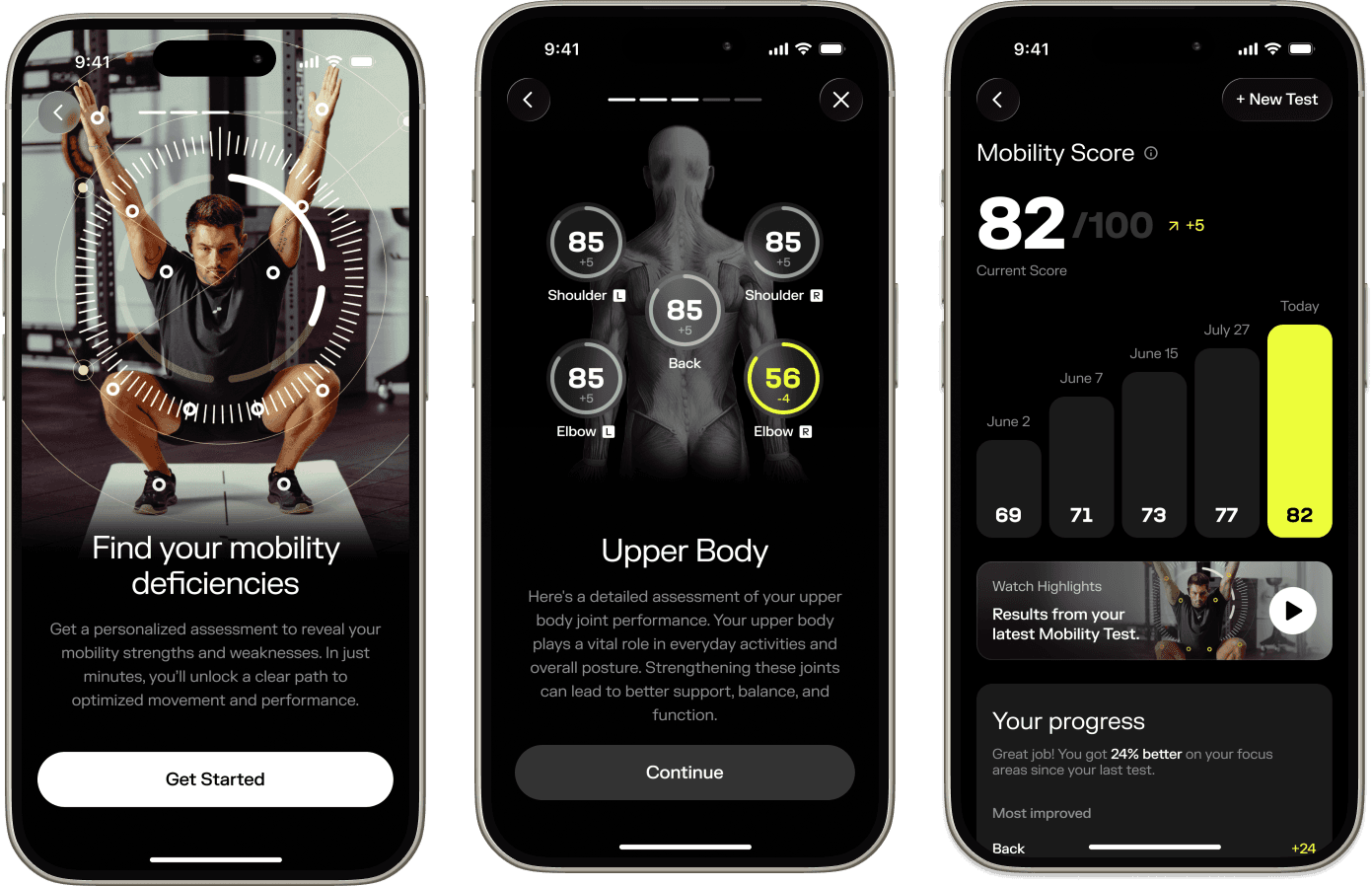
The loop closes when you track whether your approach changes the pattern, not just the feeling. Most people stretch when stiffness becomes unbearable, feel temporary relief, then repeat the cycle without measuring whether the underlying restriction improves. Real progress requires a consistent system and a method to confirm it's working. Without both, you're treating symptoms while the root cause rebuilds tension overnight.
Pliability gives you a structured way to reduce muscle stiffness through consistent movement, mobility, and recovery. Our app provides daily mobility routines to reduce stiffness and improve range of motion, guided recovery sessions for muscle repair, programs tailored to your activity level and training load, and a body-scanning feature to identify where stiffness originates. Instead of guessing which stretches to do, you follow a measurable system.
🎯 Key Point: Tracking progress is what separates temporary relief from permanent improvement — without measurement, you're stuck in an endless cycle of symptom management.
💡 Tip: Use Pliability's body-scanning feature to identify the true source of your stiffness before starting any mobility routine — this ensures you're addressing root causes, not just surface symptoms.
"Real progress requires a consistent system and a method to confirm it's working — without both, you're treating symptoms while the root cause rebuilds tension overnight."
Try This Simple Stiffness Test
After your next workout, rate your muscle stiffness from 1 to 10. Complete a short mobility session in Pliability, then check your stiffness again immediately and the next day. Many people notice better movement and less stiffness within a single session, with more consistent results within a few days.
Your body already tells you what it needs. The question is whether you're listening with a system that builds capacity over time, or chasing relief until the next problem forces your attention. Stiffness returns when recovery can't keep pace with demand. The solution is a repeatable process that restores your body's ability to recover from the physical load you place on it daily.












Move better in 10 minutes a day.
10,000+ five-star reviews.