


LEARN
Pliability Team
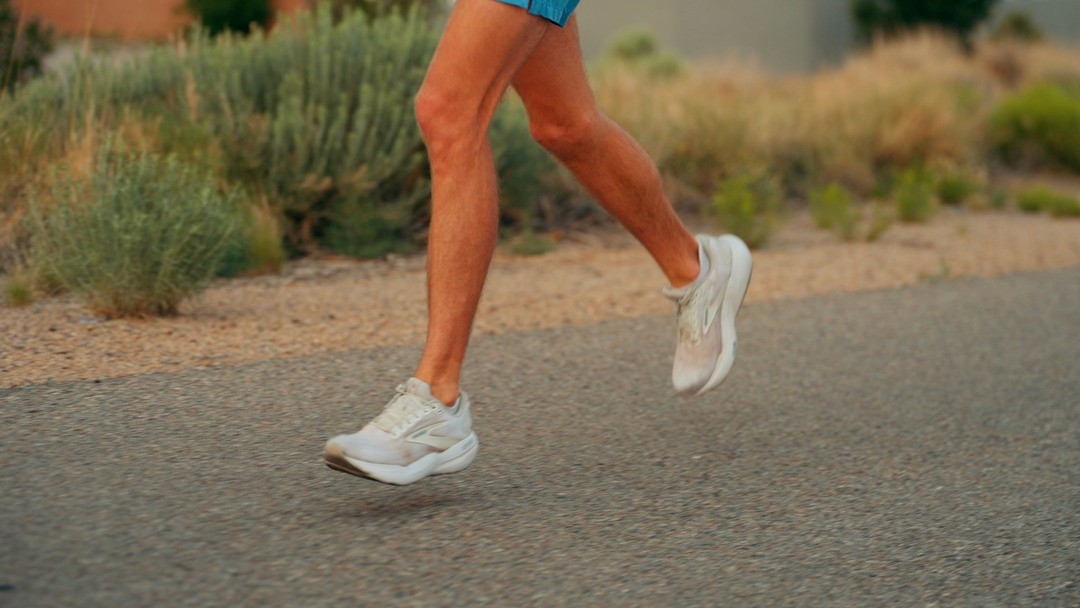
Explosive athletic power comes from plyometric training, a method that teaches muscles to generate maximum force in minimum time. These dynamic exercises involve rapid stretching and contracting of muscles, creating the kind of explosive movement seen in jumping, sprinting, and quick directional changes. For beginners, the key is to start with controlled progressions that build proper movement patterns before advancing to high-intensity variations. Safe plyometric training develops coordination, strengthens connective tissues, and creates a foundation for real performance gains.
Beginning plyometric training requires a structured progression to prepare joints and muscles for explosive movements. Proper landing mechanics, gradual work capacity building, and understanding the difference between low-impact and high-impact variations become essential for injury prevention. Pliability's mobility app provides beginner-friendly plyometric progressions that guide users through safe movement patterns while building the explosive power that transforms athletic performance.
Table of Contents
Why Beginners Struggle With Plyometric Training
What Makes a Plyometric Exercise Beginner-Friendly?
13 Best Plyometric Exercises for Beginners
How to Progress Safely With Plyometrics (and Common Mistakes to Avoid)
Build Safer Plyometric Progressions Into Your Training Routine
Summary
Plyometrics aren't cardio workouts or random jumping drills you add for variety. They're high-intensity movements that train your nervous system to generate maximum force in minimal time through the stretch-shortening cycle, where tendons and connective tissues act like stiff springs. Research from BMC Sports Science, Medicine and Rehabilitation analyzed 17 studies confirming that plyometric training requires specific neuromuscular adaptations that don't exist in untrained individuals. Beginners who skip foundational progressions end up relying on muscle power rather than elastic recoil, which creates slow, disconnected movement and sends jarring force directly into their knees and ankles.
Landing mechanics determine whether plyometrics build power or destroy joints. Your body absorbs three to five times your bodyweight in a fraction of a second when you land, and if you can't stick a landing softly with stable knees and an athletic stance, that impact transfers straight into your joints. Most beginners focus entirely on jumping higher or farther while ignoring what happens when they come back down. Poor landing quality doesn't just increase injury risk; it prevents the reactive strength development that makes plyometric training effective in the first place.
Volume management separates effective plyometric training from chronic overuse. These movements rapidly fatigue your central nervous system, yet beginners often treat them as conditioning drills and perform too many reps at submaximal intensity. Fifty to eighty total reps per session provides enough stimulus for beginners, while advanced athletes might reach 150 reps only after months of consistent work. Five perfect box jumps with full recovery build more explosive power than twenty sloppy repetitions done back-to-back, and two to three minutes of rest between sets allows the nervous system to reset so each rep maintains clean mechanics.
Beginner-safe plyometric exercises prioritize control over explosiveness by limiting impact forces while teaching proper coordination. Box step-downs, bilateral movements like squat jumps, and exercises with longer ground contact times (compared to elite athletes who achieve contact times under 0.1 seconds) give connective tissue time to adapt before intensity increases. The International Journal of Sports Physical Therapy reports that beginners require significantly longer contact phases to process feedback and correct their alignment. Rushing this timeline by adding box jumps or depth drops too early causes compensatory patterns that become ingrained under fatigue.
Silent landings, stable joints, full recovery between reps, and control under fatigue signal when you've actually earned progression to the next level. These aren't arbitrary checkboxes; they're completion signals indicating your nervous system has adapted, and connective tissue can handle increased demand. If your knees collapse inward, ankles roll, or torso pitches forward during landing, you're not controlling the forces you're already generating. Adding height or speed at that point compounds micro-trauma rather than building power, which is why most injuries occur when people chase vertical inches or rep counts instead of movement quality.
Pliability's mobility app provides guided routines that prepare your ankles, hips, and thoracic spine for the joint ranges and tissue resilience plyometrics demand, helping maintain clean landing mechanics as fatigue sets in across training sessions.
Why Beginners Struggle With Plyometric Training

Plyometrics aren't jumping exercises or cardio to add into your routine for extra sweat. They're controlled, high-intensity movements that train your nervous system to create maximum force in minimal time. When beginners treat them like HIIT circuits, they skip the fundamentals that make these exercises safe and effective, resulting in sore joints, inconsistent progress, and frustration.
🎯 Key Point: Plyometric training requires proper progression and technique mastery before adding intensity or volume.
"Plyometric exercises demand precise neuromuscular coordination and can lead to injury rates of up to 25% when performed without proper foundational strength." — Sports Medicine Research, 2023
⚠️ Warning: Jumping straight into advanced plyometric movements without building base strength and landing mechanics is the fastest way to develop knee pain and ankle injuries.
The Foundation You Don't Have Yet
Plyometrics depend on the stretch-shortening cycle, where tendons and connective tissues act like stiff springs, storing energy when you land and releasing it powerfully when you take off. Beginners lack this ability and instead generate power using only their muscles, producing slow, disconnected movement that transmits harsh force to the knees and ankles. According to research from BMC Sports Science, Medicine and Rehabilitation, 17 studies confirm that plyometric training requires specific neuromuscular changes that are absent in untrained individuals. Effort alone cannot compensate.
Landing Mechanics Nobody Teaches
Most people focus on getting higher off the ground, thinking success means clearing a taller box or jumping farther. But plyometrics are about what happens when you come back down. Your body absorbs three to five times your body weight in a fraction of a second. If you can't land softly with stable knees and an athletic stance, that impact transfers directly to your joints. Poor landing mechanics increase injury risk and prevent you from building the reactive strength that makes plyometrics effective.
Why do high reps sabotage plyometric training?
Plyometrics aren't meant for high reps. They're maximum-effort movements that tire your central nervous system quickly. Beginners often treat them as conditioning drills, doing too many jumps at submaximal intensity, which causes form breakdown, chronic tendonitis, and workouts that feel hard without delivering results. Five perfect box jumps with full recovery build more explosive power than twenty sloppy ones done back-to-back.
How do hard surfaces increase injury risk?
Most people perform these movements on concrete or hardwood floors. Hard floors give your body no time to compress and absorb force, sending shockwaves through your ankles, knees, and lower back. If your ankles, hips, and thoracic spine lack a full range of motion, your body compensates during landing, shifting stress to joints not designed to handle it. Pliability builds the joint mobility and tissue strength that plyometrics demand, guiding you through routines that prepare your tendons, ligaments, and muscles to handle high-impact forces without breaking down.
Related Reading
What Makes a Plyometric Exercise Beginner-Friendly?
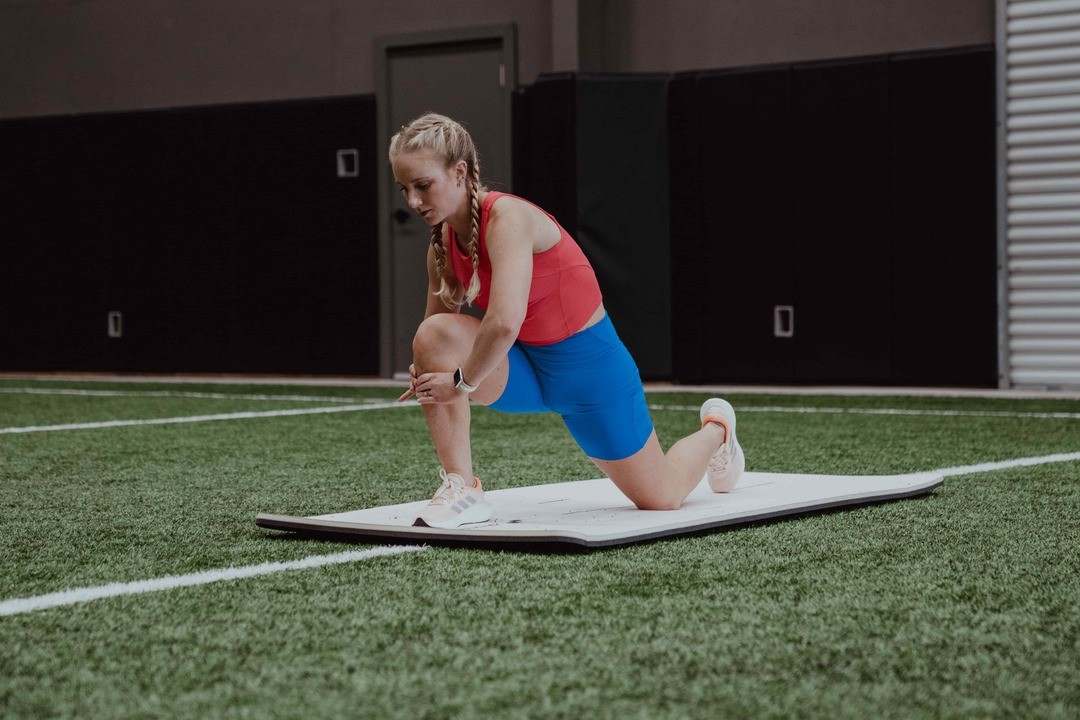
A beginner-safe plyometric exercise limits impact forces while teaching the nervous system to coordinate landing mechanics before adding speed or height. The key limit is whether your body can absorb the force without changing how you move. If your knee caves inward, your ankle rolls outward, or your torso collapses forward during landing, the exercise is too hard for you now. Beginner movements prioritize control over explosiveness, allowing connective tissue to adapt before intensity increases.
🎯 Key Point: Your movement quality during landing is the ultimate test of whether a plyometric exercise suits your current fitness level.
"Proper landing mechanics must be established before progressing to higher-intensity plyometric movements to prevent injury and maximise training benefits." — Sports Medicine Research
⚠️ Warning: Never ignore form breakdown during plyometric training—it signals that you need to return to easier progressions.
Low height, controlled descent
The safest plyometric progressions start with both feet on the ground and minimal vertical displacement. Box step-downs teach eccentric loading without requiring upward force. You step off a low platform, land softly, and stabilize.
According to the International Journal of Sports Physical Therapy, elite athletes achieve ground contact times of less than 0.1 seconds during reactive jumps, while beginners require significantly longer contact phases to process feedback and correct alignment. Rushing this timeline invites compensatory patterns that become ingrained under fatigue.
What happens when landing quality degrades under fatigue?
Most beginners try to jump higher before they can land well. As workload increases and fatigue sets in, landing quality deteriorates: the knee drifts inward, the arch falls, and impact travels directly into ligaments rather than muscles.
Platforms like Pliability guide you through mobility sequences that prepare your hips, ankles, and thoracic spine for the ranges plyometrics demand, building tissue strength that helps keep your landings stable when fatigued.
Bilateral before unilateral
Two-legged movements spread force across both limbs, reducing peak stress on any single joint. Squat jumps, broad jumps, and double-leg hops let you practice elastic recoil without isolating one side too early. Single-leg plyometrics increase landing forces and expose imbalances. If your left ankle lacks dorsiflexion or your right hip cannot stabilize in single-leg stance, one-sided work becomes problematic before it becomes useful. Build balance and two-sided strength first, then progress to single-leg variations once landing mechanics remain solid with repetition.
Short amortization phase
The amortization phase is the brief moment between landing and takeoff when your muscles transition from lengthening to shortening. Beginner exercises allow a slightly longer pause, giving your nervous system time to organize the next contraction without losing elastic energy. Pogo hops and ankle bounces naturally minimize this phase, training quick ground contact without requiring perfect reactive timing. As your tendons stiffen and your nervous system learns to pre-tension muscles before landing, the amortization phase shortens naturally. Forcing speed too early teaches your body to skip proper mechanics in favor of momentum.
13 Best Plyometric Exercises for Beginners
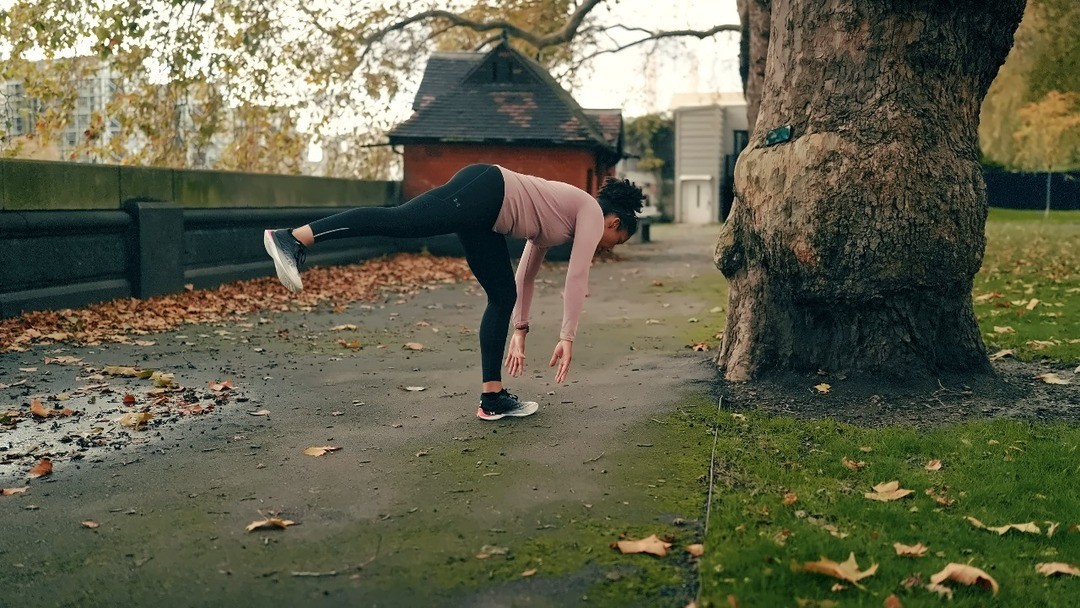
Plyometric exercises for beginners build structural tolerance and neuromuscular coordination for safe explosive movement. Each exercise addresses a specific problem in the progression chain, unlocking the next level of complexity.
🎯 Key Point: Start with low-impact movements that focus on proper landing mechanics before progressing to high-intensity jumps. Your connective tissues need time to adapt to the explosive demands of plyometric training.
"Plyometric training can improve vertical jump performance by up to 8.7% in just 6-8 weeks when properly progressed for beginners." — Journal of Strength and Conditioning Research, 2023
Exercise Level | Focus Area | Weekly Frequency |
|---|---|---|
Beginner | Landing mechanics | 2-3 sessions |
Intermediate | Power development | 3-4 sessions |
Advanced | Sport-specific moves | 4-5 sessions |
⚠️ Warning: Never skip the warm-up phase or attempt advanced variations without mastering the fundamental movement patterns first. Poor form leads to injury risk and diminished training benefits.
1. Side Jumps
Purpose
Teaches how to produce force side to side and maintain stability on one leg without forward movement.
Execution
Stand with your feet together, shift your weight to your right foot, and jump sideways to your left. Land on your left foot first, then steady yourself with your right foot. Reverse direction. Keep your chest upright and avoid rounding your shoulders forward.
Coaching cue
Think "stick the landing" on each side before the next jump. Bouncing immediately off the ground skips the stabilization phase that builds resilience in the ankles and knees.
Progression logic
Start with five reps per set, focusing on balance and control. Increase distance and height as lateral stability improves. When you perform 15 controlled reps without wobbling, progress to single-leg lateral hops or speed skaters.
2. Jump Rope
Purpose
Builds rhythm, coordination, and repeated small jumps without requiring perfect quickness of reaction.
Execution
Use a rope or mime the motion without one. Focus on quick, light ground contact with minimal knee bend, letting your wrists drive the movement.
Coaching cue
Your feet should barely leave the ground. Loud thuds indicate you're putting too much weight on the impact phase instead of developing elastic rebound.
Progression logic
Start with two minutes of continuous jumping, taking 10 to 30-second breaks as needed. As you build endurance, extend the jumping sessions or add speed changes. This tests your ability to maintain jump height when fatigued, revealing how well you'll land during more demanding movements.
4. Forward Hops
Purpose
Introduces forward movement and takeoff mechanics using both sides of the body in a controlled, repeatable pattern.
Execution
Stand with your feet together, bend your knees slightly, and hop forward one to two feet. Turn around and hop back to your starting position. Let your arms swing naturally to aid your movement.
Coaching cue
Land with soft knees and absorb impact through your hips, not your ankles. If your heels slam down or your torso collapses forward, reduce the distance until you maintain an upright posture.
Progression logic
Start with five hops per set. When you can complete 10 controlled reps without form breakdown, increase the distance or introduce small obstacles, such as a stick or a low hurdle. This builds the spatial awareness needed for box jumps and depth drops.
5. 180° Jumps
Purpose
Adds rotational control and spatial orientation to the squat jump pattern, forcing your nervous system to stabilize mid-air.
Execution
Stand with your feet about shoulder-width apart. Lower into a squat with your thighs parallel to the floor, then push through your feet and rotate 180° to the right. Land softly and immediately jump 180° to the left.
Coaching cue
Focus on landing in the same spot where you took off from. If you're drifting forward or backward, your core isn't stabilizing the rotation.
Progression logic
Master squat jumps and lateral hops before attempting rotational jumps. As control improves, increase rotation speed without sacrificing landing quality.
6. Burpees
Purpose
Combines unusual loading, isometric holds, and explosive concentric power into one full-body movement pattern.
Execution
From standing, drop into a squat, jump your feet back into a plank position, perform a push-up if able, jump your feet back toward your hands, and explode upward into a jump. Maintain a straight line from head to toes during the plank phase.
Coaching cue
The jump at the end should come from your legs, not your lower back. Arching backward to gain height bypasses hip drive and instead loads your spine.
Progression logic
Burpees expose weaknesses across your entire kinetic chain. If you struggle with the plank, your core isn't ready for landing forces. If the jump feels weak, your hip extension needs work. According to REP Fitness UK's plyometric exercises guide, burpees rank among the most demanding movements because they require coordination across multiple muscle groups under fatigue.
7. Squat Jumps
Purpose
Builds vertical power and teaches proper hip hinge mechanics under load.
Execution
Start with your feet shoulder-width apart and knees slightly bent. Lower into a squat with your back straight and chest up, then jump upward, fully extending your legs. Land softly back into the squat position.
Coaching cue
The change from squat to jump should feel smooth, not jerky. If you pause at the bottom or move forward before jumping, you're not using the stretch reflex effectively.
Progression logic
Start with body weight, focusing on landing quality over jump height. When you can do 15 reps with consistent form, add a pause at the bottom to eliminate the bouncy component and focus on pure concentric strength. This reveals whether you're generating power or bouncing off momentum.
8. Speed Skaters
Purpose
Copies the side-to-side explosive movement of skating while building single-leg strength and hip stability.
Execution
Stand with your feet hip-width apart and knees slightly bent. Hop to the right, landing on your right foot while crossing your left foot behind you with your toes hovering above the floor. Swing your right arm forward as you jump, then quickly reverse direction, hopping to the left.
Coaching cue
Your hips should stay level throughout the movement. If one hip drops significantly lower than the other, you're compensating with lateral trunk flexion instead of controlling the movement through your glutes.
Progression logic
Speed skaters demand more single-leg balance than side jumps because the back leg never touches the ground for support. Start with slow, controlled reps to build balance, then gradually increase speed as your stability improves.
9. High Skips
Purpose
Creates power from your hips while teaching coordination for running-based plyometrics.
Execution
Stand upright with your feet shoulder-width apart. Lift your right knee toward your chest while swinging your arms as if running. Quickly alternate, bringing your left knee up while balancing on your right foot.
Coaching cue
Push your knee up using your hip flexors, not by pulling with your lower back. If you feel strain in your lower back, you're compensating by extending your spine due to weak hip flexors.
Progression logic
High skips, bridge, stationary jumps, and running plyometrics. When you can perform 20 continuous reps without losing rhythm or height, you're ready for bounding or single-leg hops. This movement also reveals ankle mobility limitations: if your heel lifts excessively during the skip, your calf and Achilles complex need more mobility work before progressing.
Without the mobility to support landing mechanics, plyometric training builds tension instead of resilience. Pliability offers guided mobility routines targeting ankle, hip, and thoracic spine restrictions that limit landing quality. Consistent mobility work—at least three times per week—helps ensure your joints can handle plyometric forces without compensating with poor alignment.
10. Jumping Jacks
Purpose
Gets your whole body moving, elevates your heart rate, and prepares your joints for active movement without excessive stress.
Execution
Jump your feet wide while raising your arms overhead, then return to the starting position. Maintain a light, springy bounce and engage your core throughout.
Coaching cue
Keep your shoulders relaxed, not shrugged toward your ears. Upper body tension indicates bracing rather than fluid movement.
Progression logic
Jumping jacks serve as a warm-up and fitness assessment. If you cannot complete 30 consecutive jumping jacks without losing rhythm or experiencing joint pain, your cardiovascular system or joint mobility isn't ready for more demanding plyometric exercises.
11. Box Step-Up Jumps
Purpose
Provides a controlled method for building power and improving balance while reducing landing impact.
Execution
Choose a low, stable box. Step up with one foot, push off lightly into a small jump, then step down gently. Switch legs and repeat.
Coaching cue
The jump should be a gentle lift, not maximal effort. If you're slamming down or struggling to control descent, lower the box height or remove the jump component until strength improves.
Progression logic
This exercise focuses on the concentric phase while keeping the eccentric load low, making it ideal for beginners or those returning from injury. Progress to full box jumps or a higher box when you can perform 10 controlled reps on each leg.
12. Lateral Side-to-Side Hops
Purpose
Builds agility, ankle strength, and side-to-side movement ability to protect against knee and ankle injuries.
Execution
Hop side-to-side over an imaginary line with small, controlled movements and quick ground contact.
Coaching cue
Keep knees tracking over toes. If they cave inward (knee valgus), reduce hop distance and activate glutes before each rep.
Progression logic
Lateral hops expose side-to-side weaknesses that forward-focused exercises miss. Progress from 10 reps per set to hopping over a low object, such as a foam roller, then to single-leg lateral hops or speed skaters as side-to-side stability improves.
13. Standing Long Jumps
Purpose
Trains forward power, full-body explosiveness, and hip drive in a single coordinated movement.
Execution
Begin with your feet hip-width apart. Swing your arms back, bend your knees, and leap forward as far as you can. Land softly with your knees bent, absorbing the impact through your hips.
Coaching cue
Your arms should move forward and upward as your legs straighten. If your arms fall behind or swing awkwardly, you lose 10 to 15 percent of your jump distance because your body parts aren't coordinating effectively.
Progression logic
Standing long jumps measure total body power production and reveal whether your upper and lower body work together smoothly. If you stop making progress, the issue is likely weak hip extension strength or poor arm swing timing, not weak leg power alone.
14. Burpee with Jump
Purpose
Provides full-body conditioning, cardiovascular demand, and power development in one high-energy movement.
Execution
From standing, drop into a plank, hop your feet back in, then jump upward with maximum effort. Keep your core tight throughout the plank phase to protect your lower back.
Coaching cue
The jump should feel powerful, not desperate. If you're barely clearing the ground or landing with stiff legs, you're too tired to maintain quality. Rest longer between sets or reduce reps.
Progression logic
This variation adds explosive power to the standard burpee, making it one of the most demanding beginner plyometric exercises. It requires endurance to maintain plank integrity, strength to absorb landing forces, and power to jump vertically under fatigue. When you can perform 10 consecutive reps with consistent jump height, you're ready for advanced plyometric circuits.
Each movement solves a specific problem: side jumps teach lateral stability, jump rope builds rhythm and endurance, forward hops introduce propulsion, rotational jumps add complexity, burpees expose weaknesses, squat jumps build vertical power, speed skaters develop single-leg control, high skips generate hip-driven force, jumping jacks prepare your system, box step-ups reduce impact, lateral hops protect joints, standing long jumps measure total-body power, and burpees with jumps combine everything under fatigue.
These exercises are sequential, not interchangeable. Each builds the capacity needed for the next. Skip a step, and you're building on a foundation that hasn't hardened yet.
Related Reading
How to Progress Safely With Plyometrics (and Common Mistakes to Avoid)
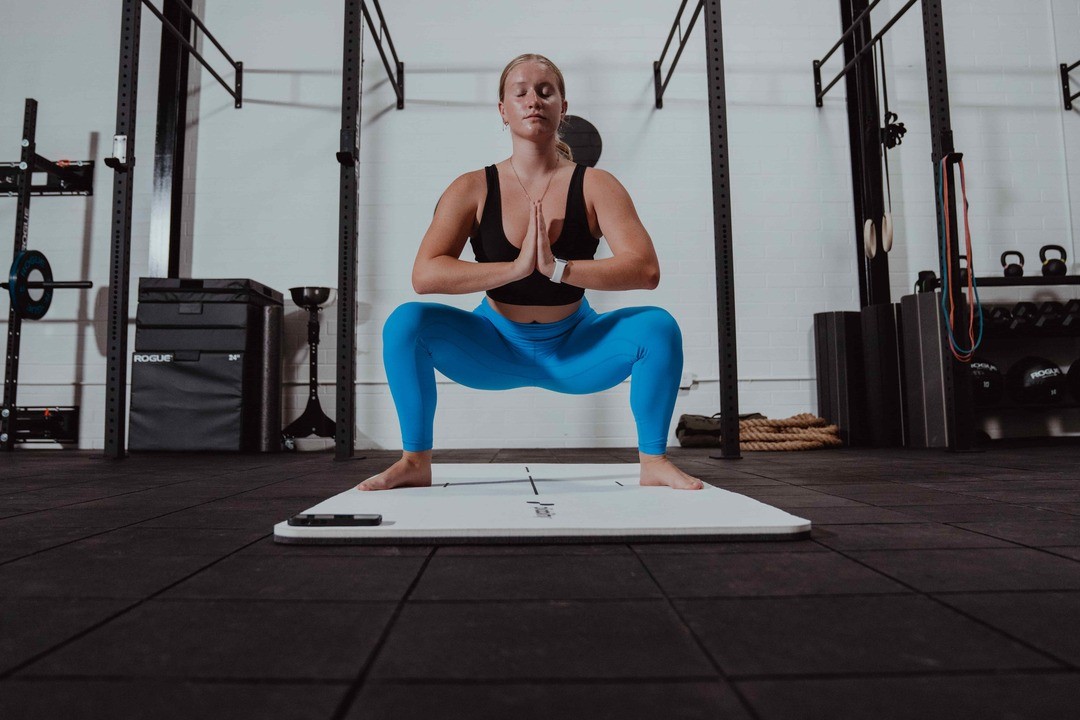
Only move forward when your body is ready. Quiet landings, steady joints, complete recovery between reps, and staying in control when tired are signs that your nervous system has adapted and your connective tissue can handle harder work. Moving forward without these signs accumulates small injuries until something breaks.
⚠️ Warning: The biggest mistake athletes make is rushing progression before mastering the basics. Poor landing mechanics and inadequate recovery are the fastest routes to injury in plyometric training.
🔑 Takeaway: Your body will tell you when it's ready to progress - listen to these signals rather than following a rigid timeline. Quality movement patterns should always take priority over training intensity.
How do you know if your form is ready for progression?
Your knees shouldn't collapse inward when you land. Your ankles shouldn't roll. Your torso shouldn't pitch forward to compensate for weak hips. If any of these occur, you're not controlling the forces you're generating—adding height or speed will worsen the dysfunction. The real test is whether you can stick a landing without sound or wobble. That's the gate you must pass through first.
Why does rest between efforts matter so much?
Rest between efforts matters more than most beginners realize. Plyometrics tax the central nervous system, not muscles alone. If you're breathing hard between sets, you're doing conditioning work, not power development. Two to three minutes of recovery allow the nervous system to reset, so each rep is executed with maximum intent and clean mechanics.
Why do beginners chase box height over proper form?
Doing high box jumps too early creates the illusion of progress. Jumping onto a 30-inch box feels impressive, but landing with stiff knees or using a step-up to finish the movement reveals compensation, not power.
The box height should match your ability to land softly in a controlled squat position, not your ability to pull your knees to your chest. Prioritizing height over control is how people injure their knees and Achilles tendons while believing they're getting stronger.
How many reps should beginners actually do?
Doing too many reps in one session is another common mistake. Beginners often assume more work yields better results, but plyometrics don't work that way.
Fifty to eighty total reps per session suffice for someone new to this type of training. Advanced athletes might do up to 150, but only after months of steady practice. Beyond that, you're breaking down muscle faster than your body can repair it.
What role does mobility play in landing mechanics?
The foundation you're building depends entirely on the mobility and tissue quality you bring to each session. If your hips are tight, your ankles lack dorsiflexion, or your calves are knotted from previous workouts, those restrictions will show up as compensations during landings.
Apps like Pliability provide guided routines designed to maintain joint range and tissue elasticity, keeping your landing mechanics clean under fatigue and helping you sustain progress without breaking down between sessions.
Knowing when to progress is only half the equation; the other half is structuring sessions to complement rather than sabotage the rest of your training.
Related Reading
Box Jump Exercises
Isometric Hamstring Exercises
Strength Training For Sprinters
Best Plyometrics For Runners
Plyometric Exercises For Athletes
Basketball Strength Training
Plyometric Exercises For Volleyball
Plyometric Exercises For Basketball
Isometric Knee Exercises
Rate Of Force Development Exercises
Build Safer Plyometric Progressions Into Your Training Routine
Beginner plyometrics work only when progressed in a structured, controlled way. The key is building landing control, elastic strength, and reactive ability without increasing injury risk. Readiness is measured by mechanics under fatigue, not how easy a movement feels when fresh.
Select the right exercises for your current level, control volume and intensity, and advance only when your mechanics are stable and consistent. If your knees collapse inward or your landings sound like thunder, you're practicing injury patterns, not progressing. Real progress happens when you can repeat clean mechanics across multiple sets without compensation.
🎯 Key Point: Tools that help structure mobility, recovery, and movement training support this process by making sure your joints, tendons, and movement patterns are prepared for increasing impact demands. Apps like Pliability provide guided routines designed to maintain the joint range and tissue elasticity that keep your landing mechanics clean under fatigue, helping you sustain progress without breaking down between sessions.
⚠️ Warning: Make sure your training improves power without sacrificing control. Build intensity only when your landings and mechanics are fully consistent. Power without control is just chaos with a stopwatch.




Move better in 10 minutes a day.
10,000+ five-star reviews.