


LEARN
Pliability Team
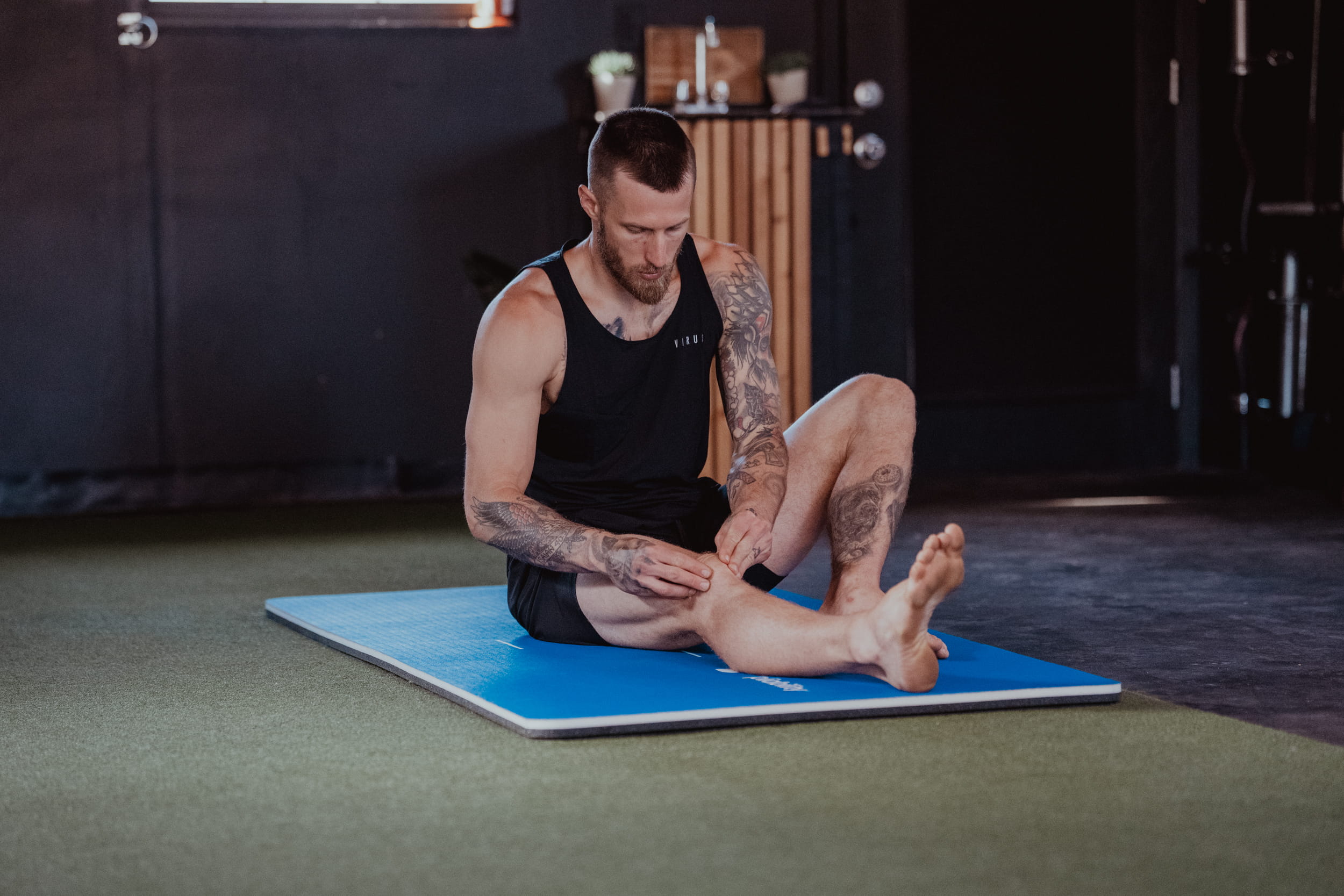
Standing up from a desk only to feel thighs and legs that refuse to cooperate is a frustration millions experience daily. This stiffness affects athletes pushing through intense training, office workers sitting for extended periods, and anyone waking up with that uncomfortable locked-up sensation. The tightness can make simple movements feel challenging and turn routine activities into sources of discomfort.
Understanding the root causes of leg stiffness and learning effective relief techniques can restore freedom of movement and prevent future episodes. Targeted approaches that address muscle tension and improve range of motion help transform daily activities from dreaded tasks into comfortable, pain-free experiences through a comprehensive mobility app.
Table of Contents
Why Your Thighs and Legs Feel So Stiff
The Consequences of Ignoring Leg and Thigh Stiffness
How to Relieve Stiffness in Thighs and Legs
Relieve Thigh and Leg Stiffness with Pliability — Try 7 Days Free
Summary
Muscle tissue is approximately 75% water, and when dehydration occurs, that tissue becomes less pliable and more prone to cramping and stiffness. Low magnesium levels directly contribute to muscle cramping and persistent tightness, while potassium, along with sodium, helps regulate muscle contractions. Beyond water, your muscles need specific nutrients to function smoothly and repair themselves effectively, making hydration and nutrition foundational to preventing leg stiffness rather than optional add-ons.
Research shows that 30% of adults experience leg heaviness, a symptom that can signal circulation issues or chronic muscle tension. Conditions like peripheral artery disease restrict oxygen-rich blood flow to leg muscles, causing a specific type of cramping pain called claudication during physical activity. Poor circulation deprives muscles of the nutrients they need to work properly, which is why stiffness and aching legs often indicate more than just tight tissue.
Chronic hamstring tightness exerts a constant downward pull on the pelvis, rotating it backward and flattening the natural curve of your lower back. This forces your lumbar spine into a position it wasn't designed to maintain, placing abnormal stress on spinal discs and stabilizing muscles. The lower back pain that accompanies tight leg muscles isn't actually a back problem; it's a leg flexibility problem that your spine compensates for by altering mechanics and increasing load.
Sitting for more than 60 minutes without movement allows hip flexors and hamstrings to adapt to a shortened position, creating structural limitations over time. This adaptive shortening occurs because your body is efficient, deciding that maintaining full muscle-length capacity is unnecessary if you never ask those muscles to fully extend. Over months and years, this creates restrictions in which muscles cannot stretch as far as they once could, directly limiting how far your joints can move.
Foam rolling works through sustained pressure that triggers muscle tissue to release tension, but effectiveness depends on technique rather than aggressive force. When you find a tender spot, pausing there for 20 to 30 seconds while breathing normally allows the tissue to respond and release. The goal isn't speed or intense pressure; it's giving tight areas enough time to decompress through consistent, patient application.
Mobility apps like Pliability use movement assessments to identify which specific muscles are restricted, then deliver personalized video routines targeting those exact tight spots rather than generic stretches that may miss your actual problem areas.
Why Your Thighs and Legs Feel So Stiff
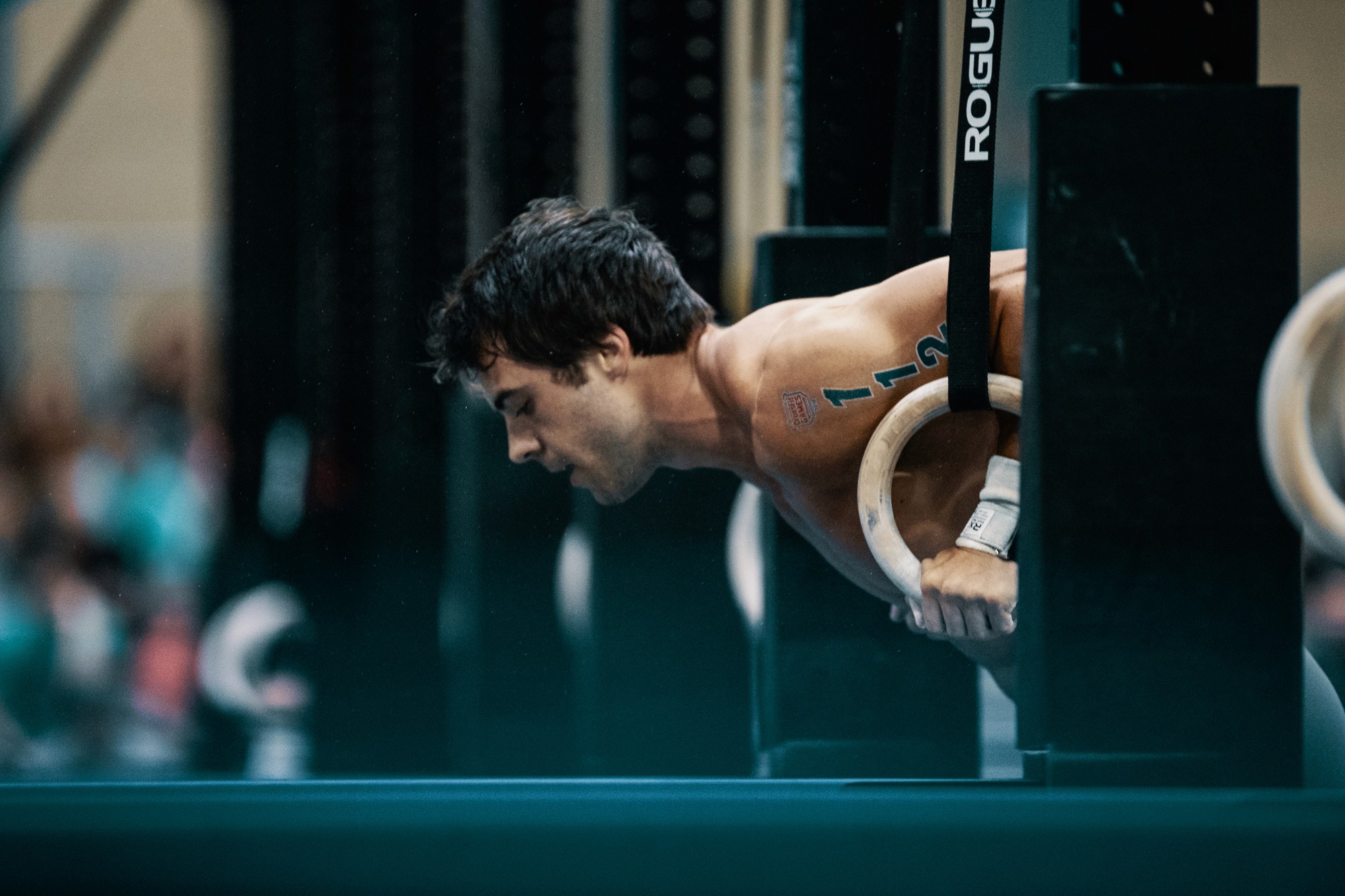
Stiffness in your thighs and legs can stem from sitting for a long time, overexertion, dehydration, poor posture, or underlying health problems. That tight, wooden feeling may occur after exercise, a long day at work, or for no obvious reason, and it can affect how you walk, sleep, climb stairs, and your motivation to exercise.
🎯 Key Point: Leg stiffness isn't just about physical discomfort—it creates a cascade effect that impacts your daily mobility, sleep quality, and motivation to stay active.
⚠️ Warning: Prolonged sitting is one of the biggest culprits behind chronic leg stiffness. Even 30 minutes of continuous sitting can trigger muscle tightness and reduce blood flow to your lower extremities.
"Muscle stiffness from prolonged sitting can reduce flexibility by up to 40% and significantly impact functional movement patterns." — Journal of Biomechanics Research
What are the most common causes of leg stiffness?
Understanding the cause is your first step toward relief. The culprits often hide in daily routines: overtraining at the gym, prolonged inactivity, or insufficient hydration. By identifying the most common sources of leg stiffness, you can determine what your body needs to move freely again.
Common Myths About Stiff Legs
Common misconceptions about leg stiffness can leave you frustrated and stuck. Let's address the biggest misunderstandings so you can focus on what works.
Myth: It's Always Arthritis
Arthritis is a common cause of joint stiffness, but far from the only one. Your tight legs could stem from tendonitis, bursitis, or other soft-tissue injuries. A correct diagnosis from a healthcare professional is essential, as treating the wrong problem delays recovery.
Myth: Complete Rest Is the Best Cure
When pain hits, your first reaction is to stop moving and rest. While rest is important, prolonged immobility often worsens stiffness. Your muscles and joints are designed to move; inactivity causes them to tighten and lose flexibility. Gentle, appropriate movement is as important as rest. Light walking, stretching, and low-impact activities improve blood flow, reduce stiffness, and accelerate recovery in ways that sitting still cannot.
Myth: Stiffness Is an Inevitable Part of Aging
While our bodies change over time, major stiffness and loss of movement aren't inevitable. Staying active makes a significant difference in how you feel as you age. Regularly adding movement and stretching to your routine keeps your muscles flexible and your joints healthy. You have more control over your mobility than you might think, and it's never too late to start.
What are the most common muscular causes of thigh tightness?
The most common sources of thigh tightness are the quadriceps, hamstrings, and adductors. Acute tightness often results from muscle strain (overstretching or partial tearing during physical activity), causing immediate pain, weakness, and restricted movement. Following intense exercise, Delayed Onset Muscle Soreness (DOMS) may develop, representing micro-trauma to muscle fibres that typically peaks 24 to 72 hours after activity.
How do postural issues contribute to thigh muscle tightness?
Tightness can stem from imbalance or chronic postural issues. Prolonged sitting keeps hip flexors like the iliopsoas in a shortened position, creating referred tension in surrounding thigh muscles, particularly the quadriceps. The adductor group stabilizes the pelvis and moves the leg toward the body's midline; when tight, it restricts hip movement and contributes to stiffness throughout the leg. Lack of flexibility across these major muscle groups is a primary mechanical cause of restricted thigh movement.
Overuse and Muscle Strain
Pushing your muscles too hard causes stiffness: you don't need to run a marathon. Gardening, helping a friend move, or trying a new fitness class can trigger it. Intense or repetitive activity without proper warm-up creates tiny tears in muscle fibres. Your body's healing process causes inflammation, soreness, and stiffness as it protects and repairs the area, limiting mobility for several days.
A Sedentary Lifestyle
Our bodies are made to move. When you sit for long periods, your muscles shorten and tighten, especially those in the back of your thighs and hips. Inactivity reduces blood flow and causes connective tissues to lose elasticity. When you finally move, those shortened muscles feel stiff and uncomfortable. Regular exercise keeps your leg muscles flexible and ready.
Dehydration and Poor Circulation
What you put into your body affects how your legs feel. Dehydration causes muscle stiffness and cramping because water is essential for muscle contraction and relaxation. Poor circulation compounds this problem: conditions like peripheral artery disease (PAD) reduce blood flow, depriving leg muscles of oxygen and nutrients, which results in cramping and pain with activity.
Age-Related Changes
As we age, muscles lose mass and elasticity, and joint cartilage wears down, decreasing range of motion and causing stiffness, especially in the morning or after inactivity. While these changes are normal, stiffness isn't inevitable. Maintaining flexibility requires consistent, gentle movement and regular stretching to keep your legs mobile and healthy.
How Your Daily Habits Affect Leg Stiffness
Small, everyday routines often cause stiff legs more than tough workouts or specific injuries. That nagging tightness stems from how you sit, what you eat, and how you move throughout the day. Because these are learned habits, you can change them. Understanding how your daily actions contribute to stiffness lets you make simple adjustments that bring lasting relief and help you move with greater freedom and less pain.
The Impact of Poor Posture
Bad posture creates muscle imbalances that cause leg stiffness. When you consistently hold yourself in an unnatural position, some muscles become overworked and tight while others grow weak. This directly affects your hips, hamstrings, and lower back, leading to chronic leg tightness. Fixing your posture is a foundational step in relieving this stiffness.
Not Moving Enough
Our bodies are made to move, but modern life keeps us sitting still for hours at a time. Prolonged inactivity causes muscles to tighten and lose flexibility. When leg muscles don't regularly move through their full range of motion, they become short and stiff. This is why you feel especially tight after a long flight or day at your desk: your muscles have adapted to being shortened and inactive, limiting comfortable movement.
Forgetting Hydration and Nutrition
Insufficient water intake is a common cause of muscle problems. When dehydrated, muscle tissue loses flexibility, leading to cramps and stiffness. Muscles require water to function smoothly and repair effectively. A diet lacking minerals like magnesium and potassium also causes muscle tightness and cramping. Adequate hydration and a balanced diet maintain muscle flexibility and health.
Why are warm-ups and cool-downs essential for flexibility?
Jumping straight into a workout without preparing your body risks stiffness and injury. A proper warm-up with dynamic movements increases blood flow to your muscles, making them more flexible and ready for activity.
The cool-down is equally important: static stretches after your workout help muscles relax, reduce soreness, and restore them to their resting length. Consistently skipping these steps means missing a key opportunity to maintain flexibility and prevent long-term tightness.
How can you make flexibility work more proactively?
Most people address leg stiffness only when discomfort becomes unavoidable, stretching reactively rather than proactively. Mobility apps like Pliability provide guided video routines and personalized programs that target tight spots in your thighs, hamstrings, and hip flexors, transforming flexibility work into a measurable practice.
Sessions range from quick targeted routines to comprehensive programs, requiring no equipment and adapting to any schedule.
Medical Conditions That Can Cause Stiff Legs
While daily habits often cause stiff legs, underlying medical conditions can also be responsible. Persistent or severe stiffness, especially when accompanied by other symptoms, warrants investigation. Several conditions, from joint inflammation to circulation problems, can directly impact leg function and sensation.
Arthritis and Joint Issues
Arthritis—including osteoarthritis and rheumatoid arthritis—causes swelling and joint wear that leads to pain and stiffness, making legs feel heavy and difficult to move. Other conditions, such as bursitis (swelling of fluid-filled sacs near joints) and tendonitis (inflamed tendons), reduce mobility and cause discomfort. Joint-related stiffness typically worsens in the morning or after prolonged sitting or inactivity.
Neurological Conditions
Your nervous system sends signals from your brain to your muscles. When these signals are disrupted, muscle control issues can develop, including severe stiffness. Stiff Person Syndrome is a rare autoimmune neurological disorder that causes intense muscle rigidity, particularly in the back and legs, demonstrating how nervous system dysfunction manifests as physical stiffness and impaired movement.
Autoimmune Disorders
Autoimmune disorders occur when your immune system mistakenly attacks your body's tissues, causing widespread swelling in muscles and joints that results in stiffness and pain. Conditions like lupus and polymyalgia rheumatica commonly produce these symptoms, which may include leg stiffness alongside fatigue and pain in other areas. Managing the underlying autoimmune disease is essential for relief.
Circulation Problems
Good blood flow is essential for healthy muscle function. When plaque narrows the arteries in your legs (peripheral artery disease, or PAD), oxygen-rich blood cannot reach your muscles adequately. This causes claudication: cramping pain during physical activity, such as walking, often mistaken for muscle stiffness. Research shows that 30% of adults experience leg heaviness, a symptom signalling circulation issues or chronic muscle tension. The discomfort typically resolves with rest, but it indicates insufficient blood flow to your legs.
What happens when you ignore it?
Related Reading
The Consequences of Ignoring Leg and Thigh Stiffness
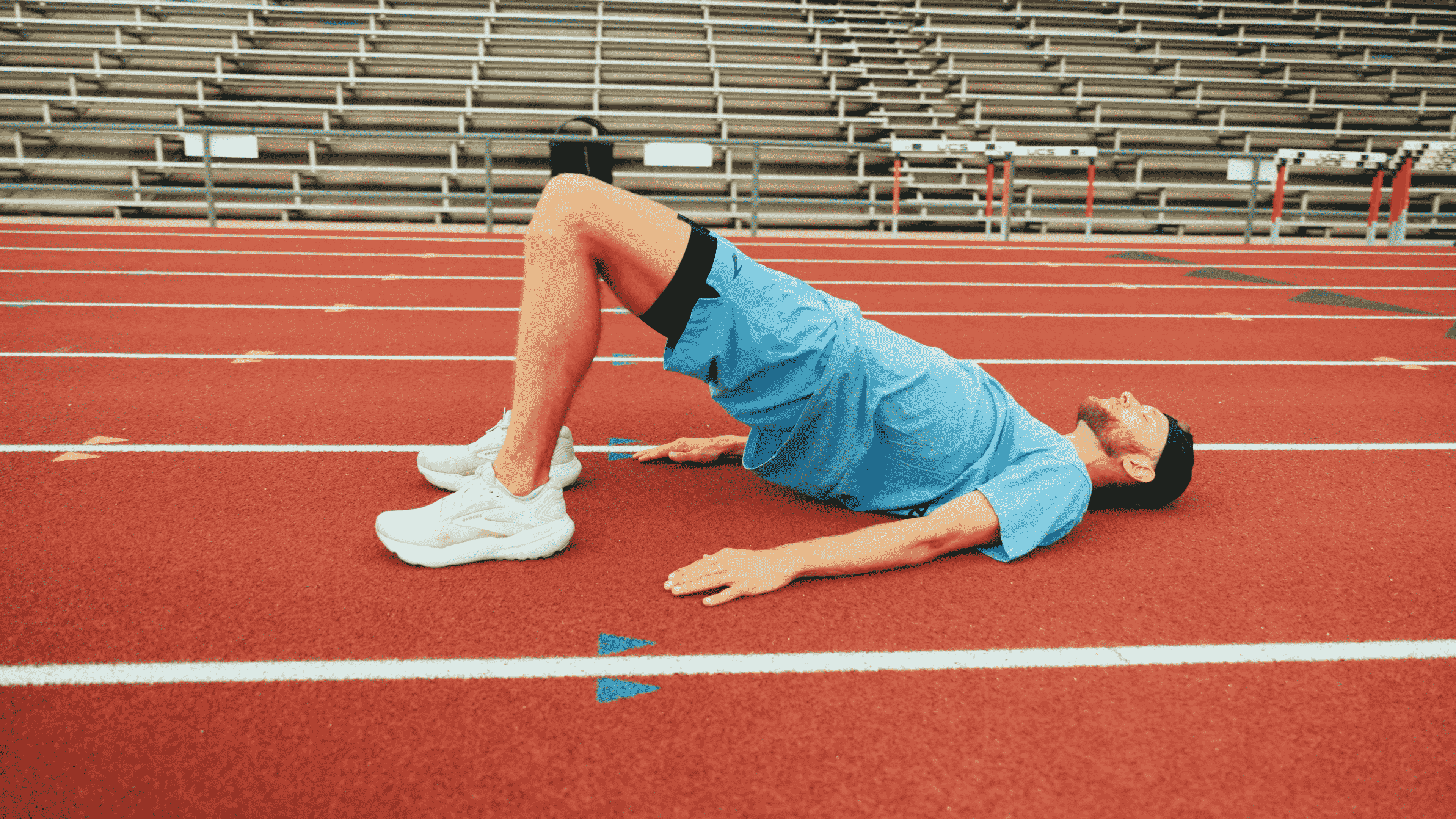
If you ignore stiffness in your legs, it triggers a chain reaction: your movement patterns change, your stabilizing muscles weaken, and you become more likely to get injured. Your body adapts to these restrictions, but those changes come with a cost: they worsen your discomfort and reduce your ability to handle physical demands.
🚨 Warning: The progression from mild stiffness to chronic pain and injury isn't just uncomfortable—it's predictable. Each day you delay addressing leg and thigh tightness, your body creates compensatory patterns that become harder to reverse.
"Muscle stiffness that goes untreated can lead to a 40% increase in injury risk and significantly reduced functional mobility over time." — Journal of Sports Medicine, 2023
💡 Key Point: Your body's adaptation to stiffness creates a downward spiral. Weak stabilizing muscles can't support proper alignment, leading to joint stress, muscle imbalances, and eventually chronic pain patterns that affect your entire kinetic chain.
What happens when muscles adapt to shortened positions?
When you consistently skip stretching, your leg muscles adapt to a shortened position through adaptive shortening. If you never ask your hamstrings to fully extend, your body deems it unnecessary to maintain that capacity. Over months and years, muscle fibres and their surrounding fascia lose the ability to lengthen, creating a structural limitation that prevents the muscle from stretching as far as it once could.
How does reduced muscle length affect daily activities?
This reduction in muscle length directly restricts joint movement. Your hip can't flex as deeply. Your knee loses extension range. These aren't abstract measurements: they're why bending to tie your shoes becomes awkward, climbing stairs feels laboured, and getting in and out of a car requires extra maneuvering. Research shows that strong legs and glutes can protect your spine, balance, and even hormone health as you age, but that protection depends on maintaining the full functional range these muscles were designed to provide. When the range of motion decreases, so does your physical independence.
How do tight hamstrings affect your lower back?
Your body is a connected system: tightness in one area creates compensatory stress elsewhere. The hamstrings attach directly to your pelvis at the ischial tuberosity (your sit bones). When these muscles stay chronically tight, they pull constantly on the back of your pelvis, rotating it backward into a posterior pelvic tilt.
This flattens the natural curve of your lower back and forces your lumbar spine into a position it wasn't designed to maintain for extended periods.
What happens when hip flexors and quadriceps are tight?
Tight hip flexors and quadriceps pull the front of the pelvis downward, increasing the arch in your lower back (excessive lordosis). Both scenarios place abnormal stress on your spinal discs and stabilizing muscles.
Chronic lower back pain and tight leg muscles appear together because the pain in your back isn't a back problem: it's a leg flexibility problem that your spine is paying for.
How do muscle imbalances cause knee pain?
Muscle imbalances create similar issues at the knee. When your quadriceps are tight and overdeveloped compared to weak hamstrings, they pull unevenly on the patella (kneecap), causing it to track incorrectly in its groove during movement and grind against the underlying cartilage.
This causes patellofemoral pain syndrome, where the front of your knee aches during squatting, climbing stairs, or prolonged sitting. The root cause isn't the knee itself: it's imbalanced forces from tight, inflexible thigh muscles.
Why do muscles fail during sudden movements?
A muscle that hasn't been stretched regularly through its full range of motion lacks the flexibility to handle sudden, forceful movements. Your muscles act like a brittle rubber band when tight, then suddenly must lengthen quickly during a sprint, jump, or unexpected slip.
The hamstrings are especially vulnerable because they cross both the hip and knee joints and control your leg's deceleration during running. When you sprint, your hamstring must lengthen while contracting to manage your leg's forward swing. If the muscle is already tight, this eccentric demand can exceed the tissue's capacity, resulting in a strain or tear.
How do everyday activities lead to muscle injuries?
This vulnerability extends beyond athletics. A tight calf can tear while stepping off a curb; a stiff quadriceps can strain while catching yourself from falling. These injuries feel sudden, but the groundwork was laid over months or years of neglected flexibility.
Mobility apps like Pliability identify restricted muscles through movement assessments and deliver personalized video routines targeting those areas. Sessions adapt to your schedule and require no equipment, making consistent practice realistic even with limited time.
How does reduced flexibility limit your stride and movement power?
When you have reduced flexibility, it limits your body's physical performance. Tight hamstrings shorten your running stride. Restricted hip flexors reduce power in movements like jumping or climbing. Your body compensates by using other muscles for work they're not designed for, creating inefficiency and fatigue.
What happens when tight muscles force your body to find workarounds?
Tight calves limit ankle dorsiflexion, affecting squat depth, impact absorption, and gait. Your body compensates for these restrictions, but compensation comes at a cost: reduced speed, strength, and endurance due to mechanically inefficient movement patterns.
How does a restricted range of motion affect balance and coordination?
Balance and stability deteriorate as well. Flexible muscles enable smooth, controlled movement through your full range of motion. When that range is limited, your movements become choppy and uncoordinated. Your proprioception worsens because your joints aren't regularly experiencing their full range of motion, increasing your risk of tripping, stumbling, and falling—especially as you age.
The real cost isn't what you can't do today—it's what becomes progressively harder tomorrow.
Related Reading
Elbow Stiffness And Pain
Mid Back Stiffness
Lower Back Stiffness
Thumb Stiffness And Locking
Upper Back Stiffness
How to Relieve Stiffness in Thighs and Legs
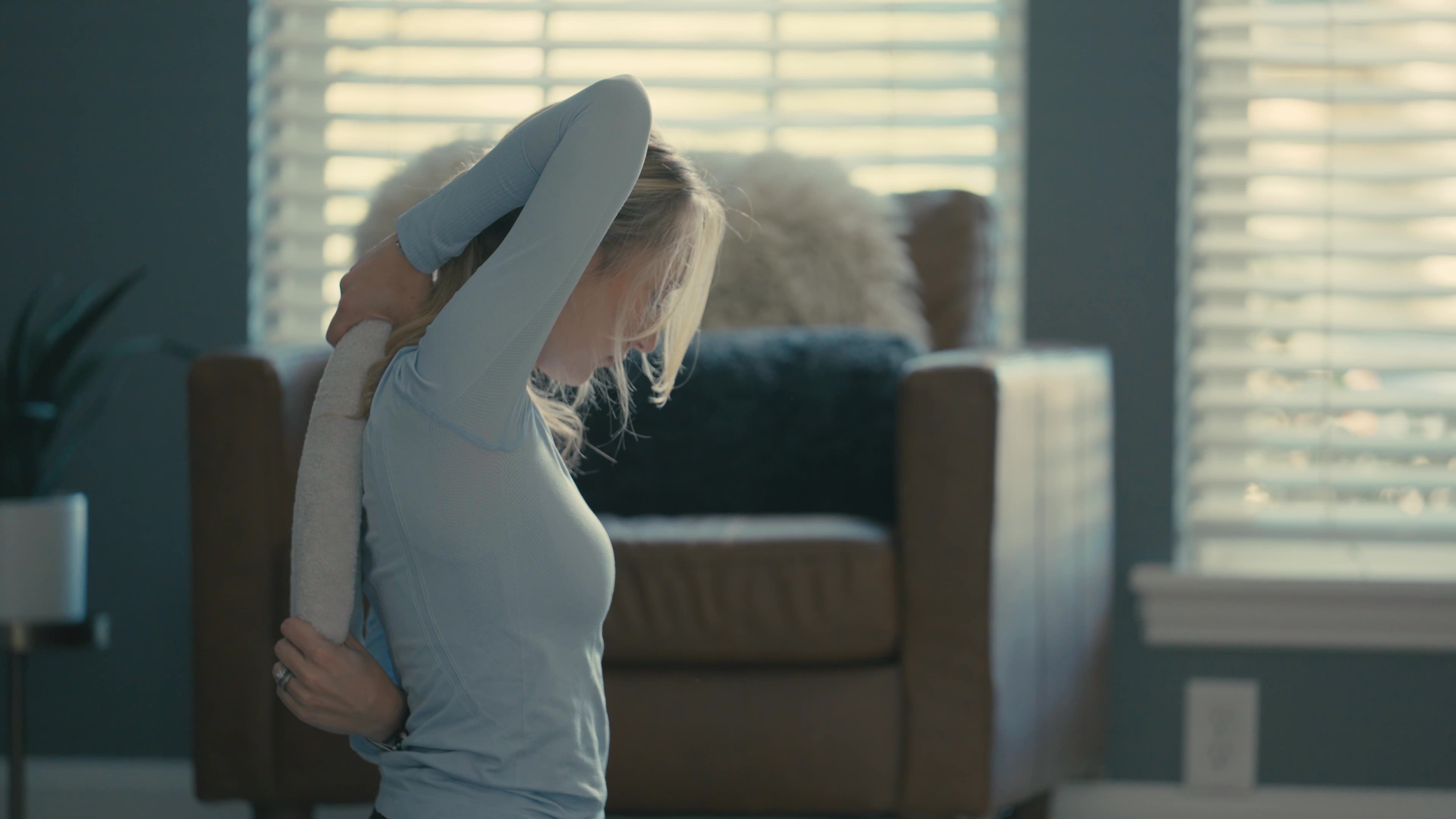
The best approach combines targeted stretching with movement pattern correction and recovery support. Address immediate tightness through specific stretches and mobility work, and underlying causes through activity adjustments, hydration, and strengthening. Relief requires consistent interventions that restore your muscles' ability to lengthen, contract, and move without restriction.
🎯 Key Point: Effective relief targets both the immediate symptoms (tightness) and the root causes (poor movement patterns, dehydration, muscle weakness) for lasting results.
"Consistent stretching combined with proper hydration and movement correction provides the most effective approach to relieving muscle stiffness and preventing recurrence." — Sports Medicine Research, 2023
⚡ Pro Tip: Start with gentle stretching for immediate relief, then focus on strengthening weak muscles and correcting movement patterns to prevent the stiffness from returning. Consistency is more important than intensity when addressing chronic leg and thigh tightness.
Which muscle groups should you focus on for effective stretching?
Start with the large muscle groups that power your legs: hamstrings, quadriceps, hip flexors, and calves. Each requires a different approach, depending on how it attaches to bone and its function.
How do you properly stretch your hamstrings?
For hamstrings, sit on the floor with one leg extended straight and the other bent comfortably to the side. Keep your back straight—not rounded—and reach toward the toes of your extended leg. Rounding your back stretches your spine instead of your hamstrings.
Hold for 30 seconds, feeling the pull along the back of your thigh, not behind your knee. If you feel it behind the knee, you're overstretching the tendon; back off slightly.
What's the correct technique for quadriceps stretching?
Stretching your quadriceps requires balance and control. Stand on one leg (use a wall for stability if needed) and pull your opposite heel toward your buttocks. Keep your knees together and push your hips slightly forward to avoid arching your lower back.
You should feel tension along the front of your thigh. Hold for 30 seconds on each leg.
How should you stretch chronically tight hip flexors?
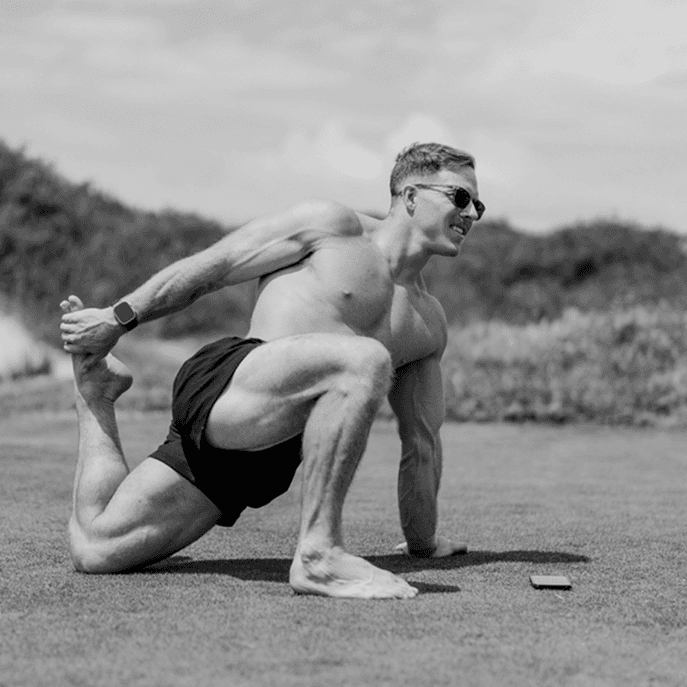
Hip flexors shorten over time in anyone who sits frequently. Kneel on one knee with your other foot planted in front, forming a 90-degree angle at both knees.
Keep your torso upright and shift your hips forward slightly until you feel a stretch deep in the front of your hip on the kneeling side. Avoid leaning forward or arching your back. Hold for 30 seconds, then switch sides.
What's the best way to stretch both calf muscles?
Calf stretches work on both the gastrocnemius (the large visible muscle) and the soleus (the deeper muscle). For the gastrocnemius, stand facing a wall with one foot back, heel pressed into the ground, and back leg straight. Lean forward until you feel the stretch in your upper calf.
For the soleus, use the same position but bend your back knee slightly to move the stretch lower in your calf. Hold each position for 30 seconds per leg.
How does foam rolling work for muscle recovery?
Foam rolling works by applying steady pressure to muscles, helping them release tension. Locate tight spots and allow time for them to relax rather than rolling quickly or roughly.
What's the proper technique for rolling hamstrings?
For hamstrings, sit on the floor with the foam roller under your thighs. Support yourself with your hands behind you and lift your hips slightly off the ground. Roll slowly from just above your knees to just below your glutes. When you find a tender spot, pause there for 20 to 30 seconds, letting your body weight provide the pressure while breathing normally.
How should you foam roll your quadriceps effectively?
For your quadriceps, lie face-down with the roller under your thighs. Use your forearms to support your upper body and roll from just above your knees to your hip crease. The outer quad (vastus lateralis) is often the tightest part; angle your body slightly to target it. Pause on tender areas rather than rolling continuously.
What's the best way to target tight hip flexors?
Hip flexors are harder to reach with a roller, but a lacrosse ball or massage ball works well. Lie face-down and place the ball just inside your hip bone, where your hip flexor attaches. Let your body weight sink into the ball. This area can be tender, so start with light pressure and increase gradually as the tissue releases.
How do you properly foam roll your calves?
For calves, place the roller under your lower leg and cross your opposite ankle over it to apply pressure. Move slowly from your Achilles tendon to just below your knee. The inner and outer edges often hold more tension than the centre.
Why is proper hydration essential for muscle recovery?
Muscle tissue is approximately 75% water. Insufficient hydration reduces tissue flexibility and increases the risk of cramping. Aim for at least 64 ounces of water daily, or more if you exercise or are in a hot climate. A simple check: pale yellow urine indicates adequate hydration; dark yellow signals you need more water.
How does magnesium support muscle relaxation?
Magnesium helps your muscles relax. Without sufficient magnesium, your muscles can cramp and feel tight. You can obtain magnesium from leafy greens like spinach and kale, nuts like almonds and cashews, seeds like pumpkin and sunflower seeds, and whole grains. If you don't eat these foods regularly, consider taking a magnesium supplement (200 to 400 mg daily). Consult your doctor first, especially if you have kidney problems.
What role do potassium and protein play in muscle recovery?
Potassium helps control muscle contractions alongside sodium. Sweet potatoes, avocados, and white beans contain more potassium per serving than bananas. Protein provides the amino acids your muscles need to repair damage from activity.
About 0.8 grams per kilogram of body weight daily is enough for most people (around 55 grams for a 150-pound person). Distribute protein across your meals rather than concentrating it in one.
How can regular movement breaks prevent muscle stiffness?
Sitting for more than 60 minutes allows your hip flexors and hamstrings to adapt to a shortened position. Every hour, stand and walk for at least two minutes to move your muscles through a different range of motion and restore blood flow.
If your work requires prolonged sitting, consider a standing desk converter or an adjustable desk. Switch between positions every 30 to 45 minutes, as standing all day can cause issues like tight calves and lower back fatigue.
Why does light cardio work better than aggressive stretching?
Light cardio like walking or easy cycling increases blood flow without stressing tight muscles. A 20-minute walk after dinner does more for stiffness than an hour of sitting followed by aggressive stretching. Movement pumps blood through your tissues, delivering oxygen and nutrients while clearing metabolic waste products that contribute to soreness.
What's the most effective warm-up and cool-down routine?
Before any workout, spend five minutes doing dynamic movement: leg swings, walking lunges, high knees, or butt kicks. These warm your muscles and prepare them for exercise. After your workout, switch to static stretching while your muscles are warm and pliable.
How can technology make flexibility work more systematically?
Most people stretch in response to tightness, targeting random muscles when stiffness becomes uncomfortable. As tightness becomes habitual and compensation patterns develop, that scattered approach stops working. Mobility apps like Pliability use movement assessments to identify which specific muscles are restricted, then deliver personalized video routines targeting those exact tight spots, turning flexibility work into a systematic practice with measurable progress rather than guesswork.
When should you seek professional help for persistent stiffness?
If your stiffness persists despite regular stretching, adequate hydration, and activity modification, or if it accompanies swelling, severe pain, numbness, or weakness, see a doctor or physical therapist. These symptoms may indicate underlying conditions such as nerve compression, blood vessel issues, or joint damage requiring professional evaluation.
How can a physical therapist identify hidden movement problems?
A physical therapist can spot movement problems you can't see yourself. They observe how you walk, squat, and move through basic patterns, identifying compensations and imbalances that cause chronic tightness. They'll create a program that combines stretching with targeted strengthening, since flexibility without strength can lead to unstable joints.
Why is professional guidance crucial after injuries or major changes?
If you've had a recent injury, surgery, or significant change in activity level, professional guidance ensures you progress safely. Pushing through pain or ignoring warning signs can turn a minor issue into a chronic problem requiring months to resolve.
But even with the right techniques, relief depends on one thing most people underestimate.
Relieve Thigh and Leg Stiffness with Pliability — Try 7 Days Free
Consistency matters more than intensity when relieving stiffness. You can have the best stretching techniques, but if you address tightness only when pain forces the issue, you're always playing catch-up. Lasting mobility comes from building a sustainable practice that fits your life.
🎯 Key Point: Proactive mobility work prevents the reactive cycle of waiting for pain to force action.
Mobility apps like Pliability turn flexible work into a proactive system. Our guided video routines target tight hamstrings, stiff hip flexors, and restricted quads, plus daily-updated custom programs based on your body's specific limitations. Our body-scanning feature identifies exactly where you're restricted, and tracks progress over time. Sessions range from quick targeted routines to comprehensive programs, and everything requires zero equipment.
"Small, consistent actions build lasting mobility faster than sporadic intense sessions." — Movement Science Research
Sign up now to get 7 days free on iPhone, iPad, Android, or web. Whether your goal is to relieve current stiffness, prevent injury, or move without that constant tight feeling in your legs, progress builds on small, consistent actions.
💡 Tip: Start with just 5-10 minutes daily, rather than attempting longer sessions, you won't maintain consistently.
Related Reading
Best Supplements For Muscle Pain And Stiffness
How To Relieve Morning Back Stiffness
Hip Stiffness Exercises
Muscle Stiffness Treatment
Stretches For Lower Back Stiffness
How To Get Rid Of Neck Stiffness
Finger Stiffness And Locking Treatment
Left Arm Stiffness
Hand Stiffness Exercises
How To Reduce Stiffness After an Ankle Sprain




Move better in 10 minutes a day.
10,000+ five-star reviews.