


LEARN
Pliability Team
Lower back stiffness can make simple movements challenging. Bending to tie your shoes, getting out of bed in the morning, or sitting through a work meeting suddenly becomes an exercise in discomfort. Understanding the causes of this restriction and learning practical solutions can help restore full mobility, reduce pain, and enable free movement in daily life.
Targeted movements designed to address muscle tension can improve lumbar flexibility and help regain the freedom to move without hesitation. Instead of managing around stiffness, the right approach focuses on actually resolving it by building strength and range of motion that lasts beyond temporary relief. For guided exercises tailored to your specific needs, consider using a mobility app like Pliability.
Table of Contents
What Causes Lower Back Stiffness and How Common Is It?
How Lower Back Stiffness Manifests and When to Worry
How to Relieve and Prevent Lower Back Stiffness
Improve Your Lower Back Mobility and Reduce Stiffness Today | Get 7 Days Free
Summary
Lower back stiffness affects 80% of adults at some point in their lives, according to the Cleveland Clinic, spanning everyone from desk workers to weekend athletes to parents lifting toddlers. The commonality isn't age or fitness level. It's the accumulation of biomechanical stress that modern life quietly imposes on spinal structures designed for varied movement rather than static positions.
Spinal stiffness can develop within an hour of sitting, not after days or weeks. When you hunch toward your computer or perch on the edge of your chair, the strain intensifies as your body adapts to what you do most often. If you sit poorly for eight hours daily, your spine learns that position as normal, creating restrictions that persist even when you're not sitting.
The cycle of untreated stiffness feeds itself in predictable ways. Tight muscles reduce range of motion, forcing surrounding muscles to compensate. Compensation leads to overuse of structures not designed for that load, triggering inflammation that causes more guarding and tightness. What started as mild morning stiffness becomes chronic pain that limits your ability to stand for extended periods, climb stairs, or walk short distances.
According to the Institute for Quality and Efficiency in Health Care, acute lower back pain typically improves within a few days to a few weeks, but that timeline assumes you address the stiffness rather than work around it. When you continue your normal routine while avoiding movements that feel restricted, you reinforce the compensation pattern, and your body learns the limited range as normal.
The Mayo Clinic reports that 15 minutes of targeted exercise a day can significantly improve back health. The specific activity matters less than the frequency, as your muscles need regular reminders that they're capable of more than the limited range your daily routine demands. Moving every 30 to 60 minutes interrupts the adaptation that occurs during sustained positions before it becomes structural.
Strengthening surrounding muscles breaks the chronic stiffness cycle more effectively than stretching alone. Core strengthening, especially lower abdominals, reduces the load your back muscles carry during every movement, while glute strengthening prevents your back from compensating when you stand from a chair or climb stairs. Pliability's mobility app addresses this by using a body-scanning feature to identify specific movement restrictions, then providing expert-designed video routines that strengthen weak areas while releasing tension in overworked muscles.
What Causes Lower Back Stiffness and How Common Is It?
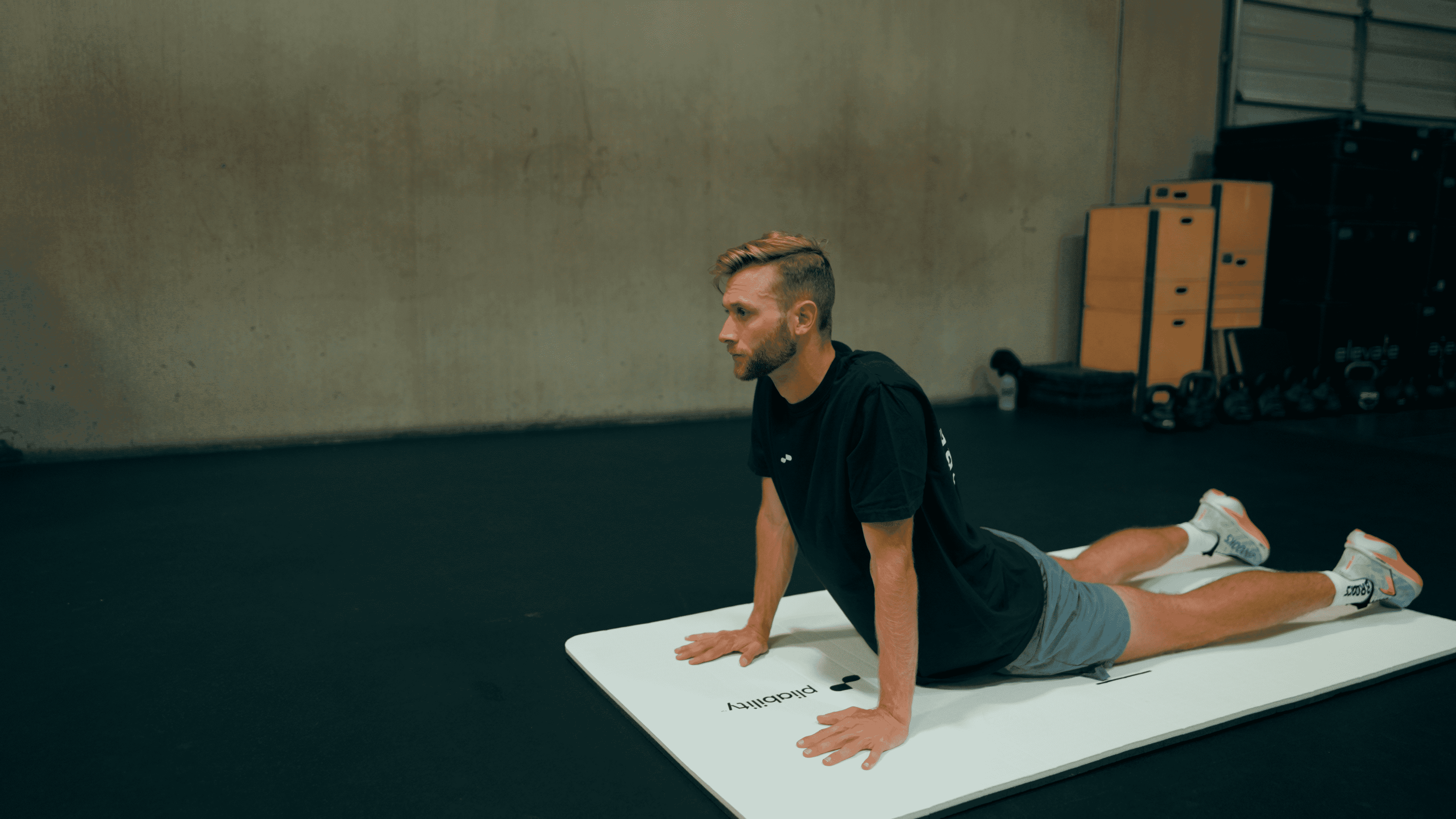
Lower back stiffness stems from muscle tightness, poor posture, weak core stability, prolonged sitting, previous injury, or inflammation. These factors interact: shortened hamstrings from sitting tilt your pelvis and disrupt spinal alignment; tight hip flexors create pressure within spinal segments; weakened core muscles force your back to compensate during movement, triggering stiffness as a protective response.
💡 Tip: Because these factors interconnect, addressing a single cause like stretching won't resolve chronic stiffness—you need a comprehensive approach.
According to the Cleveland Clinic, 80% of adults experience lower back pain at some point in their lives. This includes desk workers, athletes, and parents. The underlying factor is biomechanical stress from modern life: our spines evolved for varied movement, not static positioning.
🔑 Key Point: Lower back stiffness affects nearly everyone, making it one of the most universal health challenges today.
"80% of adults experience lower back pain at some point in their lives." — Cleveland Clinic
How do tight hamstrings affect your spine?
Your hamstrings run through the back of each thigh and connect to your pelvis. When they tighten from inactivity or skipped stretching, they shorten and pull your pelvis into a posterior tilt, flattening the natural curve of your lower spine. This disrupts how your spine and hips work together, creating stiffness most noticeable when you bend forward.
What happens when your hip flexors become tight?
The iliopsoas muscle in your hip flexes your hip, bringing your thigh toward your body. Tightness here creates stiffness within spinal segments and can destabilise the spine, inflaming surrounding tissues and generating radiating pain.
Stretches that lengthen hip flexors relieve this pressure, but consistency is required: one session won't reverse months of adaptive shortening.
How does sitting with your spine curved forward affect your body?
Sitting for long periods increases pressure inside each spinal segment, weakens your upper and lower back muscles, and reduces nutrient delivery to spinal tissues. Leaning toward your computer or sitting on the edge of your chair compounds this strain.
Spinal stiffness can develop within an hour of sitting. Your body adapts to your most frequent posture: if you sit in a poor position for eight hours daily, your spine learns that position as normal.
How can upright posture help reverse poor sitting habits?
Upright posture reverses this pattern. Roll your shoulders back, align your ears over your shoulders, keep your upper arms parallel to your torso, and avoid relying on the backrest. Sitting upright activates your core muscles, distributing load evenly across your spine rather than concentrating stress on a few overworked segments.
Inflammatory Changes in Your Spine
Ankylosing spondylitis causes gradual fusion between adjacent vertebrae through chronic inflammation, producing progressive stiffness and pain that improves with exercise but worsens with rest, contradicting the common assumption that rest resolves stiffness.
Osteoarthritis breaks down the protective cartilage between facet joints at the back of your spine. Without that cushioning, your joints create friction during movement, producing pain and stiffness that worsen in the morning, improve throughout the day, and return after prolonged inactivity. Both conditions respond to medication, exercise, and lifestyle changes, but a professional diagnosis is essential to avoid wasting time and prevent the condition from worsening.
Dehydration and Shrinkage of Your Spinal Discs
Your spinal discs absorb shock and distribute loads between vertebrae. Age-related wear breaks down their fibrocartilage, reduces water content, and decreases disc height. These changes alter spinal movement, creating stiffness during bending. As discs shrink, the space between vertebrae narrows, increasing stress on surrounding structures.
Treatment includes physical therapy, exercise, medications, and, when applicable, weight loss. Surgery is reserved for cases where conservative measures fail and functional limitations become severe. Most people manage disc degeneration through consistent mobility work that maintains flexibility despite structural changes.
What causes muscle imbalances to affect your back
When your back muscles are stronger than your glutes, hips, and core, your back works excessively during movement. When you lack mobility above or below your back, your spine compensates by taking on most of the work in rotational, flexion, and extension movements. Strengthening and improving flexibility in your hips, core, and shoulders reduces this compensation pattern, preventing overuse of back muscles that weren't designed to work in isolation.
How do muscle imbalances develop over time?
One person described feeling like their body aged 30 years after menopause, shifting from regular exercise to barely functioning. That shift often reflects combined muscle imbalances, hormonal changes affecting tissue elasticity, and years of subtle compensation patterns becoming unsustainable. The stiffness isn't sudden. The awareness is.
Awkward Sleep Position
Sleep position affects spinal alignment for six to eight hours every night. Stomach sleeping extends your neck and flattens your lower back curve, while side sleeping without proper pillow support can twist your spine. Finding a supportive position for your specific structure reduces morning stiffness.
A poor mattress exacerbates this problem. If your mattress sags or lacks support, your spine curves unnaturally throughout the night, forcing your muscles to stabilize an unstable position.
What happens when muscles become overused or strained?
Overuse happens when a muscle or connective tissue stretches beyond its normal capacity. Raking leaves, shoveling snow, or lifting heavy objects after months of inactivity causes this strain. The muscle tears microscopically, becomes inflamed, and tightens to protect itself. Pain may temporarily improve, but it worsens if you don't address the underlying weakness and continue the same activity.
Why does the overuse cycle keep repeating?
Most people treat overuse injuries by resting, then resume the same activity that caused the problem. The cycle repeats because the underlying cause—weak muscles and poor movement patterns—remains unaddressed. Breaking this cycle requires strengthening the muscles around the injury and improving movement patterns before returning to demanding activities.
How can you break the reactive pattern of stiffness management?
For people managing ongoing stiffness from multiple contributing factors, the familiar approach is to stretch occasionally when pain flares, then return to normal routines. As stiffness becomes chronic, this reactive pattern prevents lasting improvement. Apps like Pliability provide guided video routines that target specific tight spots with expert-designed programming, helping you address muscle imbalances, improve spinal mobility, and build consistency into your daily routine rather than treating mobility work as an afterthought.
Knowing what causes stiffness matters only if you can recognize when it crosses from manageable discomfort into something requiring immediate attention.
Related Reading
How Lower Back Stiffness Manifests and When to Worry
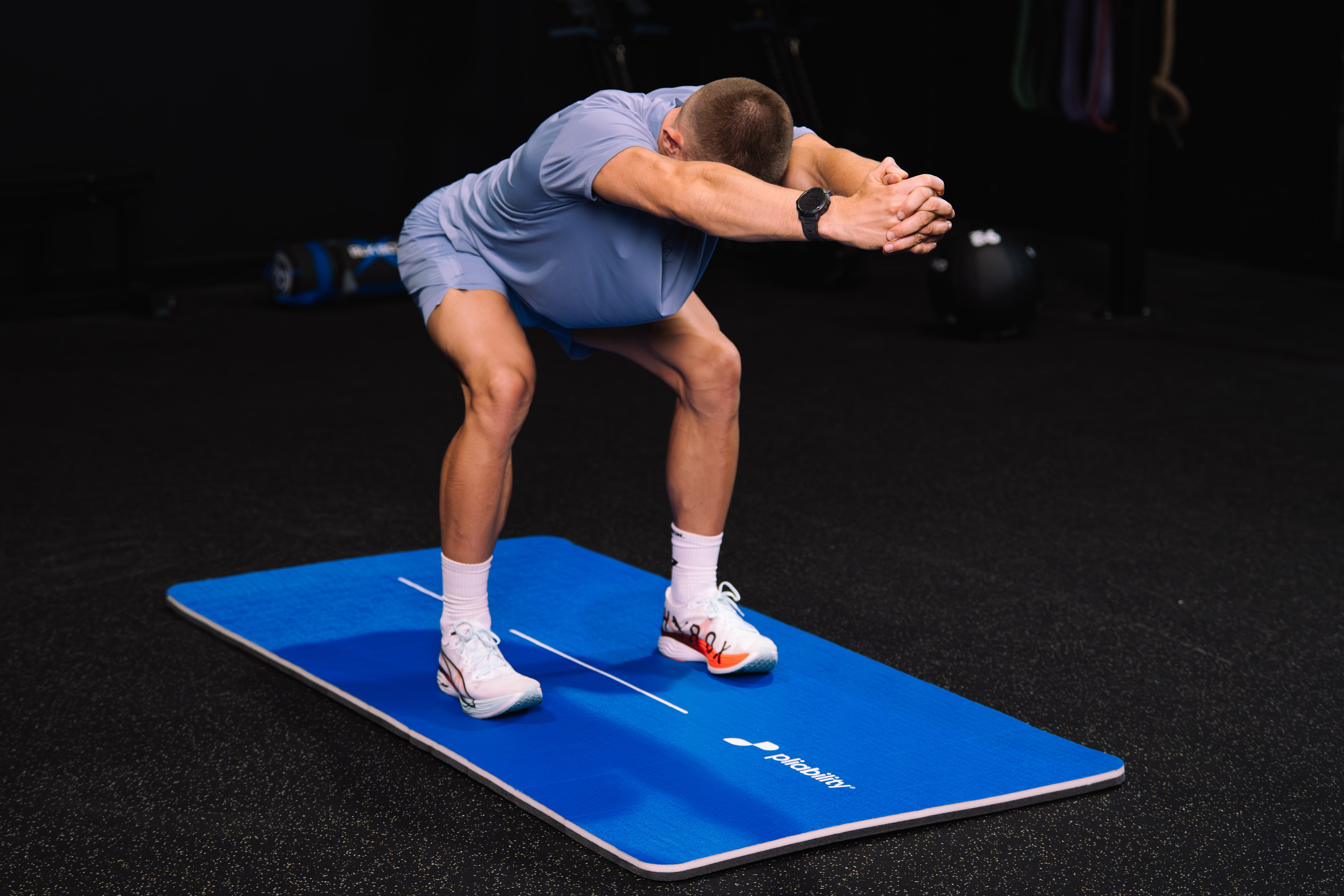
When stiffness interferes with daily tasks—bending to tie shoes, twisting to reach the back seat, or moving after sitting for a long time—muscle guarding becomes a mechanical restriction. You feel a band of tightness across your lower, middle, or upper back that requires conscious effort to loosen.
🎯 Key Point: Stiffness exists on a spectrum. Sometimes it shows up without pain: your back feels restricted, and movement takes more force, but nothing hurts. Other times, pain triggers protective muscle tightening around an irritated area. This difference matters because pain-free stiffness often responds quickly to movement and stretching, while pain-driven stiffness requires addressing the underlying inflammation or injury.
"Pain-free stiffness often responds quickly to movement and stretching, while pain-driven stiffness requires addressing the underlying cause."
⚠️ Warning: If your back stiffness is accompanied by severe pain, numbness, tingling, or weakness that persists for more than 48-72 hours, it's time to consult a healthcare professional. These symptoms may indicate nerve involvement or a more serious underlying condition that requires medical evaluation.
How does stiffness affect everyday activities?
Daily activities reveal how stiffness limits your body's function. Putting on socks becomes difficult. Reaching into the back seat of your car requires rotating your whole torso because your spine won't twist independently. Getting out of bed feels like your back needs to warm up before functioning properly. These problems stem from tight muscles, reduced range of motion, and compensation patterns your body developed to avoid pain.
Why does avoiding movement make stiffness worse?
According to the Institute for Quality and Efficiency in Health Care, acute lower back pain usually resolves within a few days or weeks, but only if you address the stiffness rather than avoid it. Continuing your normal routine while sidestepping restricted movements reinforces compensation patterns. Your body learns the limited range as normal, and temporary stiffness becomes a chronic restriction.
What does morning stiffness indicate about your condition?
Morning stiffness deserves special attention. Waking with a back that feels locked until you move around for 20 minutes signals swelling within joints or surrounding tissues. This pattern commonly appears in conditions such as ankylosing spondylitis or osteoarthritis, where rest allows inflammatory processes to stiffen the joints. Movement pumps fluid through tissues, temporarily reducing swelling, but the underlying condition requires medical evaluation.
When should you seek medical evaluation for back stiffness?
Most back stiffness resolves with movement, stretching, and attention to posture. Seek medical help if stiffness persists beyond two weeks despite regular mobility work, prevents you from working or exercising, or worsens despite treatment of a diagnosed condition like arthritis.
What symptoms require immediate medical attention?
Some symptoms require immediate medical attention. Stiffness after an injury that prevents movement warrants emergency evaluation for fractures, disc herniation, or nerve damage. Eye pain or vision changes, accompanied by back stiffness, may indicate inflammatory conditions affecting multiple body systems.
Weak legs, feeling changes in your legs or groin, or loss of bowel and bladder control signal possible spinal cord compression, a medical emergency requiring intervention within hours to prevent permanent damage. Fever combined with back stiffness and unusual tiredness suggests possible spinal infection.
How does back stiffness become debilitating over time?
Stiffness that becomes limiting typically comes from months or years of compounding factors: muscle imbalances worsen, inflammation spreads, and compensation patterns fail. By the time mobility is severely limited, smaller restrictions have accumulated. The progression isn't sudden; the awareness is.
How does muscle compensation create a cycle of stiffness?
Tight muscles reduce your range of motion, forcing surrounding muscles to work harder to compensate. Compensation leads to overuse of structures not designed for that load, triggering inflammation. Inflammation causes more guarding and tightness, feeding the cycle until mild morning stiffness becomes chronic pain that limits standing, climbing stairs, or walking short distances.
When your hamstrings stay tight, your pelvis tilts, altering spinal alignment. When your hip flexors shorten, they create pressure within spinal segments. When your core remains weak, your back overworks during every movement. These aren't separate problems: they're interconnected failures requiring balanced strength and mobility across multiple muscle groups. Addressing one tight area without improving overall movement patterns provides temporary relief but doesn't break the cycle.
Why does reactive stretching fail to provide lasting relief?
The familiar approach is to stretch when pain flares, then return to normal routines. As stiffness becomes chronic, this reactive pattern creates a cycle in which temporary relief never translates into lasting improvement. Mobility apps like Pliability provide guided video routines targeting specific restrictions with expert-designed programming. Our platform helps you address muscle imbalances through consistent daily work rather than occasional intervention.
Difficulty bending that resolves with five minutes of movement is manageable. Difficulty bending that persists despite stretching, worsens over weeks, or interferes with daily tasks signals progression. The difference between reversible muscle tightness and chronic restriction depends on how quickly you address the pattern and how consistently you maintain the mobility work that prevents regression.
Related Reading
Elbow Stiffness And Pain
Mid Back Stiffness
Lower Back Stiffness
Thumb Stiffness And Locking
Upper Back Stiffness
How to Relieve and Prevent Lower Back Stiffness
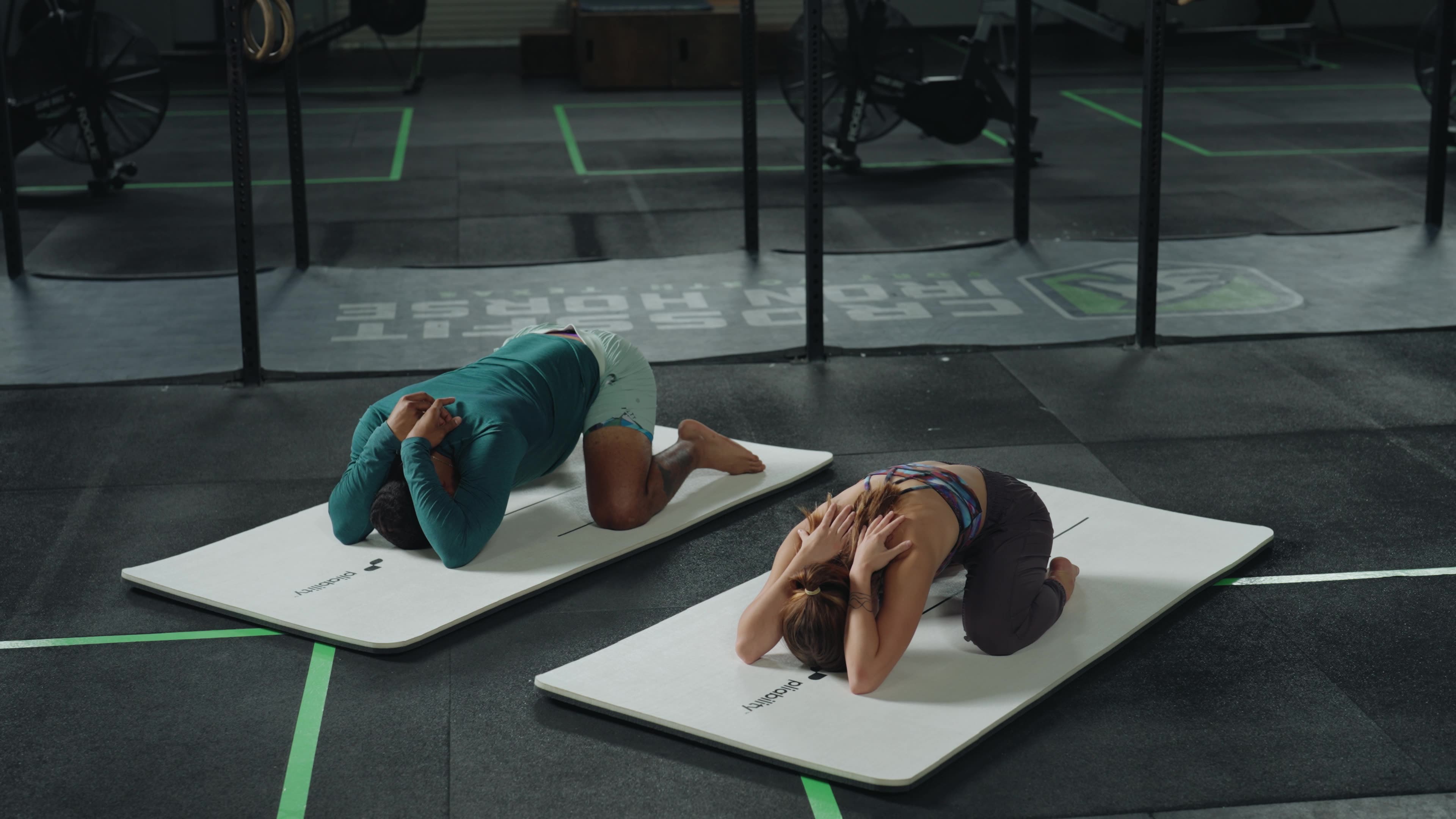
Prevention and relief use the same process at different stages. Strengthening spinal support muscles, improving mobility in compensatory areas, and integrating daily movement address existing stiffness and prevent future episodes. Both require rebuilding movement patterns your body has learned to avoid.
🎯 Key Point: The most effective approach treats prevention and relief as interconnected rather than separate strategies - what helps your current stiffness will also protect against future problems.
"Movement patterns that cause lower back stiffness often develop as compensatory mechanisms when other areas of the body become restricted or weak." — Journal of Biomechanics, 2023
⚠️ Warning: Many people make the mistake of only addressing symptoms when stiffness occurs, rather than building the foundational strength and mobility that prevents recurrence in the first place.
Why does frequent movement matter more than intensity?
Anything that breaks up sitting still helps: walking between meetings, standing during phone calls, stretching during commercial breaks. The specific activity matters less than frequency. Your muscles need regular reminders that they're capable of more than your daily routine demands.
When you sit for three hours straight, your hip flexors shorten, your hamstrings tighten, and your spine adapts to that curved-forward position. Moving every 30 to 60 minutes interrupts that adaptation before it becomes structural.
Can gym workouts replace daily movement breaks?
Gym sessions provide focused strength work, but they don't replace small movements throughout the day. You can deadlift twice a week and still develop chronic stiffness if you spend 50 hours per week hunched over a keyboard without breaks.
Your body responds to what you do most often. For most people, that means sitting or standing in limited positions far more than moving through full ranges of motion.
Ease Into Activity
Jumping from months of inactivity into intense exercise can lead to overuse injuries and stiffness. Your muscles lack the capacity to handle sudden heavy loads. Starting with 10-minute walks and gradually increasing duration over weeks allows your tissues to adapt. Adding intensity too quickly—by using heavier weights, longer distances, or complex movements—overwhelms unprepared muscles, causing micro-tears, swelling, and protective tightness.
Walk 10 minutes this week, 15 minutes next week, 20 minutes the week after. Do bodyweight squats before weighted squats. Practice basic stretches before advanced yoga poses. Rushing this phase creates the injury-recovery-reinjury cycle that perpetuates chronic stiffness.
Listen to Your Body
Discomfort during exercise signals muscle engagement; sharp pain signals tissue damage. The "no pain, no gain" phrase fails to distinguish between productive discomfort and destructive pain. A pulling sensation that eases as you hold a stretch is productive. A stabbing sensation that intensifies tells you to stop.
Ignoring these signals builds injury, not toughness. Pushing through early warning signs—minor tightness dismissed as normal—accumulates stress until muscles can no longer compensate. By the time pain becomes severe enough to stop you, damage has progressed beyond what simple rest can fix.
Why should you move in ways that feel comfortable?
Your body's proportions, previous injuries, and current strength levels determine what feels stable and what creates strain. A lifting technique that works for someone with long legs and a short torso might stress your spine if your proportions differ. Physical therapists assess your movement patterns, identify compensations, and teach variations suited to your structure rather than forcing you into textbook positions.
How does individual anatomy affect movement safety?
Generic advice to "keep your back straight" when lifting ignores that spinal curvature varies among individuals. Some flexion may be unavoidable and perfectly safe for your body, while a rigid spine creates more stress. Learning what feels natural for your body reduces the chronic strain that builds into stiffness.
How does physical therapy target the root cause of stiffness?
Guided exercises address root causes rather than symptoms. A physical therapist identifies which muscles are weak, overactive, and creating compensation patterns, then designs progressions that rebuild strength in underused areas while releasing tension in overworked ones. This targeted approach resolves stiffness faster than random stretching because it addresses the specific imbalances creating your restriction.
Why does consistent programming work better than reactive stretching?
The familiar approach of stretching only when pain flares up creates a reactive cycle where temporary relief never builds into lasting improvement. Apps like Pliability provide guided video routines targeting specific restrictions with expert-designed programming, helping you address muscle imbalances and improve spinal mobility through consistent daily work.
How do strengthening exercises prevent muscle tightness from returning?
Strengthening exercises deserve special attention. Stretching tight muscles provides temporary relief, but without building strength in the surrounding areas, tightness returns within days. Core strengthening, especially lower abdominals, reduces the load your back muscles carry during every movement.
Glute strengthening prevents your back from compensating when you stand from a chair or climb stairs. One person eliminated recurring back pain after years of expensive treatments through daily five-minute lower ab workouts.
Gentle Movement
Light activity increases blood flow to stiff muscles without causing the small injuries that intense exercise can. Walking, gentle stretching, or slow swimming pump nutrients into tissues while removing inflammatory byproducts. What matters is moving through ranges of motion rather than remaining static.
Complete rest allows inflammation to settle into joints, making movement more difficult when you finally resume activity. Gentle movement throughout the day prevents this settling without aggravating the underlying irritation. The balance between rest and activity determines whether stiffness resolves in days or persists for weeks.
Heat or Cold Therapy
Heat increases blood flow, relaxing tight muscles and improving tissue extensibility before stretching. Cold reduces inflammation and numbs pain, making it more effective immediately after injury or during acute flare-ups. Neither addresses the underlying weakness or imbalance causing stiffness, but both provide symptom relief that enables movement while you address root causes through exercise and posture correction.
Choose based on what suits your situation. Some prefer heat before stretching for deeper ranges of motion; others use cold after activity to prevent inflammation. The goal is to reduce symptoms enough to perform the mobility work that resolves stiffness.
How does massage release muscle tension?
Whether you use your hands, a tennis ball against a wall, or a massage gun, mechanical pressure releases trigger points and reduces muscle tension. Sustained pressure on tight muscle tissue interrupts the pain-spasm cycle, allowing chronically shortened muscles to lengthen. Daily self-massage takes 10 minutes and helps maintain tissue quality, preventing tightness from building up.
Why does consistency matter for massage effectiveness?
Consistency matters. One session feels good, but doesn't change long-term tissue quality. Daily attention to areas prone to tightening prevents them from becoming restriction points that limit movement. Skipping massage and stretching for two days causes noticeable stiffness to return, demonstrating how quickly tissue quality deteriorates without maintenance.
How can proper ergonomic adjustments reduce back strain?
Adjust your chair height so your feet rest flat, position your monitor at eye level to prevent forward head posture, and use a chair that supports your lumbar curve. These changes reduce stress from prolonged poor positioning.
However, perfect ergonomics don't eliminate the need for movement breaks. According to the Mayo Clinic, 15 minutes of targeted exercise daily can significantly improve back health.
Why are regular movement breaks essential for back health?
Standing up every hour prevents your muscles from shortening and tightening from prolonged static positioning. Even two minutes of walking can reset your posture and remind your body of its range of motion.
These small breaks accumulate into significant health benefits over weeks and months.
How does sleep position affect spinal alignment?
Supporting your spine's natural curves while you sleep prevents strain that accumulates over six to eight hours each night. Side sleepers benefit from placing a pillow between their knees to prevent the top leg from pulling the pelvis into rotation and twisting the lower spine. Back sleepers can place a pillow under their knees to maintain the lumbar curve and reduce pressure on spinal discs.
Why does mattress quality matter for spine health?
Your mattress matters more than pillow placement. A sagging mattress forces your spine into unnatural curves, making muscles work to stabilise an unstable position all night. You wake stiff because they've been working continuously. Replacing a worn mattress often resolves morning stiffness that people attribute to aging or chronic conditions when inadequate support during sleep is the actual cause.
How does nervous system activation contribute to chronic stiffness?
Chronic stiffness often indicates an overactive nervous system, keeping your muscles in constant tension. Diaphragmatic breathing—consciously breathing into your belly rather than your chest—activates your parasympathetic nervous system and signals your body it's safe to release protective muscle guarding. Guided meditation reduces the background tension that makes muscles prone to stiffness during normal activities.
Why does stress create baseline muscle tension?
When your nervous system senses a threat (stress, poor sleep, chronic pain), it tightens muscle tone throughout your body as a protective response. This elevated baseline tension means your muscles start each day already partially contracted, making them more susceptible to stiffness from minor physical demands.
Addressing nervous system regulation through breathing and relaxation techniques lowers baseline tension, enabling your muscles to better handle physical stresses that create stiffness.
Understanding what relieves stiffness creates lasting change only when you build these practices into a sustainable routine.
Related Reading
How To Relieve Morning Back Stiffness
How To Reduce Stiffness After an Ankle Sprain
Left Arm Stiffness
Finger Stiffness And Locking Treatment
Hand Stiffness Exercises
Stretches For Lower Back Stiffness
How To Get Rid Of Neck Stiffness
Hip Stiffness Exercises
Best Supplements For Muscle Pain And Stiffness
Muscle Stiffness Treatment
Improve Your Lower Back Mobility and Reduce Stiffness Today | Get 7 Days Free
Lower back tightness affects posture, limits bending and lifting, and creates compensations that spread tension throughout your body. Pliability offers targeted mobility programs that address your restrictions through a body-scanning feature identifying where movement is restricted, then provides expert-designed video routines that strengthen your core and glutes, improve spinal flexibility, and reduce stiffness, limiting daily discomfort.
🎯 Key Point: Body-scanning technology identifies your specific movement restrictions, creating a personalized mobility plan that targets your exact problem areas rather than generic exercises.
With daily-updated programming and progress tracking that adjusts to your individual needs, you can reduce lower back discomfort, increase range of motion, and build strength to prevent future pain. Sign up today for 7 days free on iPhone, iPad, Android, or the web.
"Targeted mobility programs that address exact restrictions through body-scanning technology provide personalized solutions for lower back stiffness and movement limitations." — Pliability Platform Features
💡 Tip: Daily consistency with just 10-15 minutes of targeted mobility work can dramatically improve your lower back flexibility and reduce chronic stiffness within the first week.What Causes Lower Back Stiffness and How Can You Fix It?













Move better in 10 minutes a day.
10,000+ five-star reviews.