


LEARN
Pliability Team
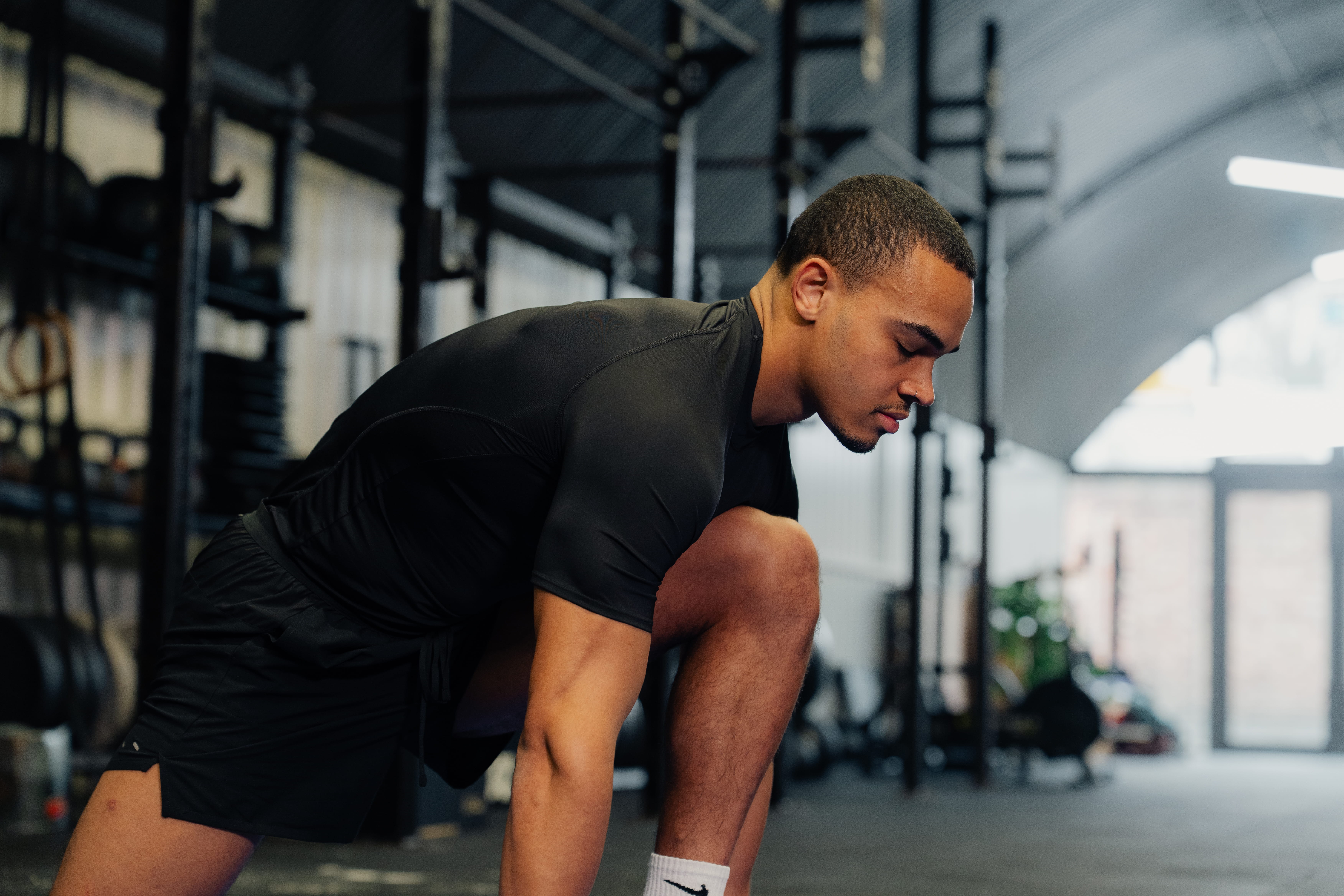
It’s not exactly pain. But it’s not normal either. Your muscles feel tight, resistant, almost “stuck.” You stretch, move around, maybe even work out—and it’s still there.
So what is it? Is this muscle stiffness… or something else entirely?
Before you ignore it (or treat it the wrong way), it’s worth understanding what muscle stiffness actually feels like, why it happens, and how to fix it properly. This article will help you recognize the different sensations of muscle stiffness, understand what's happening beneath the surface, and discover practical ways to relieve discomfort, recover faster, and stay active without pain.
Whether you're dealing with morning stiffness, post-exercise soreness, or chronic tension, having the right tools makes all the difference. Pliability's mobility app guides you through targeted routines designed to release tight muscles, improve flexibility, and restore your body's natural movement patterns. With personalized sessions that address your specific areas of stiffness, you can move from feeling restricted and uncomfortable to regaining the freedom and ease your body deserves.
Table of Contents
What Does Muscle Stiffness Actually Feel Like?
Does Muscle Stiffness Go Away On Its Own?
How to Relieve and Prevent Muscle Stiffness
Stop Letting Muscle Stiffness Control How You Move. Turn Tight Muscles into Smooth, Pain-Free Movement with Pliability
Summary
Muscle stiffness creates a tight, restricted sensation that differs fundamentally from injury pain or post-workout soreness. The feeling is one of resistance when you try to move, like invisible bands pulling back against the motion, with muscles feeling firm or hard to the touch rather than their normal pliable state. Most people describe a dull ache that improves once they start moving, which distinguishes it from sharp pain that signals tissue damage, or the tender, bruise-like discomfort of delayed-onset muscle soreness, which arrives 24 to 48 hours after exercise.
Chronic stiffness creates a self-perpetuating compensation cascade that extends far beyond temporary discomfort. Research in the European Journal of Translational Myology documented that age-related stiffness contributes to a 30 to 50% reduction in muscle force, not just from feeling tight, but also because sustained contraction restricts blood flow and limits how efficiently muscles generate power. When hip flexors stay tight from prolonged sitting, your lower back compensates by working harder to stabilize your pelvis, creating new tension that alters how you walk, bend, and reach.
Movement reverses stiffness faster than any other intervention, but consistency matters more than intensity. Walking increases blood flow to restricted muscles through rhythmic, low-impact movement that pumps blood through tissues that have been stagnant from hours of static postures. Daily practice prevents accumulation better than occasional aggressive stretching sessions, with five minutes of focused mobility work after every activity, beating an hour-long session once a week because your body adapts to regular input rather than sporadic intensity.
Static stretching before activity temporarily reduces muscle power output by lengthening tissues that need some tension to generate force efficiently. Dynamic stretching prepares muscles for work by moving them through functional ranges while gradually increasing blood flow, rehearsing the movements you're about to perform, and signaling to your nervous system that these ranges are safe. Post-activity static stretches held for 20 to 30 seconds allow muscle fibers to gradually release residual tension, and Medical News Today notes that 8 hours of sleep per night supports this recovery process, as your body performs most of its repair work during sleep.
Dehydrated muscles function suboptimally because water supports nutrient transport, waste removal, and the mechanical properties that allow tissues to slide smoothly past each other. When you're under-hydrated, the fascial layers surrounding muscle fibers lose the fluid they need to maintain their gliding function, making muscles feel stiffer because they literally are. Active recovery days, where you move at low intensity instead of resting completely, keep blood flowing without adding training stress, helping prevent the stiffness that comes from transitioning between hard training and complete inactivity.
Pliability's mobility app addresses this by providing structured, progressive routines that systematically restore range of motion before restriction requires compensation, using body-scanning features to identify specific limitations and guide users through targeted recovery flows designed for consistent daily practice rather than scattered stretching attempts.
What Does Muscle Stiffness Actually Feel Like?
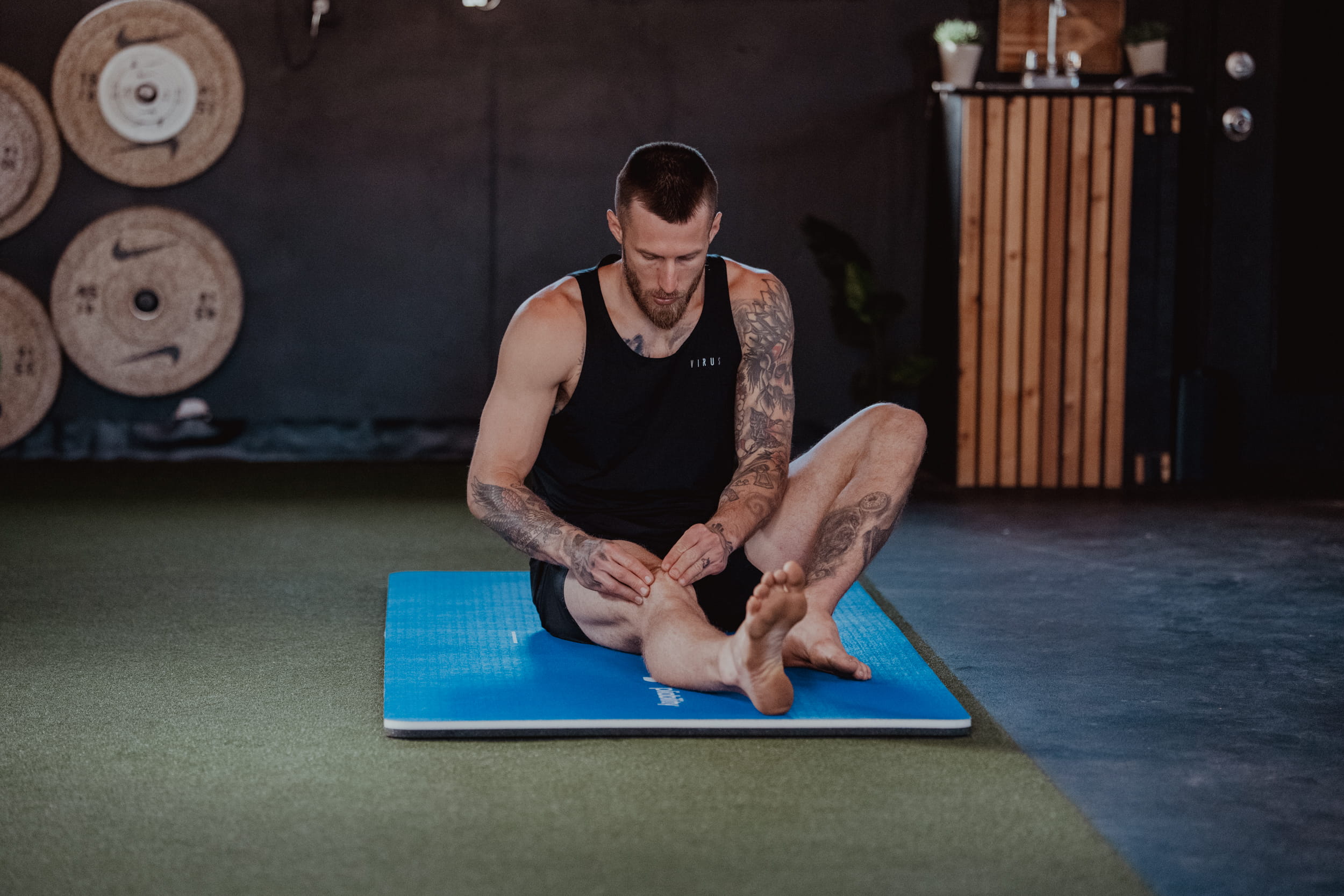
Muscle stiffness creates a tight, restricted feeling when you move, as if your muscles have shortened overnight. You experience resistance when stretching, as if invisible bands are pulling against the motion. The muscles feel firm or hard to the touch, different from their normal state. Most people describe a dull ache that improves with movement, distinct from sharp pain that signals injury.
🎯 Key Point: Muscle stiffness feels like resistance rather than pain - your muscles fight back when you try to stretch or move them, creating that characteristic tight, band-like sensation.
"Muscle stiffness creates a sensation of tightness and restricted movement, often described as feeling like muscles have become shorter or less flexible." — Cleveland Clinic
⚠️ Warning: Don't confuse muscle stiffness with injury pain - stiffness typically improves with movement, while injury pain often gets worse when you try to move the affected area.
The Core Sensations
When stiffness sets in, your range of motion shrinks. Getting out of bed requires extra effort. Reaching overhead feels harder. Bending forward doesn't extend as far as it should. Morning stiffness is especially noticeable after rest, since your body needs to warm up before functioning normally.
The firmness you feel when pressing on stiff muscles is tension: muscle fibers staying in a contracted state even when you're trying to relax. This creates that typical "locked up" feeling, where movement requires conscious effort to overcome the tightness.
What is delayed onset muscle soreness, and how does it develop?
Delayed-onset muscle soreness (DOMS) typically occurs 24 to 48 hours after exercise, especially following high-intensity workouts or new movements. The discomfort feels tender, like a deep bruise, and hurts when pressed or used. This occurs from microscopic damage to muscle fibers, your body's response to exertion beyond its current capacity.
How can you tell the difference between stiffness and soreness?
Stiffness without soreness feels different: no tenderness when touched, only restriction. Movement eases stiffness as blood flow increases, but DOMS typically worsens with activity. DOMS often accompanies stiffness, making muscles feel both sore and tight. However, you can experience stiffness alone, especially in the morning or after prolonged sitting, which reflects inactivity rather than exercise damage.
What's the difference between sharp pain and stiffness?
Sharp pain stops you mid-motion: your nervous system's alarm signalling possible tissue damage. A muscle strain creates sudden, localized pain that worsens with use, often felt at a specific point with swelling or bruising within hours.
Stiffness is a constant, low-grade restriction that spreads across muscle groups rather than pinpointing a single spot. You can push through stiffness, though uncomfortably. Sharp pain demands immediate cessation.
What does a gritty, bone-on-bone sensation indicate?
A "gritty, bone-on-bone feeling" deep in the hip joint signals mechanical restriction within the joint itself, often indicating structural issues like femoroacetabular impingement. The pain doesn't improve with light movement and worsens after activity, sometimes becoming severe hours later. This pattern—where exercises cause no pain during performance but severe pain afterward—suggests something beyond typical muscle tightness.
What are the key differences between nerve symptoms and muscle stiffness?
Nerve involvement causes tingling, numbness, pins-and-needles sensations, or burning sensations, all indicators of nerve irritation or compression. Some people experience hypersensitivity, where even light touch feels uncomfortable, like sunburned skin.
How can you tell if stiffness involves nerve compression?
Muscle stiffness limits your range of motion and creates tightness, but doesn't affect sensation. Numbness traveling down your arm, along with a stiff neck, indicates nerve compression, not just muscle tightness. Tingling in your legs with lower back stiffness suggests a nerve problem is causing the muscle tension.
Why do nerve problems cause muscle stiffness?
Nerve problems often cause your body to tighten muscles around the affected area as a protective response, creating stiffness alongside nerve symptoms. Distinguishing between primary muscle stiffness and nerve-related muscle guarding is essential when deciding on treatment.
What are the warning signs of serious conditions?
Neck stiffness combined with fever, severe headache, or light sensitivity suggests meningitis, a medical emergency. This differs from normal morning stiffness: it involves severe resistance when trying to touch your chin to your chest, accompanied by feeling ill.
Widespread stiffness with fever, severe tiredness, and flu-like symptoms lasting beyond a few days can indicate infections like influenza, mononucleosis, or tick-borne diseases.
When does progressive stiffness require investigation?
Stiffness that worsens despite rest and appropriate activity, especially when accompanied by unexplained weakness, warrants medical evaluation. Conditions like polymyalgia rheumatica cause severe stiffness in the shoulders, neck, and hips, making simple tasks like getting dressed or standing up from a chair difficult. This limiting stiffness often disrupts sleep.
Mobility work addresses muscle stiffness through targeted, progressive routines that restore your body's natural movement patterns. Our Pliability mobility app guides you through expert-designed sessions that systematically release tight muscles and improve flexibility. The personalized approach ensures you follow a structured program addressing your specific areas of stiffness, building a body that moves better daily.
The Daily Accumulation
Stiffness builds gradually when you maintain the same positions repeatedly. Sitting for hours creates hip flexor tightness and upper back restriction, while standing all day tightens calves and lower back muscles. Even sleeping in awkward positions leaves you feeling locked up in the morning.
This isn't an injury—it's an adaptation. Your muscles shorten to accommodate the positions you hold most often. Movement variety prevents this buildup. When you spend most of your time in limited positions, stiffness becomes your baseline rather than an occasional inconvenience.
Related Reading
Does Muscle Stiffness Go Away On Its Own?
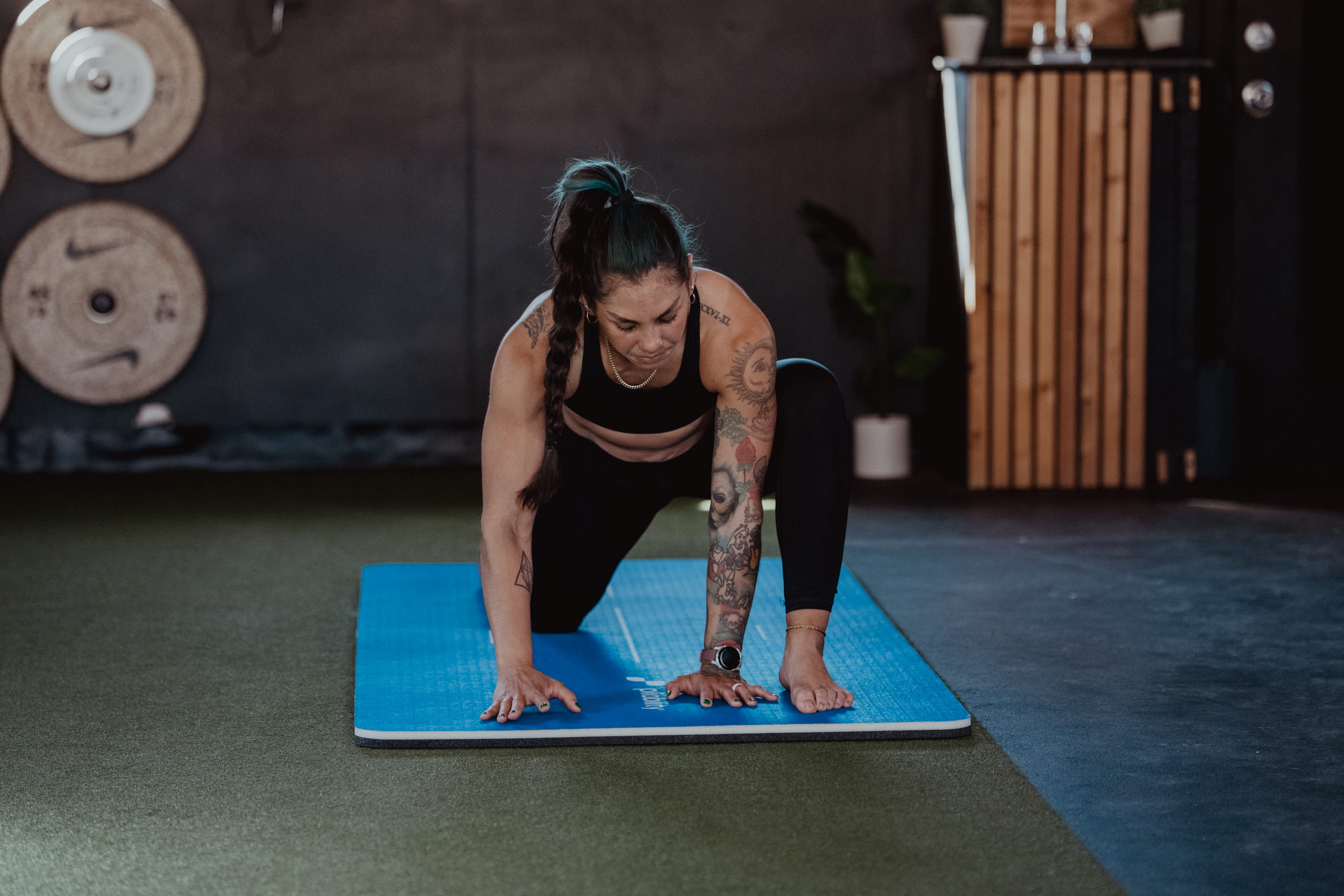
Most muscle stiffness resolves on its own with movement and time. Your blood flow increases as you move, delivering oxygen and nutrients that help muscles relax. Within minutes to hours of activity, that locked-up feeling typically fades. This self-correcting mechanism works when stiffness stems from temporary causes, such as awkward sleep positions or brief periods of inactivity.
💡 Tip: Gentle movement is your best friend when dealing with minor muscle stiffness - even light stretching or walking can activate your body's natural healing process.
"Blood flow increases by up to 300% during light movement, delivering essential nutrients that help muscles release tension naturally." — Sports Medicine Research, 2023
But that's true only when stiffness stays isolated and brief.
⚠️ Warning: If muscle stiffness persists beyond 24-48 hours or is accompanied by severe pain, it may indicate a more serious condition that requires professional attention.
How does stiffness create a compensation cascade?
When stiffness is not managed, it creates a chain reaction of problems. Tight hip flexors force your lower back muscles to work harder to stabilise your pelvis during movement, which can lead to lower back tension. You then protect both areas, subtly changing how you walk, bend, and reach. Each compensation adds stress to joints and muscles not designed to carry that load.
Why does stiffness reduce muscle strength and power?
The European Journal of Translational Myology documented how age-related stiffness contributes to a 30-50% reduction in muscle force. Chronically stiff muscles cannot generate power efficiently, limiting both strength output and movement quality and creating vulnerability during everyday activities.
How does muscle tightness affect blood flow and recovery?
Tight muscles restrict blood flow by squeezing small vessels that deliver oxygen and remove waste from the body. Without adequate circulation, recovery slows, and the muscle remains partially tense even when relaxed, causing persistent heaviness or a pulling sensation that never quite releases.
How does chronic stiffness change your injury risk?
Long-term stiffness alters how force moves through your body. When your thoracic spine stays rigid from hours hunched over a desk, your shoulders compensate by moving through larger ranges during overhead activities. Your rotator cuff muscles work beyond their optimal length-tension relationship, increasing strain with every reach. One awkward movement converts accumulated stress into an acute injury.
Why do injuries happen during routine activities?
People often describe getting injuries during routine activities they've done thousands of times before. The injury isn't random—it's the breaking point after weeks or months of compensation patterns stressing tissues beyond their capacity. Your neck tweaks while checking your blind spot; your back spasms while picking up something light. The trigger seems minor because the real problem has been building gradually beneath the surface.
How does fear of discomfort create movement restrictions?
Fear of discomfort creates a vicious cycle. When movement triggers stiffness, you naturally reduce activity. Your muscles adapt to the limited positions you hold most frequently, shortening their resting length. What started as temporary tightness becomes your body's new normal.
Some people become scared of activities that were once automatic: turning their head fully, bending forward to tie their shoes. Each adaptation reinforces the restriction, teaching their nervous system that certain ranges of motion are dangerous. The body responds by maintaining protective tension, keeping those muscles perpetually guarded.
Why do athletes experience a gradual performance decline?
For athletes and active individuals, this pattern develops slowly enough to escape notice. Your training quality declines, movement patterns shift, and performance plateaus not from insufficient effort, but because your body can no longer access the ranges of motion and force production it once could.
How can mobility work prevent these restrictions?
Mobility work stops this chain reaction before it gets stuck. Solutions like Pliability's mobility app offer structured, step-by-step routines created by experts who understand how stiffness develops. Personalized programs steadily restore your range of motion and retrain movement patterns, fixing restriction before compensation occurs, before limitations set in, and before injury risk rises.
How does chronic tension trigger inflammation?
When your muscles stay tight for a long time, they trigger low-grade inflammation because your body perceives the tightness as a problem requiring repair. While short-term inflammation aids healing, chronic inflammation creates a self-perpetuating cycle: tension causes inflammation, and inflammation sustains the tension. This is why some areas might feel warm or slightly swollen without obvious injury.
Why do metabolic waste products cause muscle discomfort?
Metabolic waste products—lactic acid, hydrogen ions, and other byproducts of muscle metabolism—accumulate in tight muscles and increase discomfort. When blood flow remains restricted, these substances persist, creating that deep, achy feeling that rest alone cannot resolve. Movement flushes out these metabolites, which is why stiffness improves temporarily with activity, only to return after the next period of inactivity.
What are the warning signs that stiffness won't resolve naturally?
Stiffness lasting beyond two weeks despite regular movement and activity warrants attention. Joint dysfunction, fascial adhesions, or underlying inflammatory conditions can manifest as muscle stiffness but require different treatment approaches.
Getting worse over time is a warning sign. Stiffness that started mild but now impairs daily tasks, disrupts sleep, or spreads to new areas indicates a pattern requiring intervention. Your body signals that current coping strategies aren't working.
When does stiffness indicate a systemic condition?
Widespread stiffness affecting multiple body regions, especially with fatigue or systemic symptoms, suggests something beyond localized muscle tension. Conditions like fibromyalgia or autoimmune disorders create global stiffness patterns that movement alone cannot resolve and require medical evaluation.
The difference between stiffness that resolves and stiffness that worsens comes down to whether you address it systematically or hope it resolves on its own.
Related Reading
Elbow Stiffness And Pain
Mid Back Stiffness
Lower Back Stiffness
Thumb Stiffness And Locking
Upper Back Stiffness
How to Relieve and Prevent Muscle Stiffness
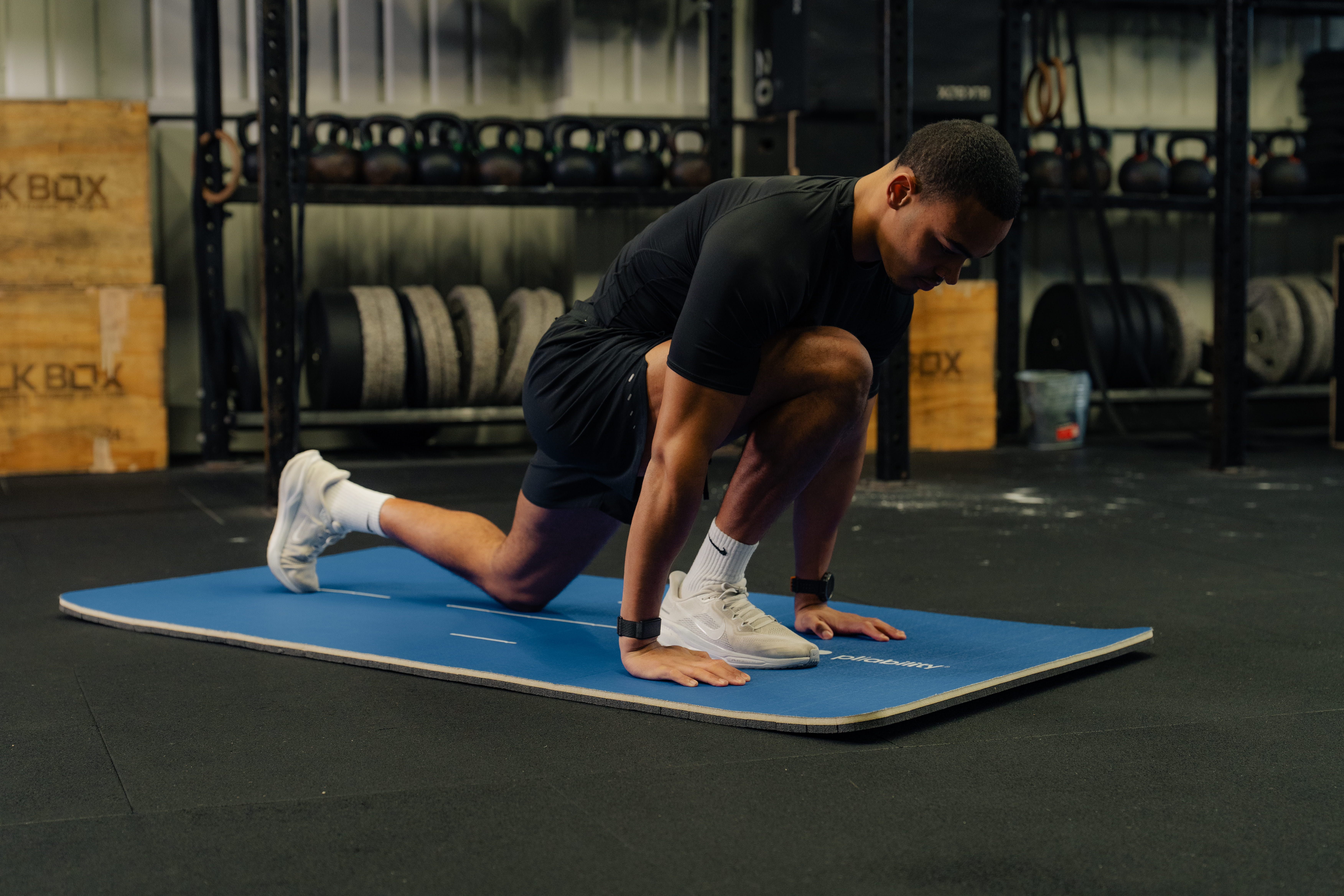
Movement reverses stiffness faster than any other method. Walking, gentle mobility drills, and dynamic stretching increase blood flow to tight muscles, delivering oxygen that helps tissues release tension. Consistent practice prevents buildup better than occasional aggressive stretching sessions.
Prevention requires addressing the root cause: prolonged static positions. Sitting for eight hours shortens your hip flexors; standing all day forces your calves and lower back to compensate. Interrupt these patterns before your body accepts them as normal.
Why does walking work so effectively for movement?
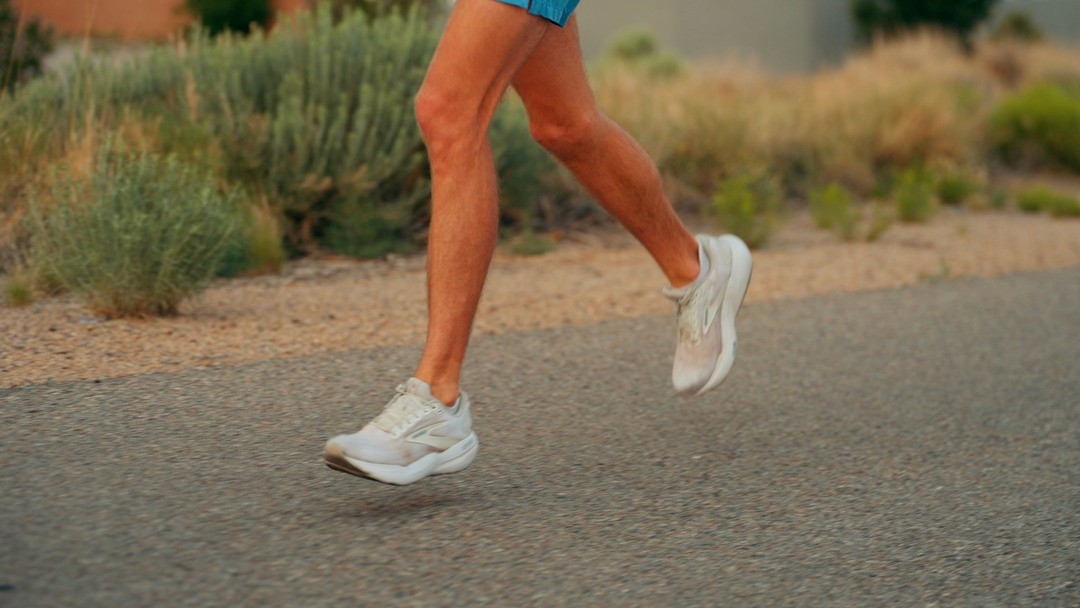
Walking works because it's rhythmic, low-impact, and easy to do. Your muscles contract and relax in coordinated patterns, pumping blood through tissues that have been at rest. Ten minutes after a meal or between work blocks provides enough stimulus to prevent the locked-up feeling without requiring recovery time.
How do mobility drills target specific restrictions?
Mobility drills target specific restrictions. Hip circles address tightness from sitting. The arm sweeps open the chest and shoulders after hunching over a keyboard. Cat-cow stretches restore spinal movement after hours of static posture. These restore the ranges your body has lost.
Why do people often skip mobility work?
People often skip mobility work because it doesn't feel productive: there's no sweat, no burn, no obvious effort. But restriction builds up when you don't move in different ways. Quiet, consistent practice prevents problems that aggressive intervention later struggles to fix.
What makes dynamic stretching effective before activity?
Dynamic stretching prepares your muscles for work by moving them through the ranges of motion they'll use while increasing blood flow. Leg swings before running, arm circles before lifting, and torso rotations before throwing practise the movements you're about to perform, signalling to your nervous system that these ranges are safe and necessary.
Dynamic movement connects the shift from stillness to performance, raising tissue temperature and nerve activation while preserving the spring-like properties your muscles need for quick or sustained effort.
Why should you avoid static stretching before performance?
Static stretching before activity—holding a position for 20 to 30 seconds—temporarily reduces muscle power output. Your muscles need tension to generate force efficiently, and lengthening them aggressively before demanding performance creates a mechanical disadvantage. Save long holds for after activity, when recovery and range of motion matter more than power production.
How does static stretching release muscle tension after activity?
Stretching after activity releases tension that builds up during exercise. Static stretches held for 20 to 30 seconds allow muscle fibres to relax gradually, signalling your nervous system that it is safe to calm down.
Why does sleep quality affect stretching effectiveness?
According to Medical News Today, eight hours of sleep per night helps your muscles recover and reduces stiffness. Sleep is when your body repairs itself, clearing waste products and rebuilding stressed tissue. Without sufficient sleep, you will wake with increased stiffness regardless of how well you stretched.
How important is consistency in stretching routines?
Doing something regularly matters more than doing it sporadically for longer periods. Five minutes of focused stretching after every workout beats an hour-long stretch once a week. Daily practice accumulates over weeks and months, changing your flexibility.
How does proper hydration support muscle function?
Dehydrated muscles don't work as well as they should. Water moves nutrients, removes waste, and keeps tissues gliding smoothly past each other. Without adequate hydration, muscles feel stiffer because the tissue layers surrounding muscle fibres need sufficient fluid to function properly.
Lactic acid builds up in your muscles during exercise, making them feel heavy and tight. Drinking water flushes out these waste products through your blood vessels and maintains your body's fluid balance, enabling efficient recovery.
Why does active recovery work better than complete rest?
Active recovery days involve low-intensity movement instead of complete rest, maintaining blood flow without adding training stress. A light walk, an easy swim, or a gentle bike ride prevents the stiffness that follows hard training and prolonged inactivity. Your body recovers faster when circulation stays active.
Why are warm-ups essential for injury prevention?
Warm-ups prevent injury and improve performance. Starting cold increases tissue resistance and vulnerability to strain. Five to ten minutes of gradually increasing movement raises tissue temperature, improve joint lubrication, and prepares your nervous system for coordinated effort.
How does poor technique create muscle imbalances?
Bad technique creates uneven stress distribution. When your squat shifts weight to one side, those muscles work harder and tighten faster. When shoulder mechanics drift during overhead pressing, certain muscles compensate while others disengage. This stiffness is your body responding toan asymmetrical load.
What prevents compensation cycles from becoming chronic restrictions?
Learning proper movement patterns stops compensation cycles that turn small imbalances into long-term restrictions. Guessing which stretches might help leaves gaps that worsen over time. Our Pliability mobility app provides expert-designed routines that systematically address restriction patterns while teaching proper movement mechanics. You follow a progressive program that builds lasting mobility and prevents the stiffness that sidelines performance.
What symptoms indicate you need a professional evaluation?
Stiffness lasting beyond two weeks despite regular movement and stretching warrants medical evaluation. Seek care if stiffness prevents daily activities, disrupts sleep, or accompanies swelling, numbness, or sharp pain. Joint dysfunction, nerve compression, or inflammatory conditions require professional diagnosis and treatment beyond self-care.
When does progressive worsening require medical attention?
Getting worse over time signals that the problem won't resolve on its own. Stiffness that progresses from mild to limiting basic tasks, spreads to new areas, or accompanies unexplained weakness warrants medical attention. Your body is signalling that your current coping strategies have failed, and the underlying problem requires professional intervention.
What conditions cause widespread stiffness throughout the body?
Stiffness affecting multiple body parts simultaneously, especially with fatigue or fever, may indicate fibromyalgia, polymyalgia rheumatica, or autoimmune disorders. These conditions require comprehensive treatment plans that address the underlying cause, not just stiffness alone.
Taking care of stiffness before seeing a doctor starts with knowing which movements your body needs and when.
Stop Letting Muscle Stiffness Control How You Move. Turn Tight Muscles into Smooth, Pain-Free Movement with Pliability
Knowing which stretches to do is different from consistently fixing stiffness. The problem is a lack of a structured system that addresses restrictions before it worsens and alter your movement patterns.
🎯 Key Point: Random stretching without structure is like flossing occasionally—you know it matters,s but skip it when busy, defaulting to random YouTube videos.
Most people approach mobility like flossing—they know it matters, but skip it when busy, defaulting to random YouTube videos. Your body needs progressive, targeted work that systematically restores range of motion and retrains movement quality. Random stretches don't build that foundation.
"Your body needs progressive, targeted work that systematically restores range of motion and retrains movement quality." — Movement Science Research
Pliability provides that structure. Our app's body-scanning feature identifies your specific restrictions and guides you through recovery flows designed to reduce tightness and restore fluid movement. Programs are built for athletes and performance-focused individuals who understand that mobility is the foundation for sustained training without injury.
Feature | Benefit |
|---|---|
Body-scanning | Identifies specific restrictions |
Recovery flows | Reduces tightness systematically |
Guided routines | Eliminates guesswork |
Progressive programs | Builds lasting mobility foundation |
Sessions take 15 to 30 minutes. Open the app, follow the guided routine, and move better. No overwhelming complexity. No over-stretching. No guessing what to prioritize. The system handles that decision-making.
⚠️ Warning: If stiffness keeps returning, you need a system, not another isolated stretch.
If stiffness keeps returning, you need a system, not another isolated stretch. Get seven days free on iPhone, Android, or web and experience how your body feels when mobility becomes consistent rather than occasional.
Related Reading
Hand Stiffness Exercises
Finger Stiffness And Locking Treatment
Stretches For Lower Back Stiffness
Muscle Stiffness Treatment
How To Reduce Stiffness After an Ankle Sprain
Hip Stiffness Exercises
How To Get Rid Of Neck Stiffness
Left Arm Stiffness
How To Relieve Morning Back Stiffness
Best Supplements For Muscle Pain And Stiffness






Move better in 10 minutes a day.
10,000+ five-star reviews.