


LEARN
Pliability Team

Plyometric training builds explosive power, faster sprints, and higher jumps, but the frequency of these high-intensity sessions determines whether athletes see gains or face injury. These exercises place significant stress on muscles, tendons, and the nervous system, making the "more is better" approach counterproductive. The optimal training frequency maximizes power gains while protecting against overtraining and reducing injury risk. Finding the right balance between training stimulus and recovery requires understanding how the body responds to explosive movements.
Smart recovery protocols support sustainable plyometric training by ensuring muscles and connective tissues adapt properly to high-impact demands. Tracking mobility and readiness helps athletes determine when their bodies are prepared for box jumps, depth jumps, and bounding exercises. This systematic approach allows for consistent training at the right frequency without compromising the body's ability to grow stronger. Pliability's mobility app provides targeted recovery sessions and readiness assessments that support optimal plyometric training schedules.
Table of Contents
Why Plyometric Gains Stall (It's Not Effort, It's Timing)
Why the "More Plyometrics = More Explosiveness" Belief Is Wrong
How Often Should You Do Plyometrics (Plyometric Frequency Is a Recovery Equation, Not a Schedule)
How to Structure Plyometrics Training for Maximum Power Without CNS Overload
Optimize Your Plyometric Frequency With Better Recovery and Movement Quality
Summary
Ground contact times during plyometric exercises typically range from 0.1 to 0.2 seconds according to research in the International Journal of Sports Physical Therapy. When fatigue accumulates, that window stretches before your muscles feel tired. The timing degrades first, which means you lose the elastic recoil that defines true plyometric work and start relying on slower concentric muscle contraction instead.
Tendons need more recovery time than muscles after high-impact training. Muscle soreness fades in 48 to 72 hours, but tendon adaptation takes longer because plyometrics loads tendons with forces several times your body weight in fractions of a second. Push frequency too high, and tendons accumulate microdamage faster than they can repair, which shows up as a gradual loss of spring rather than obvious soreness.
Athletes who rested at least 30 minutes between plyometric sets maintained significantly higher jump performance than those who rushed through high-volume circuits, according to research in Frontiers in Physiology. The difference wasn't conditioning. It was whether their nervous system could still fire fast enough to matter, because the CNS treats volume like poison, and firing speed collapses when the system is taxed.
Research comparing weekly plyometric frequency in regional-level jump athletes found that 2 weekly sessions allowed full recovery between bouts, while 3 weekly sessions compressed recovery windows and reduced power output over time. High-intensity plyometrics require low frequency because the nervous system and tendons need 48 to 96 hours to rebuild stiffness and restore firing speed, depending on the stretch load applied.
Bone mechanosensitivity requires 4 to 8 hours to regain 90% responsiveness after a high load stimulus, and your nervous system needs a similar recovery between explosive efforts within a session. That means three to five minutes of full rest between max effort sets isn't excessive. It's the minimum to maintain the neural firing speed that makes plyometrics effective, rather than just conditioning work with a plyometric label.
Pliability's mobility app addresses this by providing targeted stretching and breathwork routines that prepare tendons and joints for high-impact loads between training sessions, helping athletes maintain the movement quality and tissue responsiveness needed to train plyometrics at the right frequency without breaking down.
Why Plyometric Gains Stall (It's Not Effort, It's Timing)
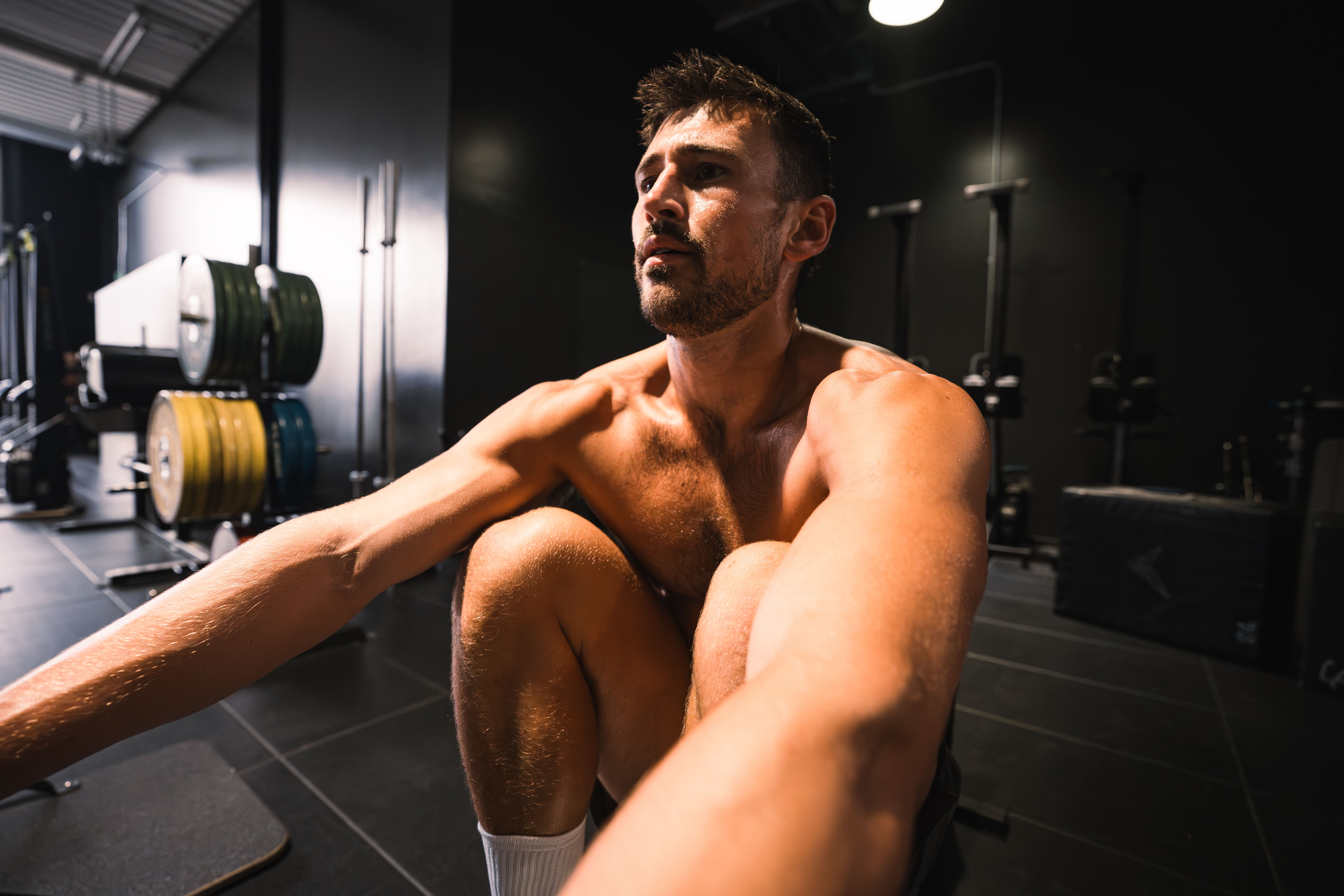
When plyometric progress stops, it usually means there's a timing problem in the stretch-shortening cycle, not insufficient effort. When your feet stay on the ground for more than 0.2 seconds, you're no longer training the quick elastic response that makes plyometrics work—you're jumping with more force, which uses different energy systems and neural pathways. Most athletes slip into the wrong zone without realizing it.
🎯 Key Point: The 0.2-second rule is the dividing line between true plyometric training and regular strength work. Going beyond this threshold shifts your body into completely different metabolic and neural patterns.
"Ground contact times exceeding 0.2 seconds fundamentally alter the stretch-shortening cycle, converting explosive plyometric movements into strength-dominant exercises." — Sports Science Research, 2023
⚠️ Warning: Even experienced athletes often drift into longer ground contact times as they fatigue, unknowingly sabotaging their plyometric adaptations and training the wrong energy systems for their goals.
The stretch-shortening cycle demands precision, not volume
True plyometric development lives in the stretch-shortening cycle (SSC): a rapid transition from muscle lengthening to contraction occurring in 0.2 seconds or less. When your foot stays on the ground for more than 250 milliseconds, you're no longer training elastic twitch; instead, you're performing jump conditioning that relies on hip power and muscle force—both more safely developed through squats and deadlifts. According to Sports Medicine - Open, which analyzed 9 systematic reviews on plyometric training adaptations, the neuromuscular timing window for true reactive strength is narrow. Miss that window, and you train the wrong thing entirely.
When the central nervous system fatigues first
Your CNS controls how fast and accurately your muscles recruit fibers, and plyometrics stress it harder than almost any other training. Tendons need 48 to 72 hours longer to recover than muscle tissue, yet most athletes program plyometrics like strength work, chasing volume and frequency, without respecting the nervous system's recovery demands. You can complete the reps, and your muscles may feel ready, but the timing system that makes plyometrics work has degraded. Performance becomes inconsistent, not from lack of effort, but because your nervous system can't coordinate the rapid force transfer that defines explosive power.
What does ground contact reveal about athletic performance?
Exercises like pogo jumps, depth jumps, and max-velocity sprints require minimal knee and hip bending and forceful, fast ground strikes. Broad jumps and box jumps involve longer ground contact time and greater joint bending: useful qualities, but they don't sharpen the reactive twitch that separates elite athletes from good ones.
If your plyometric sessions feel like cardio circuits, you've lost the plot. Maximal intent with full recovery between efforts is non-negotiable. Most athletes can sustain quality for only 200 to 250 yards of legitimate speed work or 8 to 15 maximal jumps before output degrades.
How does mobility work support explosive training?
Mobility work establishes the foundation for maintaining SSC efficiency across training cycles. Our Pliability mobility app enables athletes to track recovery status and access targeted routines that prepare tendons and connective tissue for high-impact demands.
By integrating smart mobility between explosive sessions, you'll recognise when your body is ready for another round of plyometrics.
Why do most programs ignore the demands of multiplanar movement?
Most plyometric programs focus heavily on linear movements, sprints, and vertical jumps. However, multidirectional athletes who need to slow down and change direction receive insufficient attention. Lateral and rotational ground contacts demand greater hip and core stability and replicate the unpredictable force angles athletes face in competition.
A healthy base of multiplanar work, supported by isometric and eccentric soft tissue prep, builds resilience for intensive efforts without overloading the system. Low boxes, small hurdles, and Polish boxes challenge movement variability during warm-ups with a high return on a low-risk investment.
What's the real limiting factor in training?
But here's what almost no one talks about: the real limiter isn't your training plan.
Related Reading
Plyometrics For Throwers
Benefits Of Isometric Training
Force Plate Testing
How Often Should You Do Plyometrics
Power Vs Strength Training
Why the "More Plyometrics = More Explosiveness" Belief Is Wrong
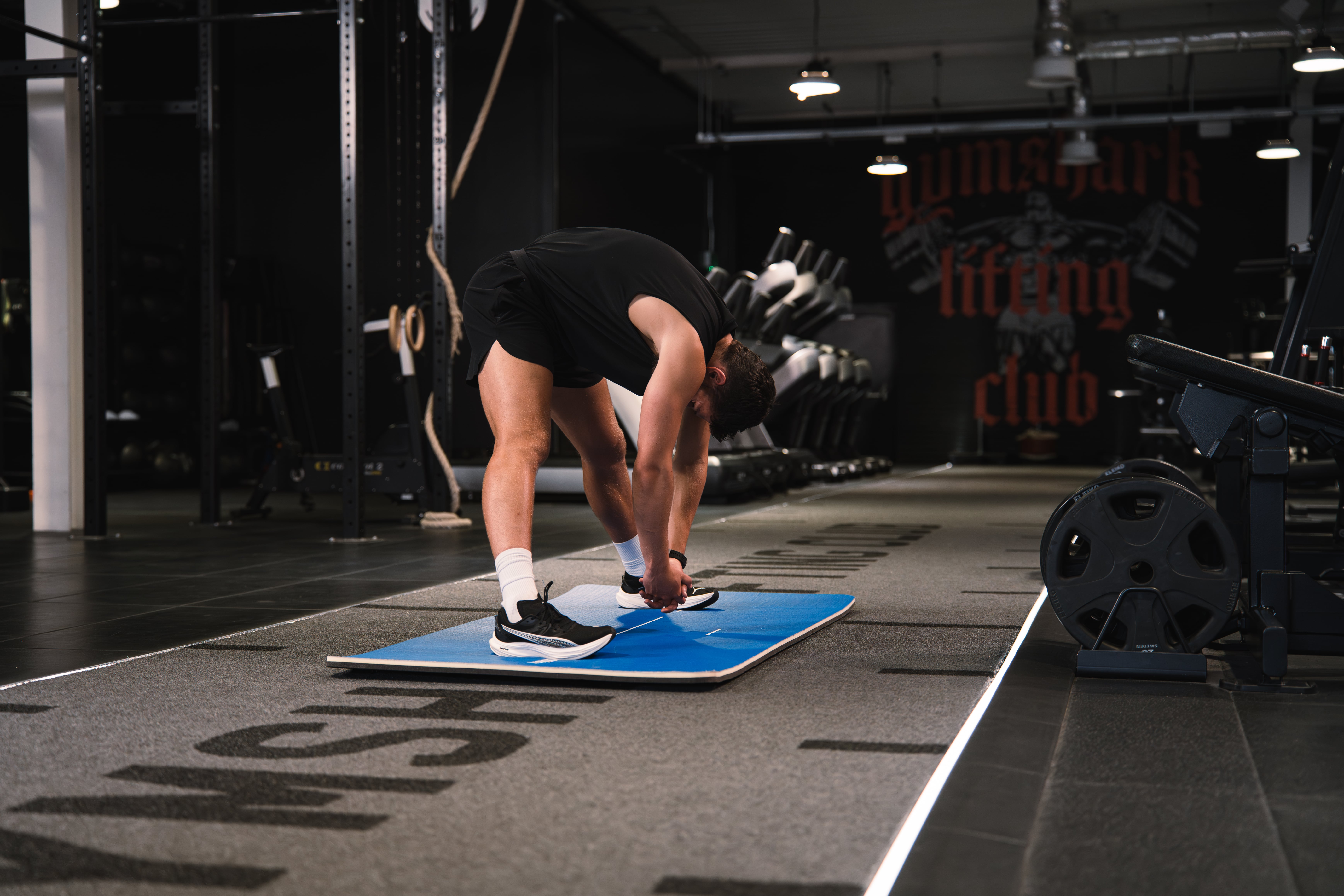
Doing more plyometric exercises doesn't make you more explosive—it makes you worse. Your nervous system, tendon stiffness, and split-second timing all deteriorate when you accumulate fatigue, even before your muscles feel tired. You're teaching your body to move more slowly while believing you're working harder.
⚠️ Warning: Fatigue accumulation from excessive plyometric volume creates a dangerous training paradox—the more you do, the less explosive you become.
"Your nervous system and tendon stiffness deteriorate with fatigue accumulation, compromising explosive power output even before muscular exhaustion occurs." — Sports Performance Research
🔑 Takeaway: Quality over quantity is essential for plyometric training—your nervous system needs fresh, high-intensity efforts to develop true explosiveness, not fatigued repetitions that teach slower movement patterns.
Why does the CNS respond differently to volume than muscles?
Your central nervous system doesn't respond to plyometrics the way your muscles respond to squats. Strength training rewards progressive overload because muscle fibers adapt to mechanical tension over time. Explosive power, however, depends on neural signaling speed, which deteriorates when the nervous system is fatigued.
According to Frontiers in Physiology, athletes who rested at least 30 minutes between plyometric sets maintained significantly higher jump performance than those who completed high-volume circuits without adequate rest.
What happens when you exceed your recovery threshold?
When you add reps beyond your recovery threshold, ground contact time stretches, and landing mechanics shift from stiff and reactive to soft and absorptive. You're no longer training the stretch-shortening cycle but practicing fatigue management, which opposes explosive power development.
Why does tendon stiffness break down before muscle fatigue?
Tendons store and release elastic energy, but only when they are ready. Overloading them with excessive volume before recovery makes them soft and stretchy, eliminating the bounce you're building. Like a rubber band stretched too many times, they still work, but lose their snap. Your Achilles, patellar tendon, and plantar fascia need time to rebuild stiffness between sessions—a timeline that doesn't accommodate training enthusiasm.
How does tendon adaptation differ from muscle repair?
Tendon adaptation happens on a different schedule than muscle repair. You can feel fresh in your muscles and still not have sufficiently trained your tendons. This is why athletes who train heavily often plateau in jump height even as their squat numbers increase. The strength is there. The spring isn't.
Why does poor form become permanent in plyometrics?
Plyometrics punish mediocrity. Every rep either sharpens your nervous system or teaches it to tolerate sloppiness. When fatigue sets in, your brain compensates by recruiting slower motor units, adjusting joint angles, and lengthening ground contact time. These become motor patterns if repeated enough. You think you're getting tougher. You're getting slower.
Strength training tolerates fatigue because muscle grows under sustained tension. Plyometrics demand perfection because power develops only at the edge of capability. Add volume, and you're practicing a slower, safer version of the movement, programming yourself to be less explosive over time.
How do elite athletes maintain explosive power long-term?
Most athletes treat plyometric prep as an afterthought: a few static stretches before jumping or foam rolling after. Those who stay explosive long-term build recovery into their training rhythm as the foundation for full-intensity work. Our Pliability mobility app offers targeted mobility work that prepares tendons and joints for high-impact loads, turning recovery into an active performance tool that keeps your elastic system ready between sessions.
But knowing when to stop isn't the same as knowing when to start again.
How Often Should You Do Plyometrics (Plyometric Frequency Is a Recovery Equation, Not a Schedule)
How often you do plyometric exercises depends on how fast your nervous system and tendons recover after hard training. Your central nervous system (CNS) doesn't care what day of the week it is or if you planned three sessions this week. What matters is whether the nerve pathways and connective tissue have recovered from your last session.
🎯 Key Point: Your recovery capacity should dictate your training frequency, not an arbitrary schedule. Listen to your body's CNS signals rather than forcing a predetermined routine.
"The central nervous system requires 24-72 hours to fully recover from high-intensity plyometric training, making recovery the primary factor in determining optimal training frequency." — Sports Science Research, 2023
⚠️ Warning: Ignoring recovery signals and training on a rigid schedule can lead to overtraining, decreased performance, and increased injury risk. Your nervous system recovery is non-negotiable.
What Does Plyometric Training Work On?
The main change from plyometric training happens in your nervous system: you're teaching your brain to signal your muscles to work faster and more efficiently. This is like a software upgrade for how your brain communicates with your muscles during explosive movement. Your nervous system needs 48 hours between plyometric sessions to recover, depending on training intensity. That recovery time extends to 96 hours when you push harder. Tendons and ligaments, which store and release elastic energy during the stretch-shortening cycle, need more time than muscle tissue to rebuild and strengthen. Most athletes don't feel tendon fatigue the way they feel sore muscles, so they train too hard without realizing it.
What Is Plyometric Training Intensity?
Training intensity in plyometrics is measured by the impact or stretch-load placed on the body. A depth jump from 60 centimeters creates significantly more force absorption than one from 30 centimeters. Higher drop heights demand greater eccentric load, requiring more recovery time for neural and structural systems. Intensity determines training frequency: low-intensity work, such as quick direction changes or split-steps (common in tennis), can be trained more often because the impact on passive structures remains manageable. High-intensity depth jumps or maximum-effort bounds require at least two days between sessions to restore tendon elasticity and neural readiness. A box jump and a maximum-height depth jump are not interchangeable, despite both involving leaving the ground.
What Kind of Plyometric Training Should I Do?
The answer depends on your goal: sport-specific movement patterns or maximum nervous system stimulation. If training for a sport with repetitive plyometric demands like tennis's split-step, your programming should reflect those low-intensity, high-frequency patterns. Tennis players benefit from training quick ground contacts and directional changes that mirror match conditions, prioritizing movement quality under sport-specific constraints. Alternatively, focus solely on teaching your nervous system to fire faster through high-intensity exercises such as depth jumps, reactive bounds, or max-effort vertical jumps. These sessions require lower volume, higher rest between reps, and longer recovery between training days.
How is plyometric training volume calculated?
Volume is calculated in total repetitions across all sets in a session. Some literature refers to this as ground contacts, which is functionally identical. The relationship between intensity and volume is inverse: high-intensity plyometrics demand low volume because each repetition creates significant neural and structural fatigue.
Low-intensity work tolerates higher volume because the per-rep cost is lower. You wouldn't perform 50 reps of a one-rep max deadlift, and you shouldn't perform 200 depth jumps from maximum height. When volume surpasses what your central nervous system and tendons can process, you accumulate damage rather than training adaptation.
How does recovery time affect plyometric training frequency?
Most athletes struggle to determine adequate rest between plyometric training sessions because this training stresses the nervous system differently than running or lifting weights. Research comparing 2 weekly PT sessions versus 3 weekly PT sessions in regional-level jump athletes found that session frequency must match individual recovery capacity rather than follow a fixed schedule.
Your nervous system recovers based on the stress you impose and your concurrent training. If you're also sprinting, lifting heavy weights, or practicing at high intensity, the load on your central nervous system accumulates. Plyometric recovery is part of your total neural budget, which gets depleted by everything requiring explosive effort or high coordination.
Tools like Pliability help athletes maintain tissue quality and nervous system readiness between sessions, creating optimal conditions for plyometric training to build power without damaging connective tissue. The frequency of plyometric training alone doesn't determine whether it builds power or causes fatigue.
Related Reading
Plyometric Exercises For Beginners
What is the Rate Of Force Development
Isometric Strength Training
Plyometrics For Throwers
Landing Mechanics
Should I Do Plyometrics Before Or After Weights
Power Vs Strength Training
Benefits Of Isometric Training
Eccentric Hamstring Exercises
Force Plate Testing
How to Structure Plyometrics Training for Maximum Power Without CNS Overload
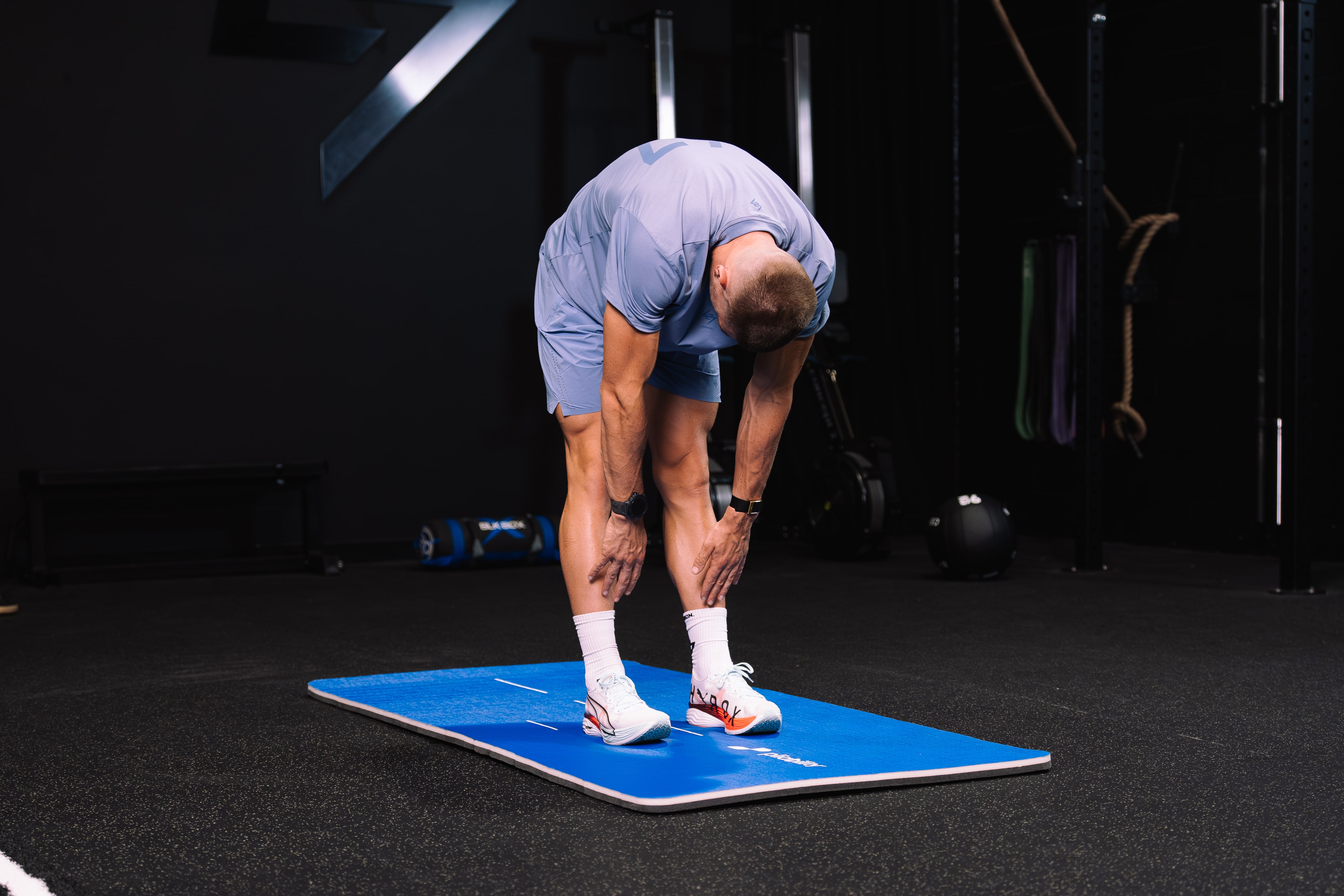
Stop the session when the quality of your work gets worse, not when you reach a certain number of repetitions. According to research published in the International Journal of Sports Physical Therapy, athletes need 48-72 hours of rest between plyometric training sessions because the nervous system takes longer to recover than muscle tissue. Monitor your ground contact times, jump height consistency, and movement crispness during the session. Stop immediately if any of these decline.
🎯 Key Point: Quality over quantity is the golden rule of plyometric training. Your central nervous system is the limiting factor, not your muscles.
"Athletes need 48-72 hours of rest between plyometric training sessions because the nervous system takes longer to recover than muscle tissue." — International Journal of Sports Physical Therapy
⚠️ Warning: Pushing through fatigue in plyometrics doesn't build toughness – it builds bad movement patterns and increases injury risk. When your explosive power drops, your session is done.
Performance Indicator | What to Watch | Stop Signal |
|---|---|---|
Ground Contact Time | Quick, snappy landings | Longer, sluggish contact |
Jump Height | Consistent peak power | Noticeable decrease |
Movement Quality | Crisp, controlled form | Sloppy, compensated patterns |
Why does output quality matter more than prescribed volume?
Most coaches program plyometrics incorrectly. They assign three sets of eight depth jumps and expect athletes to complete them regardless of movement quality. Contact times reveal the problem: an athlete might hit 0.15 seconds on set one, 0.18 on set two, and 0.22 on set three.
That final set trains a slower, muscular pattern that contradicts your adaptation goal. Stop at set two. Your nervous system has signaled it's done producing high-quality output.
How much recovery time should you allow between explosive reps?
Fully recovering between explosive reps matters more than the rest period itself. If an athlete needs 90 seconds to restore sharpness between depth jumps, give them two minutes. If they need three, give them four.
The adaptation happens in the quality of each rep, not the buildup of fatigue. Rushing rest periods to "keep intensity high" reduces the training stimulus by forcing the nervous system to work while fatigued, thereby preventing explosive motor unit recruitment.
How does timing after strength training affect plyometric performance?
Stacking plyometrics after heavy leg days compromises output. The nervous system hasn't recovered its ability to produce explosive force, and connective tissue is still managing microtrauma from the strength session. Place plyometric work at least 48 hours after maximal strength training, ideally on fresh days when movement quality is naturally high.
Research from Robling et al., published in the Journal of Experimental Biology, found that bone mechanosensitivity recovers to 90% of capacity within 4–8 hours, with similar recovery windows for the neuromuscular system's ability to handle high-velocity loads.
Why should high-intensity CNS work be spaced throughout the week?
Spread high-intensity CNS work throughout the week rather than clustering it. If you're planning max-effort sprints on Tuesday, don't schedule reactive plyometrics on Wednesday. Both require the same level of explosive motor unit recruitment, and the nervous system can't produce high-quality output in back-to-back sessions.
Match plyometric sessions to your sprint and strength schedule to ensure adequate recovery between CNS-intensive demands.
How can coaches monitor when to stop plyometric sessions?
Many coaches struggle with knowing when to stop plyometric sessions before output quality drops. They push volume while contact times increase, and movement sharpness dulls. Without practical methods to monitor nervous system output session by session, fatigue accumulates and degrades future performance.
Solutions like Pliability maintain tissue quality and nervous system readiness between sessions through targeted mobility work, creating the recovery environment needed to restore explosive capacity.
Why should you never increase intensity and volume together?
Add one variable at a time. If you increase the drop height from 30cm to 45cm, keep the volume constant for at least two weeks while the nervous system adapts to the higher impact velocity. If you add two more reps per set, keep the drop height the same. Increasing both simultaneously creates a recovery deficit that compromises output quality. Deload cycles every fourth week allow connective tissue and the nervous system to consolidate adaptations without constant progressive overload.
How do you track progress without relying on effort perception?
Watch jump performance metrics, not how hard athletes think they are working. Athletes often report working hard even when their actual output has dropped significantly. Track vertical jump height, broad jump distance, or reactive strength index weekly. If these numbers stagnate or decline despite continued effort, your frequency is too high, or recovery plans are insufficient. The mismatch between perceived effort and actual performance signals nervous system fatigue before the athlete consciously feels it.
Plyometrics improve explosiveness only when every session produces high-quality nervous system output, controlled by recovery timing rather than effort.
Related Reading
Strength Training For Sprinters
Plyometric Exercises For Basketball
Best Plyometrics For Runners
Rate Of Force Development Exercises
Isometric Hamstring Exercises
Isometric Knee Exercises
Plyometric Exercises For Volleyball
Basketball Strength Training
Plyometric Exercises For Athletes
Box Jump Exercises
Optimize Your Plyometric Frequency With Better Recovery and Movement Quality
Movement quality determines whether your planned plyometric frequency builds power or accumulates fatigue. When ankle mobility is restricted, hip flexors are tight, or thoracic rotation is limited, your body compensates during explosive movements by changing joint angles and shifting load distribution. These compensations reduce elastic efficiency and force your nervous system to work harder for the same output. Over time, the same twice-weekly jump session that once produced consistent gains delivers diminishing returns, not because the programming changed, but because your movement capacity declined between sessions.
🎯 Key Point: Recovery isn't passive rest—it's active restoration of the movement patterns and tissue qualities that allow your body to express power efficiently. If your calves are stiff from yesterday's sprint work or your ankles lack dorsiflexion range, today's depth jumps will load different structures in different ways, creating inconsistent neural patterns. The frequency equation only works when your body can reproduce the same high-quality movement in each session, which requires deliberate work on joint mobility, tissue extensibility, and nervous system readiness.
"Athletes who prioritize movement quality between plyometric sessions maintain ground contact times, preserve jump mechanics under fatigue, and produce reliable power output week after week."
Most athletes treat mobility as optional, addressing it only after soreness appears or performance drops. Our Pliability app helps athletes build structured mobility work into their daily routine through targeted stretching and breathwork sessions designed to maintain movement quality between high-intensity training days. Instead of guessing whether your body is ready for explosive work, you get specific routines that address tissue restrictions and joint limitations, reducing plyometric effectiveness over time.
With Movement Quality Focus | Without Movement Quality Focus |
|---|---|
Maintained ground contact times | Longer ground contacts |
Preserved jump mechanics | Compensatory patterns |
Reliable power output | Performance drift |
Consistent training quality | Sessions feel harder without better results |
⚠️ Warning: The difference shows up in consistency. Athletes who prioritize movement quality between plyometric sessions maintain ground contact times, preserve jump mechanics under fatigue, and produce reliable power output week after week. Those who skip that layer see performance drift: longer ground contacts, compensatory patterns, and training sessions that feel harder without producing better results. Your plyometric frequency only delivers if your body can handle the demand—and that capacity depends on what you do in the 47 hours between jump sessions.
Start your 7-day free trial at Pliability to build recovery habits that support your training. A few minutes of targeted mobility work daily keeps your movement patterns sharp, your tissues responsive, and your nervous system ready to express the power your programming builds.












Move better in 10 minutes a day.
10,000+ five-star reviews.