


LEARN
Pliability Team
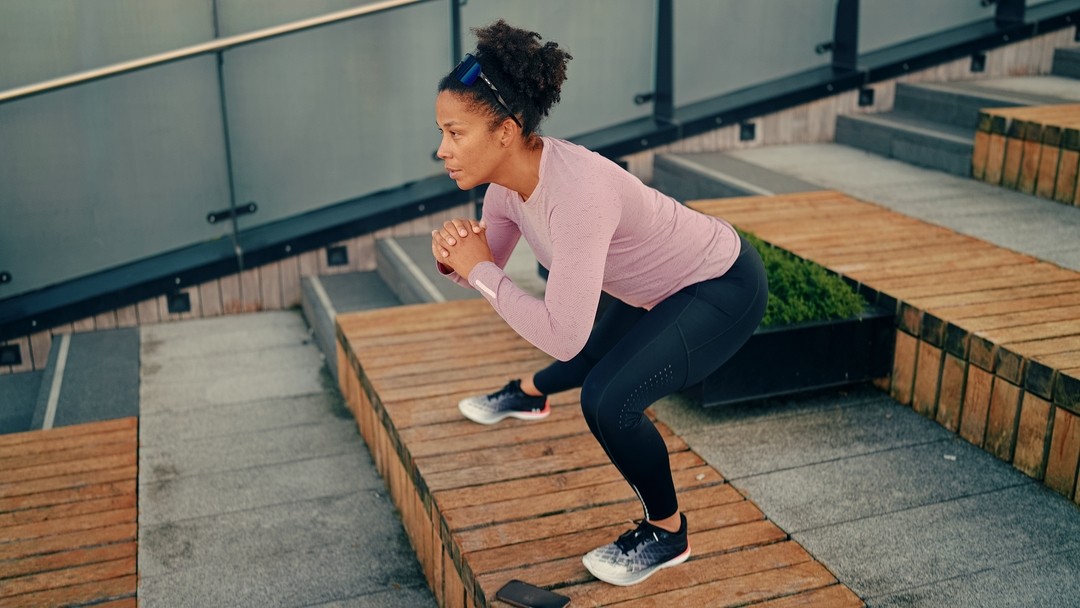
That familiar tightness in your lower legs after a long run, a day of standing, or even when stepping out of bed signals calf muscle stiffness. Nearly everyone experiences this discomfort at some point, but determining when normal post-activity tension becomes a concern requires understanding the underlying causes. Recognizing the difference between typical muscle fatigue and potential issues helps you respond appropriately. Common triggers include overuse, dehydration, poor circulation, and muscle imbalances that develop over time.
Addressing calf stiffness effectively involves targeted stretching, proper hydration, and consistent movement patterns that promote flexibility. Simple techniques like calf raises, wall stretches, and foam rolling can provide immediate relief while building long-term mobility. For those seeking structured guidance, Pliability's mobility app offers specialized routines that target lower leg tension and help establish sustainable habits for lasting relief.
Table of Contents
Calf Muscle Stiffness Isn’t Just “Tight Muscles” — It’s Usually a Load Problem
Why Your Calf Muscles Feel Stiff (The Biomechanics Most People Miss)
How to Reduce Calf Muscle Stiffness (A Simple Recovery Test)
Calf Muscles Still Feel Stiff? Fix the Mobility That's Causing It
Summary
Calf muscle stiffness usually stems from overload rather than inflexibility. When you increase running mileage too quickly, stand all day at work, or compensate for weak glutes or limited ankle mobility, your calves tighten as a protective response. Stretching might feel good temporarily, but it doesn't fix the underlying problem: your calves are overworked, not just short. The tightness returns as soon as you move again because the nervous system reasserts control to protect the area.
A 30-minute jog at 180 steps per minute means each calf absorbs and releases force roughly 2,700 times. That's 2,700 opportunities for micro-strain if your tissue isn't prepared for the volume. Runners who increase weekly mileage by more than 10% often report calf tightness within days because collagen remodeling, the process by which muscle and tendon strengthen in response to load, takes weeks. Push volume faster than tissue can adapt, and the nervous system increases resting muscle tone to protect against further strain.
Tight calves were directly associated with balance problems in a 2019 study published in the Journal of Korean Physical Therapy. When your calves are stiff, they limit ankle mobility, which places more stress on your Achilles tendon and the peroneal tendons along your outer ankle. This creates a cascade effect where one area of tightness leads to strain in another, suddenly causing pain in places you didn't expect, from your feet to your knees and lower back.
Eccentric calf strengthening reduced Achilles-related pain more effectively than static stretching in 78% of participants over an eight-week period, according to a 2021 study in the Scandinavian Journal of Medicine & Science in Sports. The difference wasn't flexibility; it was strength through range. Muscles feel safer when they're strong, and when your calves can handle the demands you place on them, your nervous system stops holding them in a protective clench.
Limited ankle dorsiflexion forces your calves to work harder during every stride. A healthy ankle should allow your knee to travel at least four inches past your toes when you push forward while kneeling. If your ankle can't flex beyond 10 degrees, your body compensates by shortening stride length or turning your foot outward, shifting load distribution. The calves pick up the slack and tighten to stabilize what the ankle can't control, creating persistent stiffness that stretching alone won't resolve.
Research shows that women who wear high heels every day experience shortening of their calf muscle fibers. Ironically, this doesn't cause pain when you're in stilettos, but you may notice that your calf muscles feel tight when you walk around barefoot or in flat shoes, since your muscles are already stretched beyond their normal range of motion. Even the shoes you wear day to day, from worn-out workout shoes to unsupportive flats, can impact how much stress your calves absorb with each step.
Pliability's mobility app addresses this by offering guided routines that target not just the tight tissue, but the surrounding joints and stabilizers that contribute to the problem, helping you build movement patterns that prevent compensation from recurring.
Calf Muscle Stiffness Isn’t Just “Tight Muscles” — It’s Usually a Load Problem
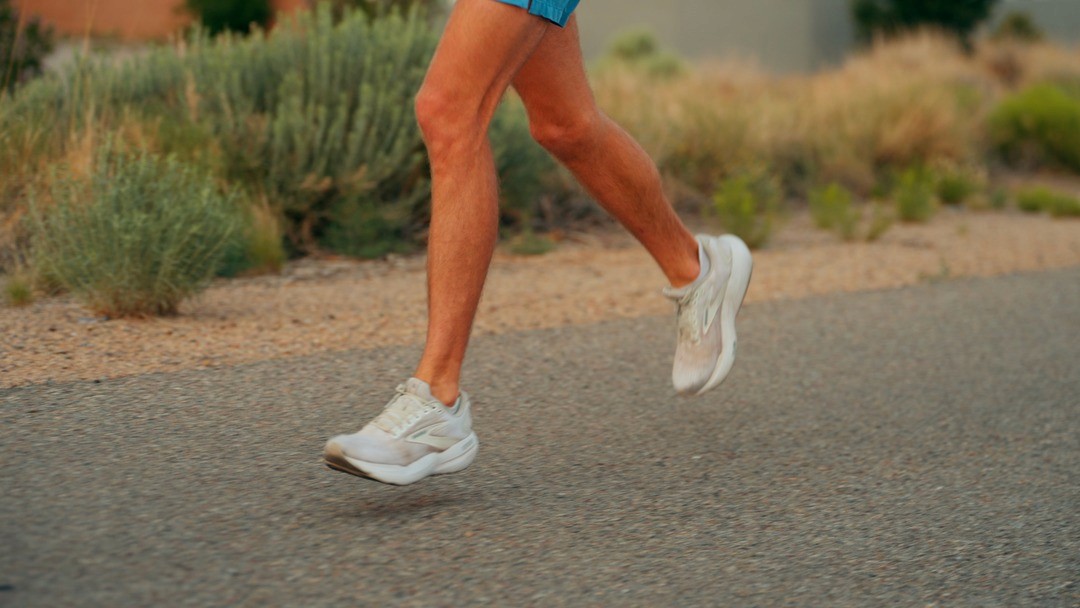
Most people think calf stiffness means they need to stretch more. But in most cases, calf stiffness stems from overload, poor recovery, or compensation for weakness elsewhere in the body rather than from muscle length.
🎯 Key Point: The real causes of calf stiffness are rarely fixed by stretching alone. Sudden increases in running mileage, standing all day at work, weak hamstrings or glutes, limited ankle mobility, worn-out shoes, or inefficient running mechanics all create load imbalances that force your calves to work harder than they should. When a muscle is asked to do more than it can handle or is compensating for instability elsewhere, it tightens as a protective response. Stretching might feel good temporarily, but it doesn't fix the underlying problem: your calves are overworked, not just short.
"When a muscle is asked to do more than it can handle, it tightens as a protective response — the nervous system reasserts control to protect the area."
⚠️ Warning: Stretching addresses how it feels, not the cause. If your calves are tight because you jumped from 10 miles per week to 30, or because your ankles lack dorsiflexion range, or because your glutes aren't firing properly, stretching won't solve the load imbalance. The tightness will return as soon as you move again because the nervous system reasserts control to protect the area.
So if stretching isn't the whole solution, what's causing the stiffness in the first place?
What does calf stiffness feel like in your daily activities?
The main sign of tight calves is muscle pain and stiffness at the back of your lower legs when you walk. Your calves may feel hard to the touch, locked in place, and swollen or cramping, disrupting sleep or workouts. Flexing your toes becomes difficult, and balance suffers on uneven surfaces or during single-leg movements.
A 2019 study in the Journal of Korean Physical Therapy found that tight calves were directly connected to balance problems, given how much your calves contribute to ankle stability and proprioception.
How does calf stiffness affect your ankles and feet?
Ankle and foot pain often follow. Stiff calves limit ankle mobility, placing more stress on your Achilles tendon and the peroneal tendons that run along your outer ankle. This creates a chain reaction where one area of tightness leads to strain in another, causing pain in unexpected places.
Why Your Calves Are Actually Stiff
Your calves are made up of two muscles: the gastrocnemius and the soleus. These pull your heel up when you walk, run, or stand. When tight, they strain your foot, knee, and ankle joints, but tightness is usually a symptom rather than the root cause.
What happens when you ramp up activity too quickly?
Ramping up activity too quickly is one of the most common triggers. If you've recently increased the intensity, distance, or frequency of your running, biking, or hiking, your calves can become overloaded. Marathon runners and triathletes are particularly susceptible because they often push volume faster than their tissues can adapt.
Inactivity creates the opposite problem with similar results. Sitting most of the day tightens calves from lack of movement. Motion delivers blood flow and oxygen to tissue; without it, muscles stiffen.
How does poor ankle mobility affect your calves?
Poor ankle mobility, specifically limited dorsiflexion, strains calf muscles. When the ankle doesn't bend properly, often due to past injuries or natural limitations, your calf must work harder to compensate with every step.
Biomechanical issues in how you walk or run significantly impact calf muscle function. Overpronation or underpronation (foot rolling too much inward or outward) contributes to tightness. Your foot strike pattern, cadence, and hip alignment all influence how much load your calves absorb with each step.
Why do worn-out shoes cause calf tightness?
Worn-out or unsupportive shoes stress your calves, and daily footwear choices matter. Research shows women who wear high heels daily experience shortening of calf muscle fibers. This creates tightness when walking barefoot or in flat shoes, since muscles are already stretched beyond their normal range.
What role does dehydration play in calf stiffness?
Dehydration is often overlooked. Insufficient fluid intake prevents water and nutrients from reaching affected areas, leading to tightness and cramping. Electrolyte imbalances, particularly low sodium, potassium, or magnesium, worsen cramping and stiffness.
Other injuries create a domino effect. Achilles tendonitis or similar strains limit range of motion, putting more strain on your calves as your body compensates by overloading one area to protect another.
How do tight calves affect your movement and activities?
Tight calf muscles limit foot and ankle movement, causing pain during walking, climbing stairs, running, and everyday activities like squatting or getting in and out of a car.
What happens to your body when calves stay tight?
Tight calves change the way you walk, creating movement patterns that strain your knees, hips, and lower back—increasing injury risk over time. Your body works like a chain: when one part malfunctions, the other parts work harder to compensate.
Why don't traditional stretching methods provide lasting relief?
Stretching and foam rolling temporarily relieve tightness, but they don't address the load imbalance or compensation patterns that cause it. As load increases or movement patterns remain inefficient, tightness returns. Our mobility app offers guided routines targeting not just the tight muscle but also the surrounding areas that contribute to the problem, helping you build strength, stability, and movement quality to prevent recurrence.
Why does stretching provide only temporary relief?
Stretching temporarily reduces tension by calming the nervous system or increasing stretch tolerance. But if the underlying cause remains, the body re-tightens the area when returning to activity. This is why people say, "I stretch every day but I'm still tight": the nervous system reasserts control because nothing has changed its need to protect.
What causes muscles to overwork and tighten?
Many chronically tight muscles work too hard because of weakness or poor coordination elsewhere. Tight hamstrings often compensate for weak glutes. Tight hip flexors stabilize a weak core. Tight calves compensate for poor ankle control. Tight neck muscles respond to poor shoulder or thoracic stability. Stretching the "tight" muscle can worsen symptoms by removing the body's temporary stability strategy.
Understanding the mechanics of why your muscles tighten is only half the picture.
Related Reading
Why Your Calf Muscles Feel Stiff (The Biomechanics Most People Miss)
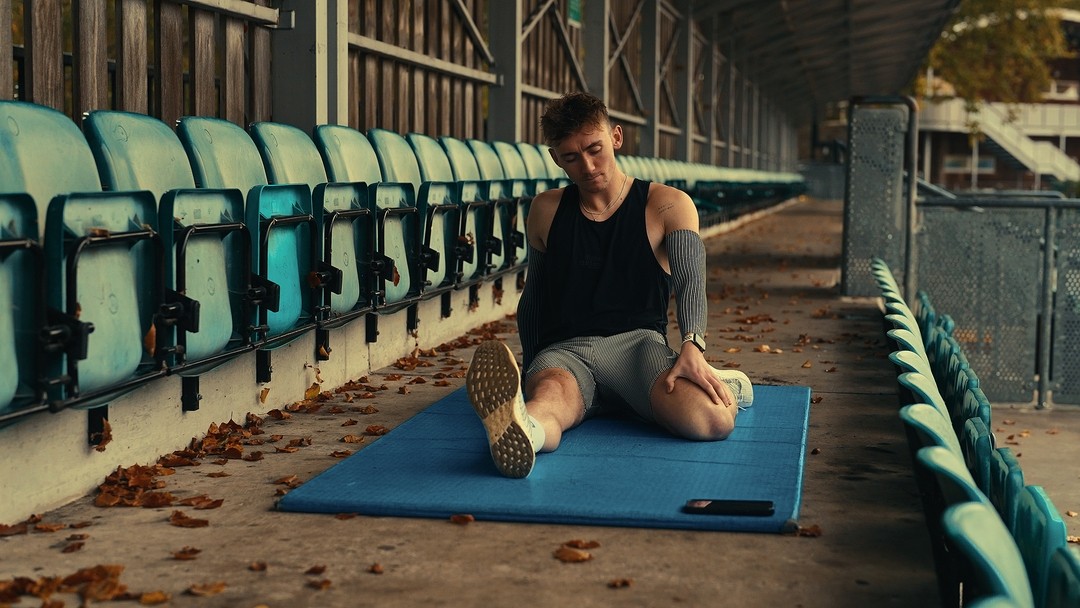
Your calves feel stiff because they're absorbing more force than they're conditioned to handle, compensating for limited ankle mobility, or protecting an area that hasn't fully recovered. Stiffness is often protective tension: your body's way of stabilizing something unstable elsewhere in the chain, not just tightness you can stretch away.
🎯 Key Point: Calf stiffness isn't always about tight muscles—it's often your body's protective mechanism responding to instability or overload somewhere else in the kinetic chain.
"Muscle stiffness often represents the body's attempt to create stability in areas where mobility or strength deficits exist elsewhere." — Journal of Biomechanics Research
⚠️ Warning: Simply stretching stiff calves without addressing the underlying cause (like ankle mobility restrictions or force absorption issues) may provide only temporary relief and miss the real problem.
How do your calf muscles handle running stress?
Every time your foot hits the ground when you run, your calf muscles store and release force like a spring. The gastrocnemius (the larger, visible calf muscle) and the soleus (the deeper muscle underneath) work together to control ankle bending and propel you forward.
What happens when you exceed your calf capacity?
A 5K run means roughly 3,000 to 4,000 load cycles per leg. If your calves aren't conditioned for that volume, they absorb more stress than they can recover from between sessions, causing the muscle to tighten protectively and brace against further overload.
That protective tension isn't a defect—it's your nervous system saying, "We're not ready for this much work yet."
How does limited ankle mobility force your body to compensate?
Limited ankle dorsiflexion (the ability to bring your shin forward over your toes) affects how load is transmitted to your forefoot. When your ankle can't move through its full range, your calf muscles work harder to compensate for that restriction.
Your body makes adjustments by turning your foot out, taking shorter steps, or shifting weight to your hip. These changes go unnoticed until one part in the chain starts to hurt.
Why do stiff ankles create tight calves?
A stiff ankle from an old sprain forces your calves to work extra hard as stabilizers. They're tight because they're compensating for a joint that won't move properly, not because they're short.
What happens when runners increase mileage too quickly?
Picture someone training for their first half-marathon. They've been comfortably running 15 miles a week, then jump to 25 miles because the race is two months away. The calves handle the first week. By the second week, they feel like concrete every morning.
Stretching helps for an hour, then the stiffness returns. The tissue absorbs thousands of additional load cycles without enough recovery time between runs. The muscle tightens protectively because it's being asked to do more than it's adapted for. That's not a flexibility problem—it's a capacity problem.
How should runners build tolerance progressively?
The fix isn't doing more stretching. It's managing stress in the area and building tolerance step by step so the tissue can change and adapt.
The Desk Worker Who Goes Hard After Sitting All Day
Someone sits for eight hours, then goes straight to a high-intensity workout. Their ankles have been locked in one position all day, their glutes haven't worked in hours, and their calves are about to handle explosive movements without preparation. The calves compensate for weak glutes that aren't activating and stiff ankles that haven't moved through their range. By the end of the workout, the calves are doing the work of three muscle groups. The tightness that follows results from asking one structure to cover for others that weren't ready.
Why does skipping recovery work backfire?
Athletes who train hard but skip recovery miss the adaptation phase. Strength and endurance improve during recovery, not during the workout. Without time for collagen remodeling and nervous system recalibration, protective tension builds: the muscle stays guarded because it hasn't received the signal that it's safe to relax.
Stretching won't override that signal. Only consistent, progressive loading combined with adequate recovery convinces the nervous system that the tissue can handle the demand.
What causes the tightness cycle to repeat?
Many people experience this cycle: train hard, feel tight, stretch aggressively, feel temporarily better, then tighten up again the next day. The pattern repeats because the root issue—insufficient recovery or unaddressed mobility limitations elsewhere—never gets resolved.
Apps like Pliability break this cycle by providing targeted mobility routines that address the movement restrictions causing calves to overwork. Rather than generic stretching, these routines restore ankle range of motion, activate underused muscles like the glutes, and progressively build tissue capacity so your calves stop compensating.
What is protective tension versus structural shortness?
Your nervous system controls how much tension a muscle holds at rest. When it senses instability, weakness, or overload, it increases baseline tension to protect you. That's why stretching a tight, protective muscle feels good temporarily but doesn't last: you're temporarily overriding your nervous system's response, not changing it.
Structural shortness, where tissue has adapted to a shortened position over months or years, is rare in adults. What most people perceive as "tight hamstrings" or "tight calves" is boosted nervous system tone in response to something else: a stiff joint, a weak muscle group, or overloaded tissue that hasn't recovered.
How can you tell if tightness is compensation?
The critical difference: if your tightness always returns after stretching, starts after an old injury, or moves around or switches sides, you're dealing with compensation. The tight muscle isn't the problem; it's responding to one.
The frustrating part: most people never test whether their calves are the weak link.
Related Reading
Elbow Stiffness And Pain
Mid Back Stiffness
Lower Back Stiffness
Thumb Stiffness And Locking
Upper Back Stiffness
How to Reduce Calf Muscle Stiffness (A Simple Recovery Test)
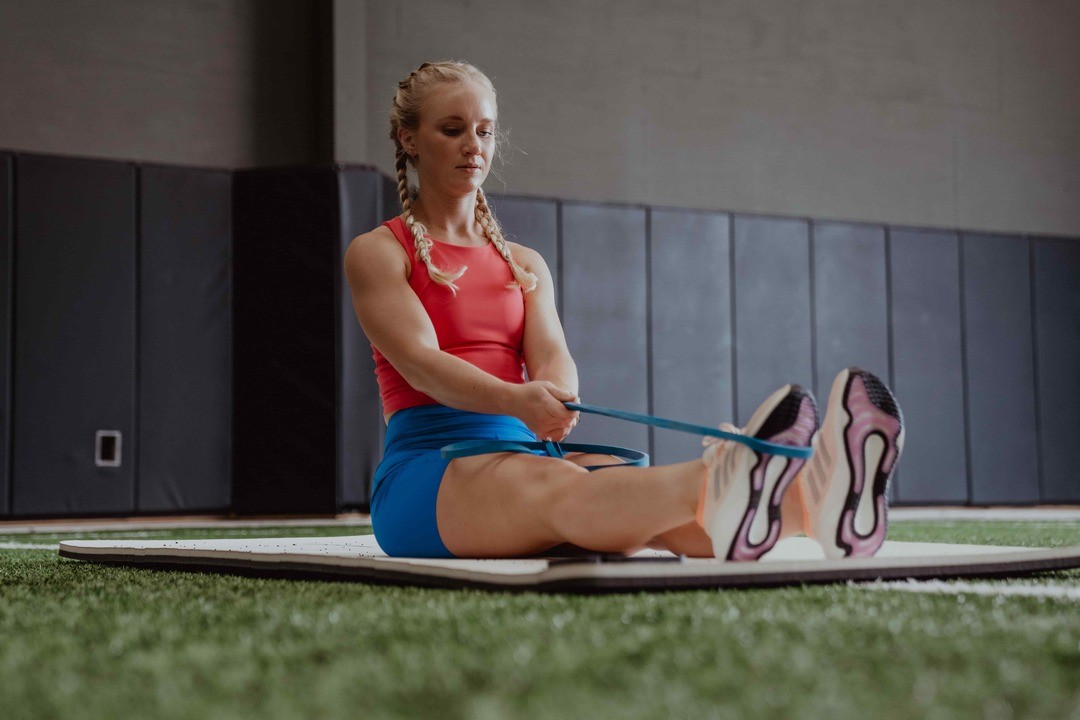
Success looks like this: you wake without that first-step wince, move through your day without tightness creeping back in, and access ankle range that used to feel locked. The goal is to restore capacity, so your calves stop bracing protectively.
🎯 Key Point: Most people skip straight to stretching and wonder why nothing changes—they're addressing the symptom while ignoring the system that created it.
The framework that works consistently includes three parts: restore mobility where restricted, rebuild strength through the full range your tissue needs to handle, and manage the training load that caused the breakdown. Most people skip straight to stretching and wonder why nothing changes—they're addressing the symptom while ignoring the system that created it.
Recovery Component | Purpose | Common Mistake |
|---|---|---|
Mobility Restoration | Address restricted range | Skipping this step entirely |
Strength Building | Handle a full range of demands | Only stretching, no strengthening |
Load Management | Prevent re-injury | Ignoring training volume |
"The goal isn't just restoring capacity—it's making your calves stop bracing protectively so they can function normally." — Recovery Framework Principle
⚠️ Warning: Focusing only on stretching without addressing strength deficits and training load will leave you stuck in the same cycle of tightness and discomfort.
Why do muscles prioritize strength over flexibility?
Muscles feel safer when they're strong enough to handle what you're asking them to do. Your nervous system monitors capacity constantly. When it detects a gap between demand and ability, it increases protective tension. That's why someone training for a half-marathon feels tight after jumping from 15 miles per week to 25: the tissue isn't structurally short, but guarding against load it hasn't adapted to yet.
Progressive strengthening sends a different signal. When you build strength through a full range of motion, you teach your nervous system that the tissue can handle eccentric (lengthening under tension) and concentric (shortening under tension) loads, and everything in between. That confidence translates to reduced baseline tension.
How does proper load management prevent stiffness?
Load management prevents tissue overload before adaptation occurs. Rapidly increasing volume, skipping recovery days, or stacking high-intensity sessions without adequate rest create conditions that trigger protective stiffness. Your calves tighten because they're absorbing more force than they've built tolerance for.
Movement retraining addresses compensation patterns that force your calves to do work other muscles should handle. If your glutes aren't firing properly or your ankles lack a full range of motion, your calves compensate. Restoring coordination across the kinetic chain ensures every structure contributes appropriately.
What happens when capacity improves?
As capacity improves, the nervous system recalibrates and tension drops because the perceived threat drops. People often report feeling looser after a strength session without stretching.
What makes mobility different from flexibility?
True mobility isn't how far your ankle can bend. It's whether you can control that movement under load, keep your body stable at the furthest point of movement, and move with confidence without altering your normal movement patterns. Passive flexibility measures how far someone else can push your joint. Active mobility measures what you can do yourself when it matters.
Why does rehab work better than stretching?
Stretching temporarily improves your passive range of motion. Rehab improves your active control long-term. When you work on eccentric strength (lowering slowly through a calf raise), you build the ability to control lengthening under tension—the movement pattern your calves need during the loading phase of running or walking. Passive stretching doesn't train that pattern.
How does end range stability prevent injuries?
Stability at the end of your range of motion matters because that's where most injuries occur. If your ankle can move into deep dorsiflexion but you lack strength or control there, your nervous system will limit that range to protect you. Building strength at the end of your range convinces your body it's safe to use that mobility.
Confidence in movement changes how your nervous system uses tension. When you've repeatedly demonstrated that a movement pattern is safe and controllable, baseline guarding decreases. This is why physical therapy often feels more effective than stretching alone: you're proving to your body that the range is usable.
When Stretching Is Helpful
Stretching has a role, but it is not a standalone solution for chronic stiffness.
How does stretching work in warm-ups?
Stretching works well in warm-ups when combined with dynamic movement. Gentle stretches followed by movement-specific drills prepare the tissue for activity without the temporary weakness that prolonged static stretching can cause. Keep stretches short (15-20 seconds) and pair them with activation work that engages muscles before loading them.
Why combine stretching with strengthening?
Stretching combined with strengthening creates a more complete stimulus. After strength training, gentle stretching can manage soreness and maintain the range of motion while tissue recovers. The strength work builds capacity; stretching provides temporary relief without undermining adaptation.
How does stretching support movement re-education?
Stretching paired with movement re-education reinforces new patterns. If improving ankle dorsiflexion, stretch the calf, then immediately perform exercises using that new range (controlled squats or step-downs) to teach your nervous system functional integration. The stretch creates space; movement teaches control within it.
When is stretching useful for symptom relief?
Stretching offers value for temporary relief when stiffness impedes movement. If tight calves make walking uncomfortable, gentle stretching can reduce discomfort enough to restore mobility. But relief is a starting point, not a solution.
Stretching as one tool within a bigger plan works. Stretching alone keeps you stuck in a cycle where relief never lasts.
Why doesn't stretching fix tight calves permanently?
Most people stretch their calves daily, yet still wake up stiff. Tightness returns because stretching doesn't address the underlying cause of the muscle's tightness in the first place. Your calves feel tight when they're working near their limit—from increased training or an inactive lifestyle where daily movement pushes them to that threshold.
What actually makes calves longer and stronger?
The solution isn't making the muscle longer temporarily. It's building more contractile units (sarcomeres) in a line, so the muscle becomes both longer and stronger. This process, called sarcomerogenesis, happens through progressive resistance exercise, not passive stretching. When you build sarcomeres in line with one another, you create a muscle with greater capacity to handle load without protective tightening.
How should you perform calf raises for best results?
Calf raises done correctly trigger this adaptation: control the movement through the full range, load the muscle enough to create fatigue, and do it consistently for tissue to remodel. Most people rush through calf raises or stop before reaching true fatigue, missing the stimulus that forces adaptation.
How do you perform the standing calf raise correctly?
Stand on the balls of your feet on a step, with your heels hanging free. This allows your heels to drop below the step level, creating a stretch at the bottom. The eccentric phase (lowering under control) is where most strengthening occurs.
Rise onto your toes slowly over four seconds. At the peak, balance weight through your big toe to avoid rolling outward onto your little toes. This inward roll is common when fatigued, but shifts load unevenly and trains unwanted compensation patterns.
What makes the lowering phase so important?
Lower your body back down slowly over four seconds. This controlled lowering phase builds strength as your calves lengthen, which is important for walking and running. Bouncing or dropping quickly wastes the most valuable part of the exercise.
Keep your balance centred through your big toe throughout. Your heel should stay level, not tilting in or out. If you feel yourself wobbling or shifting weight to your outer foot, slow down and reduce your range of motion until you can control the movement properly.
How do you know when to stop and progress?
Stop when your calf feels tired—that slightly shaky feeling where another rep feels hard. If you're hitting that point around 10 to 15 repetitions, the load is appropriate. If it takes more than 20 reps, progress to single-leg raises or add external weight.
Progression follows a clear path: start with both feet, shift to single-leg raises with the opposite foot hovering, then add weight through a backpack, weight vest, or barbell. Aim to reach fatigue within 10-15 reps for optimal stimulus.
This exercise targets the gastrocnemius, the larger calf muscle visible from the outside, but your calf has another muscle underneath that needs attention, too.
Bent Leg Calf Raise
The soleus is a muscle that sits deep under the gastrocnemius and becomes more active when your knee is bent. To work this muscle, perform calf raises while keeping your knee flexed at approximately 45 degrees throughout the movement.
How do you perform standing bent leg calf raises?
Stand on your step and bend your knees to about 45 degrees, as if sitting back into a chair. Keep that knee angle fixed throughout the entire set. Your ankle moves up and down while your knee remains stationary.
From this bent-knee position, perform slow, controlled calf raises: four seconds up, four seconds down, with heels dropping below the step at the bottom and rising as high as possible at the top. The knee bend partially relaxes your gastrocnemius, forcing your soleus to do most of the work.
The challenge is maintaining that knee position as your calves fatigue, since your quadriceps must hold the bent-knee posture. If standing feels unstable, switch to a seated version.
What is the seated calf raise variation?
For seated calf raises, sit on a chair with your feet on a step positioned in front of you. Your knees should sit at approximately 45 degrees. Place weight across your thighs (a backpack, dumbbells, or a barbell) to create resistance, since your body weight doesn't load the movement in this position.
Perform the same controlled raises: lift your heels as high as possible, pause briefly at the top, then lower slowly until your heels drop below the step. Stop when your calves feel tired, around 10-15 reps.
Many gyms have seated calf raise machines designed for this movement, though the exercise works equally well at home with basic equipment.
How often should you perform calf raises for best results?
Staying consistent matters more than being perfect. Doing both straight-leg and bent-leg calf raises three times per week gives your tissue enough stimulus to adapt without overloading it. Rest days allow collagen remodeling and nervous system recalibration: adaptation happens during recovery, not during the exercise itself.
Apps like Pliability help people stay consistent by providing structured routines that progress appropriately over time. Instead of guessing whether you're doing enough or too much, you follow expert-designed programs that adapt based on how your body responds. The routines integrate mobility work, strengthening, and recovery strategies to address the actual mechanics that cause your calves to tighten.
How do you perform the standing wall stretch?
A standing wall stretch reduces tight muscles before activity or when stiffness limits movement.
Stand facing a wall with your hands flat at shoulder height. Step one foot back, keeping that leg straight with your heel pressed into the floor. Your front leg should have a slight bend at the knee. Lean into the wall until you feel a stretch through the back calf.
Hold for 30 seconds without bouncing. Release and switch legs. Repeat on each side.
Which muscles does the wall stretch target?
This stretch targets the gastrocnemius because your back leg stays straight. To stretch the soleus instead, bend the back knee slightly while keeping your heel down.
Use this stretch as a warm-up or for sudden tightness. It provides temporary relief, not long-term change.
How do you perform the seated towel stretch?
Sit on the floor with your back straight and both legs stretched out in front of you. Loop a towel or resistance band around the ball of one foot, holding each end in your hands.
Gently pull the towel toward you, bending your toes back toward your shin. You should feel a stretch through your calf and along the bottom of your foot. Keep your knee straight and your back upright; a rounded spine shifts tension away from your calf and into your hamstrings.
What is the recommended duration and frequency?
Hold the stretch for 30 seconds, then release and rest for 30 seconds. Do three repetitions on each leg.
This stretch works well for people who feel stiff first thing in the morning or after long periods of sitting. Like the wall stretch, it provides temporary relief rather than addressing the underlying capacity issue.
How do you perform the single-leg calf raise test?
Stand on one leg on a flat surface. Rise onto your toes as high as possible, then lower with control. Repeat until you cannot complete another rep with good form.
If you can perform 20 to 25 single-leg calf raises with control and a full range of motion, your calves likely have sufficient strength for most daily activities and moderate running. If you struggle to reach 15 or your form breaks down—heels tilting, knees bending, balance wavering—your calves are working near capacity, which explains why they often feel tight.
What do asymmetries in the test reveal?
This test reveals imbalances. If one leg performs significantly more reps than the other, that imbalance creates compensation patterns that increase injury risk. The weaker side forces the stronger side to work harder, and both end up tight for different reasons.
Retest every few weeks as you strengthen. Progress shows up as more reps with better control, less post-exercise fatigue, and reduced morning stiffness.
How do you test ankle dorsiflexion range of motion?
Kneel on one knee with your other foot flat on the floor in front of you. Keeping your heel down, lean forward and try to touch your knee to a wall positioned about five inches in front of your toes. If your knee reaches the wall without your heel lifting, your dorsiflexion range is working well. If your heel lifts or you can't reach the wall, limited ankle mobility is forcing your calves to compensate.
How do you track improvement over time?
Test this again after several weeks of consistent calf strengthening and mobility work. Improved range of motion without your heel lifting indicates stronger tissue and greater neuromuscular freedom.
Keep track of how stiff you feel before and after activity to measure progress. If you used to feel tight for hours after a walk but now feel better within 30 minutes, that's real improvement. If morning stiffness used to last until mid-morning but now goes away after a few minutes of movement, your body's ability is improving.
What happens when everything is balanced?
When movement ability, strength, and load are balanced, calf stiffness usually improves quickly. The tissue adapts to appropriate stimuli and recovers, and the nervous system releases its protective grip when it no longer senses a threat.
But movement ability and strength matter only if upstream restrictions don't sabotage downstream performance.
Related Reading
How To Relieve Morning Back Stiffness
Hip Stiffness Exercises
Left Arm Stiffness
How To Get Rid Of Neck Stiffness
Finger Stiffness And Locking Treatment
Muscle Stiffness Treatment
How To Reduce Stiffness After an Ankle Sprain
Best Supplements For Muscle Pain And Stiffness
Stretches For Lower Back Stiffness
Hand Stiffness Exercises
Calf Muscles Still Feel Stiff? Fix the Mobility That's Causing It
If your calves feel stiff every morning or after workouts, the issue usually isn't just tight muscles: it's imbalanced mobility, recovery, and load management. Stretching occasionally won't solve it. Your muscles need consistent mobility work and recovery routines that restore range of motion and reduce tension in the lower leg.
🎯 Key Point: Pliability gives you daily mobility routines designed to improve flexibility and reduce muscle stiffness, guided recovery sessions for tight calves, hamstrings, hips, and ankles, custom mobility programs updated daily based on your needs, and a body-scanning feature that identifies mobility limitations affecting your movement. It addresses the root causes of stiffness, not just the symptoms.
💡 Tip: If calf stiffness is limiting your workouts or daily movement, try a structured mobility routine. Start your 7-day free trial of Pliability today on iPhone, iPad, Android, or the web.




Move better in 10 minutes a day.
10,000+ five-star reviews.