


LEARN
Pliability Team
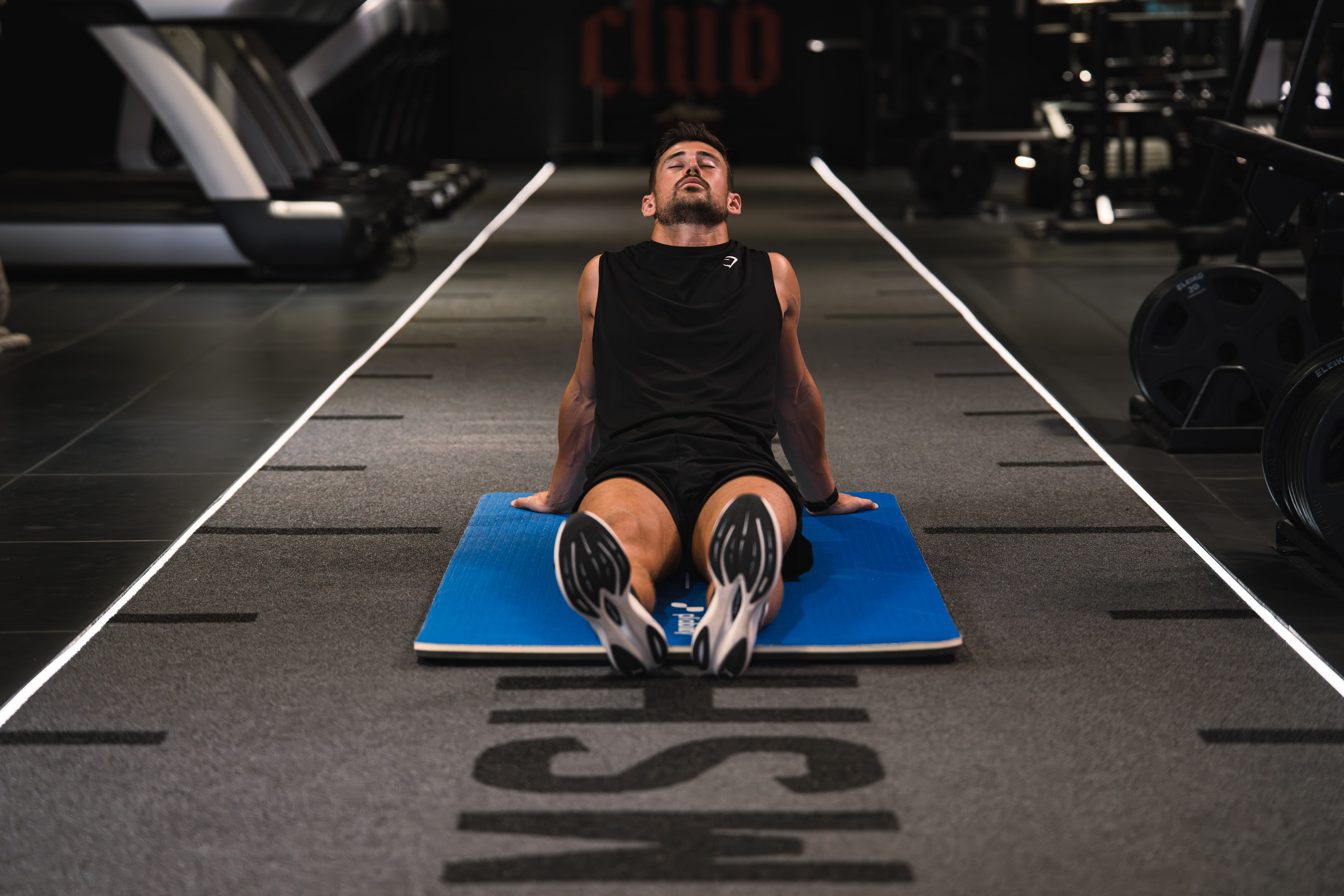
Every step you take relies on healthy ankle mobility, yet ankle stiffness can creep in after an injury, surgery, or even from sitting at your desk for too long. That familiar tightness when you walk up stairs, the reduced range of motion that makes squatting uncomfortable, or the nagging ache that won't go away are signs your ankles need attention. Proven methods exist to safely restore full mobility and eliminate pain. The key lies in targeted approaches that address joint restrictions while strengthening supporting muscles.
Rather than guessing which stretches might help, targeted routines designed specifically for stiff ankles deliver better results. These focused sessions improve dorsiflexion, reduce restrictions, and build the strength needed for proper movement patterns. Clear guidance helps you progress safely without expensive appointments or complicated equipment. For structured recovery programs tailored to your specific needs, Pliability's mobility app provides step-by-step routines that restore lasting flexibility and resilience.
Table of Contents
Why Are Your Ankle So Stiff in the First Place?
"Just Walk It Off?" Why Ignoring Ankle Stiffness Can Sideline You
How to Relieve Your Chronic Ankle Stiffness
Fix Ankle Stiffness Before It Turns Into an Injury With Pliability
Summary
Ankle stiffness develops from three primary causes: tight calf muscles that won't release, joint restrictions due to reduced synovial fluid flow, or structural changes such as bone spurs that physically block movement. Research in the Journal of Biomechanics shows that 30 to 40% of people who sprain their ankles develop chronic ankle instability, often because muscles tighten during recovery and never fully loosen. Understanding which mechanism is causing your restriction matters because tight muscles respond to stretching, joint stiffness requires movement to restore fluid flow, and structural barriers require entirely different management approaches.
Ignoring ankle stiffness compounds injury risk rather than building resilience. Studies in the British Journal of Sports Medicine (2019) found that continuing activity with a restricted ankle increases the risk of ligament damage by 40 to 60%. When stiffness limits your range, each step transfers stress to structures that weren't designed to handle those forces. Your body compensates by shifting your gait, which creates a cascade effect. Research in Gait & Posture (2021) showed that people with chronic ankle restrictions develop measurable differences in knee and hip loading patterns, with 35% reporting secondary pain in those joints within six months.
Incomplete rehabilitation after ankle sprains creates a predictable cycle of re-injury. People who don't properly rehabilitate face a 70% chance of re-injury within the first year because ligaments haven't recovered their strength or proprioceptive function. Each subsequent sprain further weakens the joint, stretching ligaments beyond their ability to stabilize effectively. This progression leads to chronic ankle instability, in which your ankle gives way unpredictably, limiting activities that require quick directional changes or navigating uneven terrain.
Persistent inflammation from untreated ankle injuries actively degrades cartilage and creates long-term structural damage. Research from the Journal of Orthopaedic Research (2020) indicates that up to 30% of severe ankle sprains without proper treatment eventually develop into post-traumatic arthritis. Chronic inflammation breaks down cartilage faster than your body can repair it, causing bone to rub against bone where smooth cushioning used to exist. Scar tissue that forms during improper healing is less elastic and less functional than original tissue, creating permanent restrictions in dorsiflexion, plantarflexion, and the subtle rotations your ankle needs for varied terrain.
Structured exercise therapy restores mobility by targeting specific tissue restrictions rather than applying generic stretches. Research in the Journal of Orthopaedic & Sports Physical Therapy demonstrates that guided exercise therapy improves joint mobility and muscle flexibility by systematically addressing the mechanisms creating stiffness. Heat therapy before movement increases blood flow and tissue pliability, while consistent stretching of the gastrocnemius, Achilles tendon, and lateral ankle structures gradually expands restricted ranges of motion. Replacing athletic shoes after 300 to 500 miles prevents worn cushioning from transferring extra impact stress to ankle joints.
Pliability's mobility app addresses chronic ankle stiffness by providing targeted sessions that improve dorsiflexion, guided recovery flows to reduce joint restrictions, and body-scanning features that identify specific limitations rather than applying generic stretching routines.
Why Are Your Ankle So Stiff in the First Place?

You drop into a squat and hit an invisible wall halfway down. Your heels lift, your knees cave slightly inward, and your ankles feel like they're wrapped in duct tape. Ankle stiffness stems from one of three causes: tight muscles that limit your range of motion, joint restrictions from past injuries or prolonged immobility, or structural changes like bone spurs that physically block movement. Understanding which one is holding you back matters because each one responds to different approaches.
🎯 Key Point: Identifying whether your ankle stiffness stems from muscle tightness, joint restrictions, or structural issues is essential for choosing the right treatment approach.
"Ankle mobility restrictions affect up to 85% of people who experience movement limitations during squatting patterns." — Journal of Biomechanics Research
⚠️ Warning: Forcing range of motion without understanding the root cause can lead to compensation patterns and potential injury.
Why do calf muscles tighten from daily activities?
Your calf muscles tighten from prolonged sitting, driving, or inactivity. They adapt to that shortened position and lose flexibility. When you move your ankle through its full range—especially dorsiflexion (pulling your toes toward your shin)—your calves restrict the movement, creating that tight feeling when you squat or descend stairs.
How does chronic ankle instability affect muscle tightness?
Athletes who run or jump frequently face a different version of this problem. According to research published in the Journal of Biomechanics, 30-40% of people who sprain their ankles develop chronic ankle instability. This instability often stems from muscles that tightened during recovery and never fully loosened, restricting movement when performance demands a full range.
What happens to synovial fluid when you rest?
Your ankle joint is surrounded by synovial fluid that keeps everything moving smoothly. Physical therapist Nandini Rampersaud explains that movement keeps this fluid flowing, while rest causes it to thicken. Your first steps in the morning feel stiff because the fluid needs movement to thin out and lubricate properly.
Why does stiffness worsen after injury?
This stiffness worsens after an ankle sprain or when you immobilise your ankle. When you stop moving a joint normally, it loses its smooth movement patterns. The tissues around the joint tighten, the capsule becomes less flexible, and once-smooth motion feels stiff. Your ankle cannot move as freely because the joint has adapted to limited use.
What happens when bones physically block ankle movement?
Bone spurs, osteoarthritis, or other structural changes can physically block your ankle's range of motion. These conditions develop slowly, often after years of wear or following a significant injury. The cartilage between your ankle bones thins, reducing available space for movement, or small bony growths form that create hard stops where smooth motion once existed.
Why won't stretching fix structural ankle problems?
Recognizing structural limitations matters because stretching alone won't solve them. If bone blocks bone, no amount of calf flexibility work will create more dorsiflexion. You need to know what you're dealing with so you can address it appropriately rather than pushing against an immovable barrier.
What signals is your body sending when your ankles feel stiff?
When your ankle feels stiff, your body is sending you information. Tightness after sitting signals that tissues need regular movement to stay flexible. The locked sensation upon waking means synovial fluid needs motion to flow properly. Sharp restriction during deep squats indicates either a muscle that won't lengthen, a joint that's lost its glide, or a structural barrier requiring different management.
Why do active people lose ankle mobility over time?
Many active people experience reduced range of motion without understanding why. You can't point your toes upward as far as you used to, or pointing them downward feels limited. Walking feels fine until you try to climb stairs or speed up into a run. These aren't vague complaints: they're specific movement restrictions pointing to specific underlying causes.
What other symptoms accompany ankle stiffness?
Ankle stiffness often accompanies swelling from inflammation or fluid buildup, pain ranging from dull discomfort to sharp intensity during certain movements, and general rigidity that makes your ankle feel older than it should. These symptoms occur together because they share common causes rooted in how your ankle has adapted to injury, immobility, or repeated stress.
Why Your Sleep Position Might Be Part of It
Your sleeping position can contribute to morning ankle stiffness, though it's rarely the main cause. Sleeping on your stomach or side may compress ankle tissues or hold the joint in awkward positions for hours. Dr. Rampersaud notes that no single sleep position is universally better than another; what matters is finding what feels comfortable for your body. If you consistently wake with one ankle stiffer than the other, your sleeping position might be applying uneven pressure that contributes to that stiffness.
How does overuse create patterns of morning stiffness?
Overuse creates its own pattern of stiffness. When you've been active during the day, muscles and tendons around your ankle joint tighten up. That tightness often worsens overnight as your body protects and repairs stressed tissues.
You wake up feeling achy because your muscles spent the night contracting rather than relaxing. Those first steps out of bed feel worse than usual because you're asking cold, tight tissues to suddenly support your full weight and move through their range.
Why is mobility work essential for athletic performance?
Most people treat ankle mobility as optional, addressing it only when pain forces the issue. Platforms like Pliability reframe this by positioning mobility work as essential infrastructure for athletic performance.
Guided routines help you maintain the range and resilience your ankles need before restrictions become limitations. Our app provides targeted movements that address tight calves, improve joint mobility, and strengthen the surrounding structures that keep your ankles moving freely.
But here's what most people miss: treating the stiffness is only the beginning.
Related Reading
What Causes Stiffness In Legs
What Causes Knee Stiffness
Pain And Stiffness Behind Knee
"Just Walk It Off?" Why Ignoring Ankle Stiffness Can Sideline You
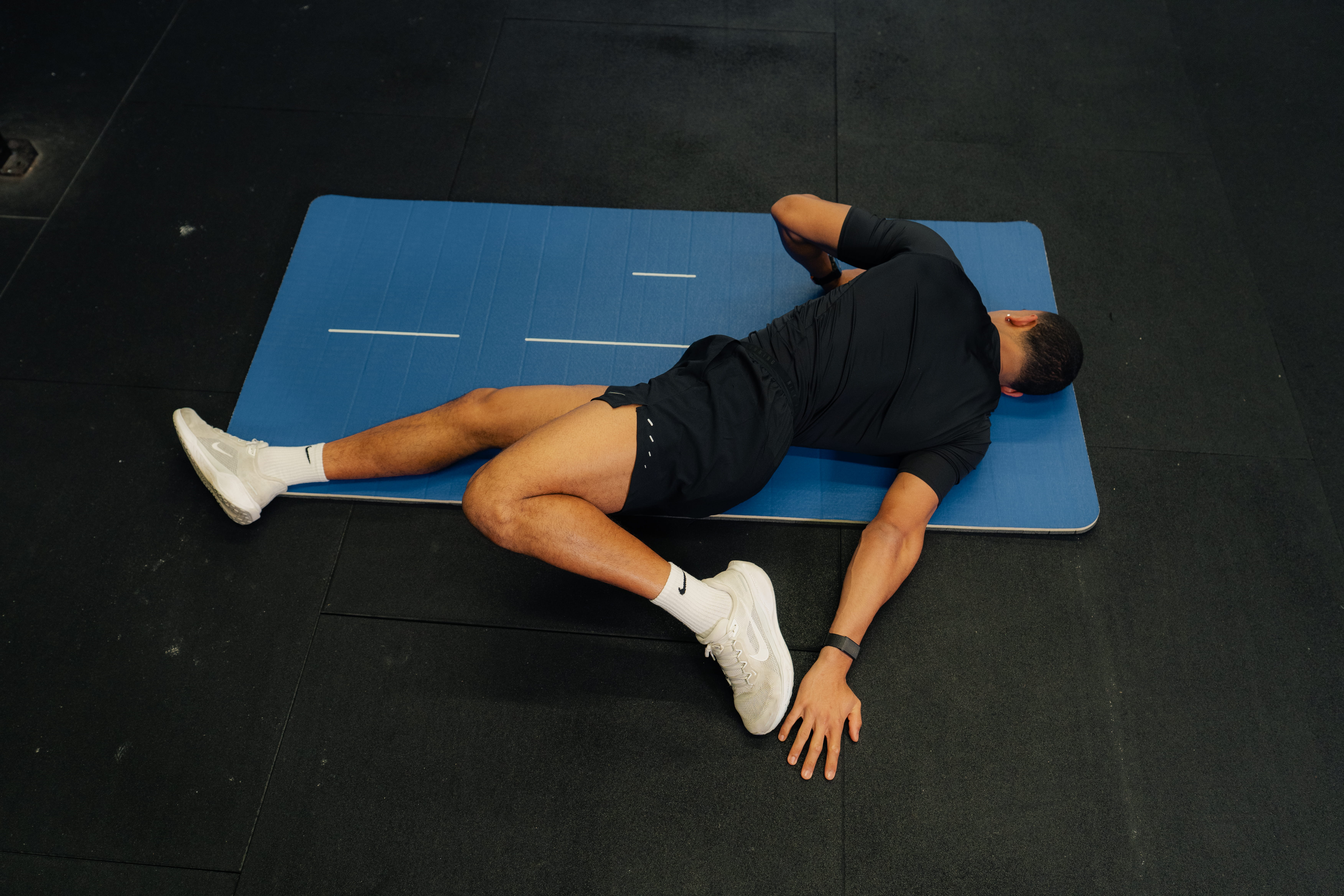
Most people ignore ankle stiffness until sharp pain forces them to stop. They stretch randomly, roll their calves once after a workout, or push through discomfort. The problem is that stiffness builds up layer by layer until mild restriction becomes a real barrier to performance.
🎯 Key Point: Ankle stiffness isn't like typical muscle soreness—it requires immediate attention to prevent compensation patterns.
"Ankle mobility restrictions create compensation patterns that spread throughout your entire movement system, affecting performance at multiple levels." — Movement Science Research, 2023
The instinct to push through makes sense for muscle soreness or fatigue, but ankle stiffness works differently. Ignoring restricted ankle mobility doesn't build resilience; it creates compensation patterns that spread throughout your movement system.
⚠️ Warning: What starts as a minor ankle restriction can quickly become hip pain, knee issues, or lower back problems through compensation.
Further Damage When Movement Creates Injury
Walking on a stiff ankle puts stress on unprepared parts of the body. Research in the British Journal of Sports Medicine (2019) shows that continuing activity on an injured ankle increases ligament damage risk by 40-60%. Without a proper range of motion, your ankle cannot absorb impact effectively.
Ligaments need a full range of motion to work properly. Stiffness forces them to work at awkward angles, creating tiny tears that accumulate over time. Pain often emerges later, after repeated stress exceeds what the tissue can handle.
What happens when ankle sprains don't heal properly?
When an ankle sprain doesn't heal properly, it creates a predictable cycle. Your ankle feels better after a few weeks, so you resume normal activity. But the ligaments haven't fully recovered their strength or proprioceptive function (your ankle's ability to sense its position in space). Studies indicate that people who don't properly rehabilitate ankle sprains face a 70% chance of re-injury within the first year.
How does chronic ankle instability develop over time?
Each time you sprain your ankle again, the ligaments stretch and weaken, providing less support to your joint. Your ankle rolls more easily during normal activities, potentially developing chronic ankle instability, where it gives way without warning, and prevents safe activity. For basketball players, runners, and anyone who moves quickly and changes direction, this is frustrating: you can no longer rely on your ankle.
Prolonged Recovery: The Cost of Pushing Through
Working through ankle stiffness prolongs recovery. Your body needs adequate rest, controlled movement to promote blood flow, and gradual strengthening to rebuild muscle. "Walking it off" provides none of these. Ongoing inflammation prevents tissue from healing completely.
Physical therapists often see patients arrive six months after an ankle sprain, frustrated that their injury still hasn't healed. What should improve in 6-8 weeks takes much longer because they exercised through the pain, allowing scar tissue to form incorrectly, muscles to weaken from unconscious avoidance, and joint problems to develop, requiring months of focused rehabilitation.
How does your body adapt to ankle pain?
When your ankle hurts, your body changes how you walk to avoid the pain. You might turn your foot outward or take shorter steps to reduce impact. These changes affect how forces move through your entire body.
What happens to other joints when ankle mobility is restricted?
A 2021 study in Gait & Posture found that people with chronic ankle restrictions exhibited measurable differences in knee and hip loading patterns, with 35% reporting secondary pain in those joints within six months. Your knee handles rotational forces it wasn't designed for; your hip flexors tighten to compensate for reduced ankle mobility; and your lower back assumes stability work that should be distributed across your entire leg.
How does persistent inflammation lead to cartilage breakdown?
When ankle injuries go untreated, ongoing swelling damages the cartilage that cushions your ankle joint. Since cartilage cannot repair itself effectively, this damage typically becomes permanent, leading to post-traumatic arthritis: a condition causing progressive joint deterioration with chronic pain, swelling, and stiffness.
What does research show about untreated ankle sprains developing into arthritis?
Research from the Journal of Orthopaedic Research (2020) shows that up to 30% of untreated severe ankle sprains develop into arthritis. Chronic inflammation breaks down cartilage faster than the body can repair it, causing bone to rub against bone where smooth cartilage once provided cushioning.
Movement becomes painful and limited, requiring careful planning and pain management for activities you once did without thought.
How does scar tissue permanently restrict ankle movement?
Scar tissue is less stretchy, organised, and functional than original tissue. When ankle ligaments heal improperly, scar tissue can create permanent restrictions in the range of motion. Your ankle cannot move through its former ranges: dorsiflexion stops earlier, plantarflexion feels blocked, and the subtle rotations needed for uneven terrain become impossible.
What daily activities become difficult with limited ankle mobility?
Daily activities require workarounds. Climbing stairs demands extra effort because your ankle won't flex enough to clear each step smoothly. Squatting deep becomes impossible without your heels lifting off the ground. Running feels awkward because your ankle can't achieve the positions your gait requires. Without professional orthopedic ankle care addressing scar tissue and joint mechanics, these limitations become permanent.
How can targeted mobility work prevent permanent restrictions?
Most athletes treat mobility work as optional maintenance rather than foundational training. Platforms like Pliability position mobility as essential infrastructure, with guided routines targeting specific restrictions that create ankle stiffness. Expert-led movements restore range of motion before it becomes a performance ceiling.
How does ankle stiffness affect your body's sensing ability?
When you ignore ankle stiffness, it worsens and impairs your proprioception—your ankle's ability to sense its position and adjust to unstable surfaces. Your balance deteriorates, your reaction time slows, and you're more likely to roll your ankle on uneven ground because your joints can't detect terrain changes quickly enough.
Why does strength diminish when stiffness persists?
Strength declines because you lose coordination, not because your muscles shrink. Your nervous system adjusts to a limited range of motion by reducing activation of certain muscle groups. This creates selective weakness where specific movements feel harder than they should, despite adequate overall leg strength.
What psychological impact does ankle stiffness create?
The psychological impact compounds the physical limitations. When you can't trust your ankle, you hesitate and hold back during training, avoiding movements that once felt natural. This hesitation creates tension throughout your body, disrupting smooth movement patterns while you manage fear, frustration, and constant mental calculation of safe versus risky movements.
Related Reading
Elbow Stiffness And Pain
Mid Back Stiffness
Lower Back Stiffness
Thumb Stiffness And Locking
Upper Back Stiffness
How to Relieve Your Chronic Ankle Stiffness

Physical therapy targets the specific restrictions causing your stiffness: whether tight muscles, joint limitations, or movement pattern dysfunction. A physical therapist assesses your problem rather than prescribing generic stretches, then builds a customized program to address it. According to research published in the Journal of Orthopaedic & Sports Physical Therapy, guided exercise therapy improves joint mobility and muscle flexibility by addressing tissue restrictions. You're systematically restoring the lost range of motion, not stretching randomly.
🎯 Key Point: Professional assessment identifies the root cause of your ankle stiffness rather than treating symptoms with generic exercises.
"Guided exercise therapy improves joint mobility and muscle flexibility by directly addressing tissue restrictions." — Journal of Orthopaedic & Sports Physical Therapy
💡 Pro Tip: A physical therapist can distinguish among muscle tightness, joint capsule restrictions, and scar tissue adhesions, each of which requires a different treatment approach for optimal results.
How does the calf stretch restore ankle mobility?
The calf stretch targets the gastrocnemius muscle, which runs from your knee to your heel. Stand with your toes on the edge of a step or box, holding something stable for balance, and drop your heels downward until you feel the stretch below the back of your knee. Hold for 30 seconds, then repeat 5 times. If your heels barely drop, your calves have adapted to shortened positions and need consistent work to regain length.
What makes the towel stretch effective for ankle dorsiflexion?
An ankle dorsiflexion stretch with a towel targets the entire back of your lower leg while sitting. Place a towel under the ball of your foot, then gently pull your toes toward you. The stretch engages your calf and Achilles tendon, addressing tissues that limit upward ankle movement. Repeat 10 times, holding each stretch long enough to feel the tissue release. This works particularly well first thing in the morning when your ankle feels stiffest.
How do ankle rotations improve multi-directional movement?
Ankle rotations restore multi-directional movement that daily life rarely requires. Sit with both legs straight and slightly apart, then rotate your affected foot in complete circles, moving slowly enough to feel where your range stops or becomes uncomfortable. Complete 10 circles in each direction. You're mapping where your ankle moves freely and where it hits restrictions, then gradually expanding those boundaries through controlled repetition.
Why does the ankle alphabet exercise rebuild motor control?
The ankle alphabet exercise moves your ankle in ways most people never practice. Lie barefoot and lift your foot off the floor, using your toes and ankle to draw each letter of the alphabet from A to Z. Keep each letter controlled and clear rather than rushing through sloppy shapes. This rebuilds the fine motor control and range of motion your ankle needs for uneven terrain, quick direction changes, and athletic movements.
How does passive inversion stretching address lateral restrictions?
Passive inversion stretch targets the lateral structures of your ankle that tighten after sprains or chronic instability. Sit in a chair, bend your injured leg onto the thigh of your other leg, then gently pull your foot inward and upward toward you. You should feel the stretch along the outside of your ankle and lower leg. Repeat 10 times, holding each stretch for several seconds. This addresses the tissues restricting side-to-side ankle mobility, the same restriction that makes cutting movements feel unstable or blocked.
How does heat therapy improve ankle mobility?
Heat therapy increases blood flow to tight or restricted tissues, making them easier to move. Wrap your ankles in a warm, damp towel for 10 minutes before your morning routine. The warmth temporarily reduces resistance when you first stand up. For recent ankle sprains, use ice for the first 72 hours to manage acute inflammation, then switch to heat for chronic stiffness.
What pressure techniques release ankle restrictions?
Using a foam roller or tennis ball under your foot arch loosens the plantar fascia and surrounding muscles connected to ankle mobility. Roll for two to three minutes, applying enough pressure to feel tissue release without sharp pain. Press too hard and your muscles tense protectively, reducing the benefit. Find the threshold where you feel productive discomfort without triggering a protective response.
How does sleep position affect morning ankle stiffness?
Your sleep position significantly affects morning ankle stiffness. Sleeping on your back with a pillow under your knees reduces pressure on your ankles and supports your lower leg joints in a neutral position. The pillow prevents your knees from hyperextending, which creates tension traveling down to your ankles. Find a position that lets you sleep without interruption, since interrupted sleep increases overall inflammation that worsens morning stiffness.
Pliability reframes mobility as foundational infrastructure rather than reactive maintenance. The app provides guided video routines targeting ankle restrictions with expert-led movements designed to restore range before it limits performance. Instead of guessing which stretches might help, you follow structured progressions that address tight calves, improve joint mobility, and strengthen stabilizing muscles that keep your ankles moving freely through a full range.
How can you prepare your body before exercise?
Stretch for 3 to 5 minutes before lower-body workouts or walks, using the ankle stretches mentioned earlier. Cold muscles don't stretch well and tear more easily under stress. Warming them up with gentle movement and controlled stretching reduces the risk of strain and improves ankle responsiveness during activity.
When should you replace your athletic shoes?
Replace athletic shoes after 300 to 500 miles of running or walking, or sooner if they show uneven wear or deep creases. Worn-out shoes lose their ability to absorb impact and provide stable support, transferring extra stress to your ankles. The American Academy of Podiatric Sports Medicine emphasizes this timeline because shoe cushioning degrades gradually, with the accumulated impact on the compressed foam becoming noticeable.
What foods help reduce joint inflammation?
Anti-inflammatory foods reduce systemic inflammation, which worsens joint stiffness. Diets rich in fruits, vegetables, nuts, fatty fish, and olive oil provide compounds that fight inflammatory processes. Research published in Frontiers in Nutrition in 2023 shows this dietary approach effectively reduces joint pain and stiffness by addressing inflammation at its source rather than managing symptoms alone.
How does cross-training prevent overuse injuries?
Cross-training prevents overuse injuries by distributing stress across different movement patterns and muscle groups. Alternate between high-impact activities like running or jumping and low-impact exercises such as swimming, biking, or walking. This approach allows stressed tissues to recover while maintaining overall fitness and movement capacity.
Related Reading
Best Supplements For Muscle Pain And Stiffness
Left Arm Stiffness
How To Get Rid Of Neck Stiffness
How To Reduce Stiffness After an Ankle Sprain
Finger Stiffness And Locking Treatment
Hand Stiffness Exercises
How To Relieve Morning Back Stiffness
Hip Stiffness Exercises
Stretches For Lower Back Stiffness
Muscle Stiffness Treatment
Fix Ankle Stiffness Before It Turns Into an Injury With Pliability
If your ankles feel tight when you squat, run, or walk downstairs, the problem usually isn't effort—it's lack of structured mobility work targeting your specific restrictions.
Pliability provides targeted mobility sessions to improve ankle dorsiflexion, guided recovery flows to reduce joint restriction, and a body-scanning feature that identifies where you're limited. Our app delivers daily updated programs for athletes who need their ankles to perform. Open the app, follow the session, and move better in 15-30 minutes. No guessing. No over-stretching. If ankle stiffness persists, you need a system, not another one-off stretch. Get 7 days free on iPhone, Android, or web.
🎯 Key Point: Ankle stiffness during movement indicates you need targeted mobility work, not just more effort or random stretching.
💡 Tip: Use Pliability's body-scanning feature to identify your specific ankle restrictions before starting any mobility program.
"Ankle dorsiflexion restrictions are one of the most common movement limitations that lead to compensation patterns and eventual injury." — Movement Specialists, 2024
Traditional Approach | Pliability System |
|---|---|
Random stretching | Targeted mobility sessions |
Guesswork | Body-scanning identification |
One-size-fits-all | Daily updated programs |
Time-consuming | 15-30 minute sessions |

















Move better in 10 minutes a day.
10,000+ five-star reviews.