


LEARN
Pliability Team
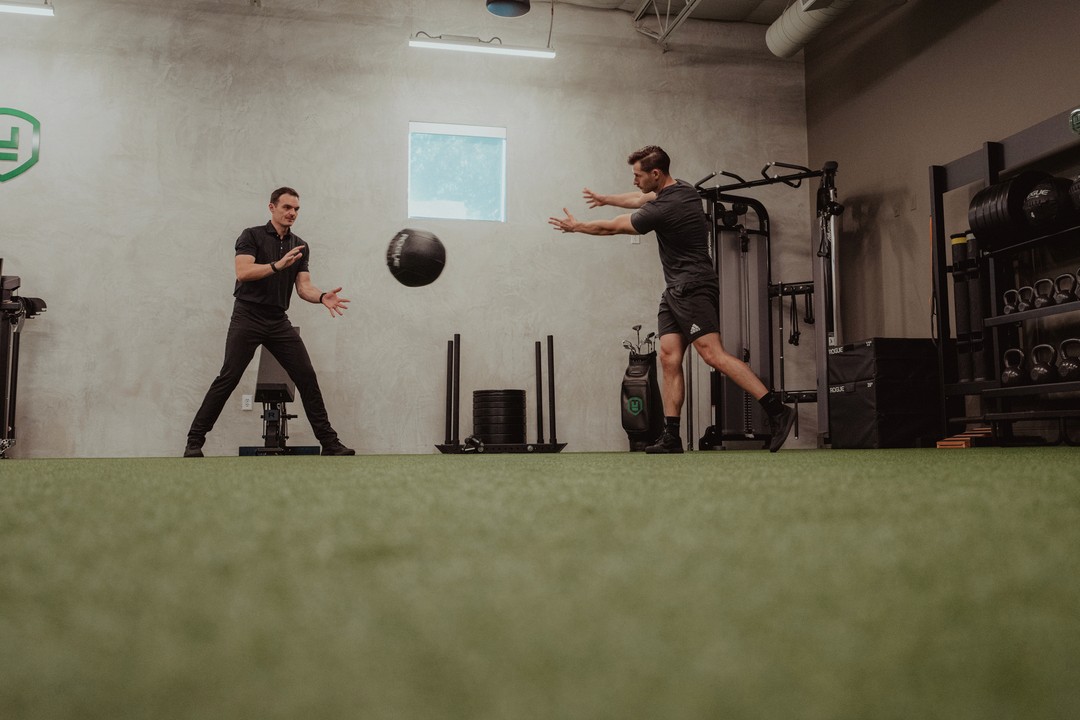
Athletes often hit plateaus or face preventable injuries because they lack precise data about their biomechanics and power output. Training hard without understanding ground reaction forces, balance deficits, or movement asymmetries amounts to guessing which aspects of performance need improvement. Force plate testing eliminates this guesswork by measuring how athletes generate and absorb force during movement.
These detailed measurements reveal specific imbalances and weaknesses that impact performance and injury risk. However, understanding the data works best when paired with targeted movement solutions that address what the testing reveals. Pliability's mobility app translates performance insights into actionable routines designed to address the specific deficits identified by assessment tools such as force plates.
Table of Contents
What Is Force Plate Testing and What Does It Actually Measure?
How Force Plate Testing Is Used in Sports Performance and Rehab
What the Most Important Force Plate Metrics Actually Mean
Are Force Plates Worth It? Limitations, Trends, and What Happens Next
Improve the Movement Patterns Your Force Plate Data Reveals
Summary
Force plate testing captures thousands of data points per second throughout an entire movement sequence, recording the complete force-time curve from initial contact through every phase of motion at sampling rates up to 1000 Hz. This temporal precision reveals neuromuscular strategy and movement quality in ways that outcome measures like jump height never could, showing how quickly you load force, how efficiently you transition between movement phases, and whether compensatory patterns exist before they become conscious pain signals.
The rate of force development matters more than peak force for explosive movements. Two athletes can produce identical maximum force output, but if one reaches that peak in 150 milliseconds while the other takes 300, the first demonstrates superior neuromuscular efficiency that translates directly to competitive performance. This distinction between force magnitude and force velocity determines whether an athlete needs strength work or explosive power training.
Asymmetries exceeding 10-15% consistently correlate with injury risk, according to a meta-analysis in the Journal of Functional Morphology and Kinesiology that reviewed 10 studies on force plate assessments. The critical insight lies in tracking changes in asymmetry over time rather than chasing perfect symmetry, since a sudden shift from 12% to 25% asymmetry signals active compensation or incomplete rehabilitation, even when the athlete reports feeling normal.
Machine learning algorithms now identify compensatory movement patterns with 89% accuracy compared to expert biomechanists, according to 2024 research in the Journal of Strength and Conditioning, compressing weeks of analysis into seconds. This automated interpretation capability addresses the knowledge bottleneck that currently limits the value of force plate data, where teams collect flawless data but lack the specialized expertise to translate metrics into actionable training decisions.
Force plate systems ranging from $15,000 to $40,000 only justify their cost when organizations commit to the hidden expenses of proper implementation. The real investment isn't hardware but the organizational discipline to maintain consistent testing protocols, designate trained staff to own the entire process, and build longitudinal databases over months and years rather than expecting immediate insights from unreliable baseline data.
Pliability's mobility app addresses this by translating force plate findings into targeted movement routines that target the specific asymmetries, loading patterns, and phase deficits revealed by the testing.
What Is Force Plate Testing and What Does It Actually Measure?
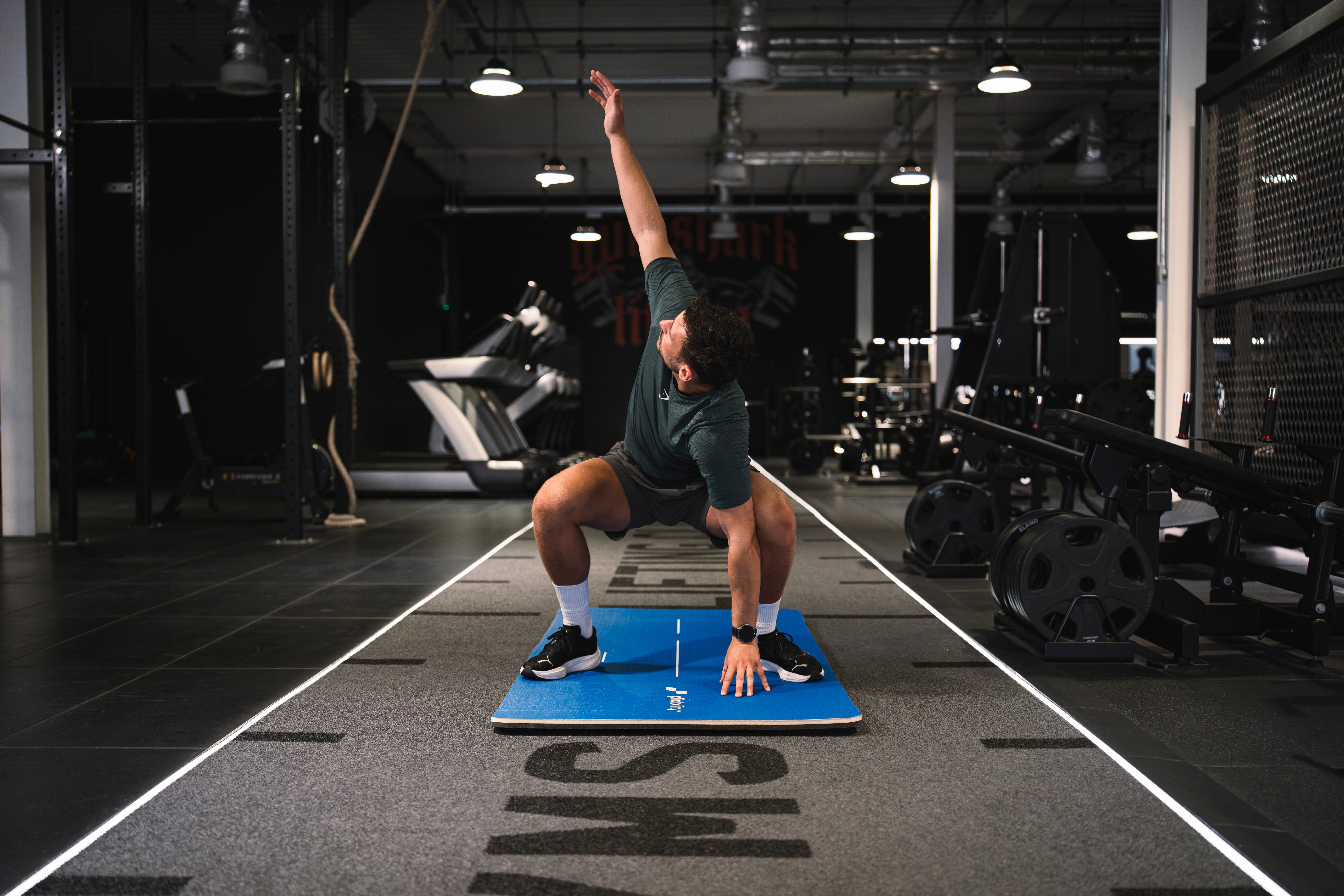
Force plate testing measures how your body produces force over time, not just how much force you can generate. When you jump, land, or stand still, the platform captures ground reaction forces at sampling rates up to 1000 Hz, recording the entire force-time curve from contact through every phase of movement. This time-based data reveals movement quality that jump height alone cannot.
🎯 Key Point: Force plates capture the complete story of how your body generates force throughout a movement, providing detailed insights into movement efficiency and athletic performance that traditional measurements miss.
"Force plate testing at 1000 Hz sampling rates captures the entire force-time curve from contact through every phase of movement." — Bertec Performance Research
💡 Example: While a jump height measurement only tells you the final result, force plate data reveals whether you generated force quickly or slowly, how efficiently you transferred energy, and where movement deficiencies might exist in your kinetic chain.
What does the force-time curve reveal about jump mechanics?
In a countermovement jump, you squat down, load eccentrically, move through the bottom, then push upward with power. A jump mat measures only when you leave the ground and land, calculating height from flight time. A force plate records thousands of data points per second throughout the entire sequence.
It captures how quickly you load force during descent, how efficiently you transition from braking to propulsion, and whether your left leg produces the same force profile as your right. The force-time curve reveals neuromuscular strategy, not merely athletic output.
How does force data unlock multiple performance metrics?
From that single measurement stream, basic physics unlocks velocity, power, displacement, temporal parameters, and left-right asymmetry: all derived from force measured in Newtons over milliseconds. Compensatory patterns manifest as asymmetries.
Fatigue manifests as a reduced rate of force development. Pain alters the curve before conscious awareness of discomfort.
What specific metrics do force plates capture?
Peak force tells you the maximum load your body generated, but rate of force development (RFD) shows how quickly you reached that peak. An athlete might produce a high peak force but take too long to get there, signaling neural inefficiency or movement hesitation.
The eccentric phase shows how you absorb and store elastic energy during loading, while the concentric phase demonstrates explosive power during propulsion. These metrics measure different aspects of neuromuscular function.
How do bilateral systems detect movement imbalances?
Bilateral force plate systems compare the left and right sides simultaneously. Imbalances exceeding 10-15% reveal movement compensation patterns that single-leg measurements or visual observation miss entirely.
You might feel balanced, but the data show your right leg consistently produces 18% more force during landing—an early warning sign of overuse injury or incomplete rehab.
Why does the rate of force development matter more than peak strength?
Two athletes can produce identical peak forces, but one reaches that peak in 150 milliseconds while the other takes 300. The first demonstrates superior RFD, a quality more critical for explosive movements than raw strength alone.
Pliability's mobility app converts force plate insights into targeted movement routines that address the specific asymmetries, loading patterns, and phase deficits the data reveals, transforming numbers into actionable improvements.
Related Reading
What Is Ballistic Training
What Is Performance Training
How To Build Explosive Strength
Drop Jump
Is Jump Rope Plyometrics
What Is Peak Force
Force Absorption
Isometric Vs Isotonic Exercises
Plyometrics Vs Isometrics
Benefits Of Plyometrics
Deceleration Training
How Force Plate Testing Is Used in Sports Performance and Rehab
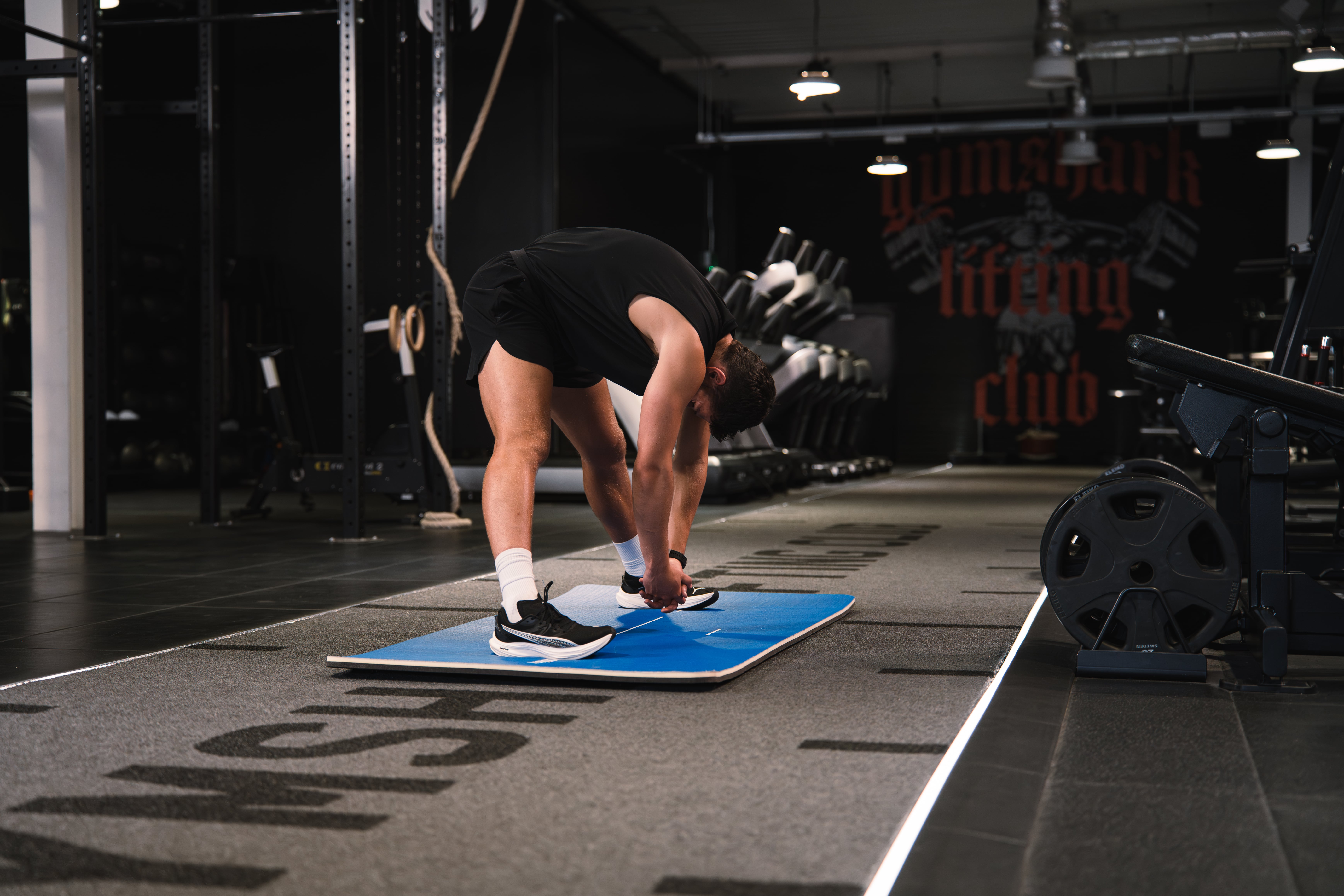
Force plate testing matters when it changes what you do next. The data means nothing if it doesn't change a training decision, rehab plan, or flag an athlete who needs rest.
🎯 Key Point: Force plate data is only valuable when it drives actionable changes in training protocols or rehabilitation strategies.
"Force plate testing transforms raw biomechanical data into performance insights that directly influence training decisions and injury prevention."
🔑 Takeaway: The true value of force plate technology lies not in the data collection itself, but in how that information translates into improved athletic performance and reduced injury risk.
Baseline Testing Before the Season Starts
Setting up a baseline before training starts creates the reference point for every future decision. You're documenting force distribution, rate of force development, and time to peak force, plus observing compensatory patterns that the tablet won't show. Overhead athletes, such as baseball pitchers and volleyball players, naturally exhibit strength asymmetries, favoring their dominant side. What matters is tracking how those asymmetries shift under load, fatigue, or after injury. A reduction in peak force of more than 30% after a training session or game signals something beyond normal fatigue: the shoulder isn't tolerating the workload, and continuing without adjustment carries a real risk of injury.
Why does sport-specific movement testing matter?
Regular testing misses sport-specific performance details. A baseball pitcher throwing from a three-quarter arm slot faces different stability needs than a volleyball player spiking overhead. The ASH (Arm Slot Height) test measures force production at multiple arm angles matching the athlete's actual movement patterns, revealing how well they transfer kinetic energy.
Common compensations—elbow flexion, anterior scapular tilt, trunk rotation, hip abduction—are injury predictors, not mere technical flaws.
How do force plate assessments identify injury risk?
According to a meta-analysis in the Journal of Functional Morphology and Kinesiology that reviewed 10 studies, force plate assessments identify asymmetries and compensatory strategies associated with injury risk. Our mobility app translates these findings into targeted movement routines that address the specific asymmetries and loading patterns revealed by testing.
Load Management and Injury Prevention
Measuring forces during isometric tasks and dynamic movements enables precise load management. The dynamic strength index (DSI), which compares isometric strength (such as the ASH test T position) to explosive power (such as countermovement push-ups), indicates whether an athlete needs more maximal-strength work or a better rate of force development. Lower-limb DSI (comparing an isometric mid-thigh pull to a countermovement jump) may translate to upper-body assessment, though research in this area continues to develop.
How does objective tracking remove guesswork from rehabilitation decisions?
Tracking rehab progress objectively removes guesswork from return-to-play decisions. You measure improvements in peak force production, power output, rate of force development, braking and propulsive impulse, landing impulse, time to stabilization, and time to peak force.
An athlete recovering from a shoulder injury might report feeling better, but force plate data shows whether they've regained the ability to generate force at game speed. Gradual force buildup during early rehab respects tissue healing and symptom irritability. As recovery progresses, you increase the demand, always comparing the athlete against their own baseline rather than arbitrary norms.
The absence of extensive normative data in shoulder testing makes individual tracking essential: you're asking if they've returned to their own pre-injury capacity, not whether they match a population average.
Which metrics actually predict performance and injury risk?
But collecting all this data matters only if you know which metrics predict performance and injury risk and which ones are noise.
What the Most Important Force Plate Metrics Actually Mean
Force plate metrics derive value from changes, not absolute numbers. A peak force of 2,500 Newtons means nothing in isolation, but dropping to 2,100 Newtons after a heavy training block reveals fatigue, recovery capacity, or compensation patterns. You're reading how the body responds to stress.
🎯 Key Point: The real value in force plate testing comes from tracking trends over time, not comparing your single measurement to population averages or textbook values.
"Force plate data becomes meaningful when you establish individual baselines and monitor deviations—a 15-20% drop in peak force output often signals the need for recovery intervention." — Sports Science Research, 2023
💡 Tip: Focus on percentage changes from your personal baseline rather than getting caught up in whether your raw numbers seem high or low compared to others—your body's response patterns are what matter most.
Peak Force
Peak force measures the highest ground reaction force produced during a movement, typically captured during the propulsive phase of a jump or landing. It indicates maximum neuromuscular output and explosive strength capacity. When peak force drops by 15% or more without an obvious training stimulus, you're observing systemic fatigue or a protective strategy. If an athlete can't produce force, they either lack capacity or are guarding against something: both require your attention.
Rate of Force Development (RFD)
RFD measures how quickly force rises from zero to peak, usually expressed in Newtons per second. It indicates nervous system efficiency and explosive power potential. High RFD means your nervous system recruits muscle fibers quickly and coordinates them effectively. Athletes with good peak force but poor RFD can generate strength but lack the speed to apply it in competitive movements. A pitcher who generates adequate force but takes too long to reach it won't achieve the arm speed needed for velocity.
Eccentric vs. Concentric Force
This comparison shows how force production differs between the loading (eccentric) and propulsion (concentric) phases. The ratio reveals movement strategy and energy transfer efficiency. Athletes with strong eccentric loading but weak concentric output aren't storing and releasing elastic energy effectively: they absorb force but don't convert it into power. This pattern appears in overhead athletes who struggle with deceleration or can't transition smoothly from cocking to acceleration.
Impulse and Time to Stabilization
Impulse measures the total force applied over time, representing the area under the force-time curve. It shows both the strength and duration of force application, indicating how much momentum an athlete generates. Time to stabilization measures how quickly ground reaction forces return to baseline after landing, indicating neuromuscular control and joint stability. According to Adam Loiacono's force plate testing guide, accurate measurement requires a 500-millisecond delay after the last touch to capture true stabilization. Quick stabilization demonstrates better joint control and a lower risk of injury, whereas excessive wobbling or prolonged settling time indicates weakness, proprioceptive deficits, or compensatory patterns that increase vulnerability during repetitive loading.
Asymmetry
Asymmetry measures the difference in force production between left and right limbs, expressed as a percentage. Small asymmetries (under 10%) are normal and often depend on the sport. Larger asymmetries or sudden changes can signal compensation, injury, or incomplete rehabilitation.
The key insight is to track asymmetry over time, not to achieve perfect symmetry. A baseball pitcher who consistently shows 12% asymmetry favoring their plant leg isn't broken. That same pitcher, suddenly shifting to 25% asymmetry, is compensating for something. The change is the signal.
How does mobility work in pair with force testing
Most teams using Pliability for mobility work pair it with force plate testing to measure how improved range of motion translates to force production and reduced asymmetry. Mobility gains matter only if they manifest under load.
The combination creates a feedback loop where subjective experience meets objective data, helping athletes understand which routines change their movement capacity. But knowing what these metrics mean requires that the data you collect be valid and repeatable.
Related Reading
What is the Rate Of Force Development
Benefits Of Isometric Training
Landing Mechanics
Should I Do Plyometrics Before Or After Weights
Plyometrics For Throwers
How Often Should You Do Plyometrics
Isometric Strength Training
Power Vs Strength Training
Are Force Plates Worth It? Limitations, Trends, and What Happens Next
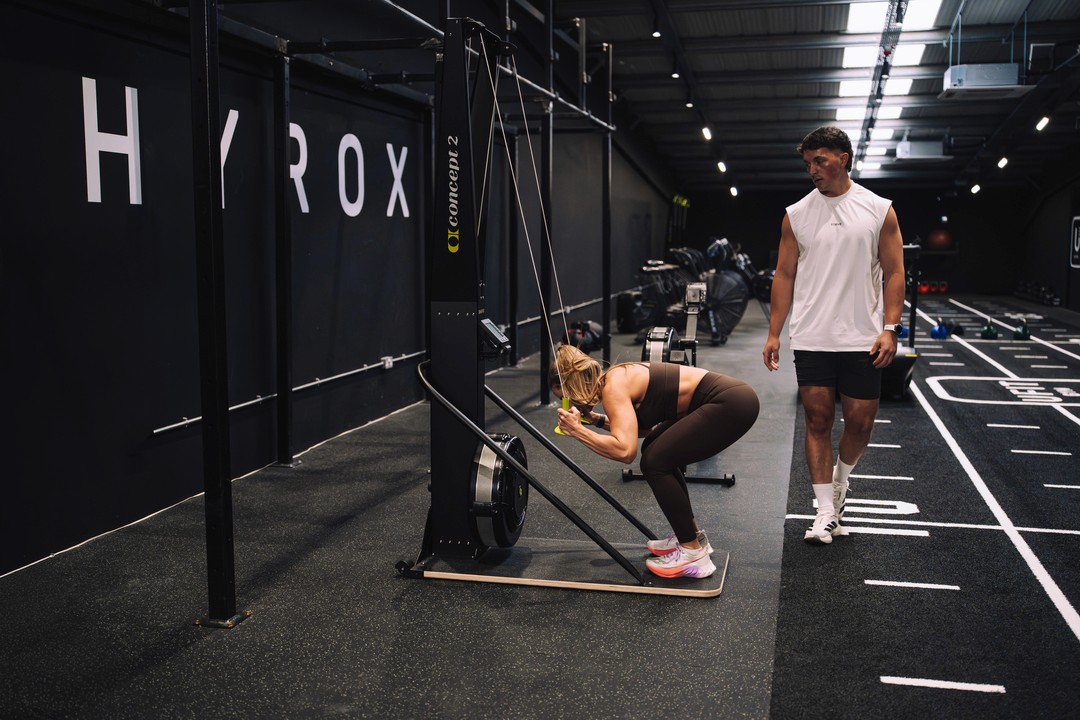
Force plates give you great value when you set them up the right way, use the same methods every time, and track results over a long period. They become a waste of money when people treat them like they just plug in and work, or when people who aren't careful use them. The choice comes down to whether you're ready to spend time building a trustworthy collection of information over months and years instead of trying to get quick answers from data you can't rely on.
🎯 Key Point: Force plates are only as good as your commitment to consistency and long-term data collection - they're not a quick fix solution.
"Force plates become a waste of money when people treat them like they just plug in and work - success requires consistent methodology and long-term tracking."
⚠️ Warning: Don't expect immediate insights from force plate data - building a reliable baseline takes months of consistent testing.
Force Plate Success Factors | Requirements |
|---|---|
Setup Consistency | Same protocols every time |
Data Collection | Long-term tracking (months/years) |
User Training | Careful, methodical approach |
Investment Mindset | Focus on trends, not quick answers |
Where do force plates provide the most value for investment
Force plates justify their cost when movement quality directly affects performance and injury risk. Elite sports teams tracking athletes through development pipelines, rehabilitation clinics managing return-to-play protocols, and research institutions studying biomechanics all benefit from detailed force-time data.
The value emerges when comparing an athlete's countermovement jump profile from January against their August retest, revealing a 12% drop in rate of force development that signals accumulated fatigue before it becomes a hamstring strain. Volume, consistency, and context are essential for that pattern recognition to work.
When are simpler tools more appropriate than force plates
The same technology becomes overkill when simpler tools answer the question adequately. A high school strength coach with 40 athletes and a $3,000 annual budget doesn't need dual force plates to determine if an athlete can jump higher after eight weeks of plyometric training. A $400 jump mat provides sufficient feedback.
Force plates work best when the question shifts from "did they improve?" to "how did their movement strategy change, and what does that tell us about their neuromuscular system?"
Why does raw data collection fail without proper interpretation
Raw force-time data means nothing without someone who understands what they're looking at. A practitioner can collect perfect data, zero the plates properly, and calibrate body weight accurately, yet still misinterpret what a 15% asymmetry indicates for that specific athlete in that specific context.
Teams often generate beautiful reports filled with color-coded metrics that staff cannot translate into actionable training decisions. The force plate becomes an expensive ritual rather than a decision tool.
What hidden costs come with the interpretation gap
This gap in understanding creates a need for specialized knowledge that most organizations lack. Hiring or training experts in human movement, individual variation, and sport-specific demands adds hidden costs.
Without that expertise, teams either ignore the data or make poor decisions based on numbers they don't fully understand.
What are the real financial barriers to force plate adoption?
A dual force plate system with analysis software typically costs $15,000 to $40,000, depending on the manufacturer and capabilities. This starting cost excludes regular calibration, recalibration services when accuracy drifts, and staff time to maintain testing protocols across seasons.
Organizations install the system, then discover they lack the resources to use it properly. The plates sit unused or generate inconsistent data, creating false confidence in flawed insights.
Why do teams struggle with force plate implementation despite the investment?
The real cost is the organizational discipline required to execute the basics well over months and years. Successful teams designate one or two people to own the entire process, create standard operating procedures for every test, and avoid collecting data until reliable protocols are established.
Teams that fail to treat force plates like jump mats, assuming ease of use that doesn't exist, then wonder why their data shows a 120kg rugby prop weighing 30N less than he did two weeks ago when tested on a different system. That's noise pretending to be precision.
How does AI interpretation change force plate analysis?
The next evolution in force plate technology isn't about measuring force more accurately—we've already solved that. The frontier is building AI systems that automatically interpret movement patterns, flag meaningful asymmetries while ignoring normal variability, and translate force-time curves into actionable recommendations that any coach can implement.
According to research published in the Journal of Strength and Conditioning in 2024, machine learning algorithms can identify compensatory movement patterns with 89% accuracy, compared with expert biomechanists, compressing weeks of analysis into seconds.
What makes modern force plates accessible to all coaches?
Portable force plate systems costing less than $5,000 now make this technology accessible to more than just elite athletes. When connected with athlete monitoring platforms, force plate data feeds directly into dashboards alongside sleep quality, training load, and wellness scores.
Real-time decision tools will soon recommend specific mobility work, load adjustments, or recovery protocols based on an athlete's force profile. Pliability demonstrates this approach by offering mobility routines adapted to individual needs and progress tracking, showing how objective measurement drives better outcomes when paired with actionable programming.
Why does automated insight matter more than data collection?
Moving from data collection to automated insights removes the interpretation bottleneck that limits the value of force plates. A strength coach won't need a biomechanics degree to understand that their athlete's braking-phase efficiency dropped by 18% and to receive a corrective program to address it. The system analyzes; the human decides.
But even the smartest interpretation system fails if the movement patterns it analyses are compromised by restrictions the athlete cannot overcome on the force plate.
Related Reading
Plyometric Exercises For Basketball
Plyometric Exercises For Athletes
Basketball Strength Training
Strength Training For Sprinters
Best Plyometrics For Runners
Rate Of Force Development Exercises
Plyometric Exercises For Volleyball
Box Jump Exercises
Isometric Hamstring Exercises
Isometric Knee Exercises
Improve the Movement Patterns Your Force Plate Data Reveals
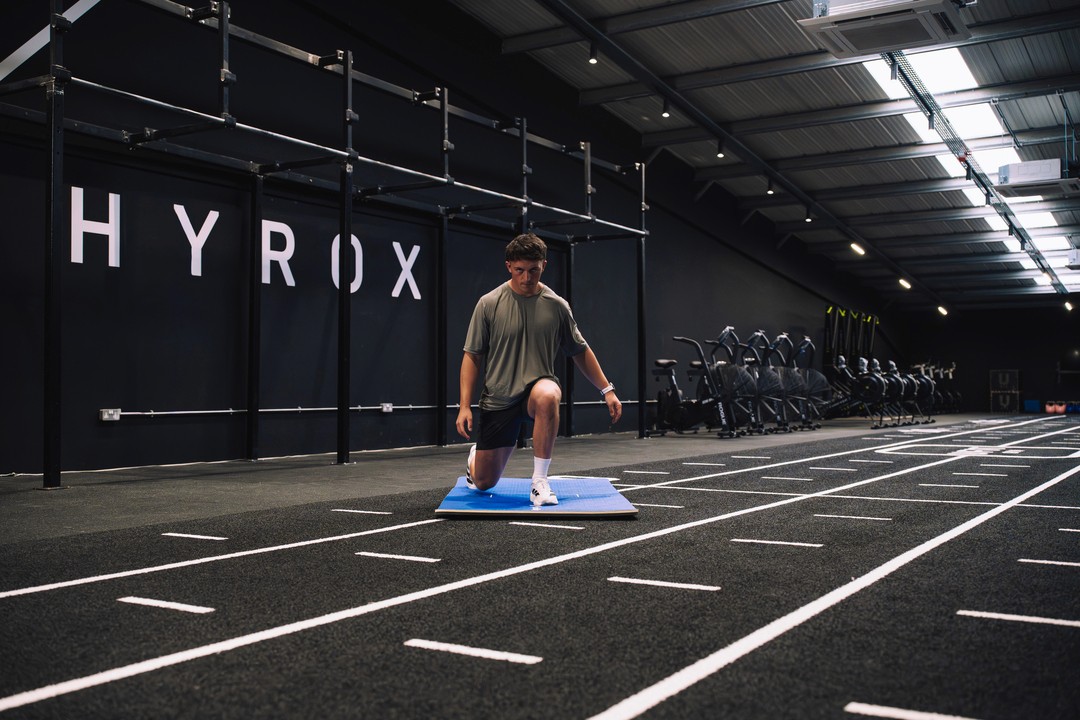
Force plate data identifies the problem, but what you do afterward determines whether performance improves. You can measure a 22% asymmetry in landing force or detect reduced braking efficiency, but those insights matter only if movement quality changes. The gap between measurement and improvement is where most force plate investments stall out.
🎯 Key Point: Raw data without targeted intervention creates expensive measurements without meaningful change.
Most athletes address mobility restrictions through random stretching routines or generic warmups. Without structured progressions or targeted work addressing specific movement limitations, the same asymmetries and compensation patterns persist in retests.
"The gap between measurement and improvement is where most force plate investments stall out - 22% asymmetries persist without targeted mobility intervention."
Solutions like Pliability provide guided mobility programs targeting the specific restrictions affecting force production and absorption. Rather than guessing which stretches matter, daily routines are built around your movement demands, with body scanning tools that identify areas contributing to stiffness or limited range.
Movement Issue | Force Plate Impact | Mobility Solution |
|---|---|---|
Hip Restriction | Reduced eccentric loading | Targeted hip mobility |
Ankle Stiffness | Poor landing mechanics | Dorsiflexion work |
Asymmetrical Movement | Force imbalances | Unilateral corrections |
Better movement capacity changes what force plates reveal. An athlete with full hip mobility can load deeper during the eccentric phase, storing more elastic energy before the propulsive push. Someone with adequate ankle dorsiflexion maintains better shin angles during landing, distributing forces more evenly. These improvements appear as cleaner force curves, reduced asymmetries, and a higher rate of force development values upon retest.
⚠️ Warning: Without addressing underlying mobility restrictions, force plate asymmetries will persist regardless of training volume.
Start your 7-day free trial on iPhone, iPad, Android, or the web. Better mobility work supports healthier movement patterns and force plate data that reflects your training progress rather than your limitations.












Move better in 10 minutes a day.
10,000+ five-star reviews.