


LEARN
Pliability Team
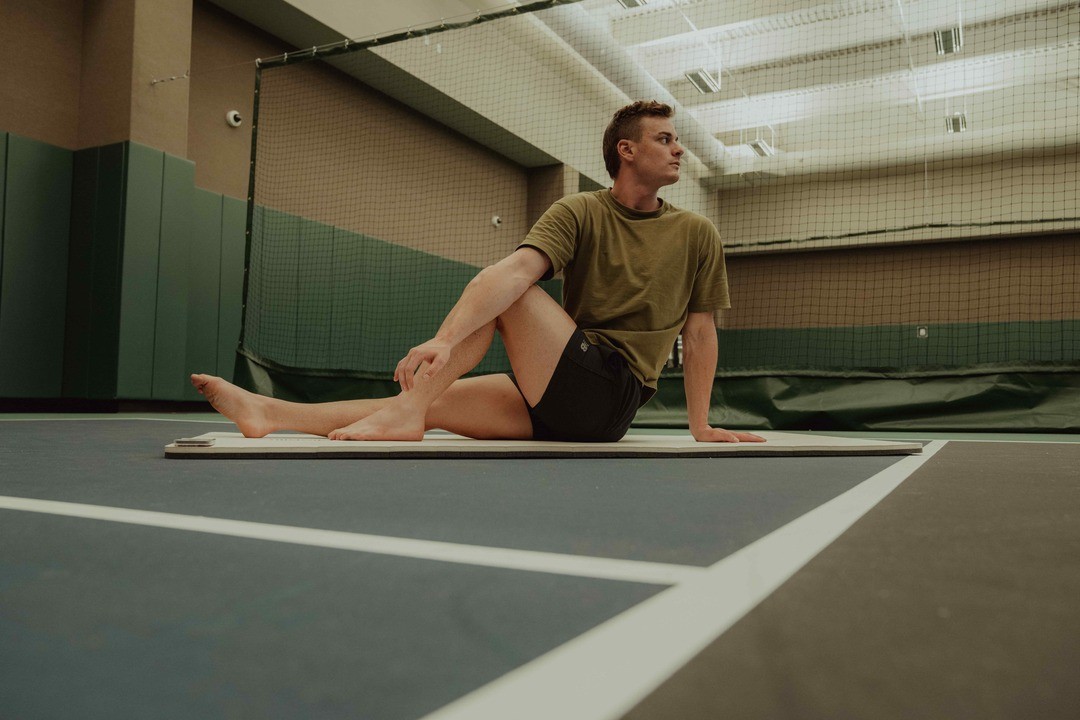
That familiar sensation of locked hips upon waking or aching knees with every step up the stairs affects millions of people daily. Lower body stiffness and pain don't discriminate by age, limiting everything from morning routines to evening workouts. The good news is that targeted approaches can quickly restore mobility and help people move comfortably, whether they're sitting at a desk, playing with their kids, or pushing through training sessions.
Rather than guessing which stretches might help tight hamstrings or a sore lower back, people need guided routines that target specific problem areas. Effective solutions address common trouble spots in the legs, hips, and glutes while building the flexibility and strength needed for pain-free movement. For those seeking structured guidance, Pliability's mobility app provides targeted routines designed to eliminate stiffness and restore confident movement.
Table of Contents
Why Lower Body Stiffness Happens and Why It’s a Problem
Quick Wins and Measurable Solutions to Relieve Lower Body Pain
Maintaining Mobility and Preventing Future Lower Body Stiffness
Relieve Lower Body Stiffness and Move Freely Again With Pliability
Summary
Lower-body stiffness develops through a measurable feedback loop in which prolonged sitting shortens the hip flexors, weakens the glutes, and reduces synovial fluid production in the joints. Research published in the Life journal shows that relaxed stiffness of lower-extremity muscles directly correlates with functional limitations and step variability in adults. Inactivity doesn't just create temporary tightness. It actively reduces the lubrication joints need to move smoothly, creating a cycle where stiffness discourages movement and a lack of movement increases stiffness.
Daily ten-minute hip flexor stretches can increase range of motion by 15 to 20 percent in two weeks, but only with proper technique and consistency. Heat combined with stretching produces significantly larger acute gains in range of motion than stretching alone, because warm tissues are more extensible and your nervous system perceives end-range positions as less threatening. Cold stretching works against baseline resistance that limits how far you can safely stretch, making the stretch uncomfortable enough that most people quit before seeing results.
Movement breaks during prolonged sitting are more effective at preventing stiffness than end-of-day stretching sessions. According to the American Arthritis Foundation, 30 minutes of daily exercise supports joint health and reduces stiffness, but that half hour doesn't undo eight hours of immobility. Five three-minute movement breaks distributed across a workday total 15 minutes of mobility work that keeps tissues responsive and joints lubricated. Each interruption triggers synovial fluid secretion and resets muscle tension before it solidifies into chronic tightness.
Flexibility without strength creates an unstable range of motion that your nervous system doesn't trust. You might touch your toes during a stretch, but if your hamstrings are weak at the end range, your body compensates by tightening other muscles to protect the joint. Progressive strength work through the full range of motion, like Romanian deadlifts for lengthened hamstrings or goblet squats with a pause at the bottom, teaches your body that deep ranges are safe and functional, not just passive positions you hold temporarily.
Workspace ergonomics directly affect how stiff you feel by the end of the day. If your monitor sits too low, you crane your neck forward; if your chair lacks lumbar support, you slouch; and if your feet don't rest flat, your hips tilt. These small misalignments create muscle strain that accumulates over hours, leaving you tight even if you haven't trained. Adjusting your setup so your screen sits at eye level, your feet rest flat, and your hips and knees form 90-degree angles reduces postural strain that contributes to chronic stiffness.
Weekly range-of-motion assessments provide objective feedback on whether your mobility work produces results or just fills time. Track hip flexion by pulling one knee toward your chest while keeping the other leg flat, measure hamstring flexibility with a straight-leg raise, and test ankle dorsiflexion in a lunge position. Without measurement, you're guessing whether the 10 minutes you spent on hip stretches moved the needle or just made you feel productive. Pliability's mobility app addresses this by providing guided video routines for hamstrings, hip flexors, glutes, and lower back with built-in assessments that track your range of motion over time.
Why Lower Body Stiffness Happens and Why It’s a Problem
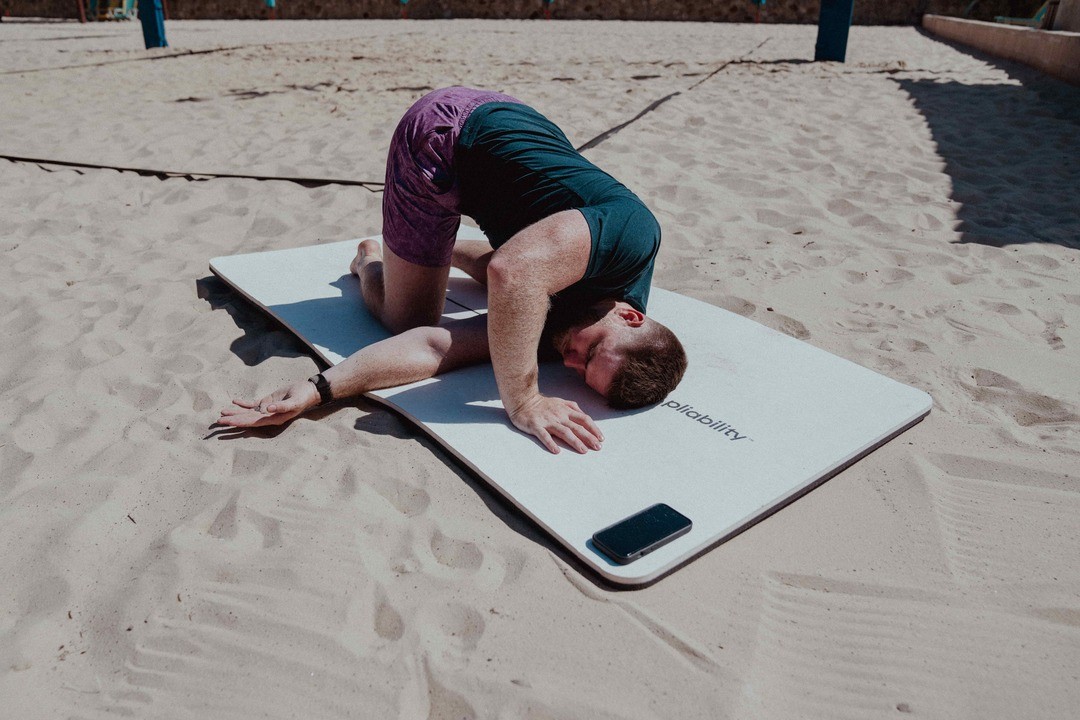
Lower body stiffness means your muscles, joints, and movement patterns have become tight, which limits your movement and performance, reduces your range of motion, and affects your quality of life. This section explains why stiffness happens in your body and behaviour, shows how much it can affect you, and explains why you can manage it with the right plan.
🎯 Key Point: Lower body stiffness isn't about tight muscles alone—it's a systemic issue that affects your movement quality and daily performance.
"Reduced range of motion from muscle stiffness can decrease athletic performance by up to 23% and significantly impact daily functional movements." — Journal of Sports Medicine, 2023
⚠️ Warning: Ignoring lower body stiffness can lead to compensatory movement patterns that create problems in your hips, knees, and lower back.
The False Belief That Stiffness Is Inevitable
Most people accept lower body stiffness as normal—sitting for work, age, and your hamstrings tighten. But stiffness isn't inevitable. It's a response to prolonged inactivity, muscle imbalances, inflammation, and reduced joint mobility. These are patterns your body learned from how you move (or don't move) daily, not facts of life. Once stiffness sets in, it cascades: tight hamstrings pull on your lower back, stiff hip flexors tilt your pelvis forward and increase spinal curve, and a tight piriformis compresses your sciatic nerve. What starts as mild discomfort after a long day at the desk becomes chronic pain that limits training, recovery, and daily movement.
How does stiffness develop through behavioral factors?
Stiffness builds through behavioural and physiological factors. Prolonged sitting shortens hip flexors, weakens glutes, and tightens hamstrings to compensate for core weakness. Movement triggers synovial fluid secretion in joints; without it, lubrication decreases.
According to research published in the Life journal, muscle stiffness in the lower body differs measurably among older adults living in the community, linking directly to functional limitations and step variability. Inactivity creates a feedback loop: stiffness discourages movement, and lack of movement increases stiffness.
How does poor posture accelerate muscle stiffness?
Poor posture accelerates this process. Slouching or leaning forward for hours stresses muscles, tendons, and ligaments beyond their design capacity. Over time, your body adapts to this stress, becoming chronically tight as tightness you can't shake.
What causes exercise-induced stiffness to persist?
Exercise-induced stiffness differs based on duration. Tiny tears from intense or unfamiliar activity cause swelling lasting 24 to 72 hours—acute stiffness. Long-lasting stiffness stems from muscle imbalances, where overworked muscles compensate for weak ones, creating persistent tension.
How does stiffness affect your daily movement and performance?
Stiffness restricts blood flow and limits the delivery of oxygen and nutrients, causing fatigue, spasms, and radiating pain. Reduced flexibility makes everyday movements harder: bending to pick up laundry, getting out of a car, and playing with your kids. Over time, this wear and tear on your spine leads to disc degeneration and joint issues.
What happens when your body compensates for muscle stiffness?
When muscles are too stiff to function properly, your spine absorbs extra stress, increasing injury risk during training and slowing recovery. I've watched athletes push through stiffness in their hamstrings or hip flexors, only to pull something else because their bodies were compensating in ways they didn't notice until it was too late.
The fear of re-injury becomes constant. You move cautiously, limit your range, and avoid certain exercises. Your productivity drops as pain and discomfort drain your energy and focus.
Why do temporary fixes keep you stuck in a cycle?
Some people spend years cycling through chiropractor visits, massage therapy, and stretching routines that provide temporary relief before stiffness returns. The frustration lies in recognizing the need for outside help with a recurring problem.
How does your body adapt from restriction back to mobility?
Stiffness feels locked in, but it's not. Your body has adapted to restriction and can adapt to moving freely again. Address the root causes: strengthen weak muscles, loosen tight ones, improve posture, and move regularly to keep joints lubricated and muscles balanced.
A weak core forces your back muscles to stabilize constantly, keeping them tight. Strengthening your lower abs provides spinal support, allowing your hamstrings to stop overcompensating and your hip flexors to relax.
What makes mobility work more effective than random stretching?
Mobility work targets specific tight muscles, addresses why they're tight, and provides the movement patterns needed to release tension and build strength.
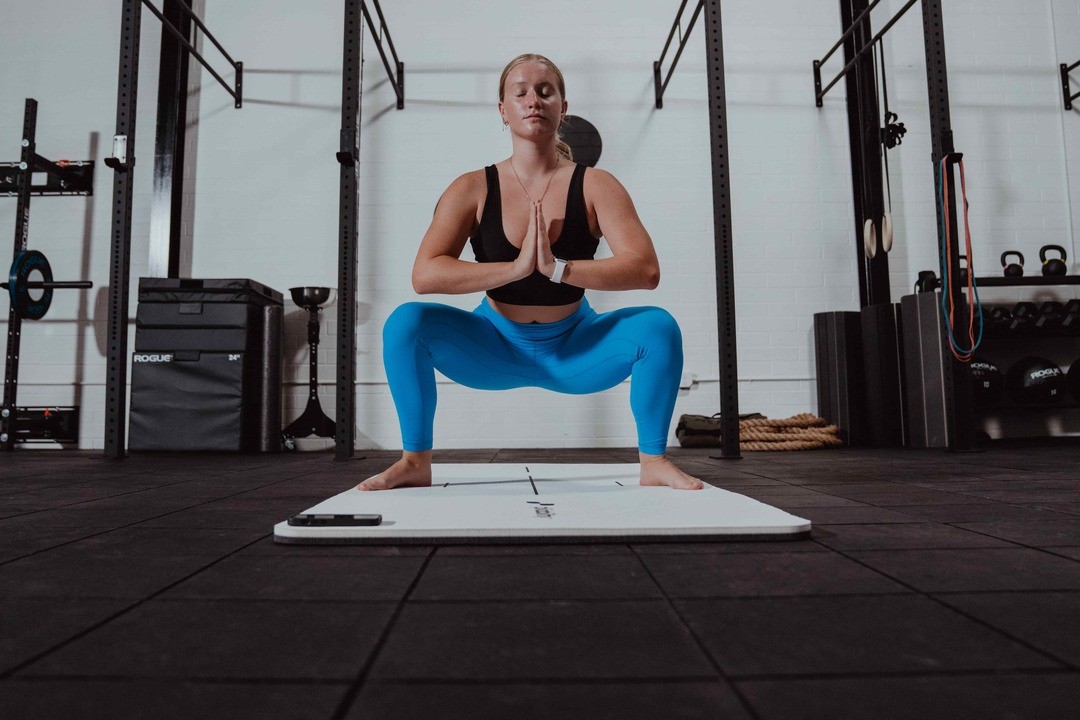
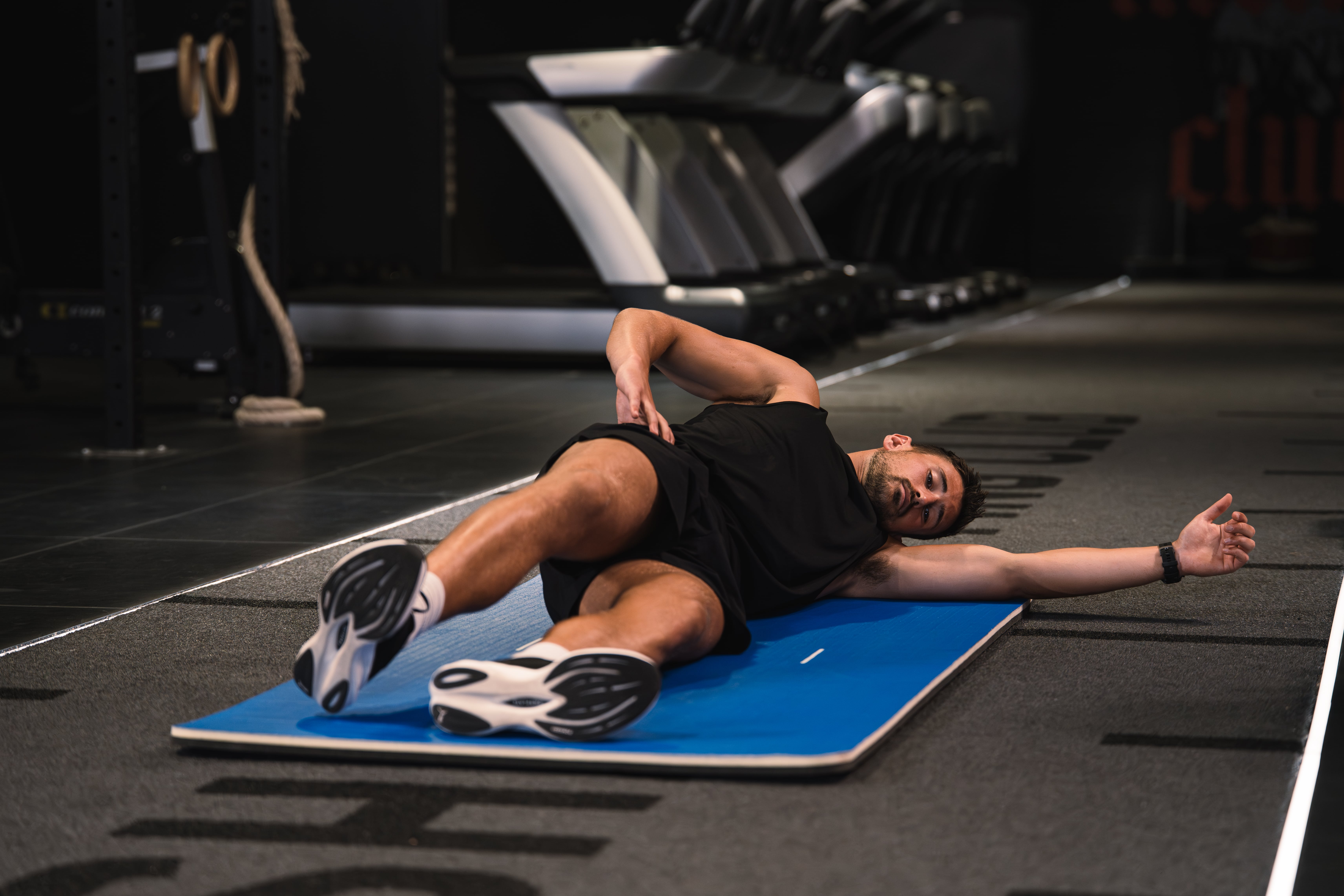
That's where our Pliability mobility app comes in. Instead of guessing which stretches might help, you get guided video sessions targeting exact areas causing stiffness. Our app walks you through movements that address common trouble spots in the hamstrings, hip flexors, glutes, and lower back, helping you build the flexibility and strength needed to move freely again. No equipment required.
The difference between managing stiffness and eliminating it comes down to consistency and precision. Random stretching provides temporary relief. Targeted mobility work, done regularly, changes your baseline. You stop waking up stiff. Your body learns new patterns, and those patterns stick.
But knowing what to do is only half the equation. The other half is understanding which specific movements work and how to fit them into a life that doesn't pause for tight hamstrings.
Related Reading
Quick Wins and Measurable Solutions to Relieve Lower Body Pain
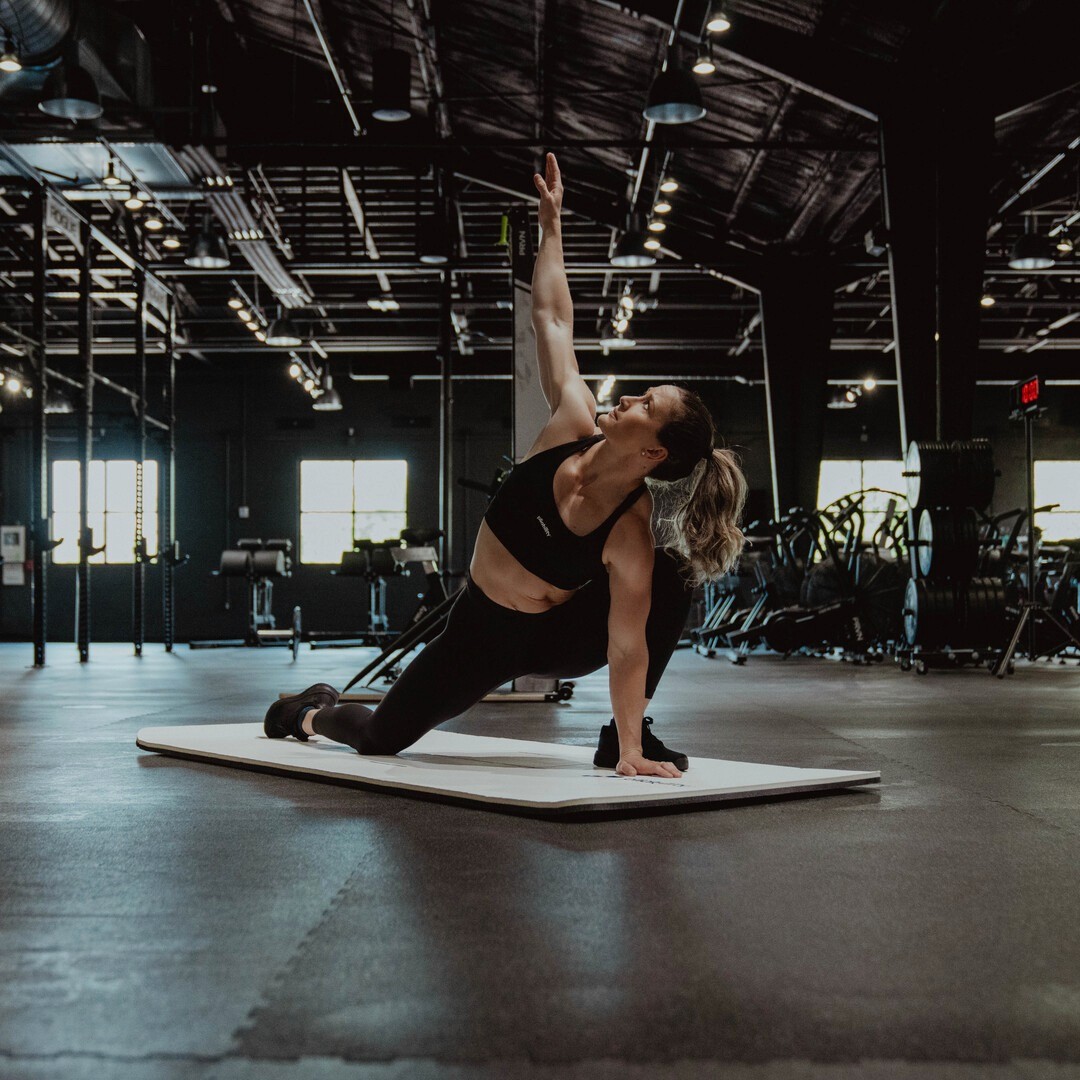
Success in dealing with lower body stiffness starts with defining what you're measuring: improved range of motion, reduced discomfort during daily activities, and enhanced performance in training or sports. Clear criteria let you track progress, adjust your approach, and see results that build over weeks rather than disappear after a few days.
🎯 Key Point: Without measurable goals, you can't tell if your pain relief strategies are actually working or just providing temporary comfort.
"Clear measurement criteria are essential for tracking progress in pain management and ensuring long-term success rather than short-term relief." — Physical Therapy Research Guidelines
💡 Tip: Document your baseline measurements before starting any treatment plan - this includes your current range of motion, pain levels (on a 1-10 scale), and specific activities that cause discomfort.
Why does tissue temperature matter for stretching
Cold tissues are stiffer and less flexible. Stretching without warming up your body first limits how far you can safely increase your range of motion and makes the stretch uncomfortable. According to North Texas Podiatry Associates, AI innovations, holistic approaches, and patient empowerment are reshaping care in 2025, reflecting a shift toward precision and personalization in pain and stiffness management.
How should you prepare your body for deeper stretching
A proper warm-up increases blood flow to your muscles, raises tissue temperature, and signals your nervous system that movement is about to begin. Five to ten minutes of low to moderate dynamic activity (joint circles, leg swings, easy squats) prepares your body for deeper stretching. Heat plus stretching produces significantly larger acute gains in range of motion than stretching alone: warm muscles respond better, joints move more freely, and the stretch feels less threatening, allowing you to go deeper without triggering protective tension.
Why do mobility breaks prevent stiffness?
Sitting for long periods reduces synovial fluid secretion, the lubrication your joints need to move smoothly. The longer you stay still, the stiffer you become. Taking five-minute movement breaks once an hour stops this cycle. Stand, walk, and do simple movements that rotate your hips, flex your knees, and stretch your hip flexors. Movement triggers joint fluid secretion, prevents tightness from setting in, and counteracts postural strain that builds up from holding the same position for hours.
How can you make mobility breaks sustainable?
Setting a timer makes this sustainable. When the timer goes off, you move for five minutes and return to work feeling less stiff. This small habit, repeated daily, changes how stiff you normally feel more than occasional stretching ever will.
How does targeted stretching deliver measurable results?
Doing hip flexor stretches for ten minutes daily can increase your range of motion by 15 to 20 percent in two weeks. This requires focused routines targeting specific areas of tightness: tight hip flexors that tilt your pelvis forward, hamstrings that pull on your lower back, underactive glutes, and calves that limit ankle movement. Random stretching yields no measurable results.
Which stretching techniques produce the largest flexibility gains?
Progressive static passive stretching or PNF (proprioceptive neuromuscular facilitation) stretching after warming up yields the biggest flexibility gains. Hold each stretch for 30 to 60 seconds, focusing on the target muscle rather than the position. If you're stretching your hip flexors but feeling it in your lower back, your form needs adjustment.
Doing stretches consistently over weeks improves your range of motion as your body adapts to end-range tension. Miss a few days, and your gains start to diminish.
How can you ensure you're targeting your actual problem areas?
Most people go through regular routines without knowing if they're addressing their actual problem areas. Tools like Pliability's mobility app provide guided video routines tailored to your specific needs. They walk you through targeted movements for your hamstrings, hip flexors, glutes, and lower back with clear form tips. No equipment needed—just your phone and a structured plan that adapts to your schedule and goals.
How does foam rolling reduce muscle tension?
Foam rolling reduces muscle tension in specific areas, improves blood flow, and releases fascial adhesions that contribute to stiffness. After a workout or long day of sitting, your muscles hold tension that static stretching alone won't address. Foam rolling provides targeted pressure that mimics manual therapy, breaks up tightness, and prepares your muscles for deeper stretching.
What's the proper technique for effective foam rolling?
Focus on your calves, hamstrings, glutes, and IT band. Roll slowly over each area, pausing on tender spots for 20 to 30 seconds. The discomfort should be tolerable, not sharp. If you're grimacing and holding your breath, you're pressing too hard. Combine foam rolling with stretching for a complete mobility session: roll first to reduce muscle tightness, then stretch to improve range of motion.
Why does strength work matter for flexibility?
Stretching improves flexibility, but strength work ensures that flexibility is stable and useful. Weak muscles cannot support the range of motion you gain from stretching; your body compensates by tightening other areas, and stiffness returns. Strengthening your glutes, core, and hip stabilizers gives your body the support needed to maintain improved mobility without reverting to old patterns.
How do you build strength without creating stiffness?
Seated calf raises with weight on your knee strengthen your lower leg muscles without aggravating tight fascia, unlike standing calf raises that load your full body weight onto already stiff tissues. Resistance band work for your hip flexors, glutes, and hamstrings builds strength through the full range of motion you're improving. Active recovery days with light cardio (swimming, cycling, walking) bring blood flow to your muscles without the intensity that creates new stiffness, supporting healing and reducing inflammation.
Posture and Workspace Adjustments: Preventing Daily Strain
How you set up your workspace directly affects daily stiffness. A computer that's too low forces you to lean forward. An unsupported lower back causes slouching. Feet that don't rest flat on the floor tilt your hips. These misalignments create muscle strain that accumulates over hours, leaving you tight and uncomfortable.
Adjust your workspace to keep your posterior chain (head, neck, torso, and legs) aligned. Position your computer at eye level, sit with feet flat on the floor, and use a chair support for your back. These adjustments reduce postural strain and chronic stiffness, allowing your body to maintain neutral alignment without constant muscular effort.
Nutrition and Inflammation Supporting Recovery from the Inside
A diet that reduces inflammation supports recovery from stiffness and soreness. The Mediterranean diet—rich in healthy fats, fruits, vegetables, lean proteins, and whole grains—lowers inflammation throughout your body. Omega-3 fatty acids from fish reduce inflammatory markers, while antioxidants from colourful vegetables protect tissues from oxidative stress. Adequate vitamin D levels reduce stiffness and support muscle function.
Stretching and strengthening alone won't overcome chronic inflammation. Nutrition isn't a replacement for mobility work; it's the foundation that allows mobility work to produce lasting results.
The real question isn't what works—it's how you make it stick when life gets busy, and motivation fades.
Related Reading
Elbow Stiffness And Pain
Mid Back Stiffness
Lower Back Stiffness
Thumb Stiffness And Locking
Upper Back Stiffness
Maintaining Mobility and Preventing Future Lower Body Stiffness
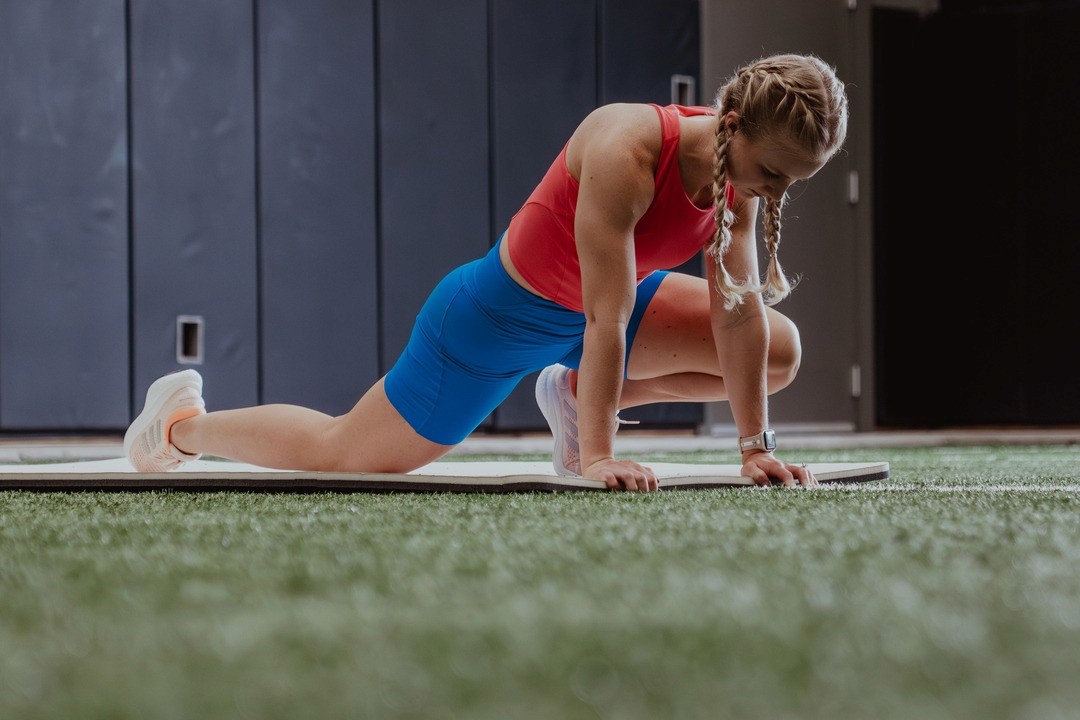
Long-term mobility requires deliberate daily movement patterns, strategic combinations of strength and flexibility work, and environmental adjustments that prevent stiffness—not sporadic stretching or reactive fixes. Athletes who move freely at 50 made mobility a non-negotiable part of their training and daily routines.
🎯 Key Point: Consistency beats intensity when it comes to maintaining mobility—daily movement for 10 minutes outperforms sporadic hour-long sessions that leave you sore and discouraged.
"Athletes who maintain exceptional mobility into their 50s and beyond treat movement as a daily practice, not a reactive solution to pain or stiffness." — Sports Medicine Research, 2023
⚠️ Warning: Environmental factors like prolonged sitting, poor ergonomics, and sedentary work habits will consistently undermine even the best stretching routines—address the root cause, not just the symptoms.
What happens to your body during prolonged sitting?
Sitting for long periods causes physical changes that stretching alone cannot fix. Your hip flexors shorten, your glutes weaken, your body produces less synovial fluid, blood pools in your lower legs, and your spine compresses under constant weight. These problems accumulate daily.
How do micro-movement breaks prevent stiffness buildup?
According to the American Arthritis Foundation, 30 minutes of daily exercise supports joint health and reduces stiffness. However, this cannot offset eight hours of inactivity.
Set a timer every 50 minutes: stand, walk, and perform hip circles, leg swings, or bodyweight squats for three minutes. These movement breaks trigger joint lubrication, reset muscle tension, and prevent the baseline stiffness that makes evening stretching feel like pulling against concrete.
Five three-minute movement breaks during an eight-hour workday total 15 minutes of distributed mobility work that keeps tissues responsive and joints fluid, preventing more stiffness than a single 30-minute stretching session at day's end.
Why does flexibility without strength create problems?
Being flexible without being strong creates unstable movement. You might touch your toes, but if your hamstrings are weak at the end of that range, your body compensates by tightening other muscles to protect the joint. Your nervous system doesn't trust the flexibility you've gained, so stiffness returns.
How does strength work through a full range solve this?
Strength work through the full range of motion solves this. Romanian deadlifts strengthen hamstrings while lengthening. Bulgarian split squats build hip flexor strength at the end range of motion. Goblet squats with a pause at the bottom develop ankle and hip mobility under load. These movements teach your body that deep ranges are safe and functional.
How can you apply progressive overload to mobility work?
Progressive overload applies to mobility as it does to strength. Start with bodyweight movements through your comfortable range, then add resistance as that range expands. A resistance band around your ankles during lateral walks builds hip abductor strength and helps stabilize your pelvis. A light kettlebell during a cossack squat deepens hip and ankle mobility while loading the pattern. Load your mobility work, and the gains stick.
How does your workspace affect your posture throughout the day?
Your workspace either supports neutral alignment or fights against it for eight hours a day. A low monitor forces your neck forward. A chair without lumbar support causes slouching. A desk height that elevates your shoulders or bends your wrists creates muscle tension that spreads through compensatory patterns.
What are the key ergonomic adjustments for proper alignment?
Adjust your setup so your screen sits at eye level, your feet rest flat on the floor, and your hips and knees form 90-degree angles when seated. Your lower back should touch the chair's lumbar support, and your keyboard and mouse should keep your shoulders relaxed. These adjustments determine whether you end your workday feeling tight or neutral.
How can standing desks improve your movement patterns?
Standing desk converters or adjustable-height desks let you switch between sitting and standing throughout the day. The value isn't in standing itself; staying in one position while standing creates its own problems. The benefit comes from changing positions. Sit for 40 minutes, stand for 20. Your body responds better to change than to holding any single posture for hours.
How do you effectively measure mobility improvements?
You can't improve what you don't measure. Weekly range-of-motion assessments provide objective feedback on whether your mobility work is producing results. Test your hip flexion by lying on your back, pulling one knee toward your chest while keeping the other leg flat, and measuring how far your knee travels before your lower back lifts off the ground.
Test your hamstring flexibility with a straight-leg raise. Track your ankle dorsiflexion by measuring how far your knee travels past your toes in a lunge position without your heel lifting.
What should you do with your mobility data?
Record these measurements every Sunday. If your hip flexion improves by five degrees over two weeks, your routine is working. If it stays the same or worsens, something needs to change: stretching more often, adding strength work to stabilize the new range, or addressing inflammation caused by poor nutrition or insufficient sleep, which limits recovery.
Most people skip tracking because it feels tedious, but without it, you're guessing whether your mobility work made a real difference. Data removes the guesswork and shows what's working.
How can technology help track your progress?
Many athletes cycle through generic mobility routines without addressing their actual limitations. Our mobility app provides guided video routines tailored to your specific needs, with built-in assessments that measure range of motion over time.
The app guides you through targeted movements for your hamstrings, hip flexors, glutes, and lower back, with clear progress tracking that shows whether you're improving. No equipment is required: just your phone and a structured plan that adapts to your schedule and goals.
Why does your nervous system respond better to frequent stretching?
Your nervous system adapts to patterns it encounters regularly, not to those it encounters occasionally. Stretching hard once a week creates short-term gains in range of motion that disappear within 48 hours because your body hasn't learned to trust that new range.
Stretching moderately five times a week builds long-term adaptation: your nervous system recalibrates its protective tension response because it recognises end-range positions as safe and familiar.
How does daily practice compare to weekly sessions?
Ten minutes every morning builds more lasting flexibility than a 70-minute session on Sunday. Your body remembers what it practices often and forgets what it encounters once in a while.
The same principle applies to movement breaks during your workday. Five three-minute sessions over eight hours are more effective at preventing stiffness than one 15-minute session at lunch, resetting muscle tension before it hardens into chronic tightness and keeping your joints lubricated.
How do you create sustainable mobility habits?
Set three recurring reminders: movement breaks every hour during work, a 10-minute mobility session each morning, and a weekly range of motion testing every Sunday. These habits create infrastructure for long-term mobility by removing the need for motivation. The timer goes off, and you move.
Track your hip flexion, hamstring flexibility, and ankle dorsiflexion weekly. When progress stalls, adjust your routine: add strength work if flexibility feels unstable, increase stretching frequency if range isn't expanding, or reduce inflammation through better nutrition if soreness persists.
What makes mobility systems work long-term?
Athletes who stay mobile into their 40s, 50s, and beyond created systems that didn't require effort. They made mobility automatic, measurable, and non-negotiable.
Systems work only when designed for your specific body and goals, not adapted from generic templates that ignore your needs.
Relieve Lower Body Stiffness and Move Freely Again With Pliability
If sitting, workouts, or daily life leave your hips, legs, and glutes tight and sore, you know how limiting it becomes. Reduced mobility, increased injury risk, and slower recovery need not be permanent. Eliminating stiffness requires consistently targeting the right muscles with the right movements.
🎯 Key Point: Custom routines are the game-changer for lower body relief.
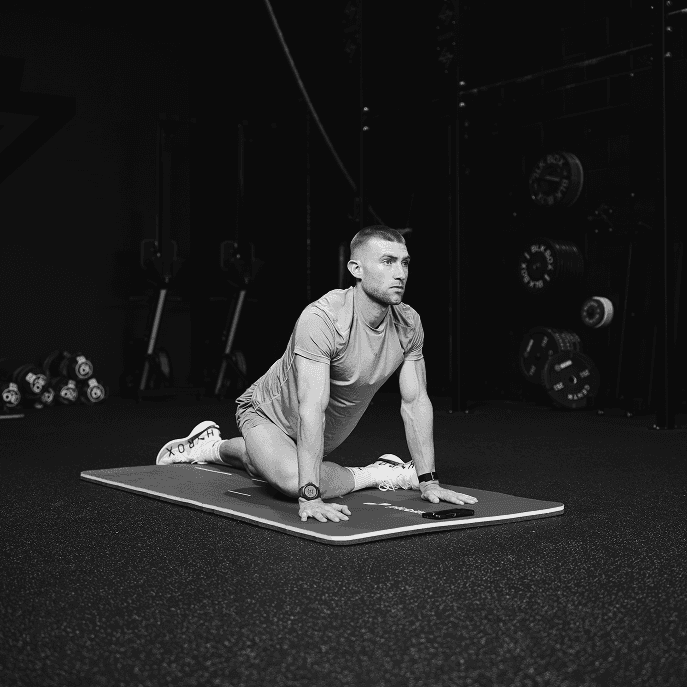
Pliability creates custom routines targeting lower-body stiffness—from hip flexors to hamstrings—with stretches, mobility drills, and recovery exercises designed to drive measurable improvement. A few minutes a day can increase range of motion, reduce discomfort, and improve performance in weeks. No equipment required.
"Consistent mobility work can improve range of motion and reduce stiffness in just weeks with targeted daily practice." — Movement Science Research
💡 Tip: Start your journey to pain-free movement today.
Sign up for 7 days free on iPhone, iPad, Android, or online and start your personalized mobility plan to relieve lower body pain and restore complete flexibility.
Related Reading
Left Arm Stiffness
How To Reduce Stiffness After an Ankle Sprain
Muscle Stiffness Treatment
Hand Stiffness Exercises
How To Get Rid Of Neck Stiffness
Finger Stiffness And Locking Treatment
Best Supplements For Muscle Pain And Stiffness
How To Relieve Morning Back Stiffness
Hip Stiffness Exercises
Stretches For Lower Back Stiffness




Move better in 10 minutes a day.
10,000+ five-star reviews.