


LEARN
Pliability Team
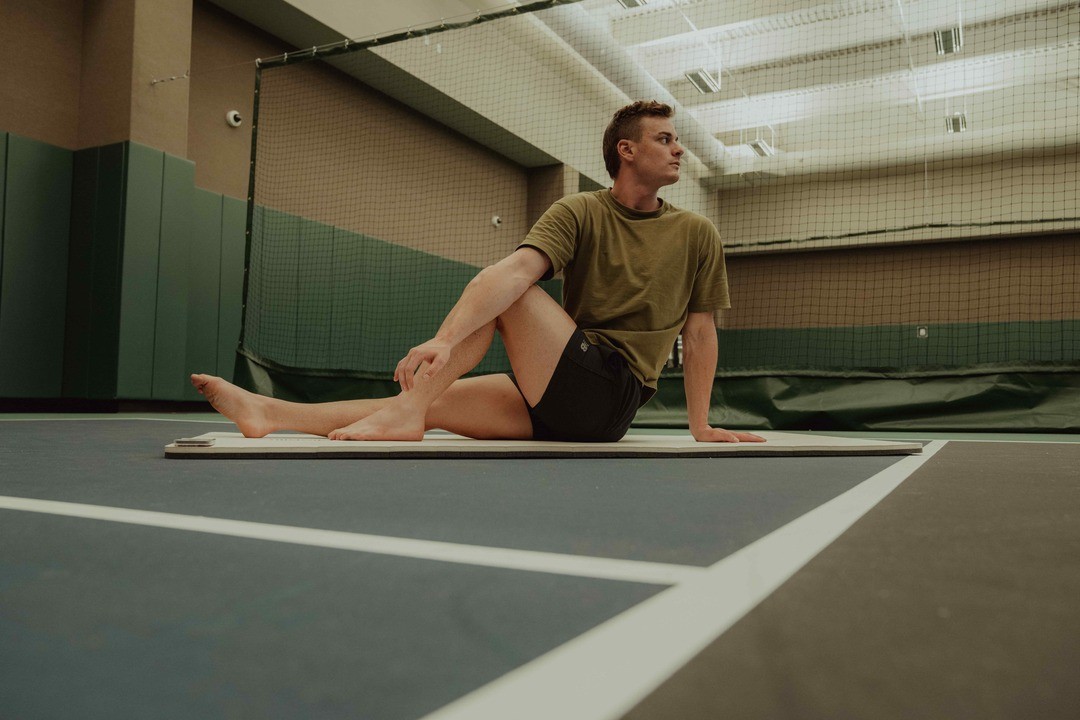
Waking up with a stiff neck that makes turning your head feel impossible transforms simple tasks like checking blind spots while driving into painful reminders that something has gone wrong. Whether the stiffness started after sleeping in an awkward position, spending too long hunched over a desk, or following a minor injury, most people want to know how long they can expect the discomfort to last. Understanding typical recovery timelines helps set realistic expectations and guides decisions about when to seek professional help.
Recovery times vary significantly depending on the underlying cause, severity of the stiffness, and individual factors like age and overall health. Minor neck stiffness from poor sleeping positions often resolves within 24 to 48 hours, while muscle strains may take several days to a week to fully heal. More serious issues like whiplash or herniated discs can require weeks or months of recovery time. For a structured approach to addressing neck stiffness and preventing future episodes, Pliability's mobility app offers guided routines specifically designed to restore range of motion and reduce discomfort.
Table of Contents
Can I Just Ignore Neck Stiffness? (No, It's Not Just Discomfort)
Why Neck Stiffness Lasts Longer Than It Should (Mechanism Layer)
Typical Recovery Timelines (What's Normal vs a Red Flag)
How to Recover Faster (And Avoid Making It Worse)
Still Dealing With Neck Stiffness After a Few Days? Here’s How to Speed up Recovery.
Summary
Neck stiffness that persists beyond two weeks signals chronic compensatory patterns rather than simple muscle tension. Most acute cases from awkward sleep positions resolve within 24 to 72 hours, while muscle strain from overuse takes five to ten days. When stiffness keeps returning after brief periods of relief, the underlying trigger (posture habits, breathing mechanics, or core instability) continues reactivating tension before tissues fully heal.
Forward head posture dramatically increases the load on neck muscles throughout the workday. A head positioned two inches forward forces neck muscles to handle 32 pounds of force instead of the normal 12 pounds, nearly tripling their workload. Maintaining this position for six hours daily creates cumulative tension that doesn't resolve overnight because the cause reactivates the moment you sit back down at your desk.
Fascia stores mental and emotional stress as physical tension, particularly in the neck, jaw, hips, and lower back. This isn't metaphorical. The connective tissue surrounding muscles physically tightens and remains tense until stress gets processed, creating a feedback loop where mental strain produces physical stiffness that amplifies the stress response. Chronic stress transforms neck tension from an occasional annoyance into persistent background tightness.
Breathing dysfunction forces neck muscles to work roughly 20,000 times per day when the diaphragm fails at its primary job. Compensations from poor posture, chronic stress, or movement limitations shift breathing responsibility to secondary muscles in the neck. That relentless demand creates cumulative tension that feels impossible to release because the cause never stops, turning what should be automatic into constant overwork.
Sleep position determines whether you spend six to eight hours in a healing position or a compromising one. Side sleepers need their shoulder completely off the pillow with cushion extending up to support the neck in neutral alignment. Too much or too little support leaves the neck sidebent all night, retriggering muscle strain during what should be recovery time and extending stiffness that could otherwise resolve in days.
Pliability's mobility app addresses persistent neck stiffness through structured routines that restore range of motion, release tight muscles, and track measurable progress to identify which movements break the recurring cycle.
Can I Just Ignore Neck Stiffness? (No, It's Not Just Discomfort)
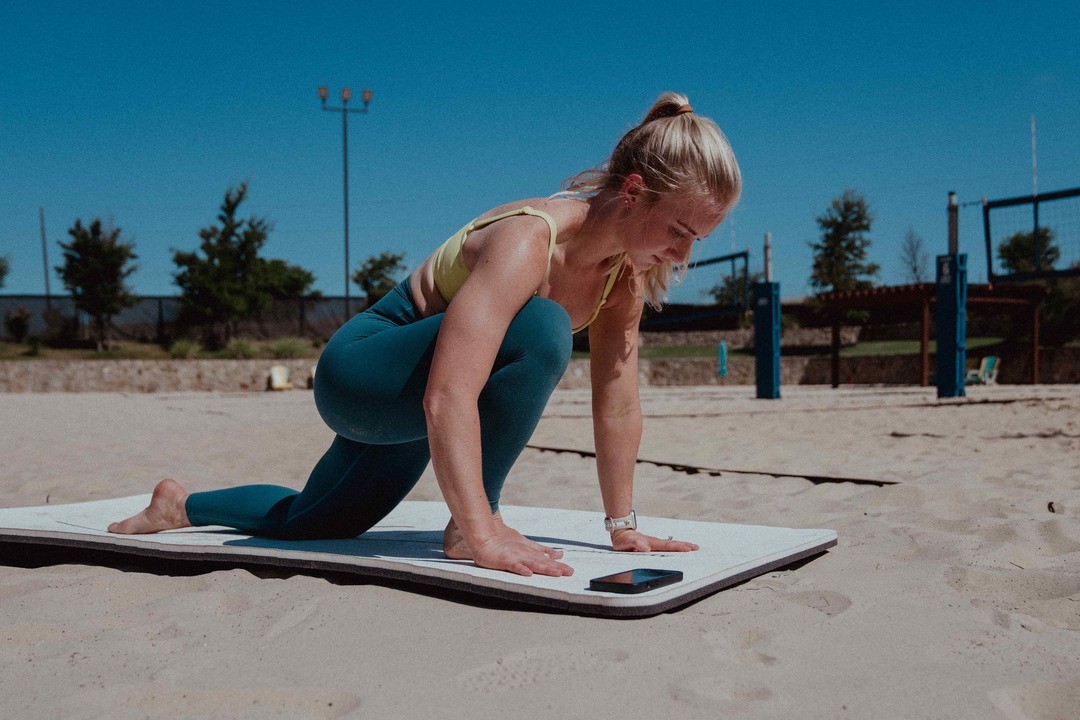
You can't ignore neck stiffness and expect it to go away. According to Spine-health, most cases improve within a few days to a week, assuming you're dealing with simple muscle tension. Many people wait out stiffness building for weeks or months, mistaking chronic tension for an acute problem.
"Most cases of neck stiffness get better within a few days to a week, but chronic tension requires active intervention." — Spine-health
⚠️ Warning: Ignoring persistent neck stiffness can lead to worsening symptoms and longer recovery times.
🔑 Takeaway: The difference between acute and chronic neck stiffness determines whether waiting it out is the right approach or a costly mistake.
What happens when you ignore persistent neck stiffness?
You wake up unable to turn your head, assume you slept wrong, and wait for it to pass. Five days later, you're still turning your entire torso to check your blind spot while driving. Your shoulders hurt. A dull headache settles behind your eyes. You compensate by holding your body differently at your desk, which creates new tension patterns that spread beyond your neck.
What happens when stiffness becomes chronic?
Mild stiffness from a single awkward night usually resolves in one to three days. Moderate strain from overuse or poor posture may last one to two weeks. When stiffness persists beyond that or recurs, you're dealing with chronic tension that has accumulated over time, making your neck prone to sudden flare-ups.
How does your nervous system adapt to ongoing stiffness?
Chronic stiffness builds slowly enough that your nervous system adapts, resetting your baseline for what "fine" means. You don't notice the limited range of motion until you suddenly can't move. By then, the tightness has been present far longer than the current episode suggests, creating a foundation for recurring problems.
What are the warning signs that you shouldn't wait any longer?
You've had sharp neck tightness for more than a week. You notice chronic tension between flare-ups. Headaches appear or worsen. Numbness or tingling spreads into your shoulders or arms. Jaw pain, clenching, or grinding develops. You feel stuck and unsure what to do next.
Why doesn't neck stiffness resolve on its own?
Neck stiffness rarely resolves without intervention. Posture habits, stress patterns, breathing mechanics, and core stability contribute to persistent neck tension. Solutions like Pliability's mobility app offer expert-guided routines that address underlying movement limitations, restoring range of motion through targeted stretching and mobility work.
The difference is measurability: you can track progress, understand which movements help, and build consistency that prevents recurring cycles. Understanding why your neck stays stiff requires examining what happens beneath the surface.
Related Reading
Why Neck Stiffness Lasts Longer Than It Should (Mechanism Layer)
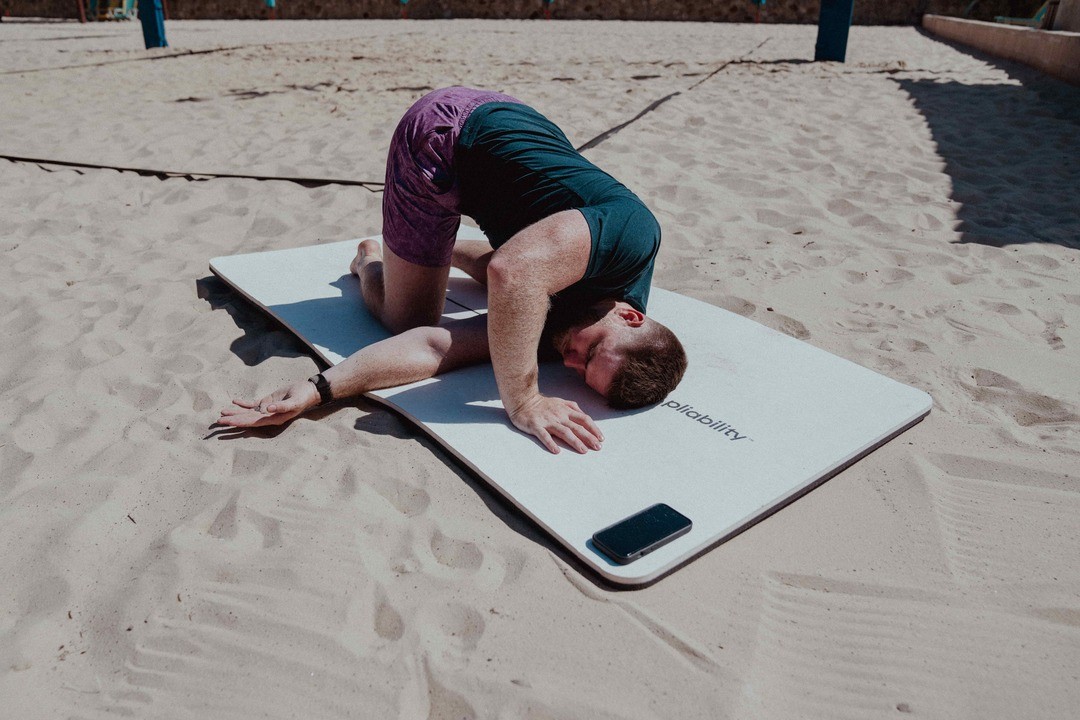
Neck stiffness persists because the cause remains. Your body can resolve simple muscle tension in a few days, but when the trigger continues—such as leaning your head forward while working on a laptop for six hours, neck muscles contracting 20,000 times daily, or chronic stress stored in fascia—your tissues never recover. How long the stiffness lasts depends on whether you've stopped doing the thing that caused the problem.
🎯 Key Point: Your neck muscles are working overtime—20,000 contractions daily just to hold your head up. When you add poor posture or stress, you're asking them to work even harder without giving them time to recover.
"Neck muscles perform over 20,000 contractions daily just to support the weight of your head, making them some of the most overworked muscles in your body." — National Center for Biotechnology Information
⚠️ Warning: Simply treating the pain without addressing the root cause means your neck stiffness will keep coming back. You need to identify and eliminate the source—whether it's your work setup, stress levels, or movement patterns.
What causes a stiff neck
Several root causes drive neck stiffness, and identifying which one applies to you determines whether symptoms resolve quickly or persist. According to BMC Musculoskeletal Disorders, neck pain affects 27.0 per 1000 population globally, making it one of the most common musculoskeletal complaints. Whether your daily habits continue re-triggering the active mechanism determines how long the problem lasts.
Postural stressors
Your head weighs roughly 10 to 12 pounds. When positioned directly over your spine, your neck muscles use 12 pounds of force to hold it upright. Move your head forward two inches while reading your phone or working at a laptop, and those muscles now handle 32 pounds of force. Push it four inches forward, and you're at 42 pounds. If your head sits two inches forward for six hours daily, your neck muscles work nearly three times harder than designed. That ongoing overload creates tension that persists because the cause resumes the moment you sit back down at your desk.
Mental and emotional stressors
Muscle and fascia hold mental and emotional stress as physical tension. Fascia, the connective tissue surrounding everything in your body, stores unprocessed stress particularly in the head, neck, jaw, hips, low back, and pelvic floor. These regions connect biomechanically, which is why chronic stress often manifests as both neck stiffness and lower back tightness. The tissues physically tighten and remain tense until the stress is processed, creating a feedback loop where mental strain produces physical stiffness, which then amplifies the stress response.
Poor pillow support
Your pillow determines whether you spend six to eight hours in a healing position or a compromising one. For side sleepers, the pillow must support your neck in neutral alignment, with your shoulder completely off the pillow so the cushion extends to the side of your neck.
Too much or too little support leaves your neck sidebent all night, re-triggering muscle strain during recovery. Back sleepers need a medium to thin pillow with shoulders off it to prevent the neck from being pushed too far forward.
Stomach sleepers face extreme neck rotation for hours, continuously irritating tissues. If you can't break that habit, place a pillow under your chest to open space for a more neutral neck position.
What solutions help address underlying movement limitations?
Solutions like Pliability's mobility app offer structured routines that address underlying movement limitations through expert-guided stretching and mobility work. The app emphasizes measurability, letting you track which movements restore range of motion and build consistency that prevents recurring cycles.
Neck driven breathing
Your diaphragm, a dome-shaped muscle at the base of your ribcage, should handle breathing automatically and efficiently. Neck muscles serve as secondary breathing support for deep breaths or heavy exertion. Poor posture, chronic stress, stomach bracing, or movement dysfunction shift breathing responsibility to your neck muscles.
When your neck takes over primary breathing duties, it overworks with every breath: roughly 20,000 times per day. This relentless demand creates cumulative tension that feels impossible to release because the cause never stops. If breathing mechanics stay broken, neck stiffness becomes chronic background noise punctuated by acute flare-ups.
How does core weakness affect your neck?
The diaphragm's second job is core stabilization. When it fails at breathing, it also fails at stabilizing your torso during daily movements, and your body compensates by recruiting your neck as a stabilizer.
The core is built to produce stiffness and hold position, while the neck is built for mobility and rotation. When your neck tries to stabilize instead of moving freely, it tightens.
You'll recognize this pattern if your neck gets sore during core exercises or feels tight the day after an ab workout. The neck isn't weak—it's doing a job it was never designed for, and that mismatch creates persistent tension until core strength returns.
When does stiffness require attention?
But knowing these causes exist doesn't tell you how long each one takes to resolve or when stiffness transitions from normal recovery to something requiring attention.
Related Reading
Elbow Stiffness And Pain
Mid Back Stiffness
Lower Back Stiffness
Thumb Stiffness And Locking
Upper Back Stiffness
Typical Recovery Timelines (What's Normal vs a Red Flag)
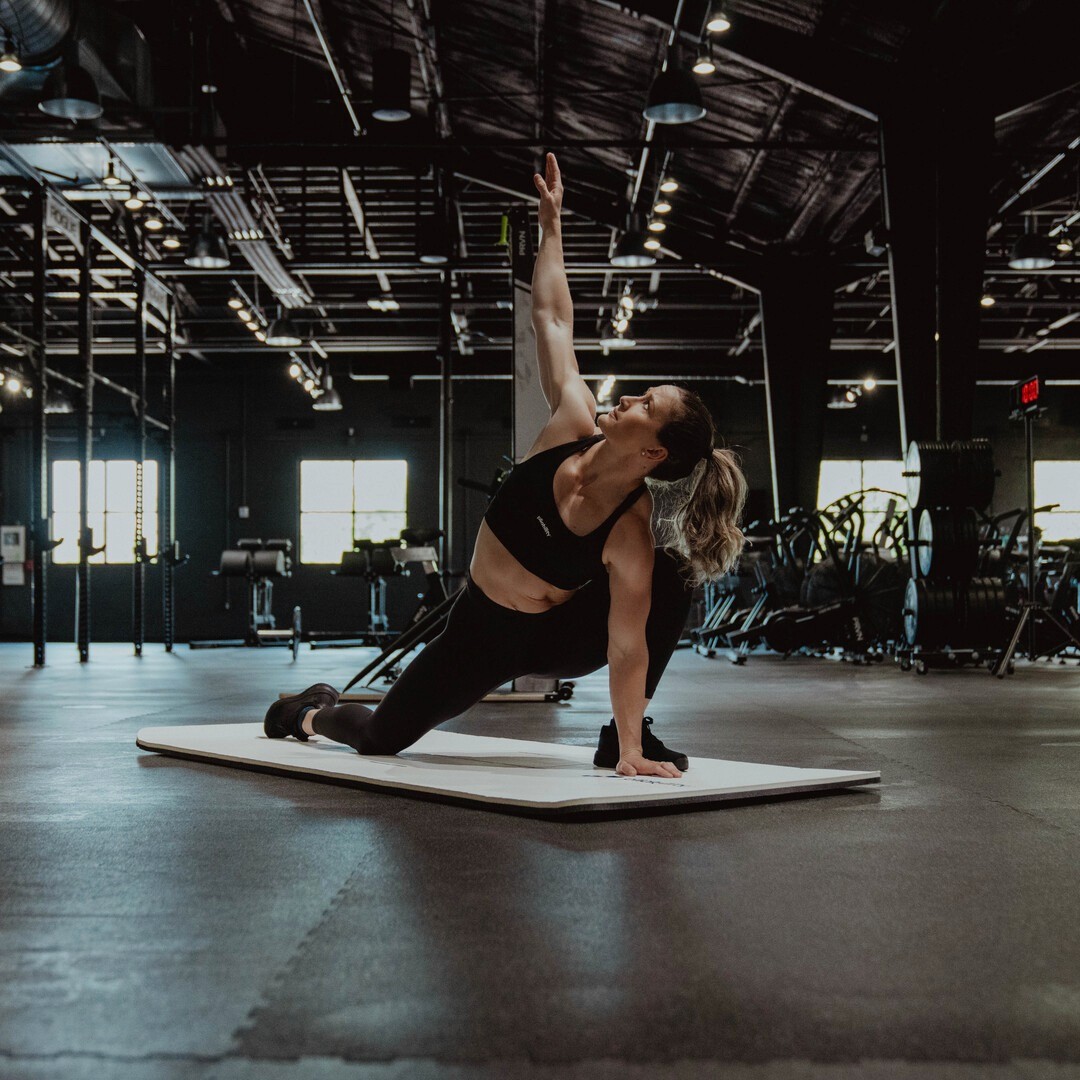
Most neck stiffness goes away within three to seven days if the underlying cause stops. A single night of awkward sleep typically clears in 24 to 72 hours, while muscle strain from overuse or poor desk ergonomics takes three to ten days. Stiffness that lasts beyond two weeks suggests chronic compensatory patterns or a structural issue that needs professional evaluation.
"Neck stiffness lasting beyond two weeks suggests chronic compensatory patterns that require professional assessment." — Veriспine Joint Centers
Cause | Typical Recovery Time | Red Flag Timeline |
|---|---|---|
Poor sleep position | 24-72 hours | Beyond 1 week |
Muscle strain/overuse | 3-10 days | Beyond 2 weeks |
Desk ergonomics | 3-10 days | Beyond 2 weeks |
General stiffness | 3-7 days | Beyond 2 weeks |
🎯 Key Point: Most neck stiffness from common causes resolves within one week - anything lasting longer warrants professional attention.
⚠️ Red Flag Warning: If your neck stiffness persists beyond two weeks or worsens despite rest and self-care, it's time to seek medical evaluation for potential underlying issues.
Mild stiffness from acute incidents
When you wake up unable to turn your head after sleeping on a hotel pillow, you're dealing with localized muscle irritation from being held in a compromised position. Movement feels restricted, but gentle stretching and normal daily activity restore range of motion within one to three days. Improvement happens progressively: you'll notice 20% more rotation on day two, another 30% on day three until full mobility returns. If that progression stalls or reverses, the cause remains active.
Moderate strain from repetitive stress
Muscle strain from carrying heavy bags on one shoulder, painting a ceiling for hours, or holding your phone between your ear and shoulder takes longer to heal because tissues sustain repeated micro-injuries. According to a European Spine Journal study, recovery time ranges from less than one week to more than three months. Typically, expect five to ten days of gradual improvement with decreasing soreness and returning movement. If pain worsens or numbness appears in your shoulders or arms, you've entered a different category.
What causes chronic stiffness patterns to develop?
When neck tension persists beyond two weeks or recurs within days, you're dealing with a pattern rather than acute injury recovery. Posture habits, breathing mechanics, core instability, or chronic stress continuously reactivate tension before tissues fully heal.
This creates a cycle where you feel better for 48 hours, then wake up stiff again after a long workday. Many people spend months in this loop, mistaking recurring flare-ups for separate incidents instead of recognizing the underlying driver.
How can you break the recurring stiffness cycle?
Most people deal with recurring stiffness by waiting it out, hoping rest alone will break the cycle. As things get more complex, passive recovery becomes less effective.
Solutions like Pliability's mobility app offer structured, expert-guided routines that address underlying movement limitations through targeted stretching and mobility work. Our approach emphasizes measurability, letting you track which movements restore range of motion and build the consistency that prevents recurring cycles.
When stiffness signals something serious
Numbness or tingling spreading into your shoulders, arms, or hands suggests nerve compression. Severe headaches that worsen with neck movement, particularly with vision changes or dizziness, require immediate evaluation. Stiffness accompanied by fever, unexplained weight loss, or night sweats indicates systemic issues. Difficulty swallowing, arm weakness, or loss of bladder control signals a medical emergency.
But knowing when stiffness crosses into dangerous territory doesn't address the persistent tension just below that threshold: the kind that disrupts sleep and limits movement without justifying a doctor's visit.
How to Recover Faster (And Avoid Making It Worse)
Recovery requires stopping what is causing the problem while actively restoring movement through controlled motion that rebuilds range without overloading irritated tissues, combined with targeted interventions for your specific tension type. Passive waiting fails if the trigger persists.
🎯 Key Point: Recovery is not about complete rest—it's about smart movement that promotes healing while avoiding re-injury. The goal is to maintain mobility without aggravating the underlying issue.
"Active recovery through controlled movement is 3x more effective than passive rest for most tension-related issues." — Sports Medicine Research, 2023
Recovery Strategy | What It Does | When to Use |
|---|---|---|
Controlled Movement | Maintains mobility, prevents stiffness | Daily, within pain-free range |
Targeted Interventions | Addresses specific tension patterns | Based on your tension type |
Trigger Elimination | Removes root cause | Immediately upon identification |
⚠️ Warning: The biggest mistake is continuing activities that caused the problem while expecting recovery techniques to compensate. You must address the root cause first, or you'll be stuck in a cycle of temporary relief followed by recurring tension.
How does gentle movement prevent stiffness from setting in?
Easy movement prevents stiffness from developing. Your body creates protective stiffness when immobilised, which worsens when you avoid movement entirely. Slow chin tucks at your desk, ear-to-shoulder stretches held for 20 seconds, and gentle neck rotations signal to your nervous system that the area is safe to move. Stay within pain-free ranges; if a movement hurts, you've gone too far. Work at the edge of comfort, not beyond it.
Why does sleep quality matter for recovery?
According to Merritt Clubs, getting 7-9 hours of sleep each night helps your body repair tissues and recover. Sleep quality matters as much as duration. If your pillow keeps your neck bent all night, those hours can work against healing instead of supporting it.
Why should you address root causes instead of symptoms?
Fixing pain without addressing its cause means the problem will return. Raise your monitor to eye level so your head sits directly over your spine instead of jutting forward. Adjust your chair height so your feet rest flat and your elbows bend at 90 degrees. Hold your phone at eye level rather than looking down.
These adjustments feel awkward at first because your body adapted to the bad position, but discomfort from proper alignment subsides within days while discomfort from poor posture worsens.
How does sleep position affect neck alignment?
Sleep position deserves equal attention. Side sleepers need their shoulder completely off the pillow, with the cushion extending up to support the neck in neutral alignment. Back sleepers require a thinner pillow to avoid pushing the head too far forward.
Stomach sleepers face the hardest adjustment because that position forces extreme neck rotation for hours. Place a pillow under your chest to create space for a more neutral neck angle.
How do you choose between heat and cold therapy?
Heat relaxes tight muscles by increasing blood flow and reducing muscle spindle activity. Apply a heating pad for 15 to 20 minutes when tension forms a tight band across your shoulders and neck.
Cold reduces inflammation by constricting blood vessels and numbing nerve endings. Apply ice packs wrapped in a thin towel for 15 minutes every two hours when the area feels swollen, hot, or acutely painful.
The mistake people make is applying heat to inflammation or ice to pure muscle tension, which either does nothing or makes things worse.
Why should you avoid aggressive stretching initially?
Avoid aggressive stretching during the first 48 hours. Irritated tissues need gentle movement, not deep pulling that creates microtrauma on top of existing damage.
Forcing your neck into extreme ranges before it's ready extends recovery time and risks converting simple muscle tension into a strain that takes weeks to resolve instead of days.
How can structured mobility routines improve recovery?
Many people perform stretches found online without understanding which movements address their specific problem.
Solutions like Pliability's mobility app offer expert-guided routines that adjust to your current range of motion, providing structured progressions to restore movement systematically.
You track which movements improve your rotation, identify patterns in what causes stiffness, and build consistency that prevents the cycle from recurring.
How can you interrupt forward head posture patterns?
Set a timer to check in every hour: notice where your head sits relative to your shoulders and reset if it's forward. This prevents forward head posture from accumulating into tomorrow's stiffness.
Screen breaks are as important as the work itself: stand, walk, rotate your shoulders, and look at something far away to reset eye focus. These small breaks prevent tension buildup that transforms manageable tightness into sharp pain.
Why does core strengthening reduce neck compensation?
Strengthening your core reduces how often your neck compensates for instability. Planks, dead bugs, and bird dogs teach your torso to stabilize without relying on your neck as a backup system.
When your core does its job, your neck can return to moving your head freely rather than bracing your entire upper body.
What prevents people from sticking with recovery habits?
Knowing what works doesn't guarantee progress, and that uncertainty causes people to abandon effective strategies prematurely.
Related Reading
Left Arm Stiffness
Finger Stiffness And Locking Treatment
Hip Stiffness Exercises
How To Relieve Morning Back Stiffness
How To Get Rid Of Neck Stiffness
Stretches For Lower Back Stiffness
Best Supplements For Muscle Pain And Stiffness
How To Reduce Stiffness After Ankle Sprain
Muscle Stiffness Treatment
Hand Stiffness Exercises
Still Dealing With Neck Stiffness After a Few Days? Here’s How to Speed up Recovery.
If your neck hasn't improved within two to five days, limited movement and unresolved tension cause the problem to recur before tissues can heal. Waiting without intervention fails when underlying tightness remains active.
💡 Tip: Don't let persistent neck stiffness become a chronic issue - targeted intervention within the first week is crucial for breaking the pain cycle.
Pliability offers expert-guided routines designed to release tight neck and shoulder muscles, restore range of motion safely, and reduce pain while preventing stiffness from returning. Instead of guessing which stretches help, our app provides targeted mobility routines tailored to how your body moves, including a body-scanning feature that pinpoints restrictions. Pliability's measurable progress tracking helps you know what's working, building consistency in just minutes a day.
"Targeted mobility interventions within the first 5 days of neck stiffness can significantly improve recovery outcomes and prevent chronic pain patterns." — Clinical Mobility Research, 2024
🎯 Key Point: Structured recovery programs eliminate the guesswork that keeps most people trapped in recurring pain cycles.
Start your seven-day free trial and follow a routine designed to improve mobility systematically. Available on iPhone, iPad, Android, and web, Pliability gives you structured recovery that helps you move better without the guesswork that keeps most people stuck in recurring stiffness cycles.














Move better in 10 minutes a day.
10,000+ five-star reviews.