


LEARN
Pliability Team
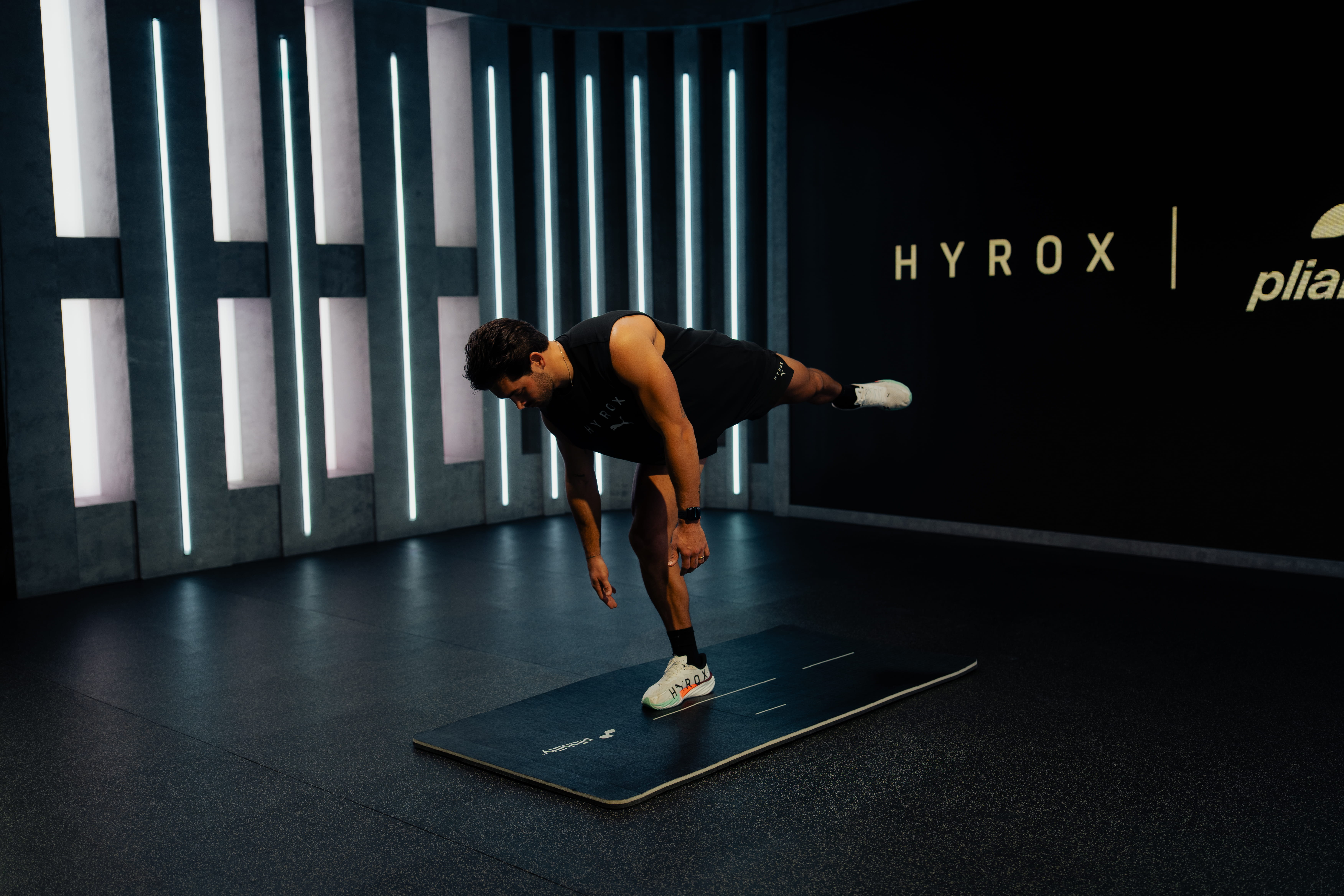
Elite athletes move with power and precision because they follow proven methods that build explosive strength, lightning speed, and relentless endurance. The difference isn't genetics or fancy equipment but strategic workout programming, proper recovery protocols, and movement quality. These same principles can transform any training routine and deliver measurable gains that show up when it matters most.
Building an athletic foundation requires more than grinding through workouts. Bodies need proper preparation and recovery tools to handle intense training loads without breaking down. Targeted mobility work complements strength and conditioning by ensuring muscles and joints can handle athletic demands while reducing injury risk. Consider incorporating a mobility app to enhance movement quality and support consistent progress.
Table of Contents
Why Most People Never Train Like Real Athletes (Even If They Work Out Regularly)
What Does It Actually Mean to Train Like an Athlete, and Is It Possible for Non-Athletes?
The Key Components of an Athlete-Level Training Program
How to Start Training Like an Athlete (Without Burning Out)
Train Like an Athlete? Don't Skip the Mobility That Makes It Work
Summary
Split-training routines that isolate muscle groups to true fatigue produce better hypertrophy results than repeating full-body circuits indefinitely. When you work upper-body push movements on Monday, lower-body strength on Wednesday, and upper-body pull on Friday, each session drives specific muscles close to failure without systemic fatigue overwhelming the entire week. The body adapts to the demands you place on it, not the effort you feel during the session.
Most training sessions should last 30-60 minutes according to TrainingPeaks, which means you don't need marathon workouts to see results. You need focused sessions where every set, every interval, and every stretch serves a clear purpose within your weekly rotation. When you alternate between dumbbell lifts, bodyweight circuits, plyometric drills, core stability work, and mobility flows, you're training different energy systems and movement patterns, keeping your body capable across multiple demands rather than becoming narrowly adapted to one type of stress.
According to Precision Hydration, overtraining can cause a 10-20% decrease in performance, which is why most elite athletes use progressive overload training programs. Smart athletes carefully balance high-intensity versus low-intensity training days, heavy lifting versus cardio or speed-and-agility work, and training versus recovery blocks. Planning one deload week about every 4-6 weeks lets your body fully adapt and recover without derailing progress.
Maintaining a 2:1 pull-to-push ratio (3:1 in people with shoulder issues) is standard protocol among most strength coaches. Given that most people are fairly weak in their upper back, coupled with the fact that they overdo vertical pulling and horizontal pushing (lat pulldowns and bench), it's always a safe bet to do more horizontal rowing. Your upper back can handle quite a bit of volume, but most neglect it due to poor programming.
Strength without range of motion creates compensation patterns that eventually break down. If your hips don't extend fully, your lower back takes over during deadlifts. If your shoulders lack internal rotation, your elbows absorb stress during pressing movements. These aren't dramatic failures you notice immediately; they're small inefficiencies that compound over months until something hurts enough to stop you from training altogether.
Pliability's mobility app addresses this by offering daily programs tailored to your body and goals, a full library of guided routines to improve flexibility and range of motion, and a body-scanning feature that pinpoints tight areas and imbalances before they become problems.
Why Most People Never Train Like Real Athletes (Even If They Work Out Regularly)
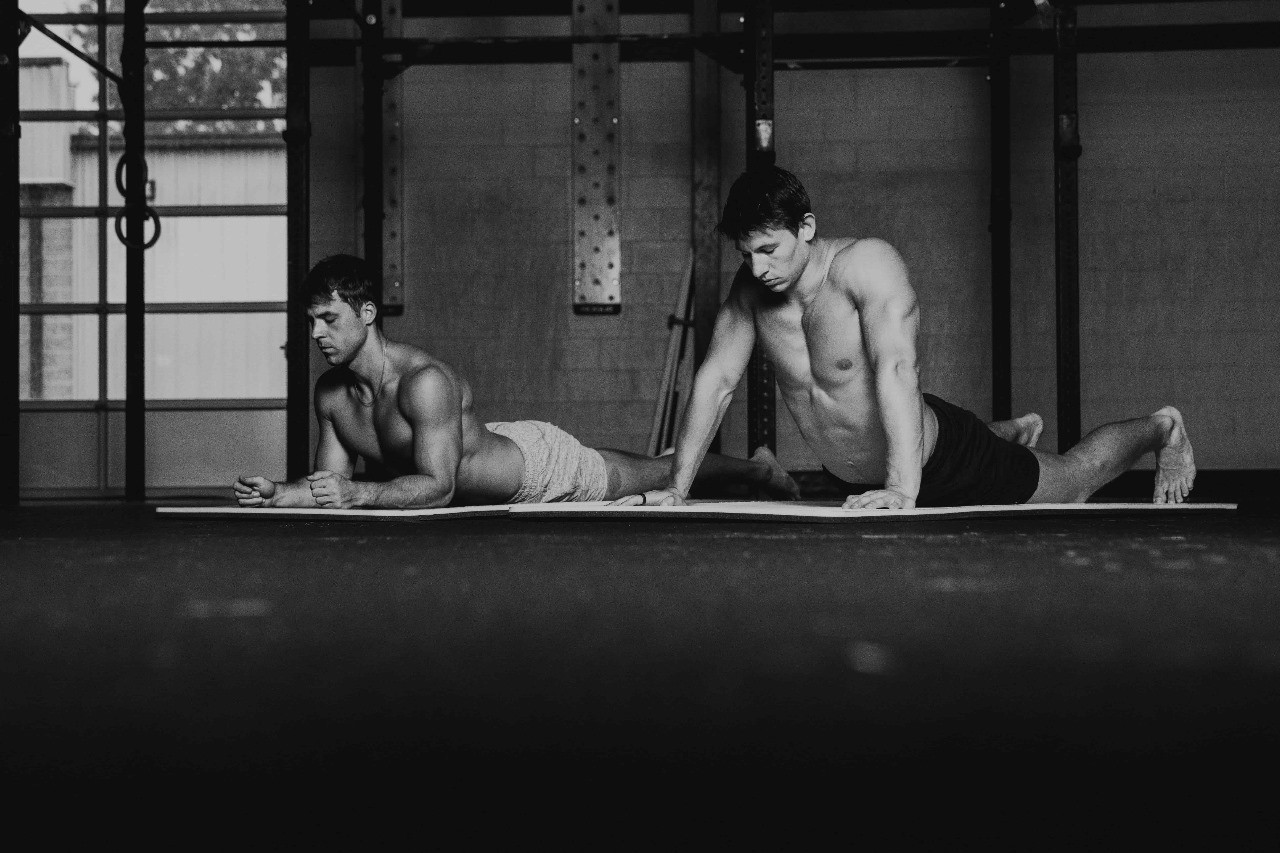
What's the real difference between working out and training like an athlete?
Working out hard doesn't mean you're training like an athlete. People push themselves in the gym six days a week, leaving puddles of sweat on the floor, only to wonder why they're not getting stronger or faster. The gap isn't intensity: it's structure.
How does structured training create better results?
Athletes follow a plan that rotates between strength, power, conditioning, mobility, and recovery. Each session serves a specific purpose within a larger plan designed to build capacity over time, rather than simply burn calories or induce soreness.
According to Simple Solutions Fitness, athletes work out 4–6 times per week for 1.5–3 hours, in addition to sport-specific training and conditioning. Each session targets a specific goal: building explosive power on Tuesday, improving aerobic capacity on Thursday, and restoring range of motion on Saturday. The average personal training client attends the gym 2–4 times per week without this intentional rotation, repeating similar workouts that feel productive but yield no progress without exercise variation.
Why do random workouts create fatigue without direction?
The most common pattern is people doing whatever feels hard that day: a heavy leg day because they're motivated, or a long run because the weather's nice. There's no rotation of training types, no performance benchmark, and no recovery strategy—effort piled on effort until something hurts or motivation drops.
This creates fatigue without progress because the body adapts to patterns, not chaos. You can't build power without explosive training, and you can't improve endurance if conditioning is an afterthought.
How does a lack of structure prevent progress tracking?
Without structure, there's no feedback loop. Athletes track metrics tied to specific outcomes: sprint times, vertical jump height, recovery heart rate, and range of motion improvements. They know whether last week's work translated into this week's performance.
Without that clarity, you're guessing whether you're getting better or just getting tired. Training without clear measurements becomes a grind with no finish line, leading to burnout or indefinite plateaus.
Why do athletes prioritize mobility work?
One piece of the random workout routine that gets skipped is intentional mobility work. Athletes treat it as non-negotiable because strength without range of motion leads to compensation patterns and injury.
If your hips don't extend fully, your lower back compensates during deadlifts. If your shoulders lack internal rotation, your elbows absorb stress during pressing movements. These inefficiencies accumulate over months until something breaks down.
Tools like Pliability's mobility app offer guided routines that address specific movement limitations, making mobility work accessible outside a training facility.
How does skipping recovery affect performance consistency?
Skipping structured recovery and mobility doesn't cause immediate pain; it causes inconsistent results. You might feel strong one week and stiff the next, with no clear reason why.
Performance becomes unpredictable because you're not managing tissue quality, joint preparation, and nervous system readiness. Athletes rotate these elements on purpose, separating purposeful training from mere hard work.
But knowing that structure matters is only half the equation; the harder question is whether that training applies to someone who isn't competing.
Related Reading
What Does It Actually Mean to Train Like an Athlete, and Is It Possible for Non-Athletes?

Training like an athlete means treating your body as a system that responds in predictable ways to structured inputs. It's goal-driven work built around progressive overload, where you gradually increase demands on strength, speed, endurance, or mobility over time. The process is simple: apply a stimulus, recover from it, adapt to it, then repeat with slightly more challenge. This framework—train with intention, track what matters, recover strategically, and build capacity systematically—applies to any physical goal, not just professional sports.
🎯 Key Point: The athletic training mindset isn't about elite performance—it's about applying systematic progression and strategic recovery to whatever fitness level you're starting from.
"Progressive overload is the fundamental principle behind all strength and conditioning programs, requiring gradual increases in training stimulus to drive continuous adaptation." — National Academy of Sports Medicine
💡 Tip: You don't need professional coaching or elite genetics to benefit from athletic training principles—just the discipline to track progress, prioritize recovery, and increase intensity in measurable increments over time.
Why do athletes measure performance instead of just tracking effort?
Athletes don't guess whether they're improving. They measure sprint times, lifting volume, heart rate recovery, or changes in range of motion because those numbers reveal whether the training cycle is working. If your squat depth improves by three inches over six weeks, that's adaptation. If your resting heart rate drops by 5 beats per minute after a conditioning block, your cardiovascular system has responded. The difference between training and working out is feedback: one tells you whether last month's effort produced this month's capacity, while the other leaves you tired.
How does progressive overload require measurable tracking?
Most people skip tracking because it feels tedious when not competing. But the body doesn't care about your goals—it only responds to stimulus and recovery. If you lift the same weights for the same reps every week, your body has no reason to adapt. If you run at the same pace indefinitely, your aerobic system stops improving. Progressive overload requires knowing what you did last week and doing slightly more this week: adding five pounds, running an extra quarter-mile, or holding a stretch for ten seconds longer.
Why does skipping recovery prevent adaptation
The train, recover, adapt cycle breaks down when people treat recovery as optional. A well-conditioned horse can carry loads closer to 30% of body weight on long rides because conditioning builds capacity, technique reduces strain, and recovery prevents breakdown. The same applies to human training: you handle more volume, intensity, and frequency when tissues are prepared, joints move well, and your nervous system isn't chronically fatigued. Skip recovery inputs, and the system degrades faster than it rebuilds.
How does structured recovery become measurable?
Our mobility app solves this problem by making structured recovery available outside a training facility. Most people know they should stretch or work on mobility, but don't because it feels unstructured or unimportant. Targeted routines that address specific movement limitations, guided by experts who understand how tissue quality and joint preparation affect performance, turn recovery into a measurable training input. When mobility work becomes as routine as your workout, you stop breaking down unpredictably and start adapting consistently.
How can non-athletes adapt the system with lower volume?
You don't need to train six days a week for three hours to benefit from athletic structure. The framework scales. If you train three times per week, rotate between strength, conditioning, and mobility instead of repeating the same workout. If you lift twice per week, track whether you're adding reps or load over time. If you stretch once per week, measure whether your hip extension or shoulder rotation improves month to month. The system works because it's built on principles, not protocols: progressive overload, intentional recovery, and measurable feedback apply whether you're training for a marathon or improving your performance as you age.
Which system components should you prioritize first?
But knowing the system exists doesn't mean you know which pieces to prioritise first.
Related Reading
The Key Components of an Athlete-Level Training Program
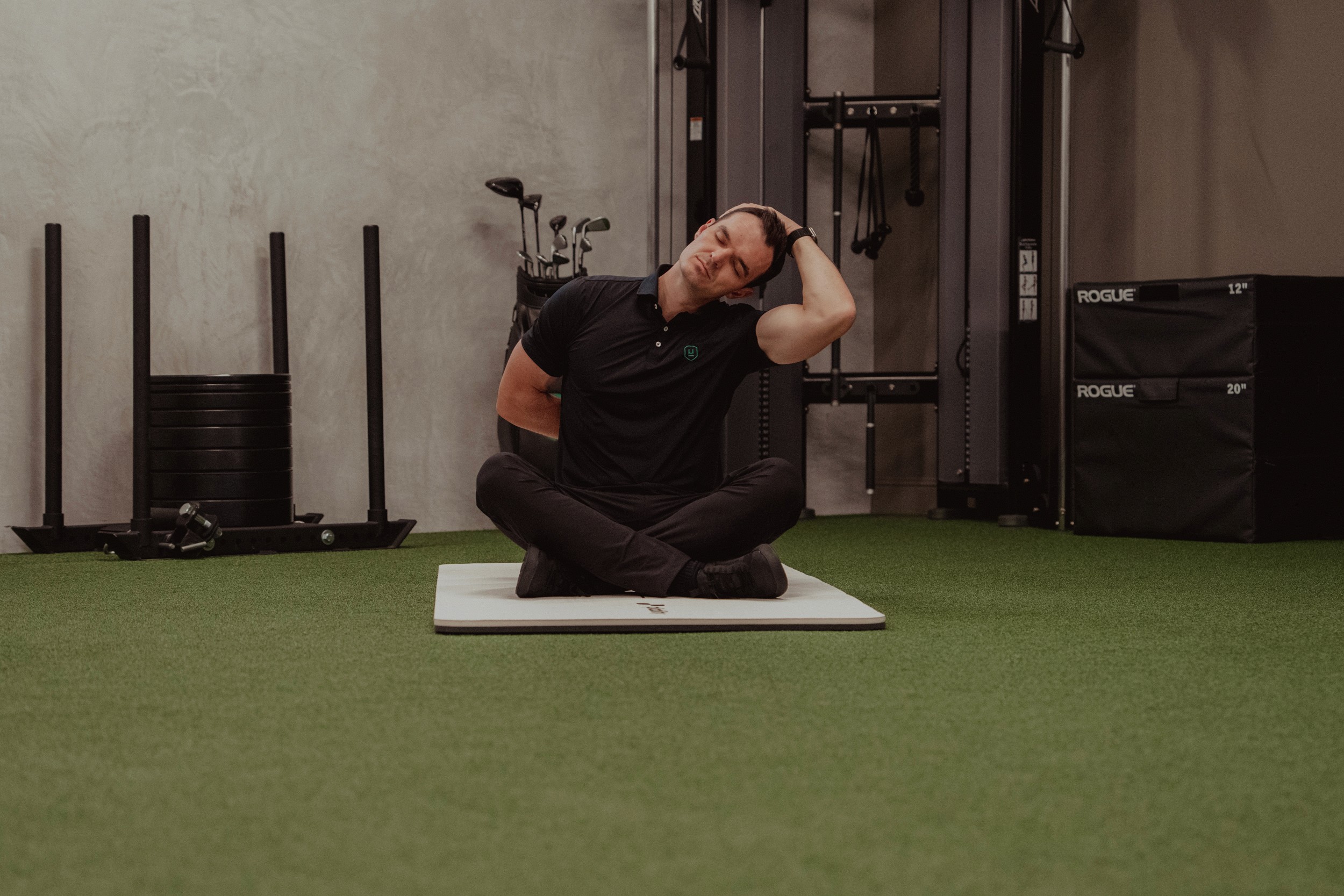
How should you balance different training components?
An athlete-level training program rotates between different physical demands: strength work builds foundation through progressive resistance, power training develops explosive movement, conditioning improves cardiovascular capacity, mobility work maintains range of motion and tissue quality, and recovery sessions allow adaptation. Each component serves a specific purpose, and skipping any creates gaps that limit performance or increase injury risk.
Why do split routines produce better muscle growth?
Split-training routines that focus on specific muscle groups until failure produce better muscle growth results than full-body circuits. Working upper-body push on Monday, lower-body strength on Wednesday, and upper-body pull on Friday targets specific muscles near failure without exhausting your entire body during the week. Taking a muscle group through its complete range of motion under heavy weight until failure provides the stimulus needed for growth. The body adapts to the demands placed on it, not the effort felt during the session.
Why does your body need different types of training
Your heart is a muscle. If you only lift weights and never raise your heart rate for extended periods, your cardiovascular system won't improve. If you never train explosive movements like jumps or sprints, you lose power and agility. Adding plyometrics, speed work, and agility drills keeps your nervous system sharp and connective tissues strong. These prevent the slow decline most people mistake for aging when it's training neglect.
How should you structure your training rotation?
According to TrainingPeaks, most training sessions should last 30 to 60 minutes. Each session requires focused work, with every set, interval, and stretch serving a clear purpose in your weekly rotation.
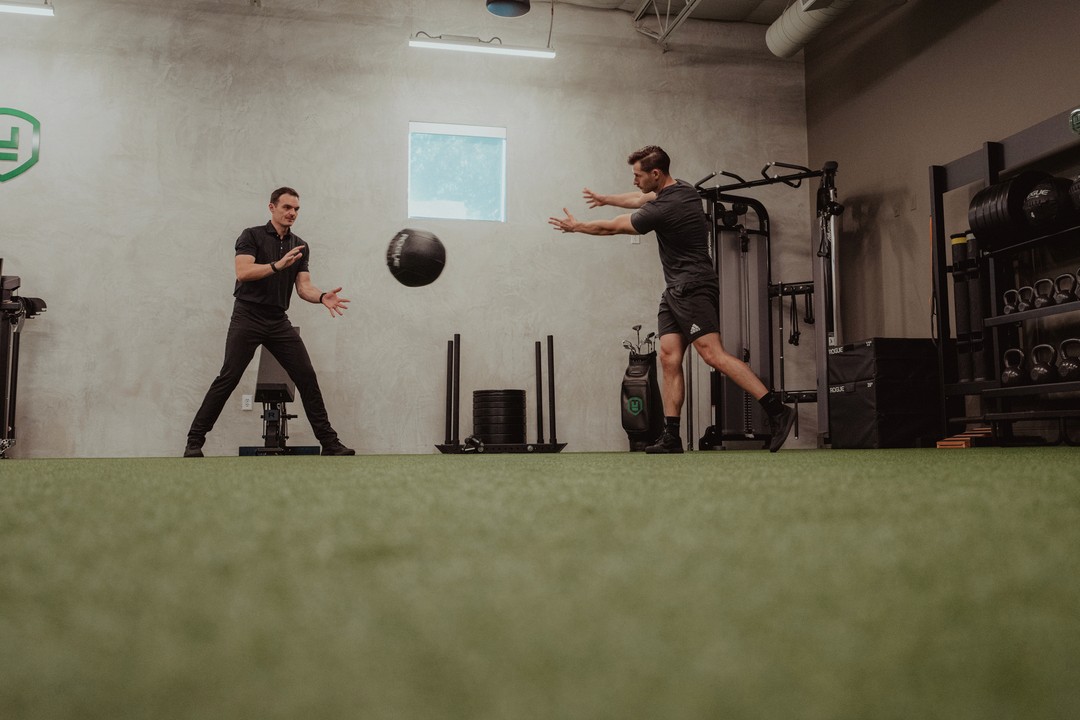
Switching between dumbbell lifts, bodyweight circuits, plyometric drills, core stability work, and mobility flows trains different energy systems and movement patterns, keeping your body capable of handling multiple demands instead of becoming narrowly adapted to one type of stress.
Why does mobility matter for strength training
Being strong without a full range of motion creates compensation patterns that break down over time. If your hips don't extend fully, your lower back takes over during deadlifts. If your shoulders lack internal rotation, your elbows absorb stress during pressing movements.
These small inefficiencies accumulate over months until something hurts enough to stop training. Tissue quality and joint preparation determine whether you can keep training next month or next year.
How can you address specific movement limitations?
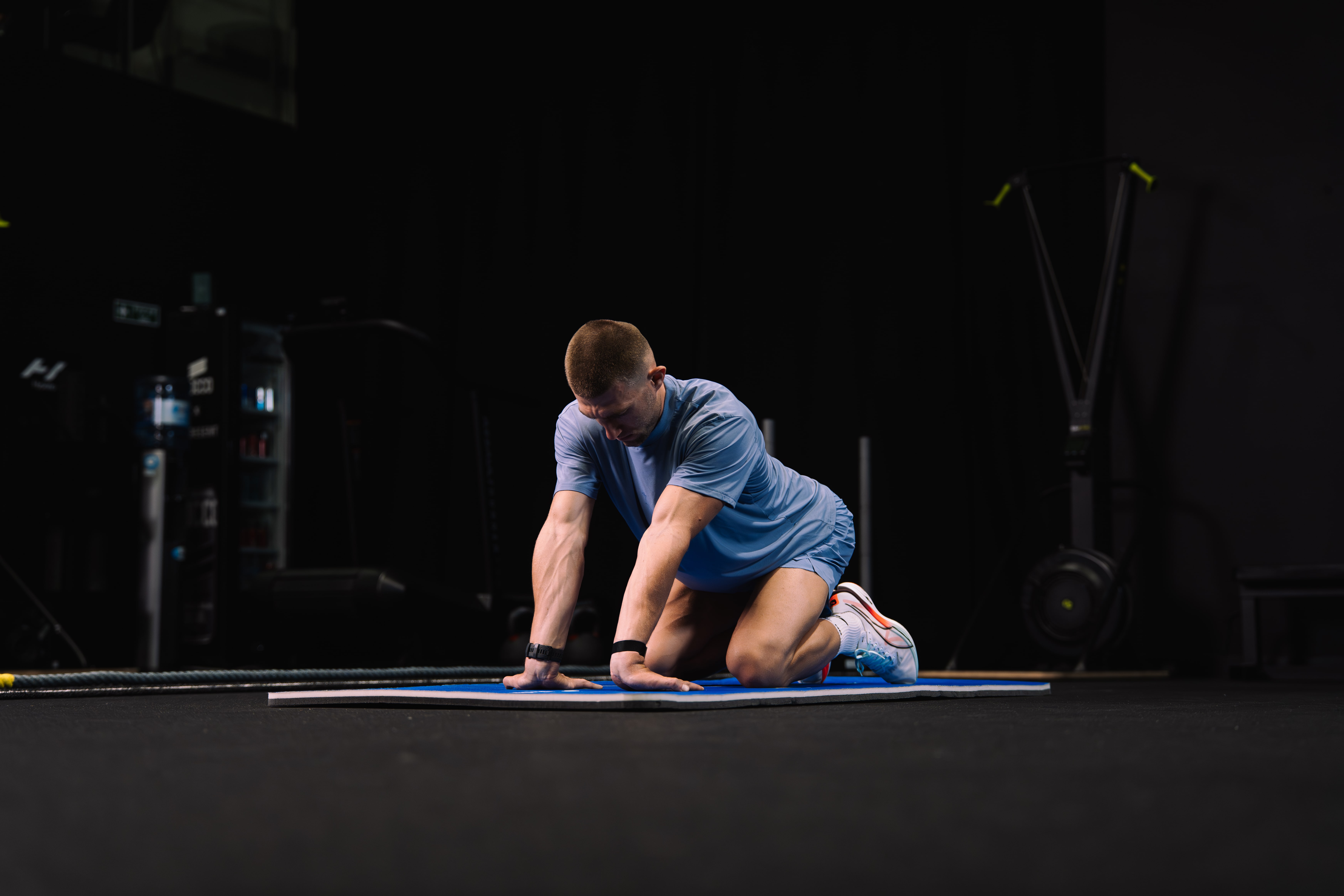
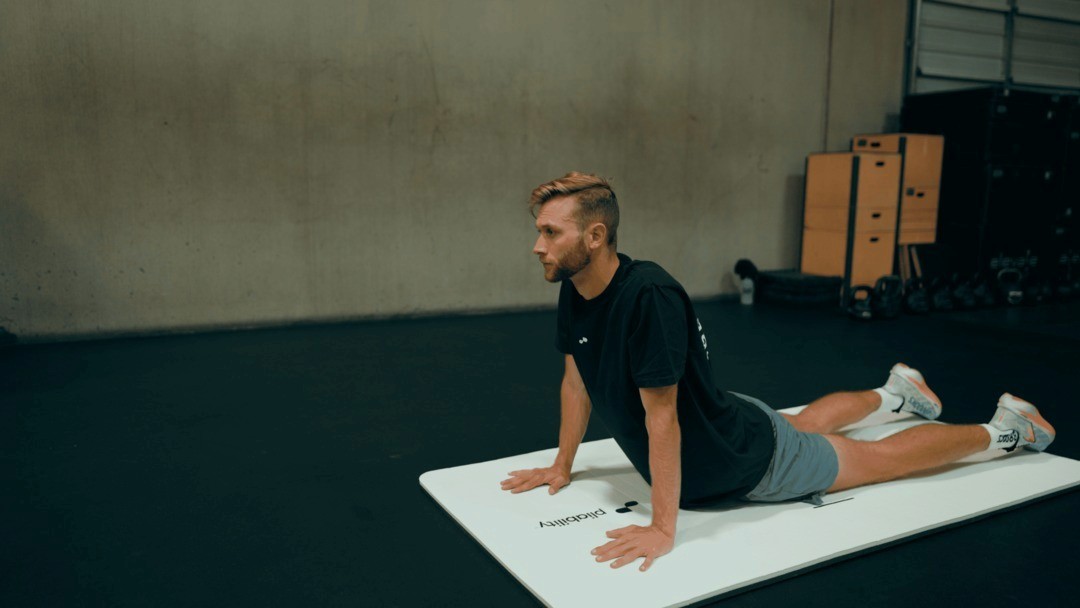
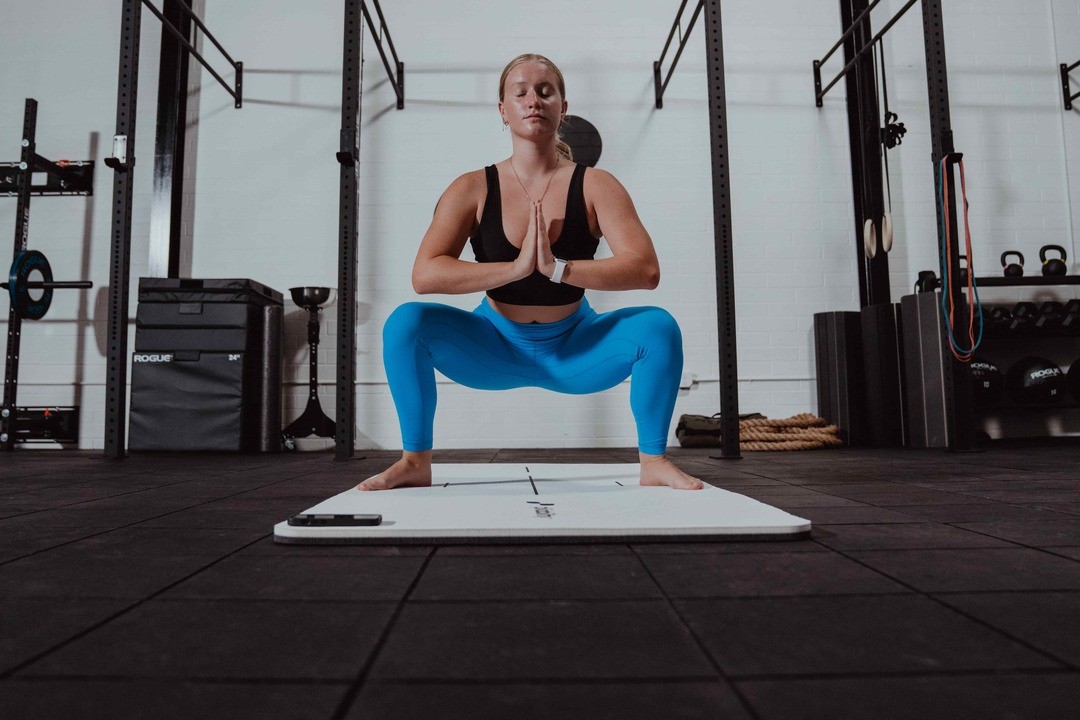
Pliability's mobility app offers guided routines targeting specific movement limitations: hips, shoulders, thoracic spine, and ankles. The app builds consistency to prevent unexpected breakdowns and maintain your movement capacity over time.
But knowing what to include doesn't solve the harder problem: starting without overwhelming yourself.
How to Start Training Like an Athlete (Without Burning Out)
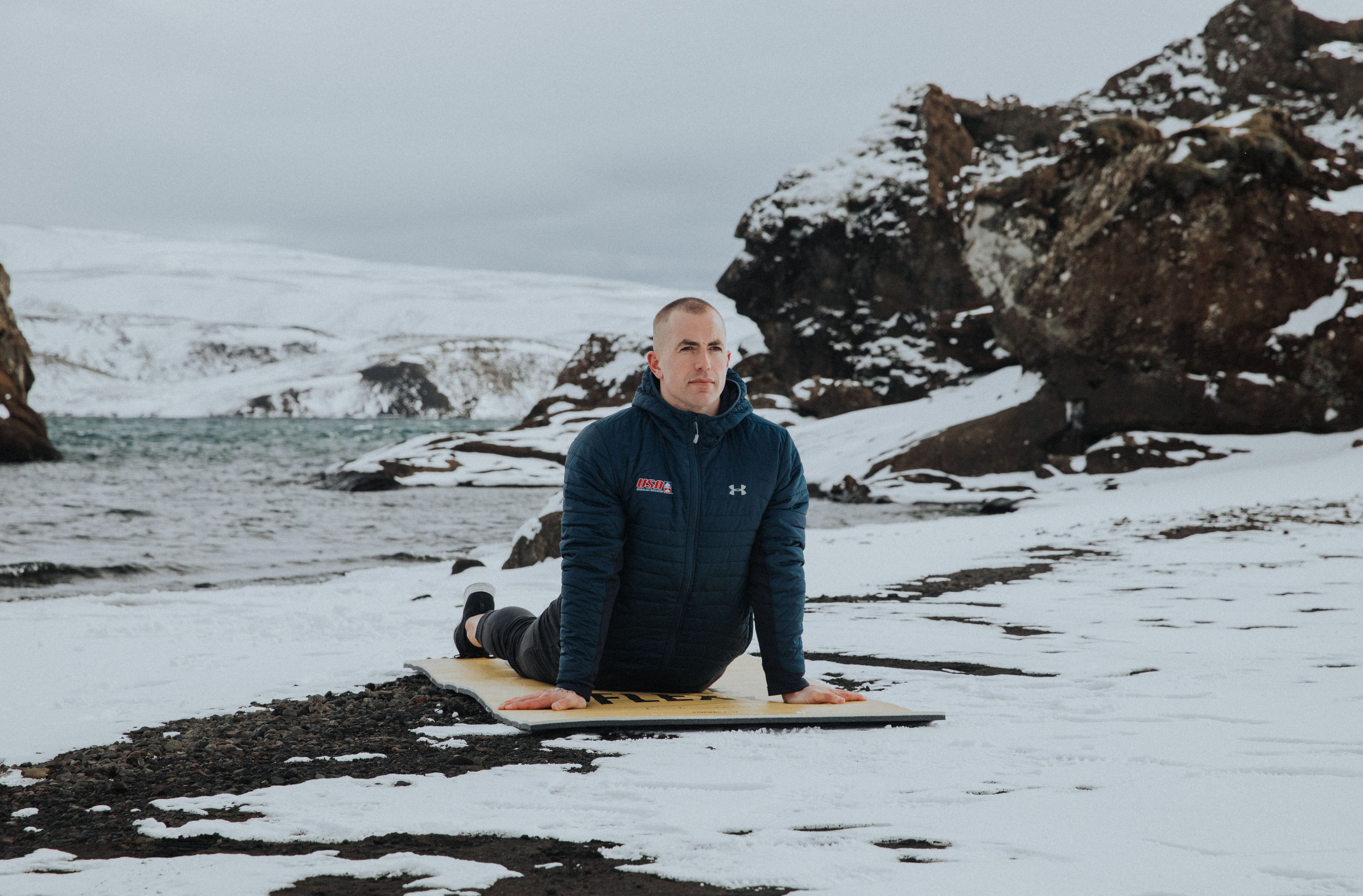
The biggest mistake people make when training seriously is adding everything at once. They jump from three casual gym sessions to six days of structured lifting, daily cardio, mobility work, and meal prep, all while maintaining the same work and social schedule. Within two weeks, something breaks: a pulled muscle, exhaustion, or the realisation that the pace isn't sustainable. The body adapts to gradual increases in demand, not sudden changes. Start with one foundational change, let it become routine, then add the next piece.
🎯 Key Point: Your body needs time to adapt—rushing the process leads to injury and burnout, not athletic performance.
"The body adapts to gradual increases in demand, not sudden changes. Start with one foundational change at a time." — Athletic Training Principle
⚠️ Warning: Adding six days of training plus meal prep overnight is a recipe for failure—even elite athletes build their routines over months, not weeks.
How do Olympic athletes structure their training progression?
Olympic athletes follow a strategic performance hierarchy that builds a solid foundation before advancing to complex techniques. This skill hierarchy prevents injury and ensures long-term progress. Rushing ahead before mastering the basics increases the risk of injury.
What are the three pillars of a performance pyramid?
Build your performance pyramid with three pillars: Foundation Goals cover basic movement patterns and fundamental skills—perfect your form with squats, deadlifts, and push-ups before attempting advanced lifts. Development Goals follow once your foundation is solid: progressing from assisted pull-ups to regular pull-ups, or from a power rack to a squat rack. Peak Performance Goals represent the highest level of your capability and only come after building your base and development levels—for Olympic lifting, this might be hitting a 2x bodyweight clean and jerk.
Which performance metrics should athletes prioritize over aesthetics?
When training for looks, tracking scale weight and progress pictures are common, but shouldn't be your main focus if training like an athlete. Instead, focus on performance metrics: workout loads (weights lifted, reps, sets), endurance stats (mile time, VO2 max, heart rate variability), skill improvement (key movements, agility drills, explosive power), and recovery data (resting heart rate, sleep quality, mobility progress).
Performance improvements give you more accurate information for deciding when you're ready to advance and offer more lasting motivation than physical changes alone.
What movement patterns should you prioritize first?
You need to gradually increase the difficulty of some variation of push, pull, squat, hinge, carry, and lunge to train like an athlete while growing like a bodybuilder. This doesn't mean you must back squat or pull conventionally from the floor; some people lack the mobility or stability to perform these lifts safely and effectively.
How should you progress your training safely?
Work with a certified strength and conditioning coach or personal trainer who understands movement variability and compensatory patterns. They can adjust your program based on your skill level and injury history.
A progression plan that adds range of motion over time works well: start with dumbbell goblet squats, progress to double kettlebell front squats, then belt squats, safety bar squats, front squats, and finally back squats. Each step increases difficulty and range of motion demands.
Why should you master the basics before advanced exercises?
If deadlifting off the floor leaves your lower back so sore you struggle to get out of your car the next day, reassess your form and consider the long term. The best athletes in the world—sprinters, gymnasts, wrestlers, divers—excel at controlling their body weight in space. Build a strong foundation and master the basic exercises before progressing to the "cool" exercises everyone wants to do.
Programming is More Than Just Sets and Reps
The best program is one you enjoy, can stick with consistently, and keeps you healthy. Yet most people neglect balanced training, focusing on the bench press and cable flies while skipping chinups or inverted rows. Athletes typically train more balanced because they don't write their own programming, whereas bodybuilders often use 3x10 on everything, relentlessly accumulating substantial volume.
What should every well-designed program include?
Every well-designed program should include a 2:1 pull-to-push ratio (3:1 for those with shoulder issues). This standard among strength coaches is often overlooked. Most people neglect their upper back, performing too much vertical pulling and horizontal pushing (lat pulldowns and bench press) while skipping horizontal rowing. Your upper back can handle significant volume and requires adequate programming to develop properly.
How should you train hamstrings and include single-leg work?
Train the hamstrings in both stretched and lengthened positions. Since hamstrings are biarticular muscles crossing the hip and knee, you need positions of both flexion and extension. For example, pair RDLs (hip extension with knee extension) with hip thrusts (hip extension with knee flexion).
Include single-leg work. Hip stability is crucial for proper gait, jogging, and sprinting mechanics. Single-leg work builds glutes and develops unilateral stability.
Why is balancing intensity and volume crucial for training success?
Training at maximum intensity every session causes injury, burnout, and hormonal imbalances. According to Precision Hydration, overtraining decreases performance by 10-20%. Elite athletes use progressive overload training to balance intensity and volume by alternating high-intensity days with low-intensity days, heavy lifting with cardio, and training blocks with recovery blocks.
How do Olympic training cycles structure intensity and recovery?
A balanced Olympic training cycle spans: Week 1–4 (Volume Phase) with higher reps and moderate weights; Week 5–8 (Strength Phase) with heavier weights and lower reps; Week 9–12 (Power Phase) with explosive movements and peak intensity; followed by a deload week for recovery. Plan one deload week every 4–6 weeks. Rest days won't slow your progress—they're essential for adaptation.
How can you effectively track your training intensity?
Keep track of key metrics such as heart rate, pace, and Rate of Perceived Exertion (RPE) to gauge how hard you're working. If an "easy" day feels like a 9/10 on the RPE scale, pull back. Pay attention to fatigue, pain, or discomfort during workouts; these are warning signs.
An elevated resting heart rate, persistent muscle soreness, or unusual fatigue indicate overtraining. Adjust intensity and duration based on how you feel: swap hard workouts for easier rides or runs, or take a rest day when needed.
Why does combining body awareness with data matter?
Mixing body awareness with data-driven insights helps you avoid burnout, stay motivated, and maintain endurance gains. However, no amount of structure and programming matters if your body cannot move through the ranges those exercises demand.
Train Like an Athlete? Don't Skip the Mobility That Makes It Work
Training like an athlete isn't only about how much weight you lift or how many miles you log. It's about whether your body can access the positions those movements require without compensating elsewhere. You can follow the best strength program in the world, but if your ankles don't bend forward properly or your upper back won't rotate, you'll hit a ceiling fast or get hurt trying to push through it.
🎯 Key Point: Mobility is the foundation that determines whether your strength training creates performance gains or compensation patterns.
Most people treat mobility as something to address after pain shows up, not as the foundation that prevents it. Athletes build mobility into their routine because tissue quality, joint preparation, and movement capacity determine whether strength translates into performance or creates compensation patterns.
"Tissue quality, joint preparation, and movement capacity determine whether strength translates into performance or creates compensation patterns." — Athletic Performance Research
That's where Pliability comes in. Built for serious athletes, our mobility app offers daily programs tailored to your body and goals, a library of guided routines to improve flexibility and range of motion, and a body-scanning feature that pinpoints tight areas and imbalances before they become problems. Get seven days free on any platform and start building the mobility foundation that supports athletic performance.
⚠️ Warning: Without proper mobility work, even the best training programs can lead to compensation patterns and eventual injury.
The better you move, the better you train.
Related Reading
Hydration Tips For Athletes
Speed Training For Athletes
Best Core Exercises For Athletes
Conditioning Workouts For Athletes
Exercises That Improve Muscular Endurance
Best Plyometric Exercises For Speed
Balance Exercises For Athletes
How To Build Mental Toughness In Athletes
Food For Athletes During Competition
Strength Training Workout For Runners










Move better in 10 minutes a day.
10,000+ five-star reviews.