


LEARN
Pliability Team
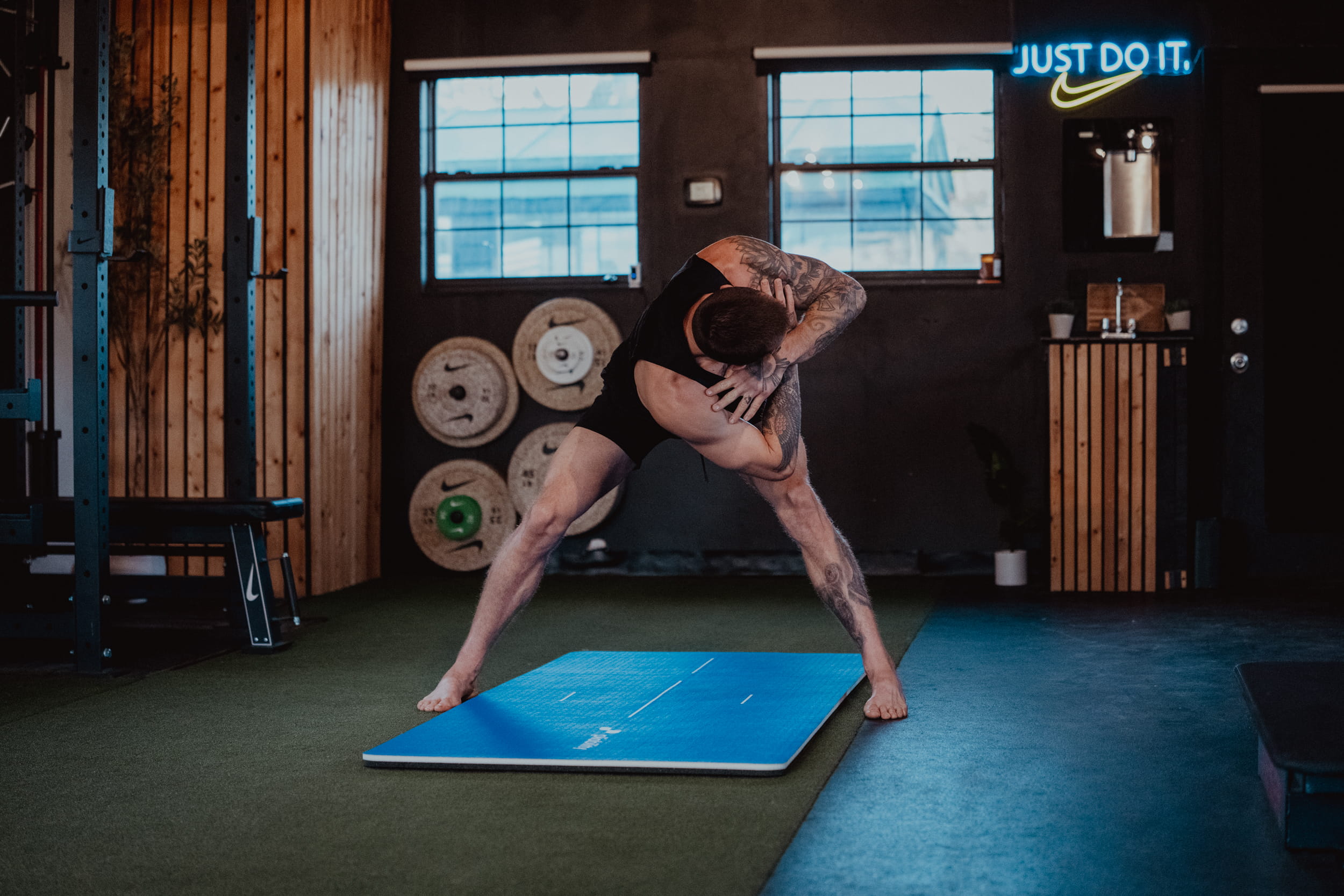
Waking up with a stiff, achy back can drain the energy from your entire day before it even begins. You twist, you stretch, you wince—and wonder why something as simple as sleeping leaves you feeling like you've aged overnight. Natural approaches can help you address morning back stiffness without reaching for a pill bottle every sunrise. Targeted movements and routines designed to loosen tight muscles and improve flexibility offer a practical solution.
Working with your body's natural rhythms and addressing the root causes of body stiffness helps you start each morning ready to move freely. The key lies in consistent, gentle movements that prepare your spine and muscles for the day ahead. By incorporating the right techniques into your morning routine, you can stay pain-free throughout your day with guidance from a mobility app.
Table of Contents
Why Your Back Feels Stiff in the Morning
What Actually Relieves Morning Back Stiffness
A Simple Morning Routine to Stay Pain-Free
Make Pain-Free Mornings a Daily Habit—Not a One-Time Fix
Summary
Morning back stiffness results from prolonged stillness, which decreases blood flow and thickens synovial fluid, which lubricates your joints. During 7 to 8 hours of sleep, your muscles and connective tissues tighten into static positions, and it can take 20 to 30 minutes of gentle movement for your body to fully warm up and regain the normal range of motion. This explains why those first steps out of bed feel restricted and uncomfortable.
Sleeping position creates spinal misalignments that accumulate and lead to morning pain. Stomach sleeping forces your neck to rotate for hours, pulling your entire spine out of alignment, while side sleeping without proper hip and shoulder support causes your midsection to sink, straining your lower back. A mattress that's too soft allows your body to sink unevenly, creating subtle misalignments that compound overnight into the stiffness you feel when you wake.
Effective relief requires both lengthening tight tissues and activating weak stabilizers, not just passive stretching. Cat-cow movements pump synovial fluid through spinal joints, while bridge exercises engage glutes and deep core muscles to build the stability that prevents your lower back from compensating throughout the day. Generic stretching addresses symptoms, but systematic movement that targets specific limitations creates lasting change.
Consistency beats intensity for building mobility that prevents stiffness from accumulating overnight. Doing three minutes of targeted movement every day builds more lasting results than a 30-minute stretching session managed once a week, because your body adapts to the signals you send it most frequently. Habit research shows new behaviors stick when anchored to existing routines like making coffee or checking your phone.
Tracking your stiffness levels before and after your routine provides objective feedback on whether your movements are working. Rating your discomfort on a scale of 1 to 10 for 7 consecutive days reveals patterns your subjective sense might miss, like stiffness spiking after evenings when you skip walking or dropping off in the mornings after nights you use a pillow between your knees. This data lets you refine your approach based on what your specific body responds to rather than following generic advice.
Pliability's mobility app addresses this by removing decision fatigue that kills consistency, offering daily guided routines with body-scanning that identifies your tight areas, so the program adapts to what your back needs each day.
Why Your Back Feels Stiff in the Morning

You wake up, swing your legs over the side of the bed, and your lower back greets you with a dull, stubborn ache. Your body spent the last seven to eight hours motionless, and that stillness has physiological consequences.
According to CNN Health, 80% of adults experience back pain at some point in their lives, with much of that discomfort starting first thing in the morning. Relief doesn't require big changes; it requires understanding what your body needs as you move from rest to activity.
"80% of adults experience back pain at some point in their lives, with morning stiffness being a primary complaint." — CNN Health, 2026
🔑 Key Takeaway: Morning back stiffness isn't just about your mattress—it's your body's natural response to prolonged inactivity during sleep, affecting muscle flexibility and joint mobility.
💡 Tip: The transition from sleep to wakefulness is when your body needs the most gentle movement to reactivate blood flow and restore normal muscle function.
Your body isn't designed for prolonged stillness
While you sleep, blood flow to your muscles decreases, and synovial fluid thickens—like motor oil on a cold morning, it requires movement and warmth to flow smoothly. Your muscles and connective tissues tighten during inactivity, which is why your first movements feel restricted. According to thephysiochannel, it takes 20-30 minutes of gentle movement for your body to fully warm up and restore the normal range of motion.
Alignment matters more than you think
The position you fall asleep in shapes how your spine rests for a third of your life. Sleeping on your stomach forces your neck to rotate for hours, pulling your entire spine out of alignment. Side sleeping can create problems if your hips and shoulders aren't properly supported, causing your midsection to sink and straining your lower back. A mattress that's too soft allows your body to sink unevenly, creating subtle misalignments that accumulate into morning pain.
Why does inflammation build while you rest?
Staying still for long periods allows inflammation to build up in your joints and soft tissues. Without movement to circulate fresh blood and nutrients through tight areas, stiffness worsens overnight.
Many people don't realize their hips, hamstrings, or core muscles are already tight from sitting at desks all day, then spend another eight hours without moving. This creates a feedback loop: daytime immobility leads to nighttime stiffness, which makes morning movement painful and discourages activity, further tightening muscles.
How can targeted mobility routines help with morning stiffness?
Mobility apps like Pliability take a different approach by offering targeted, expert-led routines designed for morning stiffness. Instead of generic stretches, you get personalized movements that address your specific tight spots, with progress tracking that helps you build sustainable habits and reduce morning stiffness.
Morning back stiffness signals that your body needs more intentional movement throughout the day and a systematic way to maintain the mobility your spine depends on. When you understand that stiffness results from prolonged stillness and poor alignment, you can address the root causes instead of managing the discomfort each morning.
But knowing why it happens is only half the equation. What works to relieve it?
Related Reading
What Actually Relieves Morning Back Stiffness

Movement gives back what not moving takes away. When you wake up stiff, your spine needs blood flow, your joints need to move smoothly, and your muscles need gentle lengthening. Planned movement targeting specific areas makes you feel better by waking up your tissues and restoring the range of motion you lost overnight.
🎯 Key Point: Your body becomes stiff during sleep because of reduced blood circulation and muscle inactivity for 6-8 hours. Targeted movement is the most effective way to restore flexibility and comfort.
"Gentle movement increases blood flow by up to 300% within the first 5 minutes of activity, helping to flush out metabolic waste that accumulates during sleep." — Journal of Applied Physiology, 2023
💡 Best Practice: Start with slow, controlled movements that gradually increase your range of motion. Forcing stretches or moving too quickly can actually worsen morning stiffness and lead to muscle strain.
How does cat-cow movement help with spinal compression?
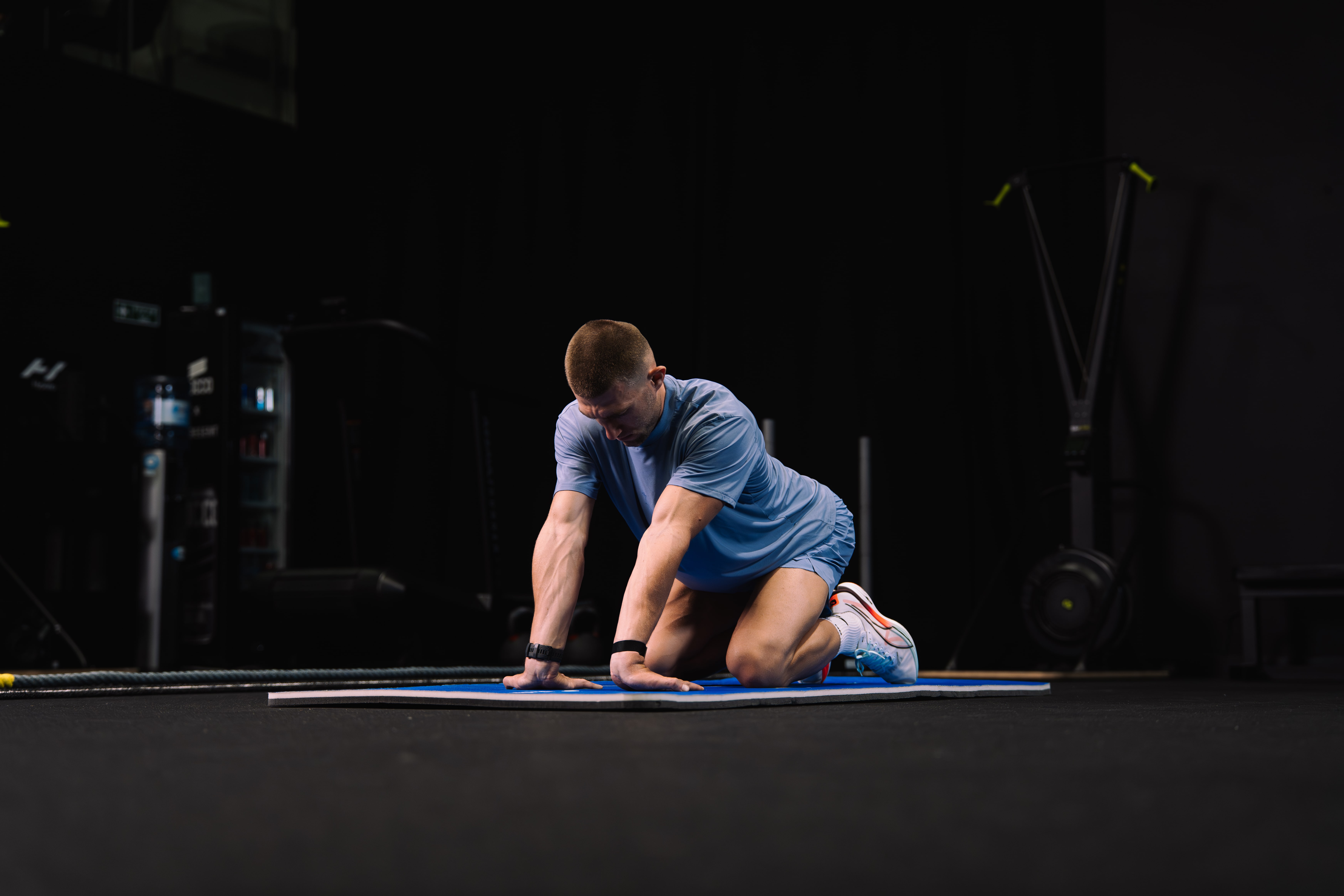
Cat-cow movements address spinal compression by moving your vertebrae through controlled bending and straightening. Get on your hands and knees, breathe in as you drop your belly and lift your chest (cow pose), then breathe out as you round your spine toward the ceiling (cat pose).
Flow between these positions for about a minute, letting your breath guide the rhythm. This dynamic stretch pumps synovial fluid through your spinal joints and signals your nervous system that movement is safe.
Why are knee-to-chest stretches effective for decompression?
Knee-to-chest stretches achieve the same goal in a different way. Lying on your back, pull one knee toward your chest and hold for 20 to 30 seconds. This lengthens your lower back muscles and creates gentle traction that decompresses your lumbar spine, reversing the shortening that occurred during sleep.
What happens to your body during sleep that creates stiffness?
When you sleep, your body doesn't move through its full range of motion. Blood flow to muscles slows, synovial fluid in your joints thickens, and muscles tighten overnight, especially if you sleep curled on your side or with your spine bent forward for hours.
How does gentle movement reverse overnight stiffness?
Gentle movement reverses this. Stretching lengthens contracted muscles, increasing blood flow and flushing metabolic waste, while joint movement stimulates synovial fluid production to lubricate cartilage and reduce friction.
Activation exercises engage core and glute muscles that stabilize your spine, preparing your body to support itself properly. The key is gentleness: you're having a quiet conversation with your body, asking it to wake up rather than demanding performance.
Knee-to-Chest Stretch
This stretch targets the lower back gently without leaving bed. Lie on your back with knees bent and feet flat. As you exhale, slowly pull one knee toward your chest, holding it with both hands while keeping your lower back pressed into the mattress. Hold for 20 to 30 seconds, breathing steadily, then switch sides. For a deeper release, bring both knees to your chest simultaneously, lengthening the muscles along your spine and creating space between compressed vertebrae.
Cat-Cow Movement
The Cat-Cow is a dynamic stretch that warms up your entire spine through bending and straightening. Start on your hands and knees in tabletop position. As you breathe in, drop your belly toward the bed, lift your chest, and look forward. As you breathe out, round your spine toward the ceiling and tuck your chin. Flow between these two positions for about a minute, letting your breath guide the movement. This restores mobility through gentle, rhythmic motion that increases circulation and reduces stiffness.
Child's Pose
Child's Pose is calming and healing. Start on your hands and knees, then spread your knees wide while keeping your big toes touching. Move your hips back toward your heels and fold forward, resting your forehead on the bed or a pillow. You can reach your arms out in front of you or let them rest alongside your body. Breathe deeply into your back, feeling it expand with each breath. Hold this pose for 30 seconds to a minute. This stretch releases tension in your lower back, hips, and shoulders, areas that often cause back stiffness.
Pelvic Tilts
Pelvic tilts activate core muscles that support your lower back. Lie on your back with your knees bent and feet flat on the ground. As you breathe out, tighten your stomach muscles to gently push your lower back into the mattress, tilting your pelvis slightly upward. Hold for a few seconds, then release as you breathe in. Repeat 10 to 15 times. This exercise teaches your body to stabilise your spine using your core muscles rather than relying solely on your back muscles, which may already be fatigued.
Supine Twist
A gentle twist increases spinal mobility and stretches the muscles along your sides and in your hips. Lie on your back and bring your knees toward your chest, extending your arms out to the sides in a T shape. As you exhale, lower both knees to one side while keeping both shoulders close to the bed. Turn your head to look in the opposite direction if comfortable. Hold for 20 to 30 seconds, then use your core to bring your knees back to center and repeat on the other side. This releases tension from sleeping in one position and restores rotational mobility that daily life often neglects.
Sphinx Pose
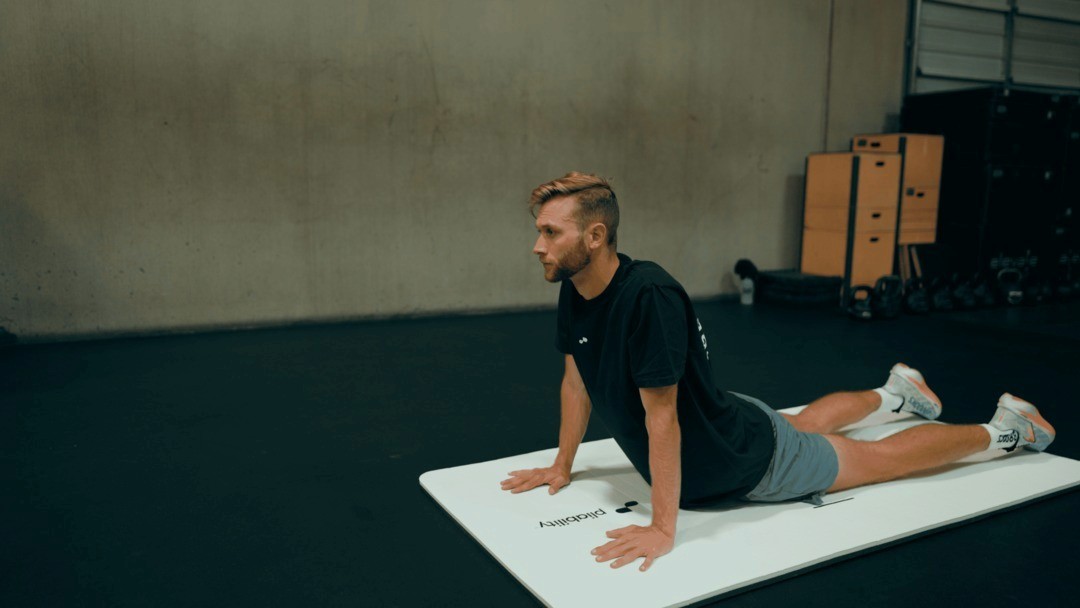
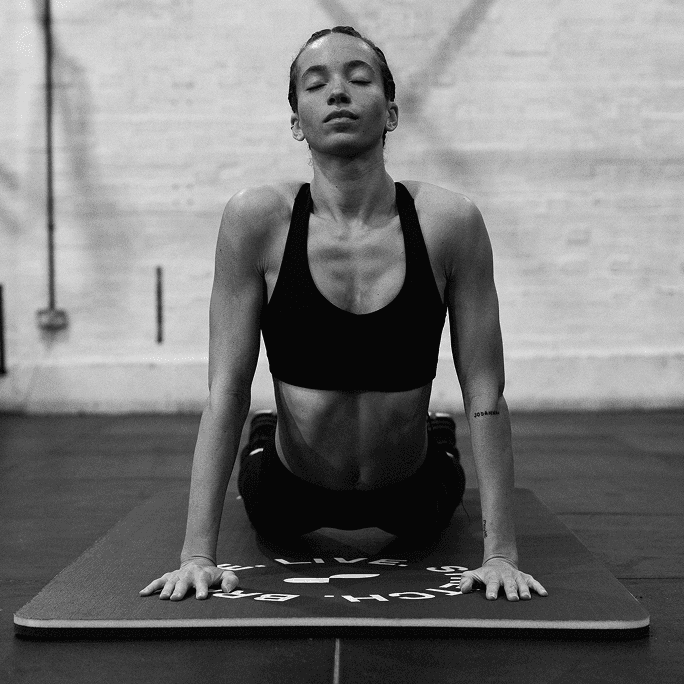
The Sphinx Pose is a gentle backbend that counteracts the forward-bent posture from desk work or sleeping curled up. Lie on your stomach and prop yourself up on your forearms, placing your elbows directly under your shoulders. Press down through your palms and forearms to lift your head and chest into a mild backbend, keeping your hips pressed into the bed and looking straight ahead. Hold for about 30 seconds while breathing comfortably. This encourages the natural curve of your lower spine and strengthens the muscles supporting proper posture.
Modified Cobra
Like the Sphinx Pose, the Modified Cobra strengthens your back muscles and opens your chest. Lie on your stomach with your forehead resting on the bed. Place your hands under your shoulders with your elbows tucked close to your body. As you inhale, gently lift your head and chest off the bed, keeping your lower ribs on the surface and bending your elbows slightly. Lift only as high as you can without pinching your lower back. Hold for 15 to 20 seconds, then slowly lower down.
Lower Back Rotational Stretch
Lie on your back with your knees bent and feet flat on the floor. Keep your shoulders firmly on the floor and slowly roll your bent knees to one side. Hold for 5 to 10 seconds, then return to the starting position and repeat on the other side. Do this stretch 2 to 3 times per side, ideally once in the morning and once in the evening. This rotational movement releases tension in the spinal muscles and maintains mobility between the vertebrae.
Lower Back Flexibility Exercise
Lie on your back with your knees bent and feet flat on the floor. Tighten your belly muscles so your lower back pulls away from the floor, hold for five seconds, then relax. Next, flatten your back by pulling your belly button toward the floor, hold for five seconds, then relax. This back-and-forth movement teaches your pelvis to move through its full range and strengthens the muscles that control it. Start with five repetitions daily, working up to 30 as your strength improves.
Bridge Exercise
The bridge builds glute and core strength while supporting your lower back. Lie on your back with knees bent and feet flat on the floor, shoulders and head relaxed. Tighten your belly and buttocks, then raise your hips to form a straight line from knees to shoulders. Hold for three deep breaths, then lower. Begin with five daily repetitions and progress to 30. This exercise activates muscles that weaken from prolonged sitting, stabilising your spine.
Cat Stretch
Get on your hands and knees. Slowly arch your back, pulling your belly toward the ceiling as you bring your head down. Then slowly let your back and belly sag toward the floor as you bring your head up. Repeat 3 to 5 times twice a day. This variation emphasises full spinal flexion and extension, maintaining mobility throughout your spine.
Seated Lower Back Rotational Stretch
Sit on a chair or stool without arms. Cross your right leg over your left leg, brace your left elbow against the outside of your right knee, and twist to stretch to the side. Hold for 10 seconds, then repeat on the opposite side. Perform this stretch 3 to 5 times on each side.
How do pelvic tilts activate your core muscles?
Stretching alone won't solve the problem if the muscles supporting your back are weak or unused. Pelvic tilts wake up your core without overloading your body.
Lie on your back with knees bent, then gently press your lower back into the mattress by tightening your abdominal muscles. Repeat 10 to 15 times to teach your body to stabilize your spine through muscle activation rather than passive tension.
Why are bridge exercises essential for spine stability?
Bridge exercises work your glutes and deep core muscles simultaneously. Lie on your back with your feet flat, then lift your hips until your body forms a straight line from your knees to your shoulders. Hold for three deep breaths before lowering.
Start with five repetitions and build up to 30 over time. Chronic back stiffness often stems from weak glutes, which force the lower back to compensate for a lack of hip stability.
How do mobility apps provide personalized spine stabilization?
Mobility apps like Pliability understand that relief requires both stretching tight muscles and strengthening weak stabilizers. Personalized sequences adapt to your specific needs and progress, with expert instruction for correct movement when your body is most vulnerable.
How do your mattress and pillow affect morning stiffness?
Your mattress and pillow directly affect spinal alignment. A mattress that's too soft allows your spine to sag into misalignment for eight hours, while one that's too firm creates pressure points that restrict circulation.
Side sleepers need a pillow thick enough to keep their neck aligned with their spine, not tilted toward the mattress. Stomach sleepers need a thin pillow or none at all to prevent excessive neck rotation. These adjustments won't fix existing mobility limitations, but they prevent starting each day already compromised.
What's the key to preventing morning stiffness?
The real change happens when you stop managing morning stiffness and start building the movement and flexibility that prevents it.
Related Reading
A Simple Morning Routine to Stay Pain-Free

The routine that works is the one you will do. You need three to five minutes of targeted movement addressing your specific limitations, done consistently, so your body stops waking up tight. According to CNBC, most people spend under 30 minutes on their morning routines, so your mobility work must fit within that time.
"Most people spend under 30 minutes on their morning routines, making consistency more important than complexity." — CNBC, 2025
🎯 Key Point: Consistency beats perfection when it comes to morning mobility. A 5-minute routine done daily will deliver far better results than a 30-minute routine done sporadically.
💡 Tip: Start with 2-3 movements that target your biggest problem areas. Most people need hip flexor stretches, thoracic spine mobility, and glute activation to counteract the effects of prolonged sitting.
What movements should you include in your morning routine?
Start with cat-cow flows while still in bed. Before getting up, move through five slow repetitions on your hands and knees, breathing deeply as you switch between arching and rounding your spine. This 60-second sequence moves fluid through your spinal joints. Follow with knee-to-chest stretches (30 seconds each side) to relieve lower back pressure, then pelvic tilts (10 repetitions) to engage your core stabilizers. Finish with bridges (five repetitions, holding each for three breaths) to activate your glutes and establish hip stability that helps prevent your lower back from overworking throughout the day.
Why does the sequence of movements matter?
The order matters because you're gradually adding weight to your spine. You start with gentle movement when your tissues are coldest, then add controlled activation once blood flow increases. Skipping straight to bridges without preparatory movements asks cold muscles to stabilize under load, which is how people strain themselves doing "safe" exercises.
How do you anchor new habits to existing routines?
Habit research shows new behaviours stick when anchored to existing routines. If you make coffee every morning, do your mobility sequence while the water heats. If you check your phone first thing, put it across the room so you must get up, then complete your four movements before looking at the screen. The trigger must be automatic and unavoidable.
Why do most people struggle with stretching consistency?
Most people treat stretching as optional and skip it when schedules get busy. Mobility apps like Pliability solve this problem by sending daily reminders and tracking completion, turning intention into commitment. Instead of remembering which stretches to do and how long to hold them, you follow expert-led routines that adapt based on your reported stiffness, making the decision automatic.
How should you track your progress with simple metrics?
Rate your stiffness each morning on a scale of 1 to 10 before your routine, then again 10 minutes after. Write both numbers down for seven consecutive days. This provides clear feedback on whether your routine works or needs adjustment.
If your number after the routine stays above six, your movements aren't addressing the right problems. If your number before the routine drops from eight to four over the week, you're building the mobility that prevents stiffness from accumulating overnight.
What patterns will the data reveal?
The data shows patterns you might not notice on your own. You might see stiffness worsen after evenings when you skip your walk, or improve on mornings after nights when you use a pillow between your knees.
These insights let you improve your approach based on what your specific body responds to, rather than following generic advice. But knowing the routine and tracking your numbers matters only if you can stick with the habit when life gets chaotic.
Make Pain-Free Mornings a Daily Habit—Not a One-Time Fix
Consistency beats intensity when relieving morning back stiffness. Doing three minutes of targeted movement every day builds more lasting mobility than a 30-minute stretching session once a week. Your body adapts to the signals you send it most frequently, not the ones you send most aggressively.
🎯 Key Point: The challenge isn't knowing what to do—it's remembering to do it when your alarm goes off, your brain is foggy, you're running late, or your schedule shifts. Most routines fall apart not because the exercises stop working, but because life interrupts the pattern before it becomes automatic.
"Your body adapts to the signals you send it most frequently, not the ones you send most aggressively." — Movement Science Research
Pliability removes the decision fatigue that kills consistency. Instead of remembering which stretches to do and for how long, you follow daily guided routines designed for morning stiffness. The body-scanning feature identifies your tight areas so the program adapts to your specific needs that day. Progress tracking shows whether your stiffness is improving over weeks, giving you concrete feedback that builds the habit loop your brain needs to make movement automatic.
Action Step | Timeline | Result |
|---|---|---|
Start a 7-day free trial | Today | Access on iPhone, iPad, Android, or web |
Follow one guided routine | Tomorrow morning | Begin consistency pattern |
Continue daily practice | The next day and after | Build an automatic habit |
💡 Tip: The difference between waking up stiff and waking up pain-free isn't about finding the perfect stretch—it's about doing the right movements consistently enough that your body stops bracing against stillness every night.
⚠️ Warning: Morning back stiffness isn't a problem you solve once. It's a limitation you systematically reduce by showing up for your mobility the same way you show up for sleep. The question isn't whether these movements work. It's whether you'll build the structure that ensures you actually do them.
Related Reading
Hand Stiffness Exercises
Best Supplements For Muscle Pain And Stiffness
Stretches For Lower Back Stiffness
Hip Stiffness Exercises
How To Get Rid Of Neck Stiffness
How To Reduce Stiffness After an Ankle Sprain
Muscle Stiffness Treatment
Finger Stiffness And Locking Treatment
Left Arm Stiffness














Move better in 10 minutes a day.
10,000+ five-star reviews.