


LEARN
Pliability Team

Waking up with neck stiffness that makes simple tasks like driving or checking your phone feel challenging is more common than most people realize. This type of tension often stems from poor posture, sleeping in awkward positions, or spending long hours hunched over screens. Understanding how to get rid of neck stiffness quickly can prevent temporary discomfort from developing into chronic pain that limits daily activities.
Effective relief requires more than just temporary fixes like heat packs or pain relievers. Targeted movements and stretches that address the root causes of tension provide lasting results by improving flexibility and strengthening supporting muscles. A mobility app can guide you through these specific exercises, helping you build consistent habits that keep neck stiffness from returning.
Table of Contents
Why Neck Stiffness Happens (And Why Simple Stretching Isn’t Enough)
How to Get Rid of Neck Stiffness
How to Keep Your Neck Pain-Free Long-Term
Stop Neck Stiffness Before It Starts—Move Better Every Day
Summary
Neck stiffness affects roughly 10% of people at any given time, and what most experience as morning tightness is actually a muscle spasm or strain involving seven vertebrae, multiple muscle groups, ligaments, disks, and nerves. Ignoring these signals can escalate into chronic pain, persistent headaches, and lasting spine damage. The complexity of the cervical spine means a single tight muscle is rarely the only problem.
Most stretching routines treat symptoms rather than causes, which is why temporary relief gives way to recurring stiffness. Poor posture, prolonged screen time, and chronic stress continuously reintroduce tension patterns. Generic routines that ignore specific tension locations (upper traps versus levator scapulae versus the skull base) fail because they treat every stiff neck as identical, leading people to repeat ineffective movements and wonder why nothing changes.
Forward head posture, the hallmark of tech neck, increases effective weight on your neck by roughly ten pounds for every inch your head shifts forward from neutral alignment. This mechanical load forces cervical muscles into sustained isometric contraction, accelerating fatigue and triggering protective spasm responses. Ergonomic corrections like monitor positioning and shoulder alignment aren't comfort adjustments but structural interventions that remove root causes of recurring stiffness.
Heat therapy prepares tissue for movement by improving circulation and relaxing muscle fibers, while cold therapy constricts blood vessels to reduce inflammation after acute strain. Alternating between both (20 minutes each, repeated daily) addresses inflammation and muscle tension simultaneously. Self-myofascial release using sustained pressure on trigger points goes deeper than surface stretching, targeting embedded tension that creates the concrete-like feeling many describe in their neck muscles.
Micro breaks every 30 to 45 minutes interrupt the tension patterns created by holding your head in fixed positions for hours. These aren't rest periods but mechanical resets that prevent muscles from locking into sustained contraction. When cervical muscles work isometrically without movement, they fatigue faster and trigger the protective responses that harden into stiffness, making prevention far easier than attempting release after damage accumulates.
Plaibility mobility app addresses this through adaptive routines that respond to daily body feedback, combining targeted mobility sequences with breathwork and tracking features that identify which specific areas need attention, rather than following static protocols.
Why Neck Stiffness Happens (And Why Simple Stretching Isn't Enough)

You wake up, turn your head, and it feels like concrete. Neck stiffness affects roughly 10% of people at any given time, and ignoring the root causes can lead to chronic pain, persistent headaches, and lasting spine damage.
"Neck stiffness affects roughly 10% of people at any given time, making it one of the most common musculoskeletal complaints."
🔑 Key Point: The problem with neck stiffness isn't the immediate discomfort—it's that simple stretching only addresses surface tension while the real culprits lie deeper in your muscle mechanics and movement patterns.
⚠️ Warning: Treating neck stiffness with only basic stretches is like applying a band-aid to a structural problem. You may get temporary relief, but the underlying issues will persist.
What makes neck stiffness more complex than simple muscle tension?
What most people experience as morning stiffness is a muscle spasm or contraction, technically called a muscle strain. However, the neck is more complex than a single tight muscle. Your cervical spine includes seven vertebrae, multiple muscle groups, ligaments that stabilise bones, gel-filled discs that cushion movement, and nerves that send signals throughout your upper body. When any of these structures becomes stressed, overused, or injured, stiffness follows.
What are the main causes of neck stiffness?
Three broad categories cause most neck stiffness: muscle and ligament problems, trauma or injury, and underlying disease. Muscle strains result from sitting hunched over a screen—tech neck—or sleeping in awkward positions. Stress manifests as tight, contracted neck muscles. Ligament sprains occur when connective tissues between bones become overstretched or torn, while tendonitis develops when tissue attaching muscle to bone becomes inflamed.
How do trauma and wear affect your neck?
Trauma compounds the issue. Whiplash from car accidents or sports injuries can simultaneously damage bones, muscles, ligaments, or nerves. Wear and tear create bone spurs as neck joints deteriorate, squeezing nerves and limiting movement. Herniated discs can bulge and press on nerve pathways, causing pain that radiates down your arms or into your shoulders. These problems require more than stretching.
When should you seek medical attention?
When stiffness persists for several days, at-home treatments fail, or you experience tingling, numbness, or worsening pain, something more serious may be occurring. In rare but serious cases, neck stiffness combined with nausea, light sensitivity, persistent headache, confusion, or a rash can signal meningitis, a life-threatening condition requiring immediate medical care.
Why do most treatments fail to provide lasting relief?
Most stretching routines treat the symptom, not the cause. If poor posture, prolonged screen time, or chronic stress keep the problem recurring, you're stuck in a cycle. Apps like Pliability shift the approach by combining targeted mobility work with breathwork and recovery science, addressing root causes rather than just loosening tight muscles. Routines adapt to your specific needs and help you build sustainable habits.
Understanding what's happening inside your neck is only half the equation; knowing how to address it changes everything.
Related Reading
How to Get Rid of Neck Stiffness
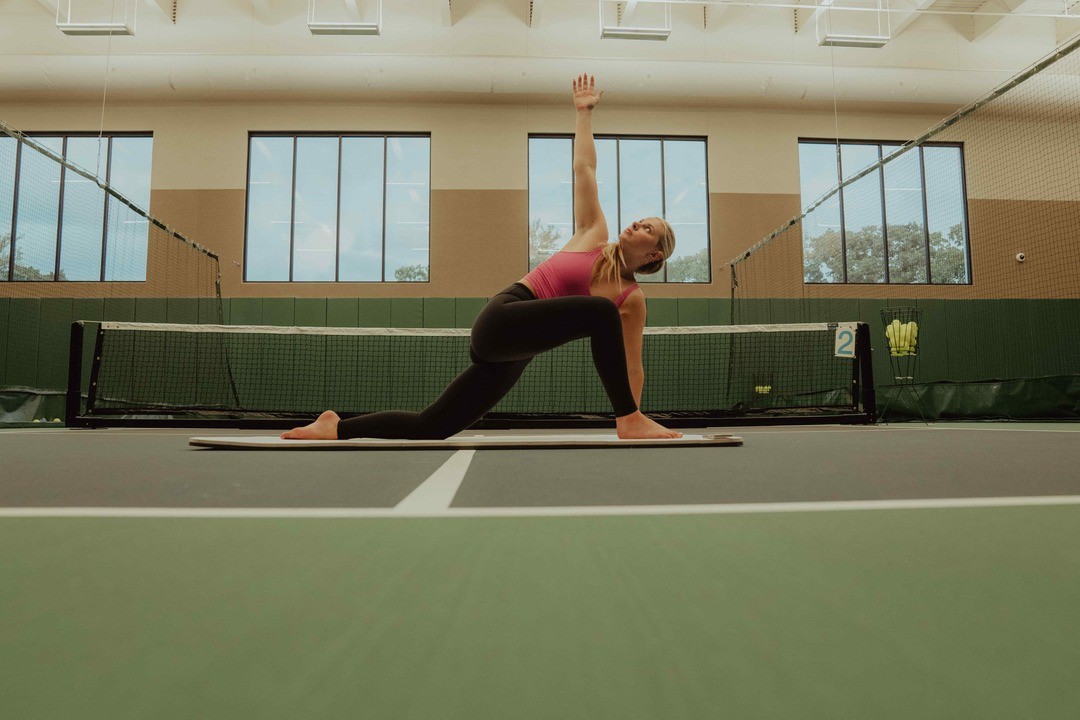
Stretching relaxes tight muscles, increases blood flow, and reduces nerve sensitivity that can cause discomfort when tissue stays compressed. According to WebMD, neck pain typically resolves within a few days to weeks with targeted movement. Tight muscles restrict circulation, triggering inflammation and stiffness. Restoring range of motion through stretching and strengthening the postural muscles that support your cervical spine helps prevent recurrence.
🎯 Key Point: The root cause of neck stiffness is often poor circulation and compressed tissue - stretching addresses both issues simultaneously by promoting blood flow and releasing muscle tension.
"Most neck pain goes away within a few days to weeks with targeted movement." — WebMD
💡 Pro Tip: Focus on gentle, sustained stretches held for 15-30 seconds rather than aggressive movements that could worsen inflammation and delay recovery.
Why don't generic stretching routines work for everyone?
Not all stretching works the same way. Generic routines that ignore your specific tension patterns often fail because they treat every stiff neck as identical. Some people carry tension in their upper traps, others in the levator scapulae, or deep at the base of the skull. Without targeting the exact tissue that's seized up, you repeat ineffective movements without results.
What are the most effective head and neck movements?
Start with gentle head tilts: bring your chin to your chest, hold for five seconds, then lift your gaze toward the ceiling without arching your back. Move side to side by bringing your right ear toward your right shoulder, then repeat on the left. If one direction feels tighter or triggers sharp pain, that's where your restriction lives.
Neck rotations address a different plane of movement. Sit upright, keep your shoulders still, and turn your head left as far as you can comfortably. Hold for ten seconds, then rotate right. Repeat multiple times throughout the day to release accumulated tension from sustained static posture, especially for those spending hours at a screen.
Why do shoulder blade exercises help with neck tightness?
Shoulder blade squeezes target the muscles that stabilize your neck from below. Sit tall, squeeze your shoulder blades together, and hold for 15 to 30 seconds. Your upper back and neck work as a system: when scapular muscles weaken from prolonged sitting, your neck compensates by overworking, creating chronic tightness often mistaken for a neck-only problem.
How does heat and cold therapy help with muscle tension?
Heat therapy improves blood flow and relaxes muscle fibres before stretching. Apply a warm compress or heating pad for 15 to 20 minutes to prepare for movement. Cold therapy works differently: ice narrows blood vessels and reduces swelling after acute strain or injury. Alternating between heat and cold (20 minutes heat, 20 minutes cold, repeated several times daily) addresses swelling and muscle tension simultaneously.
What is self-myofascial release, and how do you perform it?
Self-myofascial release penetrates deeper than surface stretching. Using your knuckles or a firm tool like a lacrosse ball, apply steady pressure to trigger points at the base of your skull, along the sides of your neck, and where your neck meets your shoulders. Hold each point for 30 seconds until the tissue softens.
The discomfort signals where tension has embedded itself. One person described their SCM muscle as feeling "like concrete" until consistent pressure work over weeks gradually restored normal flexibility.
How does proper alignment prevent neck stiffness from returning?
Forward head posture strains your cervical spine. For every inch your head moves forward from neutral alignment, the effective weight on your neck increases by about ten pounds. Holding your phone at eye level, positioning your monitor so your gaze is naturally level, and rolling your shoulders back and down throughout the day address the root cause of recurring stiffness.
What makes adaptive routines more effective than random stretching?
Most people stretch only when pain forces them to. A better approach is building daily routines that adapt to how your body feels each day. Apps like Pliability combine targeted mobility work with breath work and recovery science, offering feedback that identifies which areas need attention and adjusts routines based on your progress. This shifts the practice from generic stretching to personalized intervention, addressing the specific patterns that create your stiffness.
But relief is only half the goal; keeping your neck functional over the years, not just days, requires a different strategy entirely.
Related Reading
How to Keep Your Neck Pain-Free Long-Term
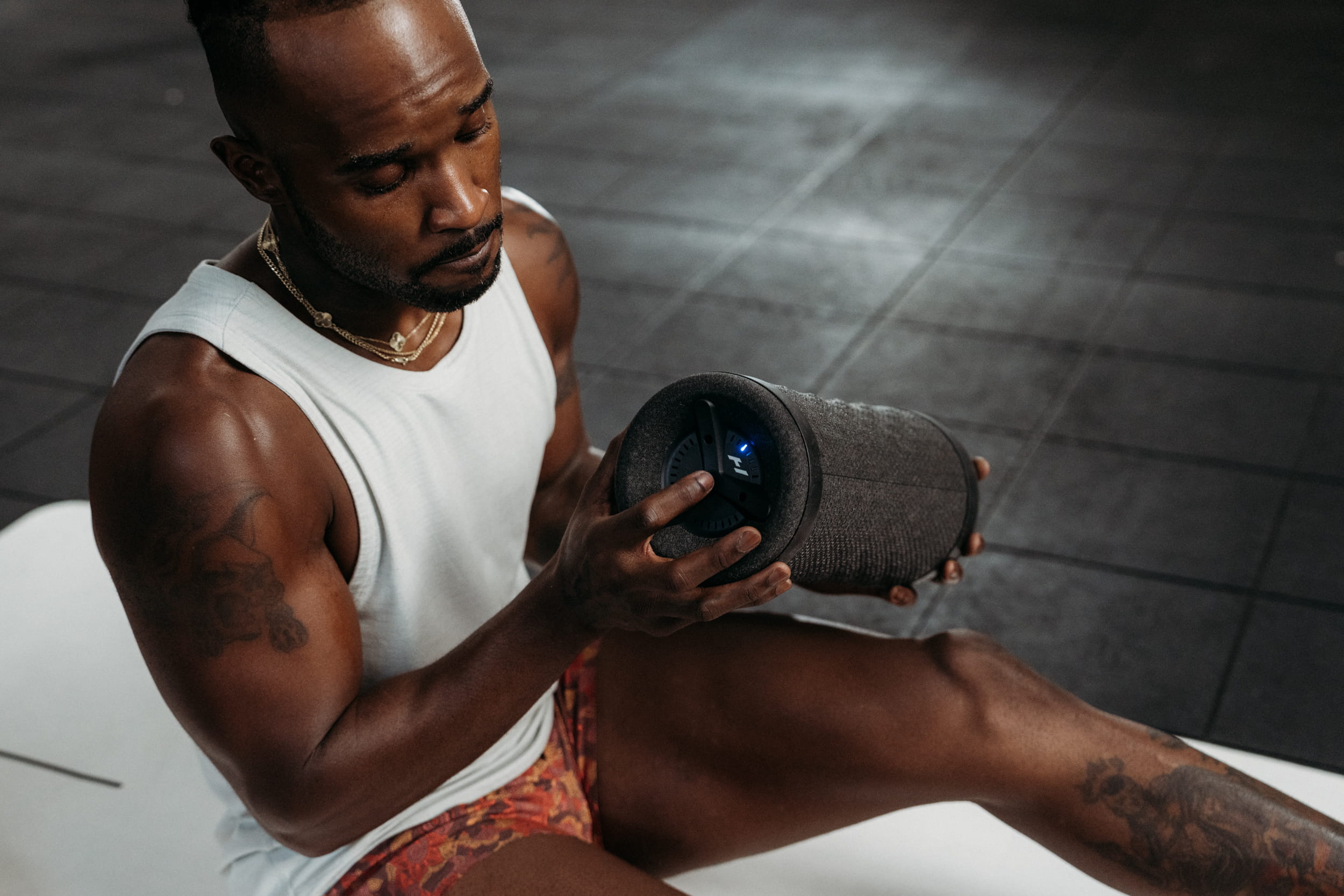
Preventing neck stiffness requires consistent daily habits: taking short breaks from screens, doing deliberate mobility work, making ergonomic adjustments, and managing stress. These address root patterns that create tension before it builds into chronic stiffness. The difference between occasional tightness and recurring pain often depends on whether these practices are built into your routine or delayed until discomfort becomes unbearable.
🎯 Key Point: Prevention is always more effective than treatment when it comes to neck pain management. Building these habits into your daily routine creates a protective barrier against chronic tension.
"Consistent daily habits targeting neck health can reduce the risk of chronic pain by up to 60% compared to reactive treatment approaches." — Journal of Preventive Medicine, 2023
Prevention Strategy | Frequency | Time Required |
|---|---|---|
Screen breaks | Every 30 minutes | 30 seconds |
Mobility exercises | 2-3 times daily | 3-5 minutes |
Ergonomic checks | Weekly | 5 minutes |
Stress management | Daily | 10-15 minutes |
⚠️ Warning: Waiting until you feel neck stiffness to start these practices means you're already behind. Proactive prevention is the only reliable way to maintain long-term neck health and prevent recurring pain episodes.
Micro-breaks that interrupt tension patterns
Sitting in one position for hours worsens muscle fatigue and slows circulation. Every 30 to 45 minutes, stand up, roll your shoulders back, and perform three slow neck rotations in each direction. These mechanical resets prevent your muscles from becoming locked in sustained contraction. When you hold your head fixed while staring at a screen, your cervical muscles work isometrically (contracting without movement), which accelerates fatigue and triggers the protective spasm response your body uses to guard against injury. Breaking that cycle before it hardens into stiffness is easier than releasing it later.
Why do generic stretching routines fail to address daily stiffness?
Generic stretching routines don't work well because they don't adapt to how your body feels day to day or address the specific muscle patterns that cause stiffness. One day, your upper traps might be tight from stress; another day, the levator scapulae at the base of your skull might be the culprit.
Platforms like Pliability combine targeted mobility sequences with breathwork and real-time feedback, adjusting routines based on your progress and identifying areas that need attention. This transforms mobility work from a static checklist into a responsive practice that addresses root causes.
How can you track progress in your daily mobility practice?
Keep track of your daily practice with measurable metrics: time spent on mobility work, repetitions completed, and a simple 1-to-10 pain or stiffness rating each morning.
When your stiffness score rises or your mobility declines, change your habits before the problem worsens. Data shows you exactly when to intervene, not after damage accumulates.
How does proper workstation geometry reduce neck strain?
Your workstation setup directly determines how much strain your neck absorbs daily. Position your monitor so the top third of the screen sits at eye level, preventing the downward head tilt that creates tech neck. Keep your keyboard close enough that your elbows rest at 90 degrees without reaching forward, which pulls your shoulders and head forward.
These are structural corrections that remove the mechanical load, causing your muscles to work too hard. According to California Pain, 70% of people experience neck pain at some point in their lives, often from postural habits that seem harmless until accumulated stress triggers chronic symptoms.
How does emotional tension affect your neck muscles?
When you feel emotional stress, it manifests physically in your neck and shoulders. After a tough conversation or deadline pressure, notice where your body holds that stress—typically in the upper trapezius muscles and the muscles at the base of your skull. Try controlled breathing: inhale for four counts, exhale for six counts. This activates your parasympathetic nervous system and signals those muscles to relax.
Combine that with brief self-myofascial release using sustained pressure on trigger points to address both emotional and mechanical tension.
Why does consistency matter more than intensity?
Doing something regularly creates the outcome, not doing it hard once. Skipping mobility work for a week brings back the patterns that caused your stiffness. Once these habits become automatic—the morning mobility sequence, the hourly posture check, the end-of-day release work—neck stiffness shifts from a recurring problem to an occasional signal that something in your routine needs adjustment.
Related Reading
Left Arm Stiffness
Best Supplements For Muscle Pain And Stiffness
Muscle Stiffness Treatment
How To Reduce Stiffness After an Ankle Sprain
Stretches For Lower Back Stiffness
Hand Stiffness Exercises
How To Relieve Morning Back Stiffness
Hip Stiffness Exercises
Finger Stiffness And Locking Treatment
Stop Neck Stiffness Before It Starts—Move Better Every Day
Relief from neck stiffness comes from consistent movement, posture correction, and targeted exercises that address root causes rather than symptoms. Chronic pain develops when you repeat ineffective routines instead of building sustainable habits.
🎯 Key Point: Prevention through consistent movement is more effective than treating symptoms after they appear.
Pliability offers flexibility and mobility exercises designed to reduce stiffness and pain. Our app combines custom daily programs with a body-scanning feature that finds tension and tracks your progress over time. Instead of guessing which stretches help, you get adaptive routines that respond to how you feel each day. Studies show users improve mobility by 30% in just two weeks when following personalized, consistent routines.
"Users improve mobility by 30% in just two weeks when following personalized, consistent routines." — Pliability Research Study
Sign up for seven days free on iPhone, iPad, Android, or web and start your guided mobility routine today.
🔑 Takeaway: The 30% mobility improvement in two weeks demonstrates how targeted, personalized exercise delivers measurable results faster than generic stretching routines.













Move better in 10 minutes a day.
10,000+ five-star reviews.