


LEARN
Pliability Team

Stiff fingers and restricted wrists can transform simple tasks like opening jars, typing emails, or gripping a steering wheel into daily frustrations. Hand stiffness affects work productivity, hobby enjoyment, and overall quality of life, making it essential to address the underlying tension and joint restrictions. Targeted exercises can effectively relieve this discomfort by loosening tight joints and restoring natural flexibility.
Whether dealing with arthritis, recovering from injury, or experiencing age-related changes, consistent hand and wrist exercises help restore range of motion and ease of movement. Simple stretches and targeted movements can significantly reduce stiffness when performed regularly. For personalized routines with clear video demonstrations, a mobility app like Pliability provides structured guidance to help regain the hand flexibility needed for comfortable daily activities.
Table of Contents
Why Hand Stiffness Doesn’t Go Away Just by “Using Your Hands More”
15 Proven Hand Stiffness Exercises That Actually Work (And Why)
How to Know If Your Hand Stiffness Routine Is Actually Working
If Your Hands Still Feel Stiff, You're Missing the Bigger Pattern
Summary
Repetitive motion doesn't build mobility. It creates specialization. Your hands adapt to the exact ranges you use most often, like the curved grip around a mouse or the flexed posture over a keyboard. Tissues become efficient in those specific positions, while everything outside that narrow band atrophies. You're not building flexibility; you're reinforcing limitations through tissue remodeling that optimizes for a restricted range.
For those managing arthritis or tendonitis, more activity often means more inflammation. Research published by the Arthritis Foundation in 2023 shows that repetitive loading on already inflamed joints increases synovial fluid pressure and accelerates cartilage degradation. Continuing to use inflamed tissues doesn't calm them; it compounds the irritation and locks the inflammatory cycle in place.
Effective hand exercises target three mechanisms: range of motion, neuromuscular control, and circulation. Each exercise should lengthen shortened tissues, restore coordinated movement patterns, or reduce inflammation and waste buildup. Understanding the mechanism matters because repetition without purpose reinforces the same limited patterns that created stiffness in the first place.
Heat increases tissue temperature, reducing the viscosity of synovial fluid and making collagen fibers more pliable. Warming hands with a heating pad or warm water soak for 5 to 10 minutes before exercising allows you to move through greater ranges with less discomfort and reduces the risk of microtears in tendons and ligaments that are cold and stiff.
Improvement shows up in what your hands can do, not how they feel while idle. After completing your routine, immediately test your range by making a tight fist, then fully opening your hand. If your fingers spread wider, if the motion feels smoother, or if resistance decreases, the tissue responds, and you've targeted the right problem.
Hand stiffness rarely exists in isolation. Your shoulder position affects your wrist angle, your wrist angle determines forearm tension, and forearm tension restricts how freely your fingers can extend and flex. Pliability's mobility app addresses this by targeting the full chain of connected joints rather than isolated symptoms, using body-scanning insights and custom programs that adapt daily to restore movement across your entire upper body.
Why Hand Stiffness Doesn’t Go Away Just by “Using Your Hands More”
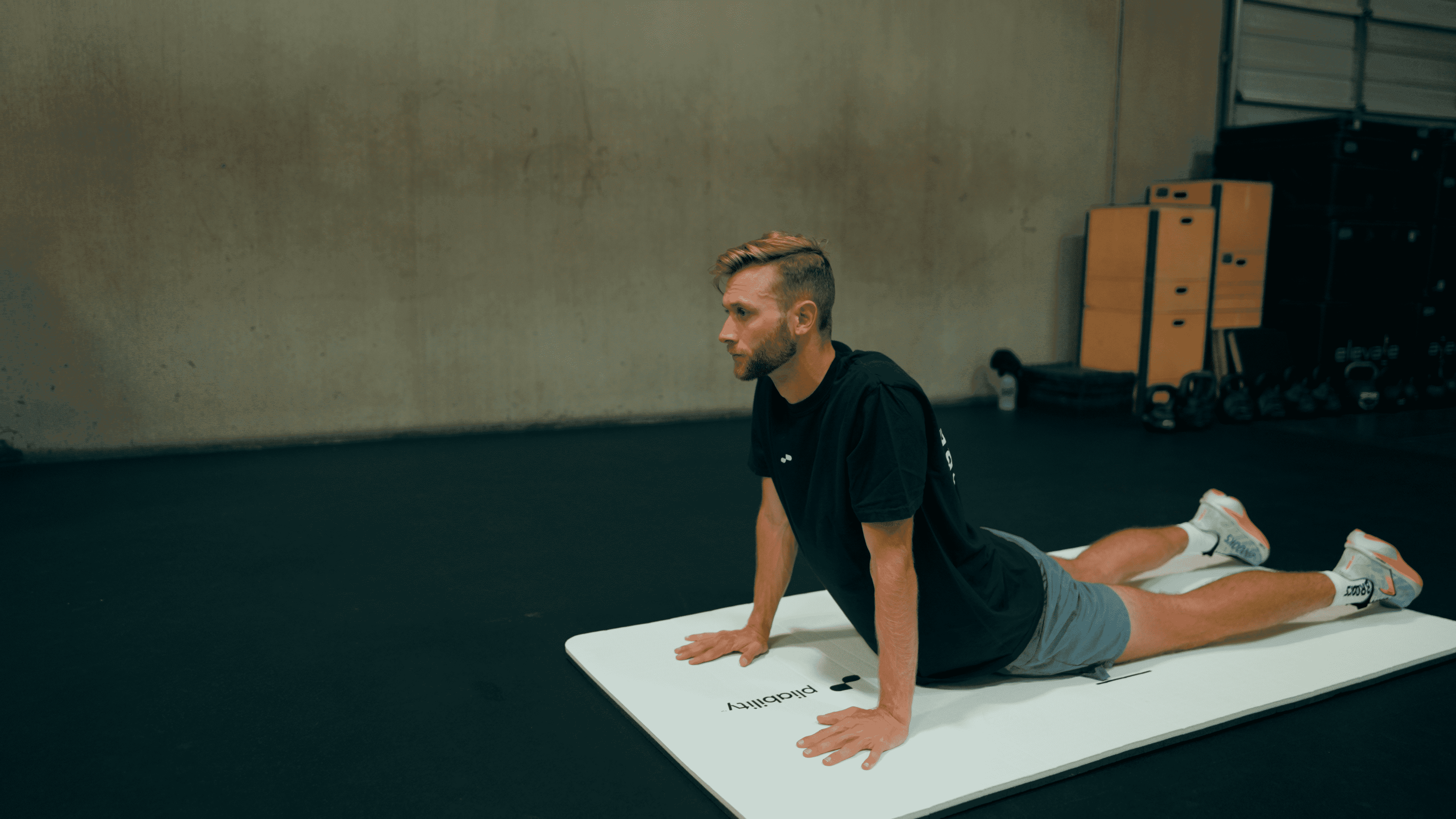
You type all day, grip tools, lift objects, and open jars. Yet the stiffness doesn't fade—it worsens. The assumption seems logical: more use should lead to greater mobility. But tissue adaptation doesn't work that way.
🎯 Key Point: Your daily hand activities are actually creating the problem, not solving it.
Repetitive motion creates specialization, not mobility. Your hands adapt to exact ranges used most often: the curved grip around a mouse, the flexed posture over a keyboard, the pinch of a pen. Those tissues become efficient at those specific positions. Everything outside that narrow band weakens. You're reinforcing limitation, not building flexibility.
"Repetitive motion creates specialization in tissues, making them efficient at specific positions while everything outside that narrow range weakens." — Tissue Adaptation Research
⚠️ Warning: Simply using your hands more throughout the day will only strengthen the same limited movement patterns that are causing your stiffness.
How does your body adapt to repetitive movements?
Your body adapts to repeated movements. When you repeat the same movements hundreds of times daily, connective tissues change to support that pattern: tendons shorten to match your typing angle, fascia thickens around your regular grip, and joint capsules tighten to stabilize positions you hold longest. This isn't damage; it's your body becoming efficient for a limited range.
What happens when you need different movements?
The problem shows up when you need your hand to do something different: reach overhead, rotate your wrist fully, spread your fingers wide. Those movements require tissue length and joint mobility you haven't practised in months. The stiffness you feel isn't weakness; it's your body signalling it no longer has access to ranges it's stopped using.
How does inflammation respond to increased activity?
For people managing arthritis or tendonitis, increased activity often triggers more inflammation. Osteoarthritis involves cartilage breakdown, while rheumatoid arthritis causes the immune system to attack the joint linings. Continued use of inflamed tissues worsens the irritation.
According to research published by the Arthritis Foundation in 2023, repetitive loading on inflamed joints increases synovial fluid pressure and accelerates cartilage breakdown. You're not strengthening; you're grinding.
Why does trigger finger worsen with use?
Trigger finger works the same way. The tendon sheath swells and thickens, causing the tendon to catch rather than slide smoothly. Continued use keeps the tissue inflamed and perpetuates the cycle. Rest and targeted movement reduce inflammation, while overuse locks it in place.
While general hand exercises can help, many people struggle to maintain them without structure or guidance. Mobility platforms like Pliability offer expert-led routines designed to restore the full range of motion through progressive, targeted movements rather than repetitive use. Our programs adapt to your current mobility level and build sustainable habits by making daily practice simple and measurable.
But here's what most people miss: stiffness isn't about what you do. It's about what you've stopped doing.
Related Reading
15 Proven Hand Stiffness Exercises That Actually Work (And Why)
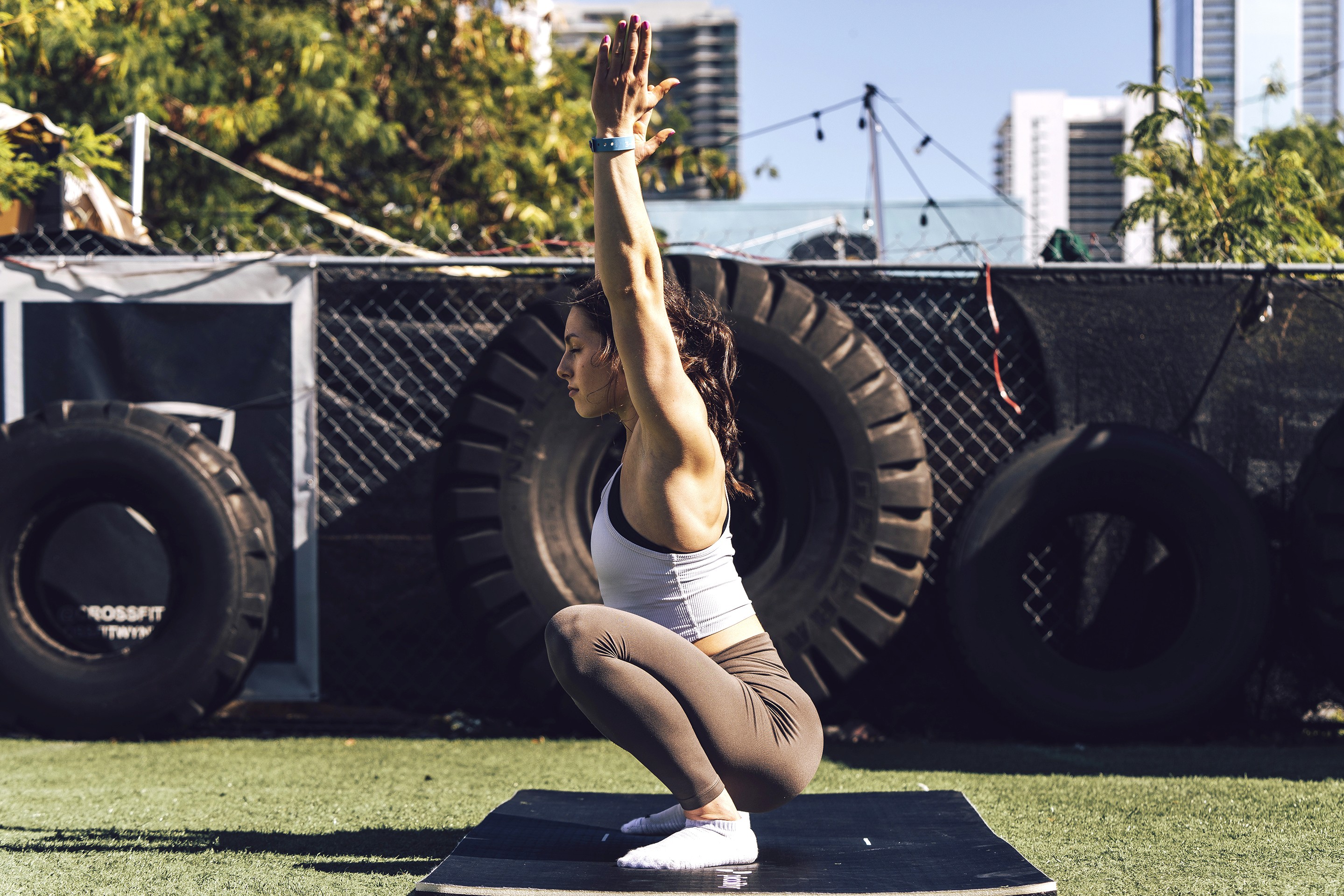
Good hand exercises work in three ways: range of motion (lengthening shortened tissues), neuromuscular control (restoring coordinated movement patterns), and circulation (reducing inflammation and clearing waste buildup). Each exercise below targets at least one of these three mechanisms. Repeating the same movements without purpose reinforces the same limited patterns that created stiffness in the first place.
🎯 Key Point: Effective hand exercises must target specific mechanisms—range of motion, neuromuscular control, or circulation—rather than random repetitive movements.
"Targeted therapeutic exercises that address specific movement dysfunctions are significantly more effective than general repetitive motions for restoring hand function." — Journal of Hand Therapy, 2023
💡 Tip: Before starting any exercise routine, identify which of the three mechanisms your hands need most. This will help you choose the most effective exercises for your specific stiffness pattern.
1. Wrist Extensor Stretches
Extend your arm forward, palm up. Use your opposite hand to gently press your fingers toward the floor. Hold for 15 to 30 seconds, then switch hands.
This targets the extensor muscles and tendons along your forearm. Typing and gripping shorten these tissues in flexion. Stretching restores the length needed for full wrist rotation and reduces the tension that pulls on the forearm, causing fatigue. The hold time allows connective tissue to respond, not muscle alone.
2. Finger Tapping Exercises
Lightly tap each fingertip against your thumb in sequence, focusing on controlled, rhythmic motion rather than speed.
This increases blood flow to the small vessels in your fingers and hands. The rhythmic contraction and release acts like a pump, delivering oxygen and nutrients while flushing metabolic waste from stiff tissue, particularly effective for cold or numb fingers that signal poor blood flow.
3. Grip and Release Exercises
Hold a soft foam ball in your hand. Squeeze as tightly as comfortable, then release and spread your fingers wide into a fan shape. Repeat for 10 to 15 repetitions.
This builds grip strength while stretching the small muscles inside your hand. The squeeze activates the muscles that bend your fingers and strengthens your ability to hold objects, while the release and spread lengthen those tissues and prevent them from staying locked in a shortened position. The contrast creates adaptability.
4. Table Bends
Place your hand flat on a table, palm down. Gently bend your fingers backward at the knuckles, bringing your fingertips toward you. Hold briefly, then release. Repeat for 10 to 15 repetitions.
This stretches the flexor tendons and joint capsules on the palm side of your hand. Daily tasks keep these structures compressed. Extending them restores the joint space needed for full finger extension and reduces clicking or catching from tight tendon sheaths.
5. Knuckle Bends
Start with a relaxed hand position. Bend your fingers at the knuckles, curling them toward your palm without making a full fist. Hold for a few seconds, then release. Repeat 10 to 15 times.
This exercise targets the metacarpophalangeal joints, the knuckles where your fingers meet your hand. These joints lose range of motion quickly with repetitive gripping. Controlled bending restores the flexion needed for tasks such as holding a pen or turning a key while building neuromuscular control.
6. Thumb Stretches
Gently pull each thumb backward toward the base of your hand. Hold for 15 to 30 seconds, then repeat on the other side.
Your thumb moves through more planes of motion than any other finger and carries the most load during gripping and pinching. Stretching the thenar muscles and the thumb's carpometacarpal joint maintains the opposition movement needed to grasp objects. Without this range, even simple tasks like opening jars become difficult.
7. Wrist Circles
Rotate your wrists in slow, controlled circles, both clockwise and counterclockwise. This mobilises the eight small carpal bones and their connecting ligaments. Repetitive wrist positions, especially the slight extension used during typing, compress these joints unevenly. Circular motion spreads synovial fluid across joint surfaces and prevents adhesions from forming between bone and soft tissue.
8. Rubber Band Exercises
Put a rubber band around your fingers and thumb. Slowly open your hand against the resistance, spreading your fingers wide, then close. Repeat for 10 to 15 repetitions.
This strengthens the extensor muscles that open your hand. Most daily activities emphasize gripping, overdeveloping flexors, and leaving extensors weak. Imbalanced strength creates joint instability and stiffness as one muscle group constantly fights the other. Resistance training for extensors restores balance.
9. Regular Hand Movements
Rotate your wrists, flex and extend your fingers, and make gentle fists every hour, especially during sedentary work.
Sustained postures shut down circulation and signal your body to remodel tissue for that exact position. Frequent movement interrupts this adaptation. Even brief motion every 60 minutes maintains tissue pliability and prevents the progressive tightening that can lead to chronic stiffness. According to research published by Flint Rehab in 2025, their therapeutic tools are used across 350+ rehabilitation hospitals, reflecting the clinical importance of structured hand mobility programmes for recovery and prevention.
10. Fist Stretch
Hold your hand straight as if you're about to shake someone's hand. Rest your forearm on a flat surface. Close your fingers into a gentle fist with your thumb wrapped around the outside without squeezing. Slowly return to the starting position. Repeat 10 times per hand.
This exercise builds body awareness through controlled motion and slow tempo, improving your sense of hand position in space. Better coordination reduces compensatory movements that strain your wrist and forearm.
11. Thumb Stabilization
Hold your hand straight and close your fingers together. Gently curve them as if wrapped around a can, then slowly return to the starting position. Repeat five times per hand.
This trains the small muscles inside your hand that stabilise your grip. Weak stabilisers force larger forearm muscles to compensate, creating tension that spreads up your arm. Strengthening these small muscles distributes the load more evenly and reduces tiredness and stiffness after use.
12. Fingertip Touch
Hold your hand straight. Form a circle by touching your thumb to each fingertip in sequence: index, middle, ring, pinky. Hold each touch for five seconds. Repeat five times per hand.
What benefits does fingertip touch provide?
This exercise requires precision and neuromuscular control. It activates the fine motor pathways that deteriorate with repetitive, unvaried movement, improving dexterity and reducing the mental effort required for tasks like buttoning a shirt or typing accurately.
Many people struggle to keep up with hand exercises due to a lack of structure or feedback. Mobility platforms like Pliability offer expert-led routines that guide you through progressive movements, adapt to your current range, and build sustainable habits through daily practice.
13. Finger Walk
Rest your hand flat on a table, palm down. Move your thumb away from your fingers. Starting with your index finger, move it toward your thumb, followed by your middle, ring, and small fingers, one at a time. Repeat five times per hand.
This isolates each finger's independent movement. When fingers move together, tendons and muscles lose individual control. The exercise restores that independence and prevents compensatory patterns where stronger fingers take over for weaker ones, creating uneven load and stiffness.
14. Pinch Strengthener
Pinch a soft foam ball or putty between your fingertips and thumb for 30 to 60 seconds. Repeat 10 to 15 times per hand, two to three times per week, with 48 hours' rest between sessions. Skip this exercise if your thumb joint is damaged.
Pinch strength helps you turn keys, open packages, and handle small objects. Weak pinch force forces you to grip in ways that strain your wrist and forearm. Strengthening the pinch restores hand function, reduces fatigue, and allows tissue to adapt without overloading inflamed structures.
15. Finger Lift
Put your hand flat, palm down, on a table. Gently lift one finger at a time off the surface, then lower it. Repeat 8-12 times per hand.
This strengthens the extensor tendons and improves individual finger control. Weak extensors limit your ability to release objects smoothly and contribute to the clenched, tired feeling that develops after sustained gripping.
How should you prepare your hands before exercising?
If your hands feel painful and stiff, warm them before exercising. Use a heating pad, soak them in warm water for 5–10 minutes, or apply oil, put on rubber gloves, and soak them in warm water.
Heat increases tissue temperature, reducing viscosity in synovial fluid and making collagen fibres more pliable. This allows your hands to move through a greater range of motion with less discomfort and reduces the risk of small tears in cold, stiff tendons and ligaments.
Why do most people give up too quickly on hand exercises?
Most people try these exercises once, feel no immediate change, and stop. Stiffness that has built up over months or years doesn't reverse in a single session. Consistency matters more than intensity: small, daily practice creates the tissue adaptation that restores mobility. Skipping days resets progress because your body defaults to your most-used patterns.
Knowing what to do is only half the equation. The other half is knowing whether it's working.
Related Reading
How to Know If Your Hand Stiffness Routine Is Actually Working
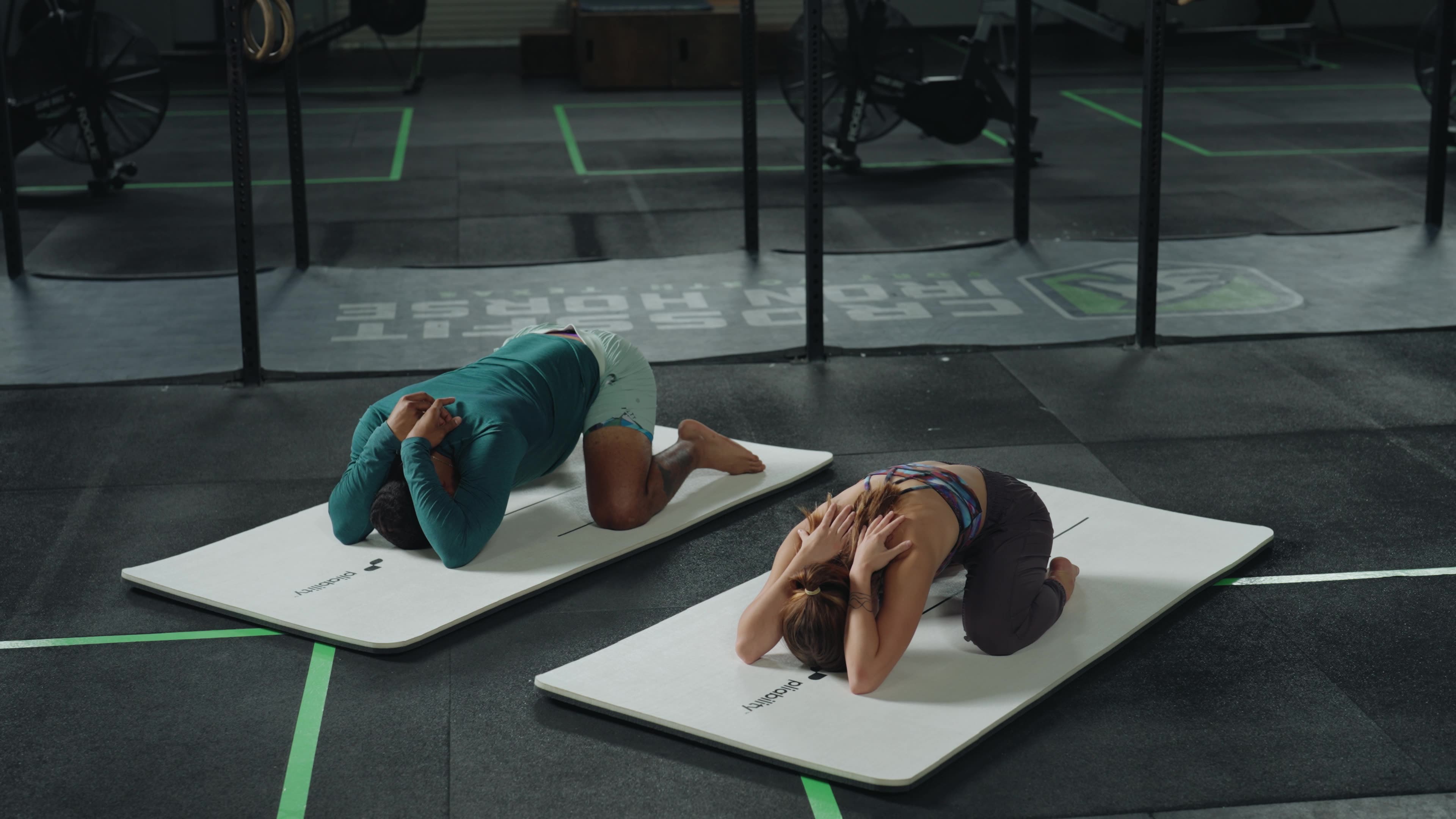
Most people judge progress by comfort: tired, achy hands mean failure; comfortable hands mean success. That's backward. Improvement shows up in what your hands can do, not how they feel at rest. The measure isn't comfort. Its capacity.
🎯 Key Point: True progress in hand stiffness routines is measured by functional improvement, not by the absence of discomfort during rest periods.
"Improvement shows up in what your hands can do, not how they feel when you're resting. The measure isn't comfort. It's capacity." — Hand Function Assessment Principles
⚠️ Warning: Don't mistake temporary fatigue from therapeutic exercises as a sign your routine isn't working—this is often evidence that your muscles and joints are being properly challenged and strengthened.
Before you add more exercises, test what you have
Start with a baseline. Make a tight fist, then fully open your hand with fingers spread wide. Notice the speed, smoothness, and resistance. Does your hand open easily or feel restricted? Do your fingers extend fully or stop short? That's your starting point.
Do your routine: three to five exercises, five minutes total. Right after, repeat the test. If your fingers spread wider, the motion feels smoother, or resistance decreases, you've targeted the right problem. The tissue responded, restoring movement and circulation.
How should your fingers and wrist feel during improvement?
Your fingers and wrist should move through their full range without the dragging feeling that signals tight fascia or shortened tendons. Stiffness should improve within minutes, not hours. If stiffness worsens or you feel nothing until the next day, you're either stressing the inflamed tissue or missing the structures that need attention.
What changes should you notice in your grip strength?
Your grip should feel more responsive and less tired. Your hand should close and open with less effort. Fatigue signals you are working too hard; ease signals your function has been restored.
How can you track progress effectively?
Many people abandon routines without clear feedback. Mobility platforms like Pliability offer expert-led routines with built-in progress tracking, letting you measure range, consistency, and improvement over time. This structure eliminates guesswork and builds sustainable habits.
How do you perform the five-minute validation test?
Do your routine. Immediately after, repeat your baseline test: fist to open hand. Measure three things. Speed: Does your hand open faster? Smoothness: Does the motion feel smooth or catch? Discomfort: Is there less pulling or pinching at the end of range? If all three improve, the exercises are working on the restriction. If none improve, the routine is not targeting the tissue limiting you.
What do the test results tell you about your progress?
This isn't about perfection; it's about direction. Small, measurable gains in range and ease of signal adaptation. No change after consistent effort means you're working around the problem, not through it.
But if your hands remain stiff despite short-term improvement from targeted exercises, the issue isn't the routine itself.
Related Reading
How To Get Rid Of Neck Stiffness
Best Supplements For Muscle Pain And Stiffness
Left Arm Stiffness
How To Reduce Stiffness After an Ankle Sprain
Stretches For Lower Back Stiffness
Hip Stiffness Exercises
How To Relieve Morning Back Stiffness
Finger Stiffness And Locking Treatment
Muscle Stiffness Treatment
If Your Hands Still Feel Stiff, You're Missing the Bigger Pattern
Hand stiffness rarely exists in isolation. It's part of a bigger mobility problem: wrists, forearms, and shoulders all limit how your hands move and recover. Random drills provide only temporary relief.
🎯 Key Point: Your shoulder position affects your wrist angle. Your wrist angle determines how much tension lives in your forearm. Your forearm tension restricts how freely your fingers can extend and flex. When you stretch your hands but ignore the chain of tissue connected to them, you're treating a symptom while the root cause stays locked upstream.
"Without structure, consistency fades. Without feedback, progress becomes invisible." — The reality of unguided mobility work
Most people test exercises one by one, cycling through routines without a clear system. Without structure, consistency fades. Without feedback, progress becomes invisible.
⚠️ Warning: Pliability solves this with a structured, full-body mobility system that targets the root cause of stiffness, not just the symptom. It builds range of motion and control across connected joints, uses guided routines, so you're not guessing what to do next, and adapts daily with custom programs and body-scanning insights.
Start your 7-day free trial on Pliability. Use the app for a week, then check your hand range and stiffness again. If movement feels smoother and faster, you've improved more than your hands.












Move better in 10 minutes a day.
10,000+ five-star reviews.