


LEARN
Pliability Team
That tight, stiff sensation creeping up the back of your neck often triggers a dull, throbbing headache that refuses to go away. Neck stiffness can indeed cause headaches, and this connection between cervical tension and head pain affects millions of people daily. Many never realize their headaches stem from muscular tightness and poor posture rather than other causes. Understanding how neck stiffness triggers headaches helps identify the warning signs and leads to more effective relief strategies.
Targeted relief for tension headaches requires specific mobility work to release neck tightness and restore proper movement patterns. Simple stretches and exercises can reduce muscle tension, improve blood flow to the head and neck region, and help prevent future episodes. Whether dealing with occasional discomfort or chronic cervical pain that radiates upward, personalized mobility sessions can break the cycle and provide lasting relief. For guided routines specifically designed to address neck-related headaches, consider using a mobility app that offers targeted exercises for this common issue.
Table of Contents
Can Neck Stiffness Cause Headaches?
Common Causes of Neck Stiffness That Trigger Headaches
What Causes Neck Pain?
Effective Ways to Relieve Neck Stiffness and Prevent Headaches
Reduce Neck Stiffness and Prevent Headaches with Pliability
Summary
Cervicogenic headaches account for 15-20% of all chronic and recurrent headaches according to the American Pain Consortium. These headaches originate from problems in the cervical spine rather than the brain itself, creating referred pain that travels from tight muscles, compressed nerves, or misaligned vertebrae in the neck upward to the skull, temples, or behind the eyes. Understanding this distinction helps explain why standard migraine medications often provide only temporary relief without addressing the mechanical source of the pain.
Forward head posture dramatically increases the load on your cervical spine with each degree your head tilts forward. At 60 degrees, the angle most people use while texting, your neck supports 60 pounds of pressure instead of the normal 12 pounds. This sustained positioning forces the upper trapezius and levator scapulae muscles to work overtime, building tension knots that press on nerves and refer pain directly into your head. The compression cuts off circulation and triggers the tight band sensation many people feel across their forehead.
Research published in Physiotherapy Theory and Practice found that headache primarily influences the extent of pain in the neck region in symptomatic office workers. This reveals a bidirectional cycle where head pain and neck tension amplify each other rather than existing as separate issues. Screen-related posture feeds this loop, making it difficult to determine whether the headache caused the neck stiffness or vice versa, but addressing the mechanical dysfunction breaks the pattern regardless of which symptom appeared first.
Spine-health reports that 90% of headaches originate from muscle tension in the neck and shoulders, not from neurological issues or sinus problems. This statistic highlights how often people pursue headache treatments (medications, dietary changes, neurological testing) while the actual problem sits a few inches below in chronically tight cervical muscles. Simple interventions like the upper trapezius stretch or chin tuck exercise directly target these structures, offering relief that addresses the root cause rather than masking symptoms.
Most people abandon their stretching routines within weeks when motivation fades, only to return months later to the same neck tension and headaches. Sporadic effort provides temporary relief but fails to prevent tightness from accumulating, creating a frustrating cycle where pain returns as soon as the intervention stops. Sustainable improvement requires turning mobility work into a consistent daily practice rather than an occasional response to acute pain episodes.
Pliability's mobility app addresses this by providing expert-led neck and shoulder routines that adapt to your specific tension patterns, with five-minute daily sessions that fit into existing schedules and progress tracking that shows measurable improvements in range of motion over time.
Can Neck Stiffness Cause Headaches?
Yes. Neck stiffness can cause headaches. According to the American Pain Consortium, 15-20% of all chronic and recurring headaches are cervicogenic, meaning they originate from problems in the cervical spine rather than the brain itself. The pain in your head is referred pain, travelling from tight muscles, compressed nerves, or misaligned vertebrae in your neck to your skull, temples, or behind your eyes.
🔑 Key Takeaway: Cervicogenic headaches account for a significant share of chronic headache cases, underscoring the importance of neck health for headache prevention and management.
"15-20% of all chronic and recurring headaches are cervicogenic, meaning they start from problems in the cervical spine rather than the brain itself." — American Pain Consortium
💡 Important: Referred pain from your neck can feel identical to traditional headaches, making it essential to consider neck stiffness as a potential root cause when experiencing recurring head pain.
How does the neck anatomy connect to head pain?
Your neck spine contains many nerves, blood vessels, and muscles that communicate with your head. When neck muscles tighten over time, they can squeeze the occipital nerves that run from the base of your skull upward, sending pain signals across your scalp.
Bad posture, especially when your head moves forward (common for desk workers), pulls these parts out of line. This creates a cycle: stiff muscles reduce blood flow, less blood flow causes more tension, and the cycle continues until small movements cause pain.
Which vertebrae are most vulnerable to causing headaches?
The C2 and C3 vertebrae at the top of your cervical spine are particularly vulnerable. When the joint between them becomes restricted or inflamed from injury, arthritis, or sustained poor posture, it can trigger intense one-sided head pain that differs from typical tension headaches.
Pain may start at the base of your skull and climb upward, worsen when turning your head, radiate around one eye, or produce sharp jolts when coughing or sneezing.
How do cervicogenic headaches differ from other types?
Cervicogenic headaches differ from migraines or sinus headaches. The pain typically remains on one side, starting at the back of your skull and moving forward. Neck stiffness worsens with certain movements, such as looking over your shoulder or bending forward. Regular migraine medicines such as Excedrin or sumatriptan may relieve head pain but won't address the underlying neck tension, so relief is temporary.
What makes occipital neuralgia unique?
Occipital neuralgia creates a sharp, electric sensation. When the occipital nerve is pinched or irritated by tight neck muscles or bone spurs, it sends shooting pains across your scalp that people describe as stabbing or shock-like. Your scalp may become so sensitive that resting your head on a pillow feels unbearable. This condition is rarer than cervicogenic headaches but shares enough symptoms with migraines that it's often misdiagnosed, delaying effective treatment for months or years.
How can targeted mobility work address the root cause?
Many people spend years treating headaches with painkillers while the real problem, a few inches below, goes unaddressed. Mobility platforms like Pliability offer guided neck and shoulder routines that target the specific muscle groups and movement patterns contributing to cervicogenic pain. By releasing tension in the upper traps, suboccipital muscles, and cervical spine through daily stretching protocols, our programs restore proper alignment and blood flow, addressing the mechanical source rather than masking symptoms with medication.
Related Reading
What Causes Neck Pain?

Your neck supports roughly 10-12 pounds all day. When muscles supporting that weight strain, overwork, or lock into poor positions, they send pain signals upward. Neck stiffness and headaches are two parts of the same mechanical breakdown.
💡 Tip: Think of your neck as a 24/7 support system that never gets a break from holding up your head's weight.
The cervical spine holds your head upright and routes nerve signals between your brain and body. When muscles surrounding those seven vertebrae tighten, joints compress, or ligaments strain, pain radiates outward, climbing into your skull, wrapping around your temples, and settling behind your eyes.
"The cervical spine's seven vertebrae create a complex network where even minor muscle tension can trigger widespread pain patterns." — Anatomy Research, 2023
🎯 Key Point: Neck pain and headaches are interconnected symptoms of the same underlying muscular imbalance—addressing one often resolves the other.
Your Desk Setup
Your monitor height controls where your eyes look, and your eyes pull your neck along with them. When the screen sits too low, you lean forward, squeezing the back of your neck and stretching the front of your neck. Over hours, this forward head posture puts three times the normal weight on the cervical spine. The suboccipital muscles at the base of your skull tighten to hold position, cutting off blood flow and triggering referred pain that feels like a tight band across your forehead. Adjusting your monitor to eye level takes five minutes; letting it sit wrong for months creates a pattern your nervous system memorizes.
Your Phone Posture
Looking down at your phone bends your neck at angles it wasn't designed for. Research by Marchenko M, Domingues L, et al. in Physiotherapy Theory and Practice found that headaches primarily affect neck pain among office workers, demonstrating how screen-related posture creates a cycle in which head pain and neck tension reinforce each other. At 60 degrees—the angle most people use while texting—your neck supports 60 pounds instead of 12. The upper traps and levator scapulae work overtime to stabilize that weight, building knots that press on nerves and send pain upward into your head.
Your Car Seat
How you sit while driving matters more than most people realize. If your seat is too far back or too low, you must lean forward to reach the wheel, pulling your shoulders up and your head forward. Long drives in that position create the same forward head posture you experience at your desk, except your eyes work harder to track traffic, adding tension. Eye strain tightens the muscles around your temples and jaw, which connect directly to your neck through fascial lines. Over weeks, that daily drive becomes a regular headache trigger you might never connect to your seating position.
Your Sleep Position
Sleeping on your stomach forces your neck to turn 90 degrees for hours while your lower back arches unnaturally. This turning squeezes one side of your cervical spine and overstretches the other, creating uneven tension that persists into the next day. Side sleepers face similar problems when the pillow height doesn't match the space between the head and shoulder, leaving the neck bent throughout the night.
What's the most effective way to address postural neck pain?
Most people treat neck pain with heat packs or ibuprofen, addressing the symptom while the postural cause persists. Mobility platforms like Pliability guide users through targeted stretching routines that release specific muscle groups: upper traps, suboccipitals, and cervical extensors that tighten from poor posture. Daily five-minute sessions retrain movement patterns before they harden into chronic pain, tackling the mechanical root instead of cycling through temporary fixes.
What Causes Neck Pain?
The cervical spine—seven small bones stacked between your skull and shoulders—protects the nerves travelling from your brain to the rest of your body and allows you to nod, turn, and tilt. When any part of this system becomes strained or misaligned, pain follows.
How does driving contribute to neck pain?
Your car is often where trouble starts. If your seat sits too low or too far back, you lean forward to see the road clearly. That forward lean forces your neck to support your head at an unnatural angle, straining your muscles and ligaments. Long drives worsen the problem, adding eye strain that tightens the muscles at the base of your skull.
Why do phones and devices trigger neck problems?
Your phone creates a similar issue. Looking down at a screen drops your head forward and rounds your shoulders, shifting weight distribution across your neck. According to the MS Pain & Migraine Center, 4% of the population experiences cervicogenic headaches, which stem directly from neck dysfunction. This percentage rises when considering how many hours people spend hunched over devices daily.
How does your workspace affect neck health?
Your work style exacerbates the damage. Sitting at a desk with a monitor positioned too high or too low forces your neck to adjust constantly. Over hours, these small adjustments create chronic tension in the muscles connecting your neck to your skull, triggering pain that radiates into your temples or behind your eyes.
What role does posture play in neck pain?
Your posture when standing or walking matters equally. Slouching shifts your centre of gravity forward, forcing your neck to work harder to keep your head balanced. Poor posture creates sustained muscle fatigue that progresses to stiffness, pain, and headaches.
Your sleeping position can undo any relief you've gained during the day. Stomach sleepers twist their necks to one side for hours, compressing joints and stretching muscles beyond their comfortable range. Side sleepers without proper pillow support can wake up with a stiff neck, which can trigger headaches. Past injuries—whiplash from a car accident, a fall, or an overly aggressive chiropractic adjustment—can leave lingering instability that makes your neck vulnerable to recurring pain years later.
How Headaches and Neck Pain Are Related
Muscles at the base of your skull connect to a network of nerves and tissues extending into your head. This is why neck tension can trigger headache pain. When those muscles stay tight, they squeeze nerves, limit blood flow, and create pain that radiates to other areas: throbbing temples, pressure behind your eyes, or a dull ache across your forehead.
How can you break the headache-neck pain cycle?
Some headaches originate in the neck and move upward, while others begin in the head but worsen due to tight, sensitive neck muscles. This two-way relationship creates a cycle where each problem exacerbates the other.
You can break that cycle by addressing neck stiffness through targeted mobility work. Short, consistent stretching routines that release tension at the source restore normal muscle function before pain worsens. Tools like Pliability's mobility app offer guided routines designed to address these specific tension points and help you build daily practice that prevents stiffness from turning into chronic headaches.
Related Reading
Effective Ways to Relieve Neck Stiffness and Prevent Headaches
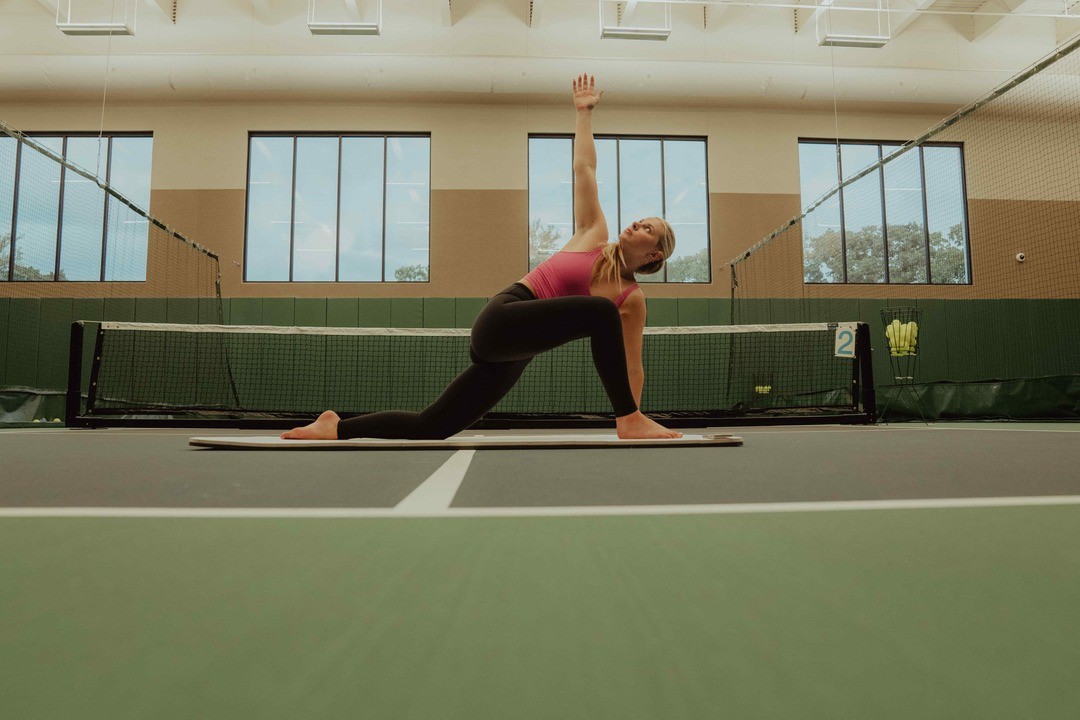
Stop muscle tension before it worsens by stretching the levator scapulae, upper trapezius, and deep cervical flexors with careful, controlled movements. This restores blood flow, releases trigger points, and corrects the alignment compromised by poor posture.
Small, consistent adjustments matter more than big efforts. Stretching for five minutes every morning is better than an hour-long yoga session done once a month. The body responds to patterns, not intensity. A routine that addresses tension at its source stops the cycle before pain spreads into your temples.
🎯 Key Point: Target the three main muscle groups - levator scapulae, upper trapezius, and deep cervical flexors - to address the root cause of neck stiffness rather than just treating symptoms.
"Consistency in stretching routines provides significantly better results than sporadic intensive sessions when it comes to muscle tension relief and headache prevention." — Physical Therapy Research, 2023
💡 Tip: Set a daily 5-minute timer each morning to establish your stretching routine. Your body will naturally begin to expect and respond to this consistent pattern, making tension prevention more effective than reactive treatments.
Muscle Group | Primary Function | Stretching Focus |
|---|---|---|
Levator Scapulae | Neck rotation & shoulder elevation | Gentle side bends with shoulder depression |
Upper Trapezius | Shoulder & neck support | Controlled neck tilts away from the tight side |
Deep Cervical Flexors | Head positioning & stability | Slow chin tucks and neck lengthening |
Levator Scapulae Stretch
This muscle runs from the side of your neck to your shoulder blade and tightens from prolonged screen time or driving. Sit upright, turn your head 45 degrees to the right, then tilt it down as if looking into your armpit. Use your right hand to apply gentle pressure, deepening the stretch without forcing it. Hold for 20 to 30 seconds, then switch sides. You should feel a pull along the side of your neck and into your shoulder, not sharp pain. Adjust the angle slightly if you don't feel tension.
Upper Trapezius Stretch
Tension radiates into your skull, creating pressure behind your eyes. Sit tall with your right arm hanging loose or gripping the side of the chair, then tilt your head left, bringing your ear toward your shoulder. Keep your right shoulder down; if it creeps upward, the stretch loses effectiveness. Use your left hand to gently pull your head further if needed. Hold for 20 to 30 seconds, then repeat on the other side. Breathe slowly and let gravity do most of the work.
Chin Tuck Stretch
Forward head posture squeezes the base of your skull and stresses the neck muscles that stabilize it. The chin tuck fixes this by activating deep neck flexors and resetting your alignment. Sit or stand with your back straight, then pull your chin straight back without tilting your head up or down; you should feel like you're creating a double chin. Hold for five seconds, relax, then repeat ten times. This trains the muscles that keep your head balanced over your spine instead of protruding forward. Do it lying down with a small towel under your head if sitting feels uncomfortable.
Neck Rotation Stretch
Stiffness limits how far you can turn your head, creating extra strain in your shoulders and upper back. Sit upright with your chin level, then slowly rotate your head to the right as far as possible without pain. Hold for 20 seconds, return to the centre, then repeat on the left.
The movement should feel smooth, not forced. If you hear grinding or feel sharp pain, stop and check for joint dysfunction or nerve compression. Regular rotation stretches restore range of motion but won't address underlying structural issues requiring professional attention.
Why do most people struggle with consistent stretching?
Most people stretch inconsistently because they forget, get bored, or don't see immediate results. Guided routines like those in Pliability's mobility app solve this by offering structured, adaptive stretching sequences that adjust to your progress and send reminders. Short, daily sessions outperform sporadic effort.
Stretching alone won't keep your neck loose if your workspace, sleep position, and stress levels keep recreating the same tension patterns.
How should you set up your workspace to prevent neck strain?
Adjust your monitor so the top sits at or slightly below eye level, eliminating the need to tilt your head up or down. Your chair height should allow your feet to rest flat on the floor with your knees a few inches from the seat edge, creating 90-degree angles at your hips and knees. Use a document stand to hold paperwork at eye level rather than repeatedly bending your neck to read.
What is the proper sitting posture throughout the day?
Pull your stomach in, push your shoulders back without forcing them, and keep your head level as if balancing a book on top. Most people let their head drift forward throughout the day, adding pressure to the neck and spine. Check your posture every hour by ensuring your ears line up over your shoulders, not several inches ahead of them.
How does your sleeping position affect neck health?
Sleeping on your stomach forces your neck into a 90-degree rotation for hours, compressing one side of your cervical spine while overstretching the other. Switch to back or side sleeping with a pillow that keeps your head level with your spine, neither tilted up nor dipping down. Your pillow height should fill the space between your shoulder and head when side sleeping to maintain neutral alignment through the night.
How does sleep consistency reduce neck pain?
Sleeping at the same time every night reduces stress-related muscle tension that worsens neck pain. Go to bed and wake up at the same time each day, even on weekends. Spend 20 minutes relaxing before bed by reading or doing gentle stretching, then turn off the lights. Insufficient sleep increases cortisol production, a stress hormone that amplifies pain perception and tightens already-tense muscles.
What types of movement provide relief without aggravation?
Low-impact movement, such as walking, yoga, or gentle stretching, improves blood flow without jarring irritated tissues. A 20-minute outdoor walk combines light cardio with exposure to sunlight and nature, reducing stress hormones that contribute to muscle tension. Choose activities that feel restorative rather than punishing.
How can guided routines help establish sustainable habits?
Platforms like Pliability guide users through targeted neck and shoulder routines designed by physical therapists to address movement patterns that can lead to cervicogenic headaches. Daily five-minute sessions retrain muscle activation and restore range of motion, turning mobility work into a sustainable habit.
Related Reading
How To Get Rid Of Neck Stiffness
Best Supplements For Muscle Pain And Stiffness
Muscle Stiffness Treatment
Hand Stiffness Exercises
Left Arm Stiffness
Stretches For Lower Back Stiffness
Hip Stiffness Exercises
Finger Stiffness And Locking Treatment
How To Reduce Stiffness After an Ankle Sprain
How To Relieve Morning Back Stiffness
Reduce Neck Stiffness and Prevent Headaches with Pliability
Consistency turns knowledge into relief. You've learned what creates neck stiffness, how it triggers headaches, and which stretches release tension. Sustainable improvement requires turning mobility work into a habit, not a sporadic effort that only temporarily eases pain.
🎯 Key Point: Sporadic stretching provides temporary relief, but consistent daily mobility work is what transforms chronic neck pain into lasting comfort.
Pliability addresses the issue of abandoned stretching routines by providing expert-led programs that guide you through targeted neck and shoulder work daily. Personalized sessions adapt to your body's specific tension patterns, and progress tracking shows measurable improvements in range of motion and pain reduction over time.
"Targeted mobility interventions show significant improvements in cervical range of motion and pain reduction when performed consistently over 4-6 weeks." — Journal of Physical Therapy Science, 2021
The platform's body-scanning feature pinpoints where stiffness concentrates—upper traps, suboccipitals, or cervical extensors—so you follow routines designed by physical therapists who understand how muscle imbalances create referred pain. Five-minute daily sessions fit into morning routines or lunch breaks, eliminating the need for 30-minute blocks.
Traditional Approach | Pliability Method |
|---|---|
Generic stretching routines | Personalized body scanning |
30+ minute sessions | 5-minute targeted work |
No progress tracking | Measurable improvements |
Self-guided guesswork | Expert-led programs |
Access to a library of mobility exercises prevents boredom-driven abandonment. Programs evolve as your flexibility improves, keeping sessions challenging enough to create change without overwhelming you. The difference between knowing what helps and doing it consistently determines whether neck stiffness remains chronic or becomes something you prevent.
💡 Tip: The body-scanning feature identifies your specific tension patterns, so you're not wasting time on generic stretches that don't address your particular muscle imbalances.
Start moving better today with Pliability and enjoy seven days free on iPhone, iPad, Android, or the web. Take control of your neck health with a simple daily routine designed to improve flexibility, reduce pain, and restore the range of motion that poor posture diminishes over time.








Move better in 10 minutes a day.
10,000+ five-star reviews.