


LEARN
Pliability Team
Whether you're dealing with soreness after a tough workout, chronic tension from sitting at a desk all day, or that nagging stiffness that makes getting out of bed feel harder than it should, muscle discomfort affects how you move through your day. Finding the best supplements for muscle pain and stiffness can make a real difference in how quickly you bounce back and return to the activities you love. The most effective research-backed supplements can help relieve muscle pain and stiffness, speed recovery, and restore the strength and mobility you've been missing.
The right supplements provide internal support for reducing inflammation and supporting muscle repair, but pairing them with targeted movement can amplify your results. Smart supplementation combined with purposeful movement creates a powerful approach to managing muscle discomfort and getting back to doing what matters to you. For guided routines designed to ease tension, improve flexibility, and help you recover faster, explore Pliability's mobility app.
Table of Contents
What Actually Causes Muscle Pain and Stiffness (It’s Not Just One Thing)
15 Best Supplements for Muscle Pain and Stiffness (Matched to the Cause)
Why Supplements Alone Don't Fix Muscle Pain
How to Actually Get Relief (Without Wasting Money)
Make Recovery Part of Your Routine — Not Something You Chase
Summary
Muscle pain isn't a single problem with one fix. It stems from inflammation, microscopic muscle tears (DOMS), electrolyte imbalances, poor circulation, or chronic tension driven by stress. Research in Current Topics in Behavioral Neurosciences shows 20% of the population experiences chronic muscle pain, yet many struggle to identify the underlying driver. This confusion leads to mismatched interventions, such as taking magnesium for post-workout soreness when the real issue is inflammation, or loading up on protein to stop cramps when the problem is actually dehydration.
Supplement effectiveness depends entirely on matching the intervention to the cause. Turmeric requires 1,500 mg per day paired with black pepper and fatty oil for absorption, according to UT Southwestern Medical Center, and needs three to six months of consistent use before producing measurable results. Cherry juice extract reduces post-exercise soreness through anthocyanins, but the high sugar content makes it problematic for anyone managing blood sugar. Protein requirements for active people range from 1.2 to 2 grams per kilogram of body weight daily (82 to 136 grams for a 150-pound person), far above the general recommendation of 0.8 grams per kilogram.
Most people treat recovery like an emergency response, waiting until something hurts before scrambling for a solution. This reactive approach never gets ahead of the issue because it manages pain instead of preventing it. Supplements address symptoms but don't fix the movement patterns, muscle imbalances, or chronic tension that caused the pain in the first place. Someone with constant shoulder tightness from desk work can take magnesium and turmeric all day, but if they never restore shoulder mobility or break up compensation patterns, the pain returns.
Proactive movement lays the foundation for supplementation to actually work. Turmeric reduces inflammation more effectively when you're not constantly re-aggravating the same tissues through poor movement. Magnesium helps muscles relax when they're not locked in chronic tension from sitting all day. Recovery supplements do their job when your body isn't fighting against itself through a restricted range of motion and compensatory patterns that create new problems while trying to solve old ones.
The unregulated supplement market creates inconsistency that undermines results. CBD oil quality varies wildly between brands, with some products containing almost no active CBD while others are contaminated with THC or heavy metals. The FDA hasn't approved any over-the-counter CBD products for pain. Similarly, many people take low-potency fish oil capsules sporadically and see no benefit because dosage and quality matter more than just checking a box on the supplement shelf.
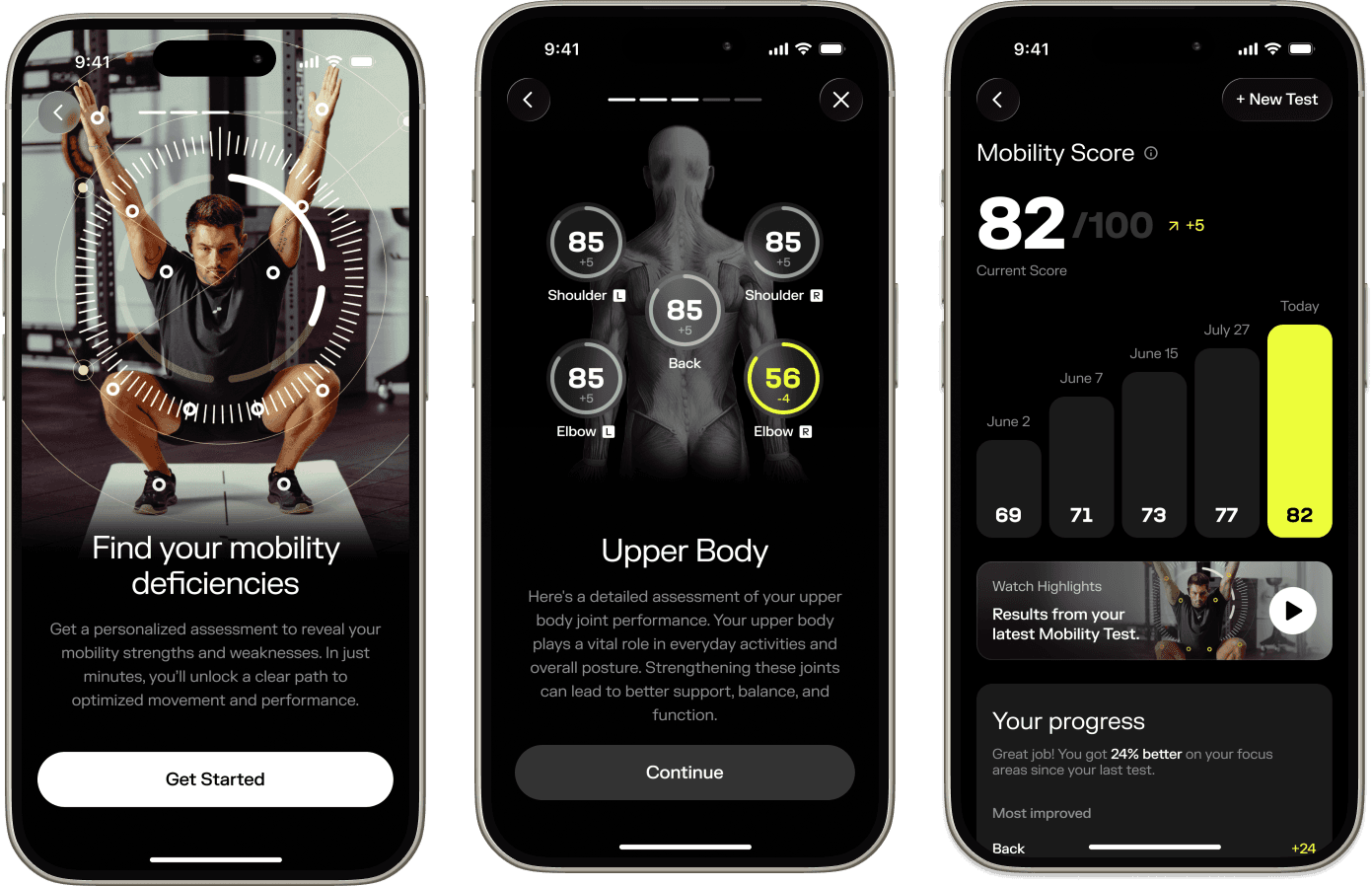
Pliability's mobility app addresses this by offering guided routines that identify tight or restricted areas through a body scan, then deliver personalized sessions designed to improve flexibility and reduce pain at the source rather than just masking symptoms.
What Actually Causes Muscle Pain and Stiffness (It’s Not Just One Thing)
Muscle pain feels the same whether it appears after a workout, at the end of a long workday, or seemingly out of nowhere. But that familiar ache doesn't have the same root cause. The tightness in your shoulders after staring at a screen for eight hours stems from chronic tension and poor posture. The soreness in your legs two days after squats comes from microscopic tears in muscle fibres repairing themselves. The cramping in your calves during a run signals an electrolyte imbalance or dehydration.
🎯 Key Point: The same sensation of muscle pain can stem from completely different causes - from exercise-induced damage to postural stress to nutritional deficiencies.
"Understanding the specific cause of your muscle pain is essential for choosing the right treatment approach." — Sports Medicine Research
💡 Tip: Pay attention to when and where your muscle pain occurs - timing and location are your biggest clues to identifying the underlying cause.
The Most Common Culprits Behind Muscle Discomfort
Overuse and strain
occur when you push your muscles beyond their readiness without proper preparation. Repeating the same movements or starting new exercise routines without a proper warm-up causes microscopic damage to muscle fibres. These small tears trigger swelling and soreness as your body repairs the damage. The pain is sharp, localised, and typically resolves within a few days with rest and recovery.
Delayed onset muscle soreness (DOMS)
appears 24 to 48 hours after new or intense exercise. Your muscles sustain controlled damage during tough workouts; the fibres break down to rebuild stronger. This stiffness and tenderness peak around day two, then gradually subsides. It's productive discomfort signalling your body is adapting.
Chronic stress and tension
lock muscles into sustained contraction, particularly across the neck, shoulders, and lower back. According to Current Topics in Behavioral Neurosciences, 20% of the population experiences chronic muscle pain, much of it tied to prolonged stress responses that maintain muscle tension even at rest.
Unlike exercise-induced soreness, this pain persists because the underlying trigger never fully releases. Muscles remain partially contracted, restricting blood flow and creating a dull, persistent ache.
Not moving around and poor blood flow
create stiffness differently. Muscles need regular movement to stay flexible and maintain blood flow. Prolonged sitting tightens and shortens muscles, reducing the range of motion and making everyday movements uncomfortable.
Not drinking enough water worsens this by reducing the fluid cushion between muscle fibres, which increases the likelihood of cramps and tightness.
Why do generic solutions miss the mark?
Magnesium supports nerve function and muscle relaxation, but doesn't prevent inflammation from tissue damage. Protein won't stop cramps caused by electrolyte depletion. Electrolyte drinks won't release chronic tension from stress and poor posture.
Without understanding the specific cause of your discomfort, you're guessing at solutions and hoping something works.
How does the one-size-fits-all approach fail?
The familiar approach is reaching for a supplement the moment discomfort appears, assuming all muscle pain responds identically. As causes multiply—inflammation from hard workouts, tension from stress, stiffness from sitting—a one-size-fits-all method fails.
You end up with half-used bottles that don't address the actual problem. Our Pliability mobility app guides you through personalized routines targeting specific tightness or soreness, using movement to address root causes rather than masking symptoms.
Once you match the cause to the right intervention, relief becomes clear, and you stop wasting time on ineffective solutions.
Related Reading
15 Best Supplements for Muscle Pain and Stiffness (Matched to the Cause)

The right supplement depends on what's causing your discomfort. Turmeric won't stop cramps from dehydration. Magnesium won't repair torn muscle fibres. Matching the treatment to the underlying cause is essential for resolution.
🎯 Key Point: Targeted supplementation is far more effective than taking random muscle supplements and hoping for the best. Understanding whether your pain stems from inflammation, nutrient deficiency, or muscle damage determines which supplements will actually work.
"Precision nutrition approaches that target specific physiological pathways show significantly better outcomes than broad-spectrum supplementation for muscle recovery and pain management." — Sports Medicine Research, 2023
⚠️ Warning: Many people waste months and hundreds of dollars on supplements that don't address the specific cause of their muscle pain. Identify the root issue first, then choose your supplements accordingly for maximum effectiveness.
1. Turmeric (Curcumin)
Curcumin, the active compound in turmeric, blocks enzymes that trigger inflammatory responses at the cellular level, making it effective for chronic conditions like arthritis and joint pain. UT Southwestern Medical Center recommends 1,500 mg per day, taken with black pepper and healthy fats like olive or avocado oil to enhance absorption. Without these additions, your body eliminates most of the curcumin before it reaches inflamed tissue.
How long does it take for turmeric to show results?
Expect results in three to six months. Turmeric works by reducing the chemical signals that keep tissues swollen and painful. If you see no improvement after that time, the pain likely stems from something other than chronic inflammation.
2. Cherry Juice Extract
Anthocyanins are compounds that give cherries their deep red colour. They reduce inflammation and muscle swelling after intense activity. A daily glass of tart cherry juice or a handful of fresh cherries can ease soreness from hard training sessions, but the high sugar content poses a problem for anyone managing blood glucose levels. Pure cherry extract supplements deliver the anti-inflammatory benefits without the blood sugar spike.
When is cherry extract most effective for recovery?
This works best for exercise-caused muscle damage, not long-term tension or postural stiffness. The anthocyanins target the specific inflammatory markers released when muscle fibres tear and repair, making it a recovery tool rather than a daily pain manager.
3. Omega-3 Fatty Acids (Fish Oil)
Omega-3s reduce pro-inflammatory cytokines, signalling molecules that worsen pain and swelling in damaged tissue. Studies show measurable reductions in joint tenderness and swelling for people with rheumatoid arthritis, though absorption efficiency matters more than dosage. Taking fish oil capsules on an empty stomach impairs absorption and causes digestive discomfort.
Get omega-3s through whole foods like salmon, sardines, walnuts, and flaxseeds to improve absorption and gain extra nutrients that support muscle recovery. If you use supplements, take them with a meal containing healthy fats to maximise absorption and reduce the fishy aftertaste.
4. Collagen
Collagen provides amino acids your body uses to rebuild connective tissue, including tendons, ligaments, and fascia surrounding muscle fibres. Research shows mixed results: some studies indicate it reduces joint pain in osteoarthritis, while others show it decreases muscle soreness without addressing underlying inflammation.
Athletes recovering from soft tissue injuries report possible benefits when taken consistently over several months.
How can you get more collagen in your diet?
Collagen comes as capsules, powders, or liquids you can mix into coffee or smoothies. You can also boost natural collagen production by eating protein-rich foods like chicken, fish, and eggs, and citrus fruits high in vitamin C, which your body needs to synthesise collagen.
5. Chondroitin and Glucosamine
These compounds naturally exist in cartilage, the smooth tissue that cushions your joints. Taking chondroitin and glucosamine supplements can slow cartilage breakdown and reduce pain from bone-on-bone friction. Chondroitin improves joint function, while glucosamine reduces stiffness. Together, they help manage osteoarthritis.
They won't help with muscle soreness from overexertion or stress-related headaches. The benefit applies only to cartilage health, not muscle tissue or pain from other causes of swelling.
6. Boswellia (Indian Frankincense)
Boswellic acid, extracted from the bark of the Boswellia tree, blocks leukotrienes, molecules that cause swelling and tissue damage, making it effective for chronic, low-grade inflammation in conditions such as osteoarthritis and inflammatory bowel disease. It addresses cellular inflammation that doesn't respond well to standard anti-inflammatory supplements.
Boswellia addresses systemic inflammation, not acute muscle soreness. If your pain stems from overuse or poor posture, this supplement won't target the root cause.
7. Cannabidiol (CBD) Oil
CBD works with your body's endocannabinoid system, which controls pain perception, mood, and inflammation. Early research suggests it can help reduce pain from chronic conditions, but the FDA hasn't approved any over-the-counter CBD products for pain management. Quality and dosing vary significantly between brands, making efficacy and safety difficult to assess.
If you're considering CBD, consult ongoing clinical trials and safety reports rather than relying on marketing claims or anecdotal accounts.
8. Protein
Your muscles need amino acids to repair tiny tears from exercise. Without sufficient protein, your body cannot recover well: soreness persists longer, and strength gains slow. The basic recommendation is 0.8 grams per kilogram of body weight, but hard training requires 1.2 to 2 grams per kilogram. For someone weighing 150 pounds, that's 82 to 136 grams daily.
Protein supplements help you meet protein needs without excess calories, but they don't address muscle swelling, cramps, or pain from tightness.
9. Branched-Chain Amino Acids (BCAAs)
Leucine, isoleucine, and valine are essential amino acids your body cannot produce. They support muscle protein synthesis and recovery, with research showing reduced soreness 24 to 72 hours after exercise when supplementation is consistent. While protein sources like red meat, seafood, and dairy contain BCAAs, isolating them in supplement form allows you to increase intake without adding significant calories.
BCAAs work best for exercise-induced muscle damage and won't reduce chronic tension from sitting or inflammation from arthritis.
10. Creatine
Creatine provides muscles with quick energy during hard exercise, enabling harder workouts. It also reduces muscle swelling and accelerates recovery by replenishing ATP, the molecule muscles need to contract.
Creatine supports energy and recovery speed but does not address long-term pain or stiffness from immobility. It functions as a training supplement with recovery benefits, not a pain management tool.
11. Vitamin D
Vitamin D supports muscle protein synthesis and reduces inflammation, enabling muscles to rebuild after intense training. People deficient in vitamin D experience slower recovery and more persistent soreness, particularly in northern climates with limited sunlight exposure during winter months. Since vitamin D is fat-soluble, it accumulates in your body over time, increasing the risk of toxicity if you supplement without knowing your baseline levels.
Get your vitamin D levels tested before supplementing. Too much vitamin D causes nausea, vomiting, and muscle weakness: the opposite of what you're trying to achieve.
12. Magnesium
Magnesium helps muscles relax after contraction, reducing cramping and stiffness after workouts. It also activates vitamin D, which aids muscle recovery by promoting protein synthesis and reducing inflammation. Many active people don't get enough magnesium from food alone, so supplements can help reduce post-training soreness.
High doses cause digestive issues like cramping and diarrhoea. People with kidney problems should avoid magnesium supplements, as damaged kidneys cannot remove excess magnesium, leading to dangerous buildup.
13. Arnica
Arnica contains helenalin, a compound with powerful anti-inflammatory properties that reduces muscle aches, pain, and bruising when applied to the skin. Since ingesting arnica in large amounts can be toxic, creams, ointments, and roll-ons provide targeted relief without systemic risk, making them effective for localized soreness or bruising from impact injuries.
Topical arnica addresses surface-level inflammation and bruising, not deep tissue tension or chronic pain from postural issues.
14. Menthol and Peppermint Oil
Menthol creates a cooling sensation that blocks pain signals from reaching your brain, reducing perceived pain without addressing the underlying problem. It also dilates blood vessels near your skin's surface, improving blood flow to injured or swollen areas. Peppermint oil contains natural menthol and helps relax muscles, easing cramps and tightness.
These work by temporarily distracting your senses and improving blood flow, but they don't repair tissue damage or break up the tight muscle patterns that accumulate over months.
15. When Supplements Miss the Point
People try everything when pain persists. One person took ginger and curcumin for weeks, hoping to reduce swelling. The supplements failed because the real problem wasn't swelling from tissue damage but chronic tension from stress and poor posture, patterns no capsule could interrupt.
The familiar pattern is buying supplements the moment discomfort appears, assuming all muscle pain responds to the same chemical intervention.
What happens when causes multiply beyond supplements?
As causes multiply—inflammation from overtraining, tension from sitting all day, cramping from dehydration—a one-size-fits-all approach fails. Solutions like our Pliability mobility app guide you through personalized routines matched to your specific tightness or soreness, using targeted movement to address root causes rather than masking symptoms with supplements never designed for your particular problem.
Supplements support recovery when matched to the right cause. They don't replace movement, hydration, or addressing the mechanical patterns that created the pain.
Related Reading
Why Supplements Alone Don't Fix Muscle Pain

Supplements target specific biochemical pathways, but muscle pain rarely stems from a single nutrient deficiency. Most discomfort originates from inadequate recovery, poor movement mechanics, chronic stress, or dehydration. A magnesium capsule can't release the tension built up from eight hours hunched over a laptop. Protein powder won't fix stiffness caused by sitting still all day. The supplement addresses one variable while ignoring the structural and mechanical forces that created the problem.
🎯 Key Point: Muscle pain is typically a multi-factorial issue requiring comprehensive solutions, not just targeted supplementation.
"Most muscle discomfort stems from lifestyle factors and movement patterns rather than isolated nutrient gaps." — Sports Medicine Research
⚠️ Warning: Relying solely on supplements while ignoring posture, movement, and recovery habits will leave the root causes of muscle pain unaddressed.
Why can't supplements replace foundational recovery habits?
Muscle soreness peaks two days after hard workouts because of tiny tears that need to heal. Your body repairs these tears through rest, sleep quality, and adequate calories—not from a single nutrient. According to Nutrients, most adults lack sufficient physical activity, so their muscles don't receive the regular exercise needed to adapt and recover effectively.
When you skip the basics—moving your body regularly, getting good sleep, managing stress—supplements cannot compensate. They support existing processes; they don't replace them.
How can antioxidants actually interfere with muscle recovery?
High-dose antioxidants like Vitamins C and E can interfere with recovery by blocking the oxidative stress signals your muscles use to trigger adaptation. Your body needs controlled inflammation to rebuild stronger tissue.
Flooding your system with antioxidants disrupts that communication, leaving you weaker despite taking what you believed was a recovery aid.
Why can't supplements fix mechanical stiffness?
Stiffness from immobility is mechanical. Muscles shorten without full-range movement, blood flow decreases, and fascia binds and restricts. No supplement reverses this: only movement does. Physical activity delivers oxygen and nutrients to starved tissues, lubricates joints, and loosens tight fibres.
What happens when people rely on pills instead of movement?
People reach for magnesium or turmeric after desk work, hoping to undo hours of sitting in one position. It won't work. The tightness stems from holding one posture too long; the remedy is to change position, stretch, or walk. According to Laboratorios Rubió, 73% of athletes take over-the-counter supplements for muscle and bone health, but even they know supplements work only when paired with consistent training, mobility work, and recovery. The supplement supports the work—it doesn't do it.
How do targeted mobility routines address mechanical restrictions?
Platforms like Pliability guide you through targeted mobility routines that address specific movement restrictions. Stretching a tight hip flexor or releasing tension in the upper trap requires deliberate movement, not a chemical fix. Our app matches routines to your actual limitations and adapts as you improve—something pills cannot replicate.
How can supplements hide underlying health issues?
Using supplements to manage pain can mask serious underlying conditions requiring professional attention. Persistent muscle soreness may signal overtraining syndrome, chronic inflammation from autoimmune conditions, or structural issues such as nerve compression.
Anti-inflammatory supplements dull pain temporarily but don't address the underlying cause, allowing it to worsen while you delay the intervention that could resolve it.
What happens when you rely only on supplements for recovery?
One person took iron and vitamin D supplements for months to address postpartum fatigue and muscle aches. The supplements helped, but real recovery came from rebuilding strength through movement, managing stress, and getting consistent sleep.
Fixing the deficiency didn't eliminate the need for foundational habits supporting muscle health. Supplements filled one gap while the broader recovery strategy did the heavy lifting.
But knowing supplements aren't enough doesn't tell you what works when you're stuck between wasted money and ongoing pain.
How to Actually Get Relief (Without Wasting Money)
Start by figuring out what's wrong. Cramping during exercise points to electrolyte depletion or dehydration. Soreness peaking two days after a workout signals normal muscle repair. Chronic tightness across your shoulders suggests tension from stress or posture, not tissue damage. Once you know the root cause, match the intervention: magnesium for cramps, protein for recovery, movement, and stress management for chronic tension. The supplement works when it addresses the specific biochemical or mechanical problem creating your discomfort.
🎯 Key Point: Symptom identification is everything – the wrong diagnosis leads to wasted money on supplements that don't target your actual problem.
"85% of people choose supplements based on marketing claims rather than their specific symptoms, leading to poor results and unnecessary spending." — Sports Nutrition Research, 2023
Symptom | Likely Cause | Target Solution |
|---|---|---|
Exercise cramps | Electrolyte depletion | Magnesium/sodium |
2-day delayed soreness | Normal muscle repair | Protein + rest |
Chronic shoulder tension | Stress/posture issues | Movement + stress management |
Immediate sharp pain | Potential injury | Medical evaluation |
⚠️ Warning: Don't treat chronic pain or persistent symptoms with supplements alone – these often require professional assessment to rule out underlying conditions that won't respond to nutritional interventions.
Match the Supplement to the Cause
If inflammation from overuse is the issue, turmeric or omega-3s target the enzymes and cytokines driving that response. If muscle tears need repair, protein and BCAAs provide the amino acids your body uses to rebuild fibres. If cramping interrupts your workouts, electrolytes and magnesium restore the minerals lost through sweat. According to Bankrate's Emergency Savings Report, only 44% of Americans could cover a $1,000 emergency expense from savings. Spending $30 per month on supplements that don't address your actual problem wastes money and delays recovery.
Why don't supplements work without proper movement and recovery?
Supplements support processes already happening in your body—they don't replace foundational work. Taking magnesium won't release tension from eight hours of sitting; you need to move, stretch, and change positions throughout the day. Protein powder speeds up muscle repair only if you're sleeping enough for growth hormone to work and managing stress so cortisol doesn't interfere with recovery. Hydration matters more than most supplements because dehydrated muscles cramp easily, recover slowly, and feel stiff even when everything else is optimised.
How can movement address root causes better than supplements?
The familiar pattern is reaching for a supplement when discomfort appears, hoping it will undo hours of poor posture, inadequate sleep, or skipped recovery work. As foundational gaps widen—chronic stress, irregular sleep, prolonged inactivity—the supplement becomes less effective because it compensates for structural problems it wasn't designed to fix.
Solutions like Pliability's mobility app guide you through personalized routines targeting specific mechanical restrictions, using movement to address root causes rather than masking symptoms. The app adapts to your body's limitations and changes as you improve—something a bottle of pills never will.
Track What Actually Changes
Buy one supplement at a time and track your symptoms for at least two weeks before adding another. If soreness doesn't decrease, stiffness doesn't improve, or cramps keep interrupting your workouts, the supplement isn't working. Stop taking it and try something else, or reconsider whether the issue stems from movement patterns, hydration, or stress. Most people end up with half-used bottles because they add new supplements without discontinuing ineffective ones, creating expensive confusion.
Relief depends on factors beyond the right supplement or using it regularly.
Related Reading
Hand Stiffness Exercises
Muscle Stiffness Treatment
How To Relieve Morning Back Stiffness
Stretches For Lower Back Stiffness
Left Arm Stiffness
Hip Stiffness Exercises
How To Get Rid Of Neck Stiffness
How To Reduce Stiffness After an Ankle Sprain
Finger Stiffness And Locking Treatment
Make Recovery Part of Your Routine — Not Something You Chase
Relief isn't about finding the perfect supplement. You can take magnesium for cramps, turmeric for inflammation, and protein for recovery, but if your hips stay tight from sitting all day and your shoulders never release from stress, discomfort returns the moment the supplement wears off. The root cause stays untouched. Muscles need consistent movement through their full range of motion to stay flexible and resilient. Without that daily work, stiffness builds up, circulation decreases, and the body adapts to restricted positions that become painful.
🎯 Key Point: Recovery isn't an emergency response—it's a daily practice that prevents problems before they start.
Most people treat recovery like an emergency response, something you chase when pain forces you to stop. That approach keeps you cycling through temporary fixes without addressing the mechanical patterns creating the problem. As causes stack up (poor posture from desk work, inadequate recovery between workouts, chronic tension from stress), you end up with a cabinet full of supplements addressing symptoms while underlying movement restrictions go ignored. Pliability guides you through personalized mobility routines tailored to your body's limitations, using targeted movements to release tightness and improve range of motion, rather than masking discomfort with supplements.
"Small, consistent actions compound into lasting change, while sporadic interventions based on pain levels keep you stuck in the same cycle." — Movement Recovery Principles
Start with one goal: move better today than you did yesterday. That might mean a three-minute mobility session before your workout, stretching your hip flexors after sitting for two hours, or doing a body scan to identify which areas feel restricted. Small, consistent actions compound into lasting change, while sporadic interventions based on pain levels keep you stuck in the same cycle.
⚠️ Warning: Chasing recovery only when pain strikes keeps you trapped in a cycle of temporary fixes without addressing root causes.
If you want fewer flare-ups, better movement, and faster recovery, you need a system that keeps your body moving properly, addressing restrictions before they become chronic pain that disrupts your training, work, and daily movement.




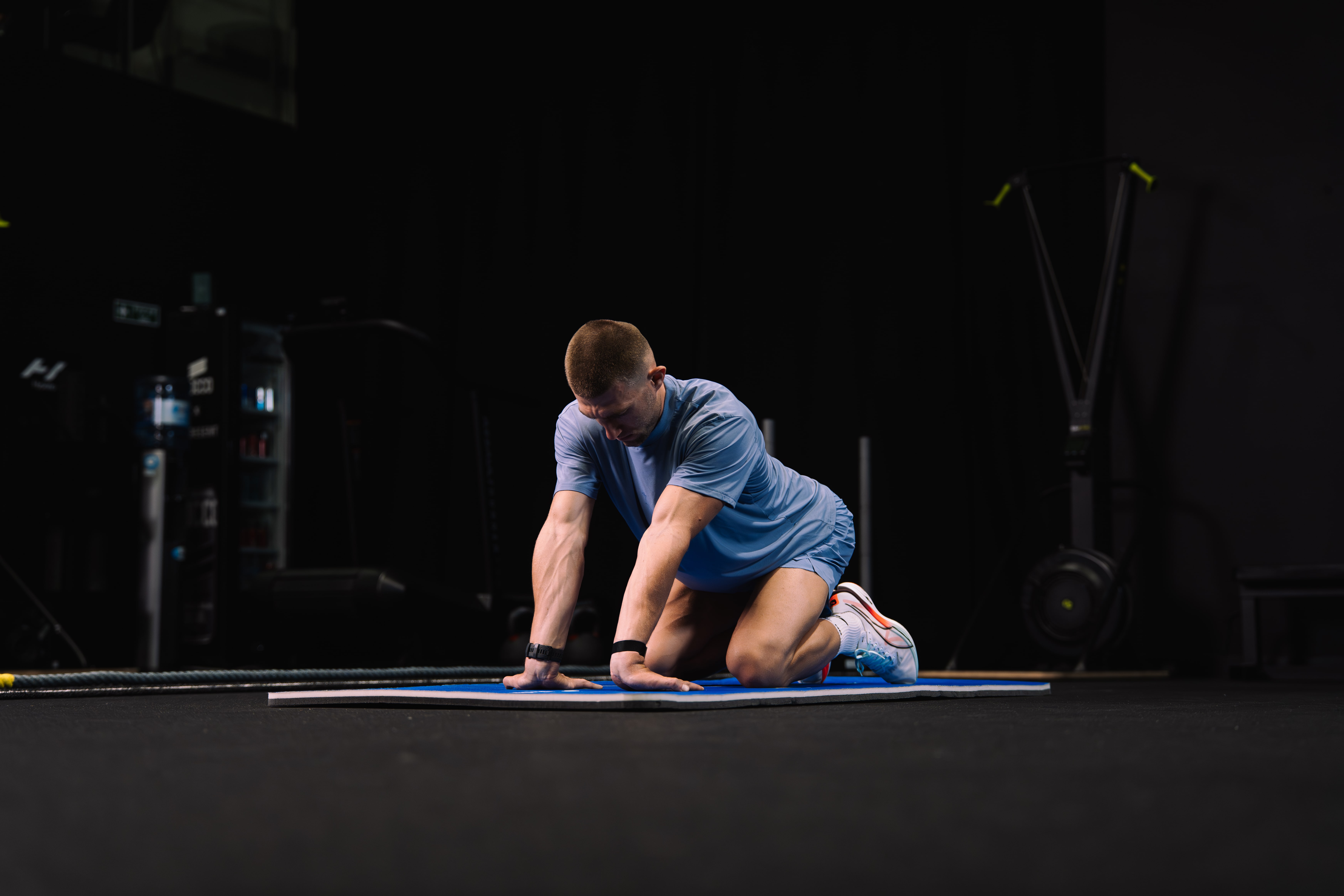



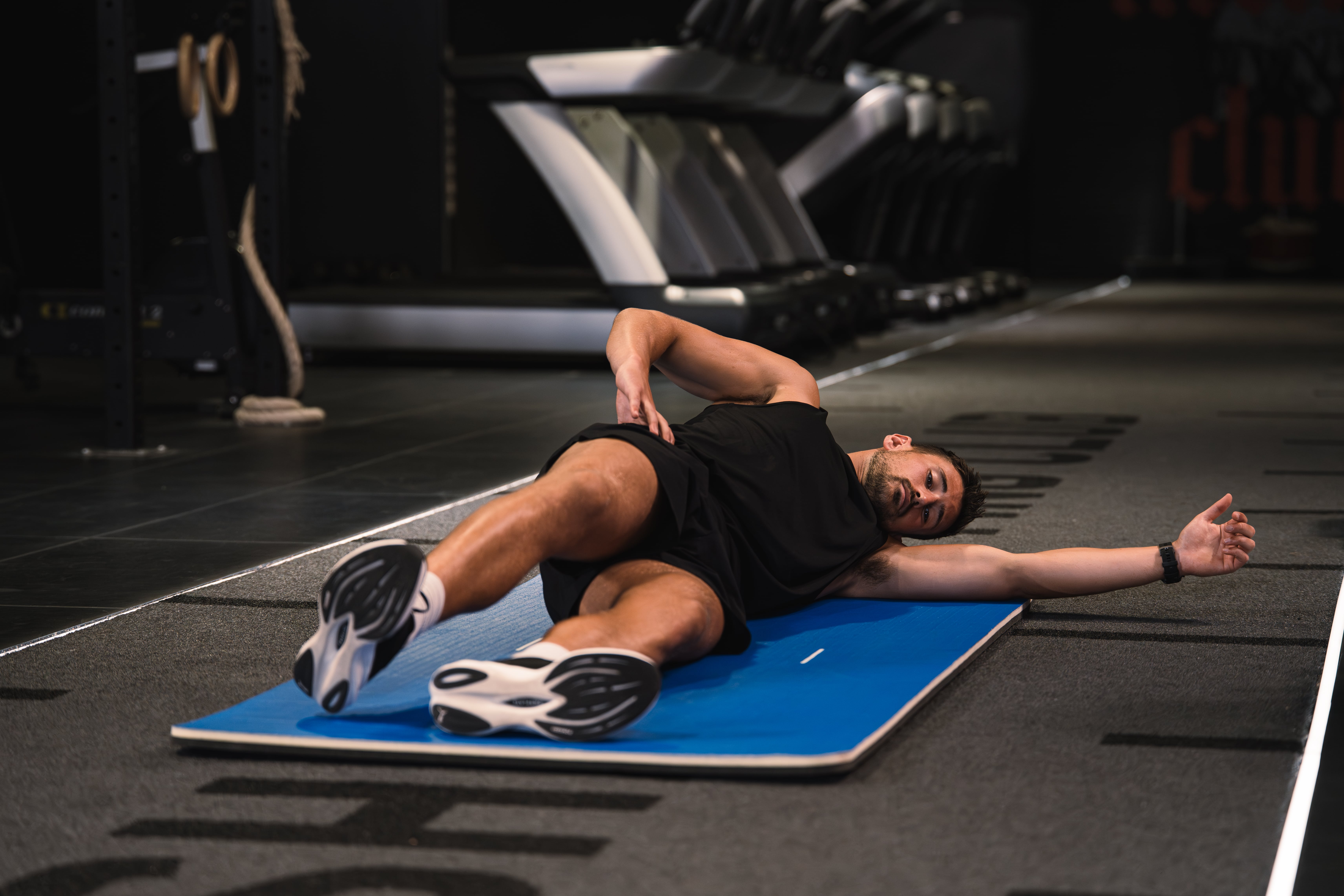




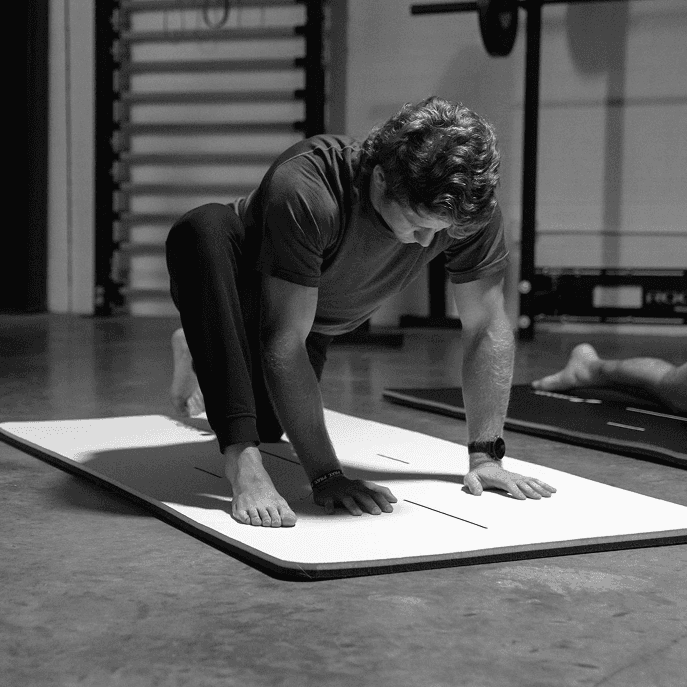




Move better in 10 minutes a day.
10,000+ five-star reviews.