


LEARN
Pliability Team
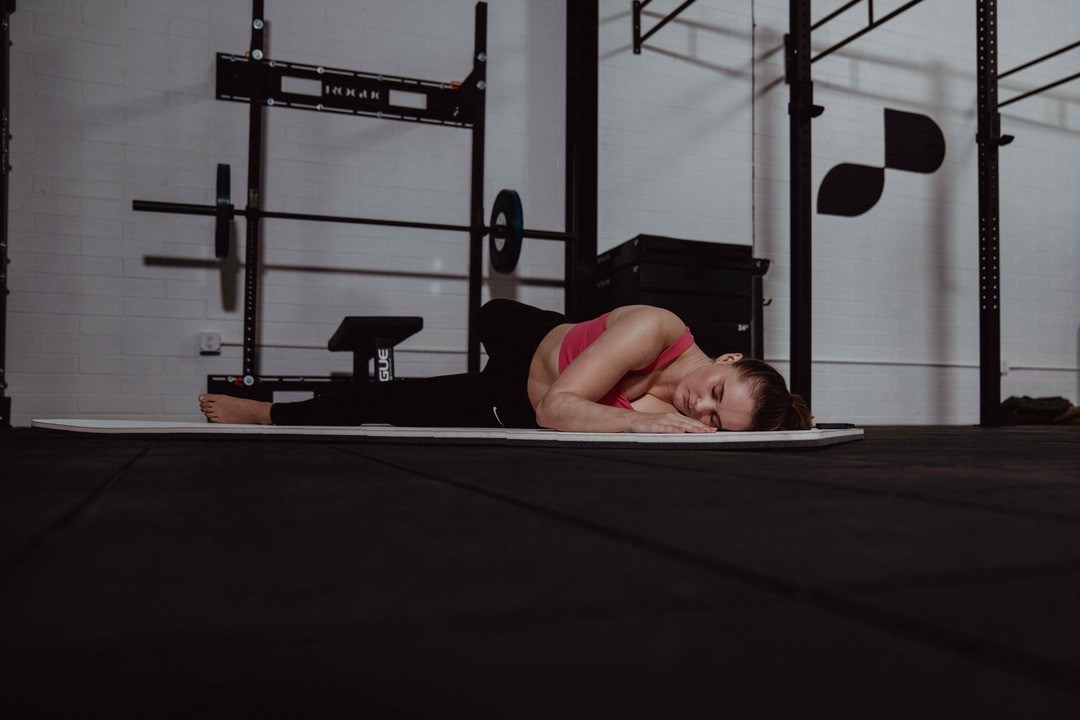
Every athlete eventually encounters tight muscles, nagging injuries, and performance plateaus that seem impossible to break through. Whether chasing personal records or competing at high levels, these physical limitations can derail training progress and sideline careers. The solution often lies not in more intense workouts, but in an ancient practice that builds flexibility, strength, and recovery capacity. Yoga and athletic performance work together to help athletes move better, recover faster, and maintain peak condition without injury.
Smart athletes recognize that mobility work isn't optional for sustained success. Targeted yoga routines address the specific movement patterns and muscle imbalances that develop from repetitive training, creating a foundation for improved performance and injury prevention. For athletes seeking structured guidance, Pliability offers personalized sessions tailored to competitive needs through its mobility app.
Table of Contents
What Does "Yoga for Athletes" Actually Mean?
Five Game-Changing Ways Yoga Unlocks Athletic Performance
13 Yoga Poses to Enhance Sport Performance
How to Incorporate Yoga Into Your Athletic Training Routine
Unlock Your Athletic Potential with Yoga-Based Mobility Programs Today
Summary
Athletes who regularly practice yoga see measurable improvements in range of motion and functional performance. A consistent practice over 20 weeks produces documented increases in spinal mobility and hamstring flexibility. These aren't dramatic transformations, but steady, compounding improvements that keep athletes moving at levels most people abandon too early. The key is treating mobility work as foundational training rather than optional stretching.
Professional sports organizations have integrated yoga into core training programs based on performance data. 80% of NFL teams now incorporate yoga into their training protocols, and the NBA employs a dedicated yoga instructor who works with players on mobility and recovery. LeBron James has practiced yoga for nearly a decade and credits it as a key factor in his career longevity. These athletes use yoga because it directly improves power output, breathing efficiency, and movement mechanics.
Breathing patterns impact athletic performance more than most training programs acknowledge. Each sport has unique respiratory demands, from controlled breath holds for swimmers to rhythmic diaphragmatic breathing for distance runners. Yet most athletes never train their breathing beyond what happens naturally under load. Intentional breathwork creates a more resilient autonomic response and delays the onset of fatigue, delivering more oxygen with less effort.
Movement quality in yoga builds strength through control rather than repetition. Slower transitions through poses engage smaller postural muscles that traditional strength training misses. These stabilizer muscles keep your knee stable when you plant hard or your shoulder aligned when you throw. A 15-minute targeted session, consistently delivered with clear performance objectives, yields measurable results by teaching your body to move efficiently under structural load.
Recovery is where physical adaptation actually happens, not during training itself. Your muscles get stronger during recovery when your nervous system rebuilds tissue and recalibrates movement patterns. Intentional recovery sessions that reduce posture volume and increase rest time give your nervous system space to process training load. Athletes who build recovery into their weekly rhythm stay healthier, move better, and perform longer than those who grind through fatigue.
Pliability’s mobility app addresses this by delivering expert-led mobility routines built for athletes who need targeted work at specific training phases, whether that's pre-workout activation, post-session recovery, or maintenance work on rest days.
What Does "Yoga for Athletes" Actually Mean?
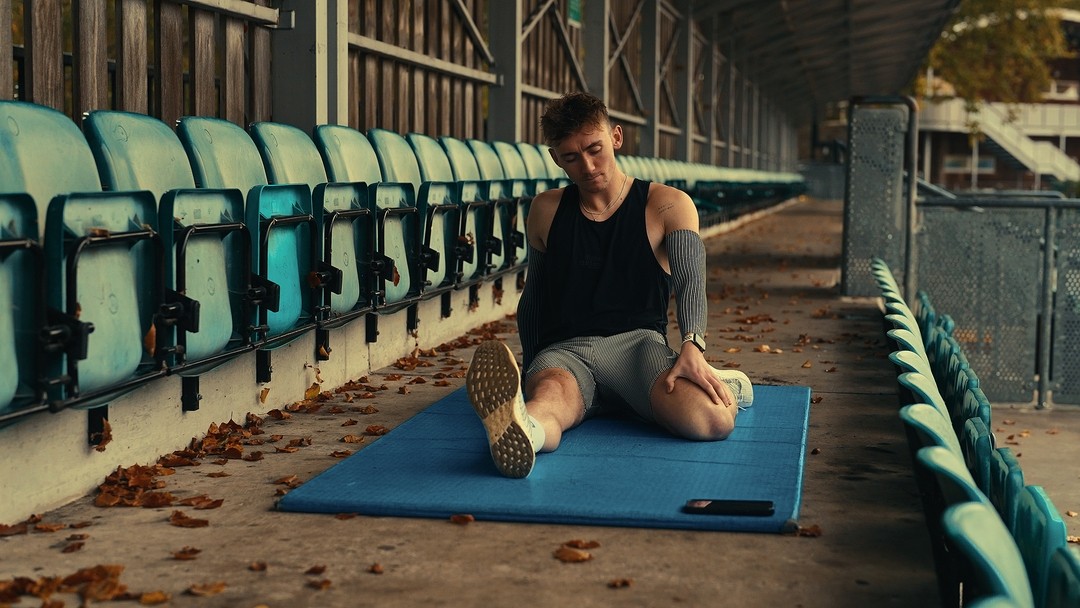
Yoga for athletes isn't about touching your toes or holding a warrior pose for Instagram. It's a targeted practice built around mobility, joint stability, neuromuscular coordination, and recovery designed to address the specific demands of athletic performance. Unlike general yoga classes that emphasize flexibility and mindfulness, yoga for athletes focuses on movement quality, breathing efficiency, and building strength under pressure.
🎯 Key Point: Athletic yoga prioritizes functional movement patterns and performance enhancement over traditional flexibility-focused poses.
"Yoga for athletes focuses on movement quality, breathing efficiency, and building strength under pressure—targeting the specific demands of athletic performance."
💡 Tip: Look for yoga programs that emphasize sport-specific movements and recovery protocols rather than just general flexibility training.
What specific challenges do athletes face that yoga addresses?
Athletes face challenges that casual practitioners don't. Tight hip flexors limit stride length. Weak ankle stabilizers increase landing risk. Poor proprioception creates compensatory movement patterns that accumulate into chronic pain. A weekend warrior dealing with shoulder stiffness after a layoff needs targeted work that addresses the specific joints, movement patterns, and recovery demands of their sport, making yoga a performance tool rather than a stretching routine.
What makes professional athletes choose yoga for training?
According to Yoga Renew Teacher Training, 80% of NFL teams incorporate yoga into their training programs. LeBron James has practiced yoga for nearly ten years and credits it as key to his health and longevity. The NBA employs dedicated yoga teacher Kent Katich, who works with players on movement and recovery protocols to enhance court performance. Professional athletes use yoga to build strength, improve breathing and movement quality, and sharpen focus.
How does yoga build strength and stability for athletic performance?
Holding a pose for 45 seconds with added weight builds controlled strength. It forces stabilizer muscles in your ankles, knees, and hips to work in patterns that support cutting, sprinting, and landing. Breathing practice during holds teaches your nervous system to function under fatigue. This combination of strength, stability, and nervous system control produces athletes who move better and sustain fewer injuries.
Mobility and Flexibility More Than Just Stretching
A better range of motion means your hips can extend fully during a sprint, your shoulders can rotate cleanly through a throw, and your ankles can dorsiflex properly during a landing. Better stride efficiency reduces energy waste in running and agility sports, letting you maintain speed longer without compensating through your lower back or knees. Fewer compensations mean reduced risk of overuse injuries because your body isn't forcing one joint to do another joint's job. Research published in the Journal of Physical Therapy Science found that once-weekly yoga sessions over 20 weeks significantly increased spinal mobility and hamstring flexibility in women aged 50 to 79. A separate study in the British Journal of Sports Medicine found that runners who completed a 20-minute yoga session before their run showed considerable performance improvements compared to those who skipped it.
Strength and Stability Bodyweight as Resistance
Yoga builds strength differently from a barbell, but no less effectively. Holding poses like Warrior III, Chair, or Side Plank for extended periods strengthens the stabilizer muscles in your ankles, knees, hips, and core: the small but critical muscles that provide support during dynamic movement. Stronger stabilizers mean your knee doesn't collapse inward during a cut, your ankle doesn't roll on an uneven surface, and your core transfers power efficiently from your lower body to your upper body during a swing or throw. A study in Evidence-Based Complementary and Alternative Medicine found that muscular strength and endurance increased after 12 weeks of consistent yoga practice. This translates to greater control while shooting during basketball, returning a volley during tennis, or maintaining form during the final mile of a race when fatigue sets in.
Balance and Proprioception Training Your Nervous System to Read Your Body
Yoga trains your brain to understand signals from your body, a process called interoception. When you hold a pose, your nervous system updates what it knows about what's safe and sustainable. Holding positions, controlling your breath, and paying attention to how your body feels create a learning environment that adjusts the predictions your nervous system makes about movement, effort, and fatigue. When these predictions are wrong, you end up tense, exhausted, anxious, and working against yourself.
Better proprioception means you can sense your body's position, movement, and force with greater accuracy. This leads to a more stable foot strike while running, improved single-leg control in cutting and jumping sports, and supported ankle stability during landing. A study in Pedagogics Psychology Medical found that college basketball players who attended yoga classes four times a week for nine months showed significant increases in vertical jump, free throw percentage, three-point shooting, tactical execution, speed endurance, and balance.
How does nervous system regulation improve athletic performance?
Yoga improves nervous system function, enhancing stress relief, mental performance, and recovery. Athletes with better nervous system function shift into rest mode faster after intense effort, maintain efficient movement patterns without excess tension, and stay calm when fatigued.
This means you can focus better during competition, experience less delayed-onset muscle soreness, and improve circulation for tissue repair between sessions. According to research published in Cureus, yoga has a measurable impact on athletes' mental well-being, addressing both psychological and physiological demands of competition. A review in the International Journal of Yoga documents growing evidence supporting the integration of yoga in sports rehabilitation, with strong outcomes for pain and stiffness management.
What's the solution for time-pressed athletes?
Most athletes lack time for multiple weekly yoga classes, and regular routines don't address the specific mobility problems that come with different sports. Apps like Pliability provide personalized, expert-led routines targeting the exact areas your body needs: hip mobility for running, shoulder stability for throwing, or full-body recovery after competition.
Instead of guessing which poses help your sport, you get targeted sessions designed to improve specific movements while building consistency that produces results. Knowing yoga works and experiencing measurable performance gains are different things.
How does consistent mobility practice counter performance decline?
Many athletes assume their performance will decline in their 40s and 50s. But tightness and reduced range of motion stem from compensatory patterns, not age patterns yoga can address. Practicing yoga once weekly for 20 weeks produces measurable gains in spinal mobility and hamstring flexibility, delivering steady improvement that sustains movement capacity most people abandon prematurely.
What makes targeted mobility routines more practical for athletes?
That's where a tool like Pliability becomes useful. Most athletes don't need hour-long studio sessions; they need focused mobility routines that fit into their current training schedule and address the specific needs of their sport. Our platform delivers short, expert-led sessions focused on hip stability for runners, shoulder mobility for tennis players, or ankle strength for basketball athletes—all designed to provide performance benefits without requiring a complete schedule change. Consistency matters more than duration.
How does yoga rewire nervous system movement patterns?
But mobility and flexibility are only part of the equation. What separates yoga for athletes from general practice is how it changes the way your nervous system reads and responds to movement.
Related Reading
Five Game-Changing Ways Yoga Unlocks Athletic Performance
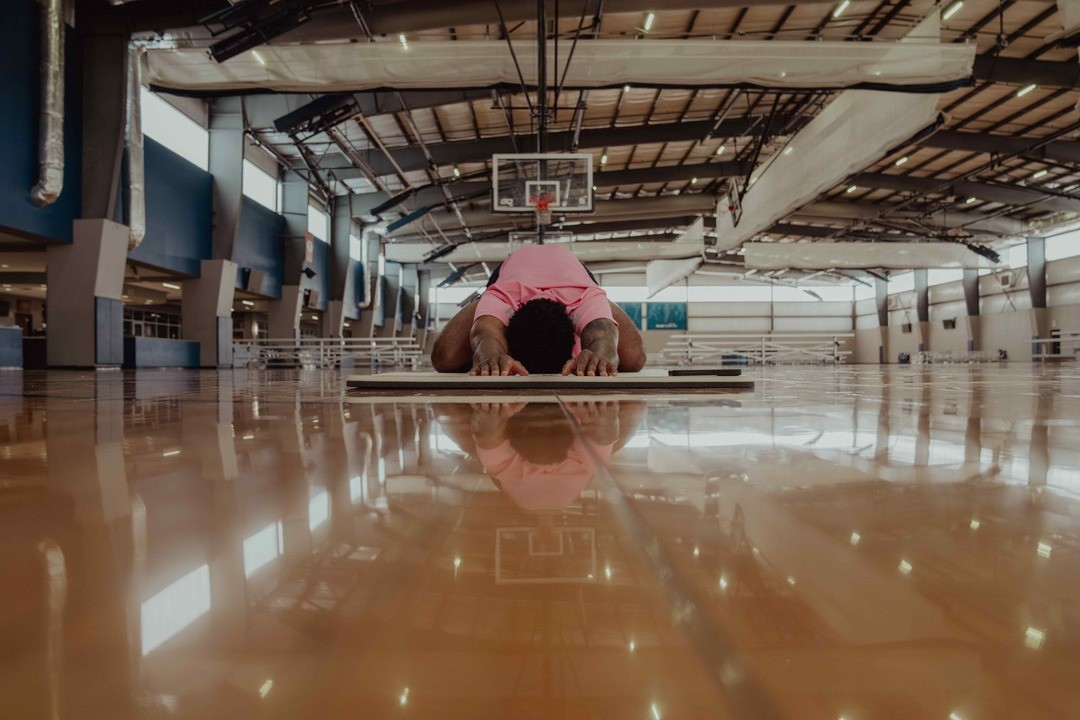
Your nervous system controls how smoothly you move, how fast you recover, and whether your body performs at its best. Traditional strength and conditioning programs build power and endurance, but they rarely teach athletes to notice sensory feedback or control their body's stress response when fatigued. This gap manifests as tight hips that limit stride length, shallow breathing that reduces endurance, and movement patterns that accumulate into chronic pain.
🎯 Key Point: Most training programs focus on building strength but ignore the nervous system's role in movement quality and recovery.
"The nervous system is the master controller of athletic performance, determining not just how much force you can generate, but how efficiently you can move and recover." — Sports Science Research
⚠️ Warning: Ignoring nervous system training leads to movement compensations that become performance limiters and injury risks.
Yoga for athletes trains the systems that control how well you move, not just how much you move.
1. Awareness: Training Your Nervous System to Read Movement
Every sprint, cut, and landing happens through your nervous system. If you can't sense small changes in joint position or muscle tension, you can't adjust in real time. Awareness training teaches you to recognize those signals before they become problems. Leon Taylor, an Olympic medalist and yoga teacher, puts it plainly: "Without paying attention, you miss the chance to change." Simple techniques like stomping, tapping, or shaking out limbs activate proprioceptive feedback loops that most athletes ignore until something breaks down.
Why do athletes train through poor mechanics without realizing it?
The arrival phase of a yoga session centers your nervous system to process sensory input efficiently during movement. Athletes who skip this step often train through poor mechanics because they cannot feel the difference between stable movement and compensation. Tight hip flexors thus lead to IT band issues, and weak ankle stabilizers lead to chronic knee pain.
2. Breath: The Performance Variable Most Athletes Ignore
Breathing affects power output, endurance, and recovery more than most training programs acknowledge. Swimmers need controlled breath holds and quick, forceful exhalations. Runners need rhythmic diaphragmatic breathing to support sustained aerobic output. Most athletes never train their breathing beyond what occurs naturally under load. Intentional breathwork strengthens the autonomic response and delays the onset of fatigue.
How can athletes train more efficient breathing patterns?
A simple technique shifts this. Lie on your back with your knees bent and a block under your head. Brush the block lightly across your stomach while breathing freely to create a sense of awareness in your diaphragm and lower ribs. Remove the block, let your palms face upward, and breathe into the area where you felt the pressure. Over time, this trains deeper, more efficient breathing patterns that transfer directly to performance: using less effort to deliver more oxygen.
3. Movement: Building Strength Through Control, Not Repetition
Movement in yoga isn't passive stretching. It's controlled strength under load, forcing stabilizer muscles in your ankles, knees, and hips to fire in patterns that transfer to cutting, sprinting, and landing. The slower you move through transitions, the more you engage smaller postural muscles that traditional strength training misses.
Those muscles keep your knee stable when you plant hard or your shoulder aligned when you throw. A 15-minute custom yoga session delivered regularly with a clear performance goal yields measurable results, not because yoga replaces strength training, but because it teaches your body to move efficiently and safely under structural load.
Why do shorter sessions work better for athletes?
Most athletes overestimate the duration of their training sessions. A runner needs hip stability drills. A tennis player needs shoulder mobility work. A basketball player needs ankle strength under dynamic load. When routines fit into a 15-minute window and address sport-specific demands, athletes complete them. Consistency beats duration every time.
4. Recovery: Where Adaptation Actually Happens
Your muscles get stronger during recovery, when your nervous system rebuilds tissue and recalibrates movement patterns, not during training itself. Most athletes treat recovery as downtime rather than active work. Intentional recovery sessions reduce postural demands and increase rest time, giving your nervous system space to process what you trained.
Recovery isn't about doing less. It's about doing the right thing at the right time so your body adapts rather than breaks down.
How should you measure training progress?
The shift happens when you stop measuring progress by how hard you pushed and start measuring it by how well you recovered. Athletes who build recovery into their weekly rhythm stay healthier, move better, and perform longer than those who grind through fatigue until injury occurs.
5. Integration: Turning Practice Into Performance Gains
The missing link for most athletes isn’t knowledge—it’s integration. You can understand awareness, breath, movement, and recovery individually, but if they don’t show up in your actual sport, they don’t matter. Integration is about transferring what you practice on the mat into your sprinting, lifting, cutting, or competition. That means applying controlled breathing under pressure, maintaining joint awareness during explosive movement, and recognizing fatigue signals before mechanics break down.
This is where Yoga and Athletic Performance become practical. It bridges the gap between controlled environments and real competition. Instead of isolating skills, you layer them into sport-specific scenarios. A soccer player maintains breath control while accelerating. A weightlifter stabilizes through a full range under load. A runner sustains efficient mechanics deep into fatigue. These are not separate skills—they’re integrated outputs of a well-trained system.
Consistency drives this process. Short, focused sessions repeated throughout the week reinforce neural patterns that carry over into performance. You don’t need more complexity. You need repetition with intent. When awareness sharpens, breathing stabilizes, movement becomes more efficient, and recovery is prioritized, performance becomes less inconsistent. It becomes predictable.
That’s the real shift. You’re no longer reacting to fatigue, pain, or breakdowns. You’re operating with control, clarity, and efficiency—exactly what serious athletes need to perform at a higher level.
But knowing these principles doesn't help unless you know which movements deliver them.
13 Yoga Poses to Enhance Sport Performance
The poses below target specific athletic demands: tight hip flexors that limit stride length, weak ankle stabilizers that increase landing risk, and restricted thoracic mobility that impairs throwing mechanics. Each builds strength under load, trains proprioceptive feedback, and creates movement patterns that transfer directly to performance.
🎯 Key Point: These 13 foundational poses address the most common mobility restrictions that limit athletic potential and increase injury risk.
MyYogaTeacher identifies 13 foundational poses addressing the most common mobility restrictions athletes encounter. What follows is how each works, why it matters for your body, and how to execute it correctly.
"Tight hip flexors, weak stabilizers, and restricted mobility are the top three movement limitations that prevent athletes from reaching peak performance." — Sports Performance Research, 2023
💡 Tip: Focus on quality over quantity - holding each pose for 30-60 seconds with proper alignment delivers better results than rushing through multiple repetitions.
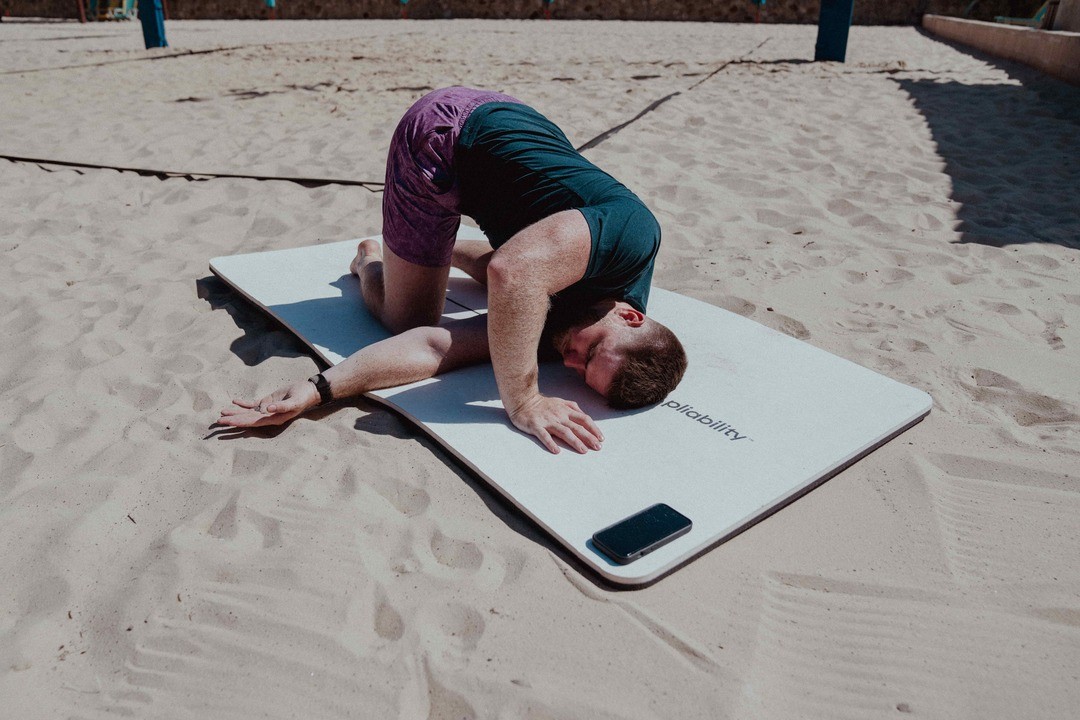
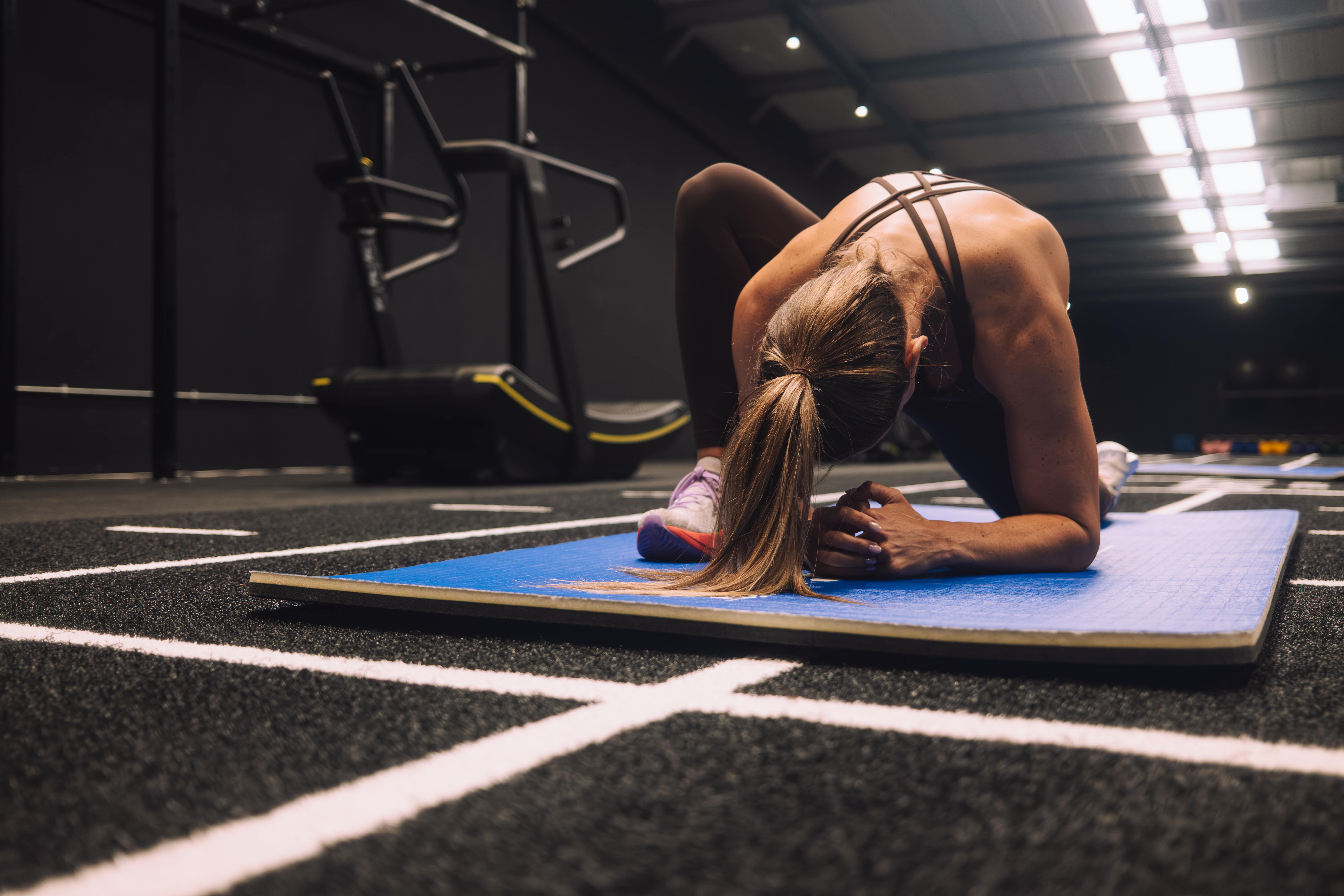
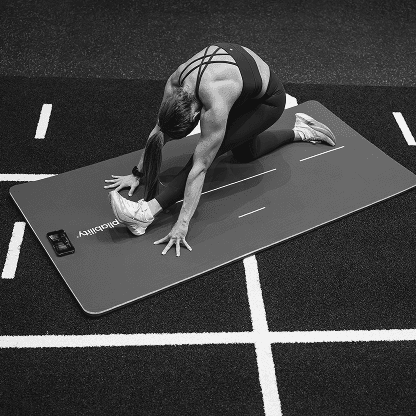
1. Child's Pose with Side Stretch
This pose opens your hips and lower back while relieving tension in your shoulders, knees, and ankles. The side stretch variation adds a lateral component that most athletes ignore until rib or oblique tightness limits rotational power.
How do you perform this stretch correctly?
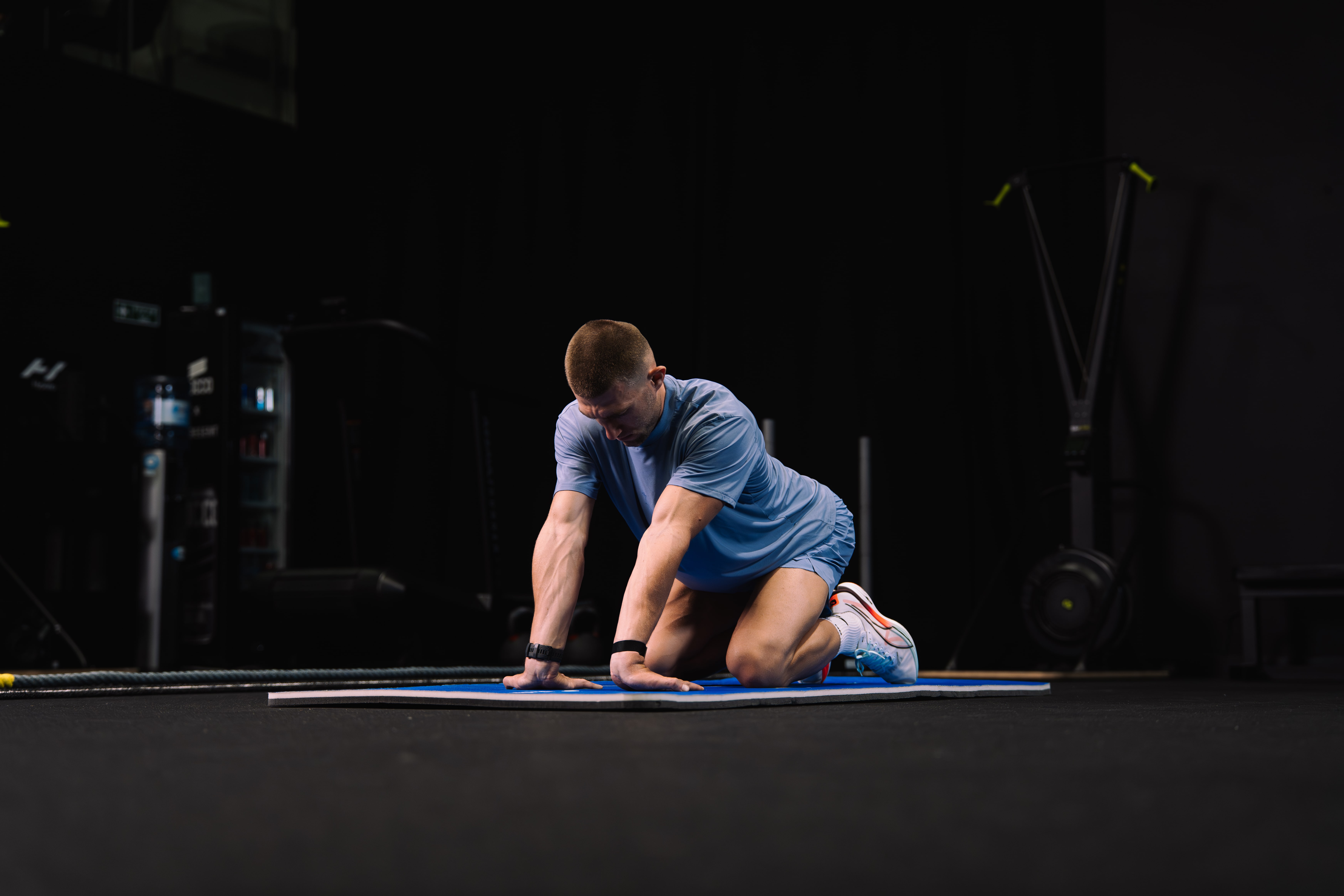
Start in tabletop position with feet together and knees shoulder-width apart. Push your weight back toward your heels and bring your forehead to the mat, extending your hands forward. Walk your hands left to stretch your right side-body, then right to stretch your left side-body.
If you hold your breath through the stretch, you're training tension, not release. Exhale fully into tight spots to signal your nervous system it's safe to let go.
2. Cat Cow
Cat cow keeps your spine healthy and strengthens your core by moving it forward and backward in a controlled manner. This active training teaches your muscles and nerves to work together, helping your body move through your spine rather than compensating with your hips or shoulders.
How do you perform the cat cow exercise properly?
Get into tabletop position with your feet and knees hip-width apart and your wrists under your shoulders. Breathe in while dropping your belly into cow pose, looking up to open your chest. Breathe out as you bring your belly button to your spine, arching your back and looking down for cat pose, stretching through your back.
Why does rhythm matter more than range of motion?
The rhythm matters more than range. Slow, controlled transitions engage the small postural muscles that stabilize your spine under load.
3. Puppy / Dolphin
Puppy pose stretches your shoulders, back, and arms. Dolphin pose strengthens your arms while stretching your shoulders, back, hamstrings, calves, and ankles more deeply. This progression teaches you to maintain upper body tension while opening your posterior chain.
How do you perform puppy and dolphin poses?
For puppy: Start in a tabletop position, step your hands forward, and lower your forehead to the mat while keeping your hips boosted. For dolphin: Put your weight into your forearms, lift your hips, and straighten your legs into a downward dog position with your forearms on the ground.
Why is the dolphin pose beneficial for athletes?
Dolphin builds the shoulder stability swimmers and overhead athletes need by forcing your shoulders to stay stable under load while your hamstrings and calves lengthen.
4. Low Lunge to Half Split
This stretch lengthens the hamstring, hip flexor, and quadriceps muscles through dynamic movements that mimic sprinting and cutting demands. The movement trains your nervous system to shift between hip flexion and extension without compensation.
How do you perform the low lunge to half split transition?
For low lunge: From downward dog, bring your right foot forward with your heel in line with your knee, left leg extended behind with knee on the ground. Breathe in to sink deeper. For a half split: Breathe out while shifting your hips back toward your heel, straighten your right leg, flex your toes skyward, and lower your torso with a straight back.
Rock between the low lunge and the half split with your breath. The transition is where the work happens; pausing too long in either position becomes mere stretching. Return to the tabletop and switch sides.
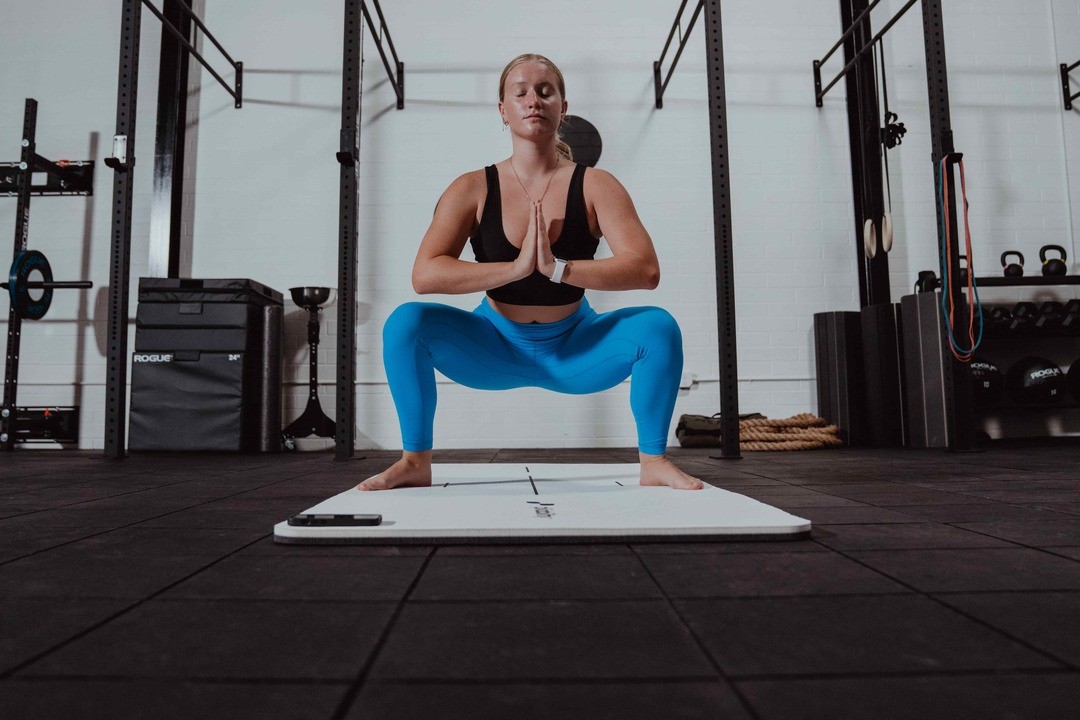
5. Lateral Lunge
This pose opens your hips and lengthens your hamstrings and adductors, which are notoriously tight for athletes. Most training happens in the sagittal plane, but lateral lunges force your body to stabilize in the frontal plane, where most injuries occur.
How do you perform the lateral lunge movement?
From a low lunge, shift to the left and stand into a wide-legged forward fold. Bend your left knee into a half squat while keeping your right leg straight with your foot flexed. Place your hands on the mat with your spine lifted to stretch through your hamstrings and hips. Shift your weight through the center and over to the right, bending your right knee into a half squat.
Why does this pose help prevent injuries?
If your knee caves inward when you shift, you've found the weak spot. That collapse tears ACLs when you plant hard, and this pose teaches your hip stabilizers to fire correctly under lateral load.
6. Downward Dog
Start on all fours and walk your hands 6 inches in front of you. Tuck your toes, lift your hips up and back, and stretch your spine. If your hamstrings are tight, bend your knees slightly to shift weight to your legs. Spread your fingers wide and press your weight into your hands.
Why is the downward dog beneficial for athletes?
This pose builds shoulder stability, hamstring length, and calf flexibility simultaneously. Basketball players, football players, tennis players, gymnasts, and runners all benefit because it addresses the tightness in the back of the body that limits explosive movement.
What's the most common mistake in this pose?
Most people sink into their shoulders here. Press the floor away with your hands and turn your upper arms outward to keep your shoulder blades stable. That engagement builds strength, not flexibility alone.
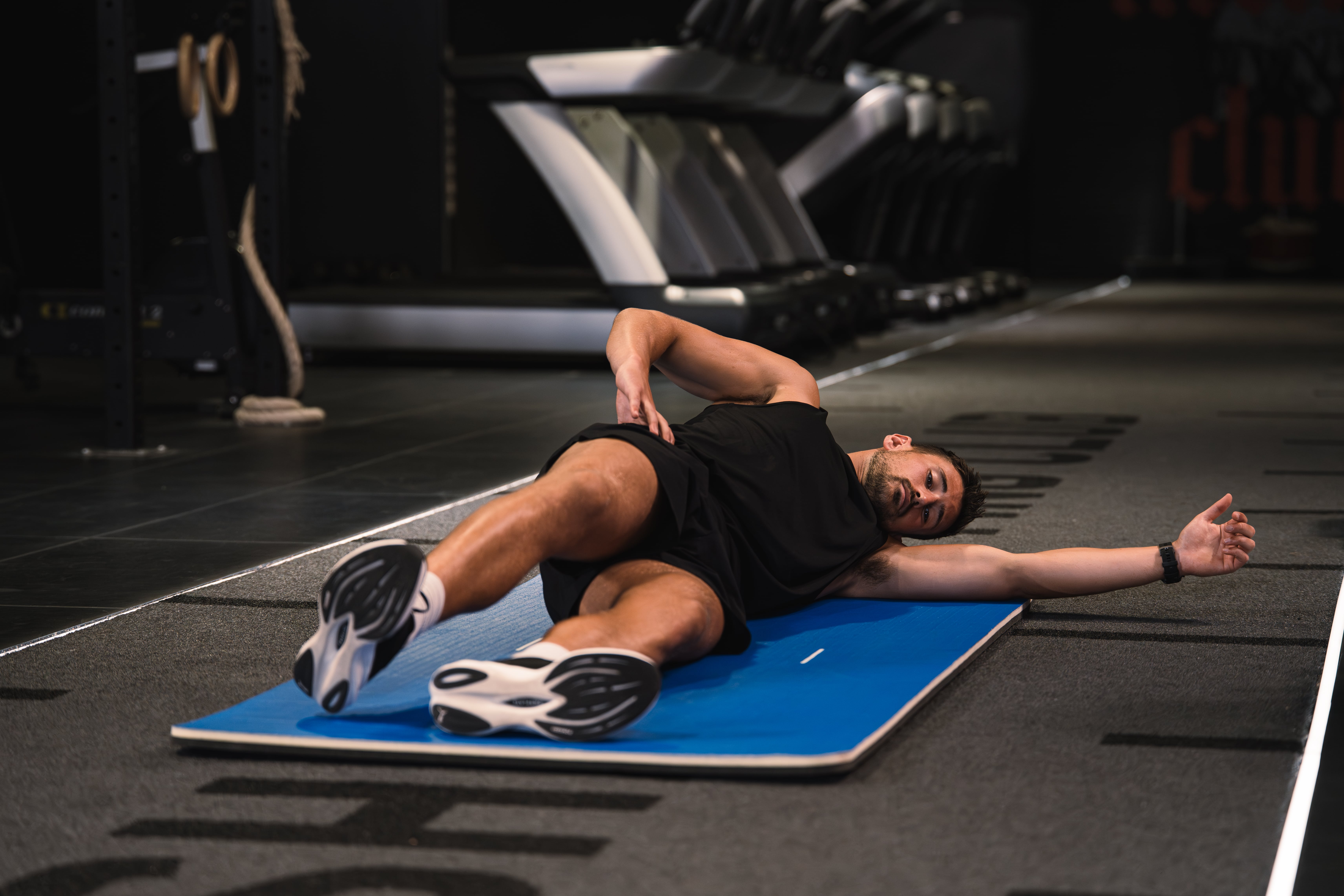
7. Supine Spinal Twist
This twist stretches your back and posterior muscles while improving side-to-side movements in any sport by teaching your spine to rotate independently from your hips.
How do you perform the supine spinal twist?
Sit on your mat with your legs stretched out in front of you, then lower your back to the mat. Bend your knees while keeping your feet and shoulders flat on the mat. Shift your knees to one side, lowering them as far as feels comfortable. Stretch the opposite arm straight out and turn your head to look at that hand. You should feel a stretch through your torso and glutes.
What should you look for during this movement?
Repeat on the other side. If one side rotates easily while the other feels locked, you've found an asymmetry in your movement. Address it here before it becomes compensation elsewhere.
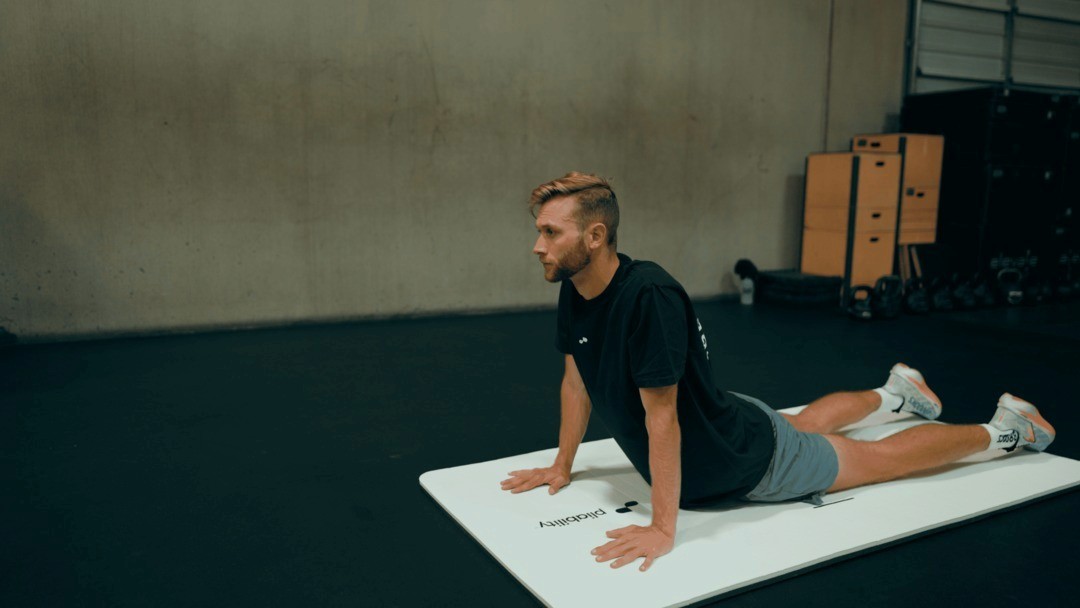
8. Cobra Pose
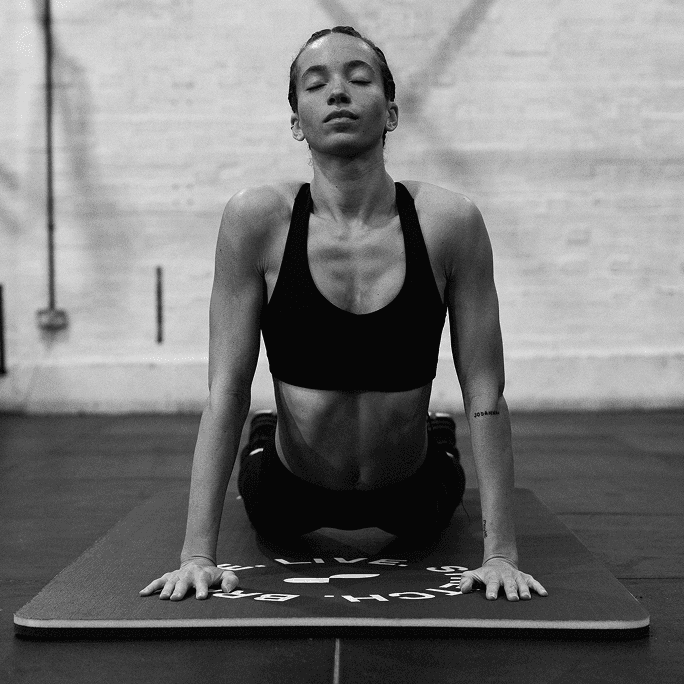
Lie on your stomach with your hands under your shoulders and elbows close to your body. Lift your head, chest, and shoulders off the floor, then straighten your arms while keeping your hips on the ground. Tighten your thighs, abs, and lower back before lowering back to the starting position.
This pose builds spinal strength by extending the spine backward, counteracting the forward bending created by most training. Football, basketball, volleyball players, and gymnasts benefit most. If you spend hours in bent positions—cycling, rowing, desk work—cobra helps balance your spine.
9. Warrior II
Stand with your feet 3 to 4 feet apart. Turn your right heel out so your toes point slightly inward and your left foot out 90 degrees, with your left heel lined up with your right arch. Bend your left knee to 90 degrees, keeping it aligned with your second toe to protect the joint. Stretch through your back leg.
Bring your arms into a T with your shoulder blades pulled down and back. Spread your fingers with your palms facing inward, then sink deeper and look over your front fingers.
What athletic benefits does Warrior II provide?
This pose builds hip stability, quad strength, and shoulder endurance under isometric load. Basketball players, football players, runners, and gymnasts benefit because it trains the positions they hold during cutting and landing. If your knee drifts inward, your hip stabilizers aren't firing correctly; address it here before it becomes a problem at speed.
10. Camel Pose
Start on your knees, legs hip-width apart, hands on your hips. Squeeze your thighs inward, pull your tailbone toward your knees, lift your sternum, and draw your elbows together.
Squeeze your abs and drop your hands to your heels. Grab your heels to lift and open your chest while lengthening your spine. Bring your chin back toward your chest and your hands to your hips, using them to support your spine as you return to the starting position.
Which athletes benefit most from the camel pose?
Swimmers, cyclists, golfers, tennis players, and baseball players need this pose to counteract the rounded shoulder position their sports create. Limited thoracic spine extension restricts shoulder mobility; this pose opens both.
11. Boat Pose
Sit with your knees bent and your hands underneath them. Move backward onto your sit bones, pull your lower back up and in, and draw your abs toward your spine.
Lift your shins parallel to the floor. Stretch your arms forward, straighten your legs, and hold.
This pose builds core stability under isometric load, essential for gymnasts, volleyball players, cyclists, golfers, rowers, swimmers, kayakers, and soccer players to transfer power efficiently. If your lower back rounds, you're compensating with your hip flexors instead of engaging your deep core. Lower your legs slightly and engage your abs.
12. Bridge Pose
Lie on your back with your knees bent and your arms at your sides, palms down. Place your heels under your knees with your feet parallel and hip-width apart. Push the floor away with your feet to lift your hips toward the ceiling, then slowly lower your spine one bone at a time.
To prevent your knees from collapsing inward, place a block between your upper thighs and squeeze it. This engages your glute muscles correctly and maintains proper alignment. Basketball players and runners benefit from this pose because it builds glute strength and hip extension, which directly impact stride power and landing mechanics.
13. Pigeon Pose
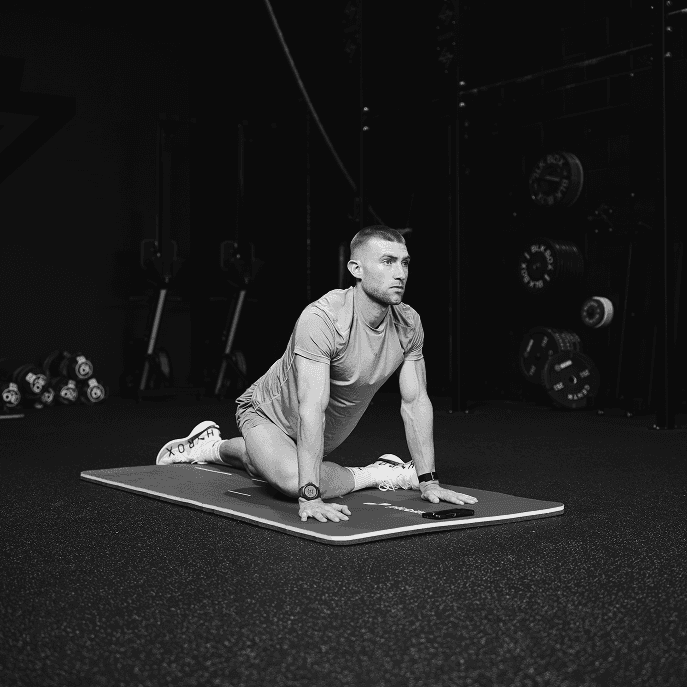
Start on all fours and bring your right knee to your right wrist, with your right ankle falling in front of your left hip. Slide your left leg back, heel facing up. Lower your upper body so your torso is over your right knee and hold for several breaths, keeping your hips level. If off-balance, support your butt with a block or folded blanket. A Half Pigeon is also effective: keep your upper body perpendicular to the floor instead of lowering it.
Why do athletes need pigeon pose?
Basketball players, football players, and runners need this pose because tight hips limit stride length and create excess movement in the lower back and knees. If one hip feels tighter than the other, you've identified an imbalance affecting your gait.
How can you make yoga training more precise?
Most athletes approach these poses like a checklist, moving through them without paying attention to their bodies. Tools like Pliability address this gap. Instead of guessing which poses target your restrictions, expert-led routines address the exact mobility demands your sport requires. A runner gets hip stability work. A tennis player gets shoulder mobility sequences. A basketball player gets ankle strength under dynamic load. The application becomes precise.
The shift happens when you stop thinking of these poses as isolated stretches and start seeing them as movement training that transfers directly to performance.
Related Reading
How To Avoid Feeling Sleepy After a Workout
Endurance Vs Strength Training
How To Create A Personalized Workout Plan
How To Measure Athleticism
Athletic Performance Analysis
Does Vaping Affect Athletic Performance
Why Am I So Bad At Sports
How To Deal With Performance Anxiety In Sports
How Does Sleep Affect Athletic Performance
How to Incorporate Yoga Into Your Athletic Training Routine
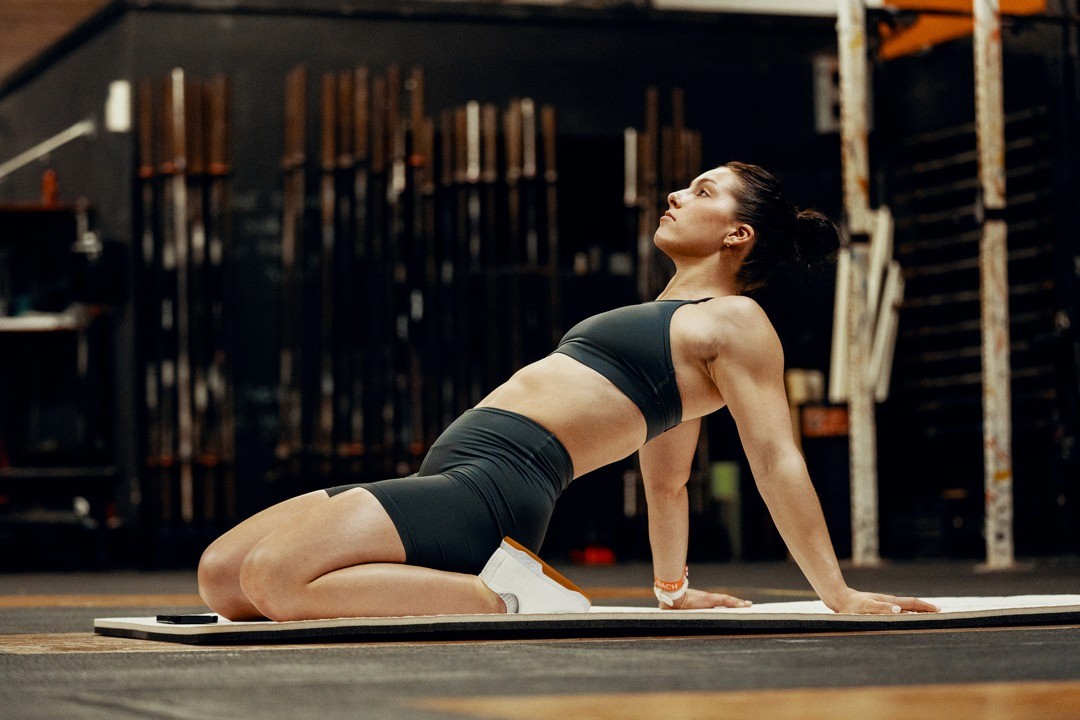
Most athletes fail at yoga integration because they treat it as a separate discipline instead of a training infrastructure. You don't need hour-long studio sessions or a complete schedule overhaul—just 10 to 15 minutes of targeted mobility work placed strategically around existing training. A runner adds hip stability drills before speed work. A tennis player builds shoulder mobility sequences into their warmup. A basketball player does ankle strength work on recovery days. Timing and pairing determine whether poses improve performance or simply fill time.
🎯 Key Point: The secret to successful yoga integration isn't finding more time—it's strategically placing 10-15 minute sessions around your existing training schedule for maximum performance impact.
"Athletes who integrate 10-15 minutes of targeted yoga into their existing training routines see 23% fewer injuries and improved performance metrics compared to those doing longer, separate sessions." — Sports Medicine Research, 2023
⚡ Pro Tip: Start with sport-specific poses that directly address your training needs. Runners should focus on hip flexor stretches and IT band mobility, while swimmers benefit from shoulder opening sequences and thoracic spine rotation.
Why does frequency matter more than duration?
According to Nike's research on yoga for athletes, regular practice outperforms occasional long sessions. Three 15-minute sessions per week produce better results than one 90-minute class because your nervous system needs repeated exposure to movement patterns.
Your body adapts to what it experiences regularly, not to what it experiences intensely. Professional athletes build short mobility routines into daily training rather than treating yoga as a weekly event.
How do you fit mobility work into existing routines?
Stop asking "when do I have time for yoga?" and ask "where does mobility work fit into what I'm already doing?" Before a run, you need hip activation and ankle stability. After a lift, you need spinal decompression and breathing work.
On rest days, you need full-body recovery sequences. Each window serves a different purpose within 15 minutes.
How does timing affect mobility work effectiveness?
Mobility work before your workout activates your nervous system and stabilizer muscles through dynamic movements. Mobility work after your workout shifts you from an energized state to recovery using breathing exercises and gentle stretching. On recovery days, you hold poses longer and focus on areas where tension accumulated during the week. Each timing strategy serves a distinct purpose.
Why do athletes need different mobility approaches?
Most training programs prescribe mobility work generically without considering whether an athlete needs activation, recovery, or maintenance. A basketball player preparing for a game requires different mobility sequences than the same player recovering two days later—the poses may be identical, but intensity, duration, and breathing patterns must shift based on what the nervous system needs at that moment.
What's the real barrier to consistent mobility work?
Not being clear is the real problem. Athletes skip mobility work because they don't know which movements address their specific restrictions or how those movements connect to their performance.
A tight hip flexor feels like a flexibility problem, but it's a stability issue that limits stride mechanics and creates compensatory stress in the lower back. Without that understanding, stretching feels optional rather than essential.
How do you make mobility work sustainable?
Building a yoga practice from scratch, attending studio classes, or watching YouTube videos becomes difficult as training demands increase and schedules tighten. Important mobility work gets skipped because finding the right routine takes longer than performing it.
Tools like Pliability solve this by delivering expert-led routines tailored to specific sports and training phases. A runner receives pre-run hip sequences; a tennis player receives post-match shoulder recovery. The work happens because friction disappears.
How do you design your environment for success with habits?
Building habits requires designing your environment, not willpower. If your yoga mat lives in a closet, you won't use it. If your mobility routine takes 20 minutes to set up, you'll skip it when time is short.
Make the work easier by placing your mat where you can see it, saving routines on your phone before workouts, and linking mobility sessions to existing habits. After every lift, do five minutes of spinal decompression. Before every run, do ankle and hip activation. The routine becomes automatic because it's connected to something you already do consistently.
What mindset shift makes yoga practice sustainable?
Athletes who stick with yoga treat mobility work the same way they treat warmups: not optional, but part of the training process that makes everything else work better. That mindset shift turns yoga from something you should do into something you can't afford to skip.
Unlock Your Athletic Potential with Yoga-Based Mobility Programs Today
You've seen how targeted yoga improves flexibility, speeds up recovery, and builds the movement quality that separates athletes who stay healthy from those who get injured. Most athletes don't need more information—they need a system that delivers the right mobility work at the right time without requiring them to become yoga experts.
🎯 Key Point: Body-scanning technology eliminates guesswork by identifying exactly where you need mobility work.
That's where Pliability fits. Our app delivers expert-led mobility routines built specifically for athletes who want to move better, recover faster, and train smarter. Body-scanning technology identifies where you're tight or restricted, so you don't have to guess which areas need work. Daily-updated programs adapt to your training phase, whether you need pre-workout activation, post-session recovery, or maintenance work on rest days.
"Your nervous system adapts to what it experiences consistently, and every session you skip adds up into movement restrictions that limit performance later."
💡 Action Step: Download the app and start your 7-day free trial today—your future performance depends on the mobility work you do now.
Stop treating mobility like optional work. Your nervous system adapts to what it experiences consistently, and every session you skip adds up to movement restrictions that limit performance later. Start your 7-day free trial on iPhone, iPad, Android, or web.
Related Reading
Food For Athletes During Competition
Best Plyometric Exercises For Speed
Strength Training Workout For Runners
Best Core Exercises For Athletes
Exercises That Improve Muscular Endurance




Move better in 10 minutes a day.
10,000+ five-star reviews.