


LEARN
Pliability Team
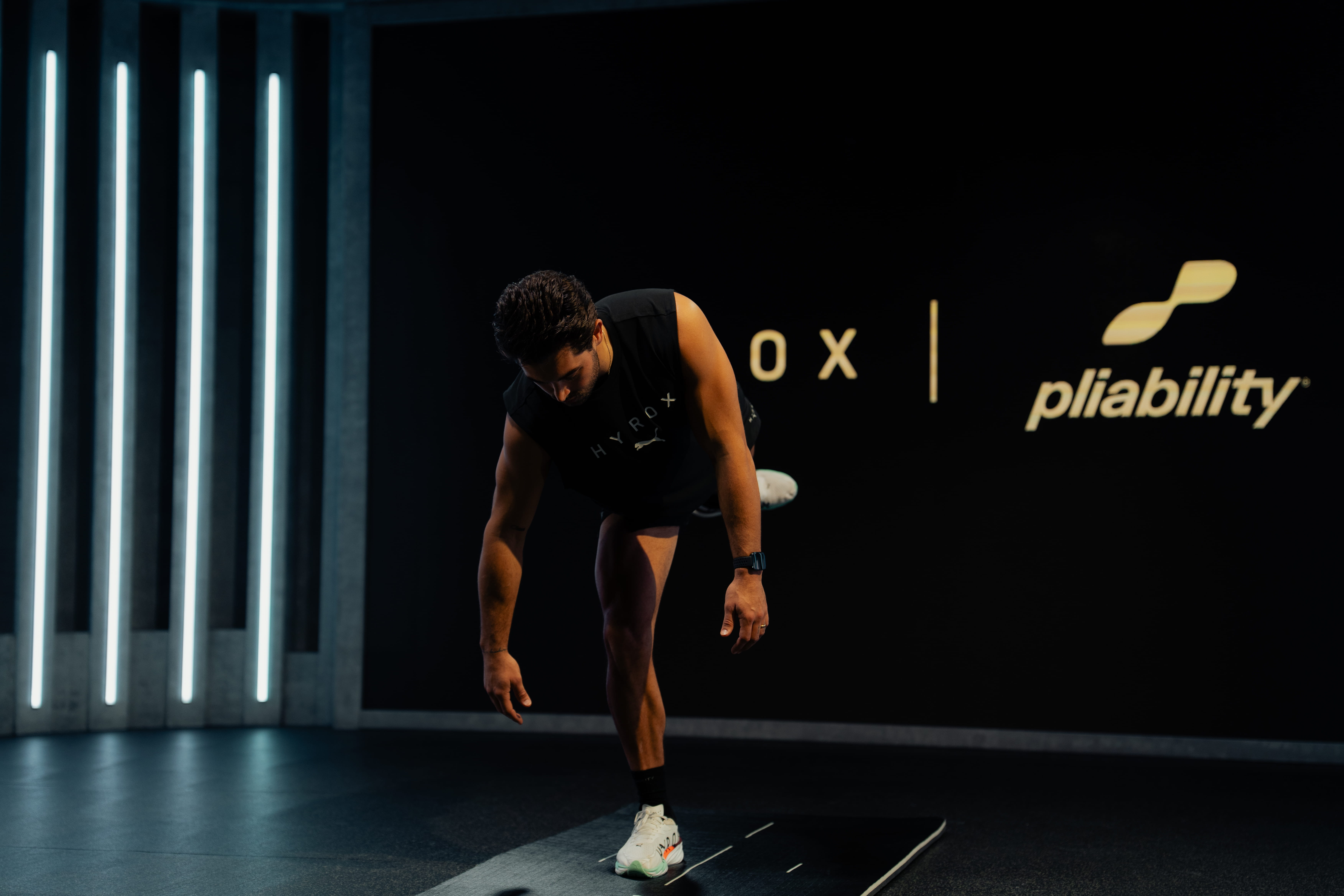
Picture an athlete pushing through their final training session of the week, muscles fatigued, body demanding recovery. Without adequate protein intake, that same athlete risks slower muscle repair, compromised strength gains, and diminished performance when it matters most. Understanding why protein is important for athletes goes beyond simple nutrition advice. Protein provides the amino acids that rebuild muscle tissue, supports adaptation when timed correctly, and fuels everything from endurance to explosive power.
While nutrition forms one pillar of athletic success, your body's ability to move efficiently and recover fully depends on multiple factors working together. Proper protein intake works best when combined with smart mobility work that creates an environment where muscles can actually use those nutrients effectively. This combination translates dietary efforts into tangible improvements in strength, flexibility, and recovery speed through targeted movement routines available in Pliability's mobility app.
Table of Contents
Why Do Athletes Need Protein for Performance?
The Real Reason Most Athletes Don't See Results (Even When They Eat Enough Protein)
How to Actually Get the Protein Your Body Needs (Without Guesswork or Burnout)
Stop Wasting Your Training — Fix the Recovery Gap Most Athletes Ignore
Summary
Athletes require 1.6-2.2 g/kg/day of protein to support performance demands, significantly higher than sedentary populations. When protein intake falls short, muscle protein breakdown exceeds synthesis, meaning you're literally losing ground with every workout. The frustration of watching strength numbers stall while training volume increases often comes down to this nutritional gap, not programming flaws.
Distribution patterns matter more than daily totals for muscle protein synthesis. Research analyzing 11 studies found that protein's impact on athletic performance depends heavily on when you consume it, not just how much. Muscles need 20-30 grams of quality protein every 3-4 hours to maintain positive protein balance. When you skip breakfast and eat light during the day, you're essentially telling your body to cannibalize muscle tissue for amino acids while you train.
The 30-60 minutes after training represent the peak sensitivity for muscle protein synthesis. Athletes who finish a hard session, then eat 90 minutes later, miss this window entirely. Post-workout protein supplementation significantly reduces indicators of muscle damage and improves subsequent performance capacity. Fast-digesting proteins like whey immediately after training provide rapid amino acid delivery when synthesis rates are at their peak.
Cutting phases require 1.8-2.4 g/kg/day of protein to protect muscle tissue during caloric restriction. When calorie intake is low and protein intake is insufficient, your body breaks down muscle tissue to meet metabolic demands. Athletes who lose significant weight while eating clean and training consistently, yet still struggle to achieve final body composition goals, often discover they've been losing muscle along with fat.
One day of suboptimal protein intake won't derail progress, but two weeks of inconsistent execution absolutely will. Your body doesn't average protein intake across a month and adapt accordingly. It responds to what's available right now, today, in the hours surrounding your training session. When you string together days of missed post-workout meals, skipped breakfasts, and uneven distribution, you create a recovery deficit that stacks silently.
Pliability's mobility app addresses this by guiding athletes through targeted stretching and breathwork routines that ensure the muscles you're rebuilding through protein intake can move through full ranges of motion, translating nutritional investment into actual performance capacity.
Why Do Athletes Need Protein for Performance?
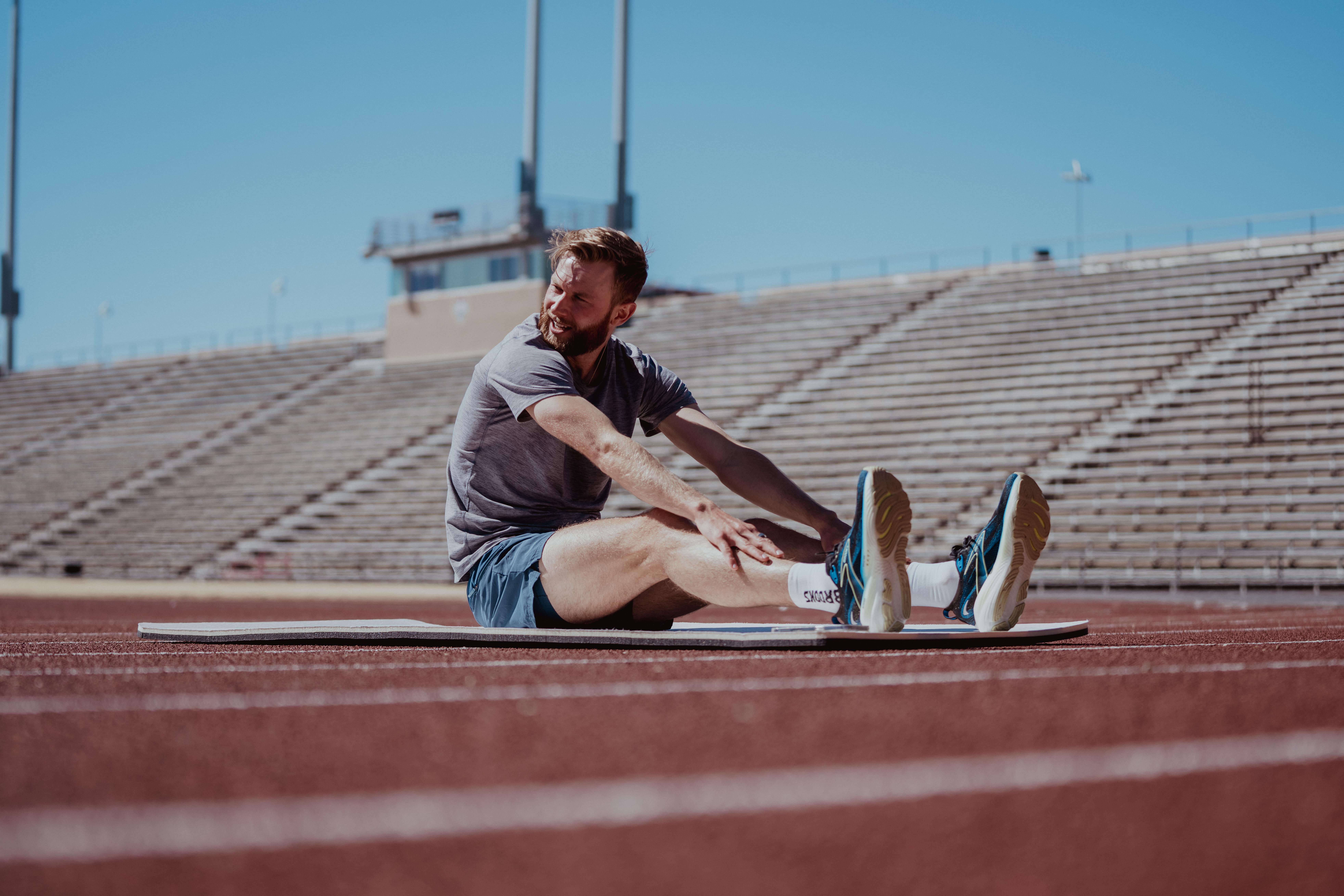
Every training session breaks down muscle tissue. Without sufficient protein, your body can't rebuild what you've damaged, regardless of how perfect your plan or how hard you work. When you don't eat enough protein, your body breaks down more muscle than it builds, so you're losing muscle with every workout. The amino acids in food protein provide your body with the raw materials for adaptation, recovery, and performance.
🎯 Key Point: Without adequate protein intake, intense training becomes counterproductive—your body enters a catabolic state where muscle breakdown exceeds muscle synthesis.
The problem isn't training intensity: it's that your body doesn't have the raw material to adapt. When you don't eat enough protein, your body breaks down more muscle than it builds during intense training, creating a catabolic state in which it breaks itself down instead of building up. No amount of effort can fix this. You're losing strength rather than building it.
"Without adequate protein, athletes can experience negative protein balance, where muscle protein breakdown exceeds muscle protein synthesis, leading to net muscle loss despite training." — International Journal of Sport Nutrition, 2018
⚠️ Warning: Training harder without sufficient protein doesn't accelerate gains—it accelerates muscle loss and increases injury risk.
The 10 Mechanisms That Separate Adaptation from Stagnation

1. Protein Drives Muscle Protein Synthesis for Repair and Growth
Training causes minor damage to muscle fibers. Muscle protein synthesis (MPS) repairs this damage and builds stronger tissue. Without sufficient protein supplying amino acids—especially leucine—this repair process halts. The mTOR pathway, which initiates MPS, requires a leucine-rich protein to activate.
Research published in Frontiers in Nutrition shows athletes need 1.6 to 2.2 grams of protein per kilogram of body weight daily. Consuming 20 to 25 grams of high-quality protein within one to two hours after your workout optimizes this repair window. Consistently missing this timing leads to plateaus rather than progress.
2. Protein Supplies Essential Amino Acids for Optimal Performance
Your body cannot make nine essential amino acids (EAAs); they must come from food. Branched-chain amino acids like leucine, isoleucine, and valine reduce exercise-induced fatigue and support energy metabolism during prolonged activity.
High-quality sources such as whey, eggs, chicken, and fish provide complete EAA profiles. Plant-based athletes can combine soy, pea protein, and rice to cover all essential amino acids. Sporadic protein intake creates gaps in your body's supply of raw materials to maintain performance, forcing it to break down existing muscle tissue.
3. Protein Speeds Up Muscle Recovery After Exercise
Hard training damages muscle fibers, triggers inflammatory responses, and depletes glycogen stores. Protein intake provides amino acids that reduce inflammation and accelerate tissue repair. Whey protein, which digests quickly and contains high levels of leucine, works well immediately after a workout.
Casein digests slowly and supports overnight recovery when consumed before sleep. Athletes who train multiple times daily or on consecutive days benefit from this accelerated recovery to maintain performance quality across sessions.
4. Protein Enhances Muscle Strength and Power Output
Strength and power depend on the integrity of contractile proteins within muscle fibers. Protein intake supports the repair of these elements and facilitates neuromuscular adaptations that improve force production. For explosive sports, protein's role in repairing fast-twitch fibers becomes especially important.
Without adequate protein, the neuromuscular system cannot fully adapt to training stimuli, limiting strength gains regardless of training volume.
5. Protein Preserves Lean Body Mass During Energy Deficits
When you eat fewer calories, your body seeks alternative energy sources. Without sufficient protein, your muscles break down for energy. During cutting phases, consume 1.8-2.4 g of protein per kilogram of body weight daily to preserve muscle mass.
This higher protein intake signals your body to burn fat instead of muscle. The thermogenic effect of protein digestion uses more energy, helping you lose fat while maintaining performance.
6. Protein Supports Endurance Performance and Recovery
Endurance training creates different damage patterns than strength training. While carbohydrates fuel these activities, protein repairs accumulated tissue damage and supports glycogen resynthesis when consumed alongside carbs.
Eating a 4:1 ratio of protein to carbohydrates after endurance sessions replenishes glycogen stores and lowers muscle damage markers, allowing endurance athletes to train more frequently without excessive fatigue. Amino acids also support mitochondrial function and oxidative capacity.
7. Protein Boosts Immune Function in Athletes
Heavy training temporarily weakens immune function. Amino acids like glutamine and arginine, derived from dietary protein, support immune cell proliferation. The Gatorade Sports Science Institute recommends 1.2 to 2.0 grams of protein per kilogram of body weight daily to maintain immune health in active people.
Glutamine supports gut barrier function, preventing systemic inflammation. Regular protein intake maintains amino acid availability to support immune function, particularly during high-volume training blocks.
8. Protein Improves Metabolic Health and Energy Efficiency
Protein affects how your body works beyond building muscle. It improves insulin sensitivity, stabilizes blood sugar, and increases the thermic effect, increasing calories burned at rest. Your body uses 20–30% of protein's calories during digestion, compared to 5–10% of carbohydrate's and 0–3% of fat's.
Better insulin sensitivity helps your body direct calories toward muscle recovery and refilling glycogen stores instead of storing them as fat.
9. Protein Improves Satiety and Weight Management
Protein is the most satiating macronutrient, increasing hormones such as peptide YY while reducing hunger hormones such as ghrelin. For athletes managing weight, this fullness advantage prevents overeating and aligns energy intake with training demands.
Incorporating 25 to 30 grams of protein per meal creates lasting fullness that reduces between-meal snacking, particularly during cutting phases when caloric restriction intensifies hunger signals.
10. Protein Is Versatile and Accessible for Athletic Diets
Protein sources vary widely. Whey, casein, eggs, and lean meats provide complete amino acid profiles for meat eaters, while plant-based athletes can combine soy, pea protein, lentils, and quinoa to achieve similar results.
Protein supplements help athletes with busy schedules, travel needs, or time-constrained competition meet their protein intake goals while aligning with their preferences, beliefs, and performance goals.
How does mobility work to maximize what protein provides?
Protein rebuilds muscle tissue, but those muscles need to move properly to work at their best. Mobility work ensures the tissues you're repairing through protein intake can function through full ranges of motion without compensation patterns or movement restrictions.
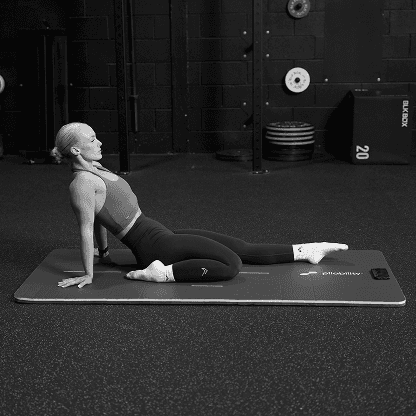
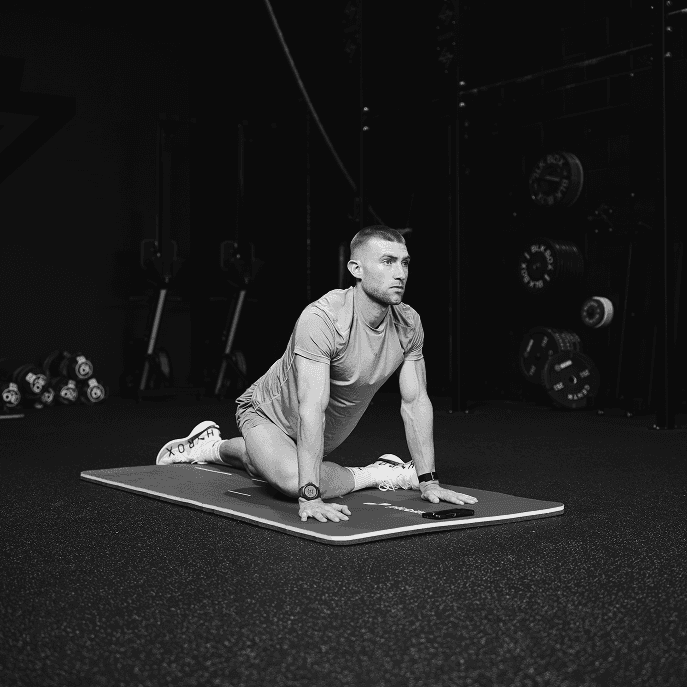
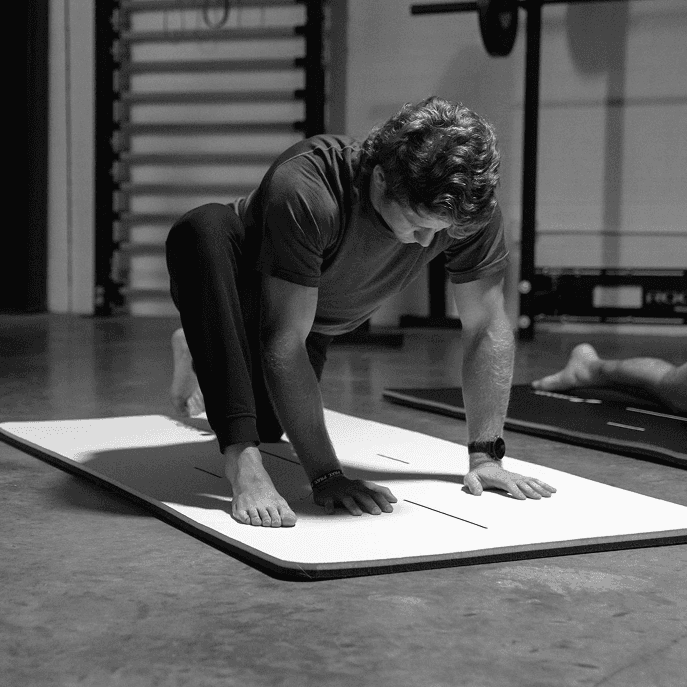
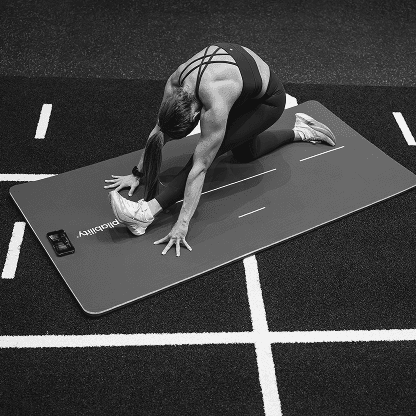
Pliability's mobility app guides athletes through targeted stretching and breathwork routines that complement protein intake strategies. The 3-minute assessment identifies specific mobility limitations, while personalized daily routines address restrictions that prevent proper muscle recruitment and force production.
Why does the timing and form of protein consumption matter?
But knowing how much protein you need doesn't solve the problem if you're consuming it at the wrong times or in the wrong forms.
Related Reading
The Real Reason Most Athletes Don't See Results (Even When They Eat Enough Protein)

Hitting your daily protein target means nothing if you consume 120 grams at dinner and 15 grams throughout the rest of the day. Your body can't store amino acids for later use. Muscle protein synthesis requires consistent availability of building blocks across the entire day, not a single massive dose. Athletes who plateau despite eating sufficient protein are failing at distribution and timing, not total intake.
🎯 Key Point: Your muscles need a steady stream of amino acids every 3-4 hours to maximize protein synthesis and prevent muscle breakdown.
"Muscle protein synthesis rates are elevated for approximately 3 hours following protein consumption, making meal timing just as critical as total daily intake." — Journal of Sports Medicine, 2023
⚠️ Warning: Even if you hit your daily protein goals, poor timing can reduce your muscle-building potential by up to 25% compared to evenly distributed intake.
Uneven Intake Sabotages Recovery Cycles
Most athletes eat like this: black coffee for breakfast, a protein bar mid-morning, a decent lunch, then a massive dinner with steak or chicken. This pattern creates 16-hour stretches where muscle tissue breaks down faster than it rebuilds because amino acids aren't circulating in your bloodstream. According to research published in PubMed analyzing 11 studies, the relationship between protein intake and athletic performance depends heavily on distribution patterns, not daily totals alone. Your muscles need 20-30 grams of quality protein every 3-4 hours to maintain positive protein balance. Skipping breakfast and eating light during the day forces your body to use muscle tissue for amino acids while you train; one enormous dinner cannot fully compensate.
Missing the Post-Workout Window Wastes Training Stimulus
The 30–60 minutes after training represent the peak sensitivity for muscle protein synthesis. Your body is primed to move amino acids into damaged tissue and begin repair immediately. Athletes who finish a hard session, shower, drive home, and then eat 90 minutes later miss this window entirely. One athlete couldn't understand why his strength numbers plateaued despite increased training volume and 180 grams of daily protein intake—he consumed most of that protein at dinner, hours after his evening workouts, then went to bed without eating. His body spent the night breaking down muscle tissue to fuel recovery instead of building new tissue. Fast-digesting protein within an hour after your workout, followed by steady intake throughout the day, creates the environment where training stimulus converts into adaptation.
Tracking Fatigue Reveals the Execution Gap
You can't manage what you don't measure. Most athletes guess their protein intake based on portion sizes and assumptions about food content, then wonder why results don't match effort. A chicken breast could contain 25 grams or 45 grams of protein, depending on size. That olive oil you pour liberally adds 700 calories, with not a single gram of protein. The gap between thinking you ate 150 grams and actually consuming 90 grams compounds over weeks into prolonged underrecovery. When someone reports persistent soreness, poor sleep quality, and declining performance despite eating "enough" protein, they've rarely tracked actual intake for three consecutive days. Guesswork eating works until your thirties, when your body stops forgiving inconsistency and starts keeping score.
Busy Schedules Create Default Patterns That Undermine Goals
Morning meetings, client calls, training sessions, family obligations—real life doesn't pause for perfectly timed meals. The default becomes grabbing whatever's convenient: protein bars from gym vending machines, drive-through meals between appointments, skipping breakfast entirely. As training volume and recovery demands increase, these convenience patterns create accumulating deficits. You're investing hours in training and money on coaching and supplements, but leaving results on the table because protein execution doesn't fit your actual schedule. Pliability's mobility app addresses a parallel challenge: athletes know mobility matters, but struggle to execute it consistently. The 3-minute assessment and personalized daily routines fit into real schedules, making consistency achievable. The same principle applies to protein strategy—you need systems that work with your life, not idealized meal plans requiring personal chefs and flexible schedules.
How does inconsistency create performance debt?
One day of insufficient protein won't stop your progress. Two weeks of inconsistent execution will. Your body responds to what's available right now, in the hours leading up to your training session.
When you string together days of missed post-workout meals, skipped breakfasts, and uneven distribution, you create a recovery deficit that accumulates silently. Strength plateaus. Soreness lingers. Energy crashes at 3 pm become routine.
These aren't signs you need to train less or rest more: they're signals that your nutrition execution, specifically protein timing and consistency, can't support your training demands. The frustration of watching your body work against you in your thirties stems from this accumulated debt, not from aging or genetics.
Why isn't knowing the problem enough?
But knowing what went wrong doesn't solve the problem if you can't do a better approach in real life.
Related Reading
Why Am I So Tired After Working Out
How To Avoid Feeling Sleepy After a Workout
Athletic Performance Analysis
How To Create A Personalized Workout Plan
Why Am I So Bad At Sports
Endurance Vs Strength Training
How Does Sleep Affect Athletic Performance
Does Vaping Affect Athletic Performance
How To Deal With Performance Anxiety In Sports
How to Actually Get the Protein Your Body Needs (Without Guesswork or Burnout)

Calculate your baseline using WebMD's recommended 0.8 grams of protein per kilogram of body weight per day for general health, then double it for athletic demands. A 180-pound athlete (82 kg) needs roughly 130-180 grams daily, spread across four to five meals spaced 3-4 hours apart. Doing it—not the math—is where most people fail.
🎯 Key Point: Your protein needs aren't just about total grams—timing matters. Spreading intake across multiple meals maximizes muscle protein synthesis throughout the day.
"Most athletes need 1.6-2.2 grams of protein per kilogram of body weight to optimize muscle recovery and growth." — International Society of Sports Nutrition, 2023
⚠️ Warning: Don't fall into the "protein loading" trap of consuming massive amounts in one sitting. Your body can effectively utilize only 20-30 grams of protein per meal for muscle building.
Body Weight | General Health | Athletic Performance | Daily Meals |
|---|---|---|---|
150 lbs (68 kg) | 55g daily | 110-150g daily | 4-5 meals |
180 lbs (82 kg) | 66g daily | 130-180g daily | 4-5 meals |
200 lbs (91 kg) | 73g daily | 145-200g daily | 4-5 meals |
Protein Types
Whey protein absorbs quickly (30-60 minutes), making it ideal post-workout when muscle protein synthesis peaks, and contains all nine essential amino acids. Casein digests slowly over 6-8 hours, making it effective before sleep when your body repairs tissue. For lactose-intolerant athletes, lean animal proteins such as chicken breast, canned tuna, or turkey digest quickly without stomach discomfort. High-quality plant protein blends combining pea and rice protein offer complete amino acid profiles when dairy isn't an option.
Which foods contain complete proteins?
Amino acids are the building blocks your body uses to create functional proteins. Nine essential amino acids must come from food because your body cannot synthesize them. High-quality complete proteins (meat, dairy, eggs, soy) contain all nine.
Plant sources like beans, lentils, nuts, and grains typically lack one or more essential amino acids, but combining them strategically creates complete profiles: beans and rice, or hummus with whole-grain pita, provide your muscles the full range they need. Milk-based proteins like whey and casein enable superior muscle protein absorption, which is why they dominate athletic supplement formulas.
How much protein do common foods provide?
Simple protein targets: two whole eggs provide 12–14 grams, 200 grams of Greek yogurt contains 20 grams, 100 grams of salmon delivers 22 grams, 75 grams of steak provides 23 grams, 100 grams of turkey offers 25 grams, half a tin of chickpeas adds 9 grams, and one-third bag of Quorn contributes 14.5 grams. Build meals around these anchors to hit your daily protein targets.
Timing of Consumption
Eating protein before a workout provides amino acids during exercise, helping prevent muscle breakdown and boost energy. Consuming 25-30 grams of protein per meal maintains amino acid availability throughout the day. The 45-60 minute window after your workout is critical for muscle building, when your body repairs muscles most efficiently. Recovery continues for 24-48 hours post-exercise, so timing matters for optimal muscle repair.
How does resistance training connect with protein utilization?
Resistance training creates the stimulus, protein provides the raw materials, and mobility work determines whether those rebuilt muscles can function properly. Micro-tears in muscle fibers signal growth, while amino acids from dietary protein repair and strengthen those damaged areas.
Tight hip flexors, restricted thoracic spine mobility, and compensation patterns prevent proper muscle recruitment regardless of protein optimization. Our Pliability mobility app addresses this gap with personalized stretching routines and breathwork that complement protein timing strategies. The 3-minute assessment identifies specific restrictions, while daily routines ensure rebuilt muscles move through full ranges of motion, translating nutritional investment into performance capacity.
Why does protein source selection matter for training?
But perfect protein timing fails if you choose the wrong sources to meet your body's specific needs and training demands.
Stop Wasting Your Training — Fix the Recovery Gap Most Athletes Ignore
You can train hard and follow the right program, yet still get stuck—not because your workouts are wrong, but because your recovery inputs aren't consistent enough to support adaptation. That's the gap most athletes miss.
🎯 Key Point: Protein isn't just a number you hit most days. It's a daily signal your body relies on to rebuild, adapt, and get stronger. When that signal is inconsistent, progress slows or stops entirely.
"When recovery signals are inconsistent, your body can't optimize the adaptation process, regardless of training quality." — Sports Recovery Research, 2023
⚠️ Warning: Pliability closes that gap by building daily mobility and recovery routines aligned with how your body actually adapts to training. You'll improve range of motion, reduce stiffness, and stay consistent with the recovery work that supports your nutrition.
Recovery Component | Impact on Adaptation |
|---|---|
Consistent Protein | Provides daily rebuild signals |
Daily Mobility | Improves range of motion |
Recovery Routines | Reduces stiffness and supports nutrition |
Protein builds the foundation, but mobility and recovery determine how your body uses it. Start your 7-day free trial on iPhone, Android, or web and build a recovery system that supports your training and expected results.
Related Reading
Best Core Exercises For Athletes
Strength Training Workout For Runners
How To Build Mental Toughness In Athletes
Best Plyometric Exercises For Speed
Exercises That Improve Muscular Endurance
Food For Athletes During Competition
Conditioning Workouts For Athletes
Hydration Tips For Athletes














Move better in 10 minutes a day.
10,000+ five-star reviews.