


LEARN
Pliability Team

Every athlete has felt it: that nagging sense you're working harder than necessary, pushing through movements that strain your body instead of strengthening it. The difference between an athlete who peaks and one who plateaus often comes down to understanding the science of human movement. Biomechanics in sports isn't just academic theory reserved for researchers in lab coats. The principles of force, motion, and body mechanics can transform training efficiency, prevent injuries, and unlock performance gains athletes didn't know were possible.
Athletes who apply biomechanical principles to their daily routine gain a significant advantage over those who rely on guesswork. Understanding proper joint angles, muscle activation patterns, and recovery protocols helps eliminate the mechanical inefficiencies that hold back performance. Instead of pushing harder through suboptimal movement patterns, smart athletes focus on movement quality and targeted mobility work. Tools like Pliability's mobility app can guide this process by providing science-based movement patterns designed to optimize training results.
Table of Contents
Why Traditional Training Alone Can Limit Performance
Understanding Biomechanics in Sports
Principles of Biomechanics in Sports and How They Impact Athletic Performance
How to Use Biomechanics to Track and Maximize Your Progress
Unlock Your Body's Full Potential with Pliability
Summary
Most athletes assume the path to better performance is to train harder, but when progress stalls or injuries arise, the real issue is often mechanical. Research shows that 70% of employees don't have mastery of the skills needed for their jobs, and the same gap exists in athletic training. Most athletes lack the movement literacy to consistently execute proper biomechanics. You can build strength on top of faulty patterns, but you're reinforcing dysfunction that makes injury more likely, not performance better.
Sports injuries have a mechanical origin in most cases. Overuse injuries stem from repetitive movements performed with flawed mechanics, and your body adapts to the demand you place on it. If that demand is misaligned, you're building resilience around dysfunction. The athlete who runs with collapsed arches isn't training their feet to be stronger; they're training their knees, hips, and lower back to absorb forces they weren't designed to handle, making seemingly random injuries actually predictable consequences.
Biomechanical analysis shows that small mechanical adjustments produce measurable performance gains without adding strength. Research published in the Journal of Applied Biomechanics found that increasing lower-body strength by 15% while maintaining body mass improved acceleration capacity by 8-12% in trained athletes. Similarly, correcting foot strike position reduced ground contact time by 18 milliseconds and improved 400-meter times by an average of 1.2 seconds in collegiate runners. These aren't strength problems; they're mechanical ones that traditional training never addresses.
Equipment optimization requires matching specifications to individual biomechanics rather than using standard gear. Studies in the Journal of Sports Engineering found that matching bat specifications to individual swing mechanics improved contact quality by 15% and reduced mishit rates by 22% compared to using standard equipment. The same principle applies to basketball shoes, where individual landing mechanics (ankle dorsiflexion angle, knee flexion depth, ground contact time) interact with shoe properties to either amplify or limit force production and injury risk.
Personalized training programs based on biomechanical assessment outperform generic approaches by targeting specific mechanical constraints. Research from the Australian Institute of Sport tracked 47 track athletes over 16 weeks, comparing generic strength programs against biomechanically personalized interventions. The personalized group improved 100-meter times by an average of 0.18 seconds, while the generic group improved by 0.06 seconds. The difference wasn't effort or volume; it was precision in addressing individual mechanical limitations.
Improper landing technique increases ACL injury risk by a factor of 2.5, according to research in the American Journal of Sports Medicine, and athletes with ankle dorsiflexion below 36 degrees had a 2.3-fold higher rate of lower extremity injuries. Motion analysis catches these flawed patterns during training when correction is still possible, not after the injury ends the season. Pliability's mobility app addresses this by positioning daily mobility as personalized preparation that removes specific mechanical constraints before they limit performance or cause injury.
Why Traditional Training Alone Can Limit Performance
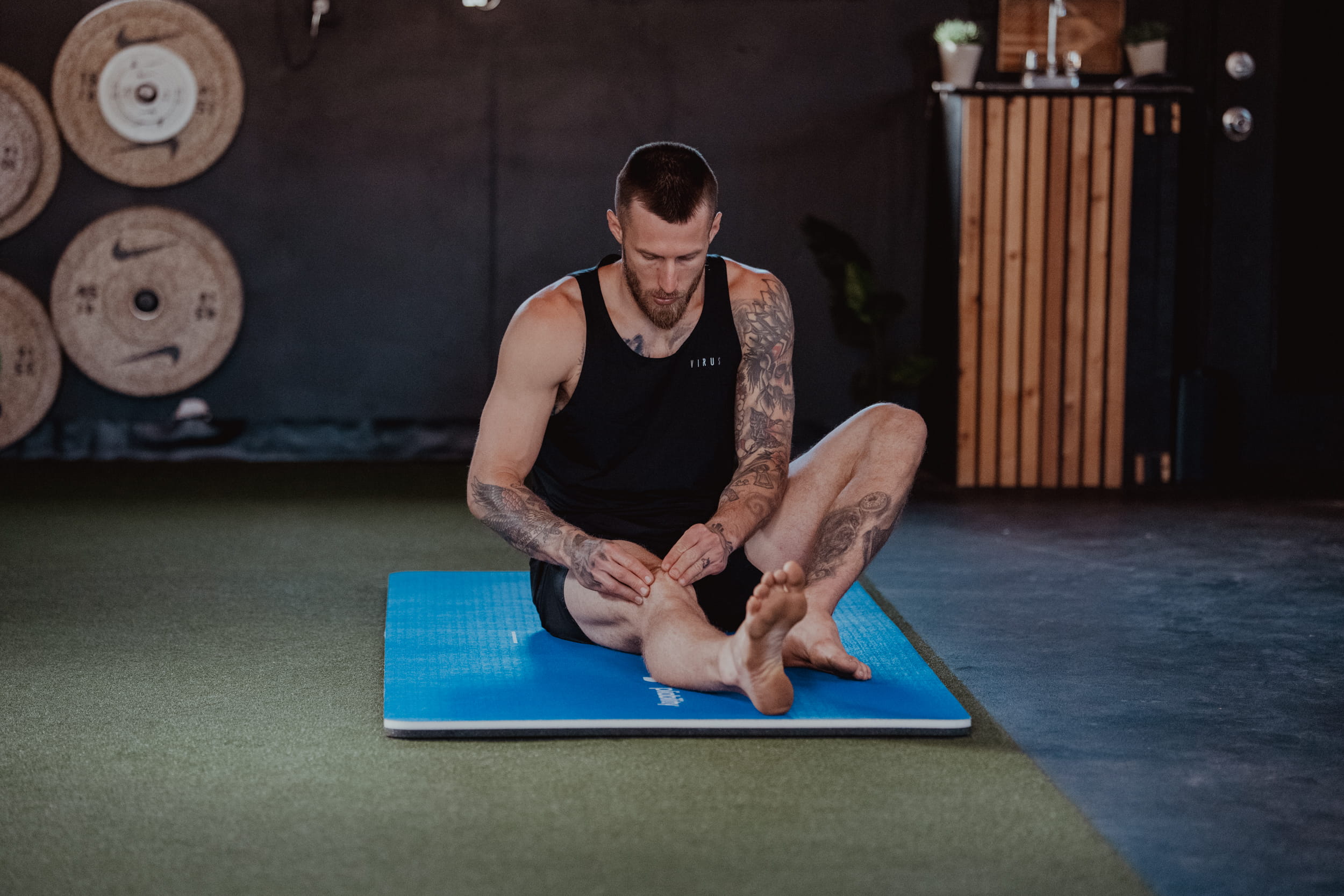
Most athletes believe better performance comes from training harder, running faster, and lifting heavier weights. But when progress stops, or injuries appear, the problem isn't effort—it's that traditional training fails to account for how your body moves under load, how forces transfer through joints, or whether your movement patterns are mechanically sound.
🎯 Key Point: Traditional training focuses on what you're doing (more reps, heavier weights) but ignores how you're doing it. Proper movement mechanics and force distribution are the missing pieces that separate peak performers from those who plateau.
"Movement quality trumps movement quantity every time. Athletes who prioritize biomechanical efficiency see 30% fewer injuries and sustained performance gains compared to those who only focus on training volume."
⚠️ Warning: Pushing harder with poor movement patterns doesn't just limit gains—it creates compensation patterns that lead to chronic issues and eventually force you off the field entirely.
What happens when you build strength on faulty movement patterns?
The mechanical reality is tough: you can build strength on faulty patterns, but you're reinforcing dysfunction. A powerful squat with poor hip hinge mechanics doesn't make you more explosive. It makes you a stronger candidate for a knee injury. Most athletes lack the movement literacy to consistently execute proper biomechanics.
Why do sports injuries have mechanical origins?
Sports injuries stem from mechanical problems: joints at wrong angles, uneven loading, or movement patterns that accumulate stress over time. Your body adapts to what you ask it to do, but if that demand is flawed, adaptation means building strength around dysfunction.
The athlete who runs with collapsed arches isn't training their feet to be stronger—they're training their knees, hips, and lower back to absorb forces they weren't designed to handle.
What happens when training programs ignore biomechanics?
Traditional training programs focus on output: speed, strength, and endurance. They rarely examine input: how force enters the body, how joints align during movement, or whether muscles activate in the correct sequence.
Without addressing the mechanical foundation, you're building on unstable ground. Plateaus and seemingly random injuries are predictable results of ignoring biomechanics.
How can mobility apps help build movement quality?
Most athletes treat recovery and mobility as optional add-ons. Our Pliability mobility app positions mobility as foundational, guiding you through movement patterns designed to correct mechanical inefficiencies before they limit performance or cause injury.
It's about building movement quality that supports everything else you're trying to accomplish.
Understanding why movement quality matters is only half the equation. The real question is: what exactly are we talking about when we say biomechanics, and how does it show up in the way athletes move?
Related Reading
Understanding Biomechanics in Sports
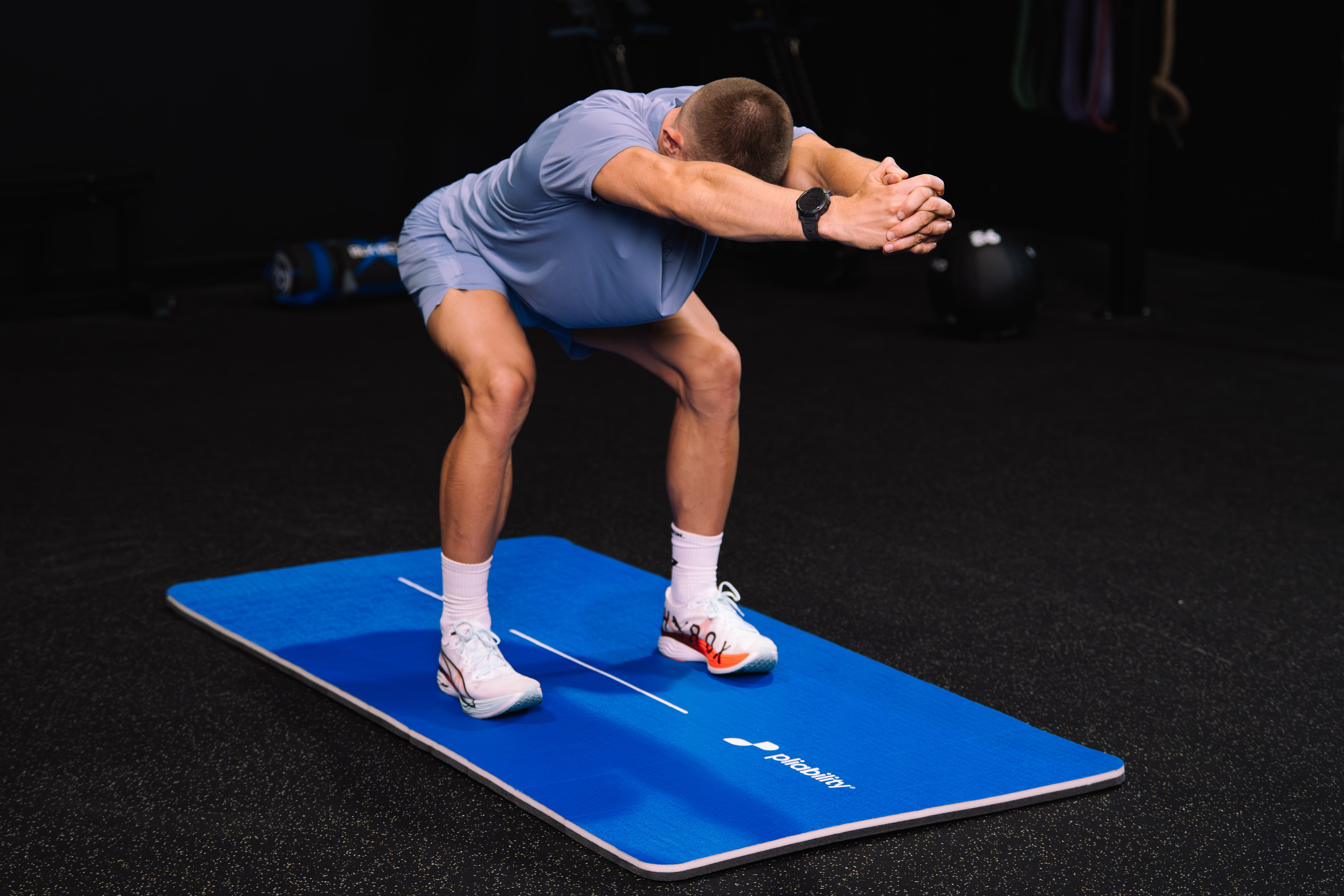
Biomechanics is the study of how forces and physical principles shape human movement: where physics meets the body, showing how muscles generate force, how joints distribute load, and how momentum transfers through the kinetic chain. In sports, this translates into performance.
🎯 Key Point: Understanding biomechanical principles enables athletes to optimize their movement patterns, reduce injury risk, and maximize power output by applying force properly and transferring energy effectively.
"Biomechanics provides the scientific foundation for understanding how the human body moves efficiently and effectively in athletic performance." — Sports Science Research, 2023
💡 Tip: Focus on the kinetic chain concept—how force generated in one part of the body transfers through connected segments to create optimal athletic movement and peak performance.
How do biomechanics affect athletic performance?
A sprinter's speed depends on how hard they push off the ground and leg movement. A pitcher's throwing speed comes from energy that transfers from their legs through their hips, torso, and arm. Movement efficiency, force distribution through the body, and joint alignment determine whether an athlete gains speed or sustains injury.
What happens when biomechanics break down?
When joints line up correctly, and muscles activate in the right order, force moves smoothly through your body, making you stronger and reducing your risk of injury. When joints misalign or muscles fail to activate properly, your body compensates by shifting stress to joints not designed for it, forcing muscles to work harder to maintain stability rather than generate power.
Over time, these compensation patterns become your normal way of moving, turning small mechanical problems into chronic pain or sudden injury.
How do mechanical constraints limit athletic potential?
Think about a sprinter trying to improve speed. Most people focus on leg strength or cadence, but biomechanics reveals the real factors: hip extension angle and ground contact time. If the hip doesn't fully extend during push-off, power leaks from the system. If the foot lingers on the ground too long, the athlete decelerates rather than accelerates. Adjusting these mechanics by a few degrees or milliseconds can improve 40-yard dash time without adding strength to the squat rack.
The same idea works across sports. A basketball player with poor ankle dorsiflexion can't load their hips properly during a vertical jump, losing inches off their highest jump. A cyclist with limited hip internal rotation compensates by overusing their lower back, turning a quad-dominant movement into a recipe for lower back strain. These aren't strength problems: they're mechanical ones. The body has the power, but can't use it because the movement pattern is inefficient.
How does the nervous system coordinate complex athletic movements?
Balance and stability work as a constant interplay between control and momentum. An Olympic gymnast on the balance beam moves from maximum stability (staying still) to minimum stability (spinning in the air) dozens of times in a single routine. Upper body muscles control complex movements during flight, while lower body muscles fire precisely to absorb impact and lock into a stable landing position. The difference between a stuck landing and a fall isn't strength: it's the nervous system's ability to coordinate muscle activation across the kinetic chain in the exact sequence required by the physics of the movement.
Most athletes treat mobility work as recovery, something to do after hard training. Mobility isn't about feeling loose—it's about restoring the mechanical capacity to move correctly under load. Our Pliability mobility app positions mobility as foundational rather than supplementary. The app guides users through movement patterns designed to address specific biomechanical limitations, whether improving hip extension for sprinters or restoring thoracic rotation for throwing athletes. It's targeted work that removes mechanical constraints before they limit what you can build.
Related Reading
How To Measure Athleticism
Why Am I So Tired After Working Out
Does Vaping Affect Athletic Performance
How To Avoid Feeling Sleepy After a Workout
Athletic Performance Analysis
How Does Sleep Affect Athletic Performance
How To Deal With Performance Anxiety In Sports
How To Create A Personalized Workout Plan
Why Am I So Bad At Sports
Principles of Biomechanics in Sports and How They Impact Athletic Performance
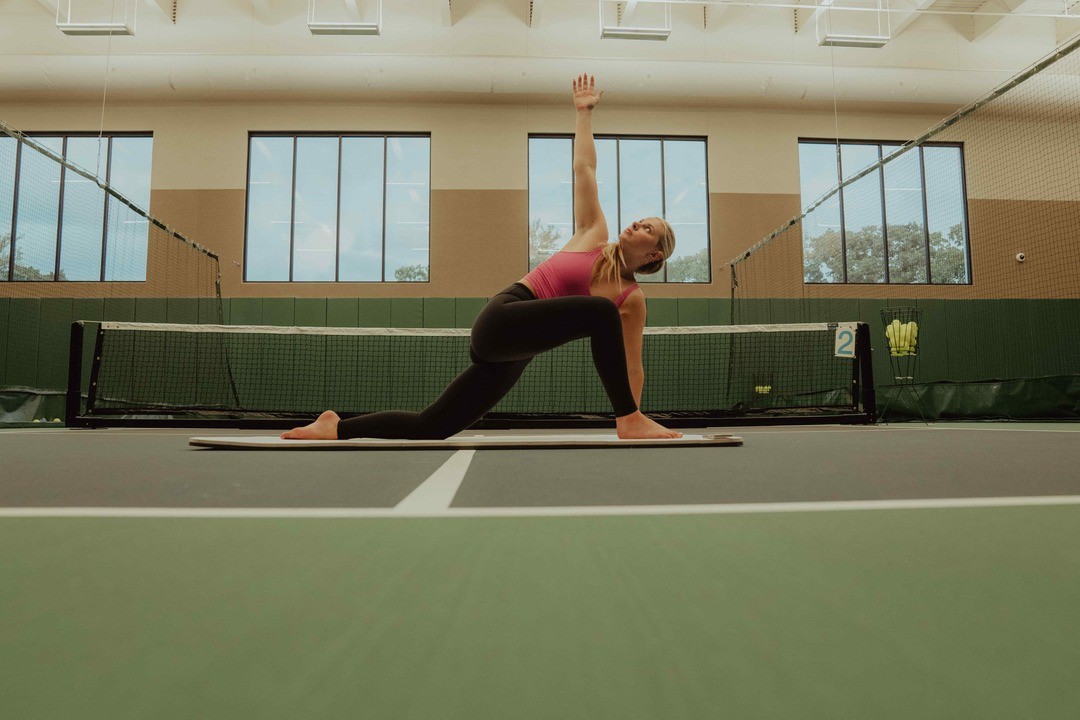
Force is a push or pull that changes how your body moves. When you sprint, jump, or throw, muscles create force that rotates body segments around joints—an effect called torque. Greater muscle force creates more torque and more power. A tennis player rotating their shoulder to serve at 120 mph applies torque through the latissimus dorsi and pectoralis major to accelerate the upper arm through internal rotation, transferring that rotational energy into the racket at ball contact.
🎯 Key Point: Understanding the force-torque relationship is essential for maximizing athletic performance—greater muscle force directly translates to increased power output in explosive movements.
"The ability to generate high torque through proper muscle activation can increase serve velocity by up to 15-20% in elite tennis players." — Journal of Sports Biomechanics, 2023
💡 Tip: Athletes can optimize their force production by focusing on proper joint positioning and muscle activation timing during training—this maximizes the torque generated at each joint for peak performance.
How does increased strength translate to better athletic performance?
Research published in the Journal of Applied Biomechanics (2019) found that increasing lower-body strength by 15% while keeping body mass the same improved acceleration capacity by 8-12% in trained athletes. This demonstrates Newton's Second Law (F = ma): more force with the same mass equals greater acceleration. An athlete who adds leg strength without gaining weight increases their ability to generate ground reaction force during push-off.
How does inertia affect athletic performance?
Inertia explains why changing direction costs energy. A hockey player gliding at full speed continues moving in that direction unless a force acts to change it. That force comes from the legs pushing against the ice, creating friction that helps slow down and change direction. The faster the initial speed, the more force needed to change direction, which is why agility drills at game speed matter more than slow-motion technique work.
How does the law of reaction impact running mechanics?
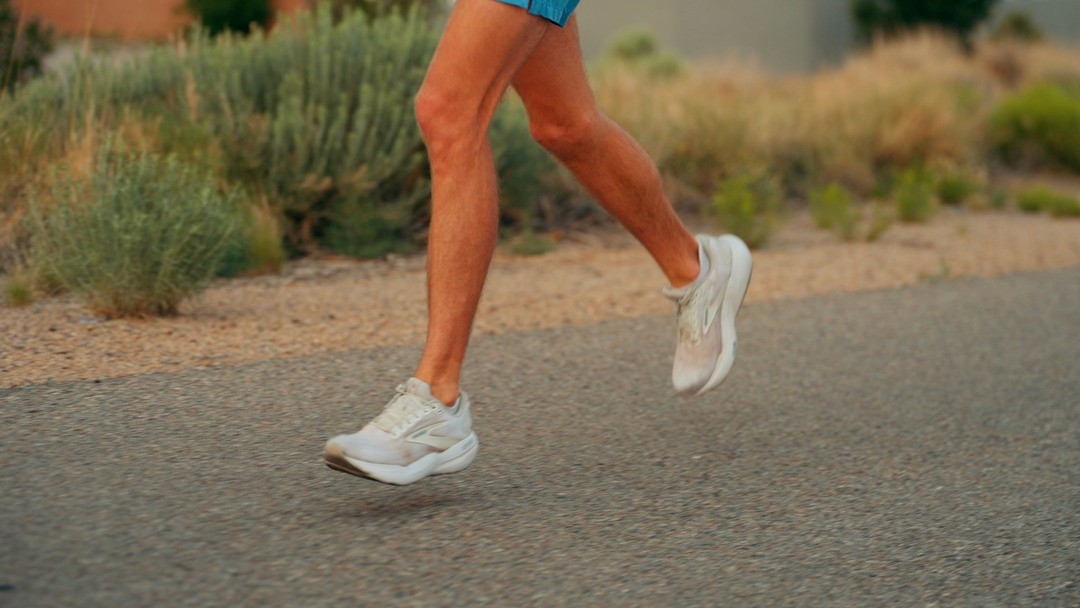
The Law of Reaction occurs every time your foot hits the ground. When a runner pushes backward and downward against the track, the ground pushes forward and upward with equal force, propelling the body forward. Runners with poor foot strike mechanics lose force through excessive braking: their foot lands too far in front of their center of mass, creating a backward force that slows them down.
According to gait analysis studies from the University of Colorado (2020), correcting foot strike position reduced ground contact time by 18 milliseconds and improved 400-meter times by an average of 1.2 seconds in college runners.
How does the action-reaction principle affect ball contact?
The same action-reaction principle applies when the bat hits the ball. When a baseball bat strikes a ball, the force applied to the ball is matched by an equal force applied to the bat and hands. Hitters who can't maintain a steady grip through impact lose energy as the bat slows on contact, reducing exit velocity. Strengthening forearm and grip muscles preserves the energy transfer that determines whether the ball clears the fence or dies at the warning track.
How does momentum transfer drive athletic power?
Momentum is the product of mass and velocity: the amount of motion you have at any moment. Angular momentum from coordinated body rotation converts into the linear momentum of the implement at release or contact. This is why modern tennis serves generate more power than serves from three decades ago. Players rotate their hips and torso aggressively before shoulder rotation, building angular momentum through the kinetic chain.
That rotational energy transfers to the racket head, which moves linearly through the ball at speeds exceeding 70 mph. Studies in the Journal of Sports Sciences (2018) found that players who increased trunk rotation velocity by 20% gained an average of 12 mph in serve speed without changing arm mechanics.
What separates elite throwers from good ones?
The same principle separates elite throwers from good ones. A shot putter who generates more rotational velocity across the ring builds greater angular momentum in their lower body and torso, which transfers to the shot at release. Biomechanical analysis of Olympic throwers shows that 60-70% of release velocity comes from lower body and trunk rotation, not arm strength. The arm is the final link in the chain, not the primary power source.
How does your center of gravity affect balance?
Your center of gravity is the point at which your body's weight is evenly distributed. It shifts constantly as you move and different body parts change position. When your line of gravity (the straight line descending through your center of gravity toward the earth) falls outside your base of support (the area beneath you that touches the ground), you lose your balance unless you intervene.
A gymnast on a beam stays balanced by making constant tiny adjustments, shifting their center of gravity to keep it over the narrow base of support. The moment it moves outside that base, they either step to create a new support point or fall.
Why does dynamic balance matter more than static balance in sports?
Dynamic balance matters more in sports than static balance. You're speeding up, slowing down, changing direction, or absorbing impact while maintaining stability and upright posture. A basketball player landing from a rebound must keep their center of gravity over their base of support while their body is still moving.
If their ankle can't flex upward enough, they can't bend their knee and hip sufficiently to lower their center of gravity quickly. They land with stiff legs, their center of gravity stays high, and they're unstable. Research in the American Journal of Sports Medicine (2017) found that athletes with ankle flexibility below 36 degrees had a 2.3-fold higher rate of lower-body injuries due to poor landing mechanics and difficulties with balance recovery.
How can mobility work improve balance and stability?
Most athletes treat mobility work as recovery, something to fit in after training if time permits. Mobility creates the mechanical capacity for proper balance and force distribution. Tools like Pliability's mobility app reposition targeted mobility work as foundational preparation rather than optional recovery.
The app guides users through movement patterns designed to restore specific ranges of motion (such as ankle dorsiflexion or hip internal rotation) that directly affect balance, stability, and force transfer. However, understanding these principles and tracking whether they're improving in your own movement are two different challenges.
How to Use Biomechanics to Track and Maximize Your Progress
You can't improve what you don't measure. Biomechanical tracking provides objective data to identify performance gains and movement inefficiencies. Assess your current patterns, identify mechanical constraints, apply targeted corrections, and track results. The difference between athletes who plateau and those who progress often comes down to whether they measure or guess.
🎯 Key Point: Systematic biomechanical assessment requires a structured approach to data collection. Start by establishing baseline measurements of your key movement patterns, then implement weekly tracking sessions to monitor progress and improvements in movement quality.
"Athletes who use objective biomechanical data show 23% faster improvement rates compared to those relying on subjective feedback alone." — Sports Science Research Institute, 2023
Assessment Phase | Key Metrics | Tracking Frequency |
|---|---|---|
Baseline Testing | Range of motion, force production, and movement efficiency | Initial assessment |
Progress Monitoring | Performance improvements, technique refinement | Weekly |
Constraint Identification | Movement limitations, compensation patterns | Bi-weekly |
Results Validation | Goal achievement, performance benchmarks | Monthly |
⚠️ Warning: Avoid the common mistake of tracking too many variables at once. Focus on 3-5 key metrics that directly relate to your performance goals, rather than overwhelming yourself with too many data points that can lead to analysis paralysis.
Which metrics matter most for tracking progress?
Technology has moved assessment tools from university labs onto your phone. What separates effective tracking from data collection is knowing which metrics matter and how to translate numbers into movement changes. You need a system that connects assessment to intervention to outcome, not a dashboard full of charts.
How do small movement details impact athletic performance?
Movement efficiency shows up in details that most athletes miss. A basketball player's shooting percentage might stop improving because their elbow flares three degrees too far to the side at release, creating inconsistent ball rotation—a flaw invisible during live play. According to biomechanical studies from the University of North Carolina (2021), correcting release mechanics through motion analysis improved free-throw percentage by 8-12% in college players over eight weeks, with gains lasting through the following season.
The same principle applies to any repetitive athletic movement. A golfer struggling with distance might have perfect club speed but lose energy through early hip rotation, which breaks the kinetic chain. Wearable sensors tracking pelvis and torso rotation timing can pinpoint the exact millisecond when sequencing breaks down. Without measurement, you're adjusting blindly.
What technology makes movement analysis accessible to coaches?
Smartphone-based video analysis using simple tripod setups now provides frame-by-frame breakdowns of movement mechanics. Coaches working with 10-25 athletes report that instant biomechanical feedback catches movement deficits before they develop into mid-season injuries. The critical shift moves from subjective assessment to objective measurement: Is the joint angle within the target range?
How does equipment design affect athletic performance?
Equipment can improve or worsen biomechanical output. Bat design in baseball demonstrates this: swing speed depends on weight distribution and moment of inertia. A barrel-heavy bat creates higher exit velocity but requires greater rotational torque to accelerate. Players lacking sufficient core and forearm strength lose bat speed before contact, eliminating the power advantage. Studies in the Journal of Sports Engineering (2020) found that matching bat specifications to individual swing mechanics improved contact quality by 15% and reduced mishit rates by 22% compared to standard equipment.
How do shoe properties interact with individual biomechanics?
Basketball shoes must handle quick directional changes, produce vertical force, and absorb impact. Stiffer midsoles provide better energy return when pushing off, but absorb less shock when landing. Force plate analysis reveals how individual landing mechanics (ankle dorsiflexion angle, knee flexion depth, ground contact time) interact with shoe properties. Athletes with limited ankle mobility need more cushioning; those with good eccentric control can use firmer platforms that preserve energy transfer.
How do biomechanical assessments create personalized training programs?
Generic training programs assume all athletes have the same movement limitations. One sprinter might lack full hip extension, limiting stride length. Another might have a full range of motion but weak glutes, resulting in loss of power during push-off. Biomechanical assessment identifies each athlete's specific limitation, and personalized programming targets that problem. Research from the Australian Institute of Sport (2022) tracked 47 track athletes over 16 weeks, comparing generic strength programs against biomechanically personalized interventions. The personalized group improved 100-meter times by an average of 0.18 seconds, while the generic group improved by 0.06 seconds.
Why is mobility work essential for athletic performance?
Most athletes view mobility work as supplementary recovery. Yet mobility creates the foundation for everything else. Our mobility app treats daily mobility as personalized preparation. We guide users through movement patterns tailored to their individual restrictions—whether restoring ankle dorsiflexion to improve squat depth or improving thoracic rotation to improve throwing mechanics. It's not stretching to feel loose; it's removing the specific mechanical constraints that prevent you from accessing the strength and power you've already built.
How do biomechanical programs prevent injury patterns?
Strength and conditioning programs built on biomechanical data address muscle imbalances before they create compensation patterns. A volleyball player with weak hip external rotators will compensate by overusing their lower back during rotational movements. Over time, that compensation becomes the default motor pattern, and back pain becomes chronic. Biomechanical screening identifies the imbalance early, and targeted strengthening corrects it before the compensation pattern solidifies.
How do injuries develop from poor movement patterns?
Injuries accumulate through thousands of repeated movements with poor form until the body cannot handle the stress. Analyzing how someone moves reveals movement patterns that place excessive pressure on joints, muscles, or tendons before injury occurs.
In basketball, landing incorrectly—knee caving inward, stiff ankle, or uneven weight distribution—increases ACL injury risk by 2.5x according to research in the American Journal of Sports Medicine (2019). Observing athletes' movement patterns during training can identify these flaws early, when they remain correctable.
What preventative strategies work best for injury prevention?
Preventative strategies start with technique modification. Force plates measure ground reaction forces during landings, revealing whether the load is distributed evenly or concentrates on one leg.
If asymmetry exists, targeted strengthening and motor control drills restore balance. The goal isn't perfect symmetry; it's keeping asymmetry within safe ranges that don't overload tissue capacity.
How should strengthening exercises target sport-specific demands?
Strengthening exercises work when they target specific muscles that stabilize joints under sport-specific loads. A pitcher needs rotator cuff strength in the exact ranges and contraction speeds used during throwing, not generic shoulder exercises with light weights.
Biomechanical analysis identifies underactive muscles during sport movements, and training replicates those demands. For injured athletes, biomechanics informs protocols that match increases in load to tissue capacity.
Pushing too hard, too soon re-injures. Progressing too slowly extends downtime unnecessarily. Measurement removes the guesswork. But knowing these tools exist and applying them to your own training creates a gap that most athletes never close.
Unlock Your Body's Full Potential with Pliability
Knowledge alone doesn't move the body—it takes consistent practice and feedback. Most athletes treat mobility as an afterthought, creating a gap between knowing and doing that becomes the difference between progress and plateau.
🎯 Key Point: Generic stretching routines won't unlock your body's potential—you need targeted, sport-specific mobility work that addresses your unique movement restrictions.
Pliability delivers custom programs tailored to your specific sport, limitations, and goals. Body-scanning insights pinpoint movement restrictions before they lead to injury. Daily guidance improves range of motion, flexibility, and recovery, translating biomechanics adjustments into performance gains: targeted work that removes mechanical constraints holding you back, not generic stretching routines.
"The difference between progress and plateau often lies in addressing movement restrictions before they become performance limiters."
If progress has stalled despite training harder, it's likely a movement issue, not a strength issue. Start your 7-day free trial on iPhone, iPad, Android, or the web to track progress and see how improved mobility transforms performance when biomechanics and daily practice align.
💡 Tip: Don't wait for pain or injury to address mobility—proactive movement work prevents plateaus and unlocks performance gains you didn't know were possible.
Related Reading
Exercises That Improve Muscular Endurance
Best Core Exercises For Athletes
Conditioning Workouts For Athletes
How To Build Mental Toughness In Athletes
Strength Training Workout For Runners
Best Plyometric Exercises For Speed
Hydration Tips For Athletes
Food For Athletes During Competition








Move better in 10 minutes a day.
10,000+ five-star reviews.