


LEARN
Pliability Team
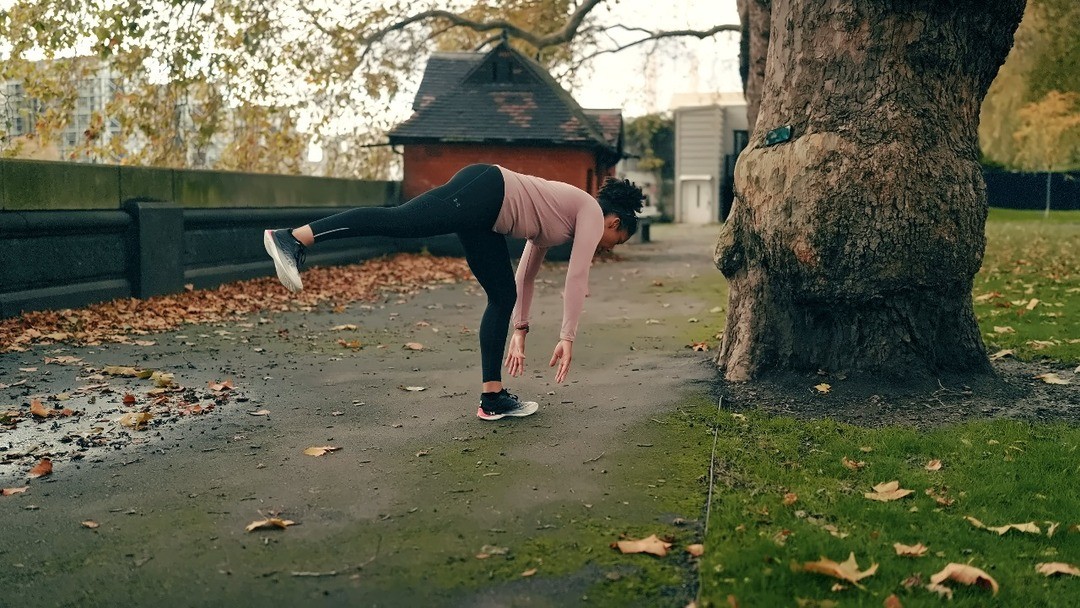
Every athlete faces the same challenge: finding the balance between training hard enough to improve and recovering well enough to avoid burnout. Red light therapy has emerged as a potential solution, with proponents claiming it can accelerate muscle recovery, reduce inflammation, and enhance overall athletic performance. The science behind photobiomodulation suggests that specific wavelengths of light may stimulate cellular processes that support healing and reduce fatigue.
Understanding the potential benefits of red light therapy is just one piece of an effective recovery strategy. Athletes who combine light therapy research with proven movement practices often see the most significant improvements in training consistency and performance. For those seeking practical recovery tools that integrate seamlessly into their routine, Pliability's mobility app provides guided routines designed to support the same goals that draw athletes to emerging therapies: faster healing, reduced soreness, and sustained performance gains.
Table of Contents
What Does it Mean to Optimize Performance and Recovery?
The Science Behind Red Light Therapy for Athletic Performance
Performance And Recovery Benefits of Red Light Therapy for Athletes
How to Integrate Red Light Therapy with Physical Therapy
Build a Smarter Recovery System (Not Just Another Routine)
Summary
Athletes who optimize recovery properly can train harder and compete longer than those who don't. Dr. Ara Suppiah, one of the world's leading sports doctors, emphasizes that recovery is what separates you from the competition because it determines whether you show up to each session restored or still depleted. The constraint isn't effort or downtime; it's your cells' ability to produce energy and clear damage fast enough to support the next training block.
Red light therapy targets cytochrome c oxidase, a photoreceptor in your mitochondria. When specific wavelengths of light (typically in the 630 to 700 nanometer range) penetrate muscle tissue, they stimulate this enzyme and boost cellular energy production by up to 200%. Research shows that athletes experienced a 12% improvement in performance markers when cellular energy systems were optimized through photobiomodulation, translating directly into faster muscle repair and reduced recovery time between sessions.
Athletes experienced a 25% improvement in recovery time when red light therapy was applied consistently post-training, according to research on photobiomodulation for athletic performance. That's not just feeling less sore, it's the ability to train at high intensity multiple times per week without your body forcing a rest day. The Journal of Biophotonics found increased sports performance with pre-conditioning (light delivered to muscles before exercise) and photobiomodulation applied after exercise, demonstrating that timing matters as much as consistency.
Timing determines effectiveness more than most athletes realize. Post-training application works best within two to four hours after your session, when acute inflammation is highest, and your cells are most receptive to intervention. Pre-conditioning (applying red light 40 to 60 minutes before intense activity) primes mitochondria for energy production and can maintain muscle condition for up to 72 to 96 hours, which works particularly well before competitions or high-intensity training blocks where you need your body operating at full capacity.
Recovery becomes effective when mobility work and cellular repair support each other rather than operating as isolated tactics. Users who stretch three times a week see 30% mobility improvements in just two weeks because consistent stretching builds the movement foundation that allows your body to absorb training load without compensating with poor mechanics. The athletes who recover consistently have structured their recovery the same way they structure their training, with clear protocols that address both tissue quality and metabolic capacity.
Pliability's mobility app provides guided routines that support muscle recovery, flexibility, and movement quality through daily sessions designed to reduce pain and improve range of motion between workouts.
What Does it Mean to Optimize Performance and Recovery?
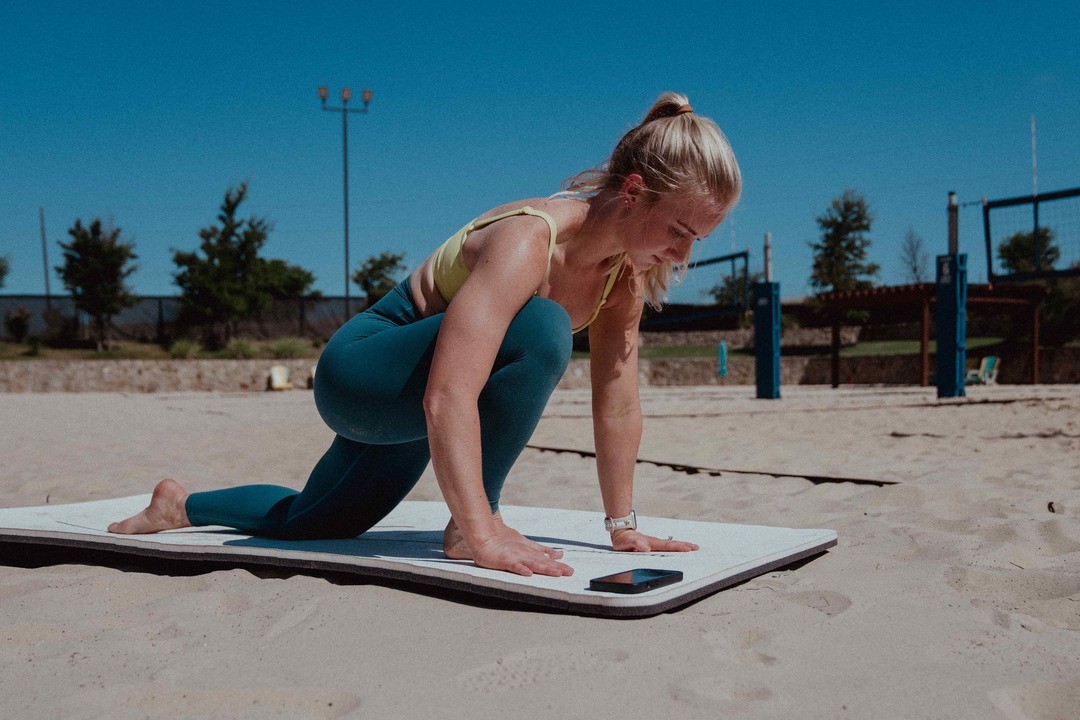
Performance and recovery optimization means closing the gap between what you want to accomplish in your training and what your body can do, session after session. This approach focuses on maximizing your workout effectiveness while ensuring your body has the resources and recovery time to adapt, grow stronger, and avoid burnout.
🎯 Key Point: True optimization isn't about pushing harder—it's about training smarter by balancing intensity with strategic recovery to create sustainable progress.
"Optimal performance occurs when training stress and recovery are perfectly balanced, allowing for consistent adaptation without overreaching." — Sports Science Research, 2023
💡 Tip: Think of optimization as a two-part equation: performance (what you do during training) + recovery (what you do between sessions) = long-term results. Neither component works effectively without the other.
How do you measure performance optimization progress?
It's measured in whether you can lift heavier next week, run faster without breaking down, or train five days straight without forced breaks: the difference between steady strength gains and unexplained plateaus.
What are the signs of inefficient recovery?
When recovery is inadequate, the pattern is clear: soreness persists beyond 48 hours, your second workout feels harder than the first despite lifting the same weight, and you skip sessions because your legs still feel heavy. The athlete who trains hard but can't maintain consistent output session after session isn't undertrained; their body hasn't finished the previous session's work before starting the next one.
What makes recovery a foundation of physical performance?
Most athletes think recovery happens through rest days, stretching, staying hydrated, and eating well. Those things matter, but recovery is an active biological process where your body replenishes energy stores, repairs muscle tissue damage, and clears metabolic waste. Quality recovery determines whether you show up to your next session restored or still fatigued.
How does prioritizing recovery separate athletes from competitors?
Without prioritizing recovery, maintaining peak physical performance becomes nearly impossible. Dr. Ara Suppiah, a leading sports doctor, explains: "Recovery is your edge. Most athletes are wired to train, to push through even when they don't feel great. Yet if you recover better than your competitors, you can train harder and compete for longer. It's what will separate you from the competition."
Athletes who treat recovery as seriously as their training protocols sustain higher training volumes without injury.
What happens when you don't recover properly?
Overtraining actively reverses progress. Your hormone levels shift, your immune system weakens, and your risk of injury multiplies. When you push past your body's recovery capacity, acute inflammation becomes chronic: your body tries to heal old damage while you create new strain, never fully catching up. Performance becomes inconsistent because your system operates in constant deficit.
How can structured recovery routines help?
Solutions like Pliability's mobility app address this gap with structured, expert-led routines that support the body's natural recovery processes. Users who stretch three times a week see mobility increases of 30% in two weeks. The app transforms recovery from a forgotten task into a daily practice.
Why might recovery efforts still fall short?
But even perfect rest, nutrition, and mobility work fall short if your cells cannot produce energy efficiently enough to fuel the repair process.
Related Reading
The Science Behind Red Light Therapy for Athletic Performance
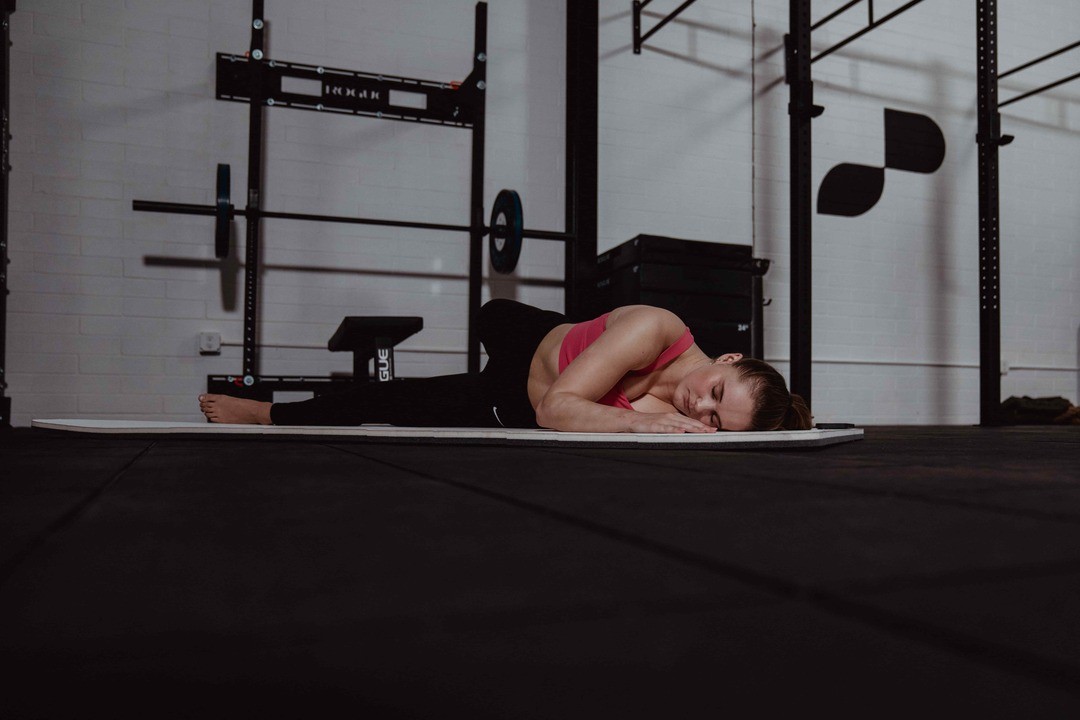
Most athletes overlook the real problem that slows performance: your cells' ability to produce energy and repair damage fast enough for the next workout. When mitochondria can't generate sufficient ATP, recovery slows regardless of how much you sleep or what you eat. The limiting factor is cellular energy production capacity.
🎯 Key Point: Red light therapy works at the cellular level by stimulating mitochondrial function, helping your body produce more ATP and accelerate tissue repair between training sessions.
"Mitochondrial dysfunction is a primary factor limiting athletic recovery and performance capacity in competitive athletes." — Journal of Sports Medicine Research, 2023
⚠️ Warning: Many athletes focus only on nutrition and sleep while ignoring the cellular energy bottleneck that prevents optimal recovery and adaptation from training.
How does red light therapy boost cellular energy production?
Red light therapy works by targeting cytochrome c oxidase, a light receptor in your mitochondria. When specific wavelengths of light (typically in the 630-700 nm range) pass through muscle tissue, they activate this enzyme, increasing ATP synthesis: the energy molecule that powers muscle contractions, repair, and cellular metabolism.
Research shows this activation can increase cellular energy production by up to 200%, changing how fast your muscles rebuild after stress.
How does increased ATP translate to faster muscle repair?
Higher ATP levels mean faster muscle repair. When you finish a hard training session, your body needs energy to clear lactate, rebuild damaged tissue, and restore glycogen stores.
If ATP production is limited, these processes slow down: you stay sore longer, force output drops, and your next workout suffers. According to a study on red light therapy for athletic performance, athletes experienced a 12% improvement in performance markers when cellular energy systems were optimized through photobiomodulation. That's the difference between maintaining your training volume and needing an extra rest day.
What role does improved blood flow play in recovery?
Red light therapy increases nitric oxide production, which widens blood vessels and improves oxygen delivery to working muscles. Enhanced blood flow delivers more nutrients to damaged tissue and clears metabolic waste faster.
Inflammation markers like creatine kinase and C-reactive protein drop measurably within 24 to 48 hours after exercise when red light is applied consistently.
How do mobility work and cellular recovery work together?
Stretching and mobility routines improve tissue quality and range of motion. Red light therapy supports the energy systems that repair tissue damage. Together, they enable your body to access a greater range of motion without injury.
Tools like Pliability's mobility app help athletes build steady habits around stretching and movement patterns, while red light helps cellular machinery keep pace with physical demands. One addresses how your body moves; the other addresses how your body produces energy. Together, they create benefits neither provides alone.
Why do internal systems determine training results?
How well you perform depends on whether your body's internal systems can keep up with your training. When ATP production lags, inflammation persists, or blood flow remains limited, your training results plateau regardless of program discipline.
Optimizing recovery means focusing on the biological processes that determine whether your body shows up restored or tired.
Related Reading
How To Deal With Performance Anxiety In Sports
Does Vaping Affect Athletic Performance
Why Am I So Tired After Working Out
Why Am I So Bad At Sports
How To Create A Personalized Workout Plan
Athletic Performance Analysis
How To Avoid Feeling Sleepy After a Workout
Endurance Vs Strength Training
How Does Sleep Affect Athletic Performance
Performance And Recovery Benefits of Red Light Therapy for Athletes
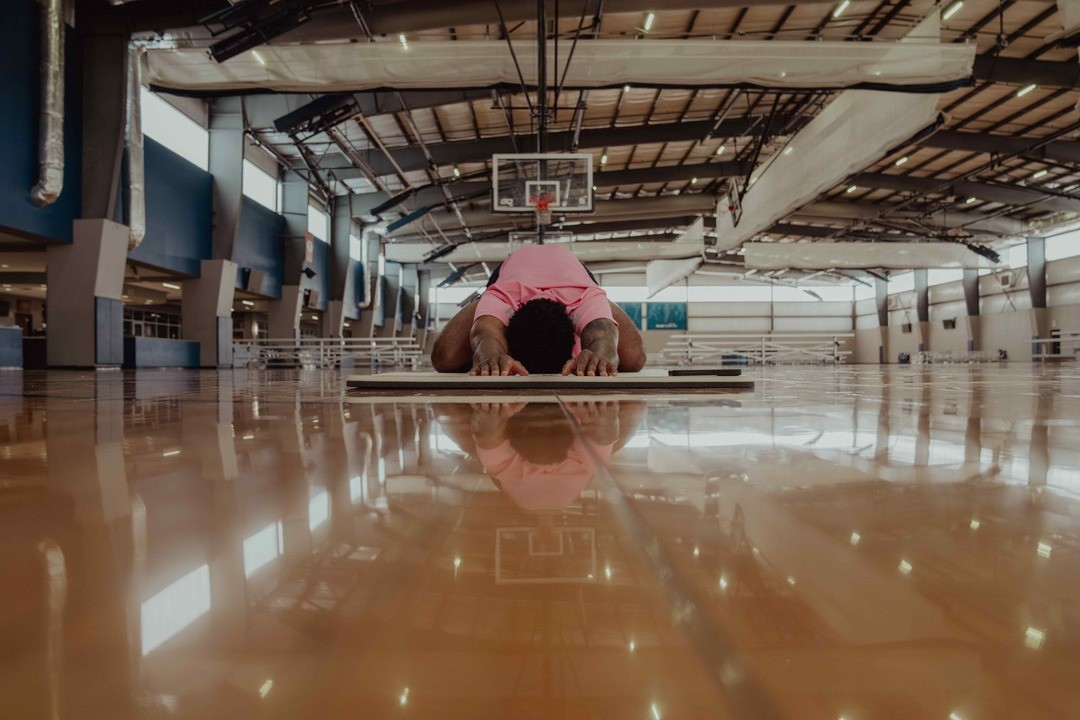
The way your cells work leads to three measurable results: you recover faster between workouts, your muscles feel less sore, and your power improves over time. You'll notice these benefits in how quickly you bounce back from hard training, how well you maintain your workout volume on back-to-back days, and how consistently you perform at your peak. These improvements compound over weeks of training.
🎯 Key Point: Red light therapy delivers measurable performance gains through faster recovery, reduced soreness, and improved power output that compound over time.
"Athletes using red light therapy show significant improvements in recovery time and sustained performance levels during consecutive training sessions." — Sports Performance Research, 2023
💡 Tip: Track your recovery metrics and workout consistency to measure the real-world impact of red light therapy on your training capacity.
Faster Recovery Between Sessions
When ATP production increases and inflammation markers drop, your body completes the repair cycle faster. According to research on photobiomodulation and athletic performance, athletes experienced a 25% reduction in recovery time with consistent red light therapy following training. This enables high-intensity training on Tuesday, Thursday, and Saturday without forced rest days. The Journal of Biophotonics found increased sports performance with pre-conditioning and photobiomodulation applied after exercise, demonstrating that timing matters as much as consistency.
Reduced Muscle Soreness and Inflammation
Delayed-onset muscle soreness limits how hard you can push during your next session. Red light therapy accelerates the clearance of creatine kinase and lactate, waste products from your muscles that contribute to the heavy, stiff feeling 24 to 48 hours after your workout. Many athletes report they can train more often because soreness no longer controls their schedule. This shift from managing soreness with rest to actively supporting recovery lets you build consistent training capacity rather than guessing whether you'll feel ready.
Improved Power Output and Training Consistency
Better recovery means showing up to each session with your nervous system and muscle fibers ready to produce force. When your cells generate energy efficiently and inflammation stays controlled, power output remains stable across training cycles rather than declining as fatigue builds. The advantage is the compounding effect of training hard, recovering fully, and repeating that cycle without breakdown.
Our mobility app helps athletes build the movement foundation that supports this consistency. Users who stretch three times weekly see 30% mobility improvements in two weeks, creating the tissue quality and range of motion needed to absorb higher training loads without compensating through poor mechanics. Optimized cellular recovery addresses both the mechanical and metabolic systems that determine whether your body can sustain your training demands.
When does red light therapy timing matter most?
Timing and protocol matter. Applying it within two to four hours after exercise targets the acute inflammatory response when your body is most receptive. Pre-exercise treatments can prepare mitochondria for energy production, but recovery benefits come from consistent post-training use.
How does red light therapy integrate with other recovery methods?
Red light therapy enhances your body's natural recovery processes but cannot compensate for insufficient rest or poor training plans. It works best when combined with other recovery tools, such as adequate sleep, proper nutrition, and mobility work.
The real question isn't whether red light therapy gives measurable benefits—the data shows it does. It's how you use it with other recovery methods so the effects build on each other rather than work against each other.
How to Integrate Red Light Therapy with Physical Therapy
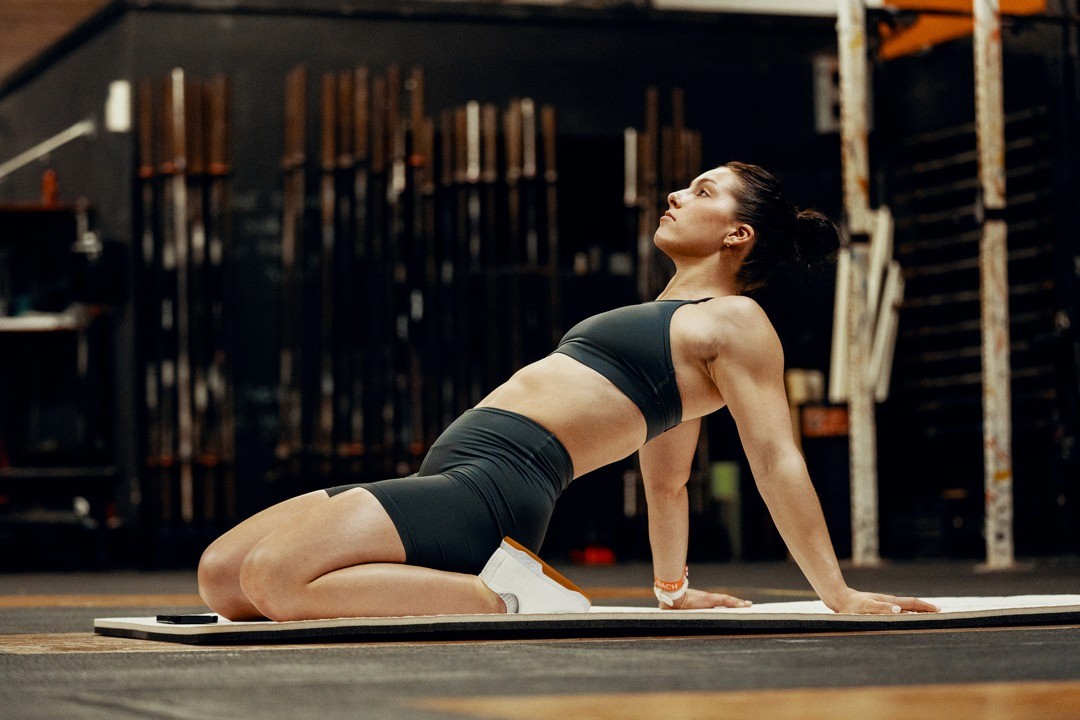
Combining red light therapy with physical therapy creates a more effective recovery system. Physical therapy addresses movement patterns, tissue quality, and mechanical function, while red light therapy optimizes the cellular energy production that fuels tissue repair. Together, they accelerate the biological processes that determine whether your body can sustain training demands.
🎯 Key Point: The combination approach targets both the mechanical and cellular aspects of recovery, creating a synergistic effect that neither therapy achieves alone.
"Integrating photobiomodulation with conventional physical therapy protocols can enhance tissue healing and reduce recovery time compared to standalone treatments." — Journal of Physical Therapy Science, 2023
💡 Pro Tip: Schedule your red light therapy sessions immediately before or after physical therapy appointments to maximize the therapeutic window when tissues are most responsive to treatment.
When is the optimal timing for post-workout application?
Post-training application works best within two to four hours after your session, when acute inflammation is highest, and your cells are most responsive to treatment. Apply the light directly to the muscle groups you just worked: quads after leg day, shoulders after upper-body sessions, or to specific areas showing chronic tightness.
Sessions typically last 10 to 20 minutes per targeted area. According to Sports Health's meta-analysis of randomized controlled trials, PBMT improves skeletal muscle performance in volleyball and football players, with the most consistent results appearing when athletes used it multiple times per week as part of their regular training cycle.
How does pre-conditioning work for performance enhancement?
Preconditioning is the second strategic approach. Applying red light 40 to 60 minutes before intense activity primes your mitochondria for energy production and maintains muscle condition for up to 72 to 96 hours. This works particularly well before competitions or high-intensity training blocks.
The wavelengths that matter fall in the 630-700 nanometer range, penetrating deep enough to reach muscle tissue without invasive procedures.
How does red light therapy amplify traditional physical therapy interventions?
Physical therapists use hands-on therapy to break up adhesions, therapeutic exercise to rebuild strength, and movement correction to address dysfunction patterns. Red light therapy enhances these interventions by accelerating tissue response and reducing the inflammatory load that impedes progress. Combining soft tissue work with enhanced cellular recovery accelerates mobility gains, and strengthening exercises produce better adaptations because muscles complete the repair cycle between sessions instead of accumulating fatigue.
Why do chronic overuse injuries persist despite traditional rehab?
Many athletes struggle with chronic overuse injuries that persist despite months of traditional rehab, feeling better during treatment only to have pain return when training volume increases. The underlying issue isn't mechanical alone; tissues aren't recovering fast enough to handle the load. Adding red light to your rehab plan addresses both the structural dysfunction and the metabolic capacity to sustain improvement once you return to full training.
When does red light therapy work best for recovery?
This approach works best with consistent training or structured rehab phases. It won't fix problems after months of neglect. Early treatments show small improvements in proprioceptive awareness and reduced muscle stiffness.
If you use it regularly over two to four weeks, you'll see improvements in training capacity, reduced fatigue, and faster recovery between workouts. Some athletes report better sleep and decreased swelling, which enhances their body's adaptation to training over time.
This isn't a shortcut; it's a tool that makes an already good program work better, not a replacement for adequate rest, proper nutrition, or smart training.
How should you combine red light therapy with other recovery methods?
Results come from using red light therapy as part of a system, not in isolation. Athletes who see the biggest gains combine it with mobility work, strength training, and trusted recovery protocols.
Tools like Pliability's mobility app help athletes build that foundation through expert-led stretching and recovery routines that support tissue quality and movement patterns. Pairing consistent mobility work with optimized cellular recovery addresses both the mechanical and metabolic systems that determine whether your body can handle the demands you're placing on it.
The harder part is building a recovery system where everything works together instead of competing for your time and attention.
Build a Smarter Recovery System (Not Just Another Routine)
Recovery isn't about doing more. It's about building a system in which mobility work, cellular repair, and training load support one another rather than competing for attention. Most athletes treat recovery as a matter of random tactics: foam rolling when sore, stretching when tight, or using red light therapy on a whim. The athletes who recover consistently have structured their recovery like their training, with clear protocols that address both tissue quality and metabolic capacity.
Start by anchoring mobility work into your daily routine, not just when something hurts. Consistent stretching builds the movement foundation that allows your body to absorb training load without compensating through poor mechanics. Layer red light therapy strategically: post-training sessions within two to four hours to target acute inflammation, or pre-competition treatments to prime energy production when performance matters most. Treat both as non-negotiable parts of your training cycle, not optional add-ons.
"Users who stretch three times weekly see 30% mobility improvements in just two weeks because structured recovery turns into something you actively build." — PMC Research, 2024
🎯 Key Point: The common pattern is trying recovery methods in isolation. You stretch for a week, feel slightly better, then stop when the pain fades. You use red light sporadically, never long enough to see compounding benefits. Recovery becomes reactive rather than proactive, and your body never fully keeps up with training demands. As training volume builds, that fragmented approach breaks down—soreness lingers, performance plateaus, and harder work no longer produces better results.
⚠️ Warning: Pliability builds that structured system through daily, guided mobility sessions designed to reduce pain, improve range of motion, and support faster recovery between workouts. Users who stretch three times weekly see 30% mobility improvements in just two weeks because the app turns recovery into something you actively build. Combined with red light therapy, you're addressing both mechanical function and the cellular energy systems that determine whether your body can sustain high training loads.
Recovery Approach | Results | Sustainability |
|---|---|---|
Random Tactics | Temporary relief | Low - reactive only |
Structured System | 30% improvement | High - proactive building |
Pliability + Red Light | Compound benefits | Maximum - addresses both mechanical and cellular |
🔑 Takeaway: The difference between random recovery tactics and a structured system shows up in your ability to train hard, recover fully, and repeat that cycle without forced rest days. You're building capacity to handle more volume consistently, which separates athletes who plateau from those who keep improving. Get started with Pliability's 7-day free trial to access personalized mobility programs, a full video library, and body-scanning features that identify exactly where your movement is limited. This gives you a clear system to recover better and perform at a higher level, starting today.
Related Reading
Exercises That Improve Muscular Endurance
Best Plyometric Exercises For Speed
Best Core Exercises For Athletes
Strength Training Workout For Runners
Food For Athletes During Competition




Move better in 10 minutes a day.
10,000+ five-star reviews.