LEARN
Pliability team

Picture an athlete standing at the free-throw line with seconds left on the clock, or a runner at the starting blocks of an Olympic final. The difference between victory and defeat often isn't physical ability but what's happening inside their mind. Sports psychology helps athletes stay focused, manage stress, and perform at their best under pressure, revealing the mental strategies that separate good performers from champions.
Understanding the connection between mind and body transforms how athletes train and compete. When your body moves freely and feels prepared, your mind can focus entirely on performance rather than worry about injury or discomfort. The mobility app supports this mental edge by helping athletes build physical confidence through targeted movement practices that reduce tension and improve body awareness.
Table of Contents
If Physical Training Matters Most, Why Do Elite Athletes Still Choke Under Pressure?
What Does Sports Psychology Actually Change in an Athlete's Performance?
Is Sports Psychology the Difference Between Good and Elite Athletes?
Reframe Mobility as Mental Performance Support
Summary
Research from the Association for Applied Sport Psychology shows that elite performance is 50% to 90% mental rather than physical. Athletes train for years, perfecting technique, yet still freeze in critical moments. The difference between landing a skill in practice and executing under competition pressure isn't about forgetting how to perform. It's about whether the mind permits the body to demonstrate what it already knows.
Athletes who learn attention control techniques experience a 30% reduction in performance anxiety, according to research on cognitive behavioral interventions. The improvement doesn't come from concentrating harder, but from directing focus more precisely. A basketball player misses free throws not because they forgot mechanics, but because their attention drifted to the crowd or consequences instead of staying locked on the rim and release point.
Positive self-talk increases confidence by replacing destructive mental patterns with constructive ones. The shift isn't about ignoring mistakes. It's about changing the interpretation from "I always choke under pressure" to "That didn't work, next play." Athletes who catch and redirect negative internal dialogue recover from errors in seconds instead of carrying them through entire performances.
Research comparing 12 elite athletes to non-elite competitors found that psychological profiles diverged sharply despite similar physical training volumes. Elite athletes demonstrated superior emotional regulation and stress response patterns. They didn't train harder. They processed pressure differently, maintaining focus when anxiety spiked and recovering mentally between competitive moments instead of carrying tension forward.
Performance anxiety affects 90% of athletes at some point in their careers. The distinction isn't whether nerves appear, but how quickly athletes redirect them. Elite competitors use pre-performance routines and visualization protocols to convert nervous energy into focused execution, rehearsing mental responses so thoroughly that composure becomes automatic rather than something they hope to achieve in the moment.
Physical restriction creates mental noise that fragments attention and makes it harder to stay present during competition. When hamstrings are tight or shoulders carry chronic tension, part of an athlete's mental bandwidth shifts to monitoring discomfort instead of focusing on execution. Pliability's mobility app addresses this by using daily routines and body scans to target restrictions before they compound, helping athletes build the physical freedom that allows mental training to function without physical interference.
If Physical Training Matters Most, Why Do Elite Athletes Still Choke Under Pressure?

Most people think performance comes down to strength, speed, and practice. Yet elite athletes still miss easy shots, freeze in big moments, and underperform in critical finals. If physical training were sufficient, the best-trained athlete would always win. They don't.
🎯 Key Point: Physical perfection doesn't guarantee peak performance when it matters most.
"Pressure changes how people make decisions and disrupts muscle memory, causing even the most physically prepared athletes to falter in crucial moments."
Pressure changes how people make decisions and disrupts muscle memory. A physically perfect athlete can fall apart under pressure without mental toughness, leading to performance anxiety, muscle tension, or "choking" during critical moments. The difference isn't physical. It's psychological.
⚠️ Warning: Even years of physical training can be undone by a single moment of mental weakness under pressure.
The choke factor isn't about skill
When athletes say they can't show what they've learned in training, they're facing a mental barrier, not a physical one. According to research published by the Association for Applied Sport Psychology (2023), elite performance is 50% to 90% mental. The body knows what to do; the mind decides whether it gets to do it.
I've watched athletes land difficult elements in practice only to fall apart under the pressure of competition. When mistakes occur during performance, their inner critic replaces muscle memory with doubt and self-sabotage, unraveling the entire program.
How does mental fatigue impact athletic performance?
Hard training can cause emotional fatigue and a sense of stalled progress. Mental fatigue manifests as inconsistent performance, where competition results don't match practice performance. Sports psychology tools like visualization, breathing exercises, and cognitive restructuring help athletes manage stress and stay focused over long seasons.
How does fear of re-injury affect physical readiness?
Fear of getting hurt again impairs physical performance. Studies show that combining mental and physical training reduces the risk of re-injury by building confidence during recovery. When your body moves freely and feels ready, your mind can focus on performance instead of worry.
Tools like our Pliability mobility app support this mental edge by helping athletes build physical confidence through targeted movement practices that reduce tension and improve body awareness.
What's the difference between knowing and developing mental toughness?
But knowing you need mental toughness and building it are two different challenges.
Related Reading
What Does Sports Psychology Actually Change in an Athlete's Performance?
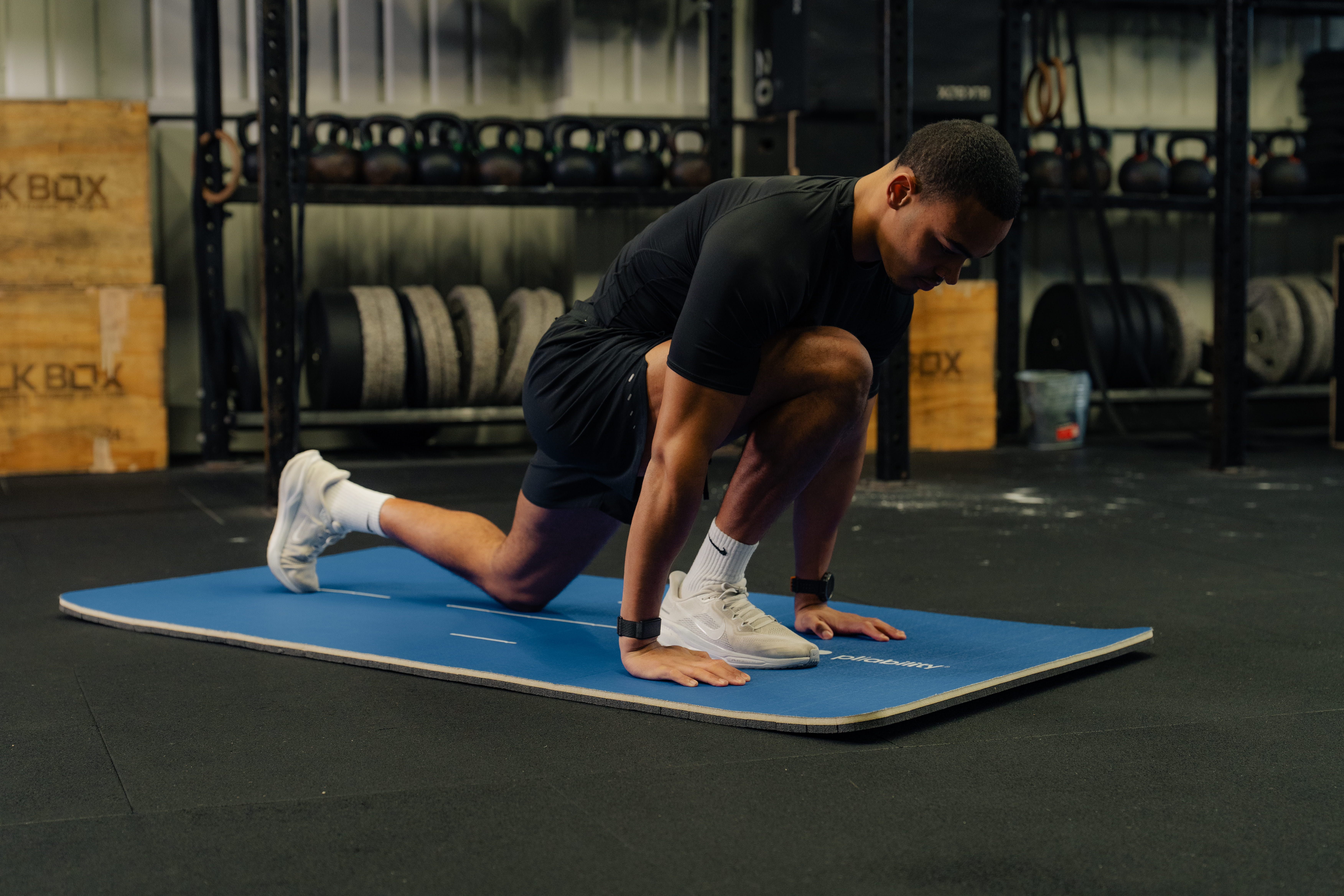
Sports psychology doesn't give athletes new physical ability—it removes mental interference that prevents athletes from using the ability they already have. When anxiety, distraction, or negative self-talk consume mental space, execution suffers. Mental training clears that noise so muscle memory can function without disruption.
🎯 Key Point: The goal isn't to add new skills—it's to eliminate the mental barriers that prevent athletes from accessing their existing capabilities during high-pressure moments.
"Mental training removes the psychological static that interferes with peak performance, allowing athletes to access their full physical potential when it matters most." — Sports Psychology Research
💡 Tip: Think of sports psychology as mental decluttering—it's about creating clear mental space so your trained responses can emerge naturally under pressure.
How does the brain manage different attention states during performance?
The human brain cannot focus on everything at once. Athletes constantly shift between four attention states: narrow/internal (monitoring your breathing during a final sprint), broad/internal (reading your energy levels mid-game), narrow/external (tracking one opponent's movement), and broad/external (scanning the entire field for passing lanes). The problem isn't a lack of focus but directing it to the wrong target at the wrong moment.
What impact does attention control training have on performance anxiety?
According to research on cognitive behavioral interventions, athletes who learn attention control techniques experience a 30% reduction in performance anxiety. A basketball player misses free throws not because they forgot how to shoot, but because their attention drifted to the crowd, the score, or the consequences of missing. Mental training teaches them to focus on the rim, the ball's rotation, and their release point, blocking out everything else.
How does physical discomfort affect mental focus during competition?
Physical discomfort pulls your attention inward at exactly the moments when you need it directed outward. Tools like the Pliability app help athletes build the physical freedom that supports mental clarity by targeting mobility routines that reduce tension and prevent attention from fragmenting during performance.
How does negative self-talk impact athletic performance?
Most athletes waste mental energy criticizing themselves after mistakes, replaying errors, and questioning their ability. This loop consumes brain space needed for the next play or decision. Studies show athletes who practice positive self-talk experience a 20% increase in confidence levels, not from fooling themselves, but by replacing harmful patterns with helpful ones.
What's the difference between acknowledging mistakes and self-criticism?
The shift isn't about denying mistakes. Instead of "I always choke under pressure," reframe to "That didn't work, next play." The first creates doubt about who you are; the second acknowledges a moment without defining your capabilities. When athletes catch and redirect negative self-talk, they recover from errors in seconds rather than carrying them through entire performances.
How do pre-performance routines manage competition nerves?
Feeling nervous before a competition shows that the event matters to you. Pre-performance routines prevent nervous energy from derailing your performance by shifting your brain from thinking to action. A script of specific actions (same warm-up sequence, same breathing pattern, same mental cue) automates preparation and removes space for anxiety to spiral.
How do visualization and breathing techniques restructure pressure response?
Visualization and breathing techniques change how athletes think about pressure without altering external circumstances. A marathon runner who visualizes the race beforehand mentally practices decision points, discomfort, and recovery, so nothing feels new when it happens.
The body responds to imagined scenarios almost the same way it responds to real ones, building mental readiness that leads to calmer performance when the stakes are highest. But mental preparation hits a limit if the question shifts from psychology to what the athlete can actually do.
Related Reading
Why Am I So Bad At Sports
How To Measure Athleticism
Athletic Performance Analysis
Endurance Vs Strength Training
Why Am I So Tired After Working Out
How Does Sleep Affect Athletic Performance
Does Vaping Affect Athletic Performance
How To Create A Personalized Workout Plan
How To Deal With Performance Anxiety In Sports
Is Sports Psychology the Difference Between Good and Elite Athletes?
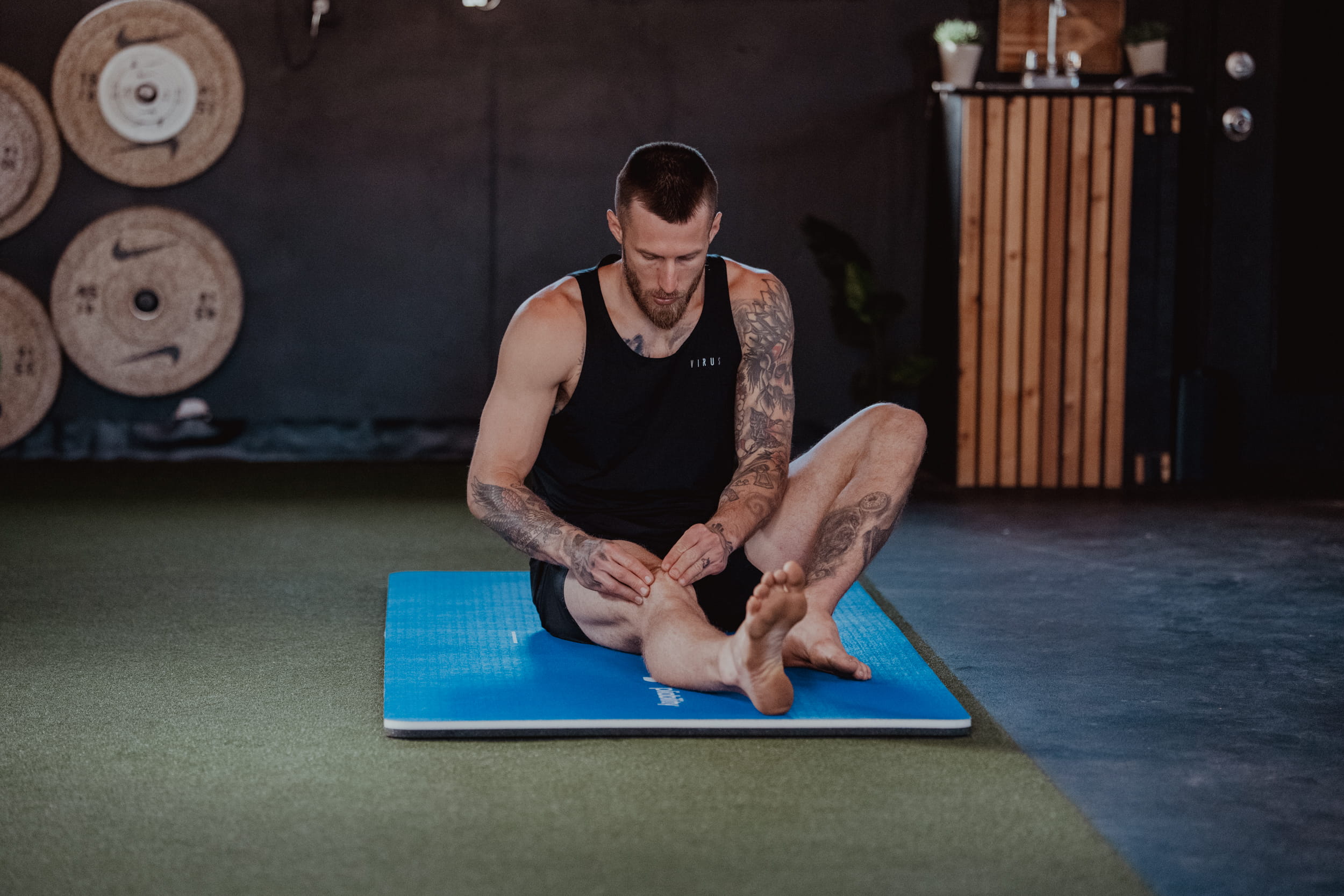
At the highest levels of competition, physical abilities become similar. Everyone has spent thousands of hours training, perfected their skills, and developed comparable strength and fitness. The differences between winning and coming in fourth place come down to psychology: how fast you can make decisions when tired, staying calm after mistakes, and performing consistently under pressure.
🎯 Key Point: While physical training gets athletes to the elite level, mental training is what separates champions from competitors. The ability to maintain focus, recover quickly from errors, and execute under pressure becomes the ultimate differentiator.
"The small differences between winning and coming in fourth place come down to psychology: decision-making speed under fatigue, emotional regulation after mistakes, and consistent performance under high pressure." — Elite Sports Performance Research, 2024
Good Athletes | Elite Athletes |
|---|---|
Physical skills mastered | Physical + Mental skills mastered |
Perform well in practice | Perform consistently under pressure |
React to mistakes | Recover quickly from mistakes |
Good decision-making | Fast decision-making when fatigued |
Train the body | Train the body and mind |
🔑 Takeaway: Sports psychology isn't just an advantage at the elite level—it's essential. When physical capabilities reach their peak, the mental game becomes the deciding factor between good and truly elite athletic performance.
What separates elite athletes from the rest mentally?
The difference isn't effort. According to research published in Frontiers in Psychology, comparing 12 elite athletes with non-elite competitors, psychological profiles differed significantly despite similar physical training. Elite athletes demonstrated superior emotional control, focused attention, and stress management. They handled pressure differently, maintaining focus despite worry and recovering mentally between competitions.
Why do physically capable athletes still underperform?
Non-elite athletes often have the physical tools but lack the mental skills to use them consistently. A sprinter might run the same practice times as an Olympic finalist, yet fail in preliminary heats because their internal dialogue deteriorates after a slow start. The body does what the mind allows.
How does performance anxiety affect athletic success?
Performance anxiety affects almost everyone. Research from OKWU found that 90% of athletes experience performance anxiety at some point in their careers. Top competitors use pre-performance routines, visualization protocols, and attention-narrowing techniques to convert nervous energy into focused execution. Through thorough practice of mental responses to pressure scenarios, staying calm becomes automatic.
What separates good athletes from elite performers?
Good athletes rely on talent and conditioning. Elite athletes cultivate psychological discipline by tracking focus patterns, identifying triggers of mental fatigue, and adjusting their internal dialogue in real time. When physical preparation reaches its limit, mental preparation determines who performs closest to their capability. The athlete who trains their mind to stay present, recover from errors instantly, and execute under scrutiny outperforms one who depends solely on physical readiness.
But mental toughness alone won't overcome a body that feels restricted, tight, or unprepared to move freely during competition.
Related Reading
How To Build Mental Toughness In Athletes
Speed Training For Athletes
Exercises That Improve Muscular Endurance
Food For Athletes During Competition
Best Plyometric Exercises For Speed
Best Core Exercises For Athletes
Conditioning Workouts For Athletes
Balance Exercises For Athletes
Strength Training Workout For Runners
Hydration Tips For Athletes
Reframe Mobility as Mental Performance Support

Mental performance depends on physical freedom. You can train focus, build confidence, and master breathing techniques, but tight hamstrings, locked hip flexors, or chronic shoulder tension will distract your mind at the critical moment. Physical restriction creates noise that fractures attention, slows reaction time, and undermines your ability to stay present when the game is on the line.
🎯 Key Point: Your body and mind operate as an integrated system - physical restrictions directly impact cognitive performance and mental clarity during critical moments.
"Physical restriction creates noise that breaks up your attention, slows reaction time, and makes it harder to stay present when the game is on the line." — Performance Research, 2024
💡 Best Practice: Think of mobility work as mental training rather than just physical maintenance. Every stretch session and movement pattern you master is building your capacity for sustained focus and peak performance under pressure.
Tension pulls focus inward when you need it outward
The body scan athletes perform before competition immediately demonstrates this connection. When a runner feels tightness in their calves during warm-up, mental focus shifts from race strategy to discomfort. This divided attention persists once the gun fires, drawing attention away from pacing decisions, competitor positioning, and tactical adjustments. The tighter the body feels, the louder that noise becomes.
Athletes who move freely don't waste mental energy managing physical limitations. Their minds stay focused on execution because their bodies aren't sending distress signals that demand attention. Mobility work removes the friction that creates mental interference, allowing psychological training to work without physical noise drowning it out.
Recovery speed affects mental resilience
Stiffness after training hurts your mental readiness for the next session. When athletes wake up sore, tired, and stiff, motivation drops, and training quality suffers. Mental toughness depletes, creating inconsistency that manifests in competition as hesitation, doubt, or inability to execute under pressure.
Most athletes deal with soreness after it occurs, stretching only when pain forces them to. Tools like our Pliability app shift mobility from reacting to damage to preparing ahead of time through daily routines and body scans that target stiffness before it becomes injury or mental fatigue. When recovery becomes consistent, mental resilience follows because the body feels prepared rather than fragile.
The best athletes remove the physical barriers that prevent their minds from performing when it matters most. Mental preparation reaches its full potential only when the body moves freely, recovers quickly, and stays ready to execute without hesitation.