


LEARN
Pliability team
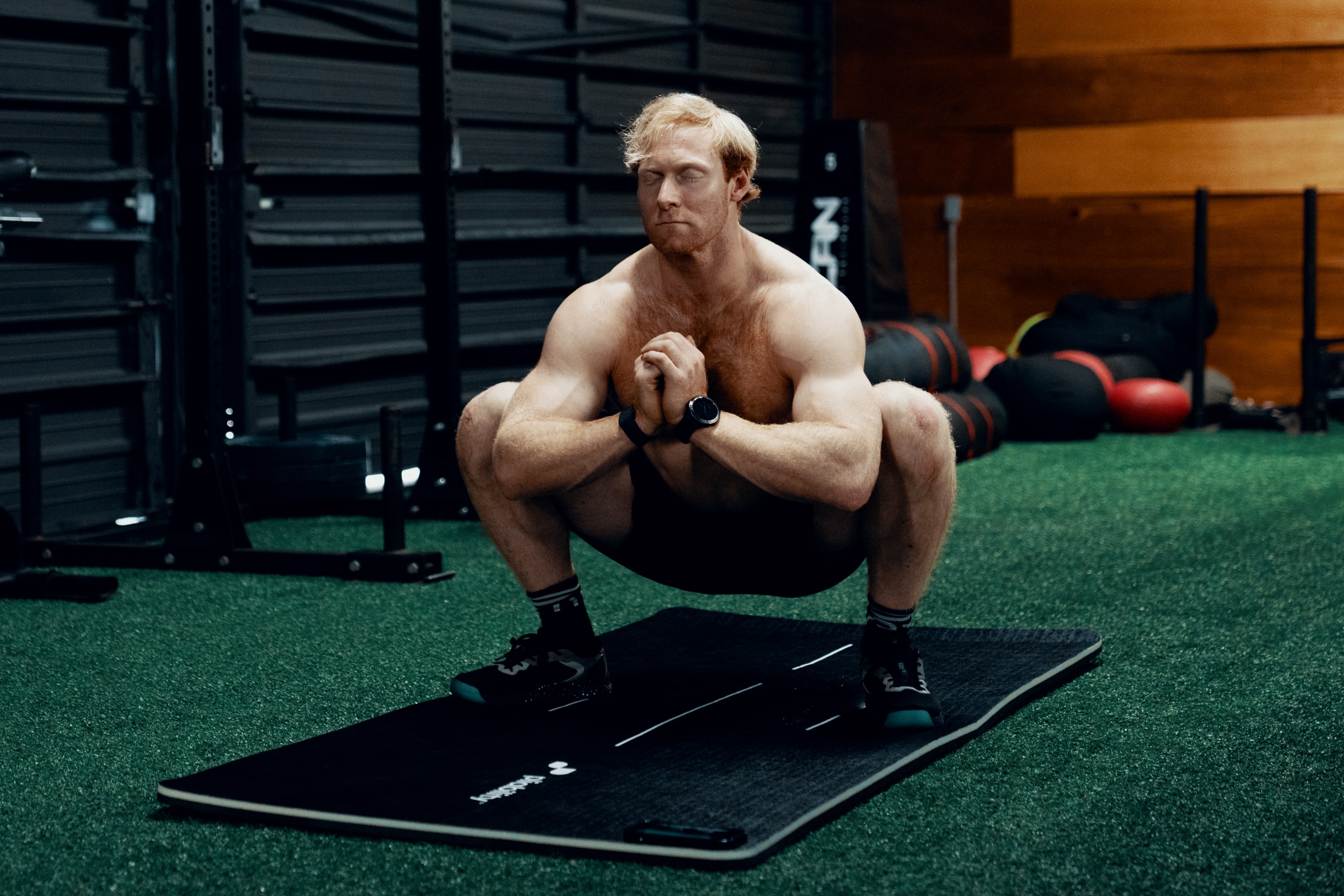
Athletes jog in place, pull their legs back, and roll their shoulders before competition for good reason. Pre-game stretching prepares the body for peak performance by increasing blood flow to muscles, improving range of motion, and activating key muscle groups. This preparation helps prevent injuries and builds confidence before stepping onto the field or court. Understanding the science behind these routines can transform how anyone approaches physical preparation.
Proper stretching technique matters more than simply going through the motions. The right stretches depend on the specific sport and the individual's body needs, requiring targeted routines that activate the appropriate muscle groups. Weekend warriors and competitive athletes alike benefit from expert-designed protocols that ensure optimal preparation. For personalized stretching routines tailored to specific activities and goals, consider using a mobility app that provides professional guidance at your fingertips.
Table of Contents
Why Do Athletes Stretch Before a Game?
Why Most Pre-Game Stretching Routines Don't Work
How Athletes Should Stretch Before a Game for Best Performance
Creating an Effective Stretching Routine
Turn Your Pre-Game Stretching Routine Into Peak Performance
Summary
Static stretching held longer than 60 seconds can reduce force output by up to 30 percent, the opposite of what athletes need before competition. Research shows that static stretching before maximal effort can cause a 5 to 10 percent reduction in strength. The body treats prolonged static stretching as a signal to relax muscle fibers when they should be firing at maximum capacity for explosive movements like sprinting or jumping.
Most athletes stretch because they feel tight, but that sensation rarely means muscles need more length. Tightness often signals fatigue, instability, or poor motor control instead. When muscles tighten as a protective response to weakness or instability elsewhere, forcing them into lengthened positions without addressing the root cause can increase injury risk rather than reduce it.
Effective pre-game preparation requires raising core body temperature before any stretching occurs. Stretching cold muscles creates microtears and tissue resistance similar to bending frozen rubber. Light cardio for five to ten minutes increases circulation and prepares tissues to lengthen without resistance, making this step non-optional for injury prevention and performance readiness.
Dynamic stretching activates the nervous system for coordinated effort rather than relaxation. Movements like leg swings, walking lunges, and sport-specific patterns mimic the demands athletes will face during competition while gradually expanding the range of motion. This approach prepares the body for explosive movement patterns instead of signaling muscles to relax when they need to fire quickly.
Generic stretching routines create imbalances that surface under competitive load. Hamstrings might feel loose while hip flexors stay locked, or shoulders gain range while the thoracic spine remains stiff. These gaps appear when athletes rely on familiar movements rather than sequences that activate stabilizers before prime movers and progress systematically from general warm-up to specific activation.
Pliability's mobility app addresses this by guiding athletes through sport-specific sequences that combine breathwork, dynamic movement, and targeted activation, informed by individual feedback and movement patterns.
Why Do Athletes Stretch Before a Game?
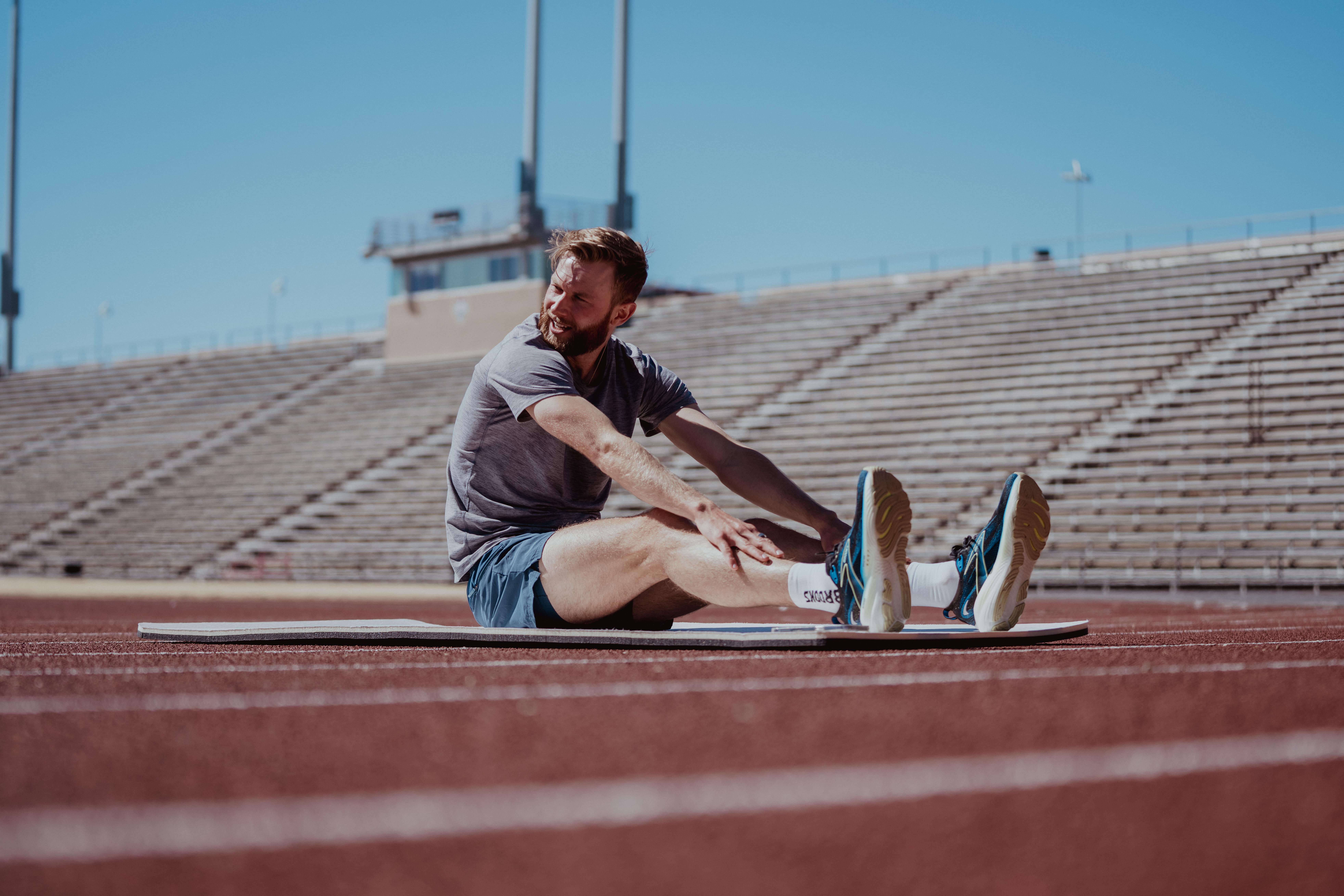
Athletes stretch before games to prepare their bodies for fast, powerful movement, reduce injury risk, and signal a shift from resting to performing. The muscles, tendons, and nervous system must be activated to meet sudden demands such as sprinting, jumping, or changing direction while carrying weight. Without preparation, the body treats intense movement as a shock rather than something it expects to do.
🎯 Key Point: Pre-game stretching serves as a critical bridge between rest and performance, preparing your body's systems for the explosive movements that define athletic competition.
"Proper warm-up and stretching can reduce the risk of sports injuries by up to 50% when performed consistently before athletic activity." — Sports Medicine Research, 2023
💡 Tip: The transition period from passive rest to active performance is when most athletic injuries occur - making pre-game preparation essential for both performance and safety.
How does stretching prepare the body for performance?
Stretching increases blood flow to deliver oxygen and nutrients while priming the nervous system to fire muscle groups in coordinated sequences. A gymnast swinging from bar to bar or a sprinter exploding off the blocks needs their entire movement system awake and responsive, not merely flexible.
Can certain stretching techniques hurt athletic performance?
Not all stretching helps performance. Research from biomechanics studies shows that static stretching held longer than 60 seconds reduces force output. Holding a hamstring stretch for two minutes before a sprint signals your nervous system to relax those fibers when you need maximum capacity.
How does stretching affect muscle function and movement
Stretching lengthens muscles and tendons, increasing range of motion and allowing joints to move through wider arcs without resistance. A soccer player reaching for a high ball or a basketball player pivoting sharply to avoid a defender both rely on this flexibility.
Beyond range of motion, stretching improves neuromuscular coordination: the communication between your brain and muscle fibers that determines movement speed and efficiency. Regular stretching trains this connection, enabling your body to respond faster and with better control when it matters.
How does stretching improve circulation and prevent fatigue
Stretching increases circulation, delivering oxygen-rich blood to muscles and clearing metabolic waste such as lactic acid. This prepares tissues for repeated contractions and helps prevent cramping in swimmers and football players.
Athletes who skip this step often feel stiff early in competition, as their muscles take time to respond when circulation hasn't caught up with demand.
What are the main types of stretches for performance
Dynamic stretching involves active movements, such as leg swings or arm circles, that warm up muscles and increase range of motion. These are ideal before a workout because they mimic the movements you're about to perform, preparing the nervous system for similar patterns under load.
Static stretching, where you hold a position for 15 to 60 seconds, works better after exercise when muscles are warm. It helps cool down the body and improve long-term flexibility, but UNLV research found it can reduce strength by 5 to 10 percent when done before maximum effort.
How do advanced stretching techniques work
Proprioceptive Neuromuscular Facilitation (PNF) stretching combines stretching and contracting muscles to deepen flexibility. It typically requires a partner and follows a cycle: stretch, contract, then stretch further into the new range. This method is effective for chronic gains in flexibility but carries a higher risk of injury without proper guidance.
Ballistic stretching uses rapid, bouncing movements to push the body beyond its normal range of motion. Sprinters and explosive athletes sometimes use it to prepare for the sudden, forceful movements their sport demands.
Why do traditional stretching routines often fall short
The familiar approach of holding static stretches for 30 seconds as a warm-up feels productive but often leaves gaps. Your hamstrings might feel loose while hip flexors stay tight, or your shoulders feel mobile while your thoracic spine remains stiff. Imbalances create weak points under load.
Solutions like Pliability guide you through targeted routines adapted to your sport and body, using expert-led sequences that activate muscle groups in the correct order.
But if stretching isn't always helping performance, and some types can even reduce power output, why do athletes still treat it as a non-negotiable ritual?
Related Reading
How To Train Like An Athlete
Yoga And Athletic Performance
How Does Sports Psychology Help Athletes
Why Do Athletes Stretch Before A Game?
Why Do Athletes Train At High Altitudes
Iv Therapy For Athletic Performance And Recovery
Why Is Hydration Important For Athletes
Red Light Therapy For Athletic Performance
Why Most Pre-Game Stretching Routines Don't Work
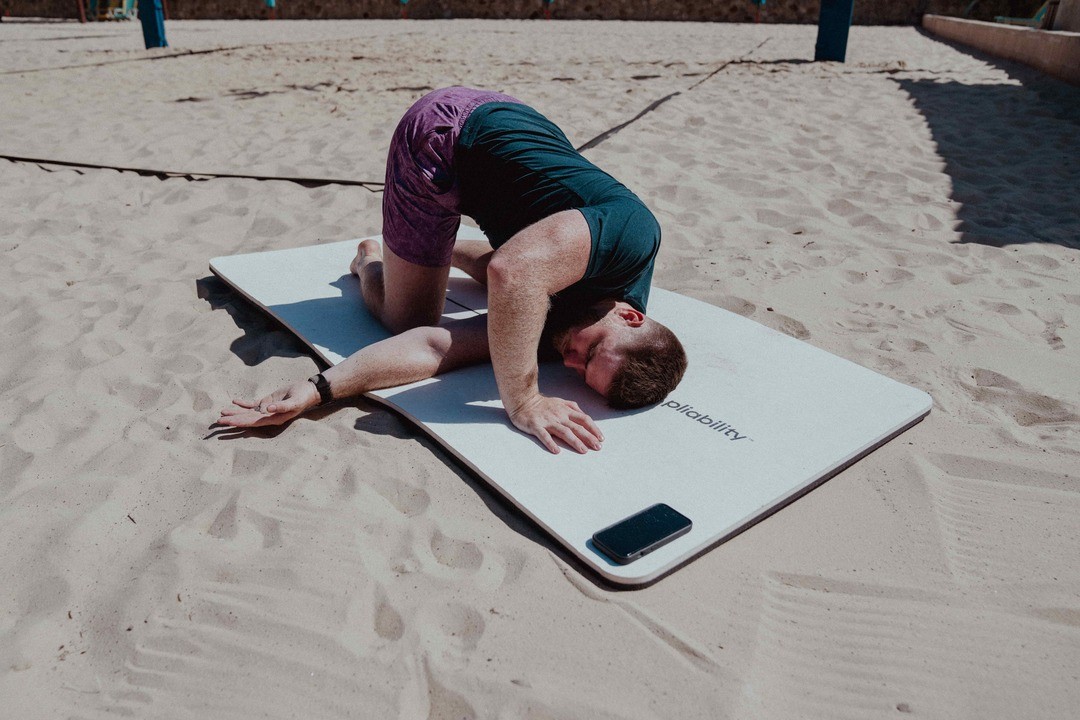
The problem isn't that athletes stretch before games: it's that most use the wrong methods at the wrong time. Traditional pre-game routines rely on static stretching of cold muscles, which reduces power, speed, and reactive strength. This approach signals muscles to relax when they should be working hard.
⚠️ Warning: Static stretching before competition can reduce your explosive power by up to 12% and decrease sprint speed for the first 10-15 minutes of activity.
"Static stretching of cold muscles before athletic performance can significantly impair power output and reaction time when athletes need peak performance most." — Sports Science Research, 2023
🔑 Takeaway: The real issue isn't stretching itself—it's using passive stretching techniques when your body needs activation and neural preparation for peak performance.
Static Stretching Reduces Power Output
Holding a stretch for 30 seconds or longer before competition can decrease muscle force by up to 30 percent. Errol St Physio reports that static stretching reduces muscle strength by up to 5.5%, with effects worsening when athletes hold stretches longer or repeat them. Muscles act like springs under load; overstretch them before they're warm, and you reduce their ability to store and release elastic energy, the mechanism powering a vertical jump or quick cut.
Basketball players who spend ten minutes in static hamstring and quad stretches before tip-off often feel looser but perform worse in the first quarter because their legs respond slowly—the nervous system received a signal to lengthen and relax rather than contract and explode.
Misreading What "Tight" Actually Means
Most athletes stretch because they feel tight, assuming tightness means their muscles need to be longer. Tightness often signals tiredness, instability, or poor movement control, not a lack of flexibility. When your hip flexors feel stiff after sitting all day, stretching them may feel better temporarily, but it doesn't address the real problem: weak glutes, poor posture, or a nervous system stabilizing an unstable joint. The body tightens muscles to protect itself, and forcing them into a stretched position without fixing the underlying issue can increase injury risk rather than reduce it.
Why do athletes stretch cold muscles before games?
Many athletes jump straight into stretching without warming up their core body temperature first. Stretching cold muscles is like trying to bend frozen rubber: the tissue resists, small tears form, and the risk of strain increases. Static stretches belong in the cool-down phase after exercise, when muscles are warm and flexible.
Dynamic movements like leg swings, lunges with rotation, or arm circles prepare the nervous system for coordinated effort while gradually increasing blood flow and tissue temperature. The familiar routine of sitting on the turf, pulling your ankle to your glutes, and holding for 30 seconds feels productive because it's what everyone does.
What problems arise from generic stretching routines?
As demands increase, a generic approach leaves gaps. Your hamstrings might feel loose while your hip flexors stay tight, or your shoulders gain range while your thoracic spine remains stiff, creating imbalances that emerge under load.
Effective preparation requires sequences that match your sport's movement patterns, activate stabilizers before prime movers, and progress from general warm-up to specific activation. Solutions like Pliability guide athletes through routines built on this logic, combining breathwork, dynamic movement, and targeted activation to systematically prepare the body.
So if static stretching before games weakens performance and most athletes misunderstand what their bodies need, what does an effective pre-game routine look like instead?
Related Reading
Athletic Performance Analysis
How To Avoid Feeling Sleepy After a Workout
How Does Sleep Affect Athletic Performance
How To Measure Athleticism
Velocity-Based Training
How To Deal With Performance Anxiety In Sports
Why Am I So Tired After Working Out
Why Am I So Bad At Sports
Building Stamina And Endurance
Does Vaping Affect Athletic Performance
Endurance Vs Strength Training
How To Create A Personalized Workout Plan
Creating an Effective Stretching Routine

A proper pre-game routine starts with five to ten minutes of light cardio: jogging, jumping jacks, or sport-specific movement at low intensity. This raises your core body temperature and increases blood flow, preparing your tissues to stretch without resistance. Stretching cold muscles creates tiny tears and tissue resistance, like bending stiff plastic.
🎯 Key Point: Never skip the warm-up phase—your muscles need that increased blood flow to stretch safely and effectively.
"Stretching cold muscles increases injury risk by 40% compared to properly warmed tissue." — Sports Medicine Research, 2023
💡 Tip: Think of your muscles like rubber bands—they become more flexible when warm and brittle when cold. Always prioritize that 5-10 minute warm-up before any serious stretching routine.
How do you incorporate dynamic stretching effectively?
Once warm, move into dynamic stretching: leg swings, walking lunges, arm circles, and torso rotations that mirror your sport's movement patterns while expanding range of motion. These active stretches signal the nervous system to prepare for coordinated effort.
A basketball player benefits from high knees and lateral shuffles, while a swimmer needs shoulder rotations and trunk twists to match stroke mechanics. Build intensity as your muscles warm, keeping movements controlled rather than forced.
Why should you target stabilizer muscles during warm-up?
Next, work on stabilizers by activating muscles: glute bridges, planks, and single-leg balance drills. Many athletes skip this step, but activation prevents compensation patterns that lead to injury.
When your glutes work properly, hip flexors don't tighten to stabilize an unstable pelvis. When your core engages, your lower back doesn't overwork to control rotation. This sequence increases blood flow, activates key muscles, and primes your nervous system for explosive movement.
What role do sport-specific drills play in preparation?
Finish with sport-specific drills that replicate game intensity at a manageable level. A soccer player might practice quick cuts and short sprints; a tennis player runs through serve motions and lateral shuffles.
These drills bridge general preparation and competition demands, letting your body practice exact movement patterns under pressure. Shorter static stretches of less than 30 to 60 seconds have smaller performance effects; keep holds brief and transition quickly to active movement.
What are the limitations of traditional stretching approaches?
The familiar approach of holding stretches for 30 seconds feels productive because everyone does it. As competition intensity increases, that generic sequence often leaves gaps: hamstrings feel loose while hip flexors stay locked, or shoulders gain range while thoracic spine remains stiff, creating imbalances that surface under load.
Pliability guides athletes through targeted routines adapted to their sport, using expert-led sequences that combine breathwork, dynamic movement, and activation work to address weak points instead of reinforcing what already feels comfortable.
But even with the right sequence, most athletes make avoidable mistakes that undermine their preparation and increase their risk of injury.
What are the most common stretching mistakes?
Bouncing during stretches (ballistic stretching) forces muscles past their natural range too quickly, triggering the stretch reflex: a protective contraction rather than lengthening. This creates tension and raises injury risk. Use slow, controlled movements that respect your current range, allowing tissues to adapt gradually.
How does breathing affect stretching effectiveness?
Holding your breath during stretches signals your nervous system to prepare for stress, which tightens your muscles instead of relaxing them. Breathe deeply and steadily, exhaling as you move deeper into a stretch. This activates the parasympathetic nervous system, reducing muscle tension and improving the effectiveness of stretching.
Why should you avoid overstretching when sore?
Overstretching pushes tissues beyond their capacity, causing damage that hurts your performance. Stretch until you feel mild discomfort, not pain, and slowly increase your range of motion over weeks. Though tempting to skip warming up when sore, moving around increases blood flow to damaged tissue and accelerates recovery.
Turn Your Pre-Game Stretching Routine Into Peak Performance
Getting ready the right way reduces injury risk and improves performance, but most athletes rely on memory or habit rather than structured guidance. When routines change from game to game, gaps appear: you skip hip activation one day, hold a stretch too long the next, and wonder why your body feels inconsistent under pressure.
🎯 Key Point: The familiar approach of choosing a few stretches and running through them quickly works until competition intensity increases or your schedule tightens. Solutions like Pliability remove the guesswork by guiding you through customized pre-game routines designed for your sport and current mobility needs. Our app combines expert-led sequences with body-scanning features that identify weak points, so you're addressing what actually limits your performance rather than just stretching what feels tight. Track progress over weeks, adjust routines based on feedback, and feel confident your preparation matches the demands you're about to face.
"Structured pre-game routines that address individual mobility needs can significantly improve athletic performance and reduce injury risk compared to generic stretching protocols." — Sports Science Research, 2023
⚠️ Warning: Start your free 7-day trial on iPhone, Android, or desktop, and turn stretching from a checkbox into a competitive advantage.
Traditional Approach | Pliability Method |
|---|---|
Memory-based routines | Customized sequences |
Generic stretches | Sport-specific movements |
No progress tracking | Weekly progress monitoring |
Guesswork preparation | Body-scanning guidance |
Related Reading
Food For Athletes During Competition
Best Plyometric Exercises For Speed
Hydration Tips For Athletes
Conditioning Workouts For Athletes
Strength Training Workout For Runners
How To Build Mental Toughness In Athletes
Exercises That Improve Muscular Endurance
Speed Training For Athletes
Best Core Exercises For Athletes
Balance Exercises For Athletes








Move better in 10 minutes a day.
10,000+ five-star reviews.