


LEARN
Pliability Team
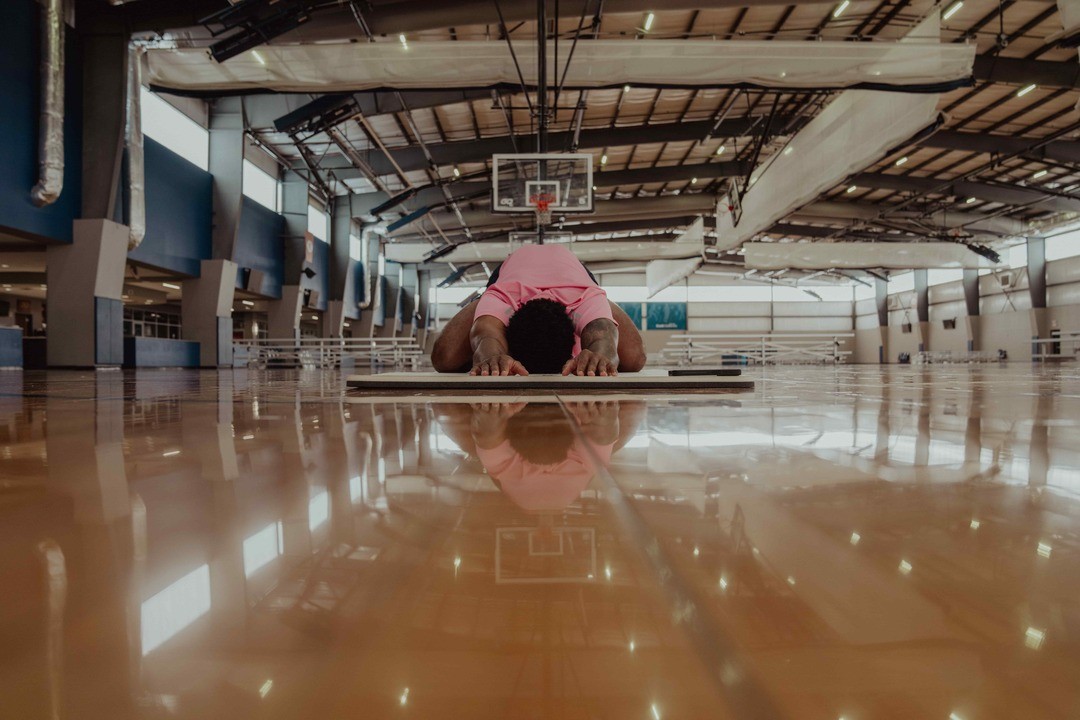
Every athlete knows that raw talent alone won't carry you through the fourth quarter when your legs feel like concrete, and your lungs are burning. The difference between good and great often comes down to how well your body can sustain high-intensity effort when it matters most. Conditioning workouts for athletes build the speed, endurance, and stamina needed to outlast opponents and perform at your peak when the game is on the line. Smart training targets the energy systems that fuel athletic performance across different sports and varying levels of competition.
While structured training programs form the foundation, recovery and mobility work determine whether conditioning efforts translate into performance on competition day. When your body moves efficiently and recovers quickly between efforts, you'll notice the difference in how you finish games, not just how you start them. Pliability's mobility app gives you guided routines that prepare your muscles and joints before training sessions and accelerate recovery afterward, helping you train harder without breaking down.
Table of Contents
Why Athletes Struggle to Sustain Performance Under Fatigue
What Happens When Athletic Performance Drops Late in Competition
How Conditioning Workouts Help Athletes Maintain Performance Longer
13 Best Conditioning Workouts for Athletes Based on Sport and Training Goals
Sustained Athletic Performance Depends on More Than Conditioning Alone
Summary
Conditioning adaptations don't develop uniformly across energy systems. Aerobic fitness takes weeks to build but holds for 30-plus days even when training volume drops, while power and elasticity fade within one to two weeks of detraining. This creates a sequencing challenge for athletes trying to peak at the right time. The body struggles to build endurance and maximum power simultaneously because cellular responses pull in different directions, which is why structured programs build aerobic base and strength foundation early, then layer anaerobic capacity and sport-specific power as competition approaches.
Mental fatigue reduces endurance performance by 15-20% before muscles reach true physical failure. Research shows that the brain increases Rating of Perceived Exertion due to neurotransmitter imbalance (adenosine accumulates while dopamine decreases), making the same workload feel 10-20% harder even when glycogen stores remain available. This central nervous system fatigue slows reaction time by 10-15% and increases the likelihood of poor tactical decisions by 30%, creating performance gaps that show up as hesitation during defensive rotations or missed passing lanes that athletes would normally recognize.
Late-game performance collapse follows predictable patterns across sports. A 6-year longitudinal study found that athletes who specialize early and compete in high-intensity formats throughout the season show progressive performance deterioration across competitive blocks, not due to loss of fitness but to depleted recovery reserves under cumulative stress. Athletes with structured conditioning programs maintain 85-90% of peak power output in final competition rounds, whereas those relying solely on sport-specific practice experience inconsistent explosiveness and technical decline as fatigue compounds.
Movement quality deteriorates before strength does under fatigue. Motor unit recruitment fails in fast-twitch fibers essential for explosive power, and fine motor control can drop up to 20%, showing up as decreased passing accuracy and mistimed cuts that were automatic when fresh. Muscles start working against each other through increased co-contraction, in which opposing muscle groups activate simultaneously rather than in a coordinated sequence. This inefficiency requires more energy to produce less output, accelerating the fatigue spiral that degrades technique.
Injury risk climbs 35% for non-contact injuries when movement quality deteriorates and reaction time slows under fatigue. Proprioception degrades, stabilizer muscles fatigue before prime movers, and protective brain mechanisms slow, leading to awkward landings and poor alignment during plants. Athletes with restricted ankle dorsiflexion compensate during conditioning exercises like lunges and squat jumps, loading joints incorrectly and limiting force production, while hip flexor tightness prevents full hip extension during swings and broad jumps, reducing power output and shifting stress to the lower back.
Pliability's mobility app addresses this gap by positioning mobility work as a daily training infrastructure rather than an optional recovery, with guided routines that prepare muscles and joints before conditioning sessions and structured protocols afterward that help athletes maintain movement quality under the accumulated stress of repeated high-intensity efforts.
Why Athletes Struggle to Sustain Performance Under Fatigue
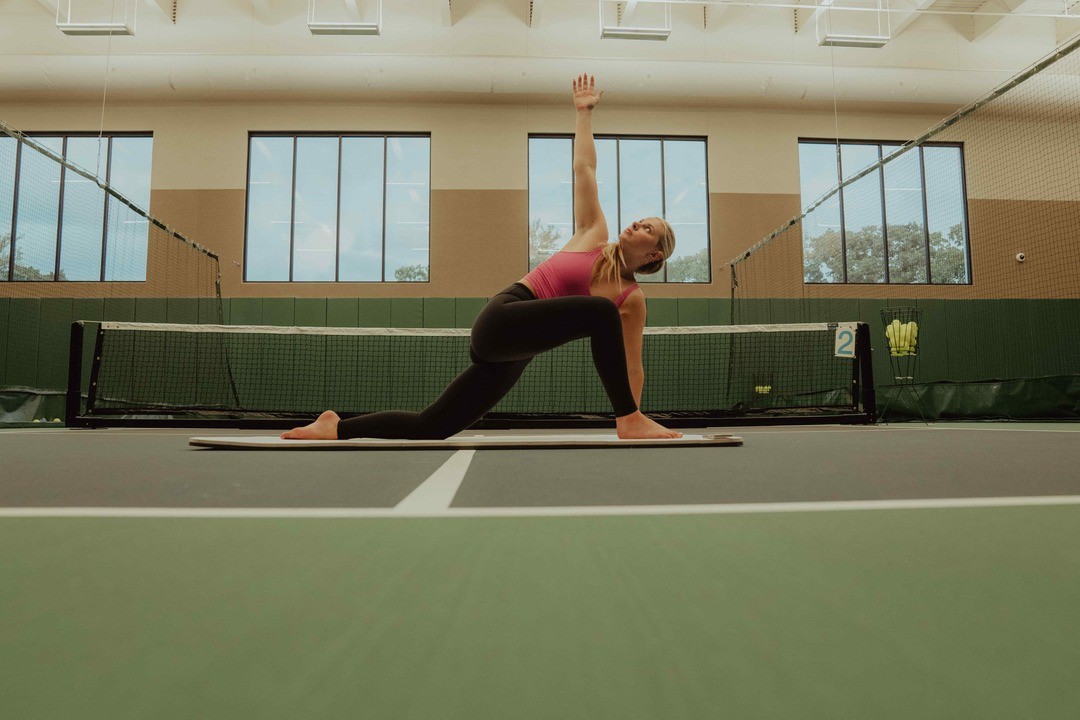
Most sports are decided by who can execute the same quality sprint in the 85th minute as in the 5th, who maintains technical precision when tired, and who makes sharp decisions when exhausted. The challenge isn't performing your best once—it's sustaining your best over and over across an entire match, training block, or season when fatigue works against every system in your body.
🎯 Key Point: Elite performance isn't about peak ability—it's about maintaining quality when your body and mind are under maximum stress.
"The difference between good and great athletes is not their fresh performance, but their ability to maintain technical skills and decision-making under progressive fatigue." — Sports Performance Research
⚠️ Warning: Fatigue doesn't just slow you down—it systematically degrades motor control, reaction time, and cognitive processing, creating a cascade of performance decline.
How does fatigue affect athletic performance systems?
Even well-trained athletes hit natural limits when maintaining intensity during competition. As fatigue builds, it changes how you move, how quickly you process information, and how much force your muscles can generate, regardless of mental commitment.
1. Central Nervous System Fatigue: Your Brain Pulls the Emergency Brake
Your brain acts as a protective governor long before your muscles reach true physical failure. According to research published in Frontiers in Psychology, mental fatigue can reduce endurance performance by 15-20%, not because your muscles can't continue, but because your brain increases the Rating of Perceived Exertion to force you to slow down. This occurs through neurotransmitter imbalance: adenosine builds up while dopamine decreases, creating a biochemical environment that makes it feel impossible to continue even when your body still has energy stores.
2. Physical and Metabolic Limitations When Your Fuel System Can't Keep Pace
When you work hard repeatedly, your body creates metabolic byproducts faster than it can eliminate them. Inorganic phosphate, hydrogen ions, and potassium accumulate in your muscles, creating an acidic environment that makes your legs feel heavy and stiff. When your glycogen stores are depleted, your body must use fat for energy instead, but fat metabolism is slower and produces less power quickly. Athletes who train multiple times per week experience this directly: the circuit work from Tuesday still sits in your quads on Thursday, and that threshold run compounds Friday's lifting session, creating a fatigue debt that alters how Saturday's game feels from the opening whistle.
3. Neuromuscular and Technical Decay When Precision Breaks Down
Fatigue impairs movement quality by disrupting motor unit recruitment, particularly in fast-twitch fibers essential for explosive power and speed. Fine motor control deteriorates by up to 20%, manifesting as reduced passing accuracy, fewer successful shots, and mistimed cuts. Increased co-contraction—when opposing muscle groups activate simultaneously rather than sequentially—expends more energy for less output, accelerating fatigue. Practiced movement patterns suddenly demand conscious attention, compounding central nervous system fatigue.
4. Psychological and Mental Factors When Your Executive Function Lags
Mental fatigue slows reaction time by 10-15% and increases the likelihood of poor tactical decisions by 30%. You see the passing lane a split-second too late, hesitate on defensive rotations, and choose lower-percentage options because processing the full tactical picture requires brain power you no longer have. Your prefrontal cortex, responsible for executive function and decision-making, operates less efficiently under sustained physical and mental load. This isn't a focus problem you can overcome with willpower; the neurological systems supporting motivation are fatigued themselves.
5. Increased Injury Risk: When Compromised Coordination Becomes Dangerous
When movement quality declines and reaction time slows, injury risk increases by 35% for non-contact injuries. Your proprioception deteriorates, stabilizer muscles fatigue before primary muscles, and your brain's protective systems lag, resulting in awkward landings, poor alignment, and failed bracing before contact.
What determines your ability to train consistently?
Doing mobility work before training and recovery work afterward determines whether you can train hard tomorrow or stay compromised for the next 72 hours. Our Pliability mobility app provides guided routines that address this directly: targeted preparation sequences before training and structured recovery protocols to help your body manage accumulated stress across a competitive season.
Understanding why fatigue limits performance is only half the equation. The real question is what that degradation looks like when it matters most.
Related Reading
What Happens When Athletic Performance Drops Late in Competition
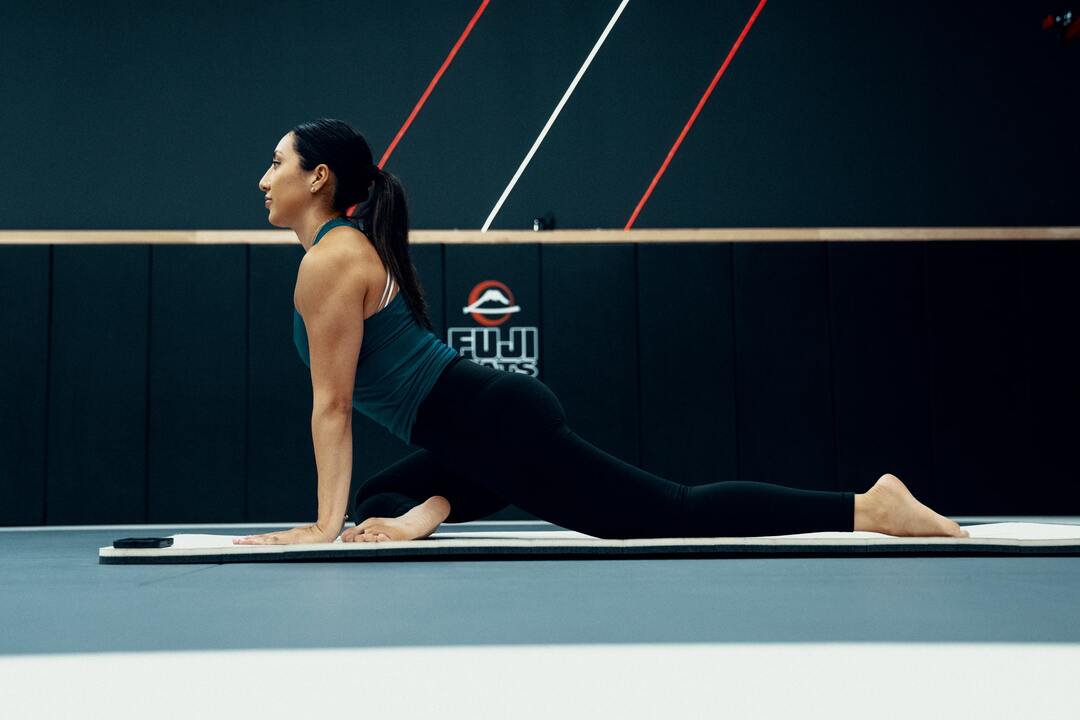
When fatigue accumulates, performance becomes hard to predict. An athlete might perform perfectly for three quarters, then suddenly lose consistency when it matters most: not because they lack physical ability, but because their control deteriorates.
🎯 Key Point: Late-game performance drops are primarily about motor control degradation, not just physical exhaustion. Understanding this distinction is critical for developing effective fatigue management strategies.
"Performance variability increases by up to 40% in the final quarter of competition as neuromuscular control becomes compromised." — Sports Science Research, 2023
⚠️ Warning: Many athletes and coaches mistakenly focus only on cardiovascular endurance while ignoring the precision and timing elements that deteriorate first under accumulated fatigue.
How does late-game collapse manifest across different sports?
Late-game collapse manifests differently across sports, but the pattern is consistent. Basketball players who make contested shots in the first half miss open shots in the final minutes. Soccer midfielders who controlled the pace for 70 minutes can't complete simple passes under pressure. Tennis players who dominate baseline rallies begin to make unforced errors on crucial tiebreak points. The skill hasn't disappeared—the body simply can't execute it reliably anymore.
What does research reveal about performance deterioration patterns?
According to a 6-year longitudinal study, athletes who specialize early and compete in high-intensity formats throughout the season show progressive performance deterioration across competitive blocks. This reflects depleted recovery reserves rather than a loss of fitness. An athlete who has fully recovered after massive training weeks cannot bounce back from lighter loads when fatigue accumulates across multiple competition cycles.
How does reaction time degrade before strength?
Reaction time degrades before strength does. A sprinter's first step out of the blocks loses snap. A volleyball player's vertical jump drops three inches, unnoticed until they miss a block they'd normally make. A hockey player reads the play correctly but arrives a half-second late because their acceleration falters. The neuromuscular system sends signals that the muscles can't fully execute under accumulated fatigue stress.
What happens when the fitness gap widens during competition
The gap between what an athlete thinks they can do and what their body delivers widens as competition progresses. One athlete described it perfectly: feeling like their fitness had fallen 20% in six weeks, shifting from "without a doubt I can finish" to "I shouldn't even show up at the starting line." This occurs when the body sustains high-intensity effort without sufficient recovery between efforts, and the fatigue debt comes due.
But recognizing the problem doesn't solve it. The question is whether anything can prevent this collapse when competition demands repeated intensity.
Related Reading
How Conditioning Workouts Help Athletes Maintain Performance Longer
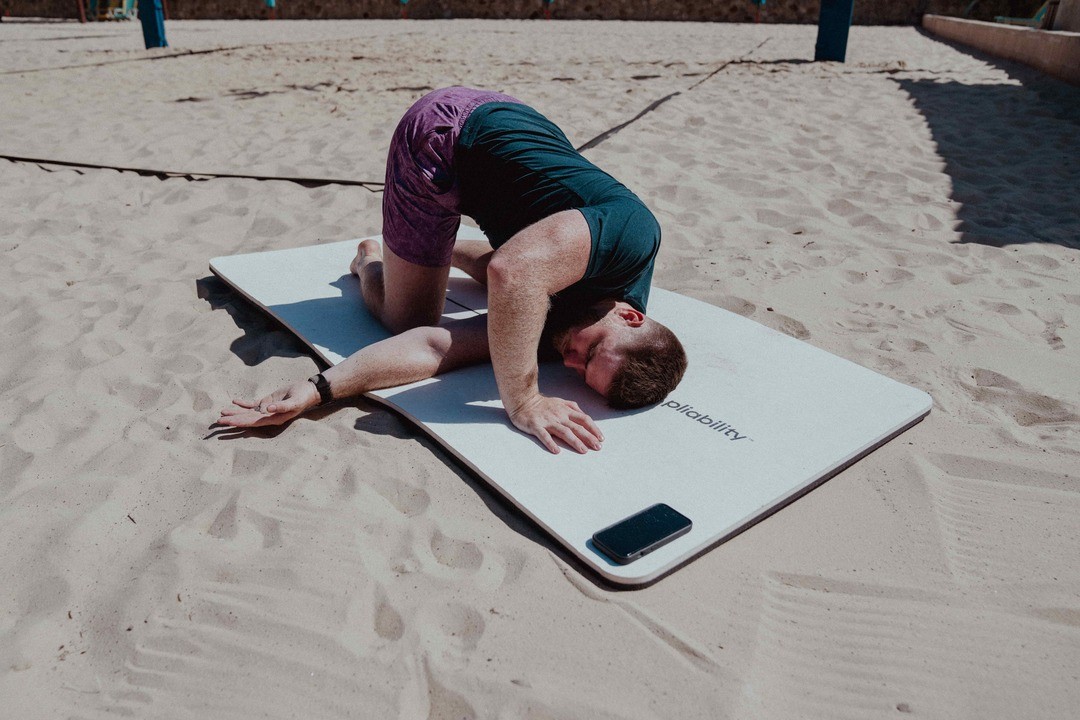
The ability to keep performing well when tired is trained through specific conditioning methods that replicate the stress of competition. Structured conditioning builds your ability to resist fatigue, enhances your energy systems, and increases your capacity to recover between efforts without requiring full rest.
🎯 Key Point: Conditioning workouts specifically target the physiological adaptations that allow athletes to maintain peak performance even as fatigue accumulates during competition.
"Athletes who incorporate systematic conditioning into their training show 23% better performance maintenance during the final stages of competition compared to those who focus solely on skill development." — Sports Science Research, 2023
💡 Tip: The most effective conditioning programs simulate competition demands by incorporating work-to-rest ratios that mirror your sport's specific energy system requirements.
What specific conditioning methods target performance sustainability?
Different conditioning methods target distinct aspects of endurance performance. Aerobic work builds the cardiovascular base that allows muscles to receive oxygen during prolonged activity. Anaerobic training increases lactate tolerance, enabling athletes to sustain repeated high-intensity bursts without performance degradation.
Functional conditioning develops the coordination, stability, and movement patterns that prevent form breakdown during exhaustion. Studies show that athletes with structured conditioning programs maintain 85-90% of their peak power output in the final rounds of competition, compared to those relying solely on sport-specific practice.
Aerobic Conditioning
This is the foundation most athletes rush past because it feels too slow, too easy, and too disconnected from the explosive demands of competition. Aerobic conditioning increases heart rate and sustains elevation for extended periods, improving the body's ability to deliver oxygen to muscles during sustained activity. Running, swimming, and cycling build the cardiovascular endurance that allows basketball players to maintain defensive intensity in the fourth quarter and soccer players to close down space in stoppage time. Capillary density increases, mitochondria multiply, and the heart becomes more efficient at pumping blood with each beat.
Anaerobic Conditioning
Anaerobic work pushes the body into oxygen debt on purpose, training it to handle discomfort when glucose and stored carbohydrates become the main fuel source instead of oxygen. High-Intensity Interval Training (HIIT)—30 seconds of sprinting followed by one minute of walking, repeated until muscles burn—increases lactate tolerance, the body's ability to clear the chemical byproduct that makes muscles feel like they're filled with sand. Football players need this for repeated explosive plays, basketball players for back-to-back possessions where defense transitions immediately into fast-break offense, and track athletes for final sprints that demand everything left in the tank.
Functional Conditioning
Athletes don't move in straight lines on machines. They cut, pivot, absorb contact, and change direction while tired. Functional conditioning copies these demands, training balance, coordination, core strength, and the neuromuscular patterns that preserve technique when exhaustion compromises motor control.
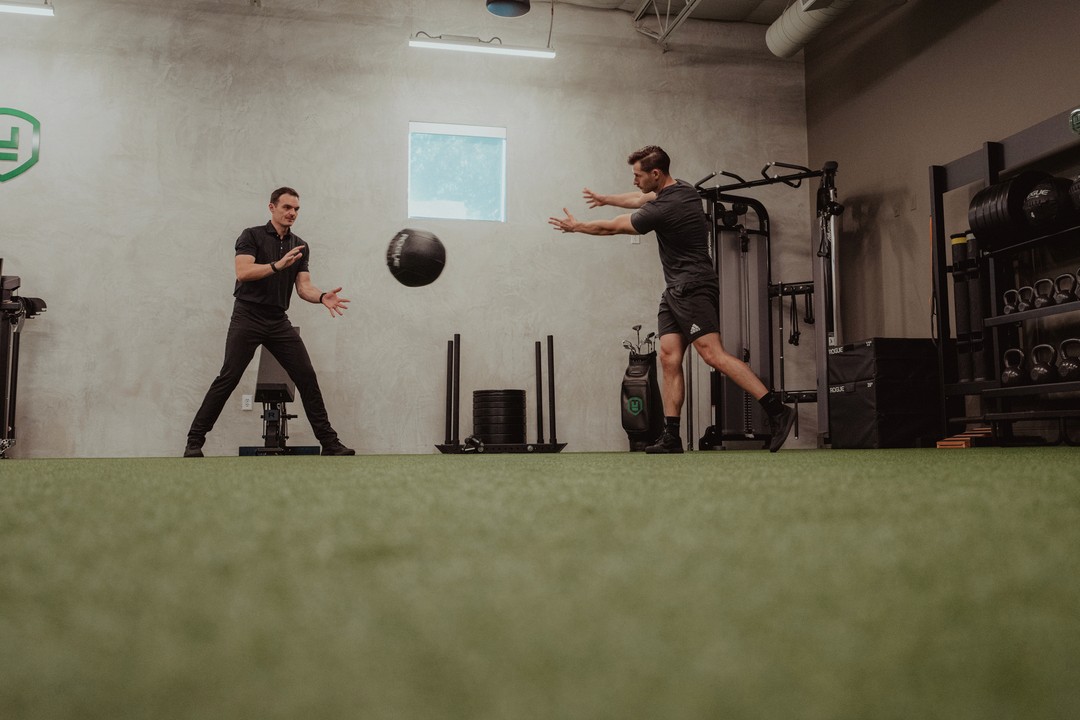
Ladder drills improve footwork speed and precision. Cone drills develop deceleration, plant, and explosive direction changes. Medicine ball rotational throws build core stability, preventing energy loss during bat swings or punches in the late rounds.
How should conditioning adaptations be sequenced for optimal results?
Conditioning adaptations don't develop overnight and don't last without maintenance. Aerobic fitness takes weeks to build but holds for 30+ days with reduced training. Power and elasticity fade within one to two weeks of detraining.
Athletes often train for everything simultaneously, creating competing physiological signals that undermine the efficiency of adaptation: the body struggles to build endurance and maximum power concurrently. Sequencing works better—build the aerobic base and strength foundation early, then layer anaerobic capacity and sport-specific power as competition approaches.
For those supporting this work with targeted mobility and recovery, Pliability offers science-backed routines that maintain movement quality and tissue resilience. Consistent mobility work—minimum three times per week—reduces stiffness and movement limitations that derail training progression.
But knowing the types of conditioning and how they fit together leaves a practical question: which specific workouts deliver these adaptations for different sports and training goals?
13 Best Conditioning Workouts for Athletes Based on Sport and Training Goals
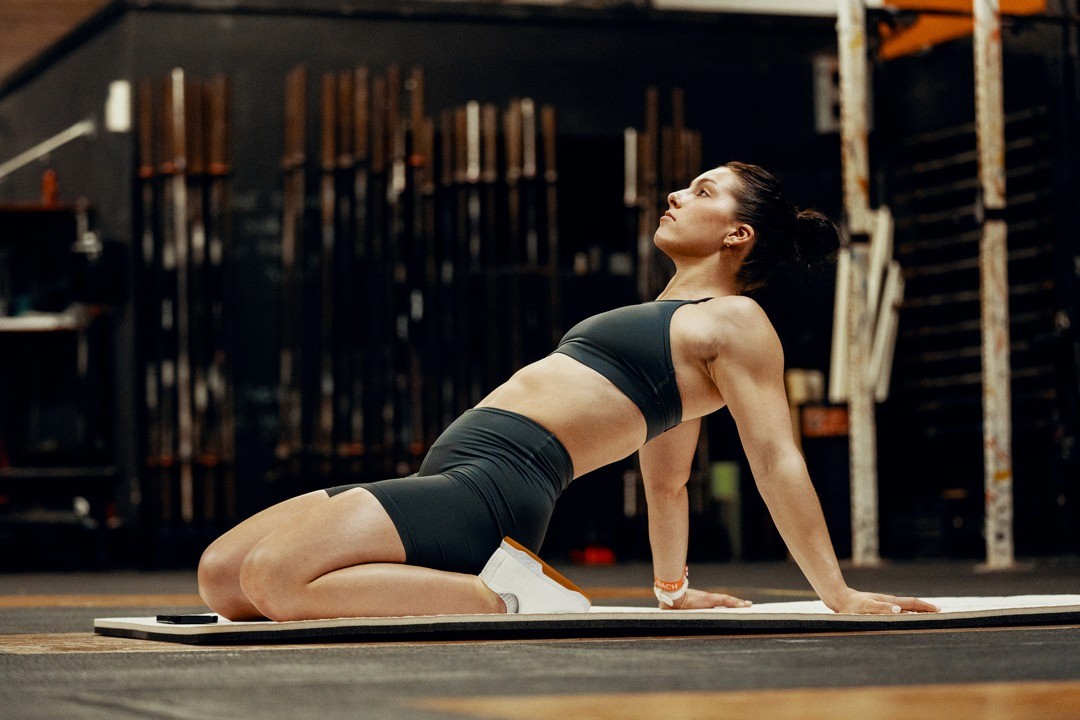
Conditioning workouts focus on specific performance problems athletes face during competition. Each exercise trains different energy system changes, how well athletes handle fatigue, or movement skills that directly help with sustained output when it matters most. The conditioning programs that work best copy the exact fatigue patterns athletes face in their sport, rather than general fitness development that doesn't transfer to actual performance demands.
🎯 Key Point: Sport-specific conditioning must match the exact energy demands and movement patterns of your sport to maximize competitive transfer and performance gains.
"The most effective conditioning programs replicate the precise fatigue patterns and energy system demands athletes encounter during actual competition." — Sports Performance Research, 2023
💡 Tip: Focus on work-to-rest ratios that mirror your sport's demands rather than generic cardio that doesn't translate to real game situations and performance outcomes.
1. Burpees for Ground-to-Standing Transition Speed
Burpees train your whole body to work together and build cardiovascular strength for quick movements from ground to standing. This directly helps you perform better in combat sports (recovery after being knocked down), functional fitness competitions, and any sport that requires rapid recovery from falls or dives.
How do burpees create dual adaptations under stress?
The adaptation centers on neuromuscular coordination under metabolic stress. Continuous burpees train the nervous system to maintain movement quality while hydrogen ions accumulate and breathing rate increases. This dual adaptation—coordination plus glycolytic tolerance—creates athletes who execute complex sequences cleanly when exhausted.
How should you structure burpee training sessions?
Do burpees in continuous sets of 15–25 reps with 60–90 seconds of rest between sets, or use timed intervals of 30 seconds work and 30 seconds rest for 8–10 rounds. Maintain movement quality throughout: if your form degrades (hips sagging during the plank or incomplete hip extension on the jump), stop the set rather than practice poor form while fatigued.
2. Walking Lunges for Unilateral Fatigue Resistance
Walking lunges build single-leg strength and balance for sports that require alternating-leg movement (running, skating, cutting). Unlike squats, lunges expose and correct leg strength imbalances. They also strengthen the muscles that prevent knee collapse and ankle rolling during fatigue.
What cardiovascular benefits do walking lunges provide?
Continuous walking lunges elevate your heart rate into zone 3-4 (70-85% max heart rate) while engaging your quads, glutes, and hip stabilizers. This trains your body to direct blood to working muscles, improving muscular endurance and whole-body oxygen delivery.
How should you program walking lunges for sport-specific training?
Do walking lunges for 40–60 meters or 60–90 seconds without stopping. Start with bodyweight, then progress to dumbbells or a weighted vest as you get stronger. If you play cutting sports like basketball, soccer, or tennis, add directional changes every 6–8 steps to replicate the multi-directional fatigue patterns of competition.
3. Jumping Jacks for Frontal Plane Conditioning
Most conditioning exercises occur in the sagittal plane (forward and back). Jumping jacks train lateral movement capacity and hip abductor endurance in the frontal plane, addressing a gap that leaves many athletes vulnerable to groin strains and lateral movement fatigue. Sports requiring frequent lateral shuffling—basketball defense, tennis baseline coverage, hockey skating—benefit specifically from this movement pattern.
How do jumping jacks build cardiovascular capacity?
Jumping jacks train your heart and lungs at a moderate pace for 3–5 minutes, or build your ability to handle hard exercise during high-intensity intervals (30 seconds at maximum speed, 30 seconds rest). Because they're easier on your joints than running, jumping jacks suit athletes who need to protect their lower body joints while building cardiovascular capacity.
What is the best way to structure jumping jack workouts?
Do the movement as continuous moderate-intensity sets (2–4 minutes at conversational pace) to build your aerobic base, or as high-intensity intervals (20–30 seconds at maximum speed, equal rest, 8–12 rounds) to develop your glycolytic system. If the movement becomes entirely shoulder-driven without hip engagement, fatigue has compromised the pattern.
4. Kettlebell Swings for Posterior Chain Power Endurance
Kettlebell swings build explosive hip power for jumping, sprinting, and throwing while strengthening your posterior chain: glutes, hamstrings, and lower back. According to Garage Strength, they combine strength and cardiovascular training simultaneously, making them time-efficient for athletes managing multiple training demands.
How do kettlebell swings build explosive power endurance?
Ballistic training develops how quickly muscles create power. Repeating the same movement builds muscle endurance in that specific area. Together, these create athletes who can produce explosive movements across multiple attempts, rather than one big jump followed by weaker efforts.
What is the proper technique for conditioning swings?
Do swings in sets of 15-30 reps with 45-60 seconds of rest. Focus on snapping your hips hard rather than pulling with your arms. The kettlebell should rise to chest height from hip extension alone. For conditioning workouts, use a moderate weight that allows 30+ reps in a row when fresh. Avoid heavy weights, as they limit rep volume and shift the exercise toward pure strength.
5. Mountain Climbers for Core Stability Under Breathing Stress
Mountain climbers train trunk stabilization while breathing rate and intra-abdominal pressure change, mirroring core stability demands during competition. Unlike planks (static hold) or crunches (isolated flexion), mountain climbers require the core to resist rotation and extension while limbs move dynamically and the cardiovascular system works hard.
Why do mountain climbers improve performance under fatigue?
Many athletes demonstrate core strength in controlled settings but lose their spinal position when fatigued and breathing hard. Mountain climbers specifically train the ability to maintain a neutral spine and resist compensatory movements (hip hiking, rotation, lumbar extension) under metabolic stress.
How should you structure mountain climber training sessions?
Organize the exercise as continuous moderate-pace sets (45-60 seconds) for endurance, or as maximum-speed intervals (20-second sprint, 40-second rest, 8-10 rounds) for higher-intensity conditioning. Keep your hips level throughout; if one hip hikes during knee drives, slow down rather than reinforcing asymmetrical patterns that can lead to injury.
6. Squat Jumps for Vertical Power Repeatability
Squat jumps train your nervous system to produce maximum vertical force repeatedly with minimal rest between attempts. This directly improves performance in basketball (securing multiple rebounds in succession), volleyball (blocking or attacking several times in one rally), and any sport requiring maximal jumping height within seconds.
How does phosphocreatine recovery improve jump performance?
The key adaptation is the rate at which phosphocreatine recovers. The ATP-PC energy system powers explosive efforts but depletes within 8-10 seconds. Squat jump conditioning trains the body to replenish phosphocreatine more quickly between efforts, enabling athletes to produce near-maximal jumps with shorter rest periods than untrained individuals require.
What is the proper squat jump training protocol?
Do squat jumps in sets of 5–8 jumps at maximum effort. Rest 10–15 seconds between jumps and 2–3 minutes between sets. Focus on landing well (soft, balanced, and controlled) rather than on jump height; hard, shaky landings teach poor patterns rather than good performance. Progress by reducing rest time between jumps (to a minimum of 8 seconds) rather than adding more jumps per set.
7. Box Jumps for Reactive Strength and Landing Mechanics
Box jumps develop reactive strength (the ability to quickly switch from eccentric to concentric contraction) while teaching proper landing mechanics when fatigued. Unlike squat jumps, which focus on pure vertical force production, box jumps train the landing phase, teaching athletes to absorb impact forces efficiently and prepare for the next explosive effort.
Why are box jumps safer for high-volume training?
The raised landing surface reduces ground impact force compared to depth jumps or repeated broad jumps, making box jumps suitable for higher-volume conditioning work without excessive joint stress.
How should you program box jumps for optimal results?
Start with box heights that allow quiet, controlled landings (typically 18-24 inches for most athletes). Perform sets of 5-8 jumps with full step-down resets between reps, resting 90-120 seconds between sets. If landings become loud, unstable, or require significant arm compensation, end the set. Prioritize landing quality over box height or volume.
8. Bodyweight Turkish Get-Ups for Multi-Planar Movement Capacity
Turkish get-ups train the complex coordination needed to move through multiple positions—from lying on your back to standing and back again—while keeping your shoulder stable and your core tight. This improves performance in combat sports and functional fitness, builds movement skills that reduce injury risk across athletic populations, and enhances ground mobility.
How do Turkish get-ups provide conditioning benefits?
The conditioning benefit comes from sustained muscular tension and positional changes that raise heart rate without high-impact stress. Unlike running or jumping, which load specific joints repeatedly, get-ups distribute stress across multiple joints and movement planes, making them valuable for athletes managing lower-body impact limitations while building work capacity.
What is the proper progression for Turkish get-ups?
Do get-ups as continuous alternating repetitions (right side, left side, repeat) for 5–10 total reps. Focus on smooth transitions and stable positions. Rest 60–90 seconds between sets. Progress by reducing rest periods or adding light weight (dumbbell, kettlebell) rather than rushing through positions. If transitions become rushed or compensated, end the set.
9. Broad Jumps for Horizontal Power Development
Broad jumps train horizontal force production and landing mechanics, developing the forward drive power required in sprinting, tackling, and rapid horizontal acceleration. Unlike box jumps, which emphasize vertical displacement, broad jumps specifically train the forward and backward force vectors that propel athletes forward.
How do broad jumps transfer to athletic performance?
The triple extension pattern (ankle, knee, hip) in broad jumps directly transfers to sprinting mechanics and acceleration phases in team sports. Athletes who produce greater horizontal force in a single bound typically demonstrate faster first-step quickness and better acceleration capacity over the critical first 10 meters, where most game-changing plays occur.
What is the proper broad jump training protocol?
Do broad jumps in sets of 5–8 jumps, giving maximum effort each time. Walk back to your starting point between jumps to recover fully. Rest 2–3 minutes between sets. Measure your distance to track improvement. Focus on sticking the landing in a balanced, controlled manner without extra steps rather than on distance alone. If athletes need multiple steps to steady themselves after landing, they're jumping beyond their current capacity and should reduce effort.
10. Medicine Ball Slams for Rotational Power and Aggression Training
Medicine ball slams build rotational power through the trunk and hips while channeling aggressive effort. This movement directly improves performance in striking sports (hooks, overhands), throwing sports (baseball, javelin), and any athletic context that requires rapid transfer of force through trunk rotation.
How do medicine ball slams train the kinetic chain?
The overhead-to-ground slam pattern trains your entire kinetic chain: ground force through your legs, transferred through your rotating trunk, expressed through your arms in a single explosive effort. Unlike isolated core exercises, slams require integrated full-body coordination where timing and sequencing matter as much as raw strength.
What are the proper execution guidelines for slams?
Use a non-bouncing slam ball (sand or gel-filled) weighing 10–20 pounds. Perform sets of 8–12 slams with maximum effort, resting 60–90 seconds between sets. Stop the set if the slam force noticeably decreases rather than continuing with reduced effort. Athletes in striking sports should alternate sides to develop rotational power on both sides of their bodies.
11. Tempo Intervals for Lactate Threshold Extension
Tempo intervals train the body to sustain hard efforts just below lactate threshold, improving how long athletes can maintain hard but sustainable paces. This method enhances performance in sports that require sustained high-intensity efforts lasting 8–30 minutes, such as middle-distance running, rowing, cycling time trials, and wrestling matches.
How do tempo intervals improve lactate processing?
Training at 80-85% of maximum heart rate causes physiological changes that improve lactate clearance and increase mitochondrial density in muscles. Your muscles learn to use lactate as fuel rather than allowing it to accumulate, shifting the threshold where hydrogen ions overwhelm your body's buffering capacity. This enables athletes to sustain higher intensities longer before muscle acidosis forces them to slow down.
What is the proper structure for tempo interval training?
Set up tempo intervals: 4 sets of 8 minutes at 80-85% of your max heart rate, with 2-3 minutes of easy recovery between sets. Athletes should feel comfortable: able to speak in short phrases but not hold a full conversation.
If your breathing becomes ragged or your pace drops noticeably within a set, the intensity is too high. Progress by extending the interval to 12 minutes or increasing intensity to 87% of your max heart rate, but avoid pushing into threshold territory where recovery costs increase dramatically.
12. Long Slow Distance for Aerobic Base Development
Long, slow distance training (60–120 minutes at 65–70% of maximum heart rate) increases blood plasma volume, expands capillaries around muscle fibers, and improves fat oxidation. These adaptations build the aerobic foundation that supports all conditioning work and accelerates recovery between high-intensity sessions.
Why do athletes struggle without developing an aerobic base?
Many athletes view easy conditioning as optional rather than necessary. Without adequate aerobic development, threshold work and intervals create excessive fatigue because the body cannot clear metabolic byproducts efficiently. Athletes who skip easy conditioning often find themselves constantly tired, unable to recover between hard sessions, and prone to overtraining symptoms despite modest total training volume.
How should you implement long, slow distance training?
Do long slow distance 1–2 times each week at an easy intensity where you can talk naturally. The biggest mistake is drifting into moderate intensity (zone 3, 70–80% max heart rate), where the session becomes too hard to recover from but too easy to create significant improvement. Use heart rate monitoring or the talk test (full sentences without breathing disruption) to ensure intensity stays low. For athletes managing lower-body impact, substitute cycling, rowing, or swimming to build duration without joint stress.
Threshold work improves your ability to sustain uncomfortable paces longer. Intervals extend your ceiling and maximize effort. Easy work builds the recovery infrastructure that allows you to absorb both without breaking down. Each serves a distinct purpose that general "cardio" doesn't capture.
How does movement quality affect conditioning capacity?
Movement quality directly affects conditioning capacity. Athletes with restricted ankle dorsiflexion compensate during lunges and squat jumps, loading joints incorrectly and limiting force production. Hip flexor tightness prevents full hip extension during swings and broad jumps, reducing power output and shifting stress to the lower back. These limitations reduce training stimulus by preventing athletes from accessing the positions and ranges of motion where adaptation occurs.
Tools like Pliability position mobility work as a daily practice integrated into training, rather than an optional add-on, helping athletes maintain the movement quality that allows conditioning exercises to target intended adaptations rather than reinforcing compensatory patterns. When athletes can access a full range of motion under fatigue, each burpee trains the ground-to-standing transition rather than a restricted approximation, and each lunge loads the front leg properly instead of shifting stress to the lower back. Movement quality and conditioning capacity reinforce each other rather than competing for limited training time.
13. VO₂max Intervals for Aerobic Ceiling Development
VO₂max intervals push athletes to their maximum oxygen uptake capacity repeatedly, training the cardiovascular system's upper limit for oxygen delivery and use. This method improves performance in sports requiring repeated near-maximal efforts with incomplete recovery, such as soccer, lacrosse, hockey shifts, and boxing rounds.
How do VO₂max intervals create training adaptations?
The training stimulus occurs at 95-100% of VO₂max pace (roughly 5-6 on a 10-point perceived exertion scale, where breathing is hard but rhythm stays controlled). At this intensity, the cardiovascular system works at maximum capacity, stimulating changes in stroke volume, cardiac output, and mitochondrial enzyme activity that increase the ceiling for aerobic performance.
What is the optimal structure for VO₂max interval sessions?
Set up VO₂max intervals as 6 sets of 3 minutes at 95-100% VO₂max pace with 3 minutes of light active recovery between sets. Athletes should finish each interval breathing hard but not gasping uncontrollably.
If the form breaks down significantly or the pace drops by more than 10% within an interval, reduce intensity slightly. These sessions require 48-72 hours of recovery before the next high-intensity session. Progress by keeping pace with slightly reduced rest (down to 2 minutes minimum) rather than extending interval duration.
Sustained Athletic Performance Depends on More Than Conditioning Alone
Building conditioning intensity creates the engine, but recovery capacity and mobility determine how often you can run it at full power. Athletes who focus only on interval work and anaerobic capacity while ignoring joint mobility and soft tissue quality accumulate movement restrictions that reduce efficiency when fatigued. Over weeks and months, tight hips limit stride length during sprints, restricted shoulders compromise overhead mechanics, and reduced ankle mobility alter landing patterns, all of which compound fatigue during repeated explosive efforts.
💡 Key Point: Movement quality breaks down first when fatigue sets in. The athlete who can't achieve full hip extension in a lunge carries that limitation into every acceleration during the fourth quarter. Restricted thoracic rotation makes a tennis serve less efficient in the third set. These aren't flexibility problems solved by static stretching before bed—they're performance constraints requiring structured mobility work integrated into training cycles the same way conditioning intervals appear on the weekly schedule.
⚠️ Warning: Pliability treats mobility as performance infrastructure rather than optional recovery. Our platform provides guided mobility sessions designed for active training environments, with body-scanning features that identify movement limitations before they reduce efficiency during high-intensity work. Athletes can follow sport-specific routines, improve range of motion in key joints, and reduce post-training stiffness in minutes daily.
Start with a free 7-day trial on iPhone, iPad, Android, or the web. Consistent sessions three times per week support the quality of recovery needed to sustain conditioning workloads across competitive seasons. Better movement efficiency under fatigue means your conditioning work produces more durable performance when it matters most.
Related Reading









Move better in 10 minutes a day.
10,000+ five-star reviews.