


LEARN
Pliability Team
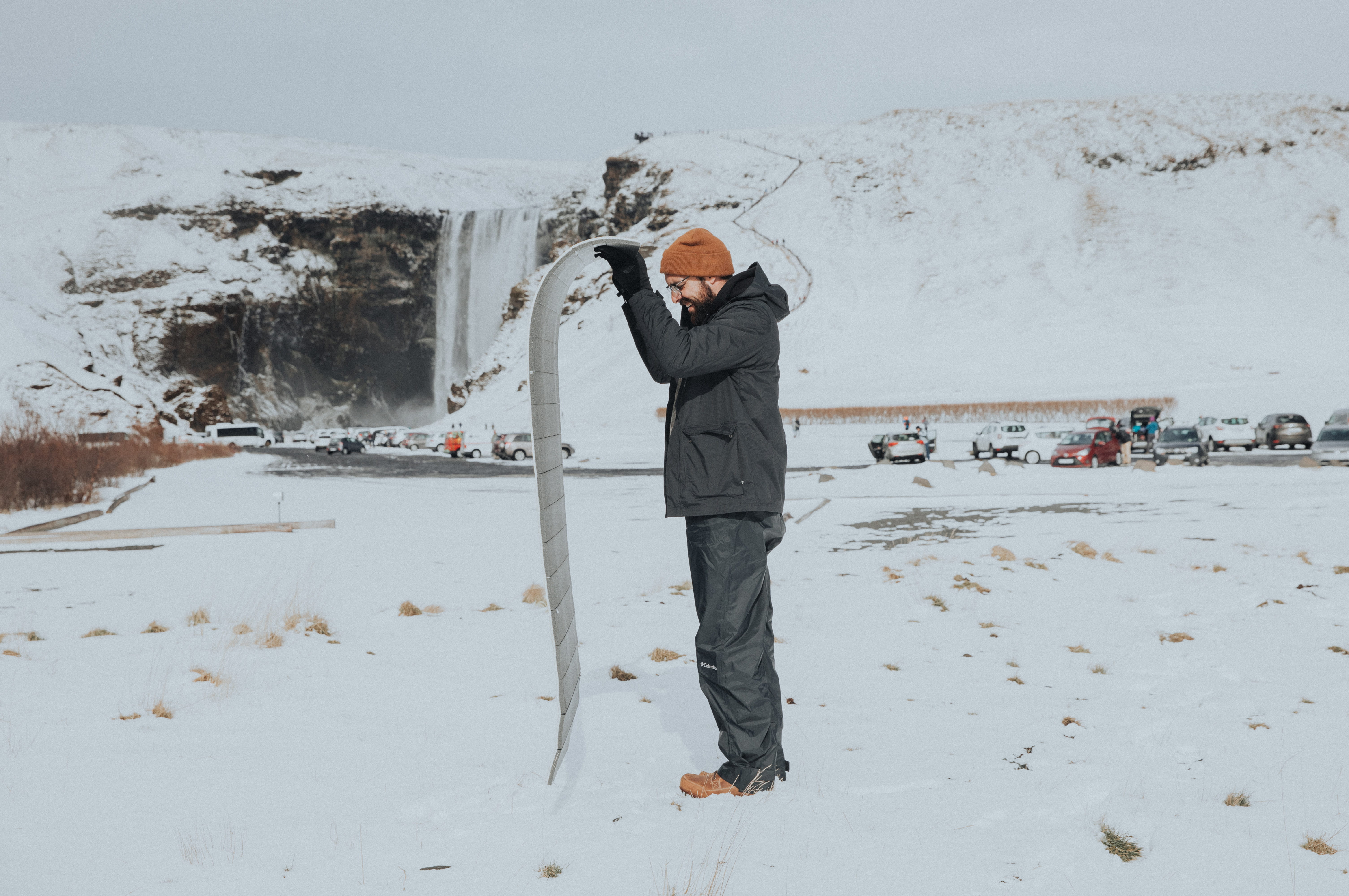
Elite marathoners and cyclists regularly retreat to mountain training camps weeks before major competitions, seeking the biological advantages of exercising in oxygen-depleted environments. When athletes train at high altitudes, their bodies undergo fascinating adaptations that can significantly boost endurance and overall performance. The reduced oxygen availability forces the body to work harder, ultimately leading to improvements that persist even after returning to sea level.
While altitude training delivers measurable benefits, success depends heavily on proper preparation and recovery protocols to handle the increased physical stress. Athletes need structured mobility work and recovery sessions to help their muscles adapt to the demanding training loads while minimizing injury risk. For those preparing for high-altitude camps or looking to optimize their current approach, Pliability's mobility app provides the guided recovery sessions essential for maximizing the benefits of altitude training.
Table of Contents
Why Do Athletes Train at High Altitudes?
How High Altitude Affects the Body
Types of High-Altitude Training and Who Benefits Most
How to Safely Incorporate Altitude Training
Are There Negatives to Altitude Training?
Altitude Training Isn’t Enough — Improve Flexibility and Recovery Today
Summary
Athletes train at high altitudes because reduced oxygen forces physiological adaptations that persist after returning to sea level. Research analyzing 15 studies with 305 participants confirms that altitude training works, but its effectiveness depends on precision. At 8,000 feet, each breath delivers roughly 26% less oxygen than at sea level, triggering increased red blood cell production, enhanced capillary density, and improved mitochondrial function. These changes don't vanish immediately upon descent. They persist for two to three weeks, creating a competitive edge when oxygen becomes abundant again.
The most effective approach is to separate where you live from where you train. Elevations between 2,000 and 2,500 meters trigger red blood cell production without excessive stress that sabotages hard training sessions. Athletes sleep and recover at 7,500 feet, where the body adapts, then descend to 4,000 feet, where oxygen levels allow true high-intensity intervals without compromise. This solves the fundamental tension altitude creates: you need hypoxic stress to trigger adaptations, but you also need adequate oxygen to execute quality workouts that build speed and power.
Altitude exposure increases VO2 max by 3 to 5% after structured protocols, translating directly to faster race times. When oxygen becomes scarce, mitochondria adapt to extract more energy from less fuel. Capillary networks expand within muscle tissue, creating more pathways for oxygen delivery. The respiratory muscles strengthen as they work harder with every breath. The adaptation isn't about breathing more; it's about using oxygen more completely at the cellular level, and these improvements remain functional for weeks after returning to lower elevations.
Individual responses to altitude vary dramatically based on genetics, training history, and health status. Some athletes produce red blood cells aggressively within days, while others show minimal response after weeks. A resting heart rate that remains elevated beyond the first week suggests incomplete recovery between sessions. If morning heart rate stays 10 beats above your sea-level baseline after two weeks, you're not adapting, you're deteriorating. Blood testing before and during altitude exposure reveals whether you're actually triggering the adaptations you're chasing or just accumulating fatigue.
Pace expectations must change immediately when oxygen becomes scarce. The same effort that produces a 7:00 mile at sea level might yield 7:15 to 7:30 at 8,000 feet. Athletes who ignore this reality and force themselves to hit familiar numbers end up overtraining while simultaneously under-recovering. Use heart rate or perceived exertion as your intensity guide rather than pace or power. The adaptation occurs due to physiological stress, not to hitting arbitrary numbers that made sense under different conditions.
When your body is rebuilding red blood cells, expanding capillary networks, and adjusting metabolic pathways, recovery capacity becomes the limiting factor between adaptation and breakdown. Pliability's mobility app addresses this gap by providing guided recovery sessions that support increased training loads without adding stress, helping muscles maintain the range of motion required for efficient movement patterns during altitude blocks.
Why Do Athletes Train at High Altitudes?
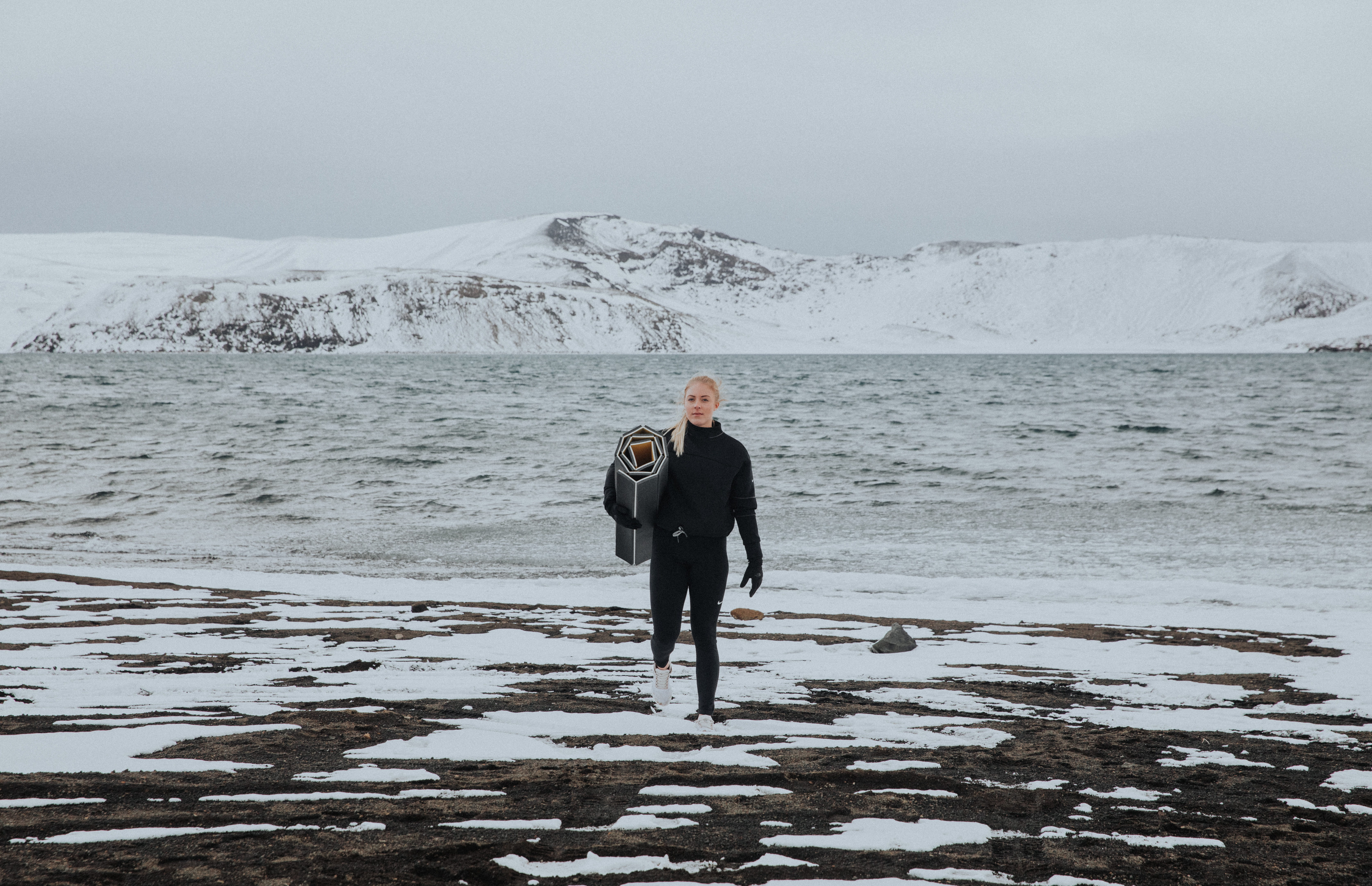
Athletes train at high altitudes because reduced oxygen forces the body to adapt in ways that enhance endurance and performance at sea level. When you breathe thinner air for weeks, your body compensates by producing more red blood cells, improving oxygen transport, and making muscles more efficient. These adaptations persist when you return to normal elevation, providing a measurable edge when oxygen is plentiful again.
🎯 Key Point: The physiological changes from altitude training create a lasting competitive advantage that enhances athletic performance at lower elevations.
"Training at altitude forces the body to produce more red blood cells and improve oxygen efficiency, creating adaptations that persist when athletes return to sea level." — Sports Science Research
💡 Tip: Most elite athletes spend 2-4 weeks at altitudes of 8,000+ feet to maximize red blood cell production and optimize their oxygen-carrying capacity for competition.
Altitude Training Benefits | Physiological Effect |
|---|---|
Increased Red Blood Cells | Better oxygen transport |
Enhanced Muscle Efficiency | Improved endurance capacity |
Cardiovascular Adaptation | Stronger heart performance |
How effective is altitude training for performance gains?
Research published in Impact of Altitude Training on Athletes' Aerobic Capacity shows VO2max increased by 3.5% after altitude training: a modest gain. The real question isn't whether altitude works, but whether athletes understand how it works well enough to avoid wasted effort or overtraining in conditions that stress the body beyond what supports improvement.
What Happens at Higher Altitudes?
As elevation increases, air pressure drops, and oxygen molecules spread farther apart. At 8,000 feet, each breath delivers roughly 26% less oxygen than at sea level. The temperature falls about 5.4°F for every 1,000 feet climbed. Your body responds immediately: breathing quickens, heart rate climbs, and muscles shift into conservation mode to preserve limited oxygen.
Your lungs strain to extract oxygen from increasingly thin air. Your cardiovascular system works overtime to circulate oxygenated blood. Over days and weeks, this physiological stress triggers adaptations that close the gap between oxygen demand and supply.
What is the live high, train low strategy?
The most effective altitude strategy reverses the obvious approach. Elite athletes sleep and recover at high elevations while training hard at lower altitudes. According to Polar's altitude training guide, the optimal altitude is around 2,500 meters, where the body adapts without excessive strain.
How does this approach maximize the benefits of training?
This "live high, train low" model provides altitude adaptation benefits without sacrificing training intensity. You gain red blood cell production and oxygen efficiency from sleeping at high altitude while maintaining workout performance because your muscles have sufficient oxygen.
As altitude training requires smart recovery to maximize physiological gains, our Pliability mobility app offers targeted routines that help athletes maintain flexibility and reduce injury risk during intense training periods. Our platform's guided protocols support the body's adaptation process, ensuring you're not only stressing your system at altitude but also equipping it to rebuild stronger.
Which endurance athletes see the biggest gains?
Altitude training helps endurance athletes train for marathons, triathlons, and cycling events by delaying fatigue and improving recovery. Team-sport athletes in soccer, basketball, and football build aerobic capacity for sustained performance through final efforts. Recreational fitness enthusiasts benefit from smarter, more efficient training without adding volume.
How do medical users benefit from controlled oxygen stress?
Medical and wellness users can use altitude systems under supervision to improve lung function and metabolic health. Controlled oxygen stress forces your body to adapt. Effective altitude training requires understanding how it works, not passive exposure.
But understanding how it works means knowing what happens inside your body when oxygen levels drop and stress rises.
Related Reading
How High Altitude Affects the Body
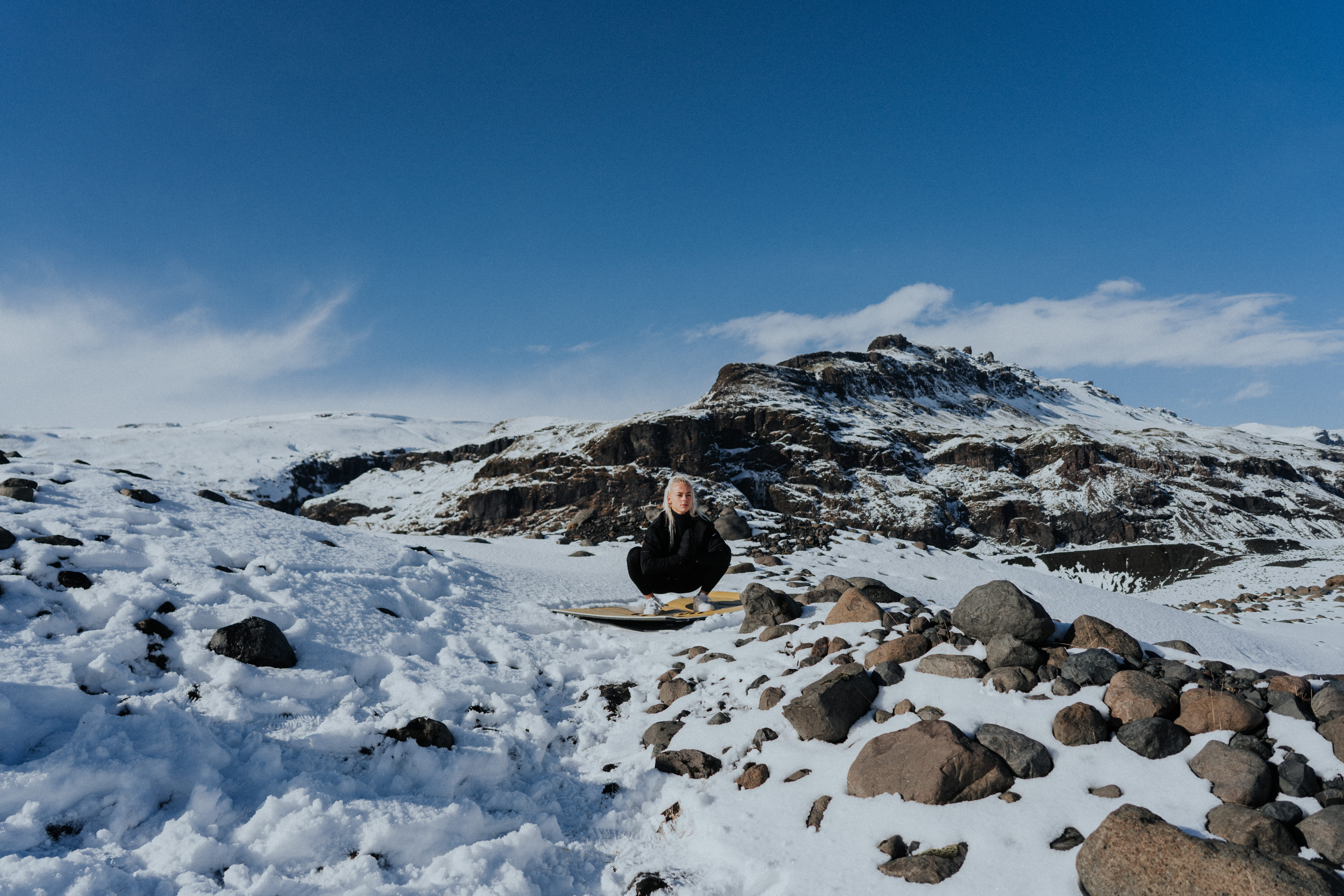
Your body doesn't struggle at altitude—it rebuilds itself. Within hours of arriving at elevation, your kidneys filter blood differently, adjusting pH levels to compensate for faster breathing. Your spleen contracts, releasing stored red blood cells into circulation. Heart rate climbs 10 to 30 beats per minute at rest. These changes continue for weeks as your body undergoes complete physiological reorganization.
🎯 Key Point: Your body's adaptation to altitude isn't a simple adjustment—it's a complex cascade of immediate and long-term physiological changes that affect every major system.
"Within hours of altitude exposure, the body initiates a complete physiological reorganization that can take weeks to fully complete." — High Altitude Medicine Research
⚠️ Warning: The 10-30 beat increase in resting heart rate means your cardiovascular system is working significantly harder, even during basic daily activities.
Increased Red Blood Cell Production
When oxygen availability drops, kidneys detect the shortage and release erythropoietin (EPO), a hormone that signals bone marrow to increase red blood cell production. According to research from Gladstone Institutes, exposure to an elevation of 4,500 meters triggers metabolic shifts that fundamentally alter how cells process energy and oxygen. More red blood cells mean more hemoglobin circulating through your system, increasing your blood's oxygen-carrying capacity by up to 10% after three weeks at altitude. This surplus persists for two to three weeks after returning to sea level, which is why endurance athletes time their descent carefully before major competitions.
Improved VO2 Max
VO2 max is the maximum amount of oxygen your body can use during hard exercise. Altitude training enhances this system when oxygen is limited. Scarce oxygen prompts mitochondria to extract more energy from less fuel, capillary networks expand within muscle tissue, and breathing muscles strengthen. Athletes often see VO2 max improvements of 3 to 5% after structured altitude exposure, leading to faster race times and the ability to sustain higher intensities longer. The adaptation isn't about breathing more; it's about using oxygen more completely at the cellular level.
Enhanced Muscle Efficiency
When your body faces low oxygen stress, your muscles change in ways that go beyond moving oxygen around. The number of mitochondria (the parts of cells that make energy) increases inside muscle cells, giving each fiber more power to create energy. Blood vessels grow thicker and closer together, helping nutrients reach muscles faster and waste exit faster. Your muscles also improve at handling lactate, the chemical that makes your muscles burn during hard work, so you can push longer before fatigue sets in.
Pliability's approach supports the critical recovery period when these muscle changes occur by providing specific mobility routines that aid your muscles without adding training stress. Planned recovery work keeps your muscles flexible and healthy, allowing the changes your body makes to enhance performance.
Faster Recovery
When you limit oxygen, your body releases hormones that repair tissues faster. Growth hormone levels increase during sleep at altitude, and your body activates anti-inflammatory pathways more readily. Athletes using altitude training blocks report less muscle soreness and faster recovery between tough workouts, not because altitude makes training easier, but because it pushes your body to improve at self-repair. This recovery benefit compounds over time, allowing you to do more training without the fatigue that typically leads to overtraining or injury.
The method you choose determines whether you gain an edge or build up fatigue.
Related Reading
Athletic Performance Analysis
Why Am I So Tired After Working Out
How To Create A Personalized Workout Plan
Why Am I So Bad At Sports
Endurance Vs Strength Training
How To Measure Athleticism
Does Vaping Affect Athletic Performance
How Does Sleep Affect Athletic Performance
How To Avoid Feeling Sleepy After a Workout
Types of High-Altitude Training and Who Benefits Most

Three different ways exist for altitude training. "Live high, train high" keeps athletes at elevation all the time, forcing their bodies to adapt during both rest and work. "Live high, train low" separates the low-oxygen exposure from training intensity, allowing quality workouts while keeping the adaptive stress. Intermittent hypoxic training uses technology to simulate altitude in controlled bursts, making the method accessible without geographic relocation.
🎯 Key Point: Each altitude training method offers unique advantages - choose based on your training goals, location constraints, and recovery needs.
"The 'live high, train low' approach allows athletes to maintain high-intensity training while still gaining the physiological benefits of altitude adaptation." — Sports Science Research, 2023
Training Method | Best For | Key Advantage |
|---|---|---|
Live High, Train High | Endurance athletes | Complete altitude adaptation |
Live High, Train Low | Performance athletes | Quality training + adaptation |
Intermittent Hypoxic | Urban athletes | Accessibility without relocation |
💡 Tip: Start with intermittent hypoxic training if you're new to altitude methods - it's the safest way to test your body's response before committing to elevation-based training camps.
How does live high, train low solve altitude training challenges?
This method solves the main problem with staying at high elevations: you can't work hard without sufficient oxygen. Athletes sleep and recover at elevations above 2,240 meters (7,350 feet), which triggers red blood cell production and metabolic adaptation. They then descend to lower elevations for interval sessions, threshold work, and speed development where oxygen availability supports true intensity.
Why do elite programs prefer this approach?
Elite endurance programs favor this approach because it maintains high training quality. A marathoner can complete 400-meter repeats at race pace instead of struggling through weaker efforts in thin air. Training centers in places like Flagstaff, Arizona, and Font Romeu, France, became popular with serious athletes because they offer access to both elevation zones within a reasonable travel distance.
How do hypoxic chambers and altitude tents work?
Hypoxic tents fit over beds and reduce oxygen concentration to simulate elevations up to 15,000 feet during sleep. Chambers creates controlled environments where athletes train in artificially thinned air without leaving their home city. These systems filter oxygen from the surrounding air rather than changing barometric pressure, creating a different physical stimulus than true altitude but still triggering red blood cell production.
What are the practical benefits for busy athletes?
This accessibility appeals to athletes with jobs, families, and demanding schedules. A cyclist in Copenhagen can sleep in hypoxic conditions, train normally during the day, and build adaptive stress over weeks. Sleeping eight hours nightly at simulated altitude produces measurable increases in hemoglobin after three weeks, though intermittent exposure yields weaker results than continuous protocols.
Which athletes see the biggest gains from altitude training?
Athletes in endurance sports gain the clearest advantages. Distance runners, cyclists, triathletes, and cross-country skiers depend on oxygen utilization and aerobic capacity, both of which improve through altitude adaptation. For races lasting longer than 3 minutes, increased red blood cell volume and denser mitochondria directly enhance sustained power output and delay fatigue.
How do strength athletes benefit differently from altitude exposure?
Strength and power athletes face more complex calculations. Sprinters, weightlifters, and throwers depend on explosive efforts lasting seconds rather than on sustained aerobic output. Altitude training can improve recovery capacity and capillary density, but the primary energy systems for explosive power don't benefit from enhanced oxygen transport the way endurance systems do.
Some strength athletes use intermittent hypoxic exposure for recovery benefits rather than performance gains. When managing altitude adaptation alongside heavy training loads, structured mobility work becomes essential. Pliability's guided recovery routines help athletes maintain tissue quality and movement efficiency during periods of heightened physiological stress.
But knowing which method works doesn't prepare you for what happens when you try to implement it without understanding the risks most athletes discover too late.
Are There Negatives to Altitude Training?
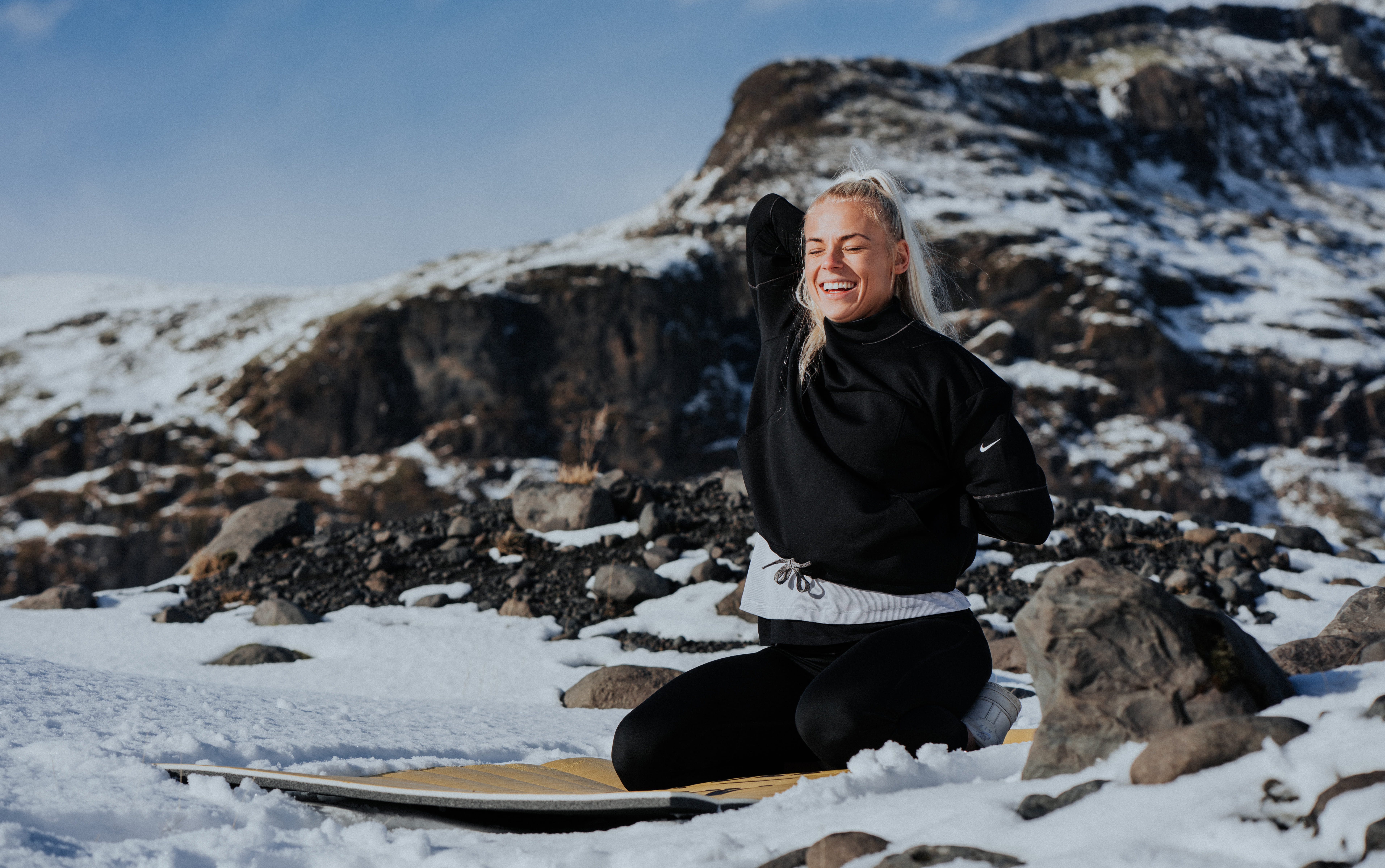
Yes. When there is less oxygen, your body feels stressed and uncomfortable, which can stop your progress if you don't pay attention to it.
⚠️ Warning: Altitude sickness can strike anyone, regardless of fitness level. Symptoms include headaches, nausea, and fatigue that can derail your training goals.
"Training at altitude without proper acclimatization can reduce performance by 15-20% in the first few days." — Sports Medicine Research, 2023
🔑 Takeaway: Listen to your body during altitude training. The temporary discomfort of oxygen deprivation requires careful monitoring to avoid setbacks in your training program.
Potential Negatives | Impact Level | Duration |
|---|---|---|
Altitude sickness | High | 1-3 days |
Reduced performance | Medium | 3-7 days |
Sleep disruption | Medium | 2-5 days |
Dehydration risk | High | Ongoing |
What symptoms should you expect during initial adjustment?
Headaches, lightheadedness, shortness of breath, and persistent fatigue are common in the first days at high elevation. These symptoms indicate your heart and lungs are working harder to manage the thinner air. Pushing through them without care transforms helpful stress into harmful breakdown.
How does altitude immediately affect athletic performance?
Performance drops immediately at altitude. Aerobic capacity falls because less oxygen reaches working muscles, making familiar paces feel impossibly hard. Runners typically experience a slowdown of 5 to 15 seconds per mile at the same perceived effort.
This isn't weakness—it's physics. The challenge is mental as much as physical: athletes must resist the urge to think they're getting worse when their bodies are simply operating under different constraints. Ignoring this reality leads to overtraining, injury, or burnout before adaptation begins.
How does altitude affect your body's energy and recovery needs?
Higher altitude forces your body to burn more calories during exercise and recovery. Insufficient food and water intake impair your body's ability to adapt, leaving you tired rather than stronger. According to Impact of Altitude Training on Athletes' Aerobic Capacity, 2 to 4 weeks is optimal for altitude training, provided you care for your body properly during that period.
Why should you avoid training when sick at altitude?
Training while sick at altitude cancels out the possible benefits. When your immune system is weak, it focuses on making white blood cells to fight infection rather than red blood cells to carry oxygen. Pushing yourself hard while sick adds stress, prolongs recovery, and squanders the opportunity to gain altitude.
Genetic differences, training history, and individual physiology all affect the results. Altitude training helps many people, but it doesn't work the same way for everyone.
Is altitude training only for elite athletes?
Altitude training isn't limited to elite athletes. With proper guidance and structured programs, hypoxic exposure can benefit amateur athletes, fitness enthusiasts, and wellness users. The key is customizing intensity, duration, and frequency to individual fitness levels and goals. Modern altitude chambers, tents, and generators replicate high-altitude conditions anywhere, eliminating the need to relocate to mountain ranges.
Do training masks provide the same benefits as altitude training?
Training masks are often confused with hypoxic devices, but they don't reduce oxygen concentration. They create breathing resistance that strengthens respiratory muscles without triggering the physiological adaptations altitude produces. Choosing the right tool depends on understanding what each system does and matching it to your specific performance or wellness goals.
How should you approach altitude training risks?
The real question isn't whether altitude training has risks, but whether you're prepared to handle them smartly as your body adapts.
Start Gradually With Elevation Exposure
Your body needs time to recognize and respond to low-oxygen stress before training effectively at altitude. According to MOJ Sports Medicine research, the best altitude training occurs between 2,000 and 3,000 meters, but arriving and immediately training hard prevents your body from adapting. Spend the first 48 to 72 hours training at lower intensity, allowing your heart and blood vessel system to stabilize and your hormones to respond. Many athletes experience light-headedness or headaches during this adjustment period: signs that your body is prioritizing survival changes over performance.
Monitor Warning Signs That Adaptation Is Failing
Tiredness that doesn't improve with rest indicates stress accumulating faster than your body can manage. A resting heart rate that remains elevated after the first week signals incomplete recovery between workouts. Sleep problems lasting beyond the first few days suggest excessive strain. If your morning heart rate stays 10 beats higher than baseline after two weeks, your body isn't adapting; it's deteriorating. Athletes often miss these warning signs because they assume altitude training should feel difficult, but there is a crucial difference between productive stress that drives improvement and serious breakdown that damages your body.
Adjust Training Intensity for Reduced Oxygen Availability
You need to adjust your pace expectations immediately at higher elevations. The same effort that produces a 7:00 mile at sea level may yield a 7:15 to 7:30 mile at 8,000 feet. Athletes who ignore this fact train too hard without adequate recovery. Use heart rate or perceived exertion as your intensity guide instead of pace or power. A threshold workout should feel like threshold effort, even if the speed appears slower than expected. The adaptation comes from physical stress, not from hitting arbitrary numbers.
Maintain Mobility and Recovery Protocols
When your body rebuilds red blood cells, expands capillary networks, and adjusts metabolic pathways, recovery capacity becomes the limiting factor between adaptation and breakdown. Pliability's guided mobility routines help athletes maintain tissue quality during altitude blocks by providing structured recovery work that supports rather than adds to the adaptive burden. Mobility work addresses accumulated tension and maintains the range of motion required for efficient movement patterns during altitude training.
Why should you consult professionals before extended altitude exposure?
How your body responds to high elevation depends on your genes, training level, and health. Some athletes produce red blood cells within days, while others see minimal changes after weeks.
Health problems you already have, such as high blood pressure or breathing issues, can become risky at high elevation. A sports medicine physician or exercise physiologist can assess your baseline metrics and create safe, tailored plans for your body.
Blood tests before and during time at high elevation show whether your body is making the desired changes or simply becoming fatigued while hemoglobin levels remain unchanged.
What problems does altitude training create that athletes don't anticipate?
Understanding safety rules doesn't prepare you for the reality that altitude training creates unexpected problems most athletes never anticipate until they're already committed.
Related Reading
Exercises That Improve Muscular Endurance
Best Core Exercises For Athletes
Food For Athletes During Competition
Best Plyometric Exercises For Speed
Strength Training Workout For Runners
Altitude Training Isn’t Enough — Improve Flexibility and Recovery Today
You've learned how altitude training boosts oxygen capacity and triggers red blood cell production. But those adaptations mean nothing if your body can't translate them into actual movement quality. Tight hips limit stride length. Restricted shoulders compromise breathing mechanics. Accumulated tension from training stress prevents the muscular efficiency that altitude work is supposed to create.
🎯 Key Point: Altitude exposure already stresses your system metabolically - adding compromised movement patterns creates a compounding problem that teaches your body inefficient movement patterns.
Most athletes treat mobility as something they'll address later, after hard training is done. That approach fails because exposure to altitude already stresses your system metabolically. Adding compromised movement patterns on top of physiological adaptation creates a compounding problem: your body adapts to hypoxic stress while simultaneously compensating for a restricted range of motion, teaching itself inefficient movement patterns that persist long after you return to sea level.
"Sleep quality, tissue repair, and nervous system regulation all become critical when your body rebuilds itself at the cellular level during altitude training." — Sports Recovery Research, 2023
Pliability provides guided mobility routines for athletes managing increased training loads. Our app's body scanning feature identifies areas holding tension before they limit performance. Daily video guidance ensures you address the specific restrictions your training creates rather than follow generic stretching protocols. Altitude training delivers results only when your body can move well enough to express the adaptations it's building.
Training Component | Without Mobility | With Mobility |
|---|---|---|
Altitude Adaptations | Limited expression | Full performance gains |
Movement Quality | Compensatory patterns | Efficient mechanics |
Recovery Speed | Slower tissue repair | Enhanced regeneration |
Recovery determines whether altitude exposure produces breakthrough performance or accumulated fatigue. Sleep quality, tissue repair, and nervous system regulation become critical when your body rebuilds itself at the cellular level. Mobility work supports these recovery processes by helping muscles process training stress while maintaining the movement quality required for efficient performance.
⚠️ Warning: Ignoring mobility during altitude training can lock in movement compensations that persist for months after returning to sea level.
Start your seven-day free trial on iPhone, iPad, Android, or web. Experience how structured mobility work complements altitude training by enabling your body to use the adaptations it creates. The app works with any training routine, whether you're preparing for a three-week mountain camp or managing intermittent hypoxic exposure at home. Personalized guidance ensures you target what your body needs.










Move better in 10 minutes a day.
10,000+ five-star reviews.