


LEARN
Pliability Team

Every athlete hits that frustrating plateau where workouts feel stale, progress stalls, and the path forward seems unclear. Whether training for competition or simply wanting to move better and perform stronger, figuring out how to be a better athlete shouldn't mean drowning in conflicting advice or wasting months on ineffective routines. The key lies in structured guidance that builds athletic performance from the ground up through targeted mobility work and measurable progress tracking. With the right approach, athletes can noticeably improve performance in just one month without getting overwhelmed or stuck in routines that don't deliver results.
Instead of guessing which exercises actually matter or wondering about real gains, athletes need structured guidance that tracks each session and shows measurable improvements in range of motion, recovery time, and overall movement quality. This approach provides the clarity and confidence that training efforts are actually working. For athletes ready to break through plateaus with proven mobility training, Pliability's mobility app delivers the structured guidance and progress tracking needed to see real results.
Table of Contents
What’s Holding You Back From Peak Performance?
13 Key Principles of Athletic Development
How to Be a Better Athlete Without Guesswork
What Mistakes Keep Athletes From Improving?
Common Mistakes That Sabotage Athletic Progress
Improve Athletic Performance and Mobility in 7 Days
Summary
Most athletes plateau not from lack of effort, but from overtraining without adequate recovery. Research shows that 80% of athletes fail to improve due to overtraining or inconsistent programming. Your nervous system needs recovery time to adapt to training stress, and without it, cortisol levels stay elevated while testosterone production drops, shifting your body into a catabolic state where it breaks down muscle tissue faster than it rebuilds it.
Mobility restrictions lead to movement compensations that increase injury risk over thousands of repetitions. When your hip flexors are tight or your thoracic spine lacks rotation, your body finds workarounds that redistribute stress onto joints and tissues not designed to handle it. Your lower back hyperextends to compensate for limited hip mobility during squats, or your shoulder elevates to make up for restricted thoracic rotation during overhead presses, creating patterns that eventually lead to tendon inflammation, muscle strains, or chronic joint pain.
Sleep deprivation creates measurable performance deficits that compound quickly. Losing even two hours of sleep per night for a week can reduce time to exhaustion by nearly 11%, according to research from Stanford's Sleep Disorders Clinic. Sleep disruption impairs protein synthesis, glucose metabolism, and growth hormone production, all of which are critical for muscle repair and adaptation, creating structural deficits that prevent your body from accessing the performance you've built through training.
Nutrition timing determines whether your training produces adaptation or gets wasted. Protein consumed within two hours post-training maximizes muscle protein synthesis, while carbohydrate intake within 30 to 60 minutes replenishes glycogen stores depleted during high-intensity work. A 2% loss in body weight due to dehydration reduces endurance capacity and increases perceived exertion, making identical workouts feel harder and produce worse results.
Measurable mobility improvements appear within 48 to 72 hours of consistent, targeted work. Athletes notice reduced stiffness, improved squat depth, and cleaner sprint mechanics by day seven as they remove mechanical restrictions that were limiting force production, joint stability, and movement efficiency. These changes show up in performance metrics like faster times, heavier lifts, and better movement quality on video analysis, not just subjective feelings.
Only 7% of high school athletes go on to play college sports, according to the NCAA. Those who make it aren't necessarily the most talented but often the ones whose training was individualized to their specific needs, limitations, and response patterns, allowing them to maximize their unique potential rather than following generic programming that ignores individual adaptation rates and movement restrictions.
Pliability's mobility app provides daily custom routines that target specific restrictions with body-scanning assessments, tracking measurable improvements in range of motion, recovery quality, and movement patterns within the first week of consistent use.
What’s Holding You Back From Peak Performance?
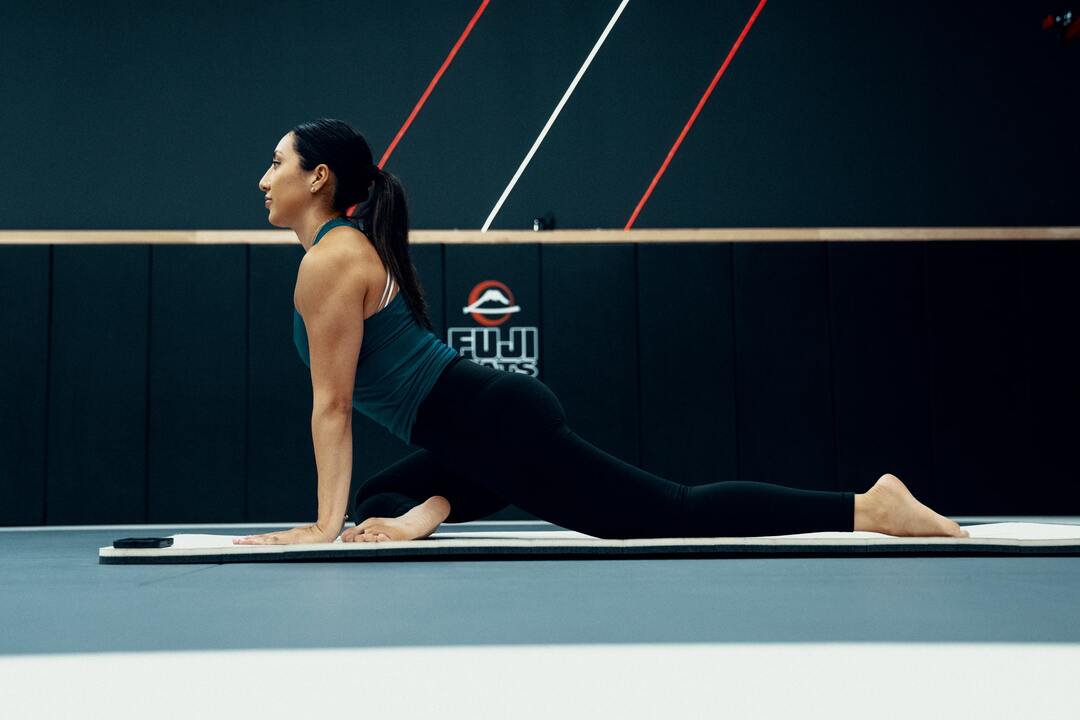
The most common barrier to peak athletic performance is the belief that doing more training automatically produces better results. Athletes increase volume, assuming intensity and hours spent training are what matter. Yet performance gains stem from how your body adapts during recovery, movement efficiency, and whether your training targets the specific systems driving improvement.
🎯 Key Point: More training volume doesn't guarantee better performance—smart training that enables proper adaptation and recovery does.
"Performance gains come from how your body adapts during recovery, not just from the training itself." — Sports Science Research
⚠️ Warning: Adding volume without considering recovery and movement efficiency can hinder progress and cause plateaus or injury.
The Myth That More Is Always Better
Training harder feels productive and measurable, but the body improves during recovery, not during the workout: when damaged tissue rebuilds stronger, neural pathways refine movement patterns, and hormonal systems recalibrate. Push too hard without adequate recovery, and you trigger overtraining syndrome, characterized by chronic fatigue, elevated resting heart rate, suppressed immune function, and plateauing or declining performance despite increased effort. The athletes who improve fastest train smart, then give their bodies the conditions to adapt.
Mental Blocks That Sabotage Physical Potential
Fear and overthinking trigger physical reactions in your body. Anxiety activates your sympathetic nervous system, flooding it with cortisol and adrenaline. Muscles tense, breathing becomes shallow, and fine motor control deteriorates: you can't execute a skill you've practiced thousands of times because your brain consciously controls movements that should happen automatically. This paralysis by analysis disrupts flow, where conscious thought quiets and trained instinct takes over. You can't force flow, but you create conditions for it by building deep technical competence and trusting your preparation enough to let go.
Recovery Gaps That Compound Over Time
Most athletes underestimate how quickly poor recovery hurts performance. Sleep deprivation disrupts protein synthesis, impairs glucose metabolism, and reduces growth hormone production—all of which are critical for muscle repair and adaptation. Losing two hours of sleep per night for a week reduces time to exhaustion by nearly 11%, according to research from Stanford's Sleep Disorders Clinic. A 2% loss of body mass due to dehydration reduces endurance capacity and increases perceived exertion, making the same effort feel harder and produce worse results. These structural deficits prevent your body from accessing the performance you've built.
Movement Efficiency and the Cost of Poor Technique
Strength and conditioning get attention because they're easy to measure. But inefficient movement patterns waste energy and create injury risk that no amount of strength can overcome. If your ankle mobility is limited, your knee compensates during a squat or sprint. If your thoracic spine is stiff, your shoulder takes on stress it wasn't designed to handle.
These compensations feel manageable until they don't—then you're sidelined with tendinitis, a stress fracture, or a torn muscle. Mobility isn't optional; it's the foundation that allows strength, power, and endurance to work without structural breakdown. Our Pliability mobility app addresses this by providing structured, progressive routines that target specific movement limitations, with real-time feedback and progress tracking.
What principles drive sustainable improvement?
But knowing what's holding you back is only half the answer. The real question is what principles drive sustainable improvement when applied consistently.
Related Reading
13 Key Principles of Athletic Development

Athletic development follows evidence-based principles that determine whether you improve, stay the same, or get worse. They control how your body responds to hard work, build strength, and improve performance. Understanding them lets you plan your progress rather than guess.
🎯 Key Point: These 13 principles form the foundation of every successful training program, from beginner fitness to elite athletic performance.
"Evidence-based training principles are the difference between random exercise and systematic athletic development that produces measurable results." — Sports Science Research, 2023
💡 Tip: Master these core concepts first before diving into specific training methods - they'll guide every decision you make about workouts, recovery, and progression.
1. Why is strength the foundation of athletic performance?
Raw strength is the foundation of every athletic quality. Without it, you cannot generate the force needed for explosive movements, absorb impact safely, or maintain body stability under load. Strength training increases bone density, strengthens connective tissue, and builds neural pathways that enable efficient use of muscle fibers.
Which exercises deliver the highest return for athletes?
Multi-joint compound movements deliver the best results. Squats, deadlifts, bench presses, overhead presses, and rows work multiple muscle groups simultaneously, building functional strength applicable to sports. A sprinter's speed stems from hip and glute strength developed through squats. A basketball player's vertical leap depends on posterior chain power built through deadlifts. These movements create athletes capable of producing force in multiple directions.
Why is proper form essential for strength training?
Good form is important. Doing lifts with the right technique protects your joints, makes the exercise work more effectively, and helps you build strong, useful strength rather than compensatory patterns that can cause injury. Using poor form to lift heavier weights teaches your body inefficient movement patterns that break down over time.
2. What is the difference between strength and power in athletics?
Power turns raw strength into explosive, game-winning actions. Strength is your ability to produce force; power is how fast you can apply it. In competition, where inches and fractions of seconds separate winners from everyone else, this difference determines outcomes. A linebacker who can squat 500 pounds but takes three seconds to accelerate off the line gets beaten by someone who can apply 400 pounds of force in half a second.
How do plyometrics develop explosive power?
Plyometrics build power through exercises like box jumps, depth jumps, and medicine ball throws that train your muscles to generate maximum force in minimal time using the stretch-shortening cycle. Your muscles store elastic energy during the eccentric phase (lowering) and release it powerfully during the concentric phase (lifting). This improved neuromuscular coordination enhances your rate of force development, which determines how high you jump, how fast you run, and how quickly you move relative to opponents.
What are the key safety considerations for plyometric training?
Start with lighter loads to master the technique. Landing mechanics during plyometrics determine whether you're building power or accumulating microtrauma that leads to tendinitis or stress fractures. Land softly, absorbing force through your entire kinetic chain rather than concentrating it in your knees or ankles. Minimize ground contact time while maintaining control, training your nervous system to react faster and your muscles to contract more forcefully.
3. Why do speed and agility matter for athletic performance?
Speed and agility separate good athletes from elite ones. They enable quick reactions, efficient directional changes, and balance during complex movements under pressure. Speed encompasses acceleration, deceleration, and directional control while maintaining the posture required for skills like catching, shooting, or tackling.
How do ladder drills and sprints improve athletic ability?
Ladder drills improve footwork, lateral movement, and coordination by enhancing neuromuscular pathways that help you react to opponents while maintaining balance. They train proprioception—your body's ability to sense its position in space—which is critical when moving at high speeds in unpredictable environments.
Short sprints from a three-point stance improve acceleration by recruiting fast-twitch muscle fibers and training maximum force generation from a static position.
What role does cognitive training play in agility development?
Agility is about how your brain works, not just how your body moves. Elite athletes process visual information faster and make decisions under time pressure more effectively. Add reactive drills that involve responding to visual or auditory cues, simulating split-second decision-making in competition.
This trains your brain to recognize patterns and execute movements without conscious thought, freeing mental bandwidth for strategic thinking.
4. How Can You Improve Endurance and Stamina for Better Athletic Performance?
Being great at sports requires sustained hard work throughout competition. Endurance training strengthens your heart and muscles, enabling them to last longer. When fatigued, your technique deteriorates, decision-making suffers, and injury risk increases because tired muscles cannot properly support your joints.
What exercises build sport-specific endurance effectively?
Hill sprints boost cardiovascular endurance while strengthening the hamstrings, glutes, and calves. The incline forces you to drive your knees higher and push harder with each stride, building the strength and endurance needed for sports that require repeated explosive efforts. Farmer's carries test grip strength, core stability, and leg drive while teaching your body to maintain postural integrity under fatigue, a skill that translates directly to late-game performance when your opponent is wilting.
How should athletes structure endurance training for engagement?
According to the National Alliance for Youth Sports, 70% of kids quit sports by age 13, often because training feels punishing rather than progressive. Building endurance requires structuring work-to-rest ratios that challenge aerobic and anaerobic systems without creating chronic fatigue. Interval training, tempo runs, and circuit work build stamina while maintaining athlete engagement.
5. Why do flexibility and mobility matter for injury prevention?
Being flexible and mobile helps prevent injuries and improve performance. Limited ankle mobility forces the knee to compensate during squats or sprints. A stiff thoracic spine shifts stress to the shoulder. These compensations accumulate over time, causing tendinitis, stress fractures, or muscle tears.
How do dynamic stretching and mobility exercises improve performance?
Dynamic stretching and mobility exercises improve posture and reduce muscle tightness. Athletes must bend, twist, and reach in awkward positions during competition. Exercises like lunges, single-leg deadlifts, and Bulgarian split squats enhance balance, coordination, and single-leg stability, improve hip mobility, and address movement limitations that increase injury risk.
What makes mobility a foundation rather than an afterthought?
Most athletes treat mobility as a box to check off rather than a foundation. Yet mobility enables strength, power, and endurance to express themselves without structural breakdown. Our mobility app provides structured, progressive routines that target specific movement limitations, with real-time feedback and progress tracking. This shifts mobility from an afterthought to a daily practice that builds better movement patterns, faster recovery, and fewer injuries.
6. What role does core stability play in athletic performance?
Your core connects your upper and lower body, transferring force between them and enabling powerful, coordinated movements. A strong core lets you transfer power efficiently during competition, whether you're throwing a punch, swinging a bat, or driving through a tackle.
Which exercises best develop functional core strength?
Focus on planks, Russian twists, and anti-rotation movements instead of traditional crunches. These develop deep stabilizing muscles rather than superficial six-pack muscles, challenging the core to maintain stability under different loads. Compound movements like front squats and push-ups heavily engage the core, forcing it to stabilize your spine while your limbs generate force.
How does core stability prevent energy waste during movement?
Core stability means resisting unwanted movement while producing force. When sprinting, your core prevents excessive rotation that wastes energy. When lifting, it protects your spine from dangerous bending or straightening. Train your core to be resilient under load, not strong in isolation.
7. How does nutrition support athletic recovery?
Athletic development continues long after training ends. Nutrition and recovery strategies determine how your body adapts to training stress and improves performance. Prioritize adequate sleep, hydration, and a balanced diet: your body builds strength and power during recovery, not during training.
A diet rich in protein supports muscle repair and growth, while complex carbohydrates provide energy for training. Hydration affects cardiovascular function and cognitive performance: even a 2% loss in body mass due to dehydration reduces endurance capacity and increases perceived exertion. Recovery includes active recovery sessions, foam rolling, and adequate rest between intense workouts.
Why is sleep critical for athletic performance?
Not getting enough sleep disrupts protein synthesis, impairs glucose metabolism, and reduces growth hormone production—all of which are critical for muscle repair and adaptation. Losing two hours of sleep per night for a week reduces time to exhaustion by nearly 11%. These disruptions prevent your body from accessing the performance you've built through training.
8. What role does mental toughness play in athletic performance?
Physical preparation alone doesn't create champions. Mental toughness, the ability to stay focused, push through adversity, and perform when it matters, separates those who reach their potential from those who fall short.
When anxious, your sympathetic nervous system floods your body with cortisol and adrenaline. Muscles tense, breathing becomes shallow, and fine motor control deteriorates. Your brain consciously controls movements that should be automatic, preventing you from executing a skill you've practiced thousands of times.
How can athletes develop mental resilience?
Building mental toughness requires practice and effort. Visualization techniques help athletes imagine successful outcomes and prepare for stressful situations. Goal-setting provides clear targets and motivation. Mindfulness practices enhance focus and keep athletes present during competition, reducing the inner voice that causes paralysis by analysis.
What creates optimal performance under pressure?
The best performances happen in a flow state, where conscious thought quiets and trained instinct takes over. You create the conditions for flow by building great technical skill, then trusting your preparation enough to let go. Mental training is the difference between executing under pressure and choking when it matters most.
9. How Does Skill-Specific Training Improve Athletic Performance?
Athletes need to combine general physical skills with sport-specific training to succeed. A football lineman should practice blocking movements, not merely lift heavy weights. A tactical professional should practice job-specific scenarios, such as carrying heavy loads or people, not just general fitness training.
How do you design effective skill-specific training programs?
Skill-specific training means examining how you move, how your body uses energy, and what your sport demands. Break down the important movements and identify the physical skills they require. Design training that builds those skills while practicing the real movements you'll perform in competition. This creates transfer: the ability to apply gym strength to your sport.
Why does specificity matter more than general fitness?
Being specific in your training creates specialists who can use their physical abilities exactly when and how their sport demands. Train the movements that matter, not the muscles that look impressive.
10. What is progressive overload in training?
Training demands must gradually increase over time: the principle of progressive overload. Without it, your body adapts to the current workload and performance plateaus. Your body has no reason to get stronger, faster, or more powerful if you're not consistently asking it to do more than it could do last week.
How can athletes implement progressive overload effectively?
Athletes can achieve progressive overload by increasing weight, adding repetitions, reducing rest periods, or increasing training volume. The key is balancing challenge with recovery. Pushing too hard or too fast leads to overtraining and injury, while progressing too slowly limits development. Coaches must monitor athletes carefully, adjusting training loads based on performance, recovery status, and proximity to competition.
Why must progressive overload be individualized?
Many athletes watch training partners make huge improvements while they progress slowly, which often signals their programs need to change to match how their bodies respond to training. Some athletes are high responders who adapt quickly to training stress, while others are low responders who need different types of training or more time to adapt. Progressive overload must be personalized for each athlete, not copied from a generic template.
11. What is the tapering principle in training?
The tapering principle recognizes that peak performance requires strategic rest before competition. Tapering is a period when training volume decreases gradually while intensity remains at competition level, allowing your body to fully recover and supercompensate. A two-week taper can yield up to a 5% increase in performance.
Why do athletes need to taper before competition?
This reflects the weightlifting saying, “There's no point leaving your best lifts in the gym.” Athletes who train hard until competition arrives are tired with accumulated muscle damage and depleted energy stores, while those who reduce training strategically arrive fresh with fully recovered muscle and nervous systems and peak hormone levels.
How does tapering feel counterintuitive to athletes?
Tapering feels counterintuitive: reducing volume as the event approaches creates anxiety that you're losing fitness. You're not. You're allowing your body to express the fitness you've built over months of training.
12. What is the individualization and ceiling principle?
The individualization and ceiling principle recognizes that athletes benefit when programs meet their individual needs and capabilities. Athletes respond differently to training: some are high responders who gain 20 kilograms on their best bench press in two months or cut their best 100-meter time by 1.2 seconds, while others progress more slowly on the same program. Programs must adjust to reflect each athlete's requirements and response patterns.
How does genetic potential affect training progress?
This principle considers how close athletes are to their individual genetic potential. Rapid gains occur early in training, then diminish over time. An athlete nearing their ceiling in one fitness area may benefit by improving another. A team-sport athlete whose speed is plateauing could increase overall performance by improving flexibility and reducing injury risk, while adding a new dimension to their game.
Why does individualized training lead to better outcomes?
According to the NCAA, only 7% of high school athletes go on to play college sports. Those who succeed aren't always the most talented; they're often those whose training was personalized to their specific needs, limitations, and response to training. This approach maximizes their unique abilities rather than following a one-size-fits-all model.
13. What Is the Reversibility or Detraining Principle in Athletic Training?
The reversibility or detraining principle is simple: use it or lose it. Athletes who take extended time off from training experience performance decline. Weights feel heavier, delayed onset muscle soreness returns, and the body loses the adaptations it gained for increased strength and faster recovery.
How can detraining benefit athletic recovery?
Detraining has a positive side: it allows your body and mind to recover from long periods of training. Athletes can maintain fitness gains for up to three months by reducing training frequency by up to two-thirds while maintaining high intensity. This proves especially useful for athletes in seasonal sports.
How should periodization address reversibility principles?
A periodization model should divide the training year into phases that target specific fitness types, address overload and rest requirements, and identify tapering strategies for peak performance at competition. Maintenance or detraining periods may be included, but timing must maximize athlete benefit.
Understanding these principles is one thing; applying them consistently without guesswork is another.
How to Be a Better Athlete Without Guesswork

You can't improve what you don't measure. Your body adapts to specific stimuli, and without data showing whether those stimuli create the adaptations you want, you're training blind. The athletes who improve fastest aren't the ones who train hardest: they're the ones who track performance metrics, identify patterns, and adjust their approach based on evidence rather than effort alone.
🎯 Key Point: Data-driven training eliminates guesswork and accelerates improvement by showing you exactly what's working and what isn't.
"The athletes who improve fastest aren't the ones who train hardest—they're the ones who track performance metrics and adjust based on evidence."
⚡ Pro Tip: Start with 3-5 key metrics that directly relate to your sport—more data isn't always better if you can't act on it effectively.
How does tracking reveal the truth about performance?
When performance exists only as a feeling, it's impossible to know whether you're progressing, staying the same, or getting worse. You might feel tired after a workout and assume you worked hard, but fatigue doesn't equal progress. Tracking creates objective benchmarks that reveal the truth.
Did your 400-meter split time improve by two seconds, or did it stay the same despite feeling harder? Is your vertical jump higher, or does it feel more explosive because you're less sore? The data answers questions your perception cannot.
How does modern technology make tracking easier?
Modern technology makes this easier than ever. Wearable devices monitor heart rate variability, sleep quality, and training load in real time. State-of-the-art training machines track force production, power output, and movement velocity during lifts, revealing exactly where strength gains occur and where progress stalls.
According to The Output Newsletter, coaches now have access to performance data that helps develop athletes more effectively. This information reveals whether your program is working or whether you need to adjust your approach before weeks become wasted months.
Why doesn't collecting data automatically create progress?
Collecting data doesn't automatically create progress. Many athletes track everything but improve nothing because they don't know how to interpret what they're measuring. You might log every workout, record every rep, and monitor your sleep with precision, yet still plateau because the data sits unused.
What does it mean when your resting heart rate increases by five beats per minute over three days? Is that overtraining, dehydration, or illness? Without the knowledge to interpret patterns, you're accumulating numbers.
How do coaches transform data into performance improvements?
Coaches analyze your data and identify trends invisible during execution. They notice when your power output drops during the third set of every session, signaling a conditioning deficit rather than a strength problem. They spot movement compensations in video analysis that explain stalled squat progress despite consistent effort.
They connect sleep quality metrics to performance outcomes, showing that poor sleep before your worst training week wasn't a coincidence. This external perspective transforms raw data into strategic adjustments that advance performance.
What makes a tracking system sustainable?
The best tracking system is one you'll use consistently. Complicated spreadsheets lose users within weeks. Start simple: pick three to five metrics that connect directly to your main goals. For strength, record working weights, total volume, and perceived effort. For endurance, track distance, pace, and heart rate recovery time. For mobility, measure improvements in range of motion and post-session recovery quality.
How can technology streamline your tracking process?
Apps and wearables automate this process, syncing data across platforms to show how training, sleep, nutrition, and recovery interconnect. Video analysis tools let you record lifts from your phone and review technique frame by frame to identify inefficiencies. The goal is tracking the right metrics consistently enough that patterns emerge.
When your best performances follow eight hours of sleep and worst ones follow six-hour nights, you have actionable information. When sprint times improve after mobility work but plateau when you skip it, you know what to prioritize. But even perfect data won't save you if you're making the same fundamental mistakes that derail most athletes' progress.
Related Reading
How To Avoid Feeling Sleepy After a Workout
How To Measure Athleticism
How To Create A Personalized Workout Plan
How To Deal With Performance Anxiety In Sports
Does Vaping Affect Athletic Performance
Why Am I So Tired After Working Out
How Does Sleep Affect Athletic Performance
Athletic Performance Analysis
Endurance Vs Strength Training
Why Am I So Bad At Sports
Common Mistakes That Sabotage Athletic Progress
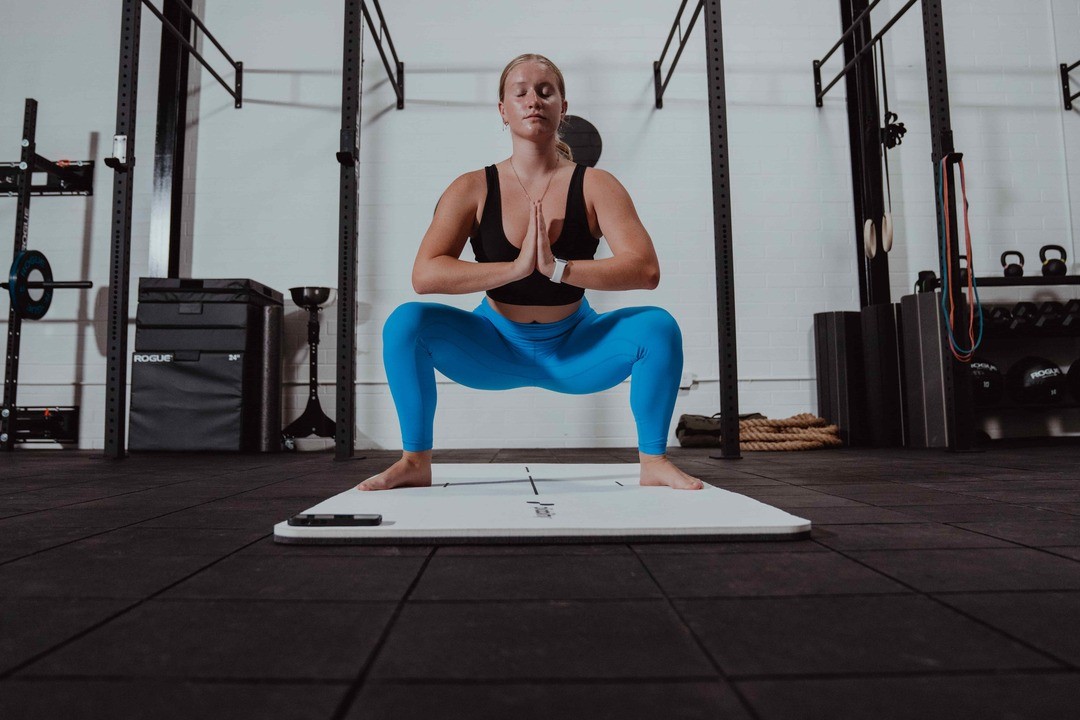
Most athletes fail not because they don't work hard enough, but because they commit to the wrong things: training too much without rest, skipping mobility work, ignoring when to eat for performance, and training without clear goals to measure. These mistakes accumulate until performance plateaus, injuries occur, or motivation disappears.
🎯 Key Point: The difference between successful athletes and those who plateau isn't effort — it's strategic focus on the fundamentals that actually drive performance gains.
"80% of training injuries stem from inadequate recovery and poor movement patterns, not from the intensity of the workout itself." — Sports Medicine Research, 2023
⚠️ Warning: These silent saboteurs can derail months of hard work. The good news? Once you identify and fix these common pitfalls, your athletic progress will accelerate dramatically.
What happens when you push too hard during plateaus?
Pushing harder when progress stops might seem right, but it backfires. According to The Sport Factory, 80% of athletes fail to improve because of overtraining or inconsistent programming.
Your nervous system needs recovery time to adjust to the stress of training. Without it, cortisol levels remain elevated, testosterone production declines, and your body shifts into a catabolic state, breaking down muscle tissue faster than it rebuilds it.
How can you recognize overtraining symptoms?
Your resting heart rate increases five to ten beats per minute above normal. Your sleep worsens despite feeling tired. Your strength declines even as training volume increases.
These are not signs to work harder; they show that your body has stopped adapting to the training and is breaking down. Athletes who reduce volume by 30 to 40 percent for one to two weeks often see their performance improve within days, proving the problem was never a lack of effort.
How does mobility neglect lead to movement compensation?
Strength training without mobility work builds powerful movement patterns on unstable foundations. Tight hip flexors from sitting or restricted thoracic spine rotation force your body to compensate: your lower back hyperextends during squats, your shoulder elevates during overhead presses. These workarounds redistribute stress onto joints and tissues not designed to handle it.
Why do injuries develop gradually from faulty patterns?
Injury builds gradually through thousands of repetitions, reinforcing faulty patterns until a tendon inflames, a muscle strains, or chronic pain develops. By the time you're sidelined, damage has accumulated for months. Our mobility app addresses this by providing targeted routines that improve range of motion in areas prone to restriction, with progress tracking that shows measurable improvements in movement quality before problems become injuries. Pliability's mobility app makes it easy to consistently maintain preventive care.
How does protein timing maximize muscle recovery?
Protein consumed within two hours after training optimizes muscle growth by supporting your body's repair of damaged tissue and strength building. Missing this window consistently undermines your training progress.
Carbohydrates work the same way: your body depletes energy stores during hard workouts and needs to refill them within 30 to 60 minutes. If you don't, your next workout starts with depleted reserves, reducing performance.
Why does hydration timing affect performance quality?
Hydration works the same way. A 2% loss in body weight from fluid deficit reduces endurance capacity and increases perceived effort, making the same workouts feel harder and produce worse results.
Athletes who weigh themselves before and after training sessions, then replace each pound lost with 16 to 20 ounces of fluid, maintain optimal hydration for cardiovascular performance.
Knowing what speeds up progress matters most, and change happens faster than most athletes expect.
Improve Athletic Performance and Mobility in 7 Days
Progress doesn't require months of grinding. When you address the right constraints with structured input, your body responds faster than expected. Mobility improvements show up in days, not weeks, because you're removing mechanical restrictions that limit force production, joint stability, and movement efficiency. The question is whether you're targeting the specific limitations that matter most for your performance.
Measurable Changes in the First Week
Most athletes notice reduced stiffness within 48 to 72 hours of consistent mobility work. That tight hip flexor is limiting your squat depth. The thoracic spine rotation, forcing your shoulder to compensate during overhead movements, opens up. These measurable changes in range of motion translate directly to better positioning under load, cleaner movement patterns, and reduced injury risk during training.
By day seven, compounding effects become obvious. Your warm-up takes less time because joints move through their full range without resistance. Your squat depth improves because your ankles and hips have the mobility to support proper mechanics. Your sprint mechanics clean up because hip extension isn't limited by tight flexors pulling you into anterior pelvic tilt. These improvements show up in performance metrics: faster times, heavier lifts, and better movement quality on video analysis.
Why Speed Matters for Habit Formation
The faster you see results, the more likely you are to persist. When mobility work shows no visible change for weeks, it feels wasted. But when you measure a two-inch improvement in hamstring flexibility or notice shoulder pain disappearing after five days of targeted work, the behavior reinforces itself. You're doing it because it produces outcomes you can see and feel, not because you're supposed to.
This creates a feedback loop that separates athletes who build sustainable practices from those who abandon programs within weeks. Consistency isn't about willpower; it's about designing systems that produce visible progress quickly enough to justify the time investment. When mobility measurably improves your training rather than becoming another box to check off, it shifts from an obligation to an advantage.
What Seven Days of Structured Mobility Actually Delivers
Structured routines targeting your specific restrictions produce faster results than random stretching because they're designed around progressive overload and movement pattern correction. They teach your nervous system to control new ranges of motion, build stability in previously avoided positions, and correct compensations that create inefficiency.
Most athletes treat mobility as an afterthought during warm-ups. Yet mobility is the foundation that allows strength, power, and endurance to express themselves without structural breakdown. Our Pliability mobility app provides daily custom routines to target your tight spots, using body-scanning assessments. You'll see measurable improvements—reduced stiffness, better squat depth, faster warm-ups, and enhanced performance in running, lifting, or sports drills—within the first week.
The app integrates seamlessly with your training routine, making recovery and mobility a consistent habit. Sign up today for seven days free on iPhone, iPad, Android, or web.
Related Reading
Hydration Tips For Athletes
Best Core Exercises For Athletes
Exercises That Improve Muscular Endurance
Best Plyometric Exercises For Speed
Conditioning Workouts For Athletes
Strength Training Workout For Runners
Food For Athletes During Competition
How To Build Mental Toughness In Athletes










Move better in 10 minutes a day.
10,000+ five-star reviews.