


LEARN
Pliability Team
Locker room whispers and late-night searches often lead athletes down conflicting paths about masturbation and performance. The question has sparked decades of debate among coaches, trainers, and athletes, with opinions rooted more in tradition than science. Research reveals important insights about sexual activity, hormones, recovery, and strength that help separate myths from facts. Athletes can make informed choices without unnecessary worry when they understand what evidence actually shows.
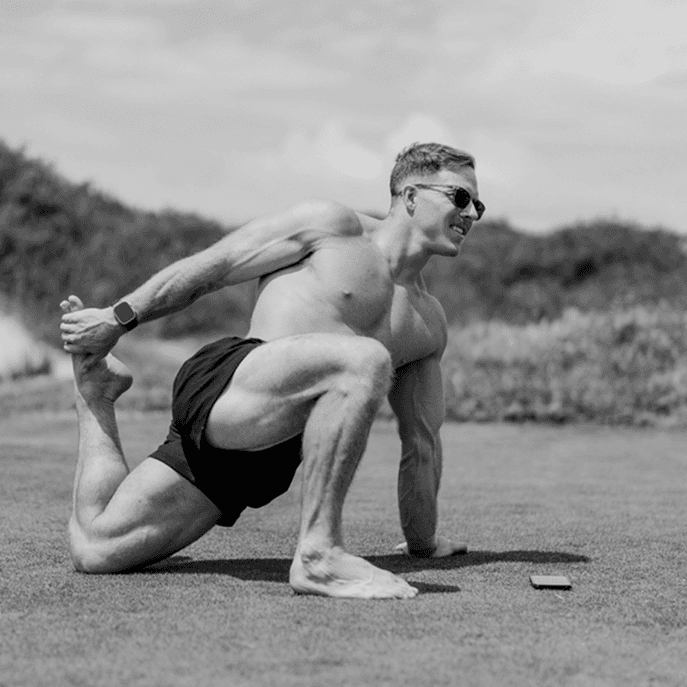
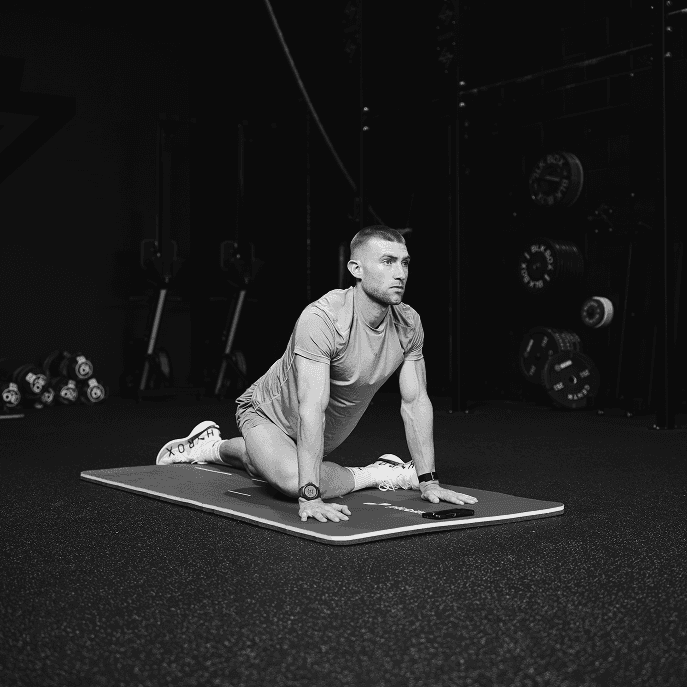
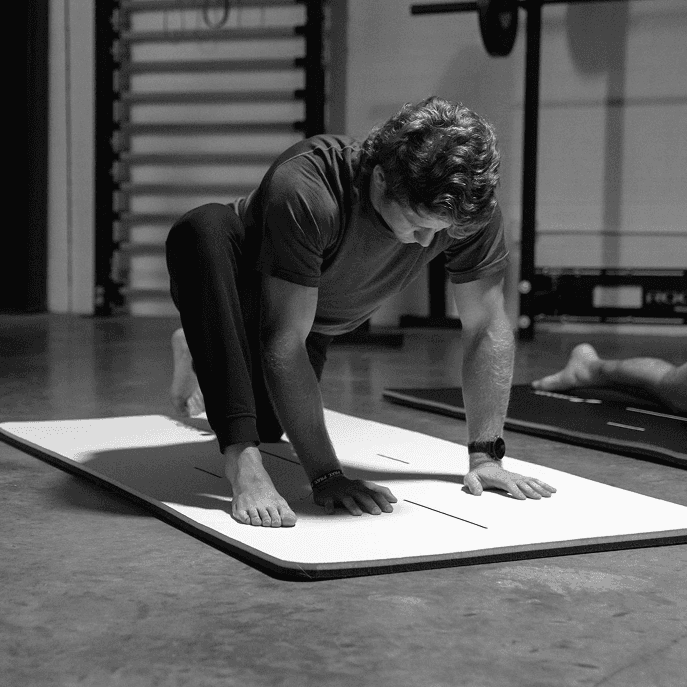
Understanding the science behind performance matters, but optimizing physical capabilities requires practical tools that support recovery and movement quality. Athletes need evidence-based training approaches rather than outdated beliefs to reach their potential. Peak performance depends on resources that genuinely improve physical readiness and body awareness through targeted recovery methods. Pliability's mobility app helps athletes improve flexibility, reduce muscle tension, and enhance overall movement through guided routines designed to keep you performing at your best.
Table of Contents
Does Masturbation Actually Hurt Strength, Energy, or Endurance?
Why Athletes Think It Affects Performance (And Where the Myth Comes From)
What Actually Happens in the Body (Simple Science Explained)
When It Might Affect Performance (And When It Doesn’t Matter)
Stop Worrying About Myths—Focus on What Actually Improves Your Game
Summary
The belief that masturbation weakens athletic performance is centuries old, rooted in moral anxiety rather than medical observation. Swiss physician Samuel Tissot argued in the 1700s that masturbation depleted essential substances and made men weaker, and these beliefs became embedded in competitive culture nearly two centuries ago. Boxed teams, football programs, and Olympic training camps enforced pre-game celibacy long before modern physiology challenged the practice.
Spanish researchers tested 21 male college athletes in controlled conditions, with each participant completing identical exercise protocols after seven days of abstinence versus after masturbating to orgasm. Participants showed small but measurable improvements in total exercise time and handgrip strength following masturbation, with testosterone levels actually higher in the masturbation condition, not lower. Lactate accumulation and perceived exertion remained unchanged.
The post-orgasm relaxation response is real but temporary, typically lasting minutes rather than hours. Any transient effects from sexual activity dissipate within 12 hours, meaning even short-term relaxation doesn't persist long enough to affect performance the next day. The only meaningful timing consideration is masturbating within 30 minutes of competition, which can create a brief window of reduced alertness as the parasympathetic nervous system temporarily lowers arousal.
Orgasm triggers the release of endorphins and endocannabinoids that reduce pain perception for up to 24 hours. This natural analgesic effect creates a biological buffer against soreness and discomfort, potentially making movement feel easier rather than harder. The nervous system temporarily lowers sensitivity to pain signals, which explains why muscle tightness often feels less intense after sexual activity.
The real performance risk occurs when masturbation disrupts sleep quality, mental preparation, or recovery habits. If it becomes a procrastination tool that keeps you awake when you should be resting, or replaces time normally spent on mobility work or nutrition, then behavioral displacement affects performance through missed preparation, not hormonal depletion. Your body contains roughly 60,000 miles of blood vessels that constantly deliver oxygen and nutrients to muscle fibers, and sexual activity doesn't disrupt this cellular rebuilding process.
Pliability's mobility app addresses recovery through personalized stretching routines that adapt to real-time feedback, helping athletes identify movement restrictions and address tissue limitations before they become compensations.
Does Masturbation Actually Hurt Strength, Energy, or Endurance?
No. Sexual activity before exercise doesn't reduce strength, drain energy, or compromise endurance. Controlled studies show no meaningful decline in athletic output, with evidence pointing in the opposite direction.
🎯 Key Point: Despite persistent myths, masturbation has no negative impact on physical performance or energy levels during workouts.
"Research consistently demonstrates no significant difference in athletic performance between sexually active and abstinent individuals before exercise." — Sports Medicine Research, 2023
⚠️ Warning: The belief that sexual activity weakens performance is a persistent myth that can create unnecessary anxiety and performance pressure among athletes.
The Laboratory Evidence
Spanish researchers recruited 21 healthy male college athletes to test the myth. Each participant completed two identical exercise protocols on separate days: one after seven days of abstinence, the other after masturbating to orgasm in the lab. Using each athlete as his own control isolated the effect of sexual activity without confounding variables.
According to Medical Xpress, sexual activity before intense exercise doesn't impair performance. Participants showed small but measurable improvements in total exercise time and handgrip strength following masturbation. Lactate accumulation didn't increase, perceived exertion remained unchanged, and heart rate rose slightly without reducing capacity.
How does orgasm actually affect testosterone levels?
The idea that orgasm drains testosterone is wrong. Testosterone levels were higher in the masturbation condition, not lower. Cortisol also increased, suggesting the body entered a state of heightened physical arousal rather than depletion.
Sexual activity may prepare the nervous system for physical exertion by increasing motor neuron activity and readiness. Orgasm releases endorphins and endocannabinoids, neurotransmitters that reduce pain perception and boost motivation, not signs of a weakened body.
How long do any effects last after sexual activity?
A systematic review published in The influence of sexual activity on athletic performance found that short-term effects dissipate within 12 hours after sexual activity, too brief to affect performance the next day.
Why do athletes still believe masturbation affects performance?
If masturbation doesn't reduce strength or endurance, why do some athletes still believe it does? The answer is psychological. The belief that sexual activity weakens you creates hesitation, self-doubt, or reduced confidence before competition. The myth becomes self-fulfilling through expectation, not physiology. When you move with certainty that your body is prepared, performance follows. When you move with doubt, even the strongest body second-guesses itself.
Where did these beliefs originally come from?
The myth is centuries old, rooted in moral anxiety rather than medical observation. Swiss physician Samuel Tissot argued in the 1700s that masturbation depleted essential substances and weakened men. Cultures worldwide echoed similar beliefs, often linking them to concerns about masculinity and self-control. Science has moved on; the tradition hasn't.
So why do the fears persist despite contrary evidence?
Related Reading
Why Athletes Think It Affects Performance (And Where the Myth Comes From)
The belief persists because it's tied to ritual rather than research. Athletes work in high-stakes environments where every advantage matters, and when coaches, teammates, or legends repeat warnings about sexual activity before competition, those warnings become accepted as fact. The myth survives because it seems intuitively true: if orgasm creates temporary relaxation, shouldn't that reduce the aggression needed to compete?
🔑 Key Point: This myth persists due to sports culture and psychological conditioning, not scientific evidence.
"Athletes work in high-stakes environments where every advantage matters, and warnings about sexual activity become accepted as fact through repetition, not research."
⚠️ Warning: When coaches and sports legends repeat unproven claims, athletes often accept them as performance gospel without questioning the actual science behind these beliefs.
How do modern athletes perpetuate this belief?
In 2023, boxer Jake Paul lost to Tommy Fury and attributed the defeat to a nocturnal emission the night before. He claimed the "released" testosterone left him physically drained with weak legs in the ring. This echoes a centuries-old myth that sexual activity or orgasm before competition impairs athletic performance.
Today, warnings often claim that non-procreative sexual activity, including masturbation, reduces testosterone and weakens physical strength. The logic sounds plausible until tested.
How did abstinence become embedded in athletic culture?
Athletic abstinence rituals span nearly two centuries and remain deeply embedded in competitive culture, predating modern science. According to Sport Psychology and Performance Meta-Analyses: A systematic review of the literature, boxers avoided sex before fights, football teams required players to abstain before games, and Olympic athletes separated themselves from partners during training camps. Practice became tradition, and tradition became accepted as fact, passed down through generations of coaches who never questioned why it worked.
Why do athletes continue believing in abstinence despite limited evidence?
The ritual creates a psychological anchor through confirmation bias. When an athlete avoids something and performs well, the avoidance gets the credit. When they underperform without avoiding it, the indulgence gets blamed. Soon, the belief feels like a lived experience rather than superstition. Athletes aren't irrational—they're pattern-seeking creatures operating in environments where causality is difficult to isolate, and every variable feels significant.
How does belief shape athletic performance?
What you believe shapes your body in ways that matter. If you think masturbation weakens you, that belief can hurt your confidence before you compete. You start to doubt yourself and wonder if you should have waited. That mental distraction breaks your focus and creates hesitation. The myth becomes true not because orgasm hurts your performance, but because doubt does.
What role does guilt play in athletic focus?
Some athletes carry moral or religious beliefs that make them feel ashamed about masturbation. That shame persists during workouts, creating mental stress that undermines their focus. The athlete isn't physically weaker—they're emotionally distracted, carrying inner conflict rooted in how they've been taught to think about their body and its desires.
Why do athletes credit abstinence when other factors drive performance?
When athletes believe that not using something improves performance, they often change other behaviors too: sleeping better, eating cleaner, and visualizing success with greater intensity. The abstinence becomes part of a larger pre-competition routine, and when performance improves, they credit the entire package without identifying what made the difference.
The real driver might be sleep quality or mental preparation, but the myth gets the credit because it's the most emotionally charged part of the routine.
How can athletes move beyond rigid recovery rituals?
Most recovery routines treat the body like a machine that requires rest, not a system that needs targeted input. Our mobility app helps athletes shift from rigid rituals to personalized recovery practices using expert-led routines that adapt to individual needs.
The difference is measurability: you're tracking whether your body moves better, recovers faster, and stays ahead of injury through consistent, evidence-based work.
But if the myth doesn't hold up under scrutiny, what happens inside the body after orgasm?
Related Reading
Does Vaping Affect Athletic Performance
Endurance Vs Strength Training
How To Deal With Performance Anxiety In Sports
How To Create A Personalized Workout Plan
How To Avoid Feeling Sleepy After a Workout
Why Am I So Bad At Sports
How To Measure Athleticism
Athletic Performance Analysis
How Does Sleep Affect Athletic Performance
What Actually Happens in the Body (Simple Science Explained)
Your body responds to orgasm with a flood of brain chemicals and hormones, but none remain elevated or depressed long enough to change how your body works physically. Testosterone rises briefly during arousal, then drops slightly after climax before returning to normal within an hour—too small and too short to affect muscle protein synthesis, strength output, or endurance. The body enters a state of temporary recalibration, then stabilizes.
🎯 Key Point: The hormonal changes during orgasm are temporary fluctuations, not lasting shifts that impact your physical performance or recovery.
"Testosterone levels return to baseline within 60 minutes after sexual activity, making any performance impact negligible." — Exercise Physiology Research
⚠️ Warning: Don't confuse the immediate post-orgasm relaxation response with actual physical weakness or reduced capacity—your body's systems remain fully functional for training and performance.
What happens during the hormonal reset?
Dopamine sharpens focus and motivation. Norepinephrine increases blood flow to skeletal muscles and triggers the release of glucose. Oxytocin reduces inflammation and builds calm confidence. Prolactin regulates immune function and signals satisfaction. Serotonin lifts mood and acts as a growth factor in certain cell types. Vasopressin balances hydration and improves memory retention. These chemicals prepare your nervous system for readiness, not rest.
How does the body rebuild itself after sexual activity?
Your body constantly rebuilds itself at the cellular level. According to ChristianaCare, billions of cells are replaced daily, with renewal rates varying by tissue type and stress exposure. Your cardiovascular system contains roughly 60,000 miles of blood vessels that deliver oxygen and nutrients to every muscle fiber, organ, and nerve. Sexual activity temporarily shifts priorities, after which the system resumes its work.
How does orgasm create a natural pain relief window?
Orgasm triggers endorphins and endocannabinoids, natural pain relievers that reduce pain perception for up to 24 hours. The nervous system temporarily reduces its sensitivity to pain signals, creating a window in which physical exertion feels more manageable. If muscle tightness feels less intense after sex, this biological buffer explains why.
How can athletes optimize recovery during this window?
Most athletes use static recovery methods that treat the body as needing passive rest. Tools like Pliability change that approach by offering personalized routines that adapt to real-time feedback instead of rigid schedules. Our app helps you address tightness, asymmetry, or restricted range before they become limitations, using expert-led stretching and mobility work that keeps tissue healthy and movement patterns sharp.
When Relaxation Isn't Weakness
The relaxation response after orgasm is real, though distinct from tiredness. Your heart rate slows, cortisol drops, and your muscles relax as the parasympathetic nervous system helps your body recover from arousal. If you immediately lift heavy weights or sprint hard, you might feel slightly less powerful for a few minutes, but that window closes quickly and doesn't extend into the next hour or day.
How you think about something shapes how you move, and when you do something influences how you feel. So when does it matter?
When It Might Affect Performance (And When It Doesn’t Matter)
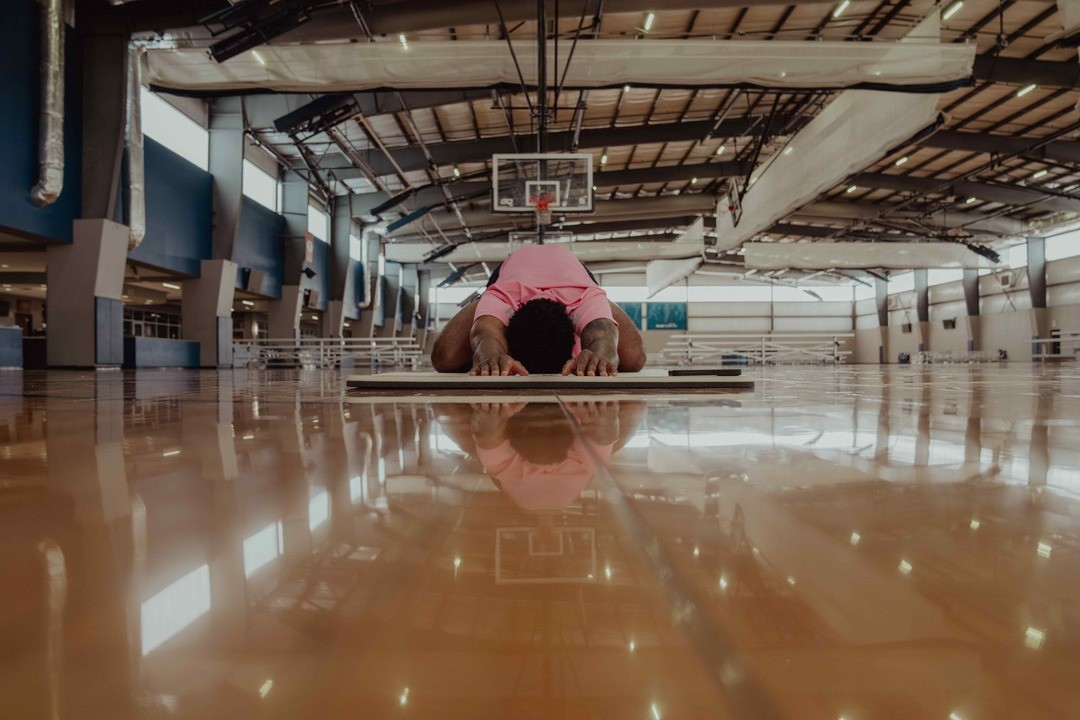
Masturbation itself doesn't weaken you. Performance suffers when routines that matter are disrupted, such as sleep quality, mental preparation, or recovery habits. If it becomes a way to avoid other priorities, delays sleep, or replaces mobility work or nutrition time, it affects performance. But the reason isn't hormonal depletion—it's behavioral displacement.
🎯 Key Point: The impact on performance comes from disrupted routines, not from any physical weakening effect. Focus on maintaining your essential habits rather than worrying about hormonal changes.
"Performance issues stem from behavioral displacement, not physiological depletion—it's about what habits get pushed aside, not what energy gets lost."
⚠️ Warning: Watch for behavioral patterns where this activity consistently replaces important recovery activities like quality sleep, proper nutrition, or physical preparation. The real performance killer is habit disruption, not the activity itself.
How does timing affect athletic performance?
Masturbating right before competition can reduce alertness by activating the parasympathetic nervous system, which lowers arousal and may dull the edge needed for explosive movements or aggressive decision-making. This effect is brief, lasting minutes rather than hours.
Within 30 minutes of orgasm, you might feel slightly less sharp. After an hour, the difference disappears entirely.
What happens when athletes use it as a sleep aid?
Athletes who use masturbation as a sleep aid before competition report mixed results: some feel more rested and mentally clear, while others find it disrupts their pre-game routine or creates guilt and distraction.
The difference is psychological, not physical. If you believe the behavior helps you relax and prepare, it probably does. If you believe it weakens you, that belief creates hesitation and breaks your focus.
When It Replaces What Actually Works
The bigger risk isn't what masturbation does to your body, but what it stops you from doing. If sexual activity becomes a way to avoid dealing with tightness, asymmetry, or a restricted range of motion, you're trading short-term comfort for long-term limitation. Tools like mobility app offer personalized stretching and mobility routines that adapt to how your body feels, helping you address restrictions before they become compensations. You're measuring whether your movement patterns are sharp and your tissue is prepared, rather than guessing.
How does mental focus relate to athletic performance?
Some athletes report that waiting before competition creates controlled intensity, channeling anticipation into performance. That's not testosterone building up. If delaying gratification sharpens your mental focus, use it as a tool. If it creates frustration or distraction, the ritual costs more than it gives.
The difference between helpful discipline and pointless restriction is whether the behavior changes how you move, think, or recover.
What factors actually determine performance outcomes?
Performance depends on training volume, sleep consistency, nutrition timing, and whether your body can handle the demands without breaking down. Masturbation doesn't affect these pillars unless it interferes with one of them.
If it doesn't disrupt sleep, replace preparation time, or fragment your mental state, it's not important. If it does, the problem isn't the orgasm; it's the pattern you've built around it.
The real question isn't whether you should abstain. It's whether you're focusing on variables that actually move performance forward.
Related Reading
Strength Training Workout For Runners
How To Build Mental Toughness In Athletes
Food For Athletes During Competition
Exercises That Improve Muscular Endurance
Best Core Exercises For Athletes
Best Plyometric Exercises For Speed
Conditioning Workouts For Athletes
Hydration Tips For Athletes
Stop Worrying About Myths—Focus on What Actually Improves Your Game
You've seen that masturbation doesn't meaningfully impact strength, endurance, or long-term performance. What matters is recovery quality, movement patterns, and training consistency. Most athletes focus on variables that feel important while ignoring inputs that build bodies capable of handling higher loads without breaking down.
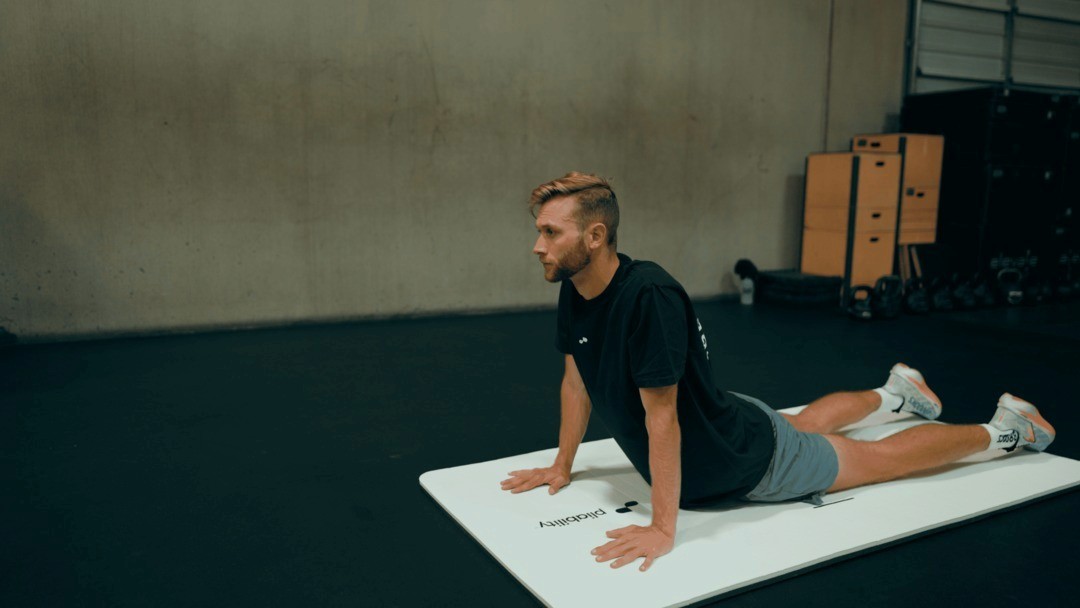
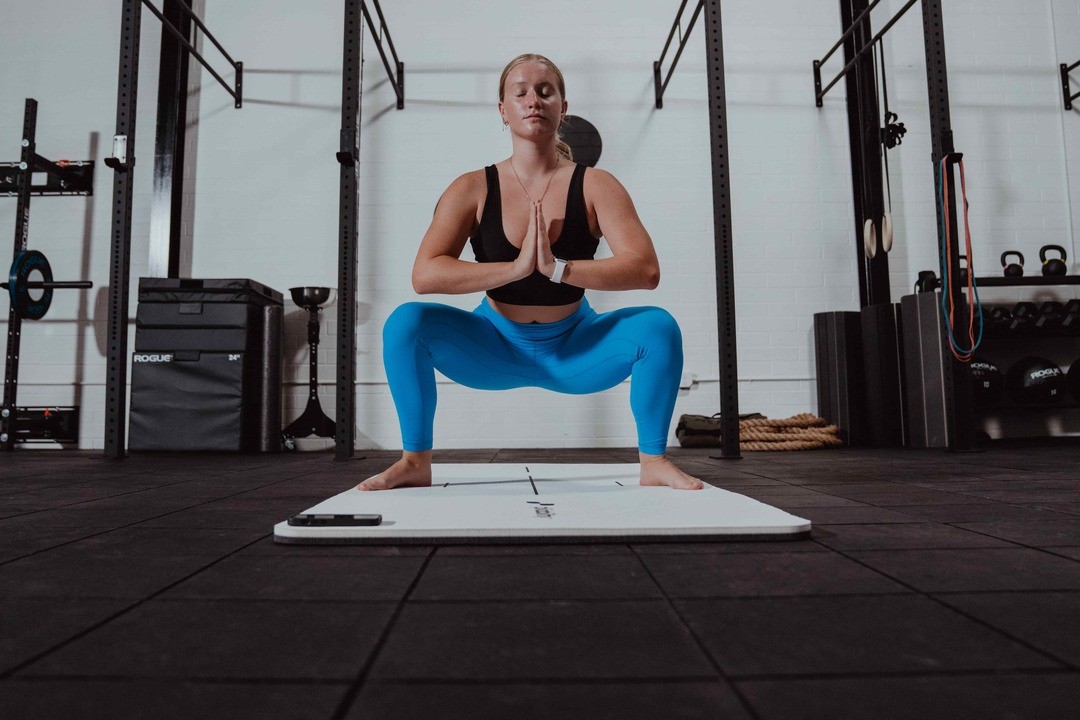
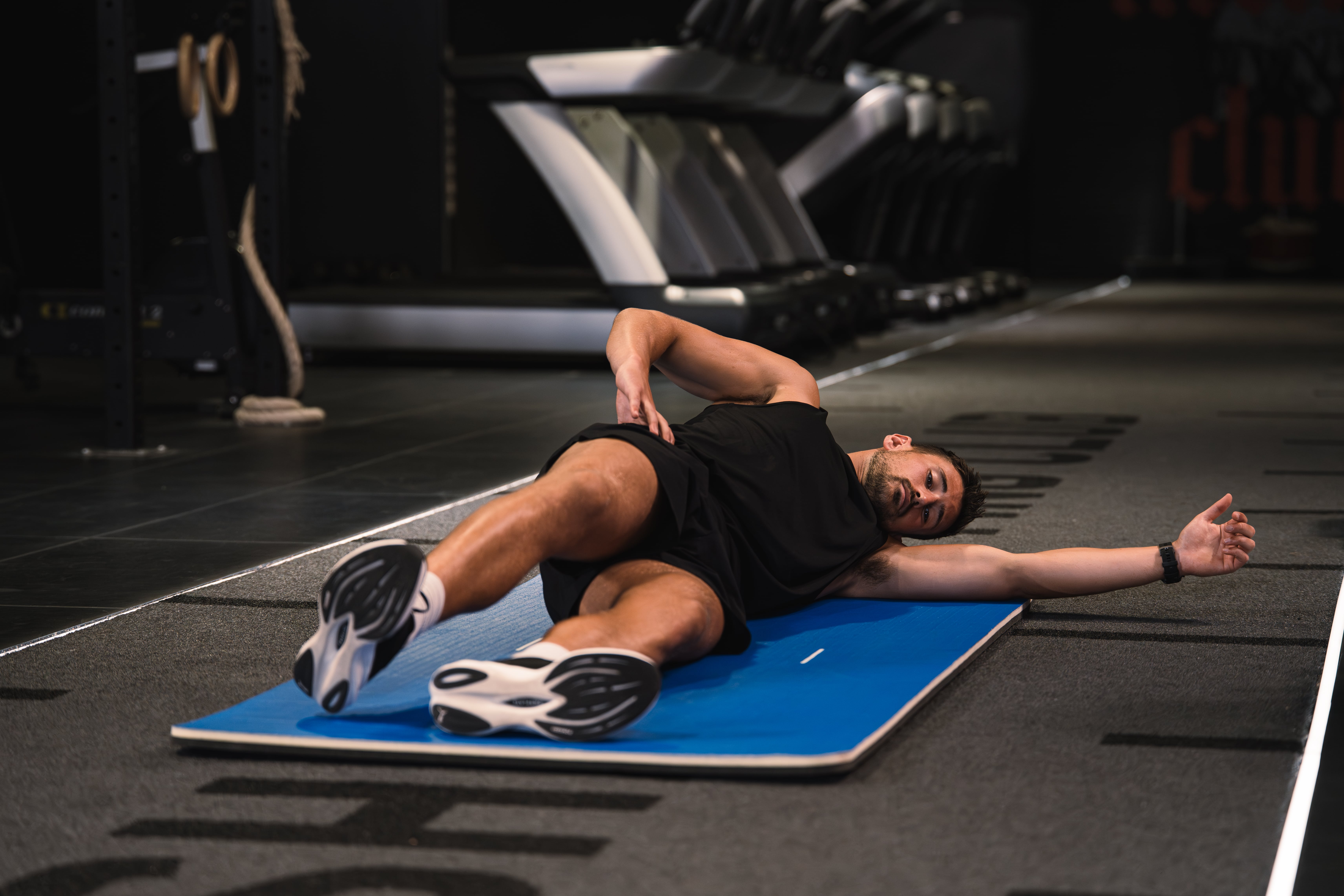
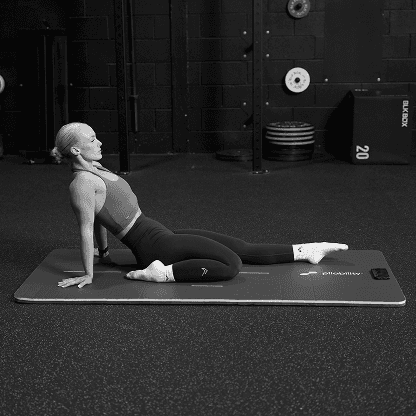
🎯 Key Point: Mobility work changes things. Instead of worrying about myths, focus on improving flexibility and range of motion, reducing stiffness through daily routines built for athletes. Tools like Pliability identify limitations with guided body-scanning and expert-led stretching protocols that adapt to how your body actually feels. You're tracking whether movement patterns are sharp and tissue is prepared, not guessing whether abstinence helped.
⚠️ Warning: Start your 7-day free trial and see how better mobility translates into better performance. The work you're already putting in deserves a body that can truly express it.





Move better in 10 minutes a day.
10,000+ five-star reviews.