


LEARN
Pliability Team
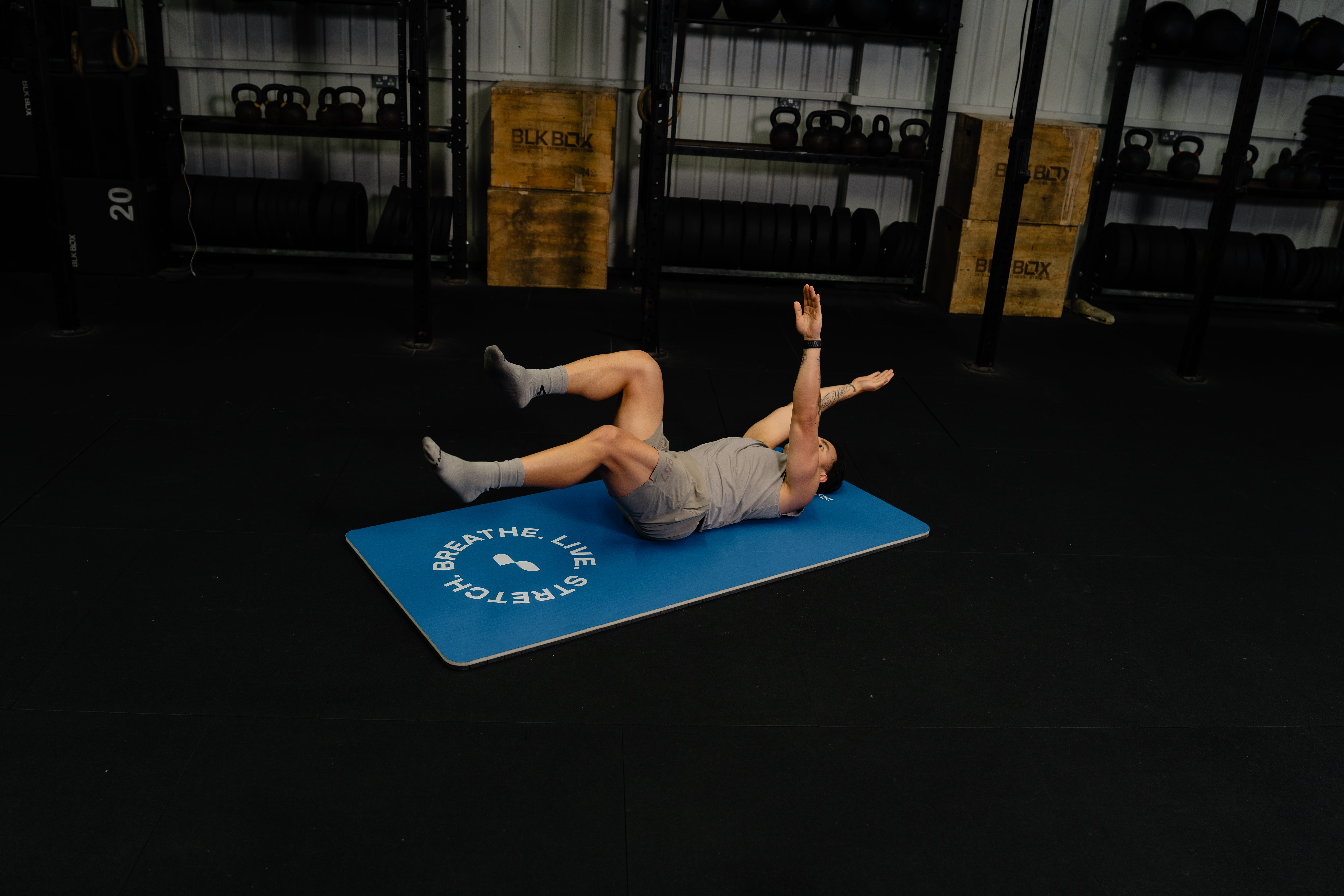
Athletes at every level often sacrifice sleep to squeeze in extra training sessions or manage busy schedules, yet research shows that rest quality directly influences strength gains, reaction time, endurance, and injury prevention. Quality sleep is a powerful recovery tool that many overlook, despite training hard and eating right. Understanding how sleep affects athletic performance helps optimize rest, improve results, and reduce injury risk through evidence-based strategies that work with the body's natural rhythms.
While understanding sleep science matters, putting knowledge into practice requires the right support system. Smart mobility work, combined with proper sleep habits, creates a comprehensive recovery strategy that addresses both physical muscle restoration and mental recovery. By incorporating guided sessions that prepare the body for quality rest and help release muscle tension that can interfere with deep sleep cycles, athletes can enhance their recovery routine with a comprehensive mobility app.
Table of Contents
Why You're Training Harder But Still Not Improving
Can Sleep Improve Your Athletic Performance?
How Sleep Actually Drives Strength, Speed, and Recovery
How to Optimize Sleep to Improve Athletic Performance (Without Training More)
You’ve Fixed Sleep—Now Unlock the Rest of Your Recovery
Summary
Sleep extension to 10 hours per night improved sprint times by 0.6 seconds in controlled studies, according to research on sleep hygiene for athletes. That margin isn't trivial when competitions are decided by fractions of a second. Most athletes target 7 hours because it meets general adult guidelines, but training 4 to 6 days per week elevates recovery demands far beyond sedentary baselines. Your body needs extended time in deep sleep stages to complete muscle protein synthesis, clear metabolic waste, and restore glycogen stores that fuel performance.
Reaction time impairment from 22 hours of wakefulness exceeds the cognitive effects of four alcoholic drinks, according to Harvard Medical School's Division of Sleep Medicine. A single all-nighter reduces reaction times by more than 300%, and recovery requires several days, not one compensatory sleep session. Elite performance operates within millisecond windows where defenders read cuts, goalkeepers track shots, and sprinters respond to starting signals. When cerebrospinal fluid doesn't wash debris from your brain during deep sleep, neural signals weaken, and the gap between recognizing threats and responding to them widens enough to turn clean plays into preventable collisions.
Athletes sleeping fewer than eight hours per night face 1.7 times higher injury risk compared to those meeting sleep thresholds. This statistic from the U.S. Olympic & Paralympic Committee reflects the compounding effects of inadequate recovery, not single-night deficits. Chronic sleep restriction weakens connective tissue resilience, slows neural processing speed, and reduces the attentional focus required to maintain safe movement patterns under fatigue. The injury doesn't stem from physical weakness but from delayed brain processing when mechanics break down during final reps or closing miles.
Stanford basketball players who extended sleep to 10 hours nightly improved free-throw accuracy by 9% and three-point shooting by 9.2% without changing practice structure or adding drills. This demonstrates that adaptation capacity already exists within trained athletes, waiting for adequate sleep architecture to allow expression. The intervention didn't add training stress. It simply provided nervous systems enough time to process existing work, proving that performance plateaus often reflect recovery deficits rather than programming failures.
Major League Baseball plate discipline decreased as seasons progressed, despite players accumulating more practice and at-bats, contradicting the assumption that repetition improves judgment. Mental fatigue from 162-game schedules impaired frontal lobe function, increasing risk-taking behavior and weakening inhibitory control that separates disciplined decisions from impulsive ones. A three-season study of 80 MLB players found linear relationships between daytime sleepiness and career longevity, with higher fatigue levels predicting demotions and earlier career endings.
Pliability's mobility app addresses recovery gaps by offering guided sessions that reduce residual muscle tension while signaling to your nervous system that physical demands have ended, helping athletes fall asleep faster and maintain sleep quality throughout the night.
Why You're Training Harder But Still Not Improving
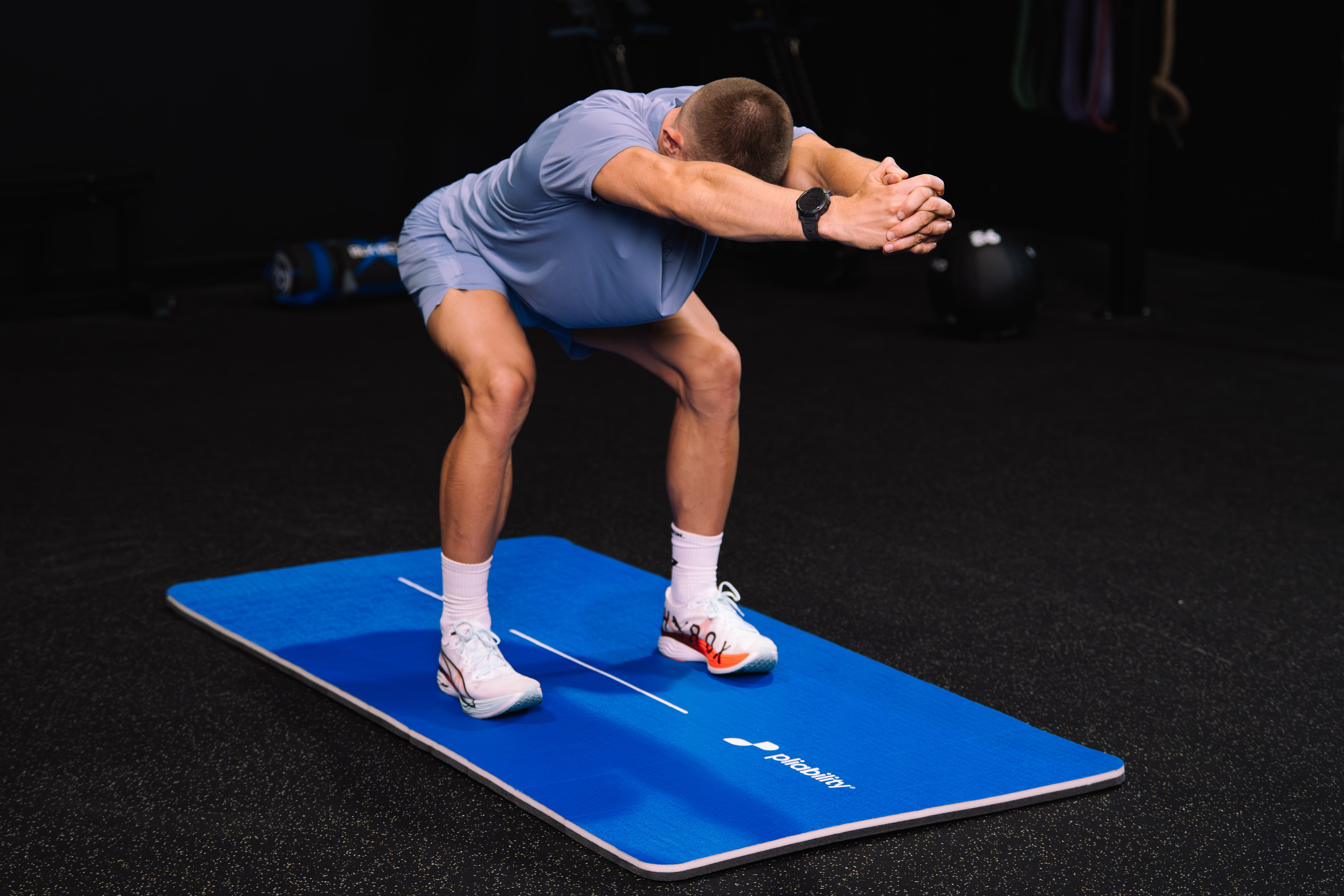
You train consistently, follow your program, and push through fatigue. Yet your lifts stall, your times plateau, and soreness persists. The problem isn't effort or discipline: your body can't adapt to stress without recovery, and athletes often mistake volume for progress until their nervous system stops cooperating.
According to Skybound Gym, 70% of people who work out regularly hit a plateau within 3-6 months. This timeline marks when accumulated fatigue outpaces recovery capacity, shifting your body from building strength to surviving your training schedule.
⚠️ Warning: Training harder without adequate recovery creates a vicious cycle where your nervous system becomes overloaded, leading to decreased performance and increased injury risk.
🔑 Takeaway: The plateau you're experiencing isn't a sign to increase training volume—it's your body's signal that recovery has become the limiting factor in your progress.
What are the hidden signs of overtraining?
Overtraining sneaks up on you through persistent muscle soreness, a resting heart rate five to eight beats higher than normal, and vanishing motivation. You feel tired before workouts start, sleep becomes restless, and your performance drops despite working harder because your central nervous system has stopped believing that rest is coming.
What conditions does your body need for proper recovery?
Recovery doesn't happen on its own. Your body needs the right conditions to repair muscle tissue, balance hormones, and restore glycogen stores: enough sleep architecture, proper nutrition timing, and mobility work that signals an overstressed nervous system it's safe. Without these, you're asking damaged tissue to perform before it's structurally ready.
Why does your body stop adapting when nothing changes?
Progressive overload fails without consistency. If you've squatted 185 pounds for three sets of eight reps for six weeks, your muscles have adapted to that exact workout and stopped growing. Your body is efficient, not ambitious: it won't build strength it doesn't need.
How does movement repetition limit athletic progress?
The same principle applies to movement patterns. Running the same route at the same pace teaches your nervous system to perform that task using less energy. Your cardiovascular system, muscular endurance, and connective tissue stop improving without variation because your body requires new challenges to grow stronger.
What tools help introduce controlled variation into training?
Tools like pliability's mobility app help solve this problem by offering guided routines that add controlled variety to recovery work. Instead of repeating the same static stretches, you get sessions that progress as your mobility improves. This prevents your body from adapting to the same movements and keeps it responding and improving.
How much extra fuel does hard training actually require?
Hard training increases the number of calories and protein your body needs, often more than people expect. Lifting heavy four days each week, plus running twice a week, requires 500–700 extra calories daily to maintain muscle mass. A 200-calorie daily deficit forces your body to choose between fueling workouts and repairing tissue. It will sacrifice growth every time.
What happens when you miss the post-workout nutrition window?
Eating 20–40 grams of protein within two hours after your workout supplies your muscles with amino acids when they're growing fastest. Skipping this window repeatedly breaks down muscle without providing the nutrition needed to heal and strengthen. You may feel stalled, but you're slowly weakening—your hard work masks the decline.
But there's a recovery factor that works while you're sleeping, determining whether your body can effectively use that nutrition.
Related Reading
Can Sleep Improve Your Athletic Performance?
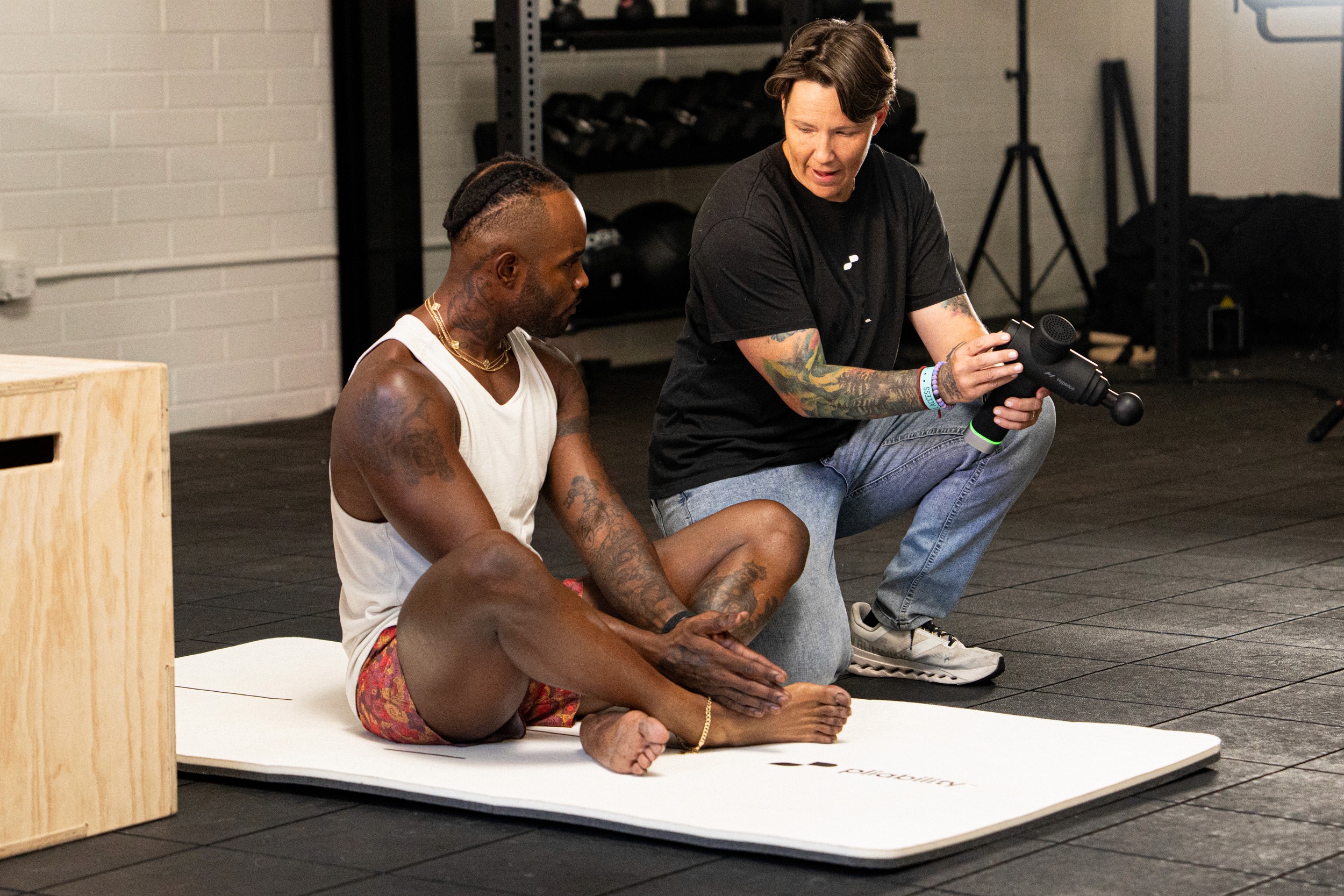
Yes, sleep directly improves athletic performance: speed, accuracy, reaction time, and endurance. According to WebMD, studies show that good sleep enhances these metrics in athletes. Your body performs at the level your training prepared it for.
🎯 Key Point: Sleep isn't recovery—it's a direct performance enhancer that impacts every measurable athletic metric.
Most athletes treat sleep as a luxury while focusing on macros and recovery boots. Yet the Journal of Clinical Medicine recommends 7-9 hours for the best performance, with athletes in heavy training needing 8-10 hours. That extra hour is when adaptation happens—when your nervous system locks in motor patterns and damaged tissue rebuilds stronger.
"Athletes in heavy training need 8-10 hours of sleep for optimal performance, compared to the standard 7-9 hours for general population." — Journal of Clinical Medicine
⚠️ Warning: Treating sleep as optional while obsessing over supplements and gear is like tuning your engine while running on empty fuel.
Sleep Duration | Recommended For | Performance Impact |
|---|---|---|
7-9 hours | General athletes | Standard performance |
8-10 hours | Heavy training athletes | Optimal adaptation |
<7 hours | Not recommended | Decreased metrics |
What do the research numbers actually show?
When Stanford researchers gave basketball players 10 hours of sleep per night, their shooting percentages increased by at least 9% for both free throws and three-pointers. Swimmers achieved faster reaction times, leaving the blocks, and quicker turns. Tennis players who slept 9 hours nightly increased their serve accuracy from 36% to 42%.
These aren't small improvements from special supplements or expensive equipment. This is what happens when you stop fighting how your body naturally works.
Why do athletes still ignore sleep science?
The pattern is consistent across all sports: sufficient sleep before competition yields measurably better results. Yet our culture celebrates early morning workouts and late-night film sessions.
Not getting enough sleep reduces your ability to react quickly and think clearly. You make worse decisions, take unnecessary risks, and your cortisol levels rise. The athlete who believes they perform well on four hours of sleep is measuring against a lower baseline rather than their actual potential.
How does sleep enable muscle recovery and growth?
Your body repairs muscle tissue during deep sleep stages, where growth hormone peaks and protein synthesis accelerates. Without sufficient slow-wave sleep, damaged muscle fibers fail to repair fully, inflammatory markers remain elevated, and your next workout begins from a weaker position.
You're asking tissue that hasn't finished rebuilding to work again, which doesn't build strength but accumulates small injuries that eventually force you to rest through injury.
Why does sleep deprivation hurt athletic performance
Your brain tires faster than your body. Without adequate sleep, your brain cannot process information quickly, make fast decisions, or maintain focus.
Athletes who sleep less than seven hours take more risks, react more slowly, and make worse decisions. These differences matter: they decide whether you can read what a defender is doing or get beaten to the ball, whether you can maintain good form when tired or start using patterns that cause injury.
What happens when you ignore sleep for training
Since sleep converts training stress into adaptation, ignoring it slows progress, explains plateaus despite increased volume, causes persistent soreness, and creates inconsistent performance. The body isn't refusing to adapt; it's being denied the biological conditions adaptation requires.
Why do athletes ignore what works?
The problem is visibility. Training gives you quick feedback: faster times, heavier weights, visible muscle fatigue. Sleep works behind the scenes, helping your body recover, keeping your mind sharp, and enabling adaptation without fanfare. You can't share your sleep quality on social media or compare it with others at the gym. So it gets pushed aside for the work that captures everyone's attention.
How does sleep control athletic adaptation?
Performance isn't about what you do during training—it's about whether your body can process that stimulus and rebuild stronger. Sleep is when your body repairs itself, when growth hormone peaks, and when your brain prunes unnecessary neural connections and strengthens the ones that matter for your sport.
Skip that window consistently, and you're training on incomplete recovery. The work piles up without adaptation, and you plateau despite doing everything else right.
How can mobility work improve sleep quality?
pliability's mobility app helps close this gap by targeting the physical tension and nervous system activation that prevent quality sleep. Structured recovery routines that reduce muscle tightness and signal safety to your nervous system create the physical conditions for deep, restorative sleep.
The combination of mobility work and adequate sleep ensures your body can use the training stress you're applying. But if sleep controls performance this powerfully, and the evidence is this clear, why do so many athletes still treat it as negotiable?
Related Reading
Why Am I So Bad At Sports
How To Avoid Feeling Sleepy After a Workout
Athletic Performance Analysis
Why Am I So Tired After Working Out
Endurance Vs Strength Training
How To Create A Personalized Workout Plan
How To Deal With Performance Anxiety In Sports
How To Measure Athleticism
How Sleep Actually Drives Strength, Speed, and Recovery
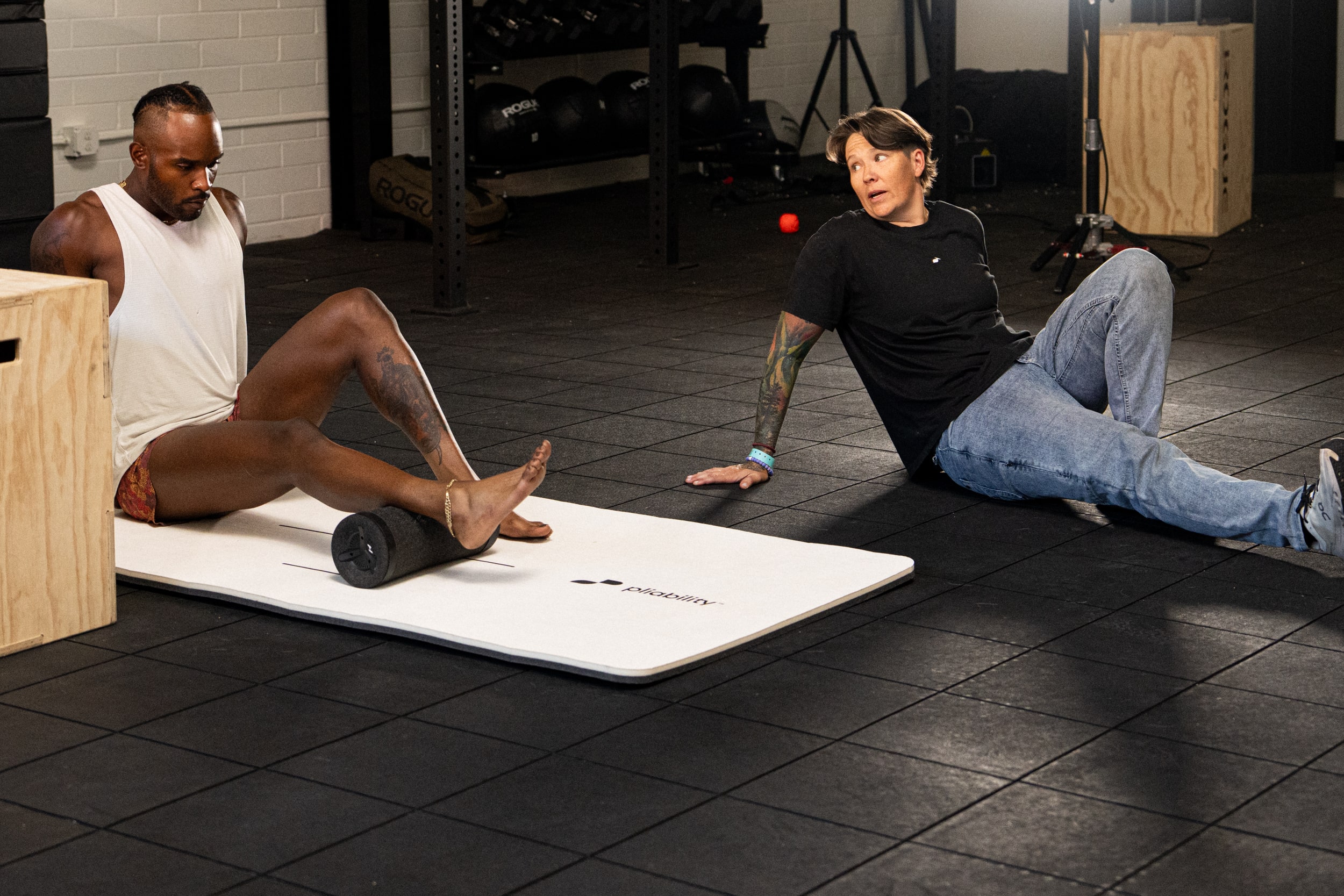
Sleep controls every performance variable athletes care about. Reaction time, power output, accuracy, injury resistance, and decision-making speed improve during sleep, when your nervous system consolidates motor patterns, repairs damaged tissue, and recalibrates the hormonal environment that determines whether tomorrow's session builds on today's work or adds to accumulated fatigue.
According to Sports Health, a sleep duration of 7-9 hours per night is recommended for adults to support recovery. Athletes often fall short due to early training times, travel schedules, and competition demands. The performance cost appears in measurable declines across every system your body uses to compete.
"Sleep duration of 7-9 hours per night is recommended for adults to support recovery." — Sports Health, 2024
🎯 Key Point: Sleep isn't rest—it's when your body actively rebuilds the motor patterns, tissue repair, and hormonal balance that determine tomorrow's performance.
🔑 Takeaway: The performance cost of inadequate sleep affects every athletic system, making sleep quality as critical as training intensity for competitive success.
How does sleep deprivation affect athletic reaction time?
Being awake for 22 hours straight slows your reaction time more than four drinks, according to Harvard Medical School's Division of Sleep Medicine. Sleep deprivation impairs the brain regions controlling decision-making and motor speed, producing effects similar to alcohol intoxication. An all-nighter slows reaction time by approximately 300%, with recovery requiring several days rather than a single night's sleep.
Why do milliseconds matter in athletic performance?
Elite athletes work within milliseconds: a defender reading a cut, a goalkeeper tracking a shot, a sprinter responding to the gun. When cerebrospinal fluid fails to wash debris from your brain's surface during deep sleep, those signals weaken. Your muscles receive instructions more slowly, and the gap between recognizing a threat and responding widens enough to turn a clean play into an avoidable collision.
How does poor sleep increase injury risk during competition?
Athletes who sleep fewer than six hours have sharply elevated injury rates during competition. A University of California study found that young athletes sustained more injuries in games following nights with less than six hours of sleep. A separate analysis of high school athletes showed that sleep hours were the strongest predictor of injuries, even stronger than practice volume. When fatigued, athletes lose the focus needed to maintain awareness in contact sports. A single moment of lost focus at high speed can cause preventable concussions, fractures, or torn ligaments.
How does sleep architecture enable muscle repair?
Your body doesn't rebuild damaged muscle fibers without deep sleep, where growth hormone secretion peaks and protein synthesis accelerates. Athletes need to spend at least 50% of total sleep time in slow-wave sleep for adequate muscle repair.
Without this, tissue remains partially rebuilt, inflammatory markers stay elevated, and the next training session begins from a weakened baseline. Muscles that haven't finished recovering work again, accumulating microtrauma that eventually forces rest through injury rather than choice.
What evidence shows that sleep directly improves athletic performance?
Stanford's sleep extension study demonstrated this clearly. Basketball players who increased sleep to 10 hours per night improved free-throw accuracy by 9% and three-point shooting by 9.2%, while posting faster sprint times. They added no new drills or changed practice structure; instead, they gave their nervous systems sufficient time to process existing work, and performance metrics shifted accordingly.
How does sleep deprivation impact strength training?
Not getting enough sleep significantly reduces strength. Weightlifters tested at John Moores University showed measurable declines in bench press, leg press, and deadlift capacity following restricted sleep, along with increased confusion and fatigue on daily mood assessments. Without adequate sleep, your body cannot complete the biochemical processes that convert training stress into structural adaptation. Sleep determines whether tissue breakdown becomes growth or damage.
How does mental fatigue affect athletic decision-making?
A study of Major League Baseball players found that plate discipline deteriorated as the season progressed. Batters swung at more pitches outside the strike zone despite accumulating more practice and at-bats. Mental fatigue from the 162-game schedule impaired the brain's frontal lobe, increasing risk-taking behavior and weakening impulse control. Sleep loss alters how the brain assesses risk and processes information under pressure.
Can sleep quality predict career longevity in professional sports?
Cognitive decline shortens careers. A study of 80 MLB players across three seasons found a direct relationship between fatigue and career longevity. Players who reported higher daytime sleepiness were more likely to be demoted, go unsigned, or stop playing entirely. The principal investigator noted the correlation was predictive: teams could use sleep science to forecast performance and protect player careers through better fatigue management.
But knowing sleep controls performance and structuring your life to protect it are different challenges.
How to Optimize Sleep to Improve Athletic Performance (Without Training More)
Getting better sleep is the fastest way to improve performance without more training. Poor recovery and adaptation lead to performance breakdown. When you sleep longer and maintain sleep quality, your body completes the repair cycles required by training. You're not adding stress—you're converting the stress you already have into capacity.
🎯 Key Point: Sleep optimization delivers immediate performance gains without requiring additional training volume or intensity increases. Your body uses sleep cycles to consolidate the adaptations from your existing workouts.
"Sleep is the most powerful recovery tool available to athletes—it's when the real training adaptations happen." — Sleep Foundation Research, 2023
⚡ Pro Tip: Focus on sleep duration and sleep consistency as your primary performance enhancers. 7-9 hours of quality sleep will deliver better results than adding extra training sessions to an already fatigued system.
Why do athletes need 8 to 10 hours instead of the standard recommendation?
Most athletes aim for 7 hours because that's the general adult recommendation, but training 4 to 6 days per week increases recovery demands far beyond what sedentary people need. Research published in Sleep Hygiene for Optimizing Recovery in Athletes found that sleeping 10 hours per night for 5 to 7 weeks improved sprint times by 0.6 seconds.
Your body needs more time in deep sleep stages to build muscle protein, clear metabolic waste, and restore glycogen. Aiming for eight hours provides a safety margin. Ten hours during high-volume training blocks prevents chronic sleep deficits that accumulate weekly and eventually force rest through injury or illness.
How does sleep consistency impact recovery quality?
Consistency matters more than occasional weekend sleep-ins. Going to bed and waking up at the same time daily stabilizes your circadian rhythm and improves sleep architecture.
Your body learns when to release melatonin and when to raise cortisol to help you wake up. Irregular sleep schedules reduce the time you spend in slow-wave sleep, even when you get enough total hours.
How do you reduce stimulation before bedtime?
Your body won't shift into parasympathetic recovery mode if it's still processing stimulation from screens, caffeine, or high-intensity decision-making. Reducing blue light exposure two hours before bed allows melatonin to be produced naturally.
Avoiding alcohol prevents the sleep fragmentation that occurs when your liver metabolizes ethanol during the night. While alcohol helps you fall asleep faster, it causes more frequent awakenings and reduces REM sleep, where your brain consolidates motor learning and emotional regulation.
Why does gentle stretching signal recovery to your nervous system?
Gentle stretching before bed reduces leftover muscle tension from training and signals your nervous system that the day's physical demands have ended. Tools like pliability's mobility app offer guided routines pairing breathwork with stretching, creating a structured wind-down that emphasizes recovery over performance.
Athletes who use consistent mobility sessions fall asleep faster and wake less during the night because their bodies release the protective tension that builds up after hard training.
How does travel disrupt your body's natural sleep cycle?
Traveling for competition disrupts your body's natural rhythms more than most athletes expect. Crossing time zones changes when your body wants to sleep, eat, and perform, and it takes roughly one day per hour of time difference to adjust.
Arriving three days early gives your body's clock time to adjust before you need to perform. Competing the night after you arrive means you'll perform while your body is still set to a different time zone, which impairs your reaction time, decision-making, and power output.
Why does poor sleep increase injury risk for athletes?
Athletes sleeping less than 8 hours per night are 1.7 times more likely to have an injury, according to the U.S. Olympic & Paralympic Committee. Insufficient sleep weakens the connective tissue between muscles and bones, slows cognitive processing, and impairs focus on safe movement execution.
The injury happens because your brain couldn't process spatial information fast enough to protect you when your form broke down in the final rep or last mile. Sleep is a critical component of the recovery system your body depends on to maintain performance over time.
Related Reading
Best Core Exercises For Athletes
Exercises That Improve Muscular Endurance
Best Plyometric Exercises For Speed
Food For Athletes During Competition
Strength Training Workout For Runners
You’ve Fixed Sleep—Now Unlock the Rest of Your Recovery
If you're training consistently but feeling tight, tired, or stuck at the same performance level, the issue isn't your program. It's your recovery. Sleep is the foundation, but recovery doesn't end when you wake up. Limited mobility, poor range of motion, and lingering tension can hold back your strength, speed, and overall output.
💡 Tip: Recovery isn't just about sleep—your body needs active mobility work to truly reset and adapt between training sessions.
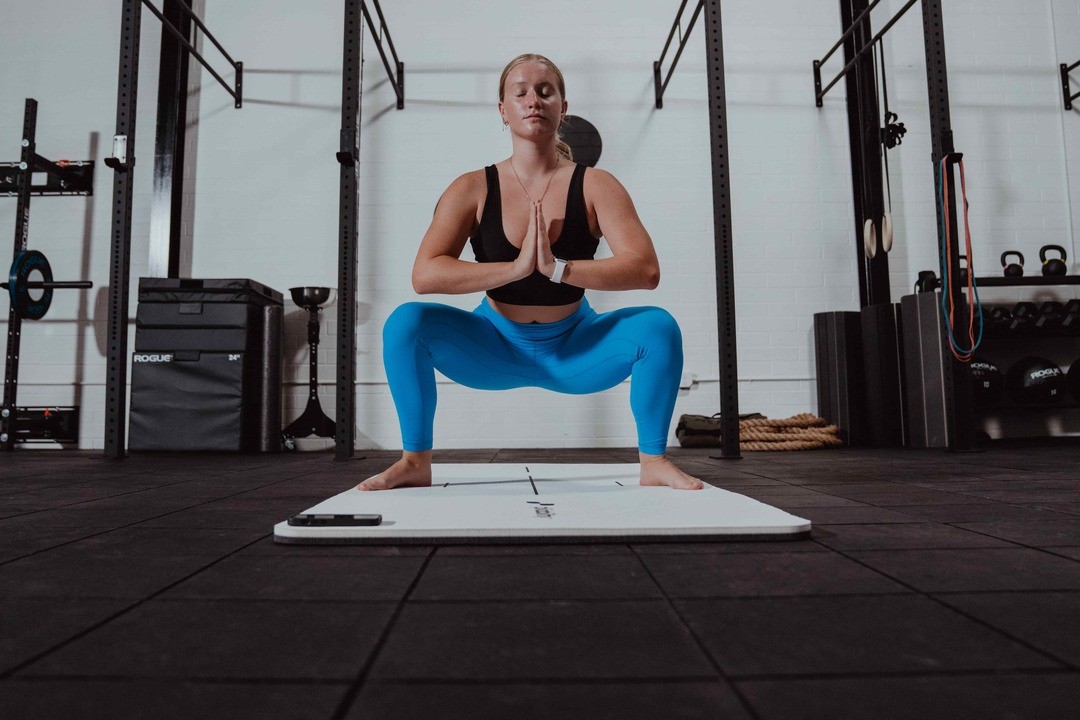
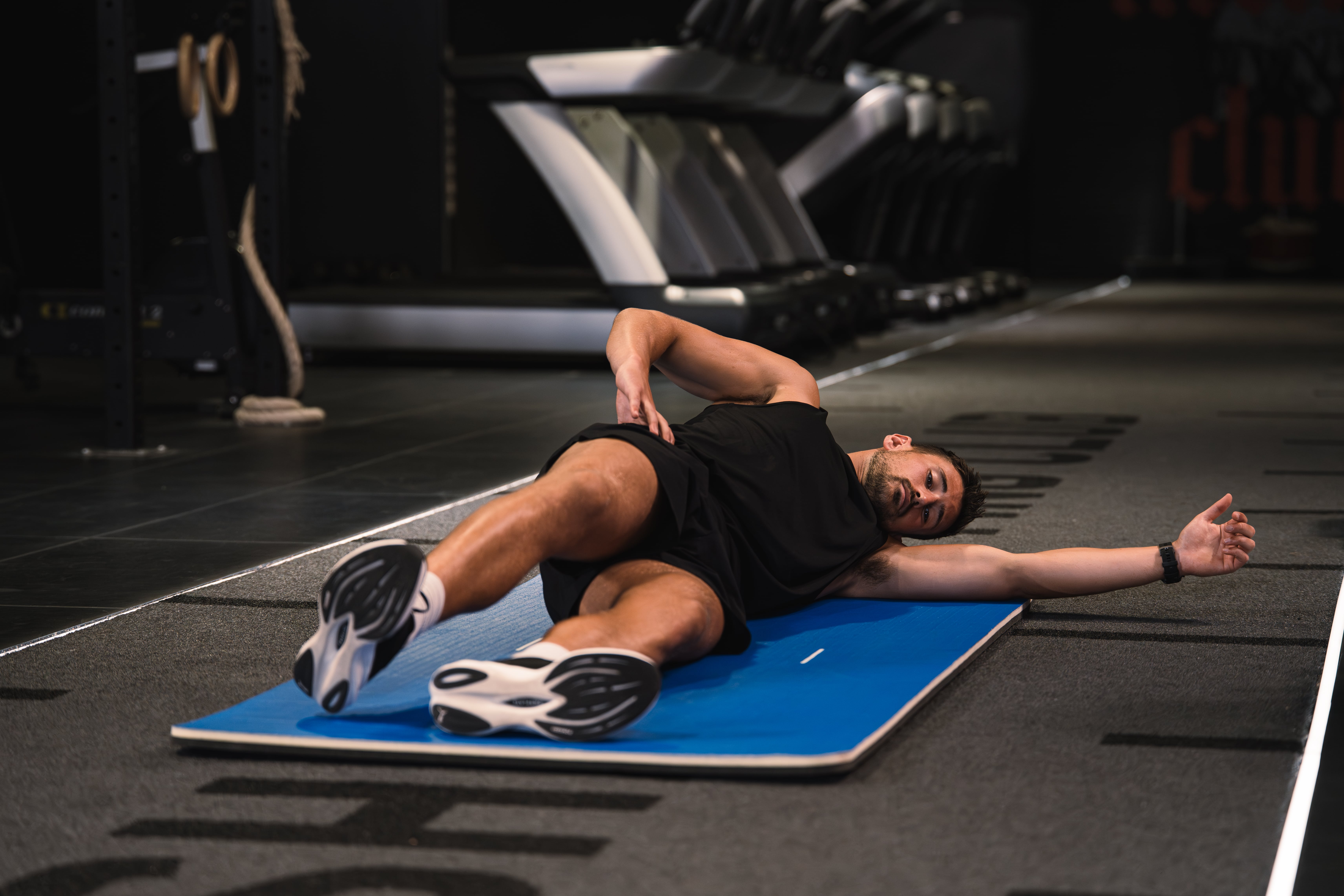
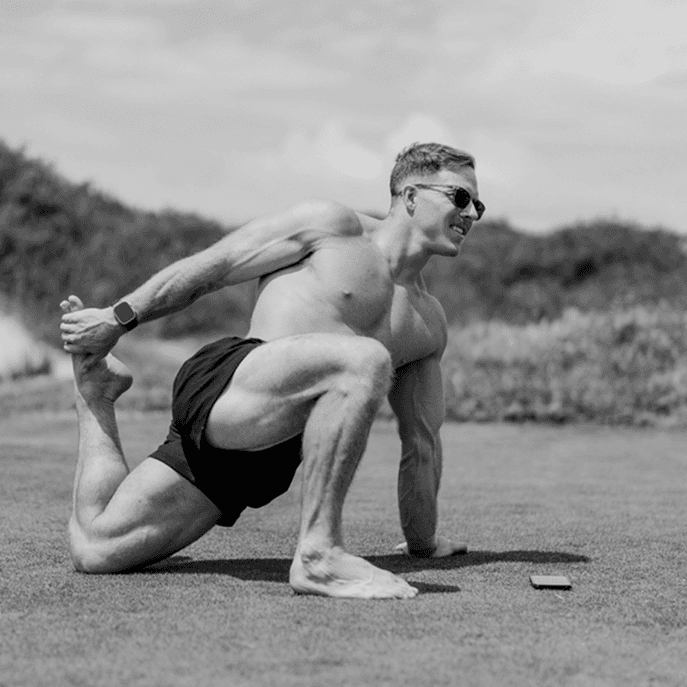
Pliability offers guided mobility sessions in just a few minutes a day, designed to reduce tension, improve movement quality, and help your body shift into the recovery state required for deep, effective sleep. This delivers better adaptation, faster recovery, and consistent performance without increasing your training load.
"Recovery doesn't stop when you wake up—limited mobility and lingering tension can quietly hold back your strength and speed."
🎯 Key Point: True recovery requires both quality sleep AND active mobility work to unlock your body's full adaptation potential.
Get started in under two minutes. Sign up for pliability today and get 7 days free on iPhone, iPad, Android, or web. You'll gain immediate access to personalized routines, guided sessions, and a structured system that turns recovery into a measurable advantage.





Move better in 10 minutes a day.
10,000+ five-star reviews.