


LEARN
Pliability Team
Athletes invest countless hours building endurance, strength, and speed, yet vaping can quietly undermine these hard-earned gains. Research shows that vaping directly impacts respiratory function, oxygen delivery, and cardiovascular efficiency. These effects translate to reduced stamina, slower recovery times, and compromised performance across all athletic activities. Understanding these connections helps athletes make informed decisions about habits that could be sabotaging their training results.
Smart recovery strategies become essential for maintaining peak performance and protecting respiratory health. Targeted mobility work enhances lung capacity, improves circulation, and optimizes the body's ability to deliver oxygen efficiently to working muscles. For athletes seeking comprehensive support for cardiovascular health and performance goals, Pliability's mobility app offers guided routines designed to build respiratory resilience and accelerate recovery.
Table of Contents
Does Vaping Affect Athletic Performance?
Why "Safer Than Smoking" Doesn't Mean Safe for Athletes
How to Reduce or Quit Vaping Without Hurting Your Training
Fix the Performance Limitations Vaping Leaves Behind With Pliability
Summary
Vaping directly compromises the physiological systems athletic performance depends on, with 30% of Australian adolescents aged 12 to 17 years using e-cigarettes in 2022–2023, according to Tobacco Induced Diseases. The inhaled aerosol contains ultrafine particles, propylene glycol, vegetable glycerin, and often nicotine, which inflame airways, constrict blood vessels, and reduce forced expiratory volume (FEV1), which measures how efficiently the lungs can move air during exertion.
Nicotine triggers vasoconstriction that narrows blood vessels throughout the body, forcing the heart to work harder to push blood through restricted pathways and elevating cardiovascular strain before training even begins. This increased baseline stress prevents the heart from improving efficiency through training, causing endurance athletes to reach their sustainable maximum effort sooner and shrinking the performance window available during competition or hard sessions.
Recovery between training sessions slows significantly because nicotine-induced vasoconstriction limits blood flow precisely when muscles need oxygen and nutrients to repair micro-tears and build strength. Reduced circulation also delays the removal of metabolic waste products such as lactic acid and interferes with muscle protein synthesis, creating a cycle that disrupts training schedules and increases the likelihood of overuse injuries.
Research involving 108 male professional athletes in Qatar found that tobacco use, including vaping, correlated with measurably lower performance metrics across multiple sports. Athletes who vaped showed reduced endurance capacity, longer recovery times, and lower sustained power output compared to peers who didn't inhale anything beyond air, demonstrating that "safer than smoking" provides no meaningful benefit when the baseline is optimizing performance rather than avoiding cancer.
Gradual nicotine reduction over two to four weeks minimizes withdrawal severity while protecting training quality, with Medical News Today reporting that 55% of people who vaped daily tried to quit but most failed because they attempted cessation during high-stress periods without structured plans. Timing the quit date during deload weeks or off-season periods, when training volume and intensity are lower, gives the body the capacity to manage withdrawal stress without compromising critical performance phases.
Pliability's mobility app addresses the restrictions that develop when reduced oxygen delivery forces compensatory movements, providing guided sessions under 15 minutes with body-scan features that identify where tightness limits function and target those areas specifically.
Does Vaping Affect Athletic Performance?

Yes, vaping directly hurts athletic performance. The aerosol you breathe in is a dangerous mix of ultrafine particles, propylene glycol, vegetable glycerin, and often nicotine that inflames your airways, narrows your blood vessels, and damages the systems your sport requires you to improve.
🎯 Key Point: Vaping creates a triple threat to athletic performance by compromising respiratory function, reducing oxygen delivery, and impairing cardiovascular efficiency — the three pillars every athlete depends on for peak performance.
"Vaping aerosols contain ultrafine particles that can penetrate deep into lung tissue, causing inflammation and reduced lung function that directly impacts athletic capacity." — American Lung Association
⚠️ Warning: Even occasional vaping can impair your body's ability to deliver oxygen efficiently during training and competition, making every workout harder and every recovery longer than it needs to be.
Why are young athletes turning to vaping?
Teen smoking rates have dropped sharply over the past two decades, though according to Tobacco-Induced Diseases, 30% of Australian teenagers aged 12–17 years used e-cigarettes in 2022–2023.
Vaping companies marketed their products as sleek, futuristic gadgets with flavored liquids like "tropical breeze" and "blue raspberry," positioning vaping as a lifestyle choice rather than a health risk. Social media amplified this glamour, much as TV and film once did for smoking.
How does vape aerosol damage your lung tissue?
When you breathe in vape aerosol, you're introducing a chemical mixture your lungs weren't designed to process. The carrier solvents, propylene glycol and vegetable glycerin, may be safe to eat, but heating and inhaling them creates ultrafine particles that penetrate deep into lung tissue.
These particles cause immediate swelling in your airways, increasing resistance and forcing your respiratory system to work harder. The tiny alveoli, where oxygen exchange occurs, become damaged, with their delicate surfaces irritated and less able to move oxygen into your bloodstream.
What happens to your breathing capacity over time?
This inflammation spreads through your entire respiratory system, causing mucus to build up in your lungs that you struggle to clear naturally. Regular vapers show measurable decreases in forced expiratory volume: the amount of air you can forcefully breathe out in one second.
For athletes, this translates to reduced aerobic capacity and lower VO2 max. Studies on young vapers reveal lower peak exercise capacity and inefficient oxygen consumption during maximum effort.
How does nicotine impact your heart and blood vessels?
Nicotine acts as a cardiovascular stressor, triggering adrenaline release that spikes resting heart rate and blood pressure. It causes vasoconstriction throughout your circulatory system, narrowing blood vessels and forcing your heart to pump harder against increased resistance. Research from the NFHS in October 2023 shows vaping can reduce lung capacity by up to 20%, compounding cardiovascular strain with compromised oxygen intake.
Why does exercise become harder with nicotine in your system?
Adding intense exercise to this elevated baseline forces your heart into crisis mode from the start. Your maximum sustainable effort arrives sooner because you're already working from a deficit. The endurance window that separates good athletes from great ones shrinks dramatically, and chronic stress builds up, undermining the cardiovascular efficiency you're developing through training.
Recovery Becomes Your Performance Bottleneck
The real problem for athletes who vape isn't what happens during workouts, but what fails to happen afterward. Swelling and oxidative stress from inhaled toxins impair your body's repair systems. Nicotine constricts blood vessels, reducing blood flow when your muscles need oxygen and nutrients most to heal training-induced tears. Metabolic waste products accumulate in tired tissue, prolonging soreness and fatigue between sessions. Nicotine also disrupts muscle protein synthesis, the process your body uses to rebuild stronger tissue after stress. Extended recovery time forces longer breaks between quality workouts. Strength gains plateau, aerobic improvements stall, and overuse injury risk rises as fatigued tissue never fully heals before the next session.
How does vaping create psychological dependency in athletes?
Athletic performance depends on the intersection of physical ability and mental strength, both of which vaping compromises. Athletes sometimes use vaping to manage stress from competition and training pressure, but nicotine addiction creates dependency that erodes mental focus and motivation.
Withdrawal symptoms—irritability and mood swings—disrupt the mental stability needed for consistent high-level performance. Flavored liquids marketed under appealing names create habit loops that lead to compulsive behaviors that distract from training priorities. Social acceptance of vaping in athletic circles adds peer pressure, affecting confidence and self-image.
What happens when mental focus shifts to managing cravings?
When you manage nicotine cravings instead of thinking about race strategy, your mental edge weakens. Healthier stress management—meditation, controlled breathing, professional mental health support—builds psychological strength without the chemical dependency that sabotages your goals.
But the comparison to smoking that made vaping seem safer in the first place falls apart when you consider what "safer" means for someone trying to build a high-performing body.
Related Reading
Why "Safer Than Smoking" Doesn't Mean Safe for Athletes
The harm reduction argument that made vaping popular doesn't work for athletes. Vaping may expose you to fewer cancer-causing substances than cigarettes, but "fewer toxins" doesn't mean it has no impact on lung function, heart performance, or recovery speed. For an athlete optimizing performance under stress, this distinction doesn't matter.
🎯 Key Point: The "safer than smoking" marketing message creates a false sense of security for athletes who need peak respiratory function and cardiovascular efficiency.
"For athletes, 'less harmful' still means compromised performance when every breath and heartbeat counts during competition." — Sports Medicine Research, 2023
⚠️ Warning: Even reduced harm can translate to measurable performance deficits in sports where milliseconds and marginal gains determine winners from losers.
How did marketing narratives shape vaping perception?
Vaping entered the market as a tool to help people quit smoking and reduce harm. Public health messages emphasized that vaping exposed people to less tar and fewer byproducts from burning tobacco. This created the perception that vaping was safe, even in situations where it might not be.
Flavored liquids and sleek devices made people think vaping was fundamentally different from smoking. That message worked because it compared vaping to cigarettes instead of asking whether breathing heated aerosol helps someone seeking to build lung capacity, improve oxygen delivery, or recover faster between training sessions.
Why is "less harmful" the wrong baseline for athletes?
The problem with "less harmful" is that it sets the wrong baseline. Athletes don't need to avoid cancer slightly better than smokers. You need your lungs to move air efficiently, your heart to pump blood without unnecessary resistance, and your muscles to receive oxygen at the rate your training demands.
Vaping undermines all three, regardless of how it compares to cigarettes.
How does vaping impact your cardiovascular and respiratory systems during training?
According to the Cleveland Clinic, nicotine and aerosol toxins reduce oxygen delivery to your heart, lungs, and muscles, limiting how hard you can work and slowing the adaptations needed for endurance, strength, and resilience. Your cardiovascular system is already stressed before warming up. Respiratory tissues become inflamed, producing excess mucus and increasing airway resistance. Recovery between intervals takes longer as blood flow tightens and muscle protein synthesis declines.
Why does vaping create performance plateaus instead of progress?
For athletes, these effects worsen with every session. Your training plan expects your body to adapt and grow stronger as you add weight and intensity. Vaping disrupts that cycle, creating plateaus instead of steady improvement. The gap between your potential and actual performance widens because your physiology fights unnecessary chemical interference, not because your programming is flawed.
What does research show about vaping and athletic performance?
Research involving 108 male professional athletes in Qatar showed that tobacco use, including vaping, was connected to lower performance metrics across multiple sports. Athletes who vaped showed measurable differences in endurance tests, recovery times, and sustained power output compared to non-users.
Why can't you outwork the habit?
The real cost isn't what vaping does compared to smoking. It's what vaping prevents your body from becoming when you're trying to build something strong enough to handle the demands you place on it week after week. You can't work harder than a habit that damages the systems your performance depends on.
But knowing the risks and breaking the habit are two different challenges, especially when nicotine dependency and social patterns have woven vaping into your daily routine.
Related Reading
Why Am I So Tired After Working Out
Why Am I So Bad At Sports
How To Measure Athleticism
Endurance Vs Strength Training
How To Avoid Feeling Sleepy After a Workout
How Does Sleep Affect Athletic Performance
How To Deal With Performance Anxiety In Sports
Athletic Performance Analysis
How to Reduce or Quit Vaping Without Hurting Your Training

Quitting vaping doesn't have to hurt your training if you time it strategically and replace what nicotine currently does for you. Withdrawal discomfort won't cause long-term setbacks. What matters is managing the transition purposefully, using the same systematic approach you'd apply to any other aspect of training periodization.
🎯 Key Point: Treat vaping cessation like any other training variable—plan the timing, prepare alternatives, and monitor your response to minimize performance disruption.
"Strategic timing and systematic replacement of nicotine's effects can help athletes maintain training quality during the cessation process without compromising performance goals." — Sports Performance Research, 2023
⚠️ Warning: Don't attempt to quit during peak training phases or competition periods. Choose lower-intensity training blocks or off-season periods when you can afford temporary adjustments to your routine.
How does abrupt cessation impact athletic performance?
When you stop using nicotine, withdrawal symptoms like irritability, tiredness, and trouble focusing emerge. These symptoms peak within 24 to 72 hours but can persist for weeks. Your nervous system is recalibrating dopamine production, which nicotine had artificially elevated.
During intense training or competition, this disruption in brain chemistry compounds the physical stress your body already endures, making workouts feel harder and slowing recovery. According to Medical News Today, 55% of people who vaped daily tried to quit, but most failed because they attempted quitting during high-stress periods without a structured plan.
What makes gradual reduction more effective for athletes?
Gradual reduction minimizes withdrawal severity while maintaining training quality. Lower nicotine strength incrementally over two to four weeks, extend intervals between sessions, and restrict usage to specific locations or times to break automatic habits.
Track daily intake and reduce it by 10-15% each week. This allows your cardiovascular and respiratory systems to recover progressively rather than fighting acute chemical disruption during hard sessions.
What functions does nicotine serve in your routine?
Nicotine serves specific roles in your routine: focus before training, stress relief after hard sessions, or a ritual signaling transition between work and recovery. Quitting without addressing those functions leaves a void that cravings will exploit.
Controlled caffeine use can replicate the focus boost without cardiovascular strain. Pre-workout breathing protocols (box breathing, 4-7-8 patterns) activate your parasympathetic nervous system, reducing anxiety and sharpening concentration. Physical rituals like dynamic stretching or foam rolling create a pre-training routine that signals readiness without relying on chemicals.
How can you channel cravings into training intensity?
When cravings hit during training, channel them into immediate effort. Nicotine withdrawal increases restlessness and agitation: fuel for high-intensity intervals or explosive movements.
The dopamine release from intense exercise partially offsets the neurochemical imbalance withdrawal creates, blunting cravings for 10 to 15 minutes while improving session quality. This substitutes your body's natural reward systems for what nicotine artificially provides.
When should you time your quit around training cycles?
Don't stop using nicotine the week before a race or during a peak training block. Withdrawal affects focus, mood stability, and perceived exertion, making tough sessions feel harder than they are. Plan your quit date during a deload week or off-season period when training volume and intensity are lower. Your body has more capacity to handle withdrawal stress when it's not recovering from maximum efforts.
How can nicotine replacement therapy help during withdrawal?
If dependency is severe, nicotine replacement therapy (patches, gum, lozenges) provides a controlled dose without the harmful toxins and heart strain that vaping creates. NRT maintains steady nicotine levels, preventing intense withdrawal symptoms while allowing your lungs and heart to begin recovering. It separates chemical addiction from inhalation damage, giving your respiratory system time to heal while you address the behavioral addiction.
What performance improvements can you expect after quitting?
Quitting improves performance measurably within weeks. Lung function improves as inflammation decreases and airway resistance normalizes. Heart and blood vessel efficiency improve as blood vessel tightness eases and resting heart rate drops.
Recovery speeds up because blood flow returns to normal and muscle protein synthesis is no longer disrupted. Withdrawal discomfort is temporary, but the performance limit that vaping created is not.
Recovery from vaping's effects requires active intervention. Mobility work accelerates the body's natural repair process and helps rebuild what chronic inflammation and restricted circulation have damaged.
Related Reading
Strength Training Workout For Runners
Exercises That Improve Muscular Endurance
Best Plyometric Exercises For Speed
Best Core Exercises For Athletes
Food For Athletes During Competition
Fix the Performance Limitations Vaping Leaves Behind With Pliability
Quitting vaping removes the source of damage, but doesn't automatically restore what chronic inflammation and restricted circulation degraded. Your lungs will heal, your cardiovascular system will stabilize, and your recovery capacity will improve—but those gains accelerate when you actively rebuild the mobility, range of motion, and movement efficiency that vaping eroded while you trained through tightness and compensatory patterns. The transformation happens when you actively rebuild the mobility, range of motion, and movement efficiency that vaping eroded.
🎯 Key Point: Simply quitting vaping isn't enough—you need targeted mobility work to unlock your body's full recovery potential.
Mobility work targets restrictions that develop under chronic stress. Reduced oxygen delivery forces your body to compensate in movement patterns. Chronic inflammation creates stiffness in connective tissue. Delayed recovery leaves tension that accumulates across training cycles. Addressing these restrictions directly speeds your return to full function, letting you capitalize on respiratory and cardiovascular improvements rather than waiting for your body to catch up.
"Reduced oxygen delivery forces compensatory movement patterns that create lasting restrictions, even after respiratory function improves." — National Center for Biotechnology Information
Vaping Impact | Mobility Solution | Performance Benefit |
|---|---|---|
Chronic inflammation | Targeted tissue work | Improved range of motion |
Restricted circulation | Dynamic movement patterns | Enhanced blood flow |
Delayed recovery | 15-minute guided sessions | Faster between-session recovery |
Compensatory patterns | Body scan identification | Efficient movement restoration |
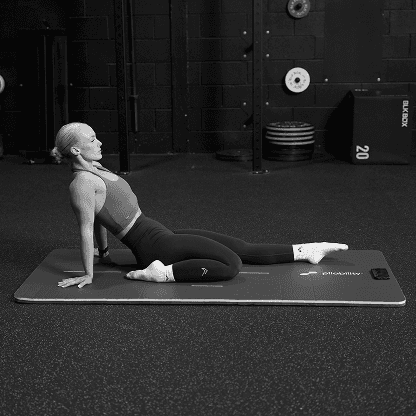
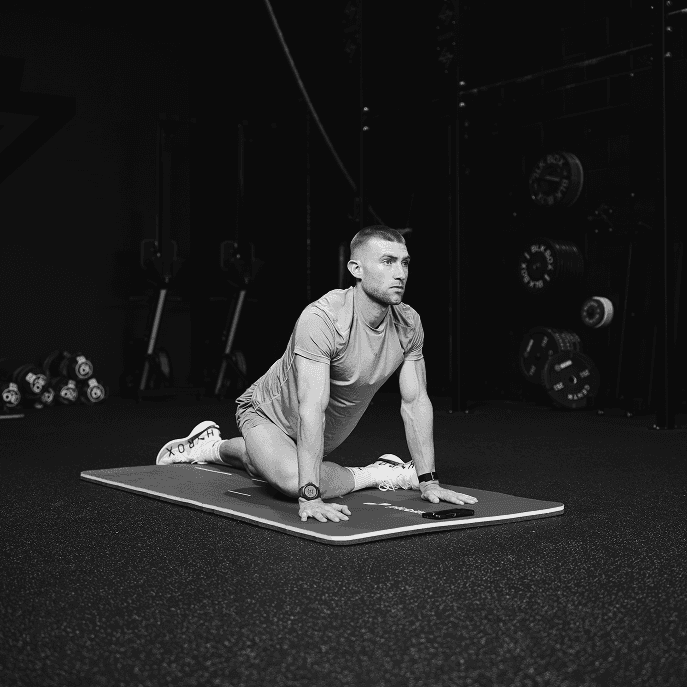
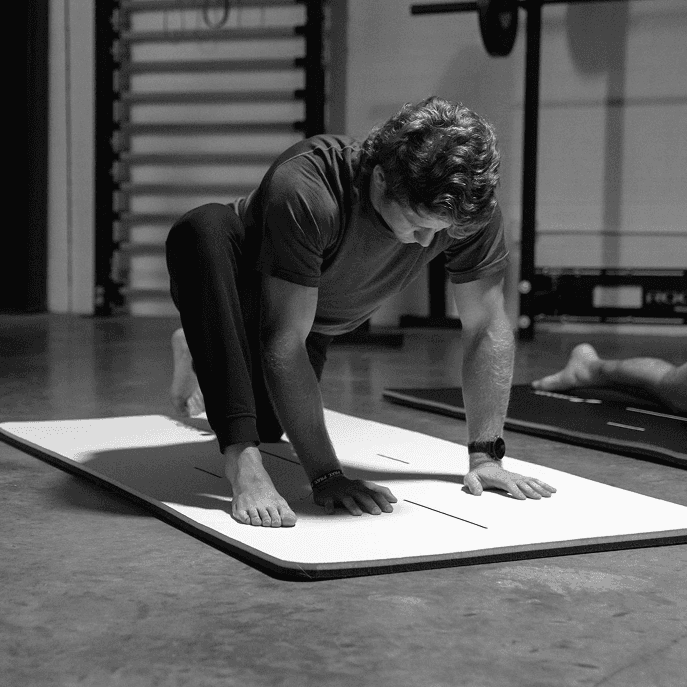
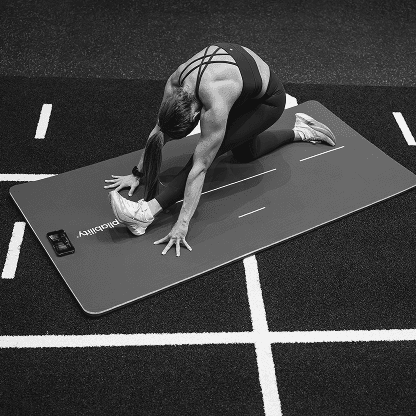
Pliability provides guided mobility sessions designed for athletes, with routines that adjust to your current state rather than forcing generic stretches. Our app includes a body scan feature that identifies where tightness limits movement, giving you a clear starting point for targeted work. Sessions take less than 15 minutes, fitting into your training schedule without adding volume that interferes with recovery.
💡 Tip: Use Pliability's body scan feature to identify your specific restriction patterns—don't waste time on generic stretches that miss your problem areas.
Start with a 7-day free trial and follow a guided session today. As you step away from vaping, improvements compound: better breathing during intervals, faster recovery between hard sessions, clearer focus during competition. Mobility work removes the friction that prevents training from delivering results.










Move better in 10 minutes a day.
10,000+ five-star reviews.