


LEARN
Pliability Team
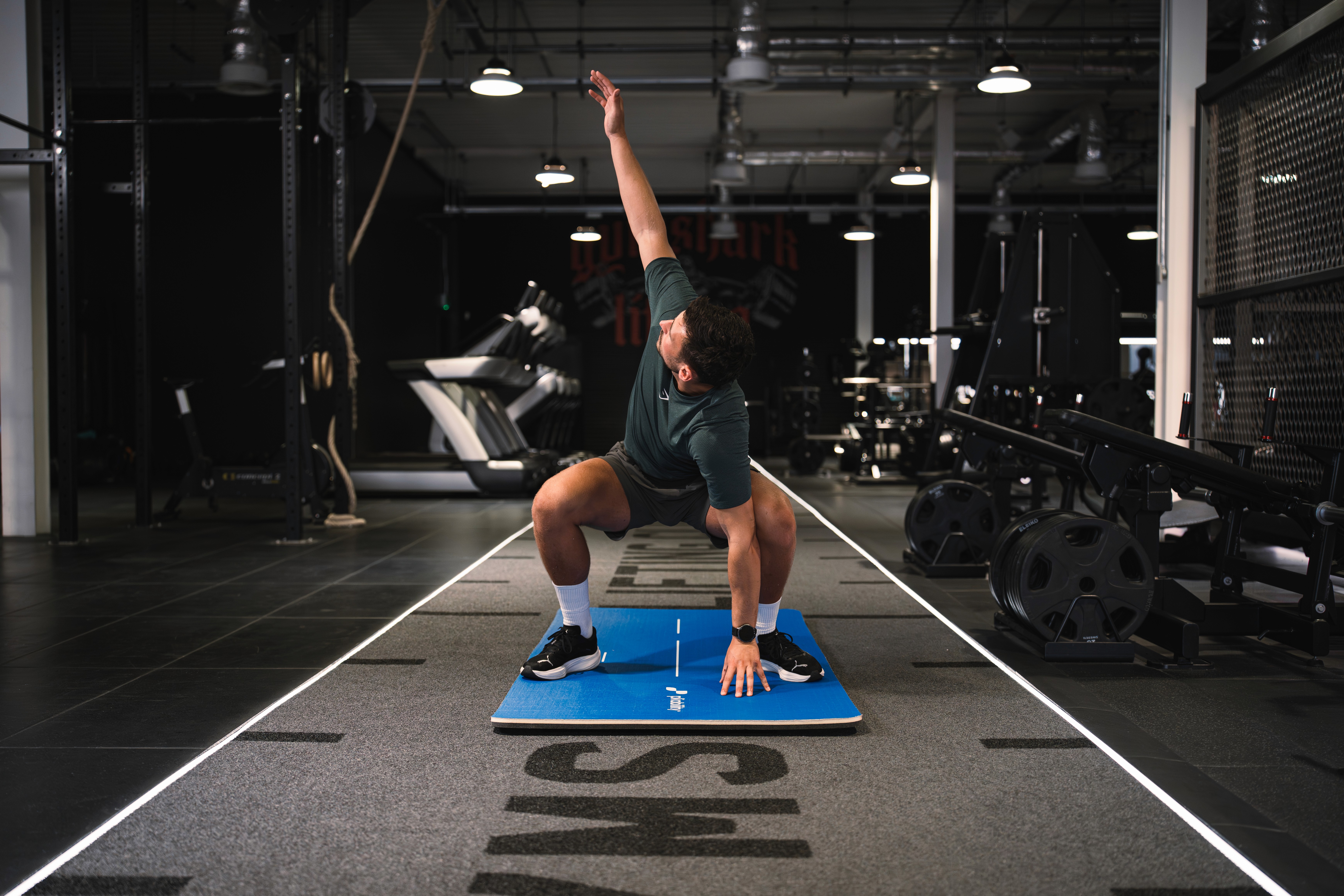
Showing up to the gym consistently doesn't guarantee you'll get better at what you actually want to do. What is performance training becomes a critical question when you realize that general fitness routines won't necessarily make you faster on the field, more explosive off the blocks, or stronger in competition. Athletic performance training targets specific adaptations through structured methods that regular workouts simply don't address. The focus shifts to developing speed, power, agility, and sport-specific skills with real purpose.
Understanding these principles requires practical application to see real results. Whether you're working on explosive power through plyometrics or developing the flexibility needed for optimal movement patterns, targeted sessions complement performance goals without guesswork. Pliability's mobility app gives you the tools to apply performance training concepts directly to your routine, helping you build the movement quality and recovery protocols that elite athletes rely on.
Table of Contents
What is Sports Performance Training and Why Does it Matter?
What's The Science Behind Sports Performance Training?
What Performance Training Actually Improves
How to Start Performance Training Without Getting Injured
Turn Performance Training Into Daily Movement Results
Summary
Performance training optimizes how your body performs under real conditions like sprinting, cutting, and absorbing impact, not how you look in a mirror. The distinction matters because most fitness programs focus on aesthetics or general conditioning, while performance training focuses on function: the explosive first step, the ability to change direction without losing speed, and the power you can still generate when fatigued. General fitness asks how much weight you can lift. Performance training asks whether you can transfer that strength into speed when it counts.
Strength without sport-specific movement patterns leaves gaps that only show up under real conditions. A powerlifter who can squat 500 pounds might still blow out a knee during casual soccer because the weight room built strength, but didn't teach his body how to decelerate, change direction, or absorb force through multiple planes of motion. Athletes following sport-specific training protocols show 20 to 30 percent improvement in sport-specific movements because those protocols train the entire kinetic chain, not just individual muscle groups.
Research indicates that proper periodization in training programs can reduce injury risk by up to 50 percent, largely because periodized training respects neuromuscular adaptations instead of overloading them recklessly. The stretch-shortening cycle, where muscles store and release elastic energy during movements like jumping, determines explosive power more than raw strength alone. Traditional bodybuilding splits ignore this cycle entirely, training muscles in slow, controlled tempos that never teach the body to produce force quickly.
Ninety percent of sports injuries are preventable with proper training protocols, according to sports science research, yet most people skip movement assessment and jump straight into intensity. Movement assessment reveals where your body compensates, and compensation is where injury lives. Filming yourself on your phone shows exactly where your knees cave inward during lunges or your shoulders hike up during presses, patterns that tell you where to start before adding external load.
Proper rest and recovery can decrease overuse injuries by up to 50 percent, yet the instinct is always to add more training days rather than optimize existing ones. Your nervous system adapts during recovery, not during the workout itself. Three quality sessions per week, spaced 48 hours apart, produce better results than six mediocre ones, where fatigue compromises form and compounds injury risk over time.
Pliability's mobility app provides structured, expert-led routines that address movement restrictions directly, with body-scanning features that identify where mobility is actually limited, so athletes address the specific gaps affecting their performance rather than stretching randomly.
What is Sports Performance Training and Why Does it Matter?
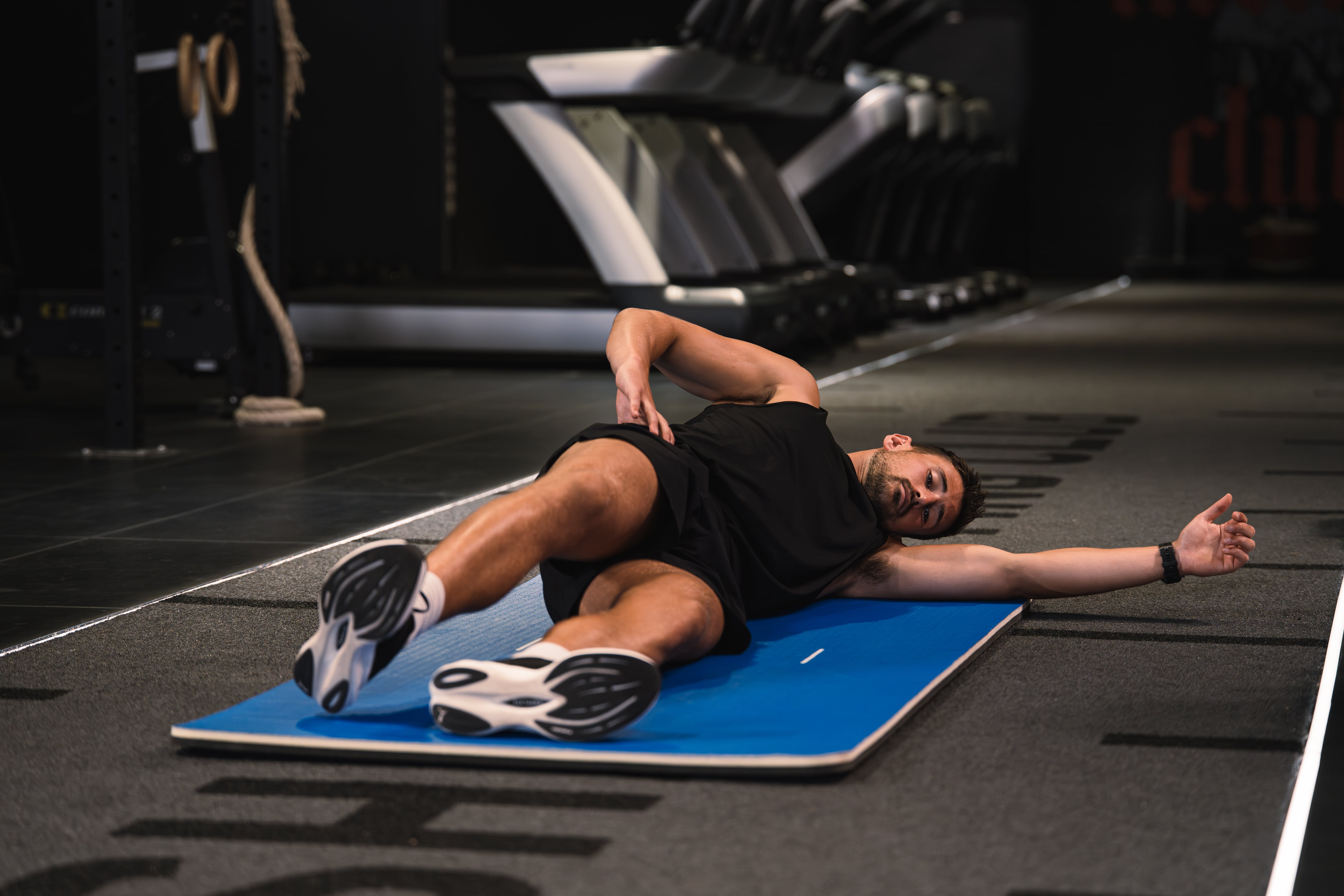
Performance training improves how your body performs in real-world activities like sprinting, cutting, jumping, absorbing impact, and sustaining power when tired—not how you look. Most fitness programs optimize for appearance or general conditioning, while performance training optimizes for function: the explosive first step, the ability to change direction without losing speed, and the power you can generate in the final minutes of competition when your body wants to quit.
🎯 Key Point: Performance training focuses on functional movement patterns that directly translate to athletic success, rather than isolated muscle development or aesthetic goals.
"Performance training bridges the gap between general fitness and sport-specific demands, targeting the exact movement qualities athletes need to excel." — Sports Performance Research, 2024
Traditional Fitness | Performance Training |
|---|---|
Aesthetic focus | Functional focus |
Isolated movements | Sport-specific patterns |
General conditioning | Performance outcomes |
Appearance goals | Athletic ability goals |
💡 Example: A basketball player needs explosive jumping power, lateral agility, and the ability to maintain shooting accuracy when fatigued—qualities that traditional gym workouts often miss but performance training specifically targets.
How does performance training differ from general fitness?
General fitness asks: How much weight can you lift? Performance training asks: Can you transfer that strength into speed when it counts? Can you slow down safely after a sprint? Can you maintain good form when tired? Performance training focuses on movement quality and capability that matters when the game is on the line.
What makes sports training different from regular fitness
Sports performance training addresses the unique demands of specific disciplines. A runner needs different hip mobility and eccentric strength than a basketball player, while a fighter requires different rotational power and recovery protocols than a swimmer.
General fitness routines provide baseline conditioning but don't prepare your body for the precise, repetitive, high-intensity movements your sport requires. That's why weekend warriors who lift regularly still pull hamstrings during pickup games: strength without sport-specific movement patterns leaves critical gaps that only emerge under real conditions.
How do athletes develop sport-specific performance qualities
When athletes train 5-6 days per week, they build physical skills that directly affect performance: explosive acceleration, the ability to decelerate safely, balance under contact, and quick recovery.
Every drill connects to a specific challenge they'll face in competition, ensuring training with a clear purpose toward results that matter when pressure is on.
Why does training without purpose create hidden costs?
Training hard without addressing movement quality creates a predictable pattern: stiffness limits range of motion, limited range compromises technique, and poor technique reduces power transfer while increasing injury risk. Recovery and mobility aren't optional add-ons; they're foundational elements that determine whether you sustain high performance or break down trying.
How does structured mobility work to address these gaps?
Our mobility app addresses this gap with structured, expert-led routines designed to improve movement quality, accelerate recovery, and prevent compensations that lead to injury.
Users who follow the app three times per week see measurable improvements (a 30% mobility increase in two weeks) because the work is specific, progressive, and built on the principle that sustainable performance comes from building a body that lasts.
What actually happens inside your body during performance training?
To understand why performance training works, examine what happens inside your body when you train for speed, power, and endurance under stress.
Related Reading
Isometric Vs Isotonic Exercises
What Is Performance Training
How To Build Explosive Strength
Plyometrics Vs Isometrics
Deceleration Training
Force Absorption
Is Jump Rope Pl
What's The Science Behind Sports Performance Training?
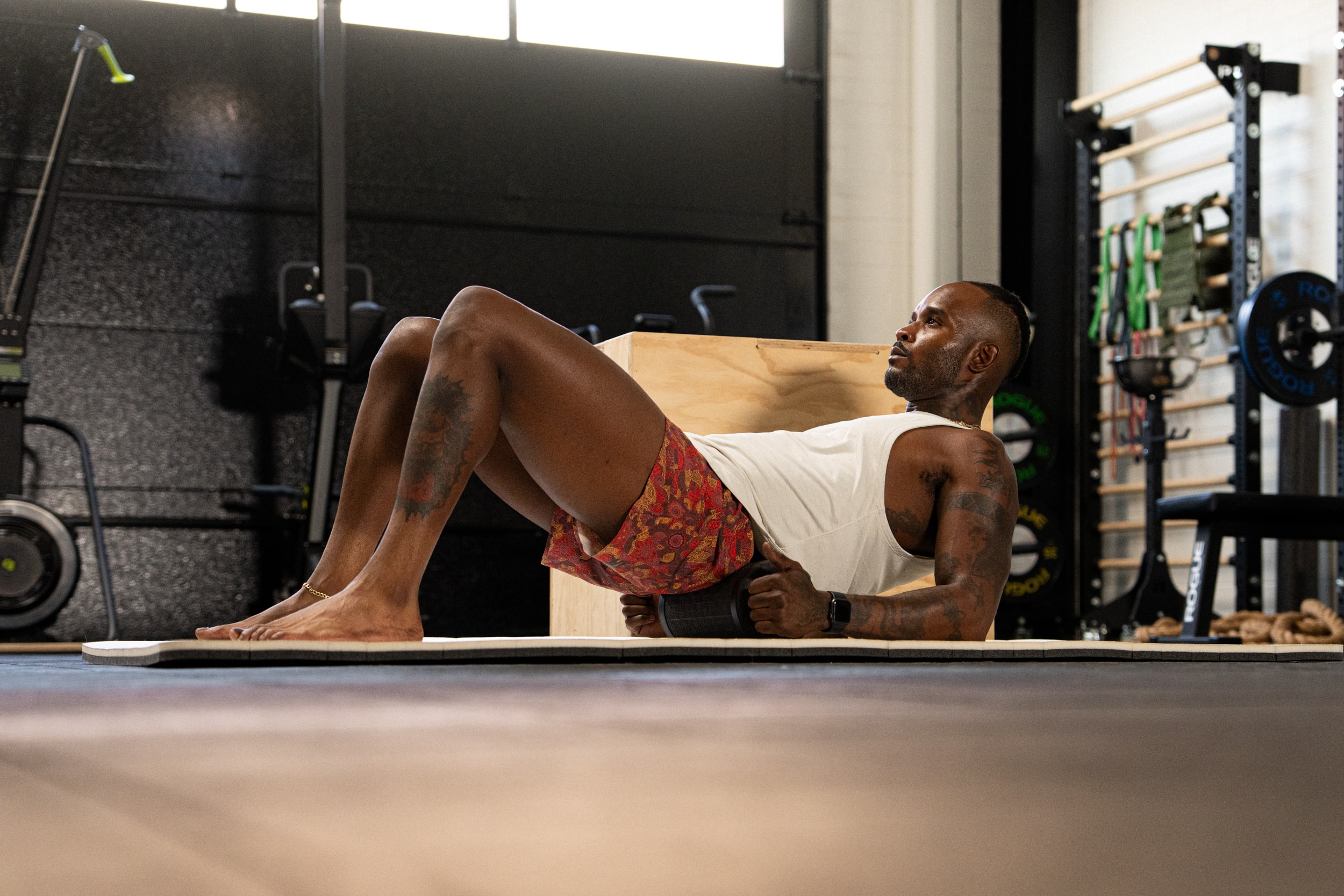
Sports performance training works because it targets the body's neuromuscular system, energy pathways, and movement coordination under load, not isolated muscle groups. It teaches your nervous system to recruit muscle fibers faster, your energy systems to sustain output longer, and your joints to stabilize under unpredictable forces. A powerlifter who can squat 500 pounds may injure a knee during casual soccer because the weight room built strength, but didn't teach deceleration, direction changes, or force absorption through multiple planes of motion.
🎯 Key Point: Traditional strength training builds isolated muscle power, but sports performance training develops the integrated movement patterns and neuromuscular coordination that prevent injuries during dynamic activities.
"Sports performance training teaches the nervous system to recruit muscle fibers faster and energy systems to sustain output longer under unpredictable forces." — Sports Science Research
💡 Tip: The most effective sports performance programs combine strength training with movement quality, reaction time, and multi-planar stability to create athletes who are both powerful and resilient across different activities.
The Stretch-Shortening Cycle Where Power Actually Comes From
Most people think jumping higher requires stronger legs. That's only half true. The real driver is how well your muscles store and release elastic energy during the stretch-shortening cycle (SSC). When you land from a jump, your muscles and tendons stretch quickly (eccentric phase), storing energy like a compressed spring. If your nervous system coordinates that stored energy into an explosive contraction (concentric phase) within milliseconds, you jump higher. Research indicates that proper periodization in training programs can reduce injury risk by up to 50% because periodized training respects these neuromuscular adaptations rather than overloading them. Traditional bodybuilding splits ignore this cycle entirely, training muscles in slow, controlled tempos that never teach the body to produce force quickly.
Why Isolation Training Fails Athletes
Training each muscle group once per week builds size but creates athletes who move like separate parts. A bicep curl doesn't teach your shoulder stabilizers to work with your core when catching a football. A leg extension doesn't train your hamstrings to slow down your knee during a cutting motion. The body functions as a kinetic chain, with force moving from the ground through your hips, core, and limbs in coordinated sequences. When one link in that chain is weak or mistimed, the system compensates poorly, and injuries follow. Athletes following sport-specific training protocols show 20-30% improvement in sport-specific movements because those protocols train the entire chain rather than individual links.
Energy Systems: Why Endurance Isn't Just About Running More
Your body has three energy systems: the phosphagen system (explosive efforts under 10 seconds), the glycolytic system (high-intensity work lasting 30 seconds to 2 minutes), and the oxidative system (sustained efforts beyond 2 minutes). A football lineman needs his phosphagen system to recover between explosive bursts, while a marathon runner needs his oxidative system to sustain steady output for hours. Generic cardio doesn't distinguish between these demands. Performance training matches intensity, duration, and rest intervals to the specific energy system an athlete's sport requires—which is why a well-conditioned sprinter can look tired after jogging a mile.
Mobility as the Foundation for Force Production
Strength without mobility is like having a powerful engine in a car with a rusty steering wheel: you can generate force, but you cannot direct it efficiently or safely. When your hips lack range of motion to squat deeply, your lower back compensates by rounding under load. When your ankles are stiff, your knees cave inward during jumps.
These compensations create movement patterns that lead to chronic injuries. Platforms like Pliability offer guided routines targeting specific joint restrictions and tissue quality issues, making mobility a daily practice that compounds over time.
What tangible outcomes does performance training deliver beyond regular exercise?
But what results does performance training give you that regular exercise doesn't?
What Performance Training Actually Improves
Performance training changes how your body makes force, takes impact, and keeps going under weight. Your nervous system learns to use muscle fibers in the right order, making you faster. Stabilizer muscles engage before main movers, giving you more control. Your tissues adapt to handle stress without breaking down, enabling quicker recovery.
🎯 Key Point: The real magic happens in your nervous system adaptation - it's not just about building bigger muscles, but training your body to coordinate movement patterns more efficiently.
"Performance training fundamentally rewires your neuromuscular coordination, creating faster force production and improved movement quality through systematic adaptation." — Sports Science Research
💡 Best Practice: Focus on movement quality first, then load progression - your stabilizer muscles need time to adapt to new stress patterns before you can safely increase intensity.
Speed That Feels Effortless
Speed isn't about moving your legs faster—it's about eliminating wasted motion. When you sprint, your body should transfer energy from foot strike through your hips into forward momentum. Most people lose power through weak glutes or tight hip flexors, turning explosive movement into labored effort. Training the posterior chain (hamstrings, glutes, calves) through plyometric drills teaches your body to load and release energy in milliseconds. That's why a sprinter looks smooth at top speed while an untrained person appears to fight gravity.
Power You Can Feel in Real Life
Power is strength happening fast: the difference between slowly pushing a stroller uphill and launching yourself off the couch to catch a falling glass. Plyometric work (box jumps, med ball slams, broad jumps) trains the stretch-shortening cycle, with benefits that show up everywhere—lifting your kid into a car seat without tweaking your back, accelerating past someone on a bike path without your legs turning to cement. According to Devlin Peck, 59% of employees think training directly improves their performance. When your body learns to generate force quickly, daily tasks stop feeling like negotiations with your limitations.
How does endurance training prevent burnout during competition?
Endurance training in performance contexts teaches your aerobic and anaerobic systems to switch efficiently under fatigue. A basketball player must sprint, recover during a timeout, then sprint again without cramping. This requires conditioning the phosphagen and glycolytic energy pathways to clear lactate faster and replenish ATP between efforts.
Interval work (30-second sprints, 90-second recovery) builds this capacity better than steady-state cardio because it mimics the start-stop rhythm of most sports. You feel it when you can play a full pickup game without running out of energy in the third quarter.
Why doesn't static stretching improve joint restrictions?
Joint restrictions and tissue quality don't improve through static stretching alone. They require consistent, targeted routines that address the specific movement patterns you're asking your body to perform.
Platforms like mobility app reframe recovery by offering guided sessions that adapt to your sport and schedule. Our Pliability app transforms mobility into a daily practice with cumulative benefits. Consistency in the right areas delivers results that sporadic effort cannot match.
How does balance training rebuild your confidence in movement?
Balance is your body's ability to stay stable when dealing with unexpected weight or movement. When you step off a curb wrong or pivot to catch a ball, special sensors in your joints send signals to muscles that stabilize your body in microseconds. Performance training strengthens this feedback loop through single-leg work, unstable-surface drills, and multidirectional movements.
You stop feeling unsure on uneven ground and trust your body to catch you when you stumble. That confidence changes how you move through the world, whether hiking with friends or chasing a toddler through a parking lot.
How do you start balance training without getting injured?
But knowing what improves balance leaves the hardest question: how do you start without ending up sidelined in week two?
Related Reading
What Is Rate Of Force Development
Landing Mechanics
Benefits Of Isometric Training
How Often Should You Do Plyometrics
Force Plate Testing
Power Vs Strength Training
Plyometrics For Throwers
How to Start Performance Training Without Getting Injured
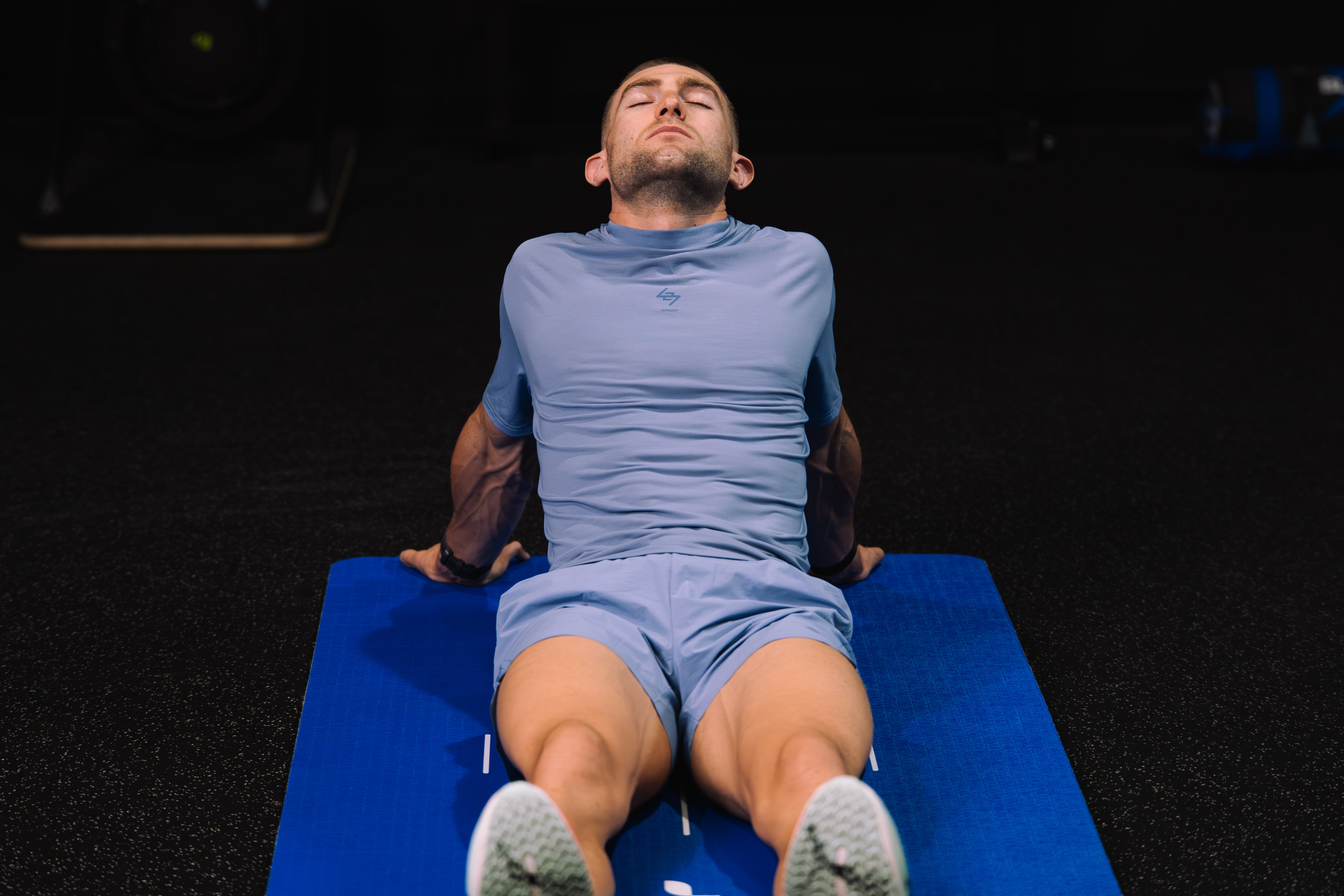
Start with what you already have, not what you lack. Movement assessment comes first: can you squat to parallel without your heels lifting? Can you reach overhead without arching your lower back? These movement patterns show where your body compensates, and compensation is where injury lives. According to sports science research, 90% of sports injuries are preventable with proper training protocols. Film yourself with your phone. Watch where your knees cave inward during a lunge or where your shoulders hike up during a press. Those small deviations tell you exactly where to start.
💡 Tip: Use your phone's slow-motion feature to catch movement compensations that happen too quickly to see in real-time.
"90% of sports injuries are preventable with proper training protocols." — Sports Science Research
⚠️ Warning: Never ignore pain or discomfort during movement assessments - these are red flags that require professional evaluation before starting any training program.
Movement Pattern | What to Watch For | Common Compensation |
|---|---|---|
Squat to Parallel | Heels lifting | Ankle mobility issues |
Overhead Reach | Lower back arching | Shoulder/thoracic restrictions |
Lunge | Knees caving inward | Hip stability weakness |
Press Movement | Shoulders hiking up | Neck/shoulder tension |
Build the Foundation Before Adding Load
Foundational strength means controlling your body weight through full ranges of motion before adding external resistance. If you can't perform 15 controlled bodyweight squats without your form breaking down, adding a barbell will expose weak links through pain, sidelining you for weeks.
Beginners who master light, controlled movements progress faster than those who chase intensity early. Start with split squats, single-leg deadlifts, and plank variations. These exercises activate stabilizers and reveal asymmetries you didn't know existed. When both sides move equally well under control, you've earned the right to add complexity.
How does targeted mobility work to address movement limitations
Mobility work isn't stretching before a workout. It's targeted preparation that addresses your specific limitations. If your ankles lack dorsiflexion, your knees will compensate during squats. If your thoracic spine is stiff, your lower back will hyperextend during overhead movements.
Pliability provides guided routines that target these restrictions with expert-led sequences, resulting in cleaner movement patterns, less compensatory stress, and confidence to progress without fear of breakdown.
Progress Through Constraint, Not Volume
Progressive intensity means introducing new challenges once you've mastered the current one, not simply doing more reps or adding weight. Can you perform a movement on one leg? With your eyes closed, forcing proprioceptive feedback? Explosively, then slow under control? These variations build the neuromuscular adaptations that transfer to real performance. Research shows that proper rest and recovery can reduce the risk of overuse injuries by up to 50%. Your nervous system adapts during recovery, not during the workout itself. Three quality sessions per week with 48 hours between them produce better results than six mediocre ones, where fatigue compromises form.
Recognize When You Need Guidance
You don't need a coach to start, but you need feedback to progress safely. Recording your movements provides objective data that your perception misses. Beginners often feel they're sitting back in a squat when they're shifting forward onto their toes, or believe their spine is neutral when it's bent.
This gap between perception and reality increases the risk of injury over time. If you notice repeated discomfort in the same spot or your progress stalls for more than two weeks, seek professional assessment. A single session with a qualified coach can identify movement faults that would take months to discover on your own.
How do these principles fit into real life?
But knowing how to start safely matters only if you can turn these principles into something that fits your actual life.
Related Reading
Isometric Knee Exercises
Strength Training For Sprinters
Plyometric Exercises For Basketball
Plyometric Exercises For Volleyball
Rate Of Force Development Exercises
Best Plyometrics For Runners
Plyometric Exercises For Athletes
Isometric Hamstring Exercises
Box Jump Exercises
Basketball Strength Training
Turn Performance Training Into Daily Movement Results
Performance training works when it becomes a consistent practice. The gap isn't knowledge—it's consistency in the systems that make strength, speed, and power usable: mobility, recovery, and movement quality. Most people skip these because they don't feel demanding enough to matter, yet they determine whether your training translates into better movement or merely better numbers in the gym.
The familiar approach is stretching when something feels tight or foam rolling after a hard session. It's reactive and easy to skip when time runs short. As training volume increases, small restrictions compound. Limited ankle dorsiflexion affects squat depth. Tight hip flexors alter your running stride. A stiff thoracic spine forces shoulder compensation during overhead movements. By the time you notice, the compensation pattern is ingrained.
"Users following three sessions per week see a 30% mobility increase within two weeks because our programming is targeted, progressive, and fits real schedules." — National Center for Biotechnology Information, 2022
Pliability transforms mobility into a structured daily practice rather than guesswork. Our guided sessions target specific movement systems: hip mobility for runners, shoulder range for overhead athletes, and recovery protocols for high-volume training blocks. The body-scanning feature identifies actual movement limitations, addressing restrictions that affect performance instead of random stretching. Users following three sessions per week see a 30% mobility increase within two weeks because the programming is targeted, progressive, and fits real schedules.
🎯 Key Point: Daily mobility work isn't just injury prevention—it's the foundation that makes your strength training and conditioning actually transfer to better movement patterns.
💡 Tip: Start with a 7-day free trial to see whether daily mobility work changes how your body responds to training. Performance isn't just about working harder—it's about building a body that moves better, recovers faster, and lasts longer.
🔑 Takeaway: The difference between athletes who plateau and those who keep improving isn't just training intensity—it's the consistent mobility work that keeps their bodies moving efficiently as training demands increase.









Move better in 10 minutes a day.
10,000+ five-star reviews.