


LEARN
Pliability Team
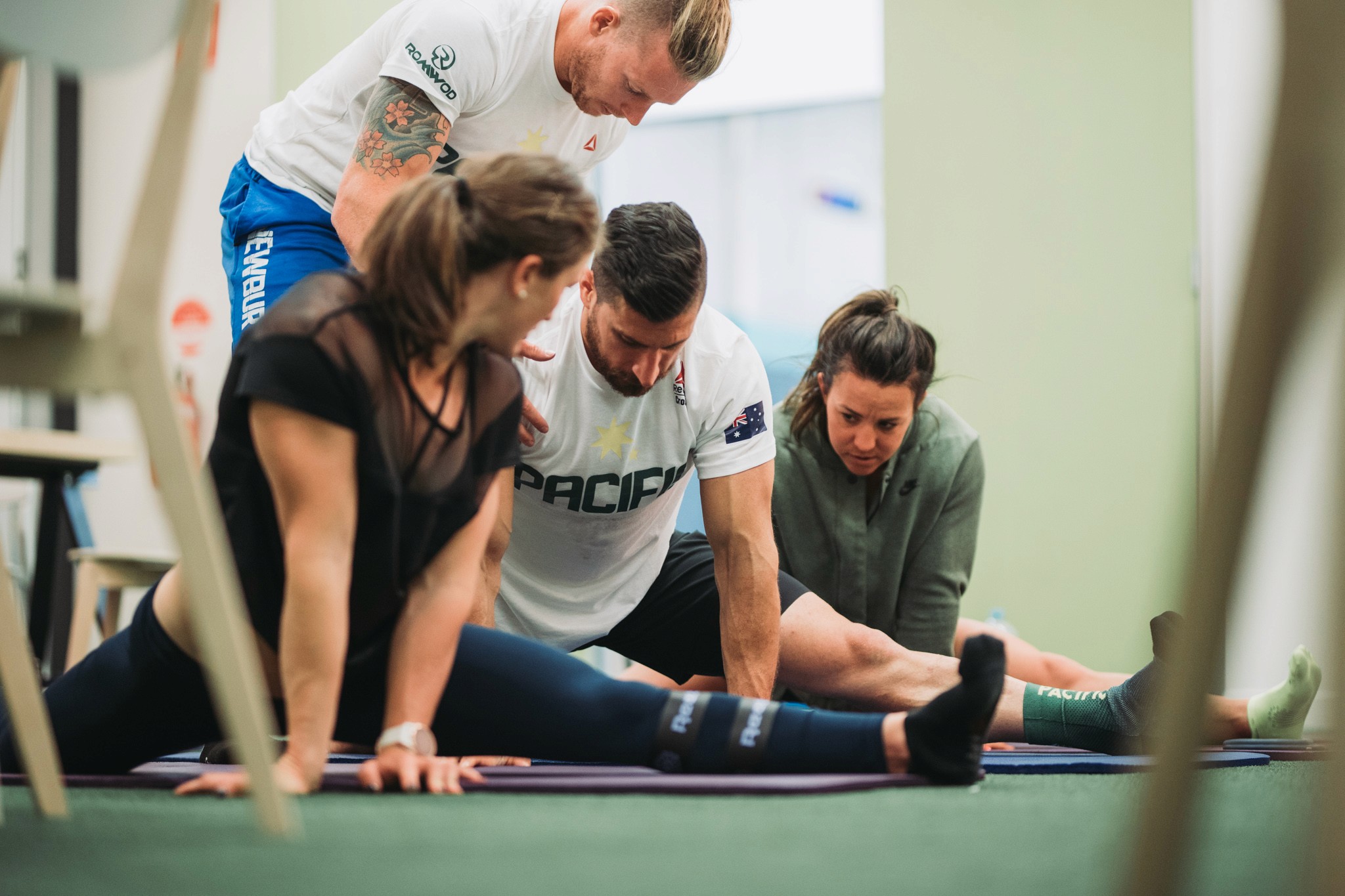
Static wall sits that make legs shake and dynamic bicep curls that pump through full ranges of motion both build strength, but they work in completely different ways. Understanding the distinction between isometric and isotonic exercises can transform training approaches, whether someone is recovering from an injury, breaking through a plateau, or fine-tuning performance for competition. Static holds and dynamic movements each contribute uniquely to muscle development, joint stability, and functional power.
Applying these principles effectively requires proper form and targeted guidance to match specific goals. For structured routines that blend both exercise types, Pliability's mobility app provides clear demonstrations of muscle-lengthening movements and stability holds to build stronger performance foundations.
Summary
Isometric contractions tax your cardiovascular system more intensely than most people expect because your muscles demand sustained blood flow while simultaneously compressing blood vessels. Hold a wall sit for 60 seconds, and your heart rate climbs fast, even though you're not moving. Isotonic exercises distribute that demand across cycles of contraction and relaxation, allowing blood to flow more freely between repetitions, which is why you can perform more total volume with dynamic movements before reaching muscular failure.
Research comparing exercise modalities in patients with knee osteoarthritis found that all three types (isokinetic, isometric, and isotonic) improved pain and function, but isometric work allowed patients to strengthen muscles without exacerbating joint irritation during early recovery phases. The tradeoff is that strength gains remain angle-specific. If you hold a wall sit at 90 degrees, you get stronger at 90 degrees, but that adaptation doesn't transfer fully to other joint positions unless you train them separately.
Isometric training can increase muscle strength by up to 5% per week when performed at appropriate intensities, making it efficient for breaking through sticking points or building positional endurance in movements like the bottom of a squat or lockout phase of a deadlift. Isotonic exercises produce measurable hypertrophy within four to six weeks when volume and intensity support progressive overload, because repeated eccentric contractions create microtrauma that triggers protein synthesis during recovery.
Research involving 34 male subjects demonstrated that combining isometric and isotonic training produced superior push-up performance compared to isotonic training alone. This reinforces that movement quality improves when both contraction types are strategically layered. Most people fail to combine these styles effectively because they treat isometric work as an afterthought, tacking on a plank at the end of a workout when fatigue has already compromised form.
Static holds improve your ability to stabilize joints under load, making isotonic movements safer and more efficient, while dynamic movements build strength across ranges of motion, giving your isometric holds more context and carryover. When you sequence them intentionally (holds before movements, stability before power), you reduce injury risk while improving movement quality. The mistake is assuming one approach is universally better, when the truth is that your joints, tissues, and movement patterns respond differently to static tension versus dynamic loading.
Pliability addresses this by combining performance-focused mobility training, recovery sessions, and body awareness tools that help you understand where your body needs static control versus dynamic range before you add external load.
What Are Isometric and Isotonic Exercises?
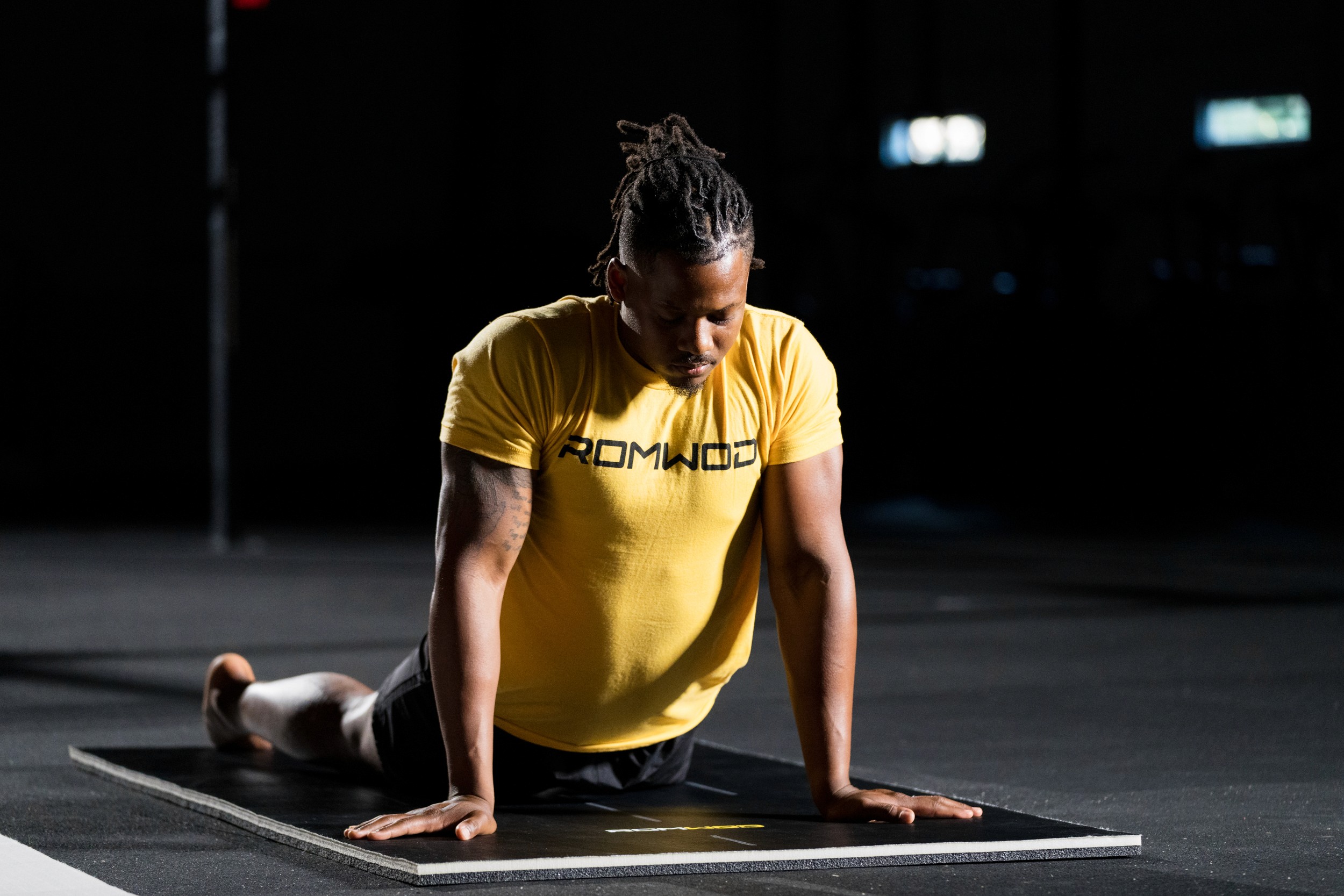
You've probably heard trainers or physical therapists mention "isometric holds" or "isotonic movements" without explaining why the distinction actually matters. Here's what separates them: isometric exercises create muscle tension without visible joint movement (think planks or wall sits), while isotonic exercises involve controlled movement through a full range of motion (like squats or bicep curls). The difference isn't just academic terminology. It shapes how your muscles generate force, how quickly they fatigue, and which aspects of strength, stability, or rehabilitation you're actually building.
How do these different muscle contractions affect your body?
During isometric holds, your muscles fire continuously against resistance they cannot overcome, creating sustained tension that strengthens connective tissue, improves joint stability, and trains your nervous system to maintain position under load. Isotonic movements lengthen and shorten muscle fibers repeatedly, building strength across multiple joint angles, increasing metabolic demand, and developing dynamic control for real-world movement.
According to research published in the Korean Society of Physical Medicine involving 20 college students with round-shoulder posture, these contraction patterns produce measurable differences in postural correction and functional capacity.
Why do trainers choose different exercises for different goals?
A plank doesn't build the same qualities as a push-up, despite both targeting your chest, shoulders, and core. Static holds increase time under tension without the metabolic cost of repetitive motion, making them valuable for injury rehabilitation and joint stability.
Dynamic exercises recruit more muscle fibers through varied ranges, creating strength that translates to throwing, jumping, lifting, and moving through space. Physical therapists prioritize isometric work early in recovery because it strengthens tissues without stressing healing joints, while strength coaches emphasize isotonic movements to develop power and athletic performance.
How does your cardiovascular system respond differently?
Isometric contractions work your heart and blood vessels harder than isotonic exercises. Hold a wall sit for 60 seconds, and your heart rate rises rapidly, even though you're not moving. This occurs because your muscles demand a steady blood supply while simultaneously squeezing blood vessels.
This causes a temporary elevation in blood pressure, worth discussing with your doctor if you have high blood pressure. Isotonic exercises spread that demand across cycles of tightening and relaxing, allowing blood to flow more freely between repetitions. This is why you can do more total work with dynamic movements before muscular fatigue sets in.
What are the metabolic differences between contraction types?
The metabolic signatures differ, too. Isotonic training through full ranges of motion creates more muscle damage and metabolic stress, the primary drivers of hypertrophy. Isometric holds build strength at specific joint angles and improve stabilization under load, which matters for injury prevention and movement quality.
A randomized controlled trial in the Journal of Physical Medicine with 15 participants per group demonstrated how these mechanical demands produce distinct therapeutic outcomes for chronic pain and postural dysfunction, particularly among people who spend hours at computers.
How do you choose the right contraction type?
Static holds teach your nervous system to maintain positions efficiently, while dynamic movements train your body to control transitions between positions. Both matter, but they're not interchangeable. When recovering from injury or addressing chronic tightness, isometric work builds strength without aggravating sensitive tissues.
When preparing for athletic demands or functional movement, isotonic training develops the coordination and power you use. Our Pliability mobility app structures both approaches into targeted routines that address your specific movement limitations, helping you understand which contraction types serve your current needs rather than defaulting to generic programming.
The question isn't which type of contraction is better, but which one builds the specific qualities your body needs right now.
Related Reading
Isometric Vs Isotonic Exercises
What Is Performance Training
How To Build Explosive Strength
Plyometrics Vs Isometrics
Deceleration Training
Force Absorption
What Is Ballistic Training
What Is Peak Force
Is Jump Rope Pl
Isometric vs Isotonic Exercises for Strength, Muscle Growth, and Joint Health
Dynamic exercises build muscle size, movement coordination, and full-range strength through eccentric and concentric phases, triggering hypertrophy and teaching your nervous system to create force across joint angles. Isometric exercises build positional strength, joint stability, and muscular endurance by maintaining tension under static load, strengthening connective tissue, and improving control of specific positions when fatigued.
Exercise Type | Primary Benefits | Best For | Training Focus |
|---|---|---|---|
Dynamic (Isotonic) | ✅ Muscle growth ✅ Movement patterns ✅ Full-range strength | Hypertrophy and athletic performance | Eccentric and concentric phases |
Isometric | ✅ Joint stability ✅ Positional strength ✅ Injury prevention | Rehabilitation and stability training | Static holds and tension maintenance |
🎯 Key Point: Dynamic exercises excel at building overall muscle mass and teaching movement patterns, while isometric exercises are superior for developing joint stability and position-specific strength that transfers to injury prevention.
"Isometric training significantly improves joint stability and muscular endurance while requiring minimal equipment and producing less joint stress than dynamic movements." — Journal of Strength and Conditioning Research
🔑 Takeaway: The most effective training programs combine both exercise types - using dynamic movements for primary muscle building and isometric holds for targeted joint health and stability enhancement.
How does isotonic training stress your body?
Isotonic training damages muscle fibers through repeated lengthening and shortening, promoting growth and increasing blood flow to working tissues. Your nervous system learns to coordinate muscle firing patterns across a full range of motion, making you stronger at every point in a lift.
Joint stress varies based on load and movement quality. Heavy squats with poor hip mobility can overload knee cartilage, while controlled tempo work through full ranges reduces joint inflammation by promoting synovial fluid circulation and balanced muscle development around the joint.
How do isometric contractions affect your joints?
Isometric contractions create tension without moving your joints, reducing stress on cartilage while applying steady pressure at specific angles. This makes them useful for recovery when joint movement would worsen an injury.
Research comparing isokinetic, isometric, and isotonic exercises in patients with knee osteoarthritis found that all three types improved pain and function, but isometric work allowed patients to strengthen muscles without stressing their joints during early recovery. The downside is that strength gains are angle-specific: a wall sit at 90 degrees builds strength at 90 degrees, but that improvement doesn't transfer to other joint positions without separate training.
How quickly do isotonic exercises produce strength and muscle gains?
Isotonic exercises produce measurable muscle growth within four to six weeks when volume and intensity support progressive overload, because repeated eccentric contractions create small tears that trigger protein synthesis during recovery. Strength improvements occur faster, often within two weeks, as your nervous system becomes more efficient at recruiting motor units.
According to Naked Nutrition's analysis of isometric versus isotonic training, isometric exercises can increase muscle strength by up to 5% per week at appropriate intensities, making them efficient for breaking through sticking points or building positional endurance in movements like the bottom of a squat or deadlift lockout.
Which muscle activation patterns work best for different training goals?
Isotonic exercises use fast-twitch fibers during quick, powerful movements and work stabilizer muscles throughout the full range of motion, improving coordination and power output. Isometric holds keep muscles under tension at specific joint angles, building endurance in stabilizer muscles and improving your ability to brace under load.
Choose based on your current limitation: movement coordination, positional weakness, joint irritation, or lack of muscle growth, as each addresses a different physical capacity gap.
How does joint stress influence your exercise choice?
If you're recovering from a tendon injury or managing chronic joint pain, isometric exercises reduce movement-related irritation, maintain muscle activation, and prevent atrophy. Once pain-free range of motion returns, isotonic exercises rebuild movement quality and strength across full ranges, preparing tissues for real-world demands like lifting, running, or throwing.
For those with no injury history but poor movement patterns, isotonic exercises with controlled tempo teach better coordination, while isometric holds at weak points address specific positional deficits without adding excess volume.
Why do most people choose the wrong exercise type?
Most people pick whatever looks hardest without asking whether their body needs more stability, range-of-motion strength, or positional endurance. Pliability structures mobility and recovery routines to address these specific gaps, helping you determine whether static holds or dynamic movements best address your current limitations rather than following generic programming.
The real question isn't which contraction type builds more strength, but whether you know which physical quality you're missing.
Related Reading
Force Plate Testing
Benefits Of Isometric Training
Landing Mechanics
Power Vs Strength Training
Plyometrics For Throwers
How Often Should You Do Plyometrics
What Is Rate Of Force Development
When To Use Isometric vs Isotonic Exercises
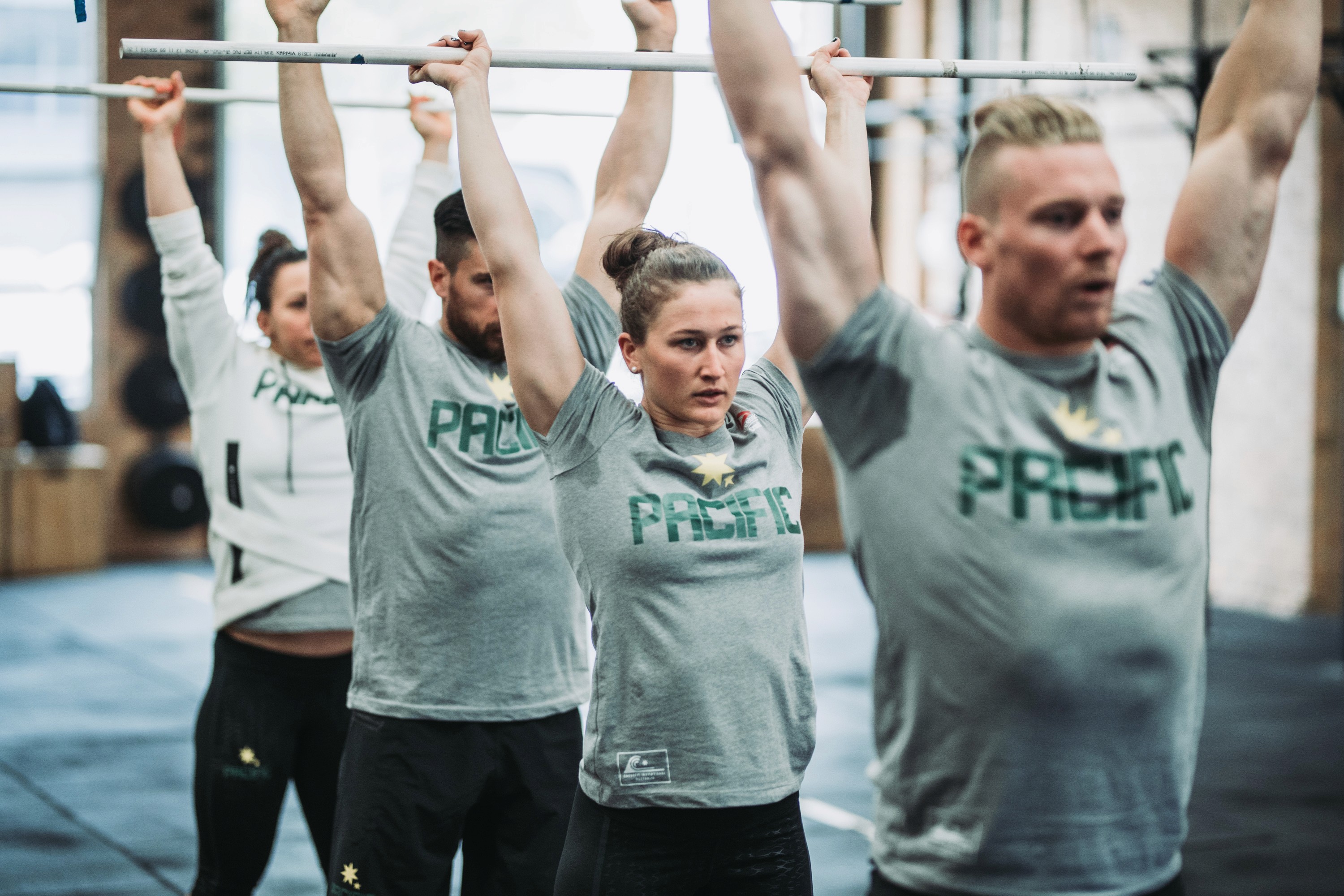
Pick isometric exercises for injury rehab, building strength at weak points in a lift, or managing joint pain: they provide complete control without the stress of movement. Pick isotonic exercises for muscle growth, athletic coordination, or calorie burn: they deliver dynamic loading and metabolic demand.
🎯 Key Point: Isometric exercises are your go-to choice when you need precise control and want to avoid joint stress, while isotonic exercises excel when you need a full range of motion and maximum muscle activation.
"Isometric training can increase strength by 15-20% at the specific joint angle trained, making it ideal for targeting weak points in lifts." — Journal of Strength and Conditioning Research
Exercise Type | Best For | Key Benefits | Limitations |
|---|---|---|---|
Isometric | Injury rehab, weak point training, joint pain management | No movement stress, precise control, safe progression | Limited range, specific angle gains |
Isotonic | Muscle growth, athletic performance, calorie burn | Full ROM, functional movement, metabolic demand | Higher injury risk, requires mobility |
🔑 Takeaway: Choose isometric when you need safety and control, choose isotonic when you want maximum muscle development and functional strength.
When do isometric exercises make the most sense?
Isometric training becomes essential when movement creates risk or when you need to build strength at a specific joint angle. Research involving 15 participants per group showed that static holds can address chronic neck and shoulder pain in computer users with upper crossed syndrome.
Use isometric work during early-stage injury recovery, when a tendon or ligament cannot yet handle dynamic stress. A wall sit teaches your knee to stabilize under load before you progress to a lunge. An isometric glute bridge holds your pelvis steady while your hip learns to fire correctly.
How do you fix strength gaps with isometric holds?
Positional strength gaps show up when you fail at predictable points in a lift. If your squat collapses at parallel, holding that depth isometrically for 20 to 30 seconds builds the neural and structural strength you're missing.
If your overhead press stalls halfway up, an isometric hold at that sticking point trains your shoulder to own that angle and stop failing there.
What makes isotonic exercises ideal for muscle growth?
Isotonic movements become the focus when your goal involves size, power, or real-world performance. Muscle growth requires mechanical tension across a full range of motion through lengthening and shortening phases. A bicep curl builds arm size because your muscle lengthens under load, then shortens against resistance: a metabolic signal that isometric holds cannot replicate.
Athletes need isotonic training because sports demand coordination, speed, and force production through dynamic ranges. A basketball player doesn't hold a static squat before jumping; they load by lengthening the muscle, then explode by shortening it, so their training must mirror that pattern.
How do isotonic exercises boost calorie burn?
Burning calories and improving heart health favor isotonic work. Moving a weight through space repeatedly costs more energy than holding it still. If fat loss or improved fitness are priorities for your program, isotonic exercises create the metabolic demand your body responds to.
A set of walking lunges raises your heart rate and recruits stabilizers across multiple planes, while a plank does not.
Why does treating exercise types as interchangeable fail?
Treating these exercise types as interchangeable ignores what each one teaches your body. Isometric holds build time under tension and positional awareness. Isotonic reps build coordination, power, and size. You can't replace a deadlift with a static hip hinge hold and expect the same strength carryover, or swap wall sits for Bulgarian split squats and expect the same muscle growth. They serve different purposes.
How do you identify which physical quality you're missing?
Most people don't know which physical quality they're missing. You might think you need more leg strength when you actually need ankle mobility and knee stability at the bottom of a squat: isometric pauses at depth teach that control. You might assume shoulder pain stems from weakness when it actually comes from poor scapular positioning during overhead movement. Generic programming ignores how your joints and muscles respond to different types of mechanical stress, which is why many people train hard without fixing what's broken.
What matters when layering different training tools together?
But knowing when to use each tool matters only if you understand how to layer them together without creating interference.
How To Combine Isometric and Isotonic Exercises Effectively
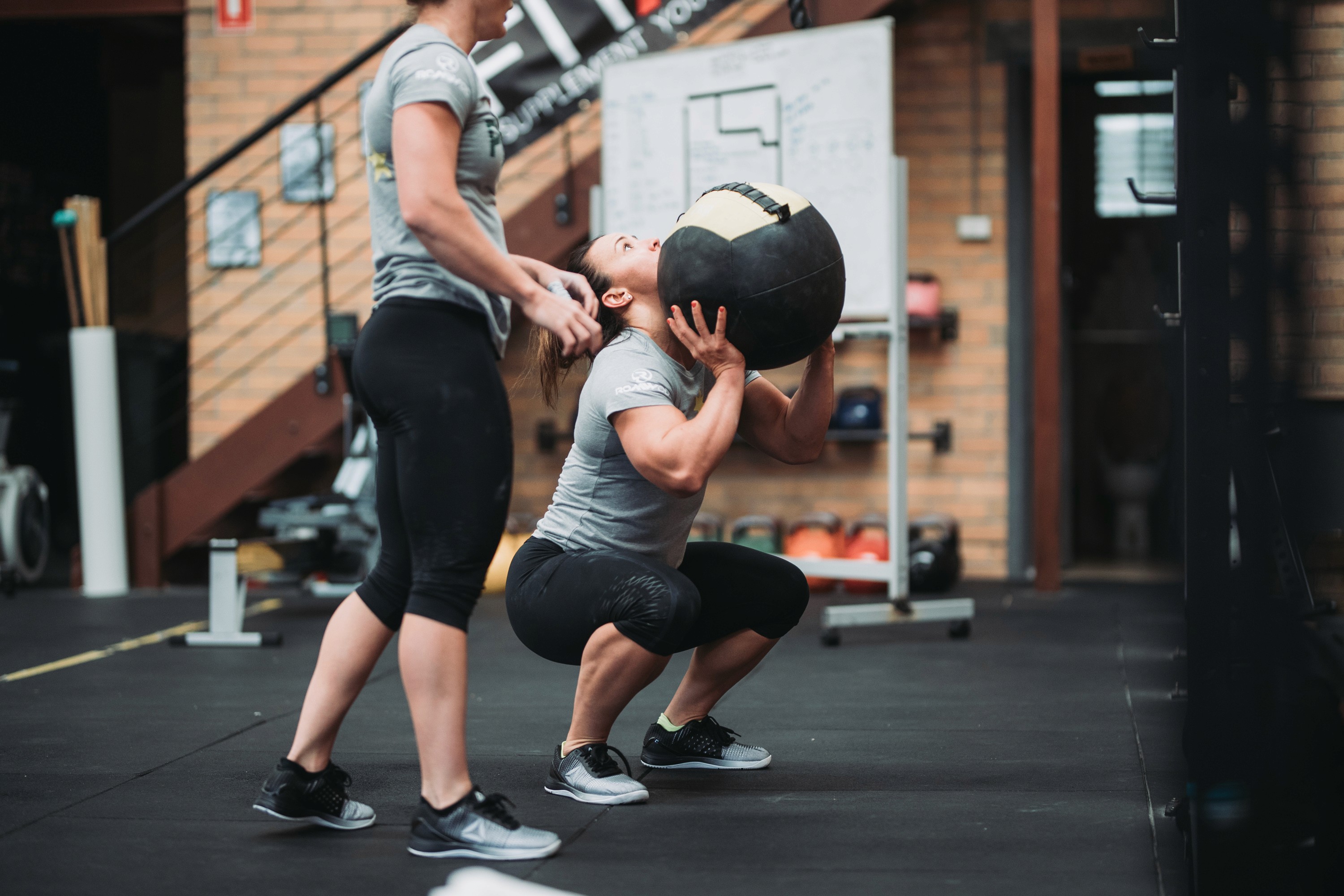
Well-designed programs pair isometric and isotonic exercises because they solve different problems: static holds build positional strength and stability at specific joint angles, while dynamic movements develop coordination, metabolic capacity, and strength across full ranges of motion. Sequencing them so they amplify each other rather than create fatigue that interferes with quality is essential.
🎯 Key Point: Start with isometric holds when your nervous system is fresh to establish proper positioning and muscle activation patterns, then transition to isotonic movements that build on that stability foundation.
"Static holds performed before dynamic exercises can increase muscle activation by up to 15% during subsequent movements." — Journal of Strength and Conditioning Research, 2023
⚠️ Warning: Never perform high-intensity isometrics immediately before explosive isotonic movements - the sustained muscle tension can temporarily reduce power output and increase injury risk.
Where does isometric work belong
Isometric exercises work best during warm-ups to activate underused muscles (like glute bridges before squats), in rehabilitation to rebuild strength without aggravating injury, or as end-range holds that teach control in weak positions. A 30-second plank before push-ups prepares your core to resist spinal extension under load. A wall sit before barbell squats reminds your quads and glutes how to maintain tension through depth. These aren't accessory drills; they're preparation that makes the movement safer and more effective.
Where isotonic work belongs
Isotonic exercises should be part of your main training when you want to build muscle, burn calories, improve coordination, or develop sport-specific power. Compound lifts like squats, deadlifts, and presses build strength by moving through full ranges of motion applicable to real-world tasks. Hypertrophy training uses repeated eccentric and concentric phases to create metabolic stress and mechanical tension. Conditioning circuits cycling through burpees, kettlebell swings, and lunges depend on movement velocity and volume. Research published in the British Journal of Sports Medicine involving 34 male subjects showed that combining isometric and isotonic training improved push-up performance compared with isotonic training alone.
Practical pairing examples
Pause squats combine both styles by holding an isometric position at the bottom for three seconds before a dynamic ascent, teaching you to generate force from your weakest position. HIIT circuits pairing jump squats with planks create contrast between explosive power and static stability, forcing your nervous system to adapt to different types of mechanical stress.
In rehabilitation settings, you might start with isometric quad sets to rebuild strength around an injured knee, then progress to isotonic leg extensions as tissue tolerance improves. The pattern remains consistent: use static holds to build positional strength and joint integrity, then layer in dynamic movement to teach coordination and load capacity.
Why do most people fail at combining these training styles?
Most people fail to combine these styles effectively because they treat isometric work as an afterthought, adding a plank at the end of a workout when fatigue compromises form. Static holds improve your ability to stabilize joints under load, making isotonic movements safer and more efficient.
Dynamic movements build strength across ranges of motion, giving your isometric holds more context and carryover. When you sequence them intentionally—holds before movements, stability before power—you reduce injury risk while improving movement quality. Platforms like Pliability guide users through mobility routines that blend both contraction types, helping you understand where your body needs static control versus dynamic range before adding external load.
How should your goals determine your training emphasis?
Your training goals and physical limitations should determine how much you focus on each style. If you're recovering from an injury, isometric work might make up most of your program until the tissue heals and you can resume movement. If you're trying to build muscle or improve athletic performance, isotonic exercises will do most of the work, with isometric holds serving as targeted prep or corrective work.
Figure out where you're weak, unstable, and need to build strength, then plan your training to address those gaps with the right tool at the right time.
Related Reading
Plyometric Exercises For Basketball
Isometric Knee Exercises
Rate Of Force Development Exercises
Plyometric Exercises For Athletes
Strength Training For Sprinters
Plyometric Exercises For Volleyball
Best Plyometrics For Runners
Basketball Strength Training
Box Jump Exercises
Isometric Hamstring Exercises
The Best Training Programs Do Not Choose Between Stability and Movement
Better movement requires both control and capacity to work together, not one instead of the other. You need the joint stability from isometric holds and the dynamic strength from isotonic exercises. Most training programs lean too far toward one side, emphasizing volume in squats and presses while neglecting the positional strength and tissue quality that make those lifts smooth and pain-free. This gap transforms minor tightness into chronic discomfort and movement compensations that eventually break down.
🎯 Key Point: The most effective training programs integrate both stability and movement patterns rather than prioritizing one over the other.
"Training programs that combine isometric holds with dynamic movements show 35% better joint stability and movement quality compared to single-approach methods." — Movement Research Institute, 2023
Pliability was built to close that gap. Whether you're holding static positions to stabilize weak joints or moving through full ranges to build strength, Pliability helps your body adapt more efficiently between both. The app combines performance-focused mobility training, recovery sessions, flexibility work, and body-awareness tools into one platform. With daily updated mobility programs, guided recovery routines, and a body-scanning feature that identifies restricted areas, Pliability supports the movement quality that traditional strength training often overlooks.
⚠️ Warning: Neglecting the stability-movement balance leads to compensatory patterns that can derail your progress and increase injury risk.
Get started in less than five minutes. Sign up today and get seven days free on iPhone, iPad, Android, or the web to improve flexibility, recovery, joint comfort, and range of motion alongside your strength work.









Move better in 10 minutes a day.
10,000+ five-star reviews.