


LEARN
pliability
Most people who care about longevity are tracking the same handful of numbers.
Resting heart rate. HRV. VO2 max. Glucose variability. Sleep scores. Maybe a quarterly blood panel if they're serious about it.
They've invested in wearables. They've dialed in their zone 2 cardio. They've read the Attia book, listened to the Huberman episodes, and built a stack around the metrics that the longevity conversation says matter most.
And those metrics do matter. Nobody's arguing otherwise.
But there's one biomarker that almost nobody is measuring — one that research suggests may be a stronger predictor of all-cause mortality than most of the numbers people obsess over daily.
It's not a blood marker. It's not a heart rate derivative. You can't measure it with a wearable.
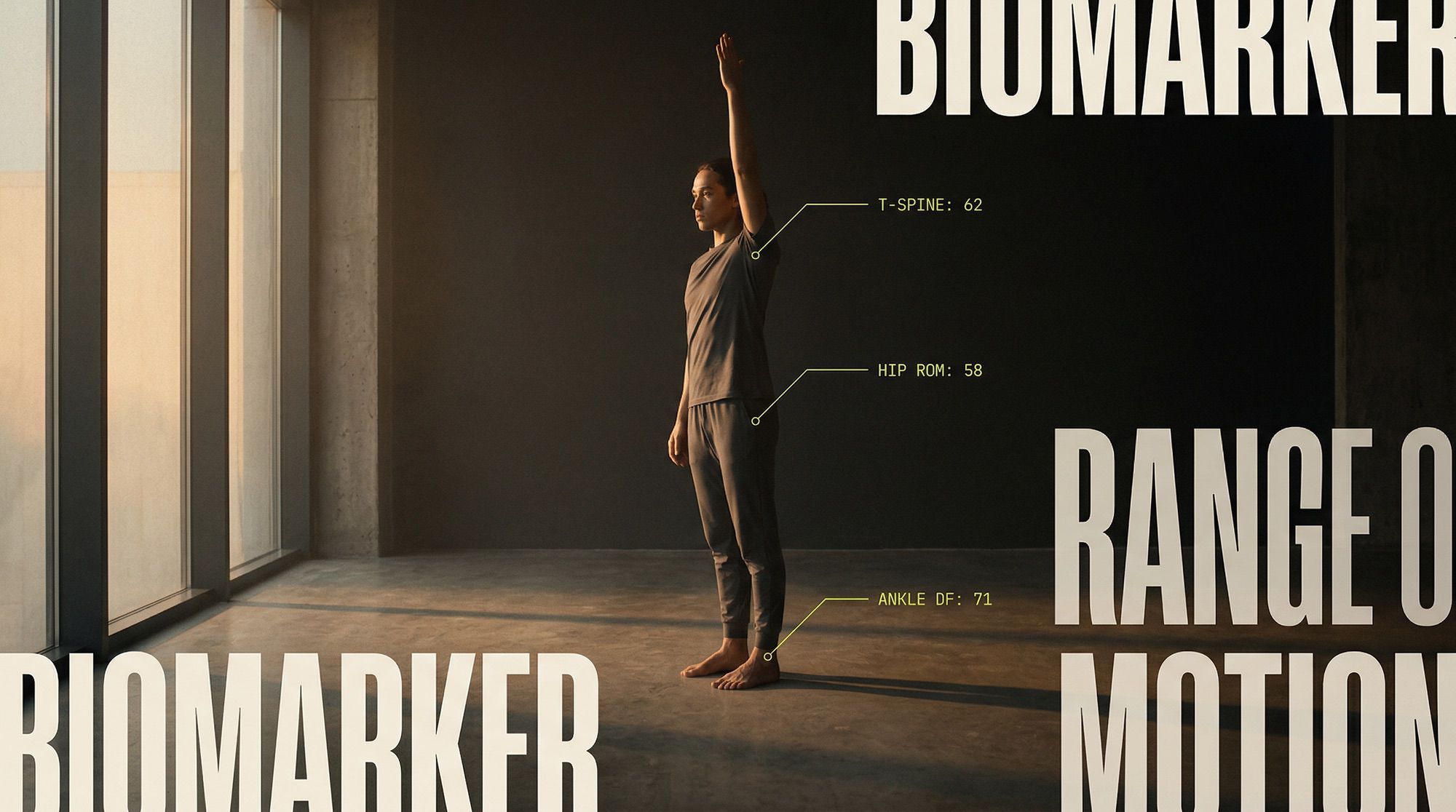
It's how well you move through a full range of motion.
And if you haven't tested yours recently, you're optimizing around a blind spot.
The study nobody talks about
In 2012, a Brazilian physician named Claudio Gil Araújo published a study in the European Journal of Preventive Cardiology that should have changed the longevity conversation permanently.
He developed a simple assessment called the sitting-rising test. Subjects aged 51 to 80 were asked to sit down on the floor and stand back up, unassisted. Each movement was scored on a 5-point scale — points deducted for using hands, knees, or forearms for support.
The results were striking. Subjects who scored in the lowest range had a 5 to 6 times higher risk of mortality during the study's follow-up period compared to those who scored highest. The association held after adjusting for age, sex, and BMI.
The test wasn't measuring strength. It wasn't measuring cardiovascular fitness. It was measuring something more fundamental — the ability to move the body through a complete range of motion with control.
This wasn't the only research to make the connection. A 2020 study published in the Journal of Aging and Physical Activity tracked over 3,000 adults and found that musculoskeletal flexibility — specifically, the ability to maintain functional range through the hips, spine, and shoulders — was independently associated with reduced mortality risk across all age brackets.
And a 2023 review in Sports Medicine consolidated over 40 studies linking mobility markers to fall risk, fracture incidence, and functional independence in older adults — concluding that range of motion may be one of the most undervalued predictors of healthspan.
None of this is fringe science. It's published, peer-reviewed, and reproducible.
But it's almost entirely absent from the mainstream longevity conversation.
Why your current stack doesn't cover this
Here's the uncomfortable truth for anyone running a disciplined health protocol: most of the popular longevity interventions do almost nothing for mobility.
Zone 2 cardio improves mitochondrial density and cardiovascular endurance. It doesn't restore hip range of motion.
Resistance training builds muscular strength and preserves bone density. It doesn't address the fascial restrictions that accumulate from repetitive movement patterns.
Cold exposure triggers a hormetic stress response and may support immune function. It doesn't lengthen a shortened hip flexor.
Continuous glucose monitoring gives real-time metabolic feedback. It tells you nothing about whether your thoracic spine still rotates the way it did at 25.
These interventions are valuable. They're just incomplete. They address systems — cardiovascular, metabolic, muscular — while leaving the structural foundation unmonitored and unmanaged.
And that structural foundation is degrading.
After 30, most adults lose measurable range of motion every year. It happens slowly. It's imperceptible week to week. But compounded over a decade, the decline is significant — restricted hips, limited spinal rotation, reduced shoulder flexion, compromised ankle dorsiflexion.
The body compensates. Movement patterns shift. Efficiency drops. Injury risk climbs. And eventually, the compound interest of that decline shows up as the thing people blame on "getting older" — the stiff mornings, the nagging tightness, the movements that used to feel easy and now feel managed.
It's not aging. It's accumulated mobility debt. And unlike your HRV or glucose, you've probably never measured it.
What sports medicine actually prescribes
When sports medicine physicians and physical therapists work with patients on long-term movement health, the protocol is well established:
A combination of passive stretching (long, gravity-supported holds that lengthen fascia and connective tissue), active mobility work (controlled movements through range that build strength and stability within that range), and breath-integrated recovery (nervous system downregulation that supports tissue repair and reduces chronic tension).
The research supports daily exposure — 10 to 15 minutes minimum — with progressive programming that adapts to the individual's baseline and goals.
The outcomes are measurable. Range of motion improves in specific, testable ways. Joint function scores increase. Movement quality — assessed through standardized screens — trends upward over weeks and months.
The challenge is access and structure.
A physical therapist or sports physio charges $80 to $150 per session, typically recommending two sessions per week for meaningful progress. Over three months, that's $2,000 to $3,600 — and it requires scheduling, commuting, and a level of commitment that most people can't sustain alongside work and training.
More importantly, most people aren't injured. They don't have a diagnosis. They don't have insurance coverage for "preventive mobility work." They just have a slow, invisible decline that hasn't become a problem yet — but will.
What's been missing is a way to measure your mobility the way you measure your heart rate, build a structured protocol without a clinician, and track progress over time the way you'd track any other biomarker.
That gap is closing.
Mobility as a measurable biomarker
A platform called pliability has built what amounts to a mobility tracking and improvement system — structured around the same principle that makes glucose monitors and HRV trackers valuable: you can't improve what you don't measure.
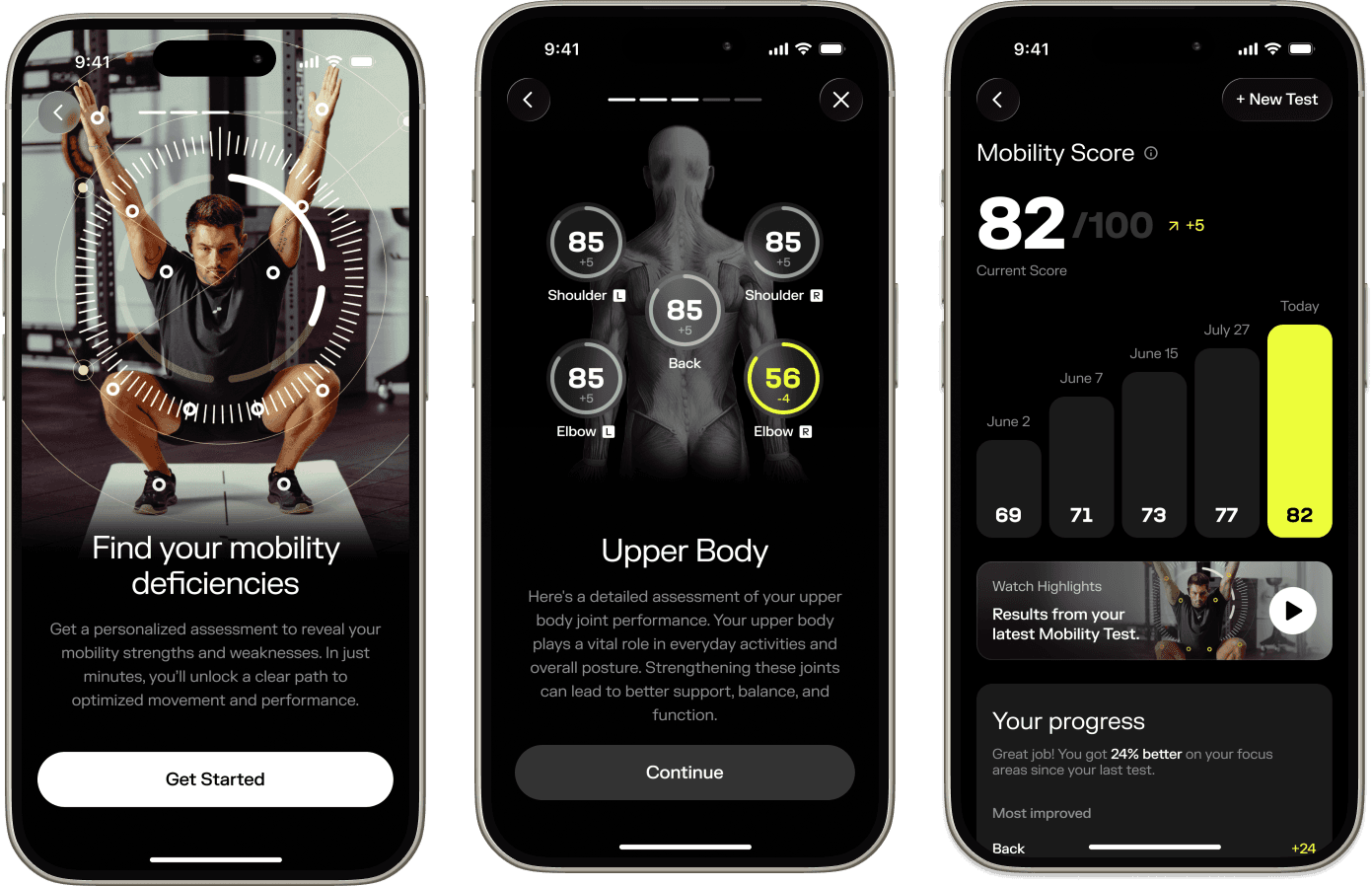
It starts with a Mobility Test. Three minutes. No equipment. You move through a series of assessments that evaluate range of motion across your major joints — hips, spine, shoulders, ankles. The system scores you on a 0 to 100 scale, giving you a baseline number that represents your current structural capacity.
That number becomes your biomarker.
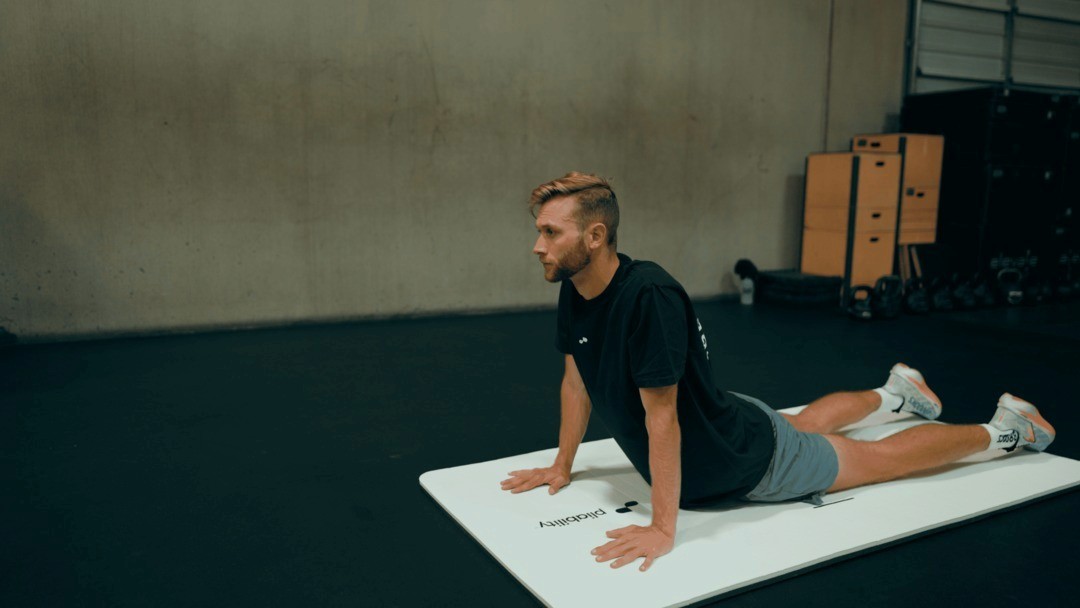
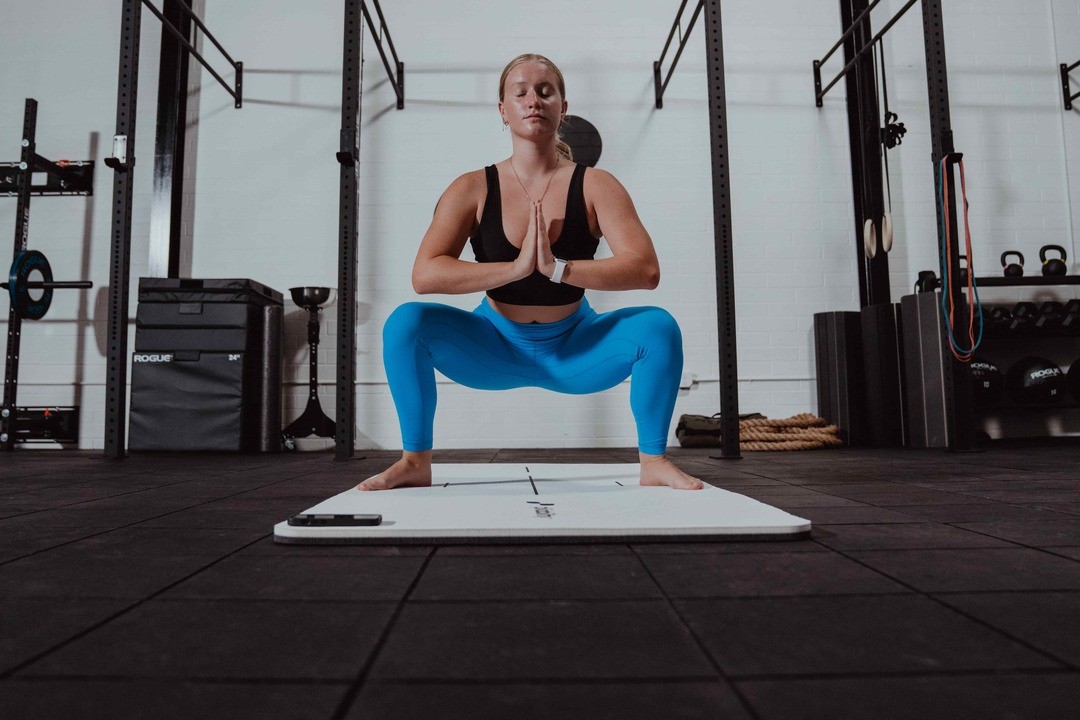
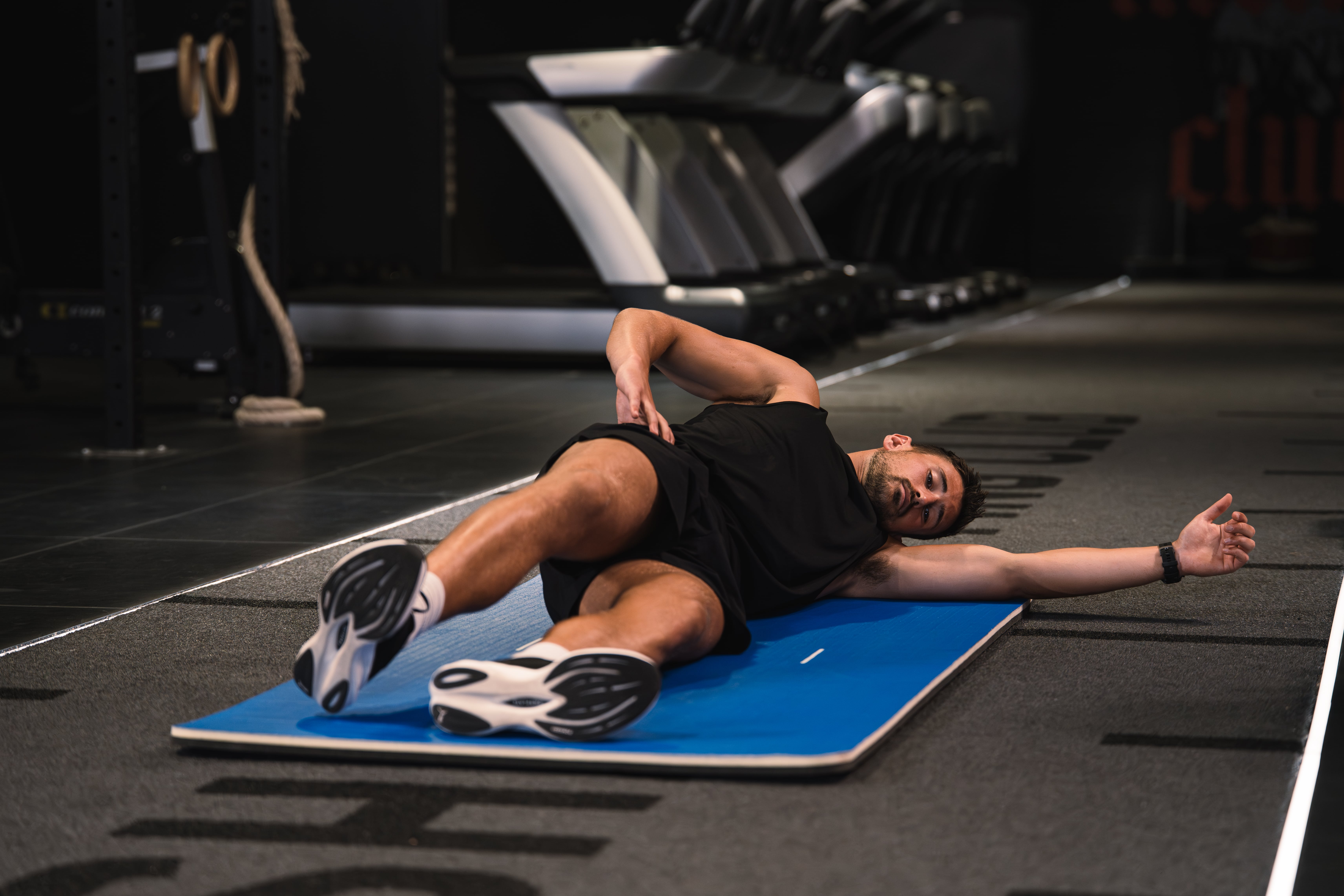
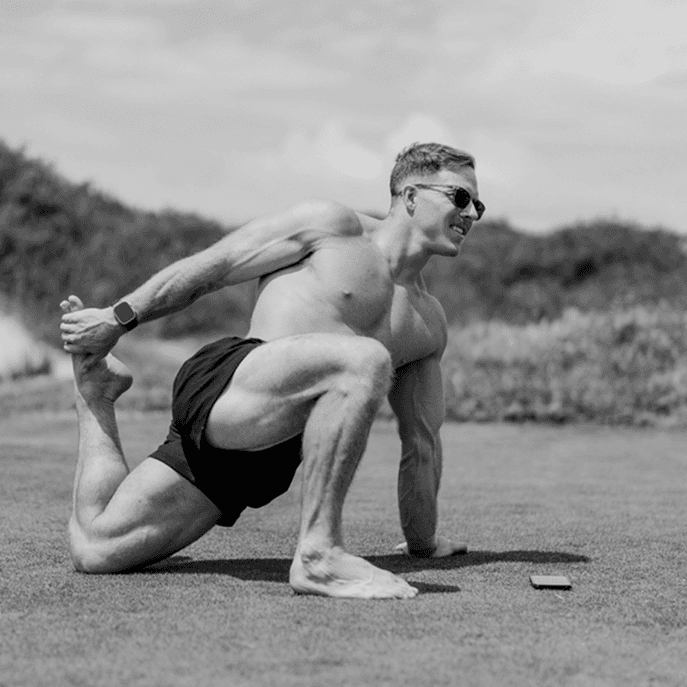
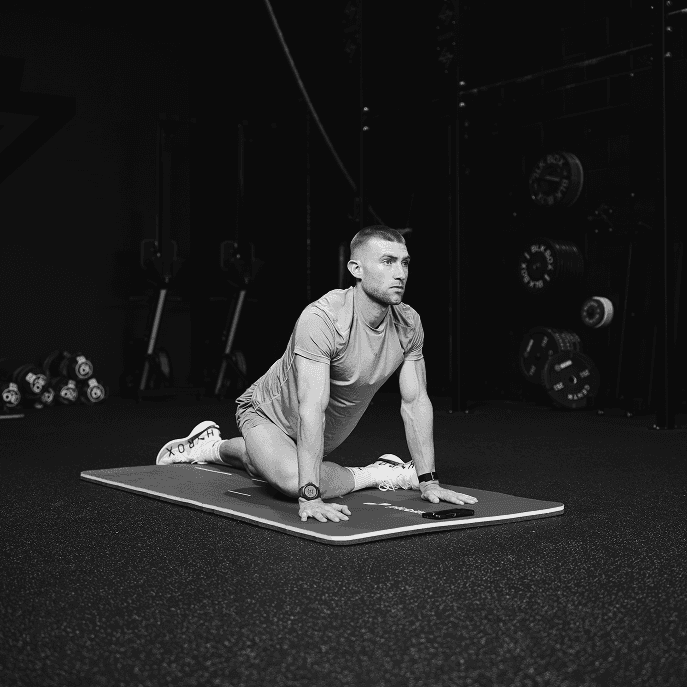
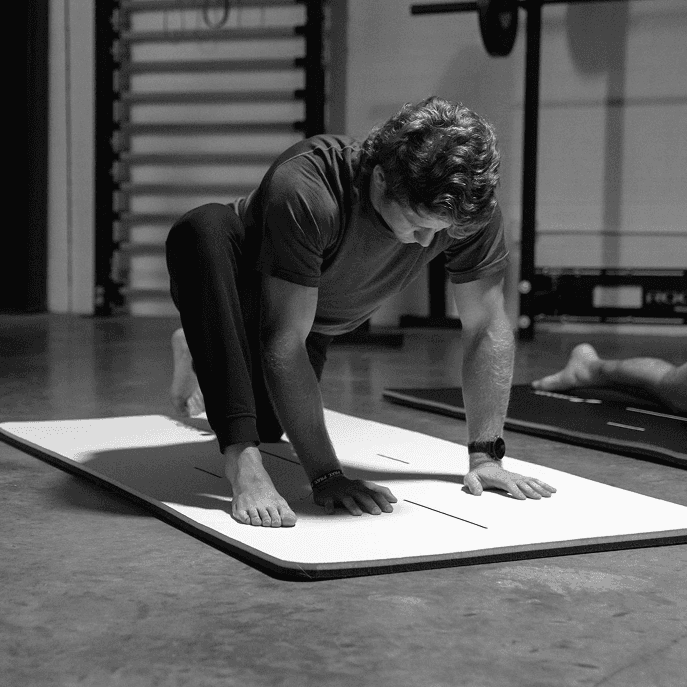
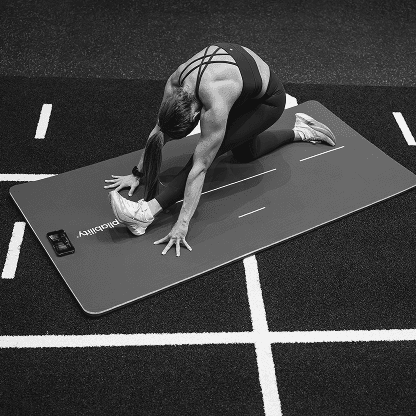
From there, the app builds a personalized program — daily sessions that blend passive stretching, active mobility, joint work, and breathwork, calibrated to where your body is now and where the deficits are. Sessions run 10 to 20 minutes. No equipment required. You can do them at home, in a gym, wherever you have floor space.
The method is built on sports science principles that aren't new to physical therapists — they're just newly accessible. Passive holds target deep connective tissue and fascia. Active mobility builds control and stability through range. Breathwork supports nervous system regulation, which is foundational to tissue recovery and long-term flexibility adaptation.
pliability is the official stretching partner of HYROX — the global fitness racing series — and their programming is used by competitive athletes across running, functional fitness, golf, and combat sports. But the core application is broader than sport. It's for anyone who wants to maintain structural health as a long-term practice.
The Mobility Score tracks over time. You test periodically, and you can see the trend — the same way you'd watch an HRV baseline shift upward over months of consistent training. Users typically report measurable improvement within the first few weeks: a 61 becoming a 68, a 73 climbing to 79. The numbers are specific, personal, and directional.
The cost is a subscription — a fraction of a single PT session per month — with full access to the test, the programming, and the tracking system.
What users actually experience
Here's what the progression typically looks like in practice.
A 38-year-old software engineer who lifts four days a week took the Mobility Test and scored 64. He'd never considered mobility work because nothing hurt — he just noticed his squat depth had been declining and his shoulders felt tight overhead. After six weeks of daily 12-minute sessions, he retested at 74. His squat mechanics improved without changing his strength programming.
A 45-year-old runner training for her third marathon scored 58. Her physical therapist had flagged hip restriction but sessions were $120 each and hard to schedule. After two months on a running-specific program, she retested at 71. Her PT confirmed the range improvement at her next visit.
A 52-year-old desk worker who'd been tracking HRV and glucose for two years but had never once assessed mobility scored 55. He described it as a wake-up call — every other metric looked optimized, but his structural health was quietly degrading. After three months of consistent daily sessions, he's at 69 and still progressing.
These aren't transformation stories. They're incremental, measurable improvements in a biomarker that most people have never thought to track — made possible by a structured protocol that fits into the time most people spend scrolling before bed.
The assessment takes three minutes
If you're tracking your health with any level of seriousness and you've never measured your mobility, there's a gap in your data.
The Mobility Test is free. It takes three minutes. You'll get a score — a real number that represents where your structural health stands today. No commitment required beyond finding out.
Best case, you discover a new lever for longevity you haven't been pulling. Worst case, you learn something about your body you didn't know.
Either way, it's the one assessment most people optimizing for healthspan have never taken.
If you want to get your own 3 minute mobility assessment, visit the pliability mobility test page.










Move better in 10 minutes a day.
10,000+ five-star reviews.